On Max-Joseph-Straße in Munich's city centre, Conti Restaurant occupies a position in the established tier of the city's dining scene. The address places it within walking distance of the Residenz and Nationaltheater, situating it alongside Munich's older, more formal restaurant tradition rather than its newer wave of Michelin-chasing tasting-menu counters.
Pearl is the En Primeur Club membership app — saves, bookings, and concierge access live there. Same editors, same standards.
- Address
- Max-Joseph-Straße 5, 80333 München, Germany
- Phone
- +498955178546
- Website
- conti-restaurant.de
- Directions
- Get directions
 Saves & bookings on Pearl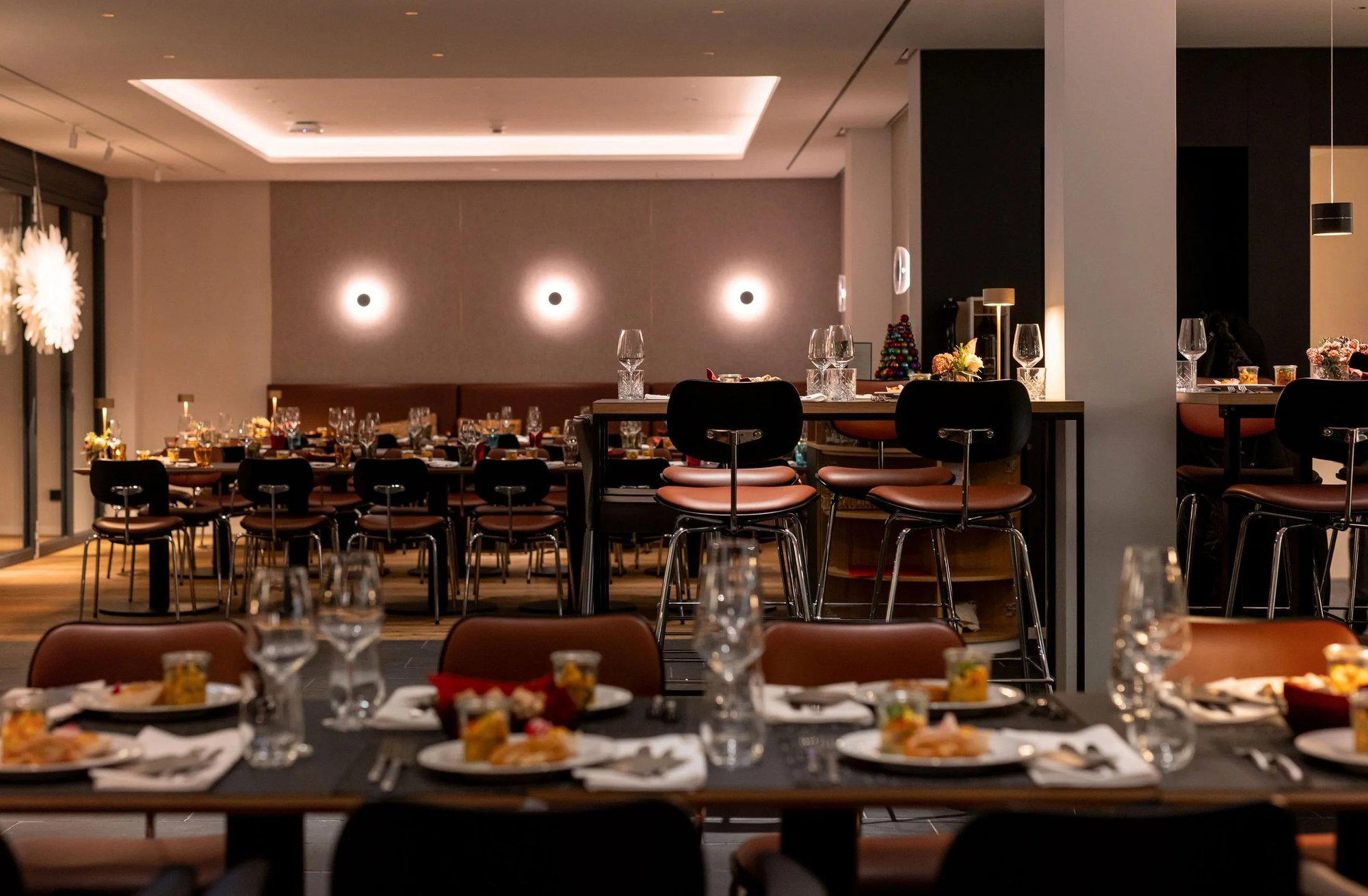
Where Munich's Formal Dining Tradition Holds Its Ground
Max-Joseph-Straße runs through the heart of Munich's first district, a street flanked by civic architecture and the gravitational pull of the Residenz complex. Restaurants that have occupied this corridor over the decades inherit a particular set of expectations from the neighbourhood: measured formality, unhurried service, and a guest profile that trends toward the established rather than the experimental. Conti Restaurant, at number five on that street, operates within precisely that context.
Munich's dining scene has split sharply in recent years. On one side sit the newer tasting-menu counters: places like JAN, which pursue a creative, course-by-course format aimed at international recognition. On the other sit the longer-established houses, where the ritual of dining is itself a form of conservation, maintaining a pace and structure that the newer generation has largely abandoned. Conti belongs to the latter group, and understanding that distinction is the starting point for any honest assessment of what a meal here offers.
The Ritual of the Meal in Munich's City Centre
Germany's formal dining tradition places considerable emphasis on the arc of a meal rather than the shock of any single dish. The progression from aperitif to coffee, the spacing between courses, the choreography of the dining room, these are treated as structural elements, not incidental details. Munich, more than Hamburg or Berlin, has retained a version of this tradition in its city-centre restaurants, partly because of its proximity to the Austrian and Bavarian hospitality culture that never fully broke with classical service formats.
At this address, the pacing of a meal is likely to follow that established template. The room on Max-Joseph-Straße is positioned close enough to the Nationaltheater that pre-theatre and post-theatre dining form a natural rhythm for the guest calendar, imposing a certain discipline on service timing. That proximity tends to sharpen the efficiency of a dining room without necessarily hurrying the experience itself. Compare this with the more elastic timing of suburban tasting-menu destinations: at places like Tohru in der Schreiberei, the meal is the entire evening. At a city-centre address like this, the meal is one movement within a larger evening.
That distinction carries implications for how you approach a reservation. A table here is more likely to accommodate a two-hour dinner than a three-and-a-half-hour progression through fifteen courses. The guest who wants to arrive at seven and leave at ten without ceremony has an easier relationship with this format than the one seeking the extended ritual of places like Atelier at the Bayerischer Hof or the historic house of Tantris in Schwabing.
The Competitive Context: Italian Dining in Munich
Munich supports a denser Italian restaurant culture than most German cities of comparable size, a pattern that reflects both the city's geographic proximity to northern Italy and a long-standing trade and cultural relationship that predates modern tourism. The Italian end of the market here ranges from neighbourhood trattoria formats through to high-end Mediterranean-leaning cuisine. Conti occupies an address that suggests a mid-to-upper positioning within that range, comparable in neighbourhood gravity to Acquarello, which operates in the Italian-Mediterranean space at the upper price tier in Munich's dining scene.
The distinction between Italian restaurants in this city often turns less on the food itself and more on the service register and room character. A formal Italian address near the Residenz reads differently from a relaxed enoteca in Haidhausen, even if the kitchen references are similar. For international guests arriving via Munich Hauptbahnhof or flying into Franz Josef Strauss Airport, the city-centre address of Max-Joseph-Straße represents convenience alongside formality, a combination that the newer creative addresses in Munich's outer neighbourhoods cannot offer to the same degree.
For comparison across Germany's broader fine-dining circuit, the formal Italian tradition that Conti represents in Munich finds parallels at addresses like Restaurant Haerlin in Hamburg, where classical European service frames a kitchen working with French and Mediterranean references. The commitment to room formality over menu experimentation is a deliberate editorial position in both cases.
Munich in Relation to Germany's Wider Scene
To calibrate a meal at Conti accurately, it helps to situate Munich's dining scene within the national picture. Germany's most-recognised restaurants by critical measure tend to cluster outside the major cities: Schwarzwaldstube in Baiersbronn, Vendôme in Bergisch Gladbach, Victor's Fine Dining by Christian Bau in Perl, and Waldhotel Sonnora in Dreis all operate from rural or semi-rural bases. Munich's Michelin-starred addresses, including Alois at Dallmayr and the tasting-format counters, represent the city's contribution to that national conversation, but the city's dining culture is broader than its starred tier.
Conti operates in the space below and adjacent to the starred circuit: restaurants where the experience is organised around hospitality and familiarity rather than ambition and technique. That space is, in many cities, the one that locals actually use most consistently. The tasting-menu addresses are destinations for anniversaries and business entertaining; the restaurants in this middle-upper band are where regulars eat on a Thursday in November. Both serve a function, and neither is a lesser version of the other.
International context is also useful here. The format Conti represents in Munich is closer in spirit to the Italian-leaning establishments of New York or London that prioritise room experience and relationship service over creative kitchen programs. Diners familiar with that format at places like Le Bernardin in New York City, where the formality of service is itself a significant part of the value proposition, will find the logic of Conti's positioning legible, even if the cuisine registers differently.
Know Before You Go
Address: Max-Joseph-Straße 5, 80333 München, Germany
Neighbourhood: Altstadt-Lehel, Munich's first district, within walking distance of the Residenz and Nationaltheater
Price range: about USD 25 per person
Booking: Reservations are recommended
Timing: The Nationaltheater proximity means pre- and post-theatre slots fill earlier; mid-week evenings tend to carry more flexibility than weekend services in this part of the city
Getting there: The address is at Max-Joseph-Straße 5, 80333 München, Germany
Credentials Lens
Comparable venues nearby, for context on price, style, and recognition.
| Venue | Cuisine | Price | Notes |
|---|---|---|---|
| Conti RestaurantThis venue — the venue you are viewing | Traditional German & International Bistro | $$ | Not listed |
| Wildmosers Restaurant-Cafe am Marienplatz - München | Traditional Bavarian | $$ | Altstadt |
| Pretty Bun | Premium Hot Dogs | $$ | Neuhausen |
| Dahoam Restaurant | Traditional Bavarian | $$ | Theresienwiese |
| HOCHREITER'S Steirer am Markt | Traditional Bavarian & Alpine Cuisine | $$ | Altstadt |
| Restaurant Zirbelstube | Traditional Bavarian | $$ | Haidhausen |
At a Glance
- Cozy
- Classic
- Business Dinner
- Group Dining
- Casual Hangout
- Date Night
- Terrace
- Private Dining
Current opening hours
- Monday
- 11 AM–11 PM
- Tuesday
- 11 AM–11 PM
- Wednesday
- 11 AM–11 PM
- Thursday
- 11 AM–11 PM
- Friday
- 11 AM–11 PM
- Saturday
- Closed
- Sunday
- Closed
Hours can change for holidays and private events. Last verified .
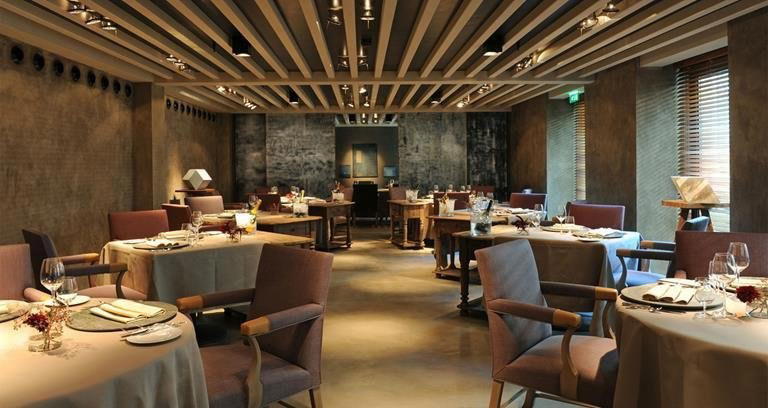
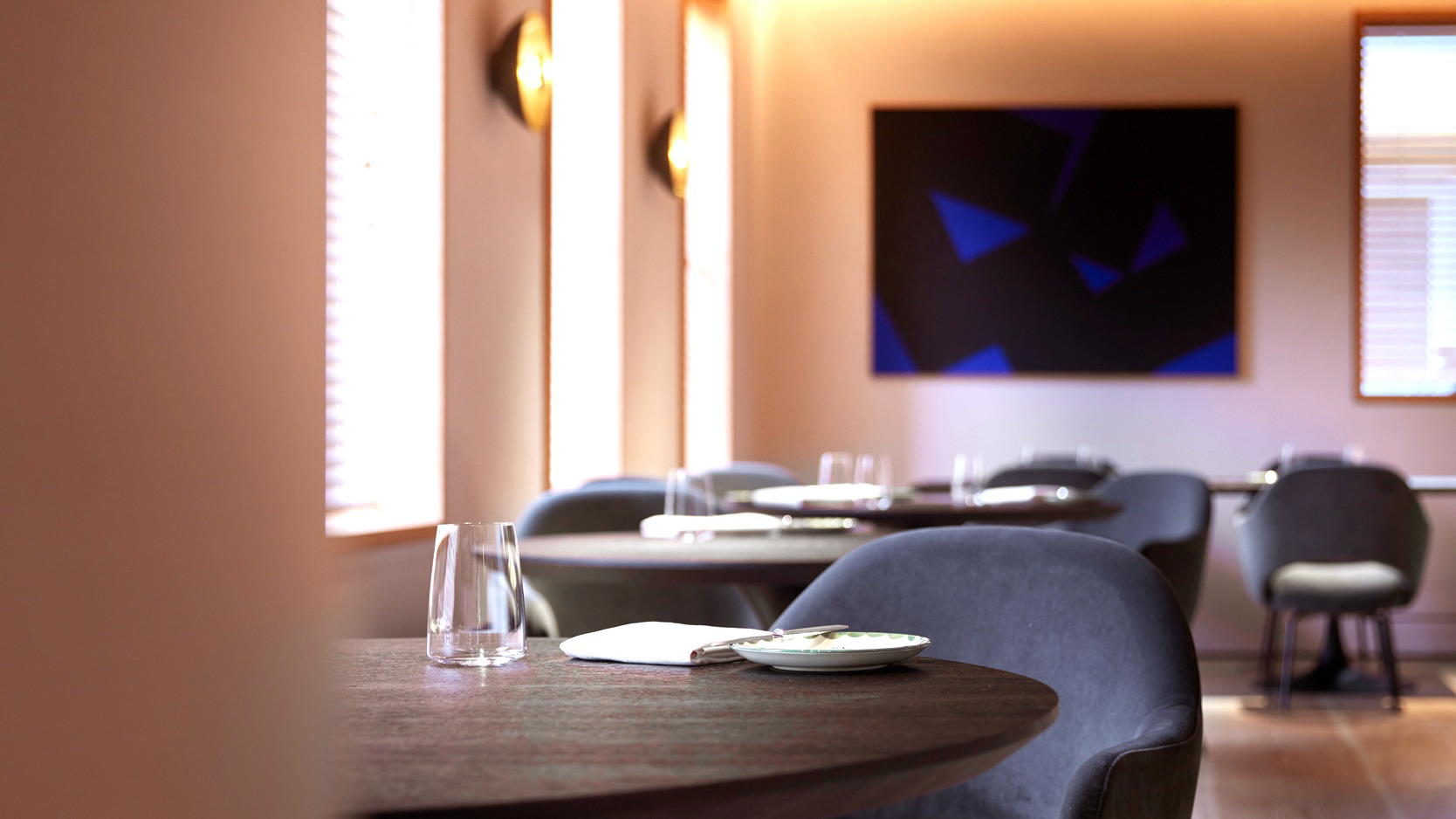
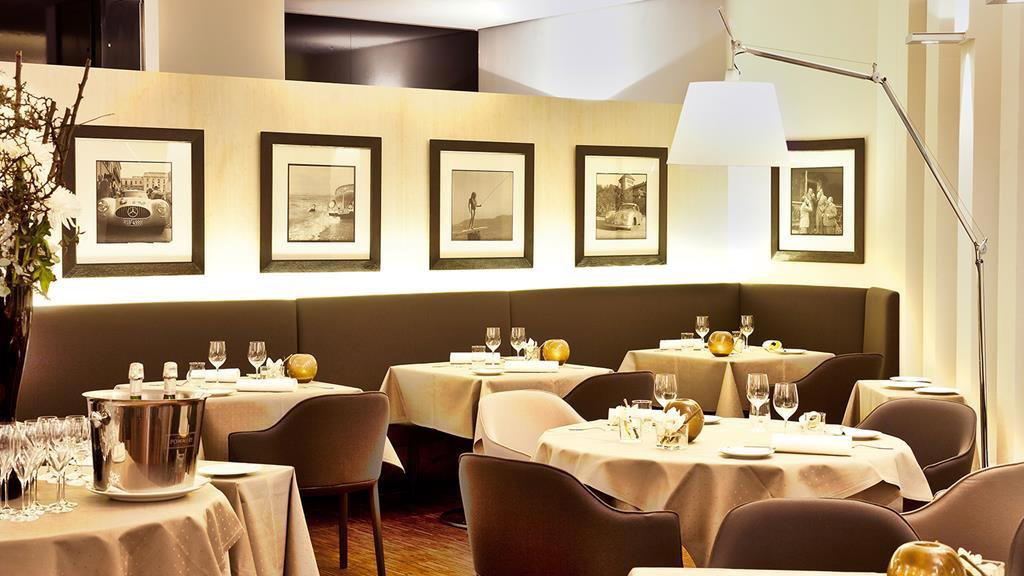
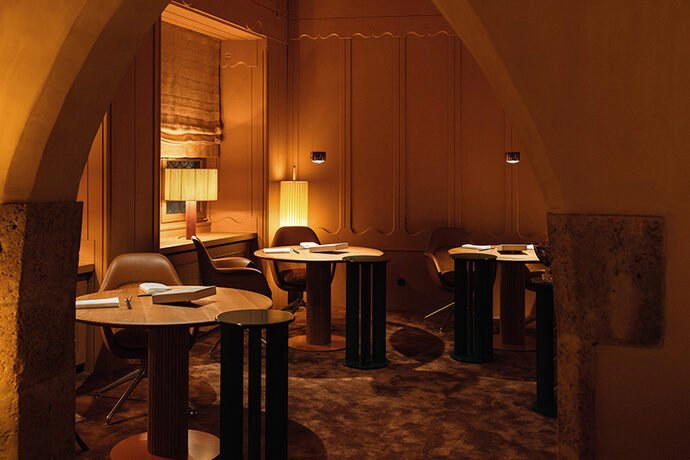
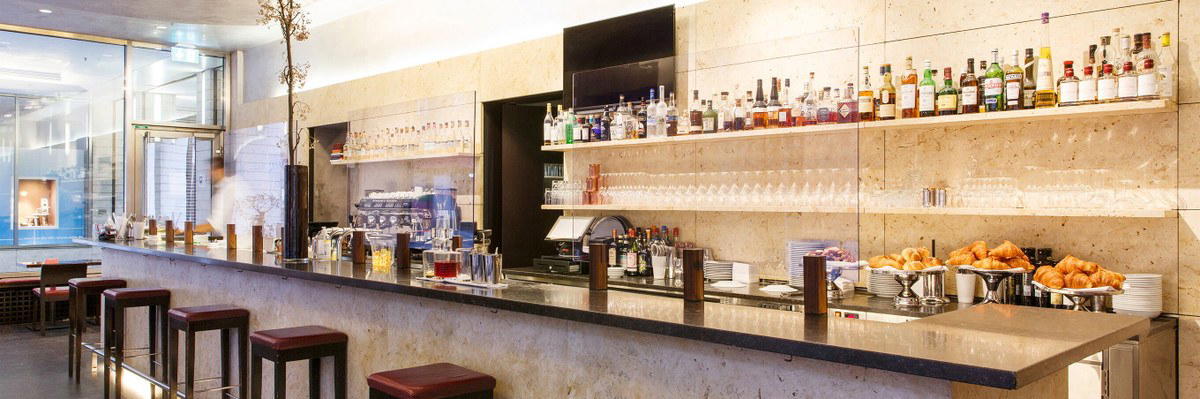
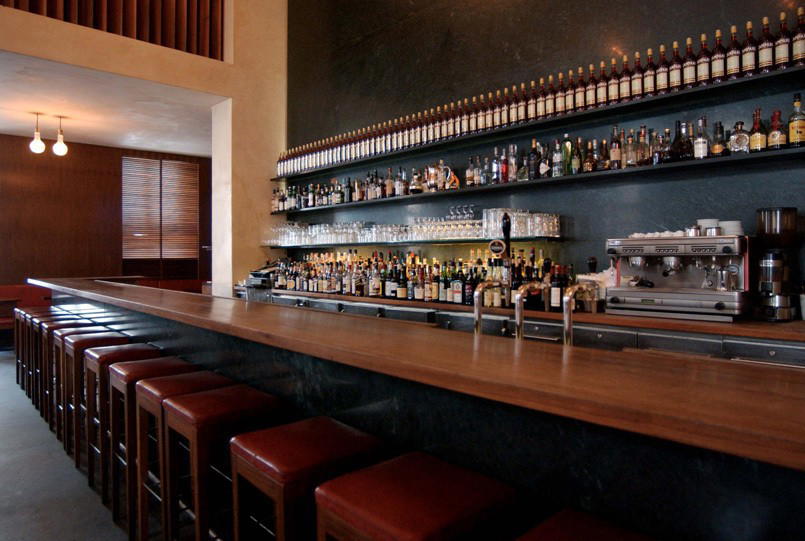
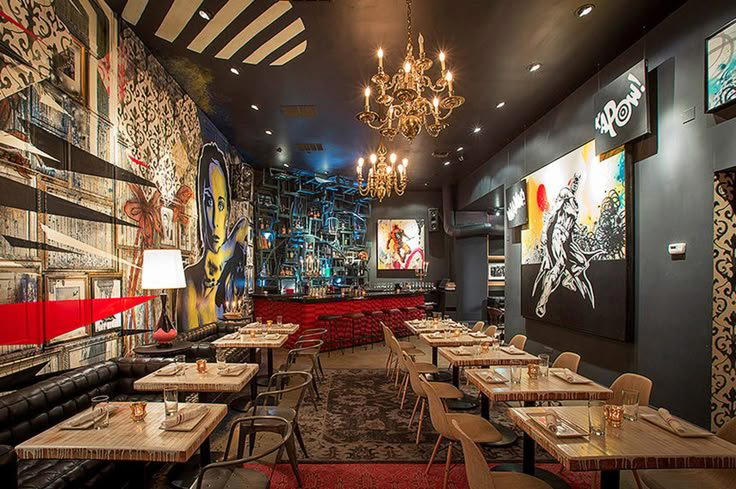
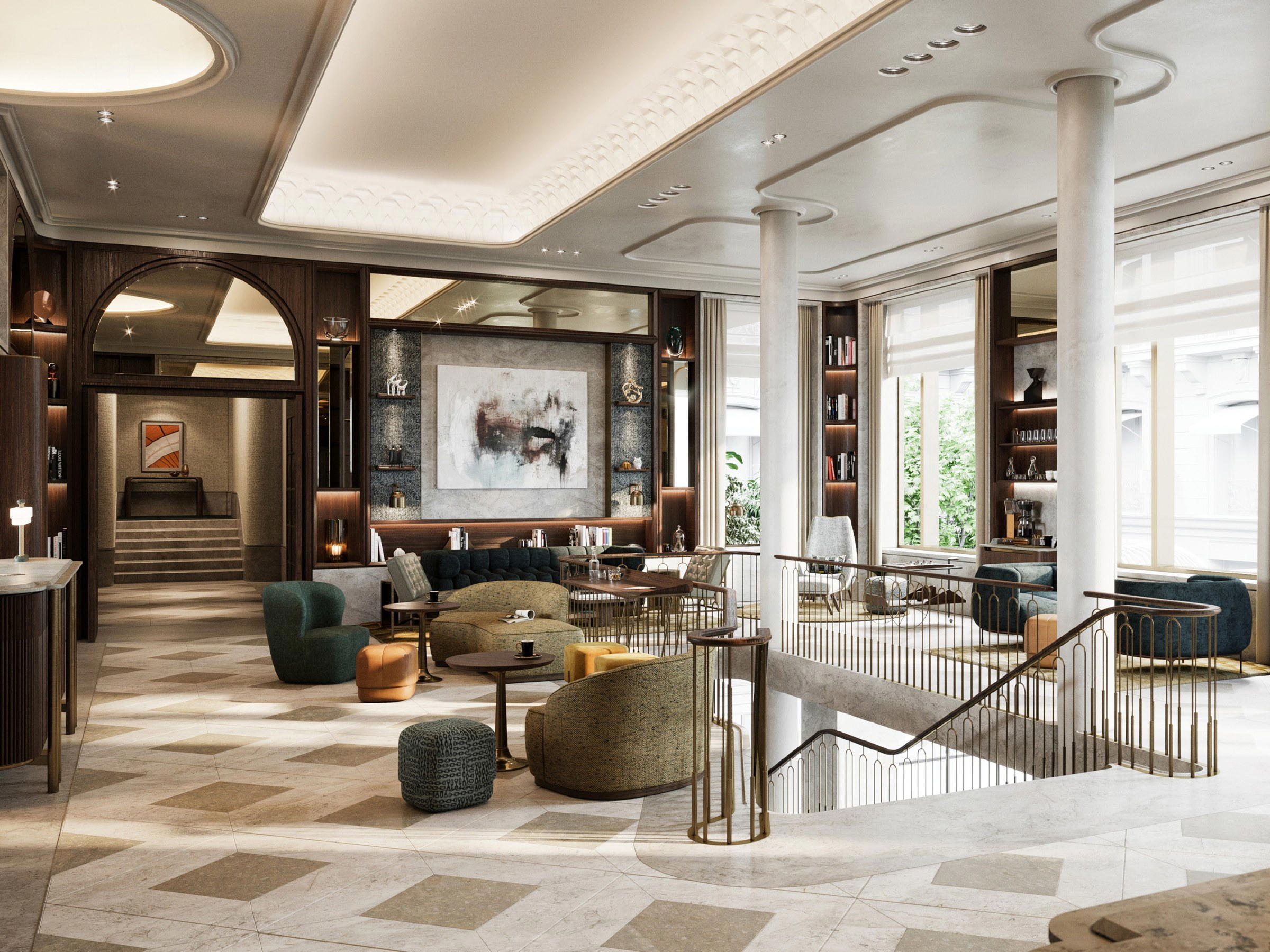
Warm and inviting with traditional Bavarian charm; the basement Tyrolean room provides intimate, rustic Alpine ambiance while the main dining areas blend contemporary bistro styling with classic elements.