Auberge de Clochemerle

1 Michelin Star
Our verdict
In the Beaujolais wine village that inspired Gabriel Chevallier's satirical novel, Auberge de Clochemerle serves a Michelin Plate-recognised surprise menu where only the ingredients are listed. The kitchen draws on seasonal produce from across France, Brittany scallops, Guémené andouille, Maury chocolate, filtered through a technique that reads classical until it doesn't. A handful of guestrooms make an overnight stay straightforward.

Pearl is the En Primeur Club membership app, where members save venues, book tables and use the concierge.
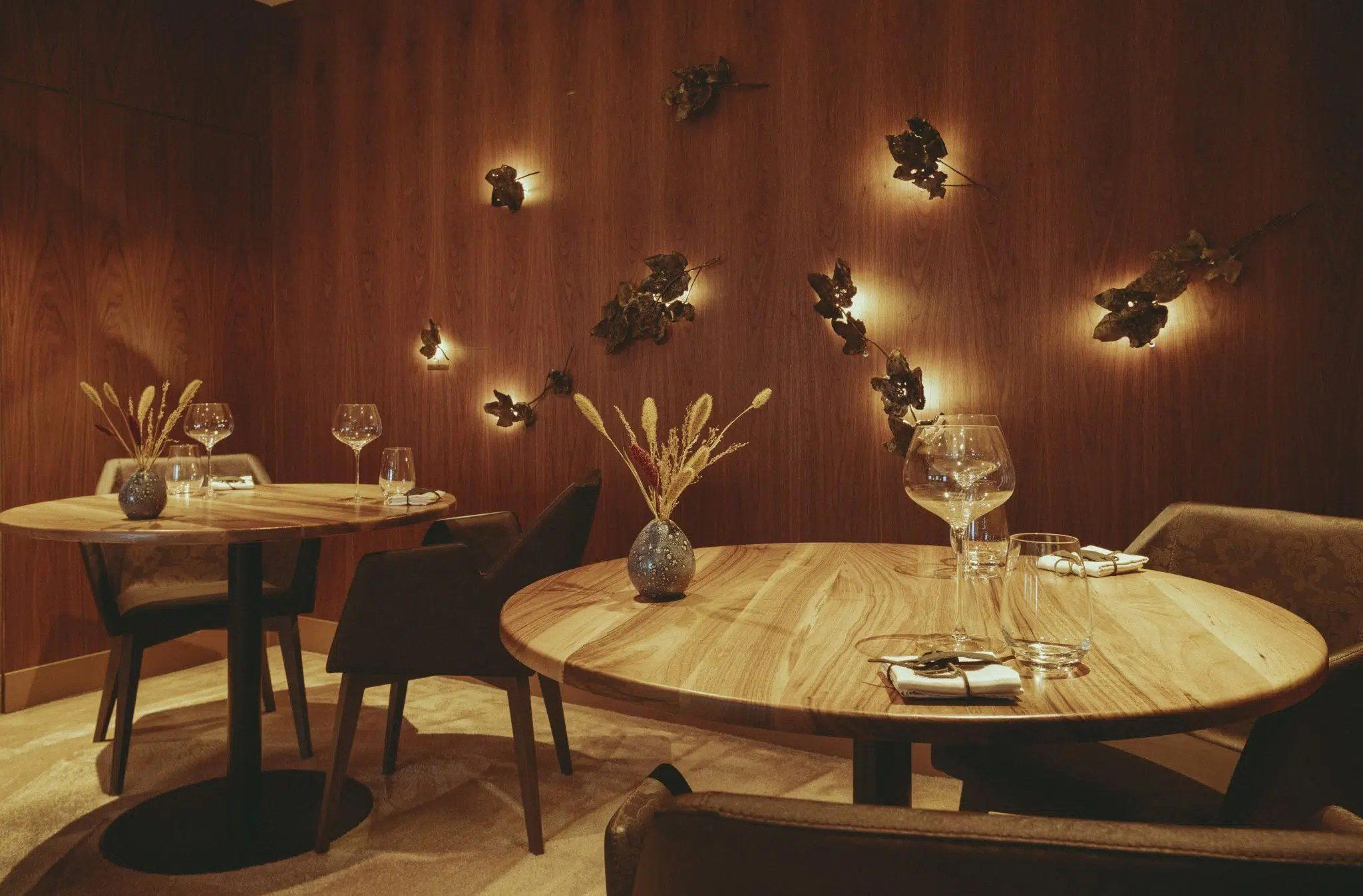
The menu
What to order
- Surprise menu
- Seasonal tasting menu
A Village Auberge in Beaujolais Wine Country
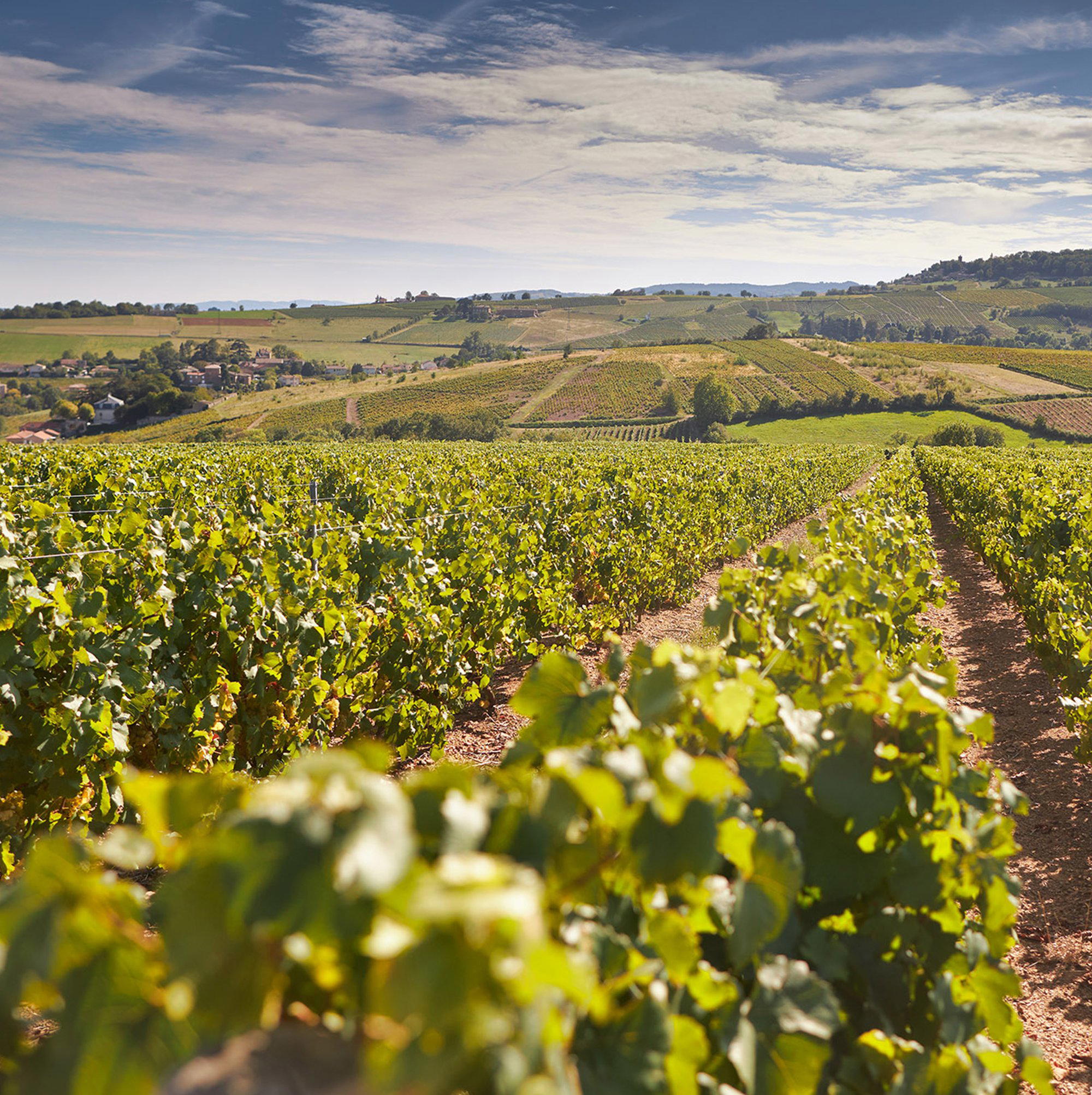
The approach to Vaux-en-Beaujolais sets expectations immediately. The village sits among the granite hills and Gamay vines that define the northern Beaujolais, a range of narrow lanes, stone houses, and cellars stacked with barrel after barrel of cru wine. It is the kind of place where lunch can easily tip into dinner if you are not paying attention, and where an auberge with a guestroom or two feels entirely natural. Auberge de Clochemerle occupies that role on the main street, its address on the Rue Gabriel Chevallier paying quiet tribute to the novelist who made Vaux-en-Beaujolais the inspiration for his celebrated satirical work, Clochemerle. The building reads as a working auberge rather than a destination restaurant, which is precisely the point.
For broader context on what the village offers beyond this address, see our full Vaux-en-Beaujolais restaurants guide, as well as our guides to bars, wineries, and experiences in the area.
The Surprise Menu and What It Signals About the Kitchen
The format here is a surprise menu, one of the more honest versions of the concept in French regional dining. Guests receive a list of ingredients rather than dish names, which means they know what they are eating without knowing how it will arrive. That structural choice reflects a kitchen confident in its technique and willing to let produce do the argumentative work. It also removes the decision fatigue that can flatten a long menu at a comparable price point.
The ingredient sourcing covers significant French geographic ground. A starter pairing Brittany scallops with Guémené andouille sausage, the smoked, tightly coiled andouille from the Morbihan region of western Brittany, made from pig intestines and aged over beechwood, represents the kind of regional specificity that takes sourcing seriously. Guémené andouille has a controlled geographical designation and a flavour profile assertive enough to hold its own against the sweetness of hand-dived scallops. Putting both on the same plate is not a safe decision, and the fact that the pairing anchors a starter says something about the kitchen's ambition relative to the setting.
Elsewhere, a Maury-chocolate sauce points to a different corner of France: Maury is a fortified vin doux naturel from the Roussillon, made largely from Grenache Noir, with a deep, slightly oxidative character that integrates into savory-sweet sauces more naturally than most dessert wines. Sourcing from that far south, for a sauce rather than a glass, indicates genuine engagement with France's regional pantry rather than a generic classical repertoire. The Michelin Plate recognition in the 2024 guide reflects quality cooking that earned attention without reaching for the star tier, which at this price point and in this location is the appropriate calibre of recognition.
Classical French Cooking With Unorthodox Interruptions
The broader French auberge tradition tends toward consistency over surprise, and at its worst produces cooking that feels embalmed in its own classicism. What distinguishes the kitchen here is the willingness to interrupt the expected register. The menu reads classical at first pass, the techniques, the structure, the sourcing logic all sit within a recognisable French frame, but then introduces elements that do not belong to that frame: spicy Japanese seasoning is cited as one such intrusion. This kind of cross-referencing is now common at the high end of French dining. At venues like Alléno Paris au Pavillon Ledoyen or Mirazur in Menton, the dialogue between French classicism and external influence is a stated editorial position. Here, it operates more quietly, as a flavour decision rather than a manifesto, which suits the setting.
For comparison, the grand auberge tradition in France, represented by addresses like Auberge de l'Ill in Illhaeusern, Auberge du Vieux Puits in Fontjoncouse, and historically Paul Bocuse - L'Auberge du Pont de Collonges, stakes its identity on deep regional rootedness and accumulated technique. Clochemerle operates within that lineage while sitting comfortably below that price band. At €€€, it prices into the serious but accessible tier of French regional dining, well beneath the €€€€ brackets occupied by Flocons de Sel in Megève or Assiette Champenoise in Reims. It also sits in a different category from the modernist French addresses like AM par Alexandre Mazzia in Marseille or the Nordic-influenced modern cuisine represented by Frantzén in Stockholm and FZN by Björn Frantzén in Dubai. The reference points that matter here are closer to home: the Rhône-Alpes tradition, the Beaujolais cru producers whose wine will almost certainly anchor the list, and the broader culture of the French countryside lunch.
Regulars, Passing Visitors, and a Few Guestrooms
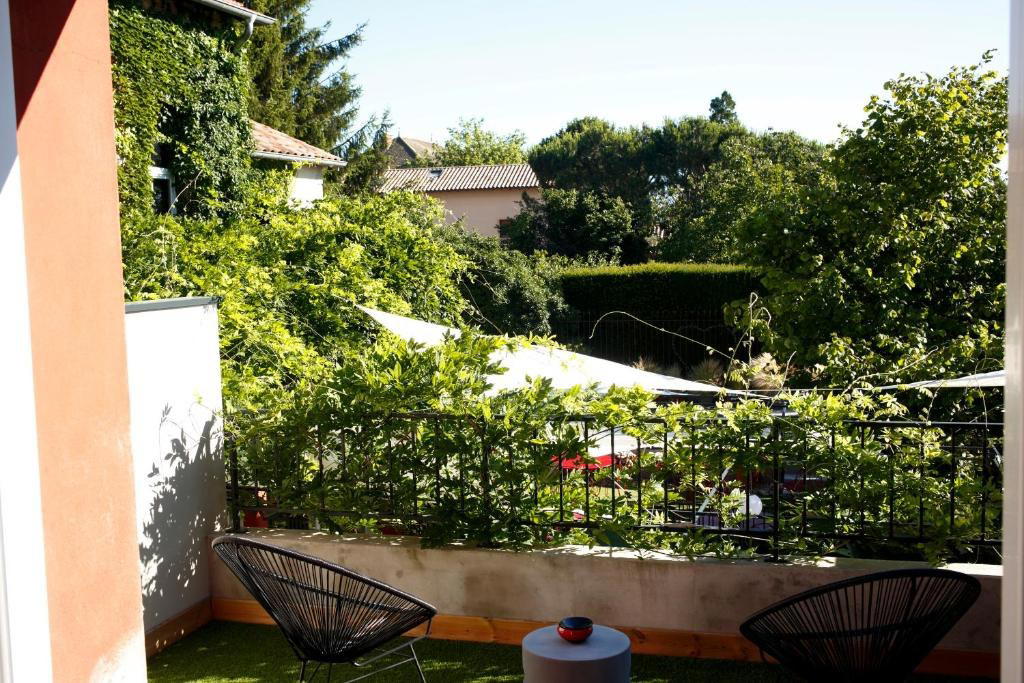
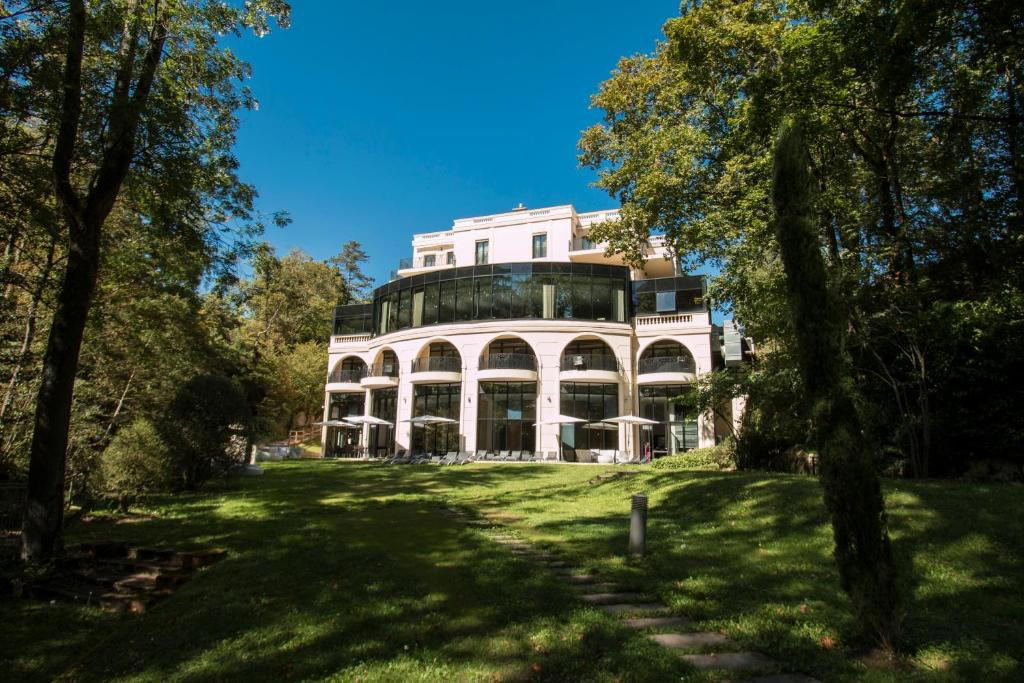
The auberge has a dual audience that is worth understanding. It holds a loyal local following, the kind of repeat custom that in French regional restaurants is a more reliable indicator of consistency than any single award cycle. At the same time, it draws visitors passing through Beaujolais wine country, many of whom are already in the area to taste through the ten crus and do not need much persuading to stay for dinner. The presence of overnight guestrooms addresses that second group directly. Staying in the village rather than returning to Lyon or Mâcon changes the tempo of a Beaujolais trip considerably, and the €€€ price band means the cost of a room plus a surprise menu does not become an arithmetic problem.
It does not replace the Michelin signal, but it corroborates it.
Planning Your Visit
Auberge de Clochemerle sits at 173 Rue Gabriel Chevallier in Vaux-en-Beaujolais, roughly 40 kilometres north of Lyon. The village is accessible by car from the A6 autoroute; public transport options into the village are limited, which makes a guestroom booking more practical than it might otherwise seem. The surprise menu format means there is little to decide beyond dietary restrictions, which should be communicated at booking. The kitchen's seasonal approach and cross-regional sourcing mean the ingredient list will shift through the year, arriving in autumn, when Beaujolais Nouveau season draws visitors to the whole appellation, will produce a different menu from a spring visit. For accommodation options beyond the auberge itself, see our full Vaux-en-Beaujolais hotels guide.
Frequently asked questions
Is Auberge de Clochemerle child-friendly?
The auberge draws a broad audience, locals, passing tourists, and overnight guests, which suggests a relaxed, inclusive atmosphere rather than a formal dining-only house. The €€€ price point and surprise-menu format are worth considering for younger children, but the village setting and guestrooms make it a practical choice for families staying overnight in Beaujolais wine country.
What is the atmosphere like at Auberge de Clochemerle?
The setting is an understated village auberge at the heart of Vaux-en-Beaujolais, a winegrowing commune roughly 40 kilometres north of Lyon. It holds a long-standing local following alongside a steady flow of visiting guests, which gives the room a dual character: familiar and convivial for regulars, quietly welcoming for first-timers. Michelin's 2024 Plate recognition confirms a kitchen taken seriously without the formality of a starred house.
Is Auberge de Clochemerle Michelin-listed?
Auberge de Clochemerle has received recognition including: You will feel right at home in the understated Auberge de Clochemerle in the heart of a picturesque winegrowing village. The "surprise menu" (only the ingredients are listed) stars seasonal ingredients. The cooking is spot on and tasty, app….
What's the best thing to order at Auberge de Clochemerle?
The kitchen runs a surprise menu, guests see only the ingredient list, not the dishes, so ordering choices are limited by design. Michelin's 2024 Plate notes the format spotlights seasonal produce, with cooking that reads classical at first but introduces unorthodox elements: Japanese seasoning, Maury-chocolate sauce, and a Brittany-rooted scallop-and-andouille pairing have all featured. The format itself is the point; if ingredient-led seasonal cooking interests you, the menu structure will suit.
Comparable Spots, Quickly
| Venue | Cuisine | Price | Awards | Notes |
|---|---|---|---|---|
| Auberge de ClochemerleThis venue (the venue you are viewing) | Modern French Fine Dining | Not listed | 1 Michelin Star | Not listed |
| Alléno Paris au Pavillon Ledoyen | Modern French Fine Dining | $150–200 | 3 Michelin Stars · World's 50 Best #79 | Creative |
| Kei | Contemporary French, Modern Cuisine | Not listed | Michelin 3 Star | Not listed |
| L'Ambroisie | Classic French Haute Cuisine | $300–500 | 2 Michelin Stars · World's 50 Best #23 | French, Classic Cuisine |
| Le Cinq - Four Seasons Hôtel George V | Modern French Fine Dining | $300–500 | 3 Michelin Stars · World's 50 Best #24 | French, Modern Cuisine |
| Plénitude | Modern French Sauce-Led Fine Dining | $300–500 | 3 Michelin Stars · World's 50 Best #14 | Contemporary French |
Recognition history
Dated appearances from independent guides and award organizations, with the underlying list record or original source where available.
Michelin 1 Star
Michelin
Full recognition history (3 entries)
Michelin 1 Star
Michelin
Michelin Plate
Michelin
Continue exploring
More in Vaux-en-Beaujolais
Restaurants in Vaux-en-Beaujolais
All restaurants in Vaux-en-Beaujolais →
Bars in Vaux-en-Beaujolais
Browse all →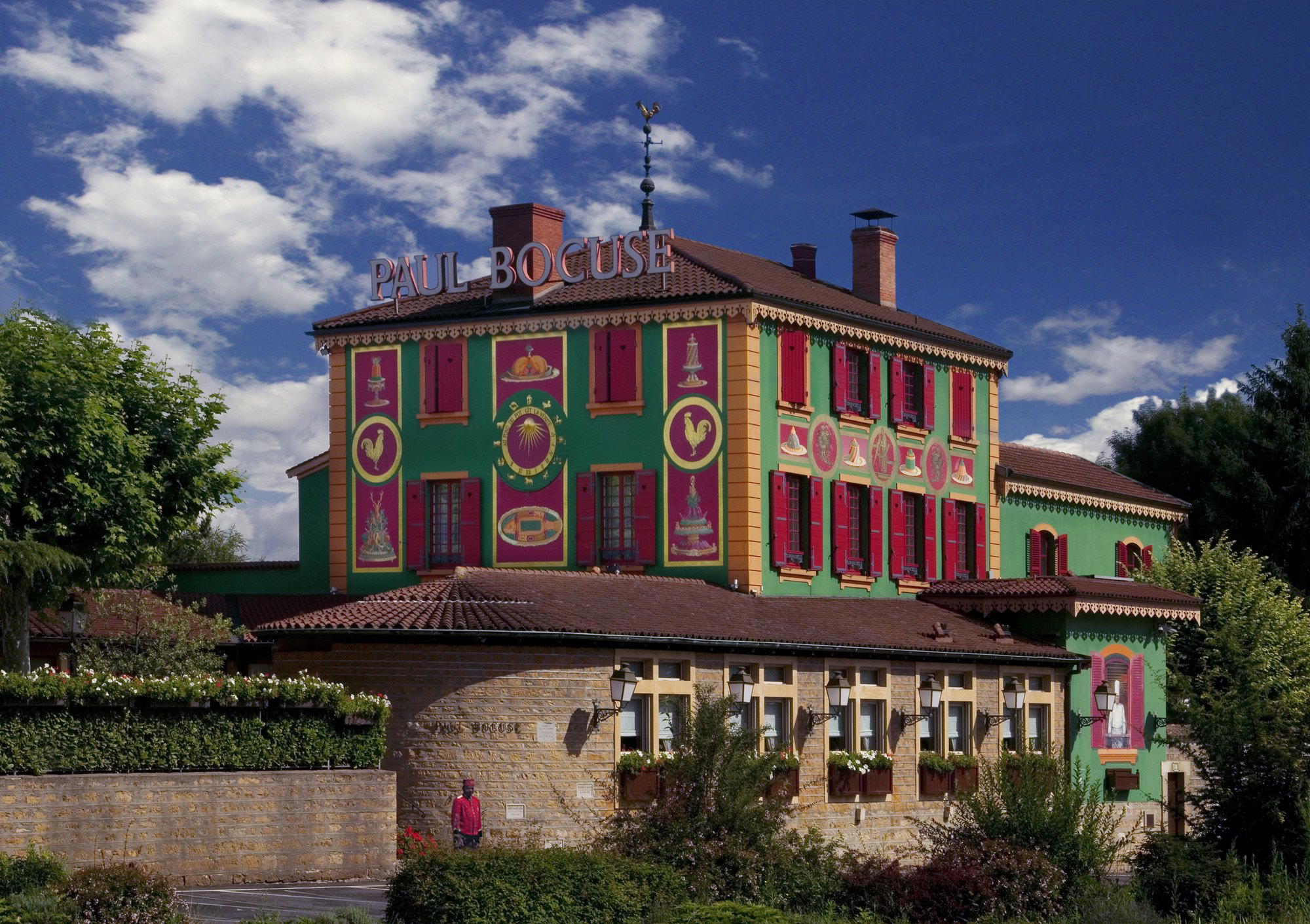
Auberge de Clochemerle
The wine
- Extensive wine list
- Sommelier-led
Details
- Romantic
- Quiet
- Scenic
- Cozy
- Elegant
- Intimate
- Date Night
- Special Occasion
- Private Event
- Business Dinner
- Hotel Restaurant
- Private Dining
- Historic Building
- Sommelier Led
- Extensive Wine List
- Local Sourcing
- Vineyard
- Set Menu
- Wine
- Vegetarian Friendly
- Vegan Options
- Gluten Free Options
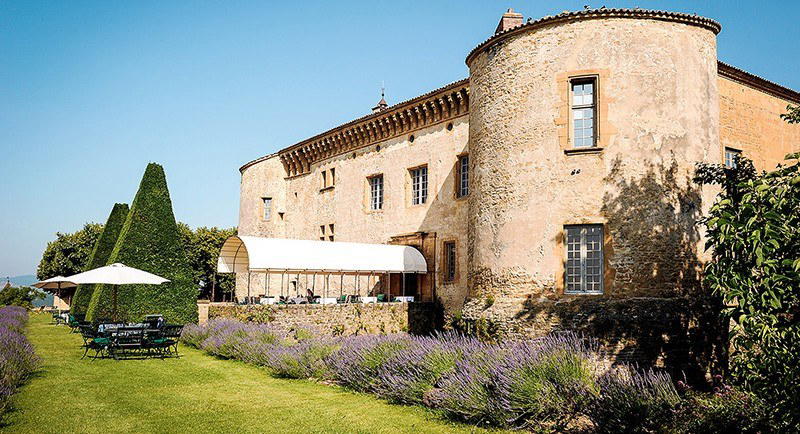
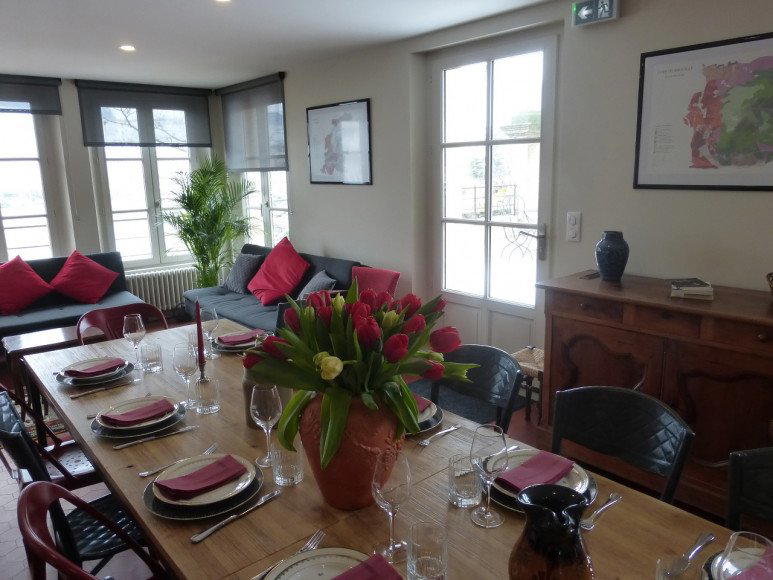
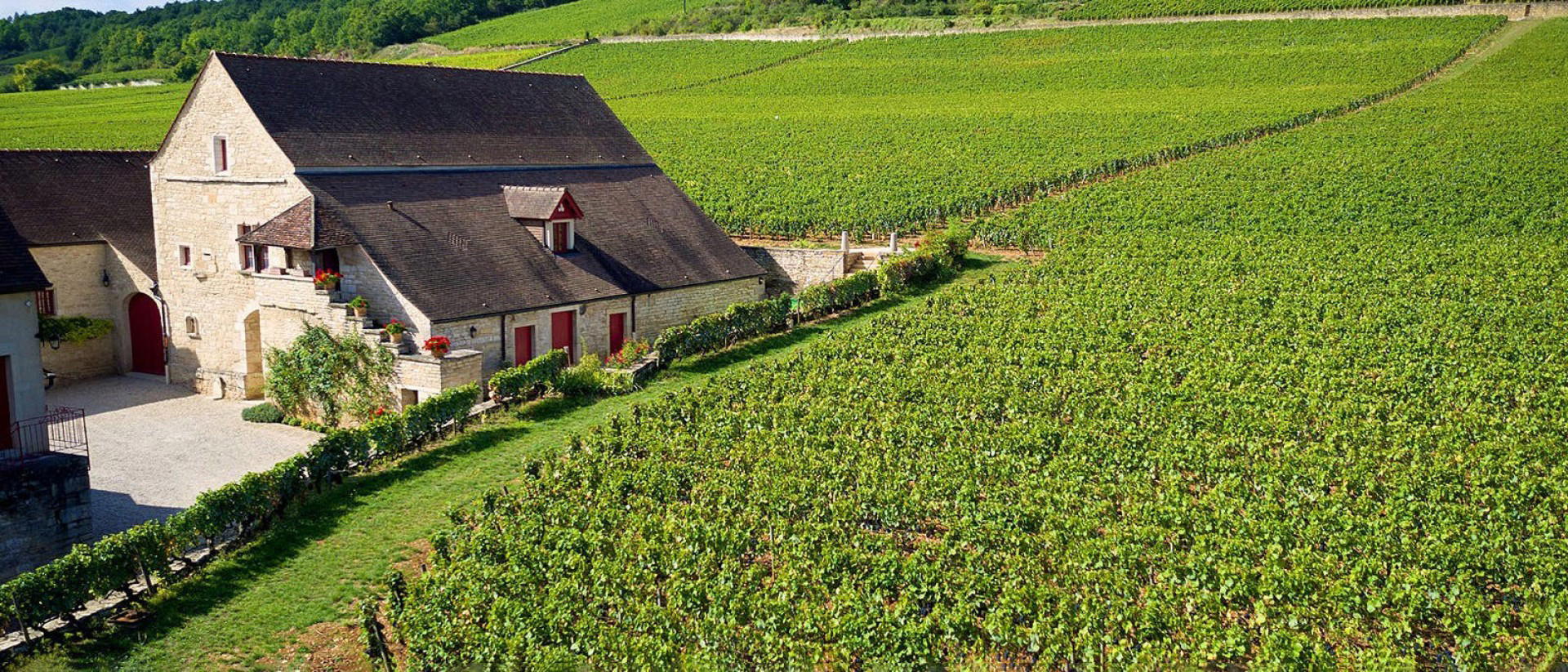
Chic, cosy, and understated, with a warm country-house feel and views over the vines in a picturesque Beaujolais village.