La Clé Toise
La Clé Toise sits on La Clayette's central rue in southern Burgundy, a small-town address that positions it within France's broader tradition of regional cooking rooted in local produce and agricultural proximity. With Charolais cattle country immediately to the west and the Mâconnais wine belt nearby, the address carries real ingredient logic.
Pearl is the En Primeur Club membership app — saves, bookings, and concierge access live there. Same editors, same standards.
- Address
- La, 62 Rue Centrale, 71800 La Clayette, France
- Phone
- +33385280280
- Website
- restaurant-lacletoise.fr
- Directions
- Get directions
 Saves & bookings on Pearl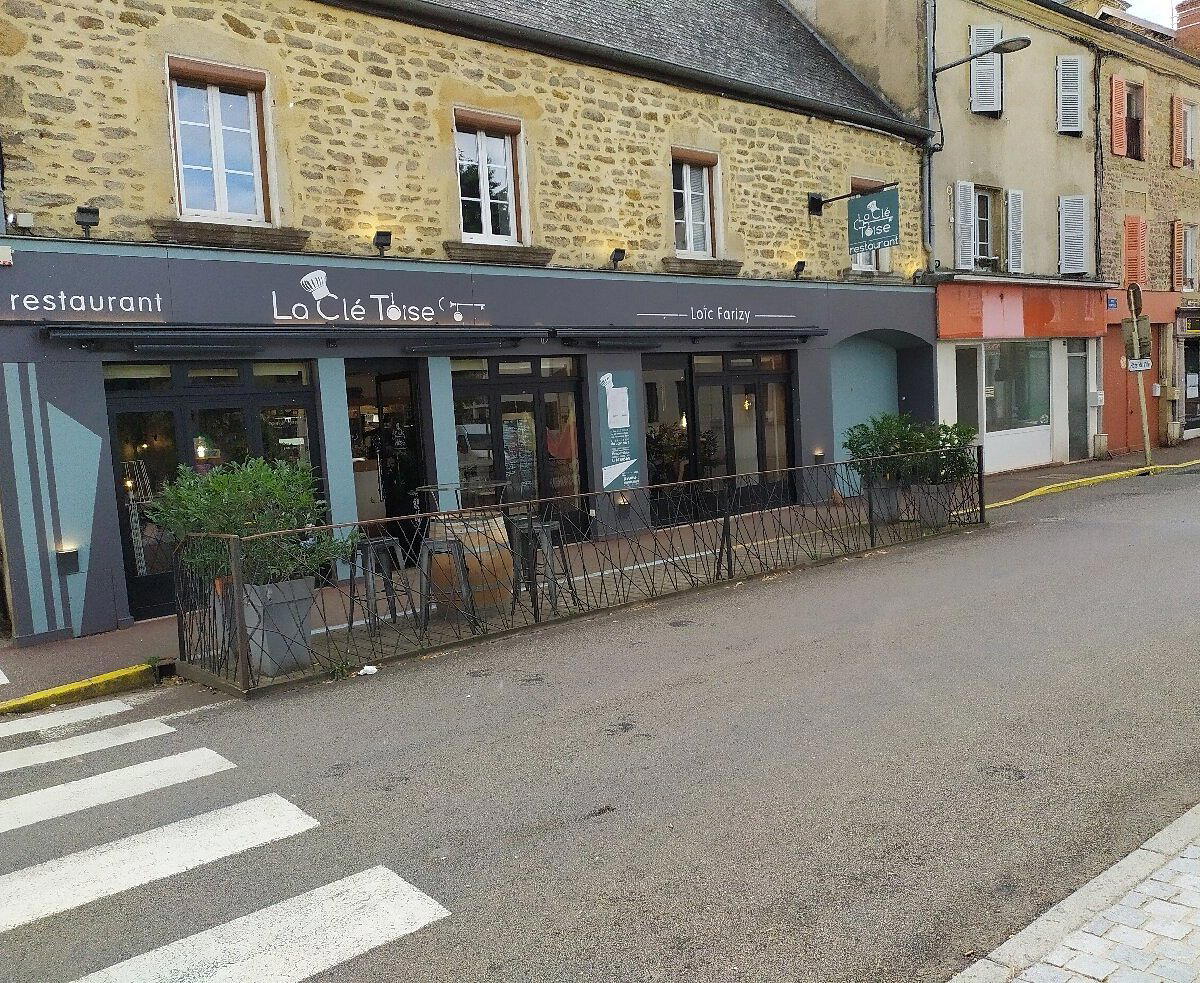
Southern Burgundy's Ingredient Logic
The towns that line the southern edge of Burgundy rarely appear in the same conversation as Troisgros in Ouches or Georges Blanc in Vonnas, yet the agricultural foundation underpinning those celebrated tables is the same one available to every serious cook working this stretch of eastern France. La Clayette sits in the Charolais-Brionnais, a territory whose white cattle have carried a protected geographical designation since 2010 and whose bocage landscape has supplied French butchers and restaurant kitchens for generations. A restaurant operating at 62 Rue Centrale is not merely in a provincial town; it is positioned inside one of the country's most coherent ingredient corridors, where the gap between the farm and the plate can be measured in kilometres rather than supply-chain abstraction.
That proximity matters to how French regional cooking is judged. The tradition running from Bras in Laguiole to Auberge du Vieux Puits in Fontjoncouse is grounded in a shared conviction: the most durable cooking in France emerges from cooks who are shaped by their immediate territory rather than imported from it. La Clayette, for all its modesty in scale, belongs to a region where that conviction has deep roots.
Approaching La Clayette
La Clayette is a market town of around two thousand people, roughly equidistant between Mâcon and Roanne, with the N79 providing the most direct road access from either direction. Visitors arriving by rail typically use Mâcon-Loché TGV as a staging point, then continue by car; the town is not served by a high-frequency regional rail connection, which makes it structurally similar to addresses like Auberge de l'Ill in Illhaeusern or Paul Bocuse in Collonges-au-Mont-d'Or: the journey itself is part of the commitment, and the decision to drive through Burgundy's rolling farmland to reach a specific address implies a level of culinary intentionality that shapes who ends up at the table.
Rue Centrale is exactly what its name suggests: the main commercial artery running through the centre of town, flanked by the kinds of stone-fronted buildings common to market towns throughout this part of the Saône-et-Loire. The physical approach is quiet in the way that French provincial towns are quiet on a midweek afternoon, which is to say genuinely so, without the performative rusticity that some rural dining destinations work hard to manufacture. For current opening hours and reservation arrangements, direct contact with La Clé Toise is necessary, as no booking platform data is available at time of writing.
The Charolais Context and What It Means at the Table
France's most celebrated beef breed originates fewer than twenty kilometres from La Clayette. The Charolais cattle's PGI designation covers the Charolais and Brionnais pays specifically, meaning the traceability infrastructure around local beef in this area is more formalised than in most French regions. For any serious kitchen operating in this territory, that is not background colour; it is a sourcing argument that either gets made or doesn't. Regional kitchens at the level of Flocons de Sel in Megève or Christopher Coutanceau in La Rochelle have built their editorial identities around exactly this kind of place-specific sourcing; the question for any restaurant in Charolais country is whether the kitchen treats its geography as incidental or structural.
The Mâconnais wine belt, producing Pouilly-Fuissé, Saint-Véran, and Viré-Clessé among other appellations, begins approximately thirty kilometres to the east. The proximity of this wine region to the restaurant's address means that a well-considered wine list in this location could draw on appellations with genuine local provenance, at price points considerably below the Côte d'Or grand crus that dominate the Burgundy conversation in international press. Whether La Clé Toise's list reflects that local opportunity is something prospective diners should verify directly.
Where La Clé Toise Sits in the French Regional Dining Picture
France's regional fine dining has always operated in two registers: the destination tables that attract international travel and the smaller, place-committed addresses that serve a local and regional public before anyone else. The distance between those two registers is not simply a matter of awards or price. Mirazur in Menton or Alléno Paris au Pavillon Ledoyen operate at the international-destination end of that spectrum. La Clé Toise, by its address and scale, belongs to the second register, which carries its own discipline: the kitchen answers to a public that actually lives in proximity to the ingredients, and that public tends to have strong opinions about whether a cook is using the local larder honestly.
That accountability is, in its way, more demanding than Michelin scrutiny. Addresses like AM par Alexandre Mazzia in Marseille or Assiette Champenoise in Reims built their reputations partly through the trust of a local public before attracting wider recognition. The trajectory from local to nationally recognised in French regional dining almost always passes through that same gate. For an address in La Clayette, the Charolais-Brionnais ingredient story is the most credible foundation for that kind of long-term positioning.
Visitors who have worked through the better-documented regional tables, from Au Crocodile in Strasbourg to L'Oustau de Baumanière in Les Baux, often find that France's most revealing dining experiences sit in exactly the kind of mid-sized market town that receives little editorial coverage.
Planning a Visit
La Clayette is manageable as a lunch stop on a longer drive through southern Burgundy, particularly for travellers moving between Lyon and the Loire. It also works as part of a dedicated Charolais-Brionnais itinerary that might include visits to local producers or the weekly market. For those building a broader French fine dining circuit, the Saône-et-Loire and neighbouring departments offer a density of serious cooking that is underrepresented in most travel writing; our full La Clayette restaurants guide provides additional context for planning around this area. No website or phone number is publicly indexed at time of writing, so arrival in person or via local enquiry may be the most reliable approach.
International comparisons are sometimes useful for calibrating expectations. Diners familiar with the produce-led seriousness of La Marine in Noirmoutier-en-l'île or the technical ambition of Le Bernardin in New York and Atomix in New York will approach a small regional French address with a different frame than first-time visitors to the country's dining culture. The relevant baseline for La Clé Toise is not those international tables but the tradition of French market-town cooking at its most grounded: ingredient-honest, locally accountable, and shaped by geography in ways that more cosmopolitan kitchens rarely manage.
How La Clé Toise La Clayette compares with similar nearby venues.
| Venue | Cuisine | Price |
|---|---|---|
| Auberge de Briant | Traditional Cuisine | €€ |
| Maison Doucet | French Patisserie | Not listed |
| Frédéric Doucet | Modern Cuisine | €€€€ |
| Le Bistrot du Quai | Burgundian | €€ |
Continue exploring
More in La Clayette
Restaurants in La Clayette
Browse all →
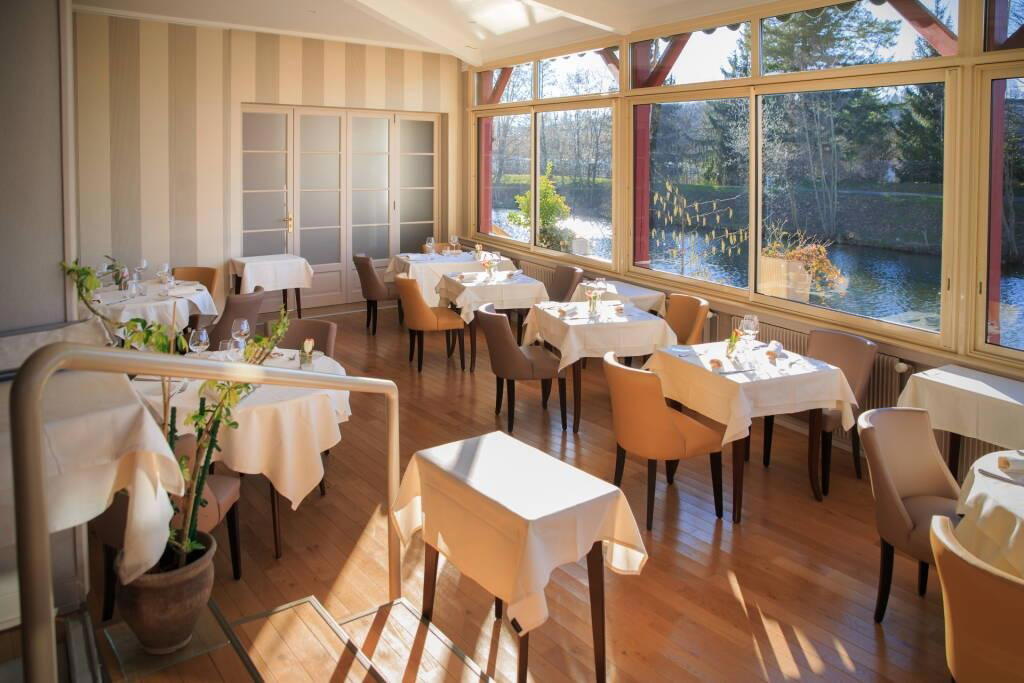
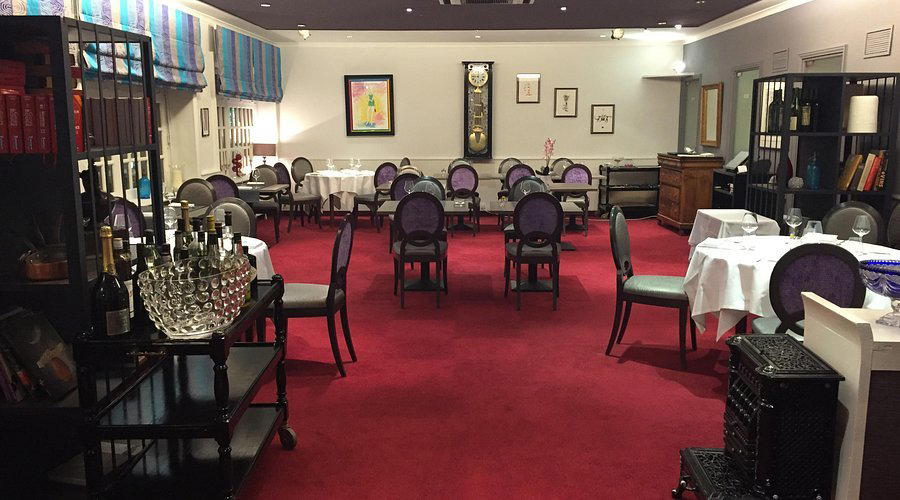
Hotels in La Clayette
Browse all →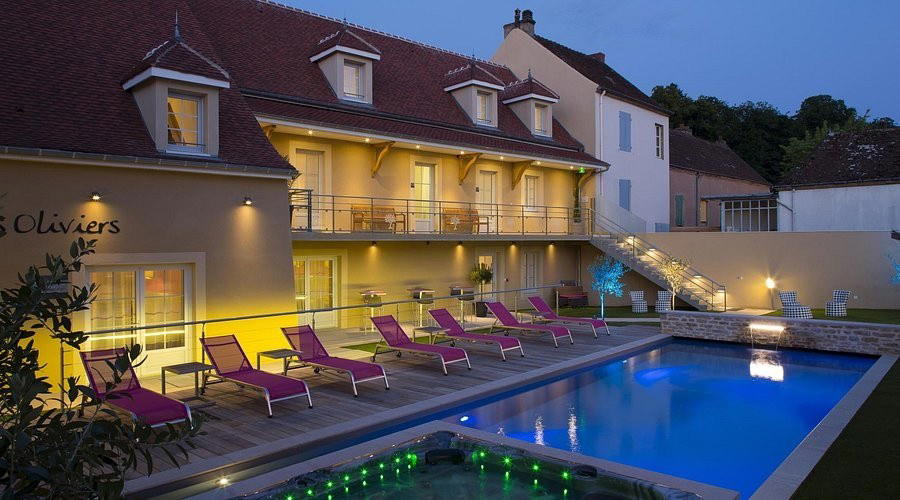
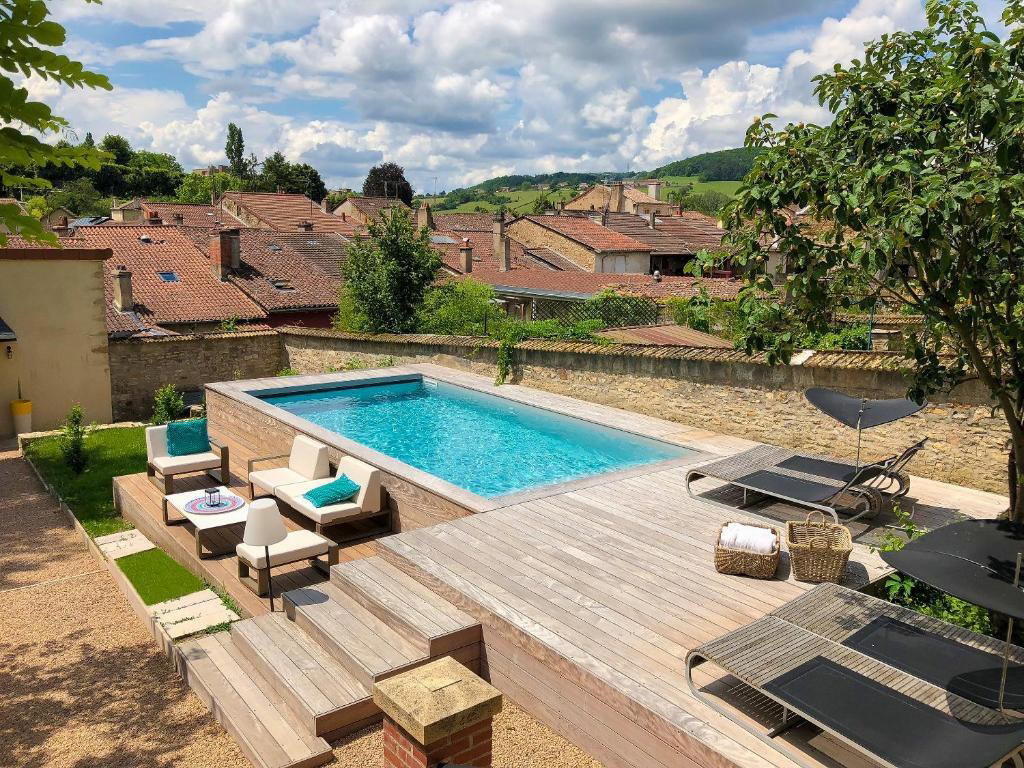

At a Glance
- Cozy
- Rustic
- Classic
- Family
- Casual Hangout
- Terrace
- Local Sourcing
Current opening hours
- Monday
- 9 AM–3:30 PM
- Tuesday
- 8 AM–3:30 PM
- Wednesday
- 9 AM–3:30 PM
- Thursday
- 9 AM–3:30 PM
- Friday
- 9 AM–3:30 PM, 7–11:30 PM
- Saturday
- 9 AM–3:30 PM, 7–11:30 PM
- Sunday
- 9 AM–5 PM
Hours can change for holidays and private events. Last verified .
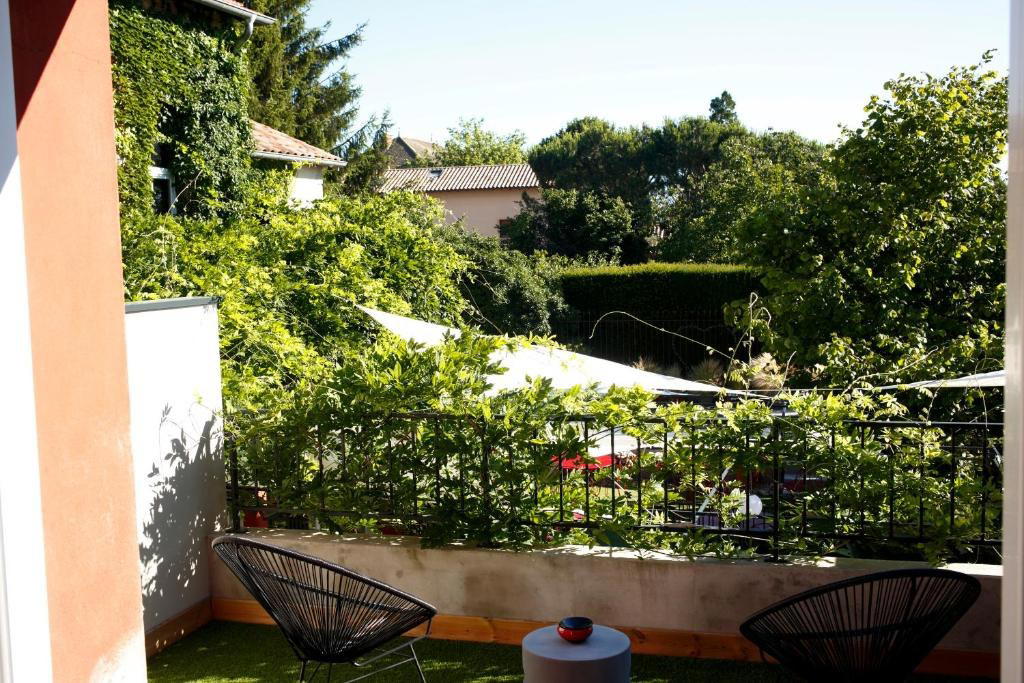
Pleasant and convivial atmosphere with warm welcome, attentive service, and a peaceful terrace extension.
Know Before You Go
- Getting there
- La, 62 Rue Centrale, 71800 La Clayette, France