


2 Michelin Stars · Relais Chateaux Award · Gault & Millau Prestige Restaurant
Our verdict
Frédéric Doucet elevates Burgundian terroir to extraordinary heights in medieval Charolles, where the Bocuse-trained chef transforms local Charolais beef, Crisenon trout, and regional specialties into poetic fine dining experiences that honor tradition while embracing creative evolution.

Pearl is the En Primeur Club membership app — saves, bookings, and concierge access live there. Same editors, same standards.
- Address
- 2 Av. de la Libération, 71120 Charolles, France
- Phone
- +33 3 85 24 11 32
- Hours
- Mon–Tue ClosedWed 12–1:30 PM, 7:30–8:30 PMThu 7:30–8:30 PMFri–Sat 12:15–1:30 PM, 7:30–8:30 PMSun 12:15–1:30 PM
- Website
- maison-doucet.com
- Directions
- Get directions
- Booking
- Book on Zenchef
A Town That Punches Above Its Weight
Charolles is a market town in southern Burgundy renowned for the white cattle that graze its surrounding hills. The town has no particular reputation as a dining destination, which makes the presence of a Michelin-starred table on the Avenue de la Libération quietly significant. In regions where starred restaurants tend to cluster around major cities or wine appellations, a single address holding recognition across consecutive years — Michelin-starred since 2024, elevated to two stars in 2026 — signals something more than local pride. It signals a kitchen operating at a level that draws people in from outside rather than simply serving those already passing through.
That restaurant is Frédéric Doucet, a modern cuisine address that Michelin has also distinguished with the Expression of the Terroir designation, indicating a kitchen that anchors its cooking in the agricultural identity of its place rather than reaching for imported reference points. In Charolais country, where the raw material in question happens to be among the most respected beef breeds in France, that designation carries particular weight. For our full Charolles restaurants guide, this is the address that sets the ceiling.
Where the Terroir Designation Actually Means Something
Michelin's Expression of the Terroir distinction is awarded to restaurants where the sourcing and culinary approach are demonstrably rooted in the region. Across France, a number of terroir-driven addresses occupy this tier: Bras in Laguiole, operating in the volcanic Aubrac, built its identity around precisely this philosophy decades before the designation formalised it. Auberge de l'Ill in Illhaeusern draws from Alsace's riverine and agricultural specificity. In each case, the restaurant's meaning is inseparable from its geography.
At Frédéric Doucet, the geography is Charolais. The surrounding bocage produces not only cattle but also a wider agricultural context: Burgundy's characteristic combinations of livestock, grain, and market-garden produce. A kitchen claiming this terroir cannot rely on the wine appellation prestige that anchors addresses further north in the Côte de Nuits or Côte de Beaune. It must build its credibility through the ingredients themselves, the animals, the seasons, the relationships with producers whose farms are visible from the town. This is a harder argument to make to a passing diner than a famous wine list, and a more honest one.
Modern Cuisine in a Regional Register
The category designation here is modern cuisine, which in the French Michelin context places the restaurant in a broad tier that runs from technically adventurous city restaurants to regionally anchored tables that apply contemporary technique to traditional material. Frédéric Doucet sits toward the latter end of that spectrum. The terroir designation indicates that the kitchen's modernism is in service of the region rather than in tension with it.
This positions the restaurant differently from starred urban addresses where the cuisine is primarily a function of the chef's individual vocabulary. Consider the comparative set: Alléno Paris au Pavillon Ledoyen operates at three stars with a kitchen language centred on sauce extraction and concentrated French technique in a Parisian grand-venue format. Mirazur in Menton brings a biodynamic-garden logic to the Côte d'Azur, also at three stars. Flocons de Sel in Megève situates mountain terroir at the centre of an alpine modern cuisine. These are all different expressions of the same broad category, calibrated to their specific place and ambition tier.
At two stars, Frédéric Doucet is not competing in the same tier as those addresses, but it belongs to the same conversation about what it means to cook with regional seriousness. The Expression of the Terroir distinction is, in some ways, a more pointed statement than star count alone. It says the kitchen has earned recognition not just for execution but for argument, for the position it takes on what Charolais produce should become on the plate.
The Role of the Chef Name as the Restaurant Name
French regional gastronomy has a long tradition of chef-eponymous houses that operate more like institutions than restaurants. Paul Bocuse - L'Auberge du Pont de Collonges is the canonical example: a restaurant whose name is inseparable from a culinary identity, a region, and a generation of French cooking. Troisgros - Le Bois sans Feuilles in Ouches follows a similar dynastic logic, where the family name carries the continuity of the project across decades.
When a restaurant carries the chef's full name, it signals an intent to operate within that tradition of culinary authorship. The address at 2 Avenue de la Libération is not presented as a concept or a brand. It is presented as a statement of personal craft and regional commitment, with the chef's name guaranteeing that commitment. This is a format still common in provincial France but increasingly rare in markets where restaurants are built around scalable concepts rather than individual craft positions.
For comparison, AM par Alexandre Mazzia in Marseille takes a similar approach to authorship at a higher star level, while Assiette Champenoise in Reims demonstrates how a Champagne-region address can anchor craft to geography at two stars. Frédéric Doucet operates in this lineage at a smaller scale and a more remote address, which is part of what makes the sustained Michelin recognition meaningful. Stars in Paris are hard to earn; stars in market towns in southern Burgundy are harder to hold.
Within Charolles: The Broader Picture
Charolles rewards visitors who approach it as a slow-food destination rather than a stopover. The restaurant sits on the main avenue, accessible without drama, at a price point (€€€€) that signals a special-occasion or destination-dining intention rather than a casual neighbourhood visit. For visitors building a day or a weekend around the town, Le Bistrot du Quai provides a complementary Burgundian register at a lower register, and Maison Doucet, a French patisserie sharing a family connection, rounds out the picture of what this address means to the town's food culture.
For accommodation, bars, wineries, and experiences in the area, our Charolles hotels guide, bars guide, wineries guide, and experiences guide cover the surrounding offer. The restaurant's address, 2 Avenue de la Libération, 71120 Charolles, is on the town's central approach road, making it direct to combine with wider Saône-et-Loire itineraries. Given the €€€€ price tier and Michelin visibility, booking in advance is the sensible approach, particularly for weekend visits or during regional events tied to the Charolais calendar.
For international context, Frantzén in Stockholm and FZN by Björn Frantzén in Dubai show how chef-eponymous modern cuisine operates at the highest tier internationally. Frédéric Doucet is a regional address at two stars, not a peer of those at price and ambition, but it shares the same logic of craft authorship anchored to a specific culinary identity.
Frequently asked questions
Is Frédéric Doucet expensive?
Pricing at Frédéric Doucet is listed as €€€€.
Where is Frédéric Doucet in Charolles?
Frédéric Doucet is located at 2 Av. de la Libération, 71120 Charolles, France, Charolles.
How It Stacks Up
| Venue | Cuisine | Awards |
|---|---|---|
| Frédéric DoucetThis venue — the venue you are viewing | Michelin-Starred Burgundian Fine Dining | 2 Michelin Stars · Relais Chateaux Award |
| Alléno Paris au Pavillon Ledoyen | Creative | Michelin 3 Star |
| Kei | Contemporary French, Modern Cuisine | Michelin 3 Star |
| L'Ambroisie | French, Classic Cuisine | Michelin 3 Star |
| Le Cinq - Four Seasons Hôtel George V | French, Modern Cuisine | Michelin 3 Star |
| Plénitude | Contemporary French | Michelin 3 Star |
Recognition history
Dated appearances from independent guides and award organizations, with the underlying list record or original source where available.
Michelin 2 Stars
Michelin
Relais Chateaux Award
Relais Chateaux
Gault & Millau Prestige Restaurant
Gault & Millau
Full recognition history (6 entries)
Michelin 1 Star
Michelin
Relais Chateaux Award
Relais Chateaux
Michelin 1 Star
Michelin
Continue exploring
More in Charolles
More from Chef Frédéric Doucet
Browse all →
Restaurants in Charolles
Browse all →
Hotels in Charolles
Browse all →
Details
- Elegant
- Intimate
- Cozy
- Sophisticated
- Special Occasion
- Business Dinner
- Celebration
- Open Kitchen
- Terrace
- Private Dining
- Local Sourcing
- Garden
- Tasting Menu
Current opening hours
- Monday
- Closed
- Tuesday
- Closed
- Wednesday
- 12–1:30 PM, 7:30–8:30 PM
- Thursday
- 7:30–8:30 PM
- Friday
- 12:15–1:30 PM, 7:30–8:30 PM
- Saturday
- 12:15–1:30 PM, 7:30–8:30 PM
- Sunday
- 12:15–1:30 PM
Hours can change for holidays and private events. Last verified .
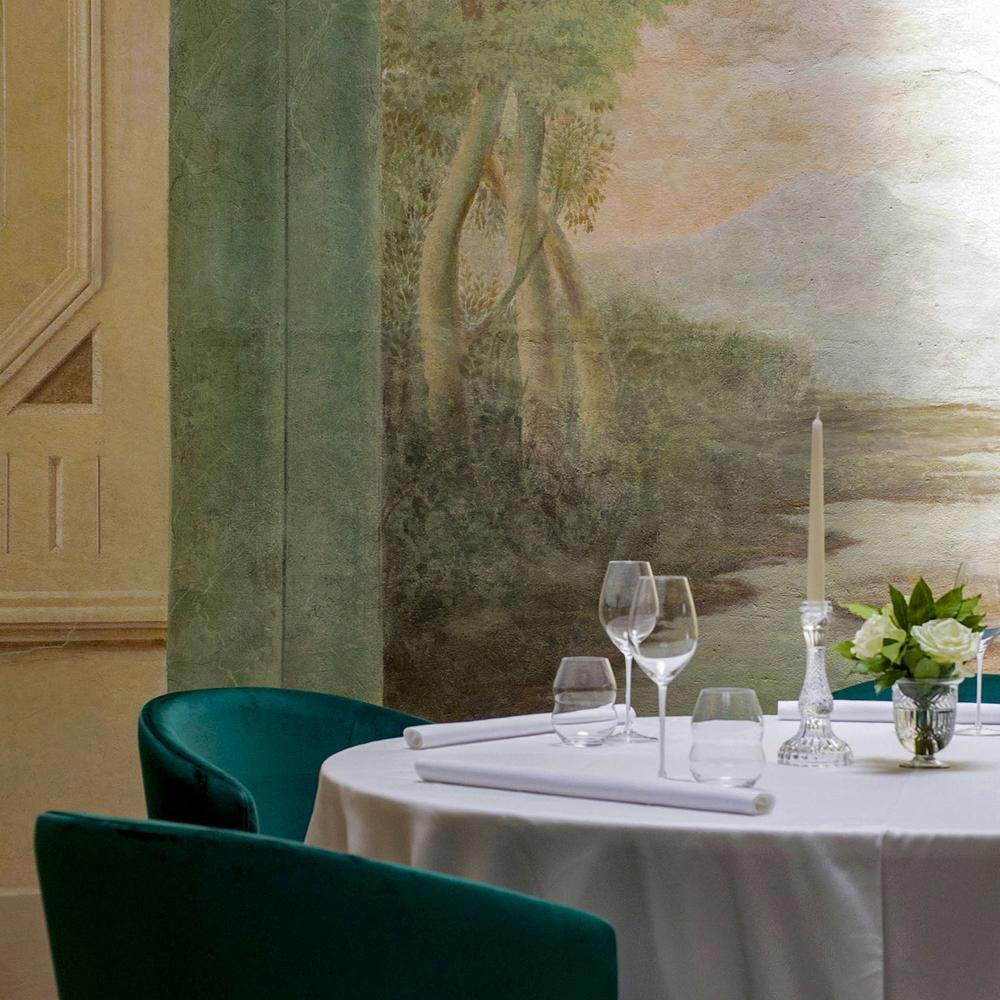
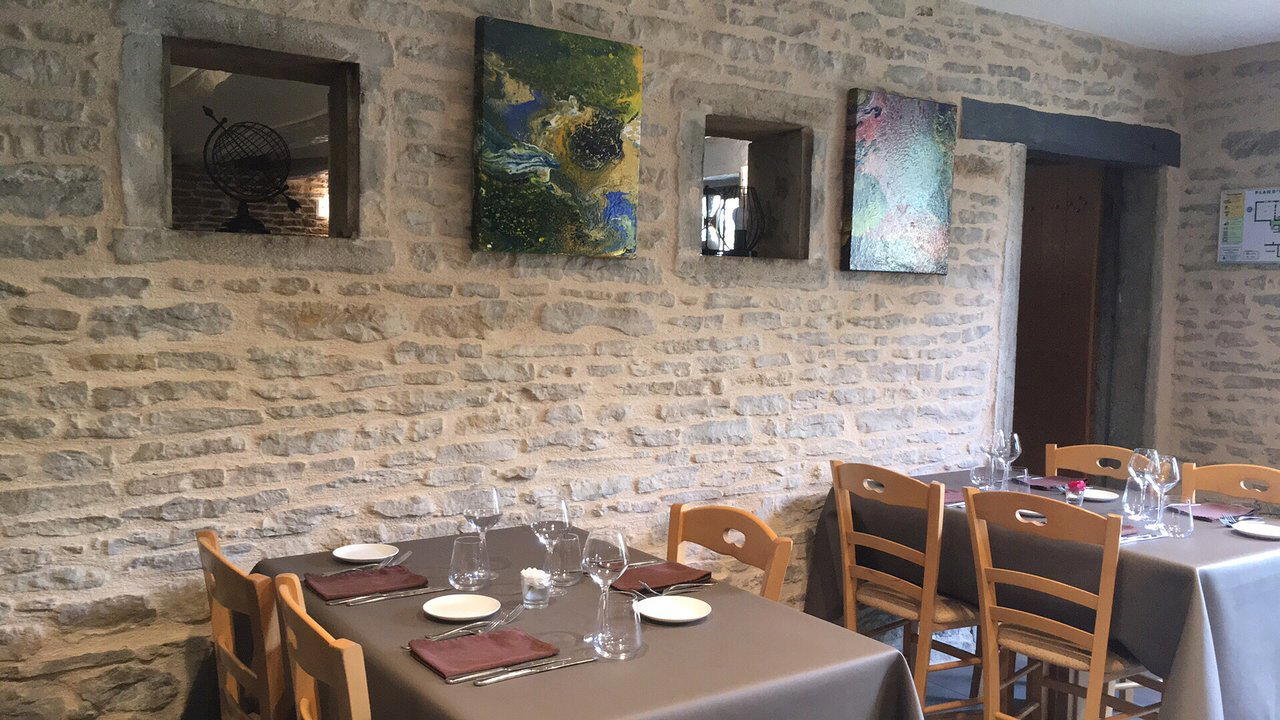
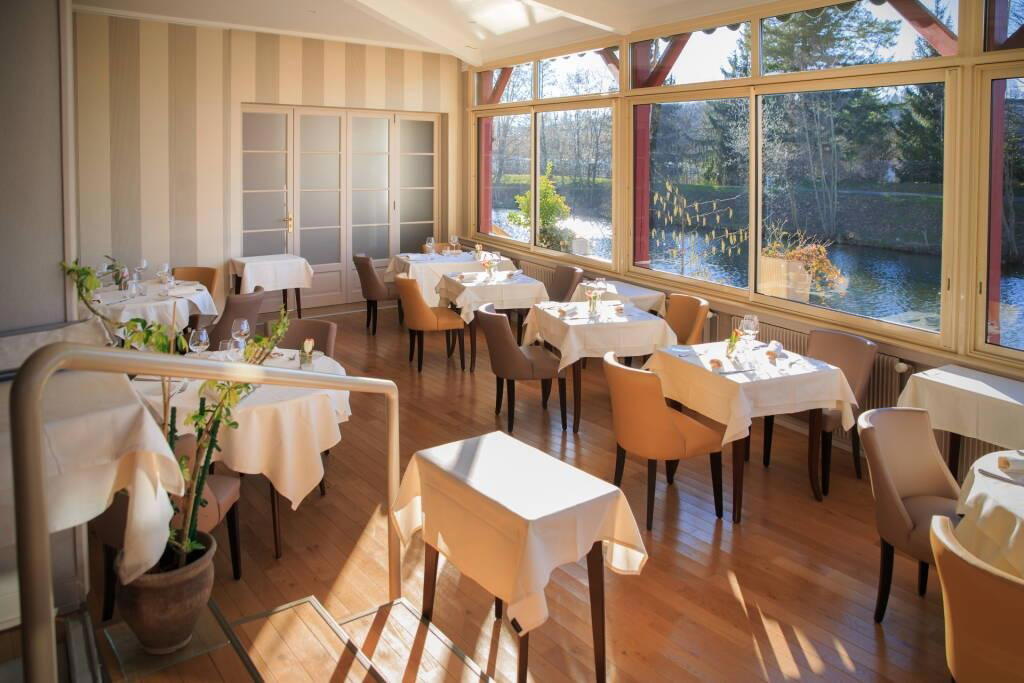
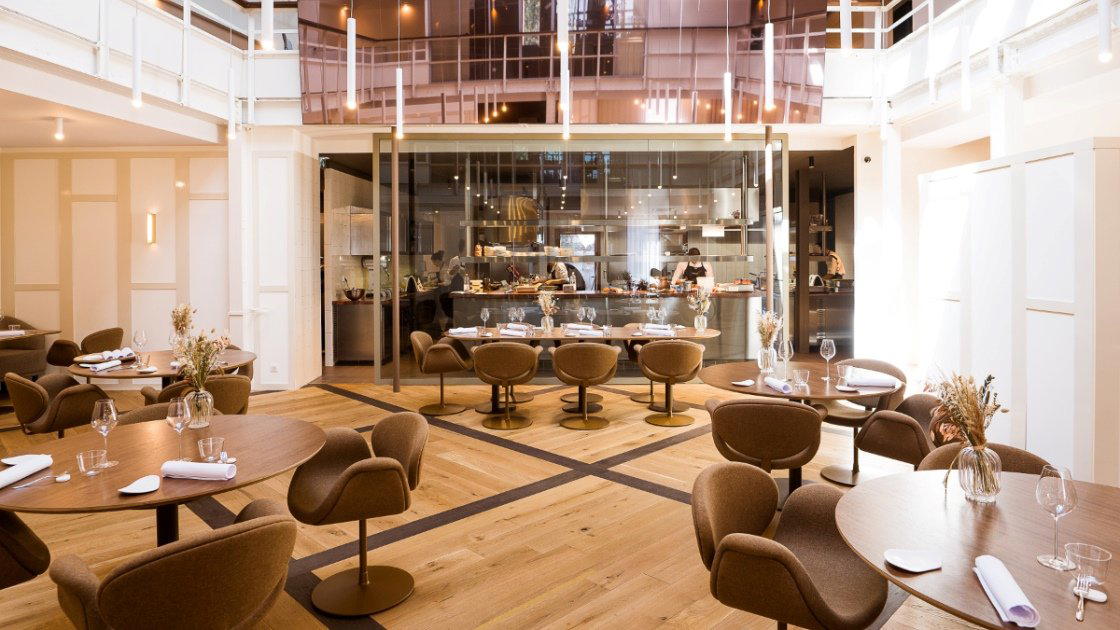
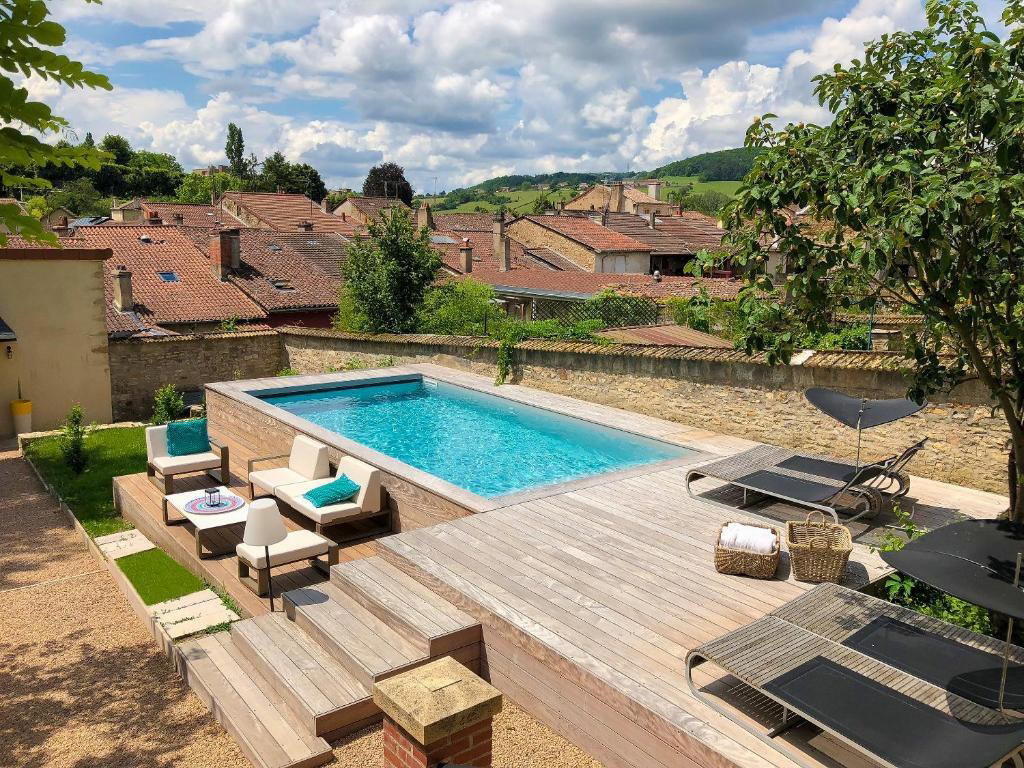
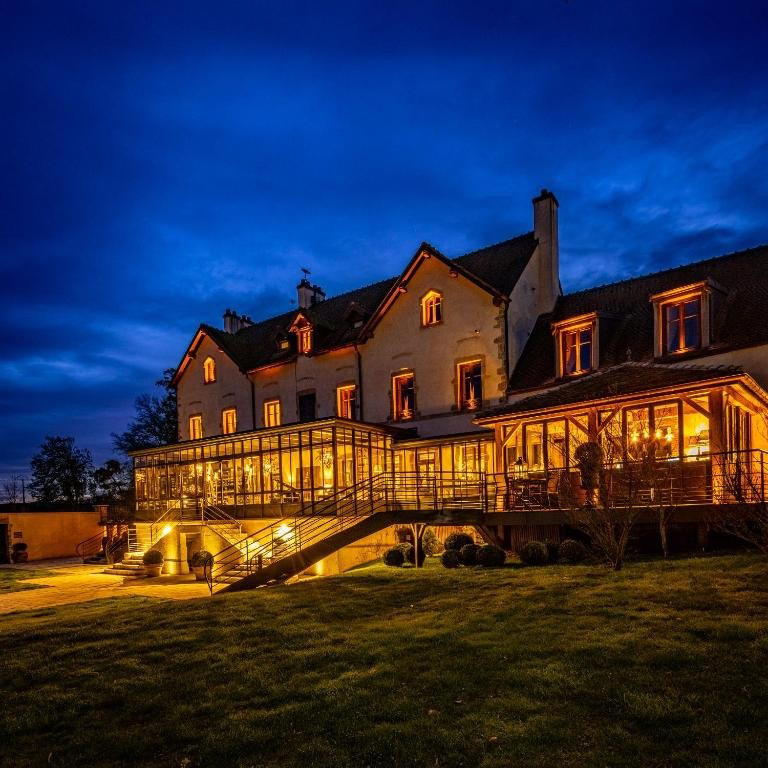
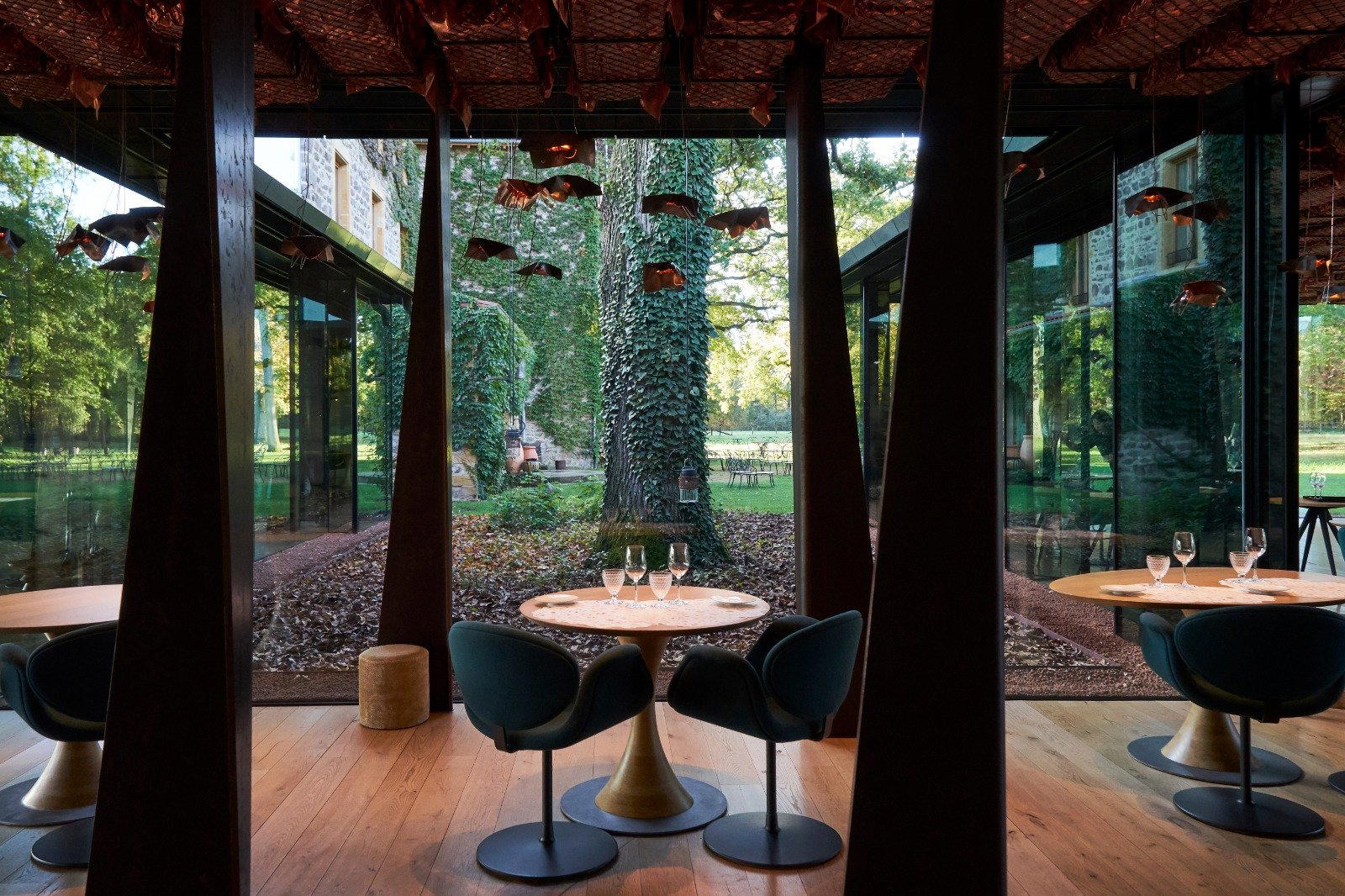
Light-filled rooms with tones of beige and white create a serene, elegant, and intimate atmosphere, enhanced by natural light during the day and soft lighting in the evening.