Au Comptoir on the Avenue de Provence occupies a compact village address in Piolenc, a Vaucluse commune with genuine agricultural credentials rooted in garlic production and Rhône corridor produce. The informal counter format connects to a tradition of Provençal village dining where the market calendar, not a fixed menu, sets the agenda. It is an accessible, community-facing table in one of southern France's more distinctively agricultural small towns.
Pearl is the En Primeur Club membership app — saves, bookings, and concierge access live there. Same editors, same standards.
- Address
- 13 Av. de Provence, 84420 Piolenc, France
- Phone
- +33486716781
- Website
- aucomptoir-restaurant.fr
- Directions
- Get directions
 Saves & bookings on Pearl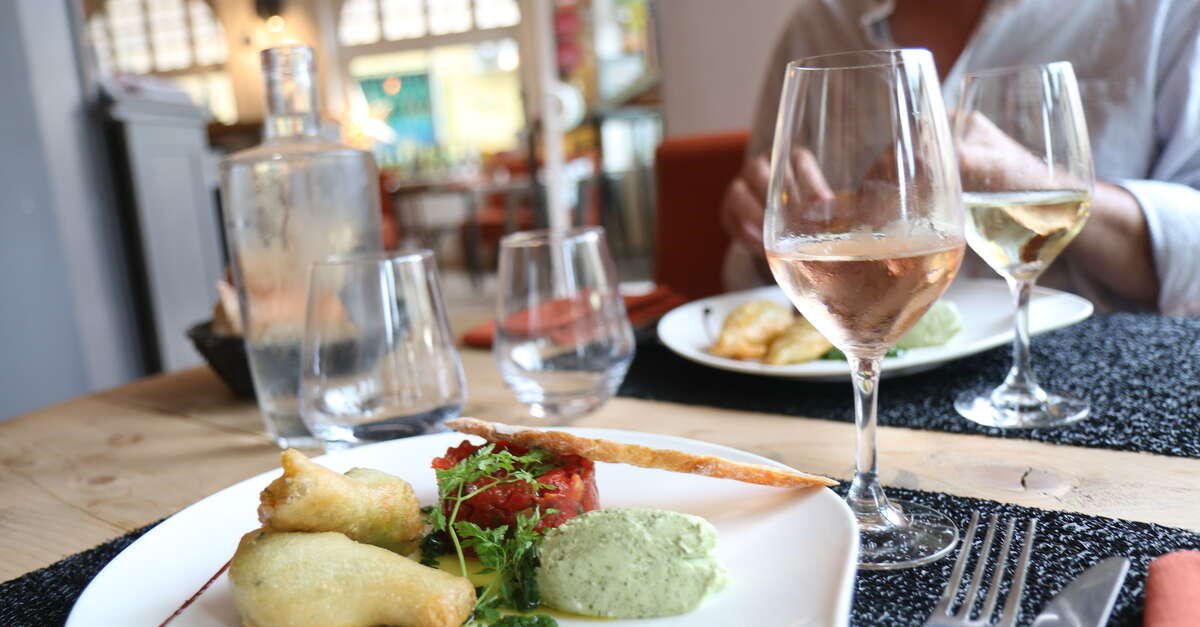
Where the Rhône Valley Sets the Table
The Avenue de Provence runs through Piolenc with the unhurried logic of a village that has never needed to perform for tourists. Au Comptoir, at number 13, occupies the kind of address that makes sense only once you understand the broader pattern of southern French village dining: a local counter operation planted in a community where seasonal produce is not a marketing stance but a structural reality.
The comptoir format itself carries a particular tradition in provincial France. Unlike the grand table arrangements of the Rhône's more decorated addresses, a comptoir implies proximity, informality, and a direct relationship between kitchen output and what the surrounding land is producing at any given week. In Piolenc, that means proximity to the Rhône corridor's stone-fruit harvests, the garlic fields that have made the village regionally known, and the vegetable production that runs through the Vaucluse plain. The sourcing logic is embedded in the geography before any kitchen decision is made.
The Provençal Sourcing Tradition and Why Piolenc Sits Inside It
Provence's culinary identity has always been inseparable from its agricultural calendar. The region produces some of France's most distinctive raw material: thyme and rosemary from the garrigue, courgettes and aubergines from irrigated valley plots, olive oil from centuries-old groves, and the garlic that Piolenc in particular celebrates each summer with its own festival. A village counter restaurant in this environment operates with sourcing advantages that more urban kitchens in Lyon or Marseille have to actively reconstruct through specialist suppliers.
The broader French culinary tradition of cuisine du terroir, the idea that a plate should express the specific soil, climate, and producers of its location, finds its most natural expression not in the highly decorated destination restaurants further along the Rhône corridor but in places exactly like Au Comptoir. Consider the contrast with the grand establishments further north or south: Troisgros - Le Bois sans Feuilles in Ouches operates at a scale and budget that is structurally different from a village comptoir, as does Bras in Laguiole, which has made landscape-sourcing into a formal artistic programme. A Piolenc counter works from the same principle but without the apparatus of destination dining around it.
Further afield, the Provençal fine-dining tier, including L'Oustau de Baumanière in Les Baux and La Table du Castellet in Le Castellet, draws on the same regional produce but frames it inside a luxury infrastructure of wine cellars, hotel rooms, and formal service. The village comptoir format strips that infrastructure away and keeps only the ingredient relationship. That is not a lesser version of Provençal dining. It is a different version, and in many ways a more honest one.
Arriving in Piolenc
Piolenc sits roughly equidistant between Orange and Bollène on the A7 corridor, approximately 30 kilometres north of Avignon. The TGV serves Avignon, and from there the drive north through the Rhône plain takes under 30 minutes. Orange itself has a rail connection on the Paris-Marseille line. For visitors coming from further along the Provençal circuit, the village is a logical stop between the Luberon and the northern Rhône appellations of Gigondas, Vacqueyras, and Châteauneuf-du-Pape, whose vineyards lie to the south and east.
The village itself is compact. The main avenue runs directly off the D976, and 13 Avenue de Provence is within walking distance of the village centre. Parking on the avenue is generally unrestricted, consistent with the unhurried rhythm of a commune of this size.
Placing Au Comptoir in the French Village Dining Register
French village restaurants operate in a competitive register that is almost entirely separate from the destination-dining circuit. Their comparable set is not Mirazur in Menton or Alléno Paris au Pavillon Ledoyen in Paris but rather the network of local tables that sustain communities between the major culinary poles. This tier of French dining tends to be evaluated on consistency, value relative to local prices, and the degree to which the kitchen connects to its immediate agricultural context rather than to the global fine-dining conversation.
In Provence specifically, this register includes a large number of small operations running seasonal menus tied to what is available from the village markets and nearby producers. The Vaucluse department has a dense concentration of such places, partly because the agricultural output is so varied and partly because the regional tourism economy creates enough passing traffic to support them. The restaurant at its Avenue de Provence address slots into this pattern: a counter-format operation in a village with genuine agricultural identity, positioned at the informal end of the Provençal dining spectrum.
For reference points at the other end of the regional spectrum, Auberge du Vieux Puits in Fontjoncouse in the neighbouring Aude département represents what village-sourced cooking can become when it accumulates Michelin recognition over decades. Georges Blanc in Vonnas and Maison Lameloise in Chagny show the same arc in Burgundy: village addresses that have grown into destination institutions. The restaurant does not occupy that tier, but it draws on the same foundational logic that those addresses built their reputations on.
Planning Your Visit
The restaurant is recommended for reservations and opens Tue 10 AM-1:30 PM and 7-8:45 PM, Wed 10 AM-1:30 PM, Thu 10 AM-1:30 PM and 7-10 PM, Fri 10 AM-1:30 PM and 7-10 PM, Sat 10 AM-1:30 PM and 7-10 PM; it is closed Mon and Sun. For a village operation of this type,
A Quick Peer Check
Comparable venues nearby, for context on price, style, and recognition.
| Venue | Cuisine | Price | Notes |
|---|---|---|---|
| Au comptoirThis venue — the venue you are viewing | French Bistro | $$ | Not listed |
| Bistrot des Arènes | Traditional French Lyonnais Bistro | $$ | Near the Arènes (Arena) |
| Lou Mas Café | Modern French Bistro | $$ | Nîmes |
| L'Alandier | French Bistro | $$ | Le Village |
| Le Clos | Traditional French Bistro | $$ | La Garde-Adhemar |
| La Cour de Caro | Bistronomic French with Mediterranean Accents | $$ | centre historique |
Continue exploring
More in Piolenc
Restaurants in Piolenc
Browse all →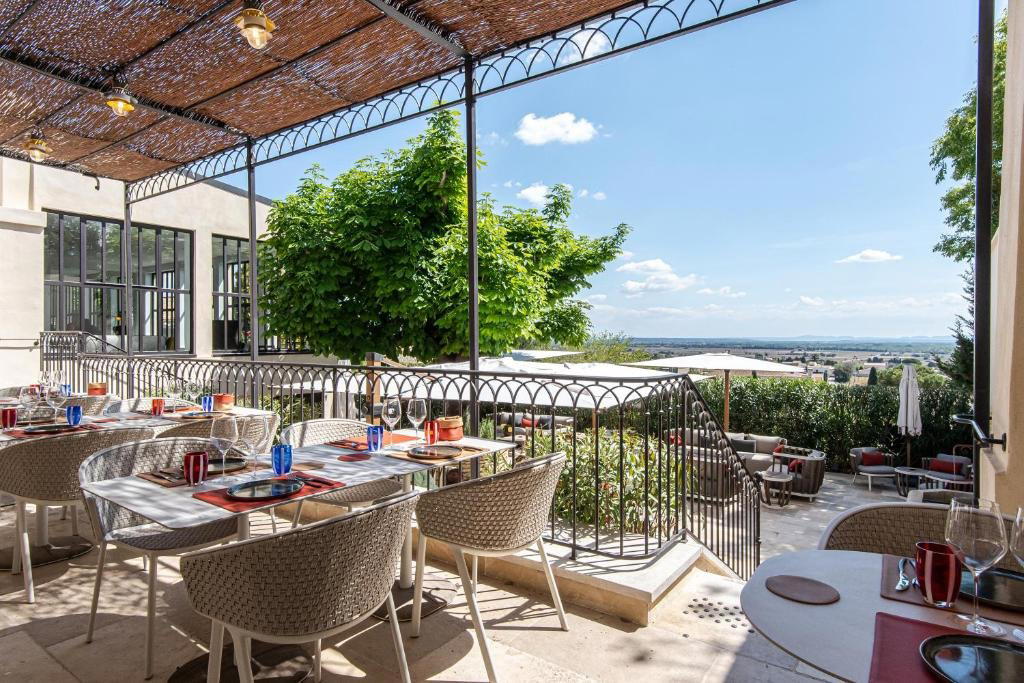
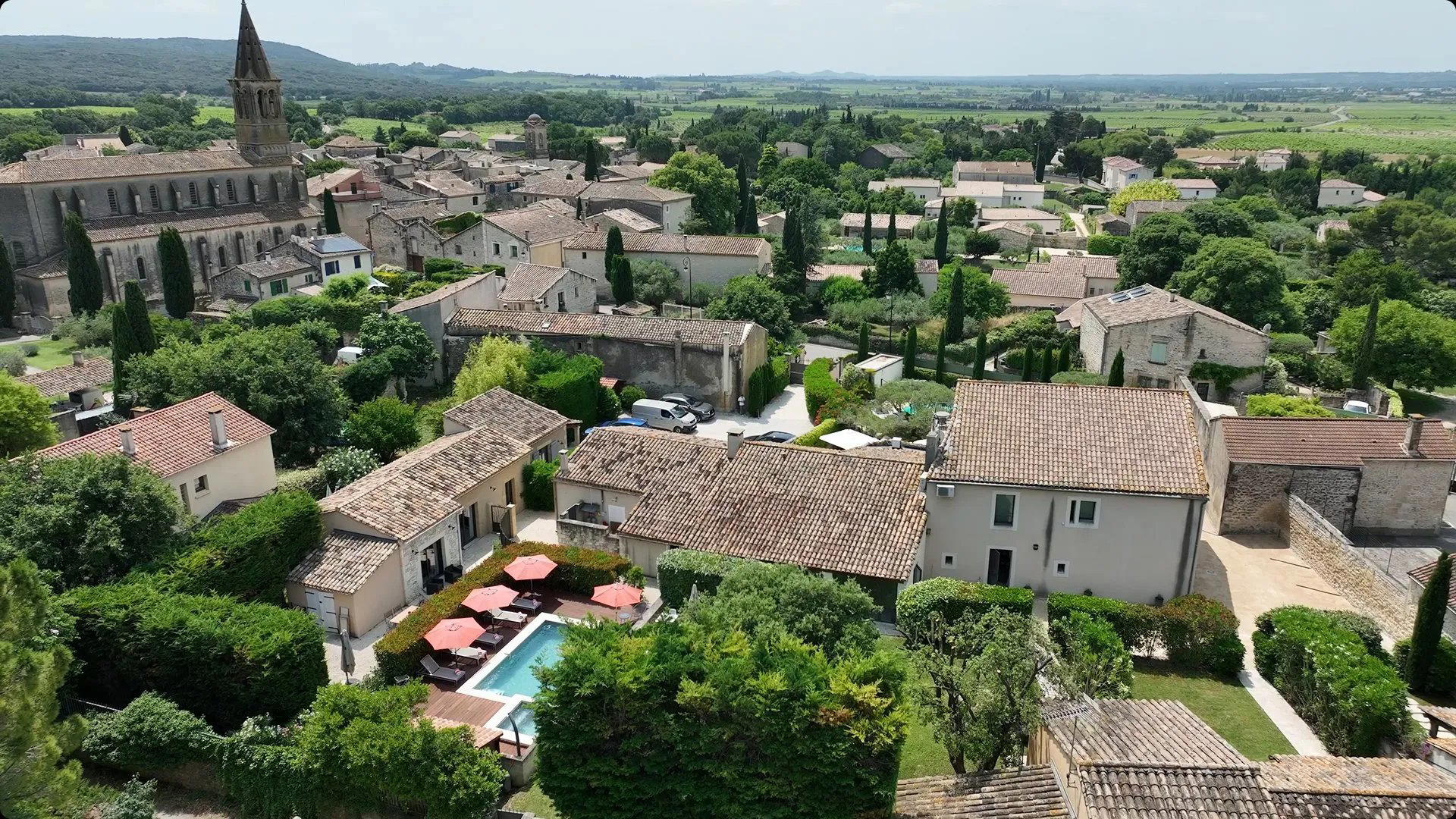
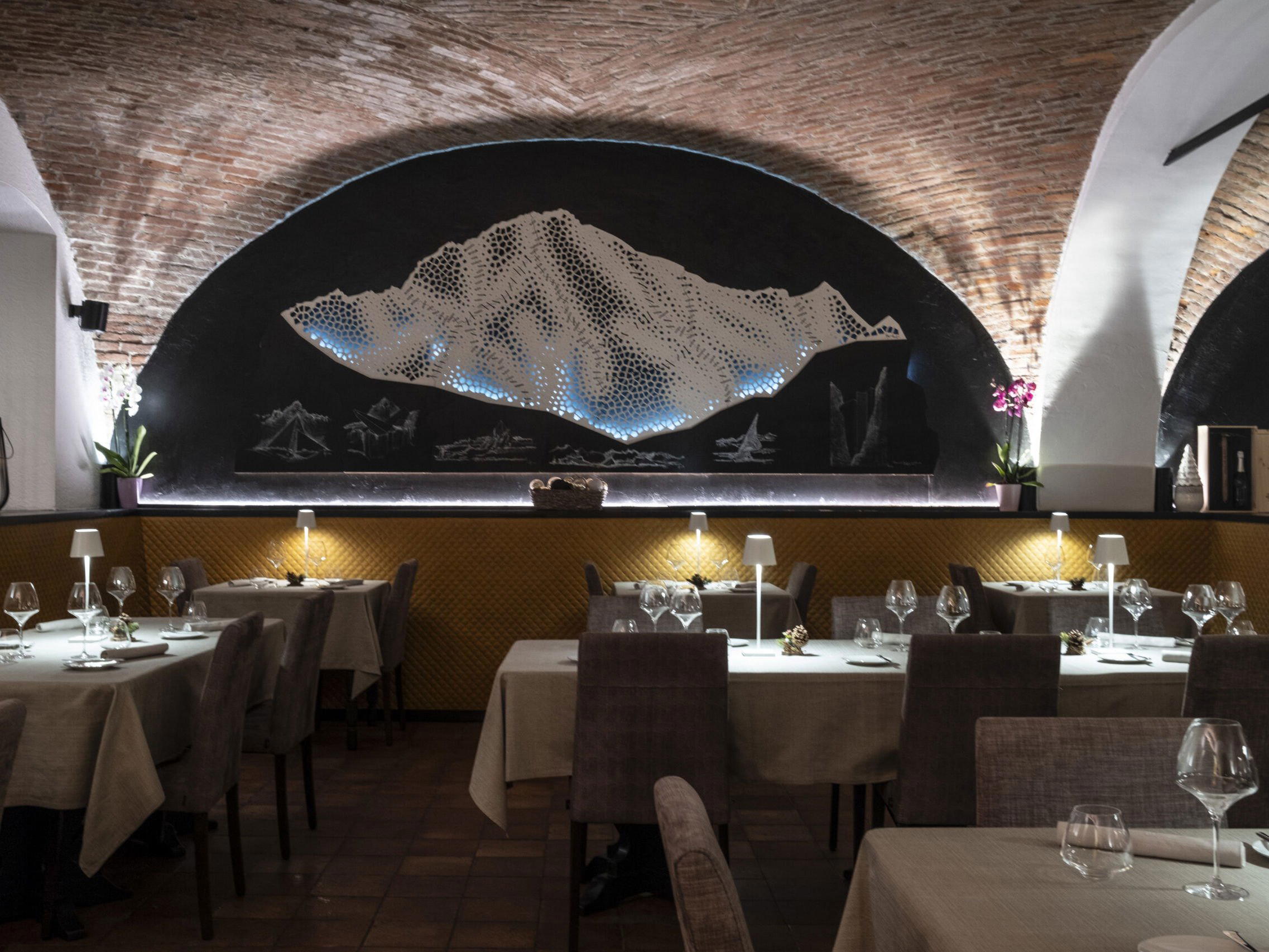
Bars in Piolenc
Browse all →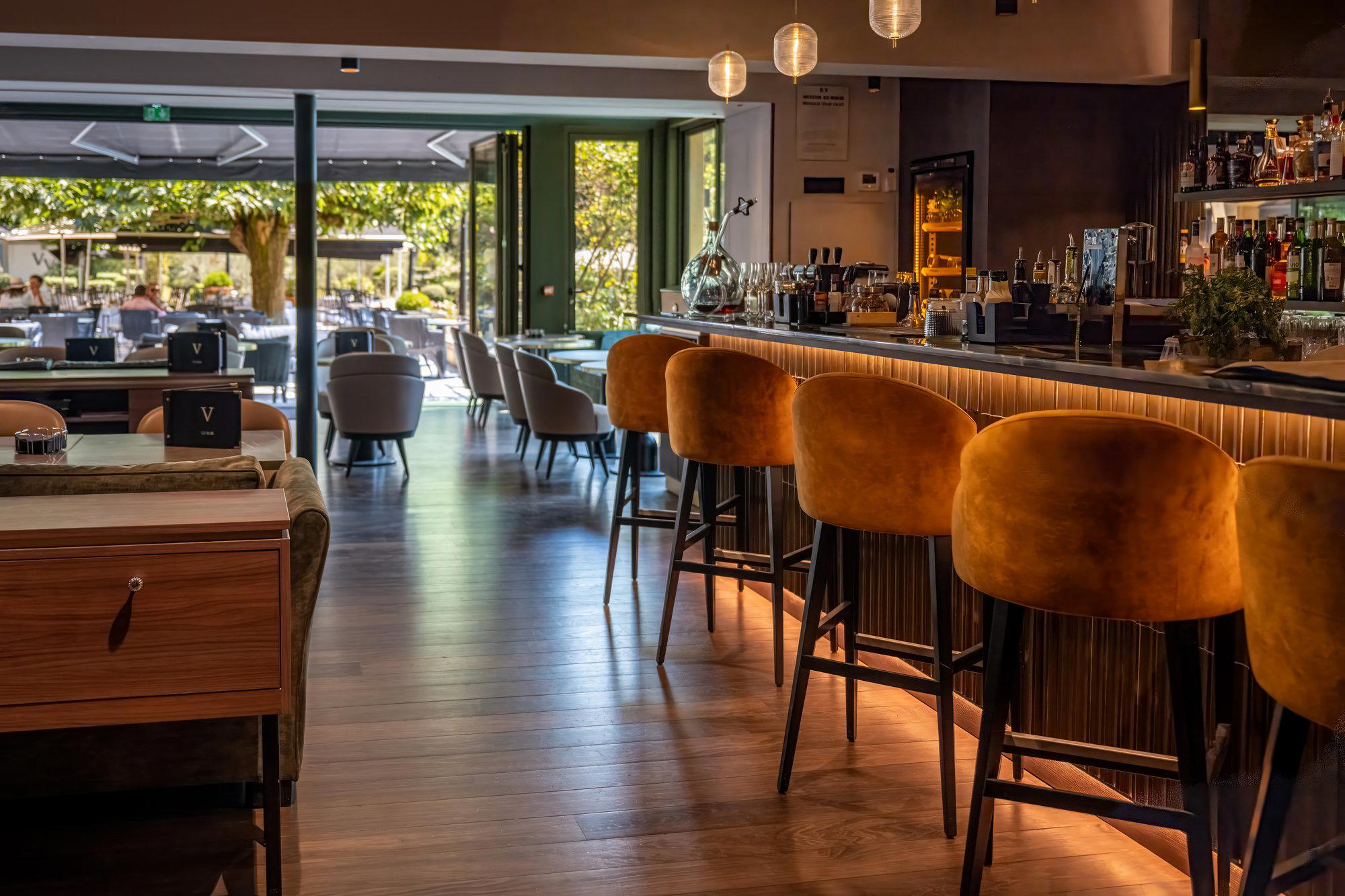
Hotels in Piolenc
Browse all →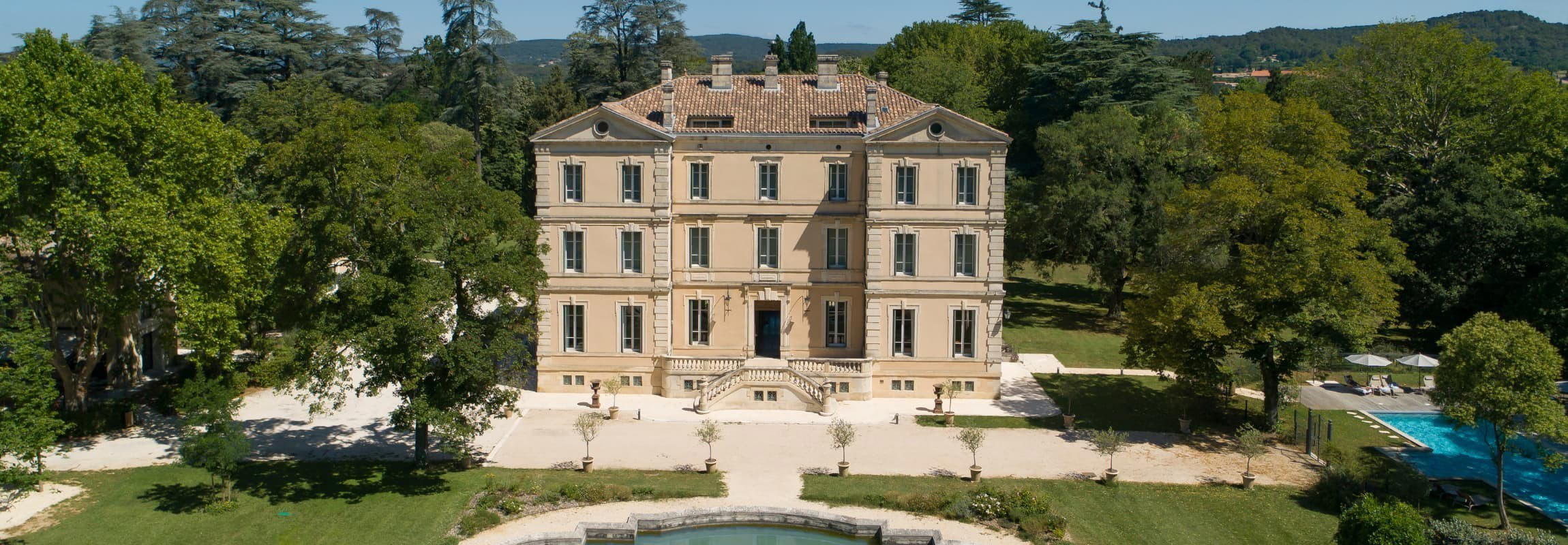
At a Glance
- Cozy
- Classic
- Rustic
- Casual Hangout
- Terrace
- Extensive Wine List
- Local Sourcing
Current opening hours
- Monday
- Closed
- Tuesday
- 10 AM–1:30 PM, 7–8:45 PM
- Wednesday
- 10 AM–1:30 PM
- Thursday
- 10 AM–1:30 PM, 7–10 PM
- Friday
- 10 AM–1:30 PM, 7–10 PM
- Saturday
- 10 AM–1:30 PM, 7–10 PM
- Sunday
- Closed
Hours can change for holidays and private events. Last verified .
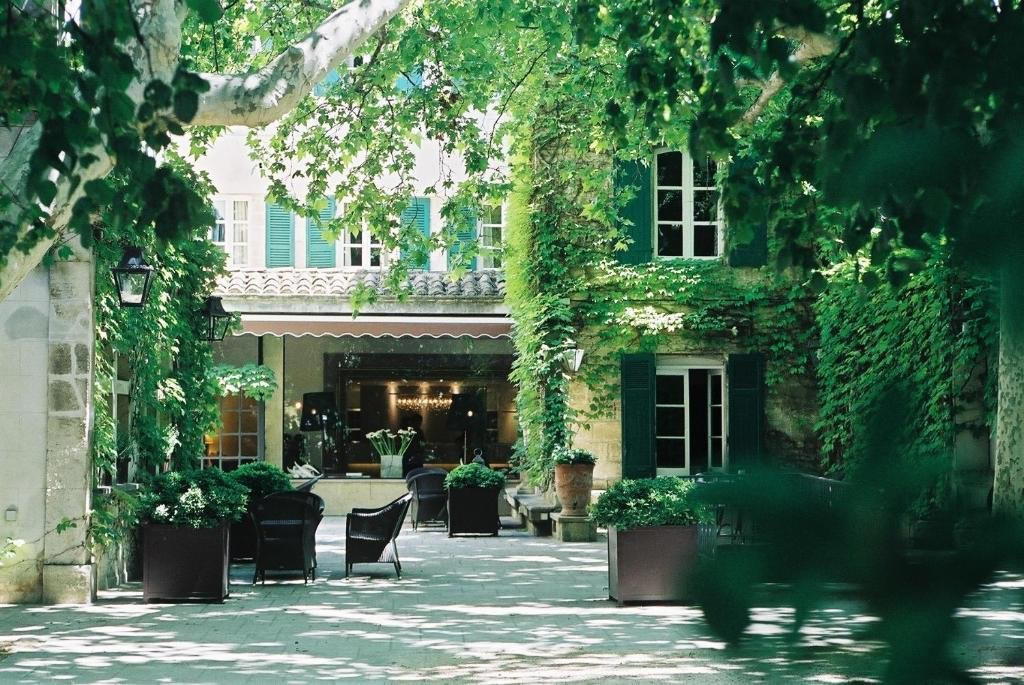
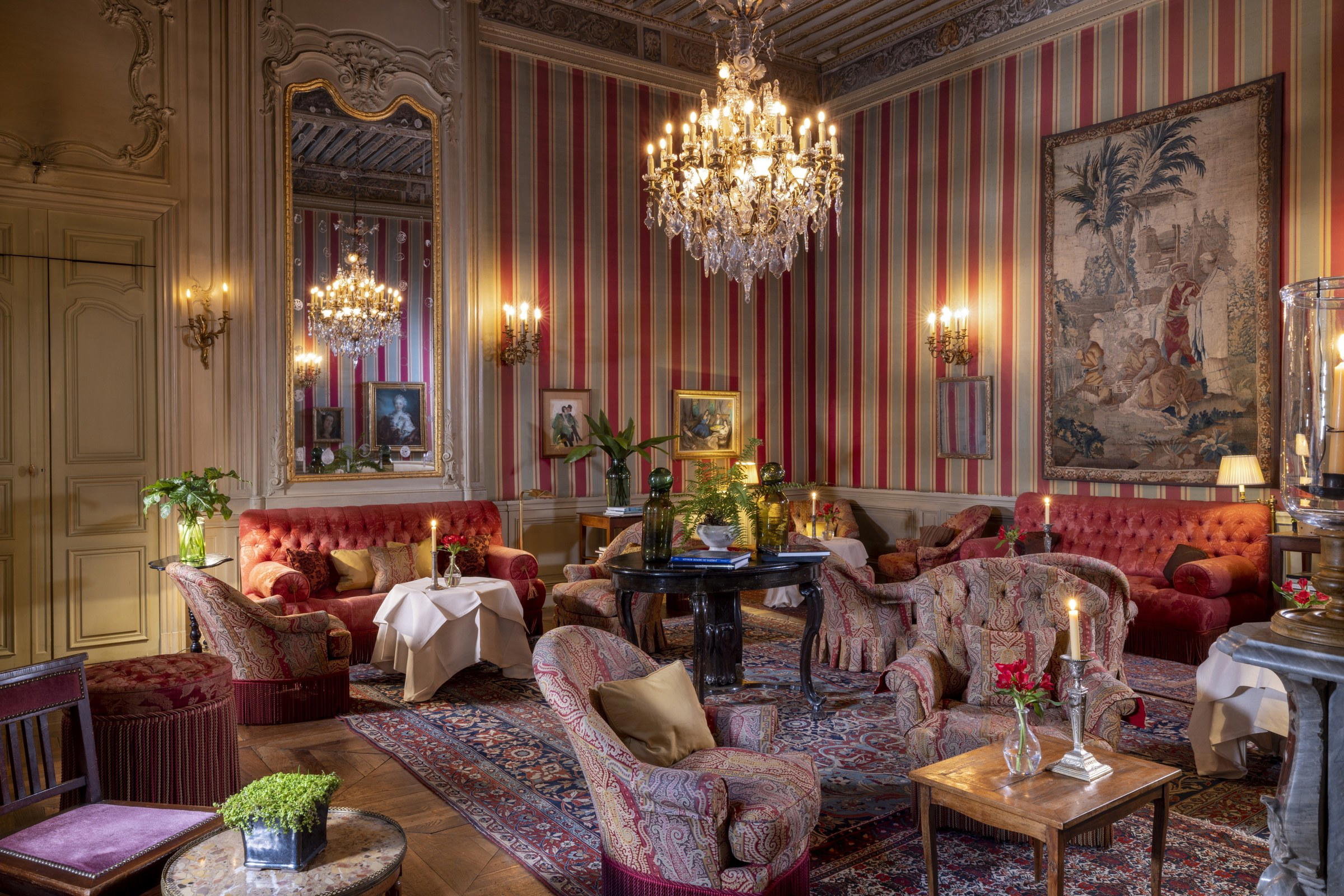
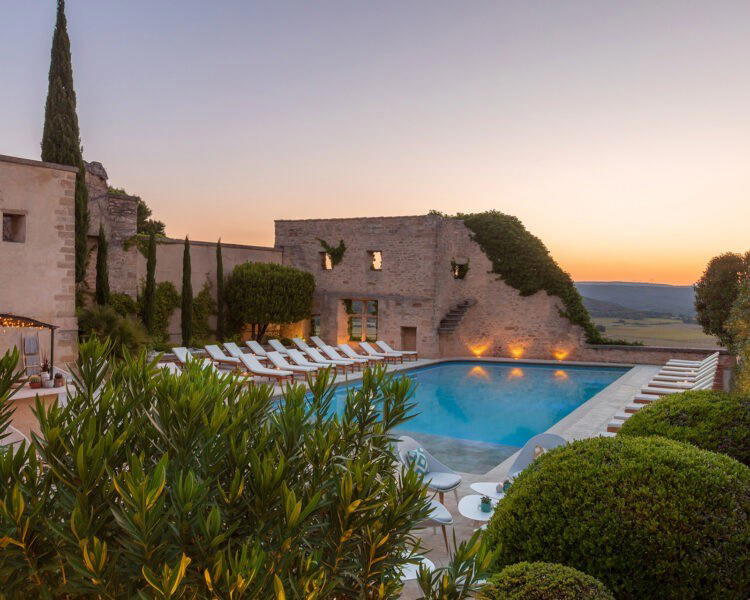
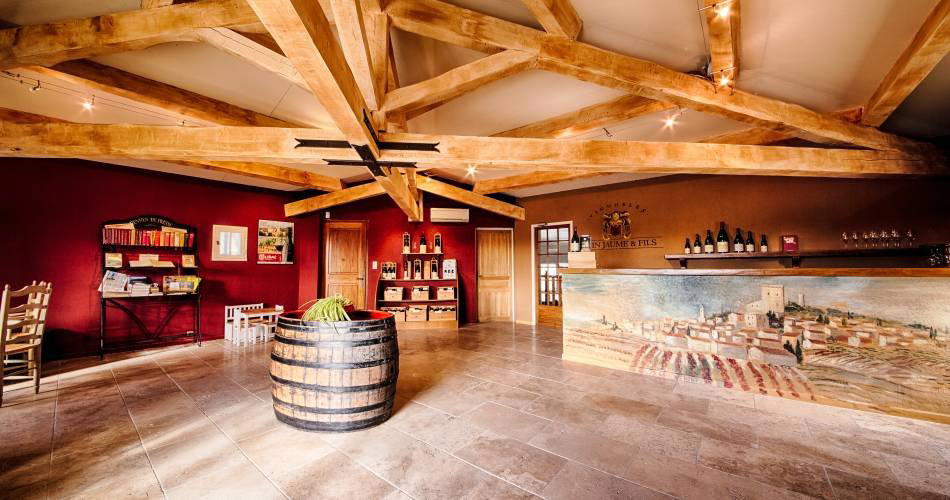
Pleasant interior with wide-spaced tables, refreshing decor, cozy backyard patio, and sympathetic terrace atmosphere.