Our verdict
Apura gourmet sits on Calle del General Oráa in Madrid's Salamanca district, positioning it within one of the city's most concentrated pockets of serious dining. The address alone places it in a neighbourhood where the competition is both well-heeled and well-travelled. Booking ahead is advisable for this corner of Madrid's contemporary restaurant circuit.

Pearl is the En Primeur Club membership app, where members save venues, book tables and use the concierge.

A Street in Salamanca, and What It Asks of Its Restaurants
Salamanca is Madrid's most demanding neighbourhood for a restaurant to survive. The residents along its gridded streets between Serrano and Velázquez know what they're paying for, they eat out with regularity, and they measure a room against the leading they've encountered in Paris, Tokyo, and New York. Calle del General Oráa, where Apura gourmet operates at number 45, sits in the residential interior of Salamanca rather than on the commercial thoroughfare, a detail that tends to separate neighbourhood institutions from transient openings aimed at passing traffic. Restaurants that endure on these quieter residential blocks do so because the local return rate sustains them, not because tourism fills the dining room.
That address carries a specific gravitational pull in Madrid's dining geography. The surrounding blocks have historically supported a tier of restaurants oriented toward long lunches, serious wine lists, and rooms designed for conversation rather than spectacle. It is a different register from the high-concept tasting-menu operations in other parts of the city, DiverXO in its current form, or the formal architecture of Coque, and closer in spirit to the kind of neighbourhood dining that Madrid's more serious food community actually uses week to week.
The Room as Editorial Statement
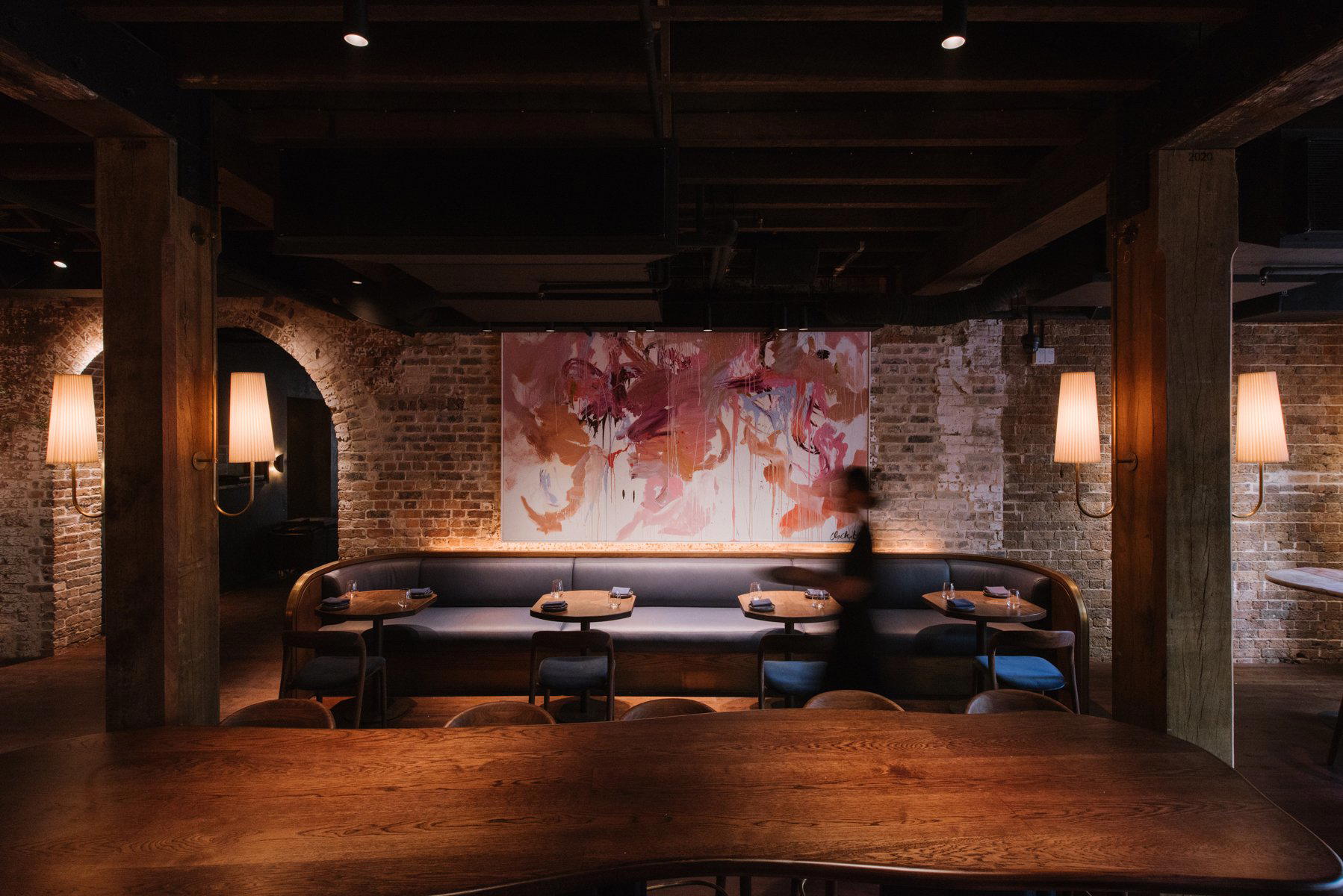
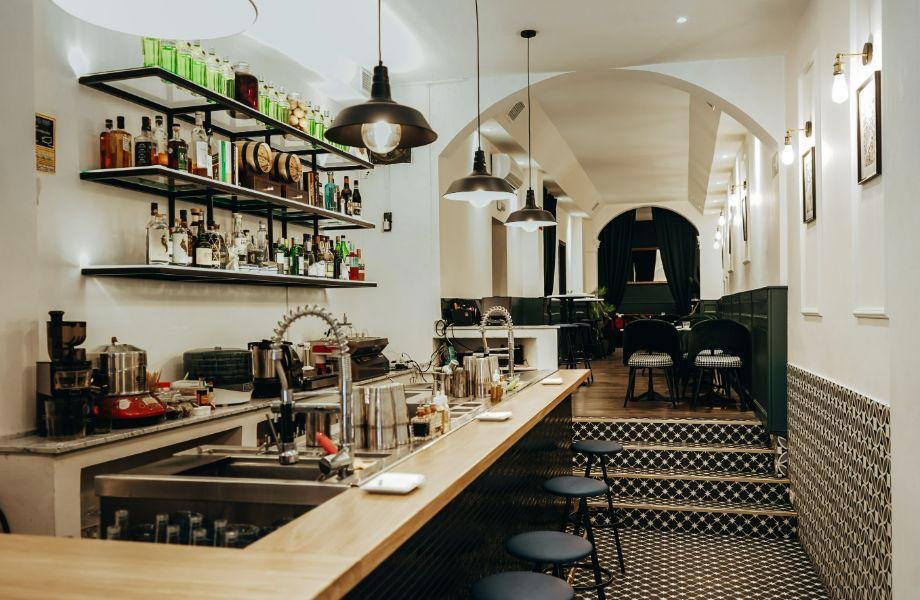
In the contemporary Spanish dining scene, the physical space of a restaurant communicates its positioning as clearly as the menu does. The split between high-production tasting counters and more intimate, design-restrained rooms has sharpened over the past decade, and Salamanca's interior restaurants have generally favoured the latter register. A room that reads as residential, proportioned for small groups, materials that absorb rather than amplify sound, lighting calibrated for the evening rather than the social media frame, signals that the kitchen is expected to be the primary event, not the architecture.
Apura gourmet's position in the Salamanca interior fits this pattern. The address suggests a contained space oriented toward proximity and detail rather than volume and visual drama. In a city where Deessa operates within the formal grandeur of a hotel setting and DSTAgE deploys warehouse scale as part of its conceptual argument, a quieter residential format is itself a considered choice. It places Apura gourmet in a category where the material of the evening, what arrives on the plate, how the room sounds at full occupancy, how the pacing holds, carries more weight than any structural gesture.
This is not a minor distinction. The design register of a restaurant in Salamanca shapes what the kitchen is expected to do. A room that does not perform its own importance creates a specific kind of pressure on the food and service: there is nothing else in the space to absorb the diner's attention. Paco Roncero and the more theatrically constructed addresses around Madrid use the physical space to extend the narrative of the meal. A quieter room inverts that logic.
Salamanca in the Context of Madrid's Dining Tier
Madrid's serious restaurant circuit has expanded and redistributed since the early 2010s. The concentration of Michelin attention has followed creative kitchens into unexpected postal codes, Vallecas, Lavapiés, the northern periphery, while Salamanca has retained its identity as the neighbourhood where the city's established professional and residential class eats with consistency rather than occasion. The restaurants that operate here tend to have lower profile-to-quality ratios than their counterparts in more publicised corners of the city, which is precisely their function.
That dynamic places Salamanca addresses in a useful comparative bracket for visitors who arrive in Madrid having already planned evenings at the city's most-decorated tables. For context, the upper tier of Madrid's creative dining includes houses with the kind of international recognition that generates long booking windows and formal dress codes. See our full Madrid restaurants guide for a fuller picture of how the city's neighbourhoods distribute by dining register. Within Spain more broadly, the conversation about serious restaurants extends well beyond the capital: El Celler de Can Roca in Girona, Mugaritz in Errenteria, Arzak in San Sebastián, Azurmendi in Larrabetzu, Quique Dacosta in Dénia, Martin Berasategui in Lasarte-Oria, Aponiente in El Puerto de Santa María, Ricard Camarena in València, Cocina Hermanos Torres in Barcelona, and Atrio in Cáceres each occupy a distinct regional register. Internationally, the comparison point for neighbourhood-oriented fine dining in a dense residential context can extend to addresses like Le Bernardin in New York City or Lazy Bear in San Francisco, both of which have built sustained credibility in their respective cities by orienting the room experience around food and service rather than scenography.
Planning a Visit
Apura gourmet is located at Calle del General Oráa 45 in the Salamanca district, postcode 28006. The address is accessible on foot from the Núñez de Balboa and Lista metro stations, both on Line 5, placing it roughly equidistant from two of Salamanca's main transit nodes. As with most serious addresses in this part of Madrid, arriving without a reservation for dinner is inadvisable, the residential character of the street means there is no walk-in trade to buffer a fully committed dining room. Specific booking methods, current hours, and pricing are best confirmed directly with the restaurant, as operational details are subject to change. For the surrounding neighbourhood, the Salamanca blocks between Serrano and Velázquez reward exploration on foot before or after a meal, with a density of wine bars and casual tapas rooms that operate as a natural counterpart to the more formal dining addresses.
Frequently asked questions
What do regulars order at Apura gourmet?
What is consistent across the Salamanca neighbourhood category is that regular diners tend to orient toward the kitchen's more settled, seasonal preparations rather than headline dishes, the kind of ordering that signals familiarity with both the kitchen's range and the rhythm of a longer meal. For current menu specifics, contacting the restaurant directly is the most reliable route.
Is Apura gourmet reservation-only?
In the context of Madrid's Salamanca district, restaurants at this address and positioning typically operate on a reservations-led model. The neighbourhood dining room format, smaller capacity, residential clientele, no significant walk-in trade from passing tourists, makes advance booking the practical standard rather than the exception. Specific policies should be confirmed with the venue, as booking arrangements vary and may have changed. Madrid's more decorated creative addresses, such as DiverXO or Coque, require booking weeks or months ahead; neighbourhood-tier restaurants in Salamanca generally have more accessible windows.
How does Apura gourmet fit into Madrid's broader contemporary dining circuit?
Salamanca's residential dining tier occupies a specific and often underreported position in Madrid's restaurant map. While the city's most publicised creative kitchens, several of them holding Michelin recognition, attract international visitors and generate significant pre-travel planning, the neighbourhood addresses in Salamanca function as the backbone of the local dining week for residents who eat out with regularity. Apura gourmet at Calle del General Oráa 45 sits within that bracket, in a district where the competition is experienced and the audience is returning rather than first-time.
Budget Reality Check
Comparable venues nearby, for context on price, style, and recognition.
| Venue | Cuisine | Price | Awards | Notes |
|---|---|---|---|---|
| Apura gourmetThis venue (the venue you are viewing) | Peruvian Fusion Street Food | $20–30 | Not listed | Not listed |
| The Madrid EDITION | Modern Peruvian with Global Influences | $30–50 | Macarfi 7.3 Food Rating | Sol, Modern Peruvian with Global Influences |
| La Bajada Street Food - Ópera | Peruvian Street Food | $30–50 | Not listed | Palacio, Peruvian Street Food |
| Restaurante Sambo | Peruvian-Mediterranean Fusion Ceviches | $20–30 | Not listed | Acacias, Peruvian-Mediterranean Fusion Ceviches |
| El D3S3O | Modern Spanish Fusion | $50–100 | Not listed | Almagro, Modern Spanish Fusion |
| Ponja Nikkei | Nikkei Peruvian-Japanese Fusion | $50–100 | Not listed | Chueca, Nikkei Peruvian-Japanese Fusion |
Continue exploring
More in Madrid
Restaurants in Madrid
All restaurants in Madrid →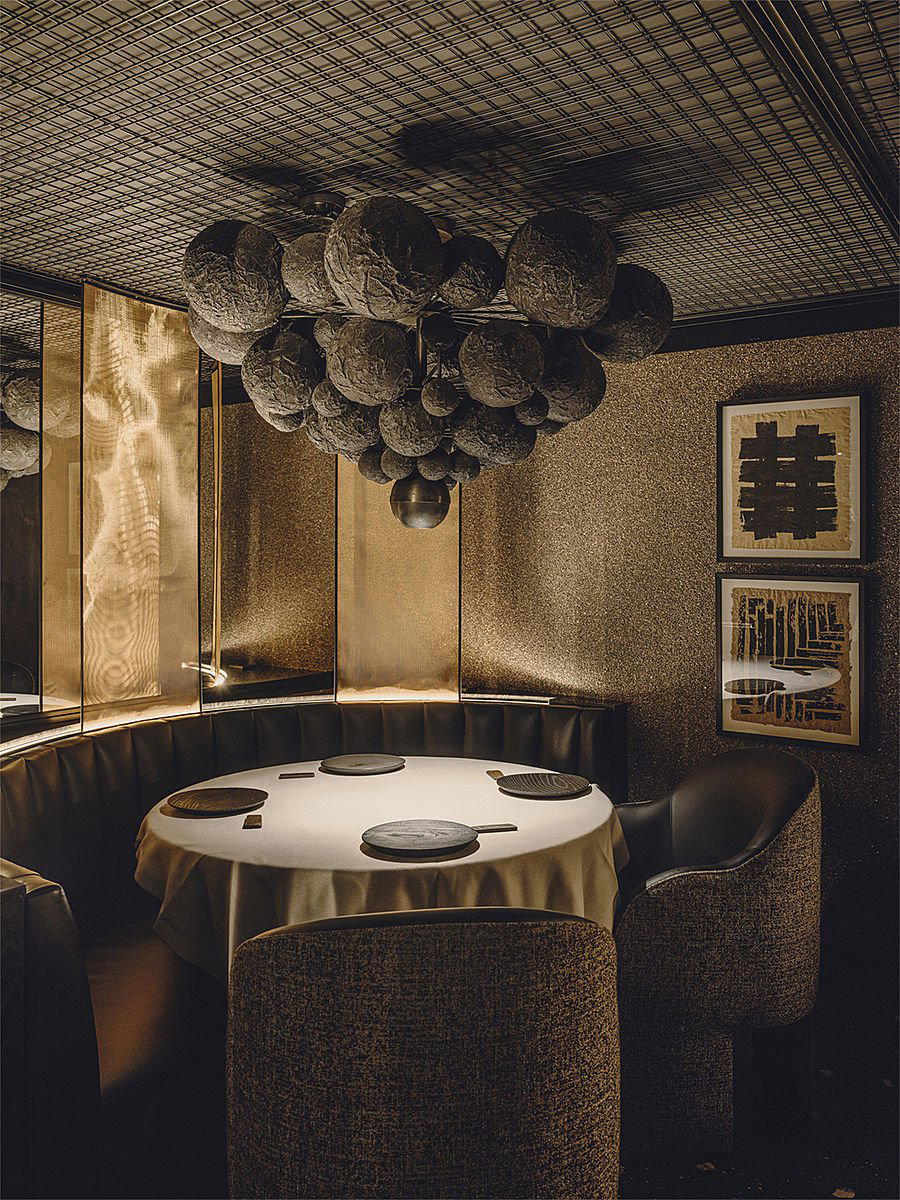
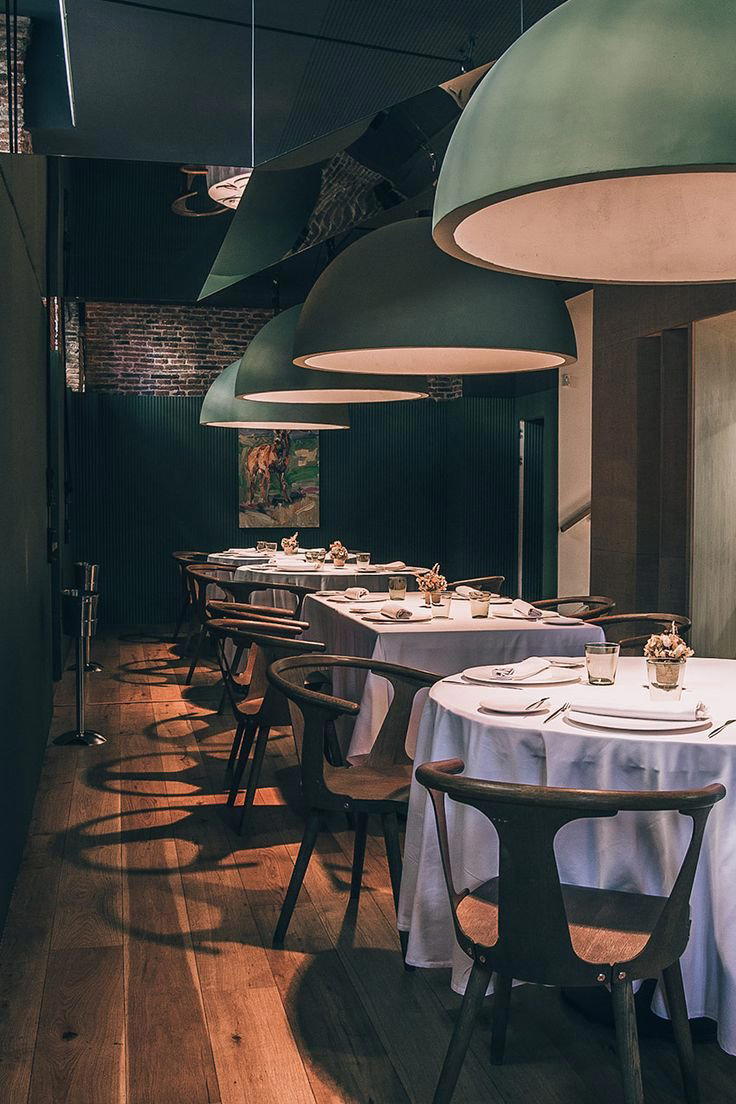
Bars in Madrid
All bars in Madrid →

Details
- Trendy
- Modern
- Lively
- Casual Hangout
- Terrace
- Small Plates
- Vegetarian Friendly
Current opening hours
- Monday
- Closed
- Tuesday
- 5:30 PM–12 AM
- Wednesday
- 5:30 PM–12 AM
- Thursday
- 5:30 PM–12 AM
- Friday
- 5:30 PM–12 AM
- Saturday
- 5:30 PM–12 AM
- Sunday
- Closed
Hours can change for holidays and private events. Hours as of .
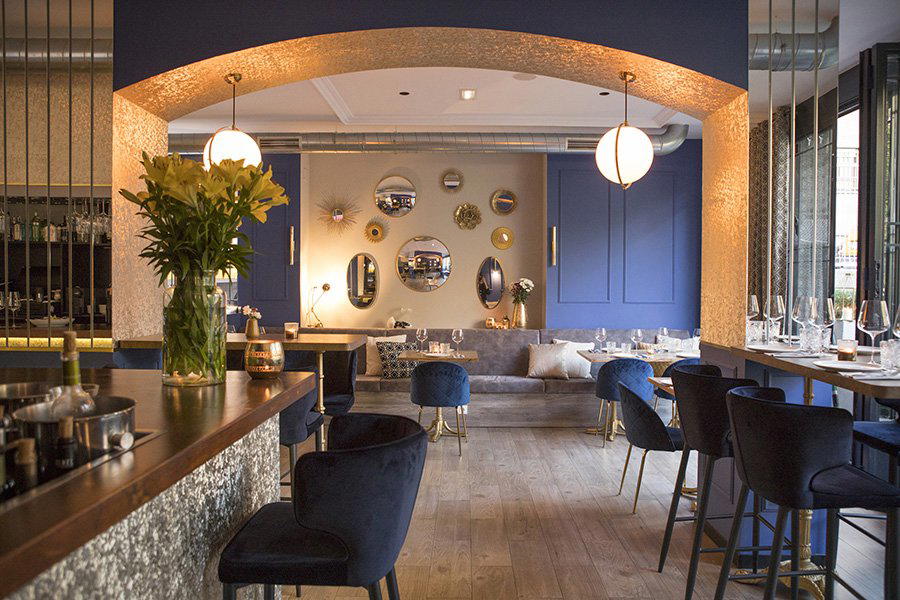
Modern and attractive atmosphere with a tasteful design blending Peruvian influences.