Google: 4.8 · 1,422 reviews
Antico Ristorante Forassiepi
.png)
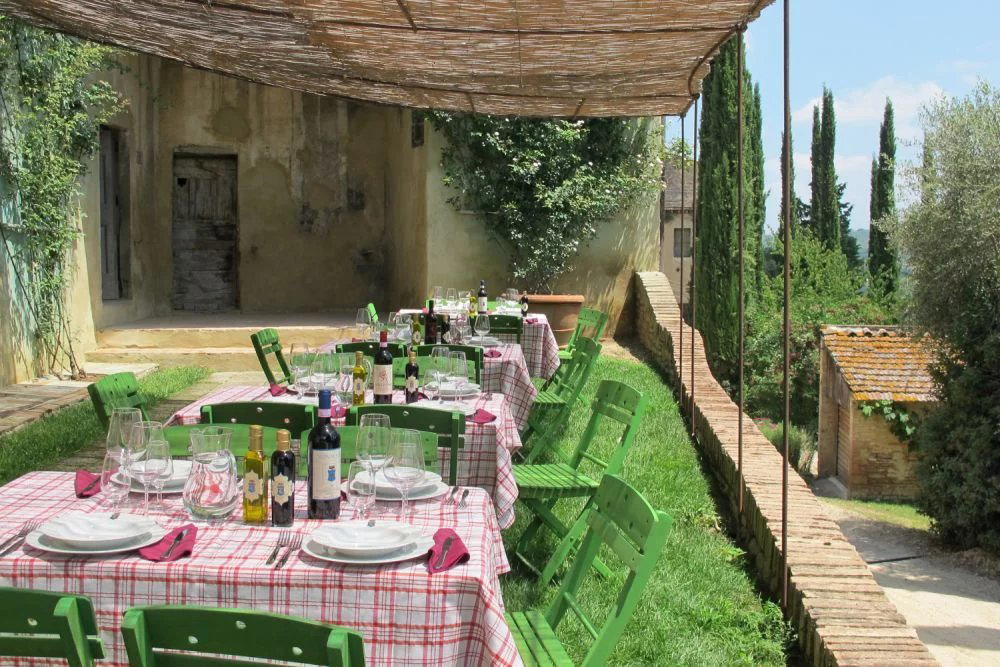
Perched in the medieval hilltop town of Montecarlo in the province of Lucca, Antico Ristorante Forassiepi carries a history stretching back to the early 20th century and a Michelin Plate recognition earned in 2025. The kitchen reinterprets Tuscan regional specialities across both meat and fish, with alfresco summer dining that opens onto panoramic views of the surrounding hills and valleys. At €€€ pricing, it occupies a considered middle tier in the region's dining scene.
 Discover on Pearl
Pearl is the En Primeur Club membership app — saves, bookings, and concierge access live there. Same editors, same standards.
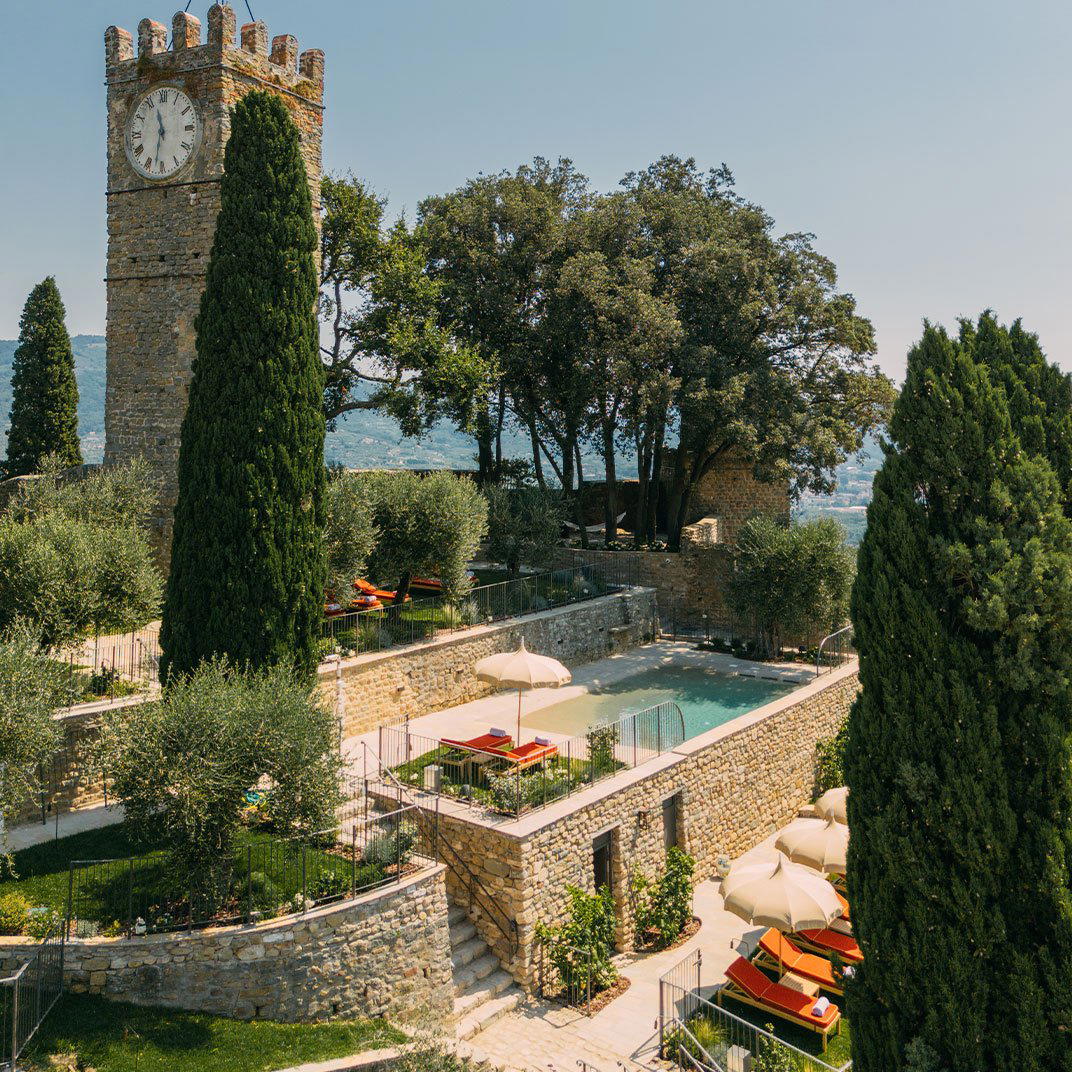
A Hilltop Setting in Tuscan Wine Country
The approach to Montecarlo, a compact fortified town rising above the plain between Lucca and Pistoia, sets an expectation that few restaurants in the area can match. The town sits at the centre of one of Tuscany's lesser-known but seriously regarded DOC wine zones, where Sangiovese, Syrah, and a clutch of white varieties grow on slopes that have been farmed since Roman times. The olive groves that terrace down from the walls produce oil with a distinct character: greener and more herbaceous than the oils pressed further south near Montalcino, with enough bitterness at the back of the palate to hold against bold meat preparations. That agricultural context matters when reading a menu here, because kitchens in this corridor treat local olive oil not as a condiment but as a structural ingredient, appearing in pasta doughs, sauces, and finishing drizzles with varieties traceable to specific local producers.
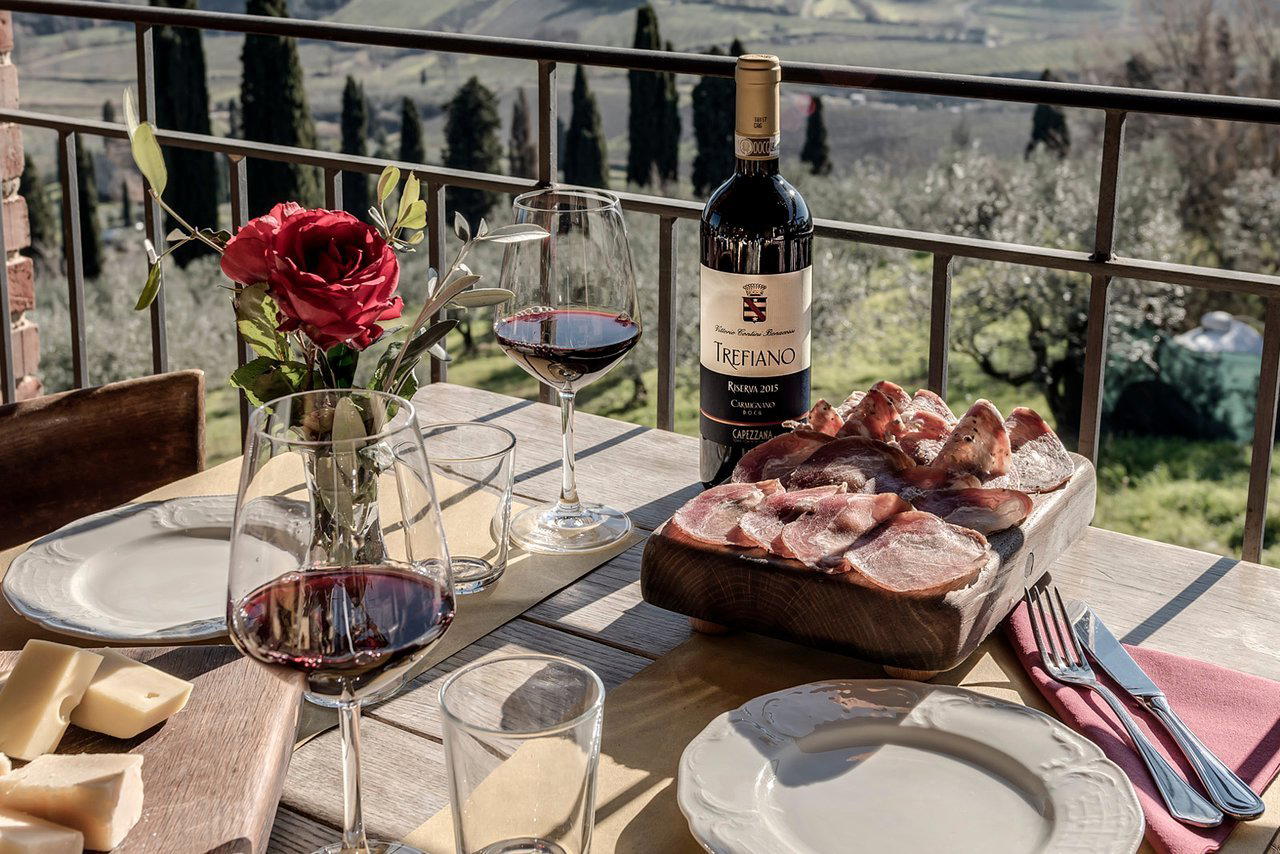
Antico Ristorante Forassiepi sits on Via della Contea, the main artery running through the old town, in a position that makes its summer terrace possible. When tables move outside, the view encompasses the kind of Tuscan panorama that photographs poorly because the scale requires peripheral vision: the Nievole valley to the east, the profiles of distant Apennine ridges, and the chessboard of vines and olives stitched across the lower slopes. It is the physical environment that explains why this address has sustained a dining reputation across more than a century of Tuscan hospitality.
The Olive Oil Foundation of a Tuscan Kitchen
Mediterranean cuisine at this latitude is defined less by any single technique than by the quality and provenance of its fats. In the Lucchesia, olive oil does the work that butter does in the north and lard once did in the Maremma: it carries aromatics, ties emulsions, and provides the baseline flavour against which acidity and herbs are measured. The Montecarlo DOC zone sits at an elevation and aspect that pushes olive harvests toward the slightly earlier end of the Tuscan calendar, producing oils with higher polyphenol content and a characteristic peppery finish on late-harvest fruit.
A kitchen that frames its offer around regional specialities reinterpreted with a modern approach — which is precisely how Michelin's 2025 recognition characterises Forassiepi — is working within a tradition where ingredient sourcing precedes technique in the hierarchy of decisions. The shift from pure regional orthodoxy to modern reinterpretation has been visible across Tuscan restaurants of this tier since the early 2010s: it does not mean abandoning ribollita or pici al ragù, but it does mean rethinking texture, reduction, and plating within a contemporary register while keeping the olive oil, the Chianina beef, and the local white truffle season (October through December in this part of the province) as non-negotiable anchors. For a broader view of how Italian kitchens at higher price points handle this tension, the approaches at Osteria Francescana in Modena and Enoteca Pinchiorri in Florence represent the Michelin three-star end of that same conversation.
Recognition, Ownership, and Continuity
The Michelin Plate awarded in 2025 places Forassiepi in the category of restaurants that Michelin considers worth a visit and that cook food to a good standard, without yet entering the starred tier. In the province of Lucca, that recognition matters more than it might in a city with a denser cluster of recognised addresses: the competition for Michelin attention here is real but not overwhelming, and a Plate signals that the kitchen has achieved a consistency reviewers found reliable across multiple visits and across both its meat and fish registers.
What gives the restaurant particular credibility in the local context is longevity under consistent ownership. The current owners have managed the property since 2004, which in the hospitality economy of a small Tuscan hill town represents a meaningful commitment. The restaurant's history extends to the early 20th century, making Forassiepi one of the longer-running dining addresses in a province where agriturismi and family trattorie turn over with more frequency than outsiders expect. Restaurants with this kind of tenure tend to hold institutional knowledge about local suppliers and seasonal patterns that newer kitchens spend years accumulating. For context on how Italian restaurants at the upper end of the price spectrum approach similar questions of continuity and regional identity, Dal Pescatore in Runate and Casa Perbellini 12 Apostoli in Verona offer instructive comparisons.
Pricing, Format, and the Summer Alfresco Advantage
At €€€ pricing, Forassiepi occupies a middle tier in the Italian restaurant market: above the neighbourhood trattoria but below the €€€€ bracket where three-Michelin-star houses like Le Calandre in Rubano or Atelier Moessmer Norbert Niederkofler in Brunico operate. For the Lucca province, that positioning makes it a serious dining destination rather than a casual stop, and it places the kitchen in a tier where service quality and setting are expected to justify the tariff alongside the food.
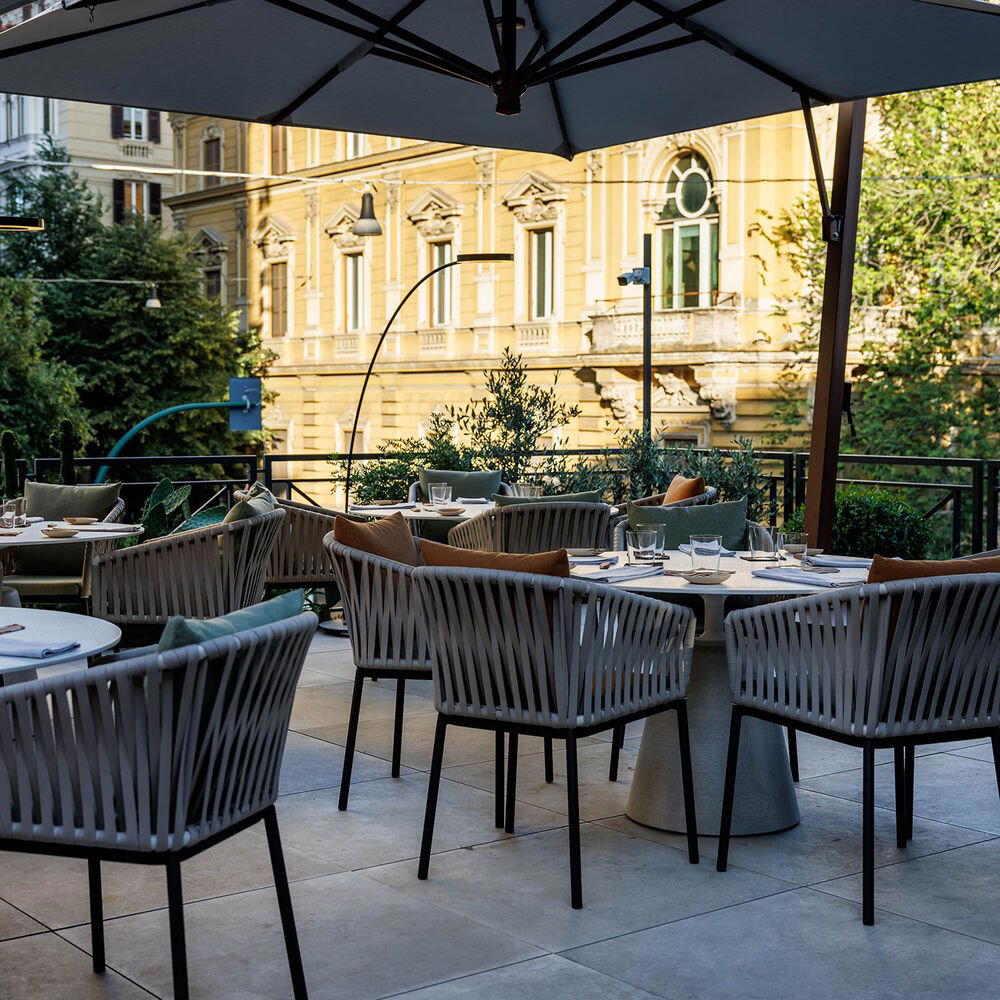
The alfresco format in summer is not incidental. Tuscan hill towns have an architecture that rarely permits the kind of large interior dining rooms that urban restaurants rely on, and the most compelling tables in places like Montecarlo are the ones where the hillside does part of the work. A Google review score of 4.8 from 1,370 ratings is a statistically significant signal of sustained satisfaction, particularly for a restaurant in a location that draws both local Lucchesi and visitors who have made a specific detour. Scores at that level across a large review sample suggest the kitchen and service perform reliably rather than spiking on exceptional nights.
Visitors travelling from Lucca should plan for a 20-25 minute drive east into the hills. The town itself is compact enough that arrival by car is the practical standard; the address on Via della Contea places the restaurant within the old walls. For planning the broader visit, our full Montecarlo restaurants guide covers the complete dining picture, while our Montecarlo wineries guide addresses the DOC zone's producers directly. Accommodation options appear in our Montecarlo hotels guide, and those wanting to extend into the town's drinking scene can consult our Montecarlo bars guide and our Montecarlo experiences guide.
Reservations in summer, particularly for terrace tables, should be made well in advance. The combination of a scenic setting, a Michelin-recognised kitchen, and a loyal local following means that walk-in availability at peak times is unlikely. Contacting the restaurant directly through the address at Via della Contea, 1 is the most direct route to securing a booking.
How Forassiepi Sits in the Wider Mediterranean Picture
The category of Mediterranean cuisine that Forassiepi occupies spans a broad range of regional approaches. At the coastward end of the spectrum, kitchens lean into seafood, citrus, and lighter oil applications; at the inland Tuscan end, the same foundational ingredients produce heavier, more structured plates built around cured meats, braised cuts, legumes, and aged cheeses. Forassiepi's reported focus on both meat and fish within a regional specialities framework suggests a kitchen that moves between these registers depending on season and supply, which is the approach that characterises the more capable provincial Tuscan restaurants. For Mediterranean cuisine in very different coastal contexts, Uliassi in Senigallia, Quattro Passi in Marina del Cantone, La Brezza in Ascona, and Arnaud Donckele and Maxime Frédéric at Louis Vuitton in Saint-Tropez each represent distinct national and geographic inflections of the same broad tradition. And for those interested in the creative Italian end of the spectrum, Piazza Duomo in Alba, Reale in Castel di Sangro, and Enrico Bartolini in Milan show how Italian kitchens at the starred level have stretched the same regional-ingredient logic into more experimental territory.
Quick Comparison
These are the closest comparables we have in our database for quick context.
| Venue | Cuisine | Price | Awards | Notes |
|---|---|---|---|---|
| Antico Ristorante Forassiepi | Mediterranean Cuisine | €€€ | This restaurant is renowned in the province of Lucca, thanks to the reliable own… | This venue |
| Atelier Moessmer Norbert Niederkofler | Italian, Creative | €€€€ | Michelin 3 Star | Italian, Creative, €€€€ |
| Dal Pescatore | Italian, Italian Contemporary | €€€€ | Michelin 3 Star | Italian, Italian Contemporary, €€€€ |
| Enoteca Pinchiorri | Italian - French, Italian Contemporary | €€€€ | Michelin 3 Star | Italian - French, Italian Contemporary, €€€€ |
| Enrico Bartolini | Creative | €€€€ | Michelin 3 Star | Creative, €€€€ |
| Osteria Francescana | Progressive Italian, Creative | €€€€ | Michelin 3 Star | Progressive Italian, Creative, €€€€ |
Continue exploring
More in Montecarlo
Restaurants in Montecarlo
Browse all →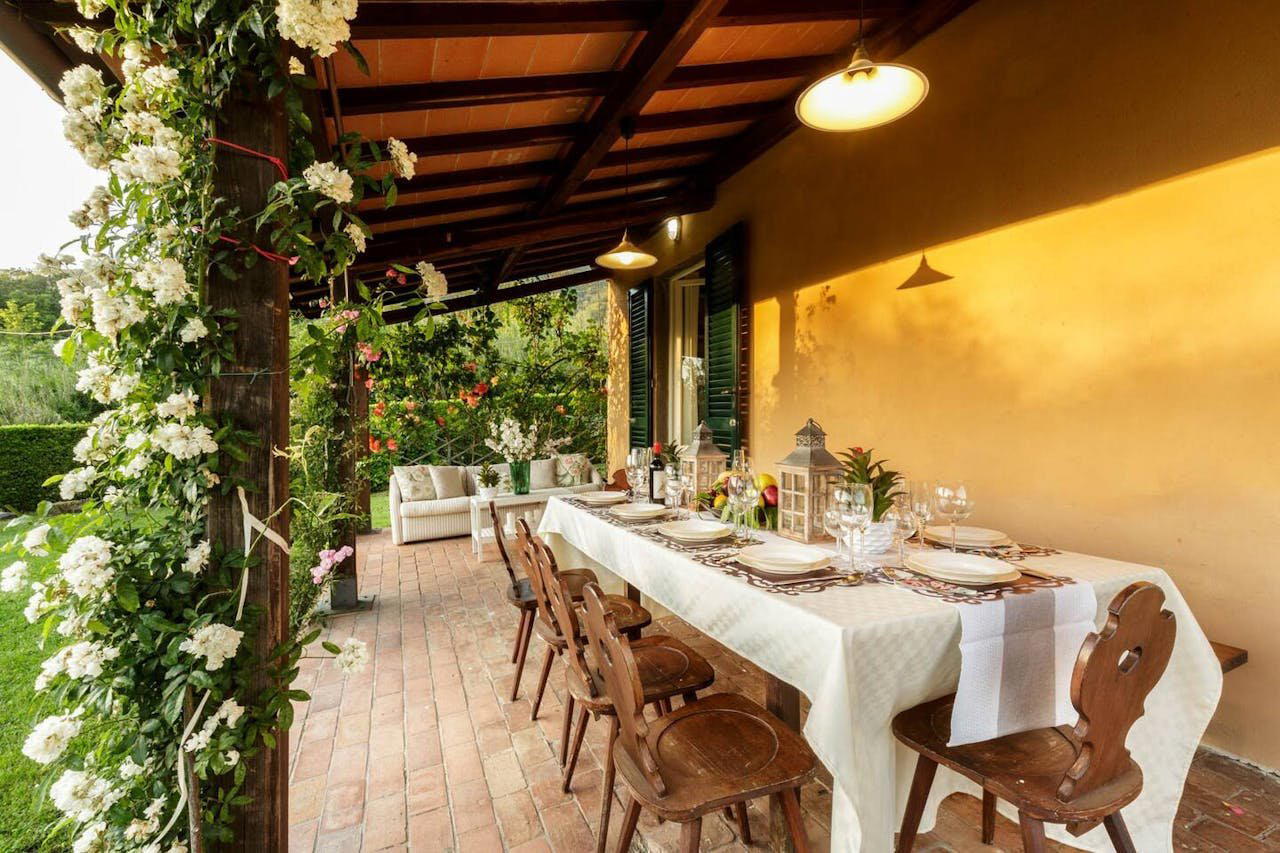
Bars in Montecarlo
Browse all →
Hotels in Montecarlo
Browse all →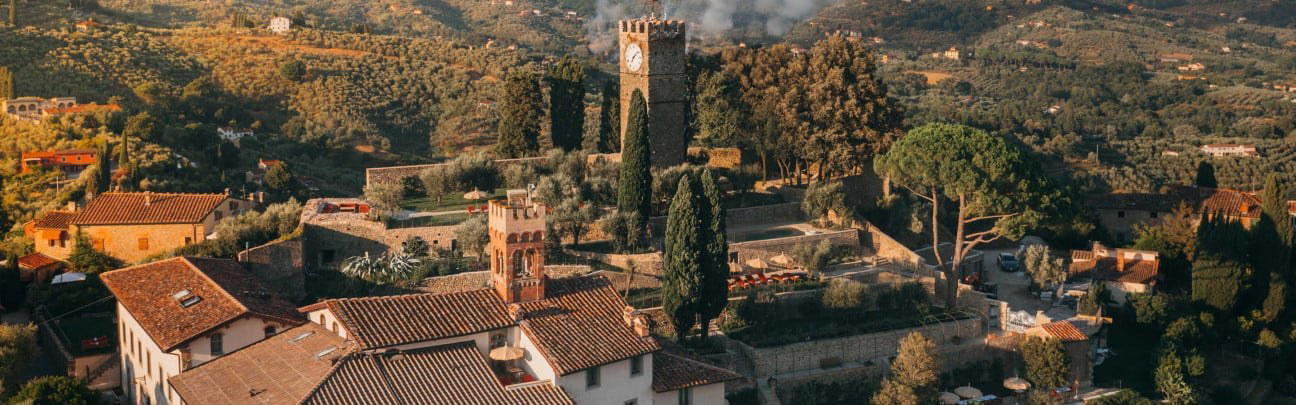
Wineries in Montecarlo
Browse all →
At a Glance
- Elegant
- Scenic
- Sophisticated
- Intimate
- Classic
- Date Night
- Special Occasion
- Celebration
- Terrace
- Panoramic View
- Historic Building
- Extensive Wine List
- Sommelier Led
- Local Sourcing
- Vineyard
- Garden
Elegant decor with courteous attentive service, charming summer alfresco ambiance overlooking Tuscan landscapes.