Our verdict
Among Venice's older dining rooms, Antica Locanda Montin occupies a different register than the city's modern Italian counters. Positioned in Dorsoduro, away from the circuit of Piazza San Marco, it belongs to a tradition of Venetian trattoria dining that prizes longevity and neighbourhood familiarity over tasting-menu spectacle. For those orienting around the contemporary scene, it offers a point of contrast worth understanding.

Pearl is the En Primeur Club membership app, where members save venues, book tables and use the concierge.

The menu
What to order
- Bigoli pasta with anchovies
- Sea bass
- Squid ink cuttlefish spaghetti
Dorsoduro's Quieter Table
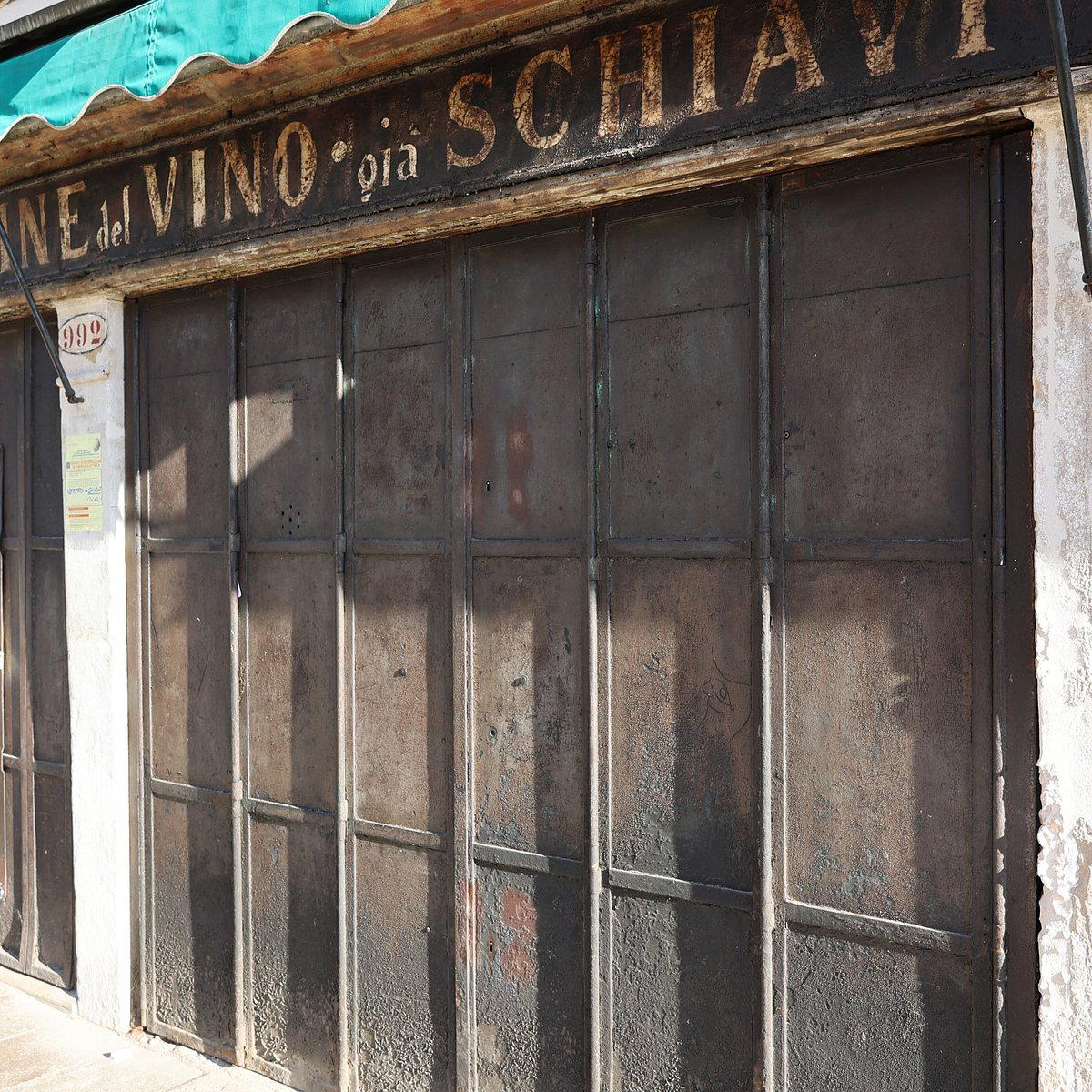
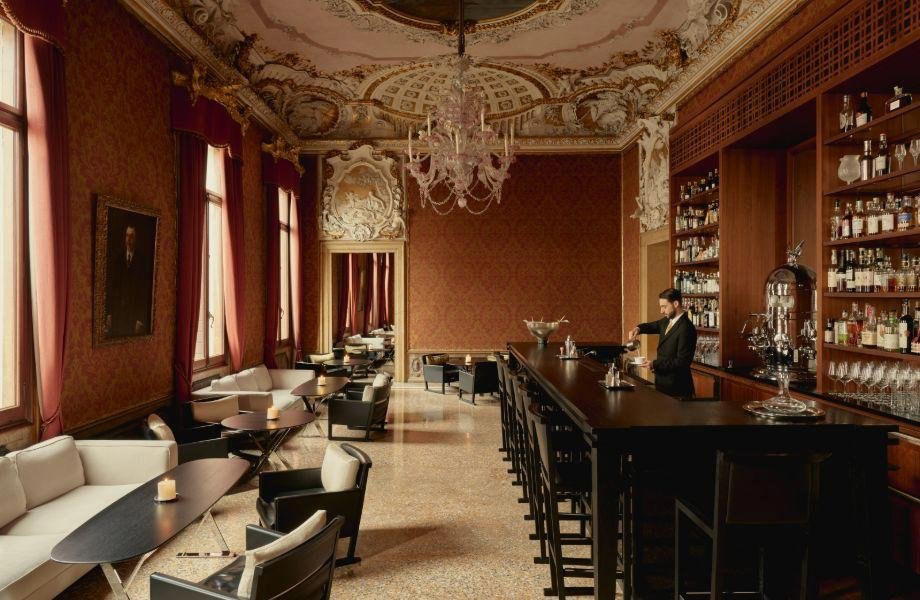
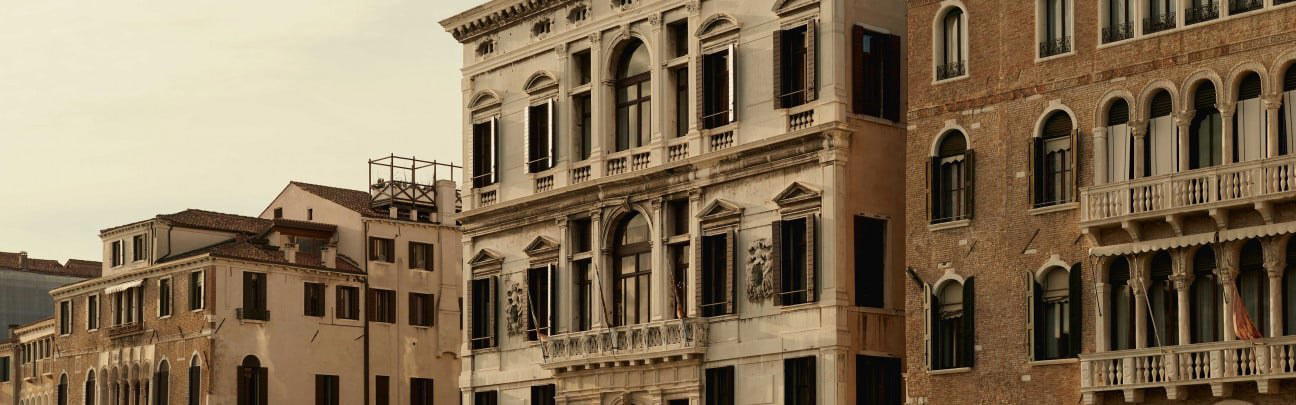
The approach to Antica Locanda Montin along Fondamenta de Borgo sets the register before you arrive. This part of Dorsoduro sits at a remove from the tourist pressure of the Rialto and San Marco, and the fondamenta here runs close to a narrow canal without the foot traffic that defines Venice's more photographed thoroughfares. The building itself announces a certain age and continuity: a place that has operated through multiple eras of Venetian dining, rather than one that has been conceived for the current moment.
Venice's restaurant scene has always divided between two broad currents. The first is the high-end modern Italian counter, where chefs with Northern Italian or international training apply contemporary technique to Adriatic ingredients. Venues in this bracket, like Glam Restaurant by Enrico Bartolini, Local, Oro Restaurant, and Ristorante Quadri, anchor the higher end of Venice's culinary market and price against international peers rather than local tradition. The second current is the trattoria and locanda tradition, which prizes continuity, neighbourhood loyalty, and cooking rooted in the Veneto's seasonal and maritime rhythms. Montin belongs firmly in that second current, and understanding it requires reading it against that tradition rather than against the city's contemporary fine-dining tier.
The Arc of the Meal
In Venice's older dining rooms, the progression of a meal follows a different logic than a modern tasting sequence. There is no choreographed amuse-bouche parade, no printed card describing the provenance of each element. What you find instead is a structure shaped by the cicchetti culture of the Veneto: small tastes that accumulate rather than announce themselves, followed by the heavier business of pasta and secondi. The rhythm is conversational rather than theatrical, and the room accommodates it. Tables at Montin have historically been set for extended occupancy, in a city where dinner is not a transaction but a settlement into the evening.
The Venetian trattoria meal, in its traditional form, opens with antipasti drawn from the lagoon and the market: marinated vegetables, soft-shell crabs in season, cured fish, and whatever the kitchen has assembled from the morning's supply. This is not a curated tasting sequence but an accumulation of the available, and it reflects a procurement logic that has shaped Venetian cooking for centuries. The Rialto market, a short vaporetto ride from Dorsoduro, sets the parameters of what kitchens like Montin can offer on any given day, and that dependency on the market is itself a kind of editorial statement about how the food is produced.
Pasta in the Veneto runs toward risotto and bigoli, the thick whole-wheat spaghetti local to the region, as well as toward the cuttlefish-ink preparations that have become part of Venice's culinary shorthand internationally. A meal at Montin would historically have moved through this middle section at a pace calibrated to the table, not the kitchen's schedule. Secondi here belong to the Adriatic tradition: fish and seafood preparations without the architectural plating of the modern tier, cooked to a directness that makes the ingredient the argument.
For readers oriented around the precise sequencing and creative architecture of Italy's leading tables, the contrast with venues like Osteria Francescana in Modena or Le Calandre in Rubano is instructive. Those kitchens treat the meal as a composed narrative with a clear authorial voice. The locanda tradition treats it as a sequence shaped by availability, season, and the preferences of the table. Both are valid forms, and the distinction is not a hierarchy so much as a different set of priorities.
Where Montin Sits in the Venice Picture
Venice has a richer trattoria layer than its tourism-facing reputation suggests. Alongside Montin, venues like Al Covo and Corte Sconta hold positions in the Venetian and seafood trattoria bracket, priced in the €€€ range and serving a clientele that skews toward repeat visitors rather than first-time tourists. This tier competes on familiarity, sourcing credibility, and the kind of accumulated trust that takes decades to build in a neighbourhood. Wistèria occupies a more contemporary position in Dorsoduro, demonstrating how the neighbourhood itself supports both traditional and modern formats.
Italy's wider dining conversation has moved toward the kind of ingredient-first, technique-precise cooking represented by venues such as Uliassi in Senigallia, Piazza Duomo in Alba, and Reale in Castel di Sangro. These kitchens have won international recognition precisely because they positioned themselves at the intersection of regional identity and contemporary precision. The trattoria tradition operates in a different economy of attention, one where the Michelin apparatus and the 50 Best list are largely irrelevant metrics. Longevity and neighbourhood embeddedness are the proxies here, and by those measures, Montin's presence on Fondamenta de Borgo carries its own kind of weight.
Readers building a broader Italian itinerary might also consider how Montin fits into a longer arc. The locanda format here contrasts with the refined country-house dining of Dal Pescatore in Runate and the Alpine precision of Atelier Moessmer Norbert Niederkofler in Brunico, or with the technically ambitious seafood work at Quattro Passi in Marina del Cantone. Placing Montin in that wider Italian context clarifies what it is and, equally, what it is not trying to be. Those benchmarking against international seafood institutions like Le Bernardin in New York City will be measuring on a different axis entirely.
Planning Your Visit
Fondamenta de Borgo 1147 places Montin in western Dorsoduro, which means approaching via vaporetto to Ca' Rezzonico or Zattere, then walking through a section of the neighbourhood that carries little tourist pressure compared to the area around the Accademia. The locanda format historically implied accommodation as well as dining, and the building retains that layered character. Given the venue's position in the neighbourhood trattoria bracket, it is worth noting that Venetian restaurants at this tier often operate on seasonal schedules and may close for periods in the quieter winter months. Arriving without a booking during peak season carries risk at any Venice restaurant with a local following. Our full Venice restaurants guide maps the city's dining scene across price tiers and neighbourhoods, and provides further context for building a complete itinerary. For those also considering the higher end of the market in Florence, Enoteca Pinchiorri and Enrico Bartolini in Milan represent the tier immediately above Venice's leading tables in terms of national and international recognition.
Frequently asked questions
What is the atmosphere like at Antica Locanda Montin?
Montin occupies a quiet stretch of Fondamenta de Borgo in western Dorsoduro, away from Venice's main tourist corridors. The setting belongs to an older category of Venetian dining room, the kind where the pace of service and the room itself carry more weight than any designed concept. Expect the register of a neighbourhood trattoria that has been part of the local fabric for decades rather than a polished contemporary restaurant.
Where is Antica Locanda Montin located?
Antica Locanda Montin is located at Fondamenta de Borgo, 1147, 30123 Venezia VE, Italy, Venice.
How does Antica Locanda Montin compare to other traditional Venice trattorias like Al Covo or Corte Sconta?
Montin sits within the same layer of Venice's established trattoria scene as Al Covo in Castello and Corte Sconta, venues that hold their ground against the city's newer restaurant openings. The Dorsoduro address on Fondamenta de Borgo gives Montin a quieter geographic position than either of those peers, which shapes the experience before you reach the table.
What's the must-try dish at Antica Locanda Montin?
The kitchen operates within the older Venetian trattoria tradition, which typically anchors on lagoon-sourced seafood, cicchetti, and pasta formats particular to the Veneto.
Is Antica Locanda Montin reservation-only?
Given its position in western Dorsoduro, a neighbourhood with a smaller walk-in dining culture than the Rialto or San Marco areas, booking ahead is a practical precaution, particularly for evening sittings. check the venue's official channels to confirm current availability.
A quick peer check to anchor this venue’s price and recognition.
| Venue | Cuisine | Price | Awards | Notes |
|---|---|---|---|---|
| Antica Locanda MontinThis venue (the venue you are viewing) | Traditional Venetian Trattoria | $50–100 | Not listed | Not listed |
| Local | Modern Italian Fine Dining | $50–100 | 1 Michelin Star · Falstaff Restaurant - 93 Falstaff Points | Modern Italian, Contemporary |
| Ristorante Quadri | Modern Venetian Fine Dining | $200–300 | 1 Michelin Star · La Liste Top Restaurants | Modern Cuisine |
| Osteria alle Testiere | Traditional Venetian Seafood | $50–100 | Michelin Plate · World's 50 Best #24 | Venetian |
| Al Covo | Authentic Venetian Seafood | $100–150 | Michelin Plate | Trattoria, Venetian |
| Corte Sconta | Traditional Venetian Seafood | $100–150 | Michelin Plate · Star Wine List | Trattoria, Seafood |