Our verdict
On Breitscheidstraße in Stuttgart's western district, RAGAZZI occupies a corner of the city's casual Italian dining conversation that sits apart from the high-formality end of the local scene. The kitchen works through a sequence-driven approach that rewards diners who let the meal unfold course by course, making it a reference point for the neighbourhood's more relaxed but considered end of the table.

Pearl is the En Primeur Club membership app, where members save venues, book tables and use the concierge.

Stuttgart's Italian Table: Where the Meal Sets the Pace
Breitscheidstraße runs through Stuttgart's West district with the quiet confidence of a street that knows what it is: residential enough to attract regulars, central enough to draw visitors with a reason. The addresses here tend toward the considered rather than the conspicuous. RAGAZZI, at number 22, fits that register. There is no marquee signage competing for attention, no street-level theatre designed to stop passing trade. The draw is the kind that builds through word of mouth in a city where dining loyalties run deep and tables fill without the machinery of national publicity.
Stuttgart's dining scene has always been more layered than outsiders expect. The city sits within one of Germany's most productive wine and agricultural regions, and that proximity shapes what kitchens here reach for. At the formal end, places like Speisemeisterei and Délice operate in the creative and fine-dining register, where tasting menus run long and wine lists require decisions. Further along the spectrum, Der Zauberlehrling and Hegel Eins occupy middle ground between ambition and accessibility. RAGAZZI enters a different conversation: Italian-rooted, neighbourhood-anchored, and built around a meal that moves at its own pace rather than the kitchen's schedule.
The Arc of the Meal
Italian dining in Germany has undergone a quiet reckoning over the past decade. The category that once meant checked tablecloths and laminated menus has split. One branch runs toward the aggressively modern: natural wine lists, crudo bars, small plates designed for social media. The other branch runs back toward the fundamentals, the kind of meal where sequencing matters and the kitchen's restraint is the point. RAGAZZI sits in the latter current.
The logic of an Italian meal, properly executed, is a progression that manages appetite rather than overwhelming it. Antipasti open without commitment, offering a read on the kitchen's sourcing and seasoning instincts before the diner has committed to anything. The pasta course, in the Italian tradition, is never the finale but the centre of gravity, the moment where technical fluency becomes most visible. A well-made hand-rolled pasta reveals more about a kitchen's discipline than almost any other preparation, because there is nowhere for the cook to hide. The secondo, when it arrives, arrives to an appetite already engaged but not exhausted, which is the condition under which proteins and more substantial preparations land correctly.
This sequencing is not nostalgia. It is, in fact, the structure that the most technically serious Italian cooking in Europe still follows. Le Bernardin in New York City built its reputation on French rigour applied to a single protein category. Atomix in New York City refined Korean fine dining through a similar logic of deliberate progression. The principle transfers: when a kitchen commits to a sequence and defends it, the meal reads as a complete thought rather than a collection of dishes.
The Stuttgart Context
Germany's serious dining circuit tends to concentrate attention on a handful of marquee addresses. Aqua in Wolfsburg, Schwarzwaldstube in Baiersbronn, and Vendôme in Bergisch Gladbach occupy the upper tier of national recognition, with multi-star credentials that pull destination diners from abroad. ES:SENZ in Grassau and Schanz in Piesport represent the regional fine-dining tier where serious cooking happens outside the major urban centres.
RAGAZZI operates in a different register from all of these, and that distinction is the point. Stuttgart has produced ambitious cooking at 5 and sustained creative momentum across its higher-end addresses, but the city's neighbourhood dining conversation has room for the kind of Italian table that is neither casual pizza nor performative tasting menu. The Westend neighbourhood, where Breitscheidstraße sits, supports that middle tier with a local clientele that returns regularly rather than booking months in advance for a special occasion.
For reference, JAN in Munich and CODA Dessert Dining in Berlin demonstrate how German cities have absorbed international dining formats into neighbourhood-specific contexts. The pattern holds in Stuttgart: the most durable addresses are those that find a relationship with their immediate geography rather than competing on the national stage.
Planning Your Visit
RAGAZZI's address on Breitscheidstraße 22 in Stuttgart's 70176 postal district places it in the Westend, one of the city's denser residential quarters with good public transport connections from the city centre. Stuttgart's U-Bahn network makes Westend addresses accessible without a car, and the neighbourhood rewards arrivals who arrive on foot and take time with the streets before sitting down. For visitors building a Stuttgart dining itinerary, a cross-reference with our full Stuttgart restaurants guide will help position RAGAZZI within the broader map of the city's options across price points and formats.
Contact details and current booking availability are best confirmed directly, as hours and reservation policies at neighbourhood restaurants in Stuttgart shift with seasons and kitchen staffing. The practical rule for addresses at this level in any German city: early-week visits generally yield more space and more focused service than Friday or Saturday sittings, where neighbourhood restaurants tend to run at capacity with regulars who have standing arrangements.
Frequently asked questions
at RAGAZZI?
The most reliable approach at an Italian kitchen structured around a traditional progression is to follow the sequence rather than picking across courses. The pasta course is typically where the kitchen's technical investment shows most clearly, as hand-made or carefully sourced pasta prepared to order reveals sourcing quality and cooking precision in a way that more forgiving preparations do not. In Stuttgart's mid-range Italian dining tier, kitchens that commit to this course as their centre of gravity tend to reward diners who order accordingly rather than treating it as an afterthought between antipasto and a main.
Do they take walk-ins at RAGAZZI?
Stuttgart's neighbourhood dining addresses, particularly in the Westend, are generally more walk-in-friendly than the city's formal tasting-menu restaurants, which operate on reservation-only models with long lead times. Addresses like RAGAZZI, positioned in the neighbourhood rather than destination tier, typically accommodate walk-ins on quieter mid-week evenings. Weekend sittings in residential Stuttgart quarters fill with regulars, so earlier arrival or a same-day call to confirm space is the practical approach if you are arriving without a booking.
Is RAGAZZI suitable for a full dinner rather than a quick meal?
Italian dining in the traditional sequence, antipasto through to dolci, takes time by design, and kitchens in Stuttgart's Westend neighbourhood that operate on this model tend to attract diners who have committed to an evening rather than a quick sitting. RAGAZZI's address on Breitscheidstraße places it in a residential quarter where the pace of dining is typically unhurried, making it better suited to a table that has planned for two hours or more than to a rapid pre-theatre visit. Stuttgart's more formal addresses, from Speisemeisterei to Der Zauberlehrling, operate on similarly extended timelines at higher price points, which frames RAGAZZI as the neighbourhood-level answer to the same appetite for a meal that earns its length.
Cuisine and Credentials
Comparable venues nearby, for context on price, style, and recognition.
| Venue | Cuisine | Price | Notes |
|---|---|---|---|
| RAGAZZIThis venue (the venue you are viewing) | Neapolitan Pizzeria | $20–30 | Not listed |
| Il Pomodoro | Authentic Southern Italian Pizza & Pasta | $10–20 | Gablenberg |
| Oggi | Traditional Italian | $30–50 | Gablenberg |
| Sultan Saray | Authentic Turkish | $10–20 | Gablenberg |
| doen doen | Vegan Turkish Kebap | $10–20 | Gablenberg |
| MALO | Modern German and International | $20–30 | Gablenberg |
Continue exploring
More in Stuttgart
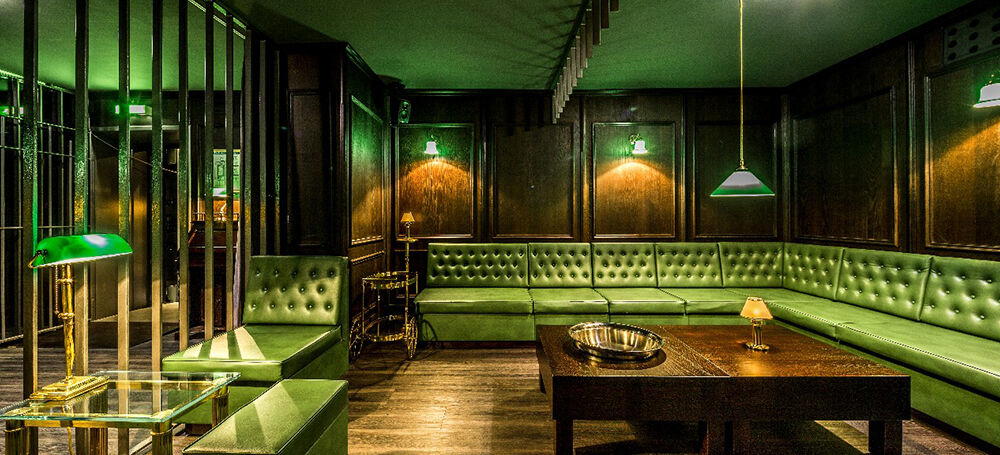
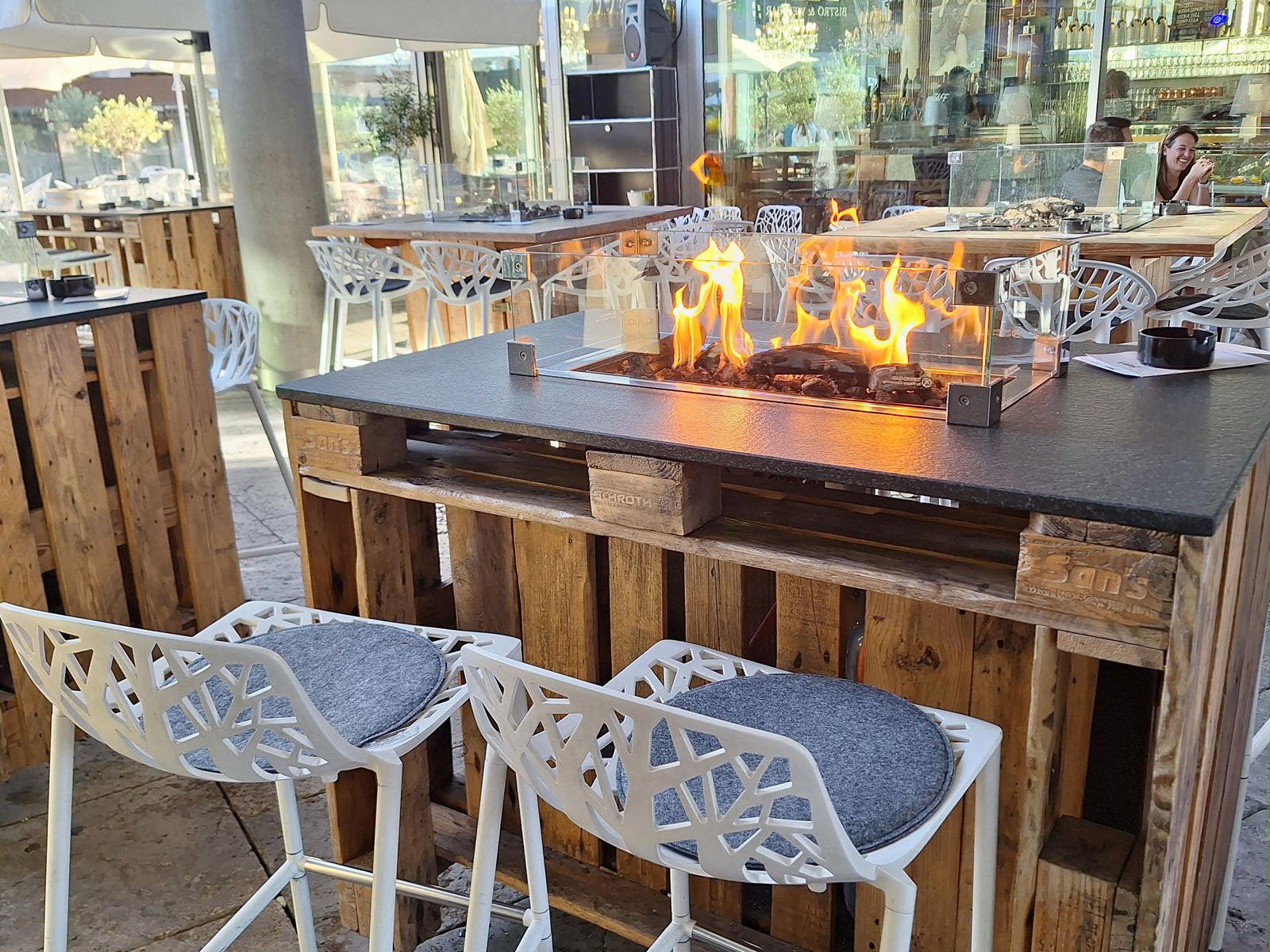
Restaurants in Stuttgart
All restaurants in Stuttgart →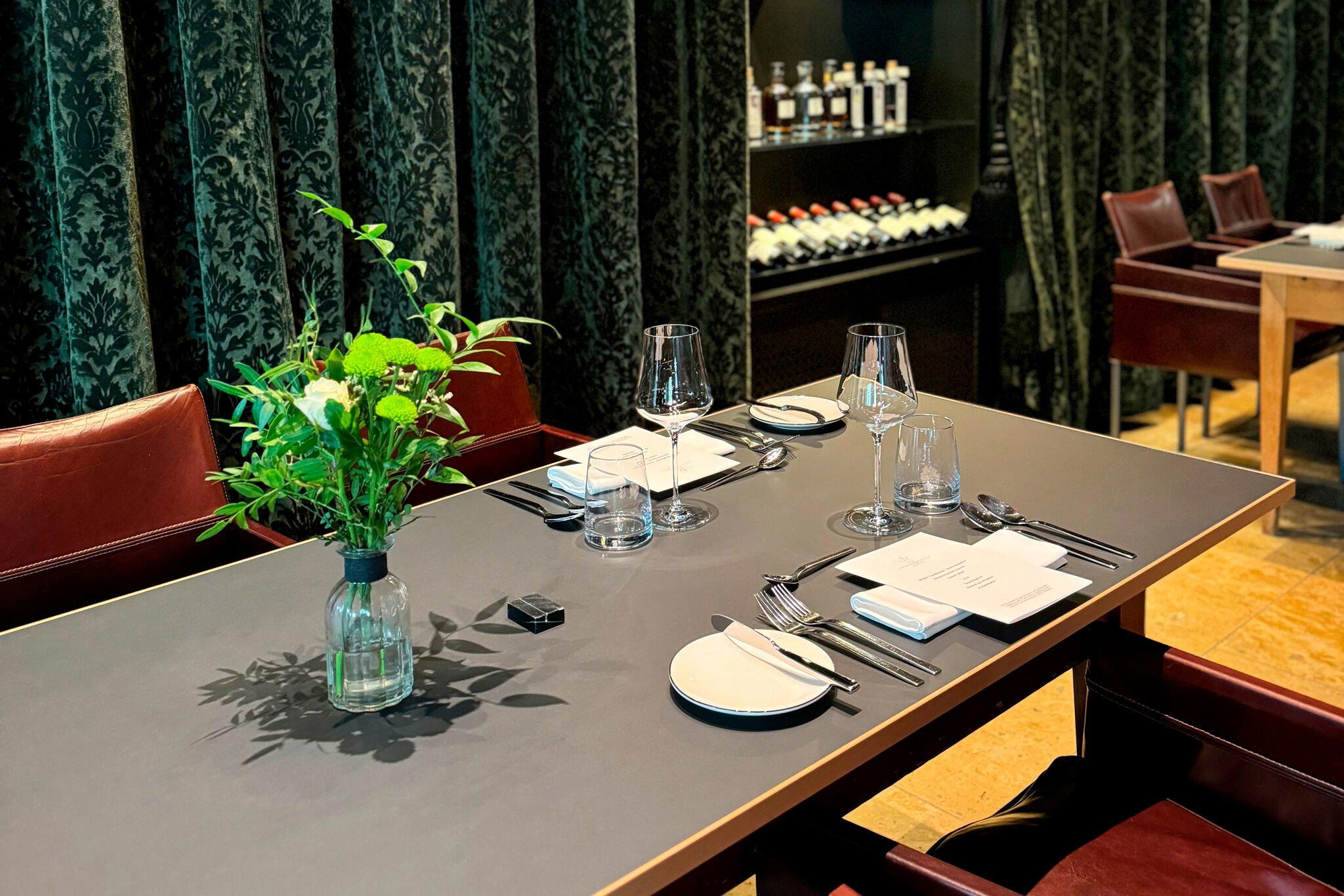
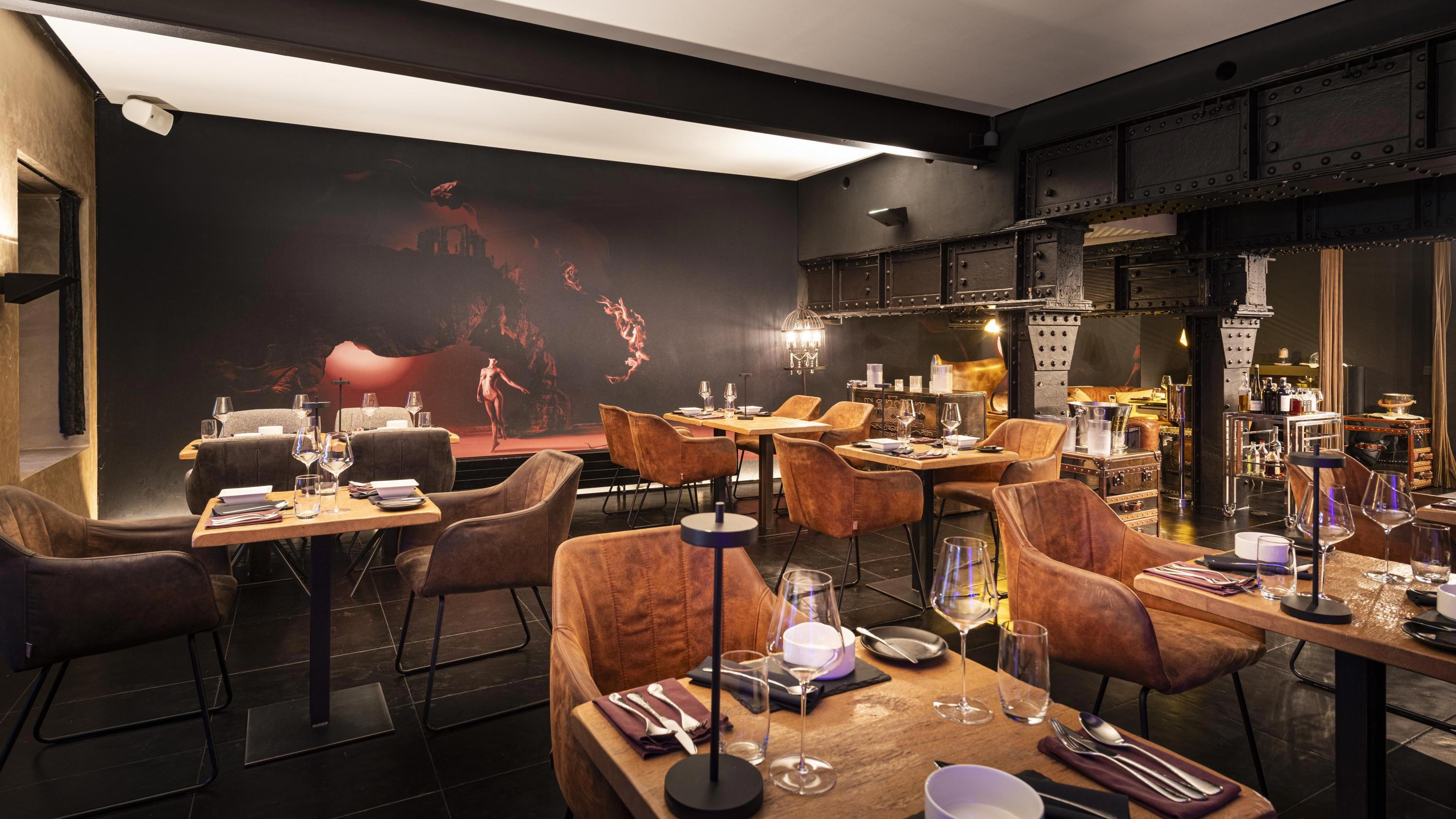
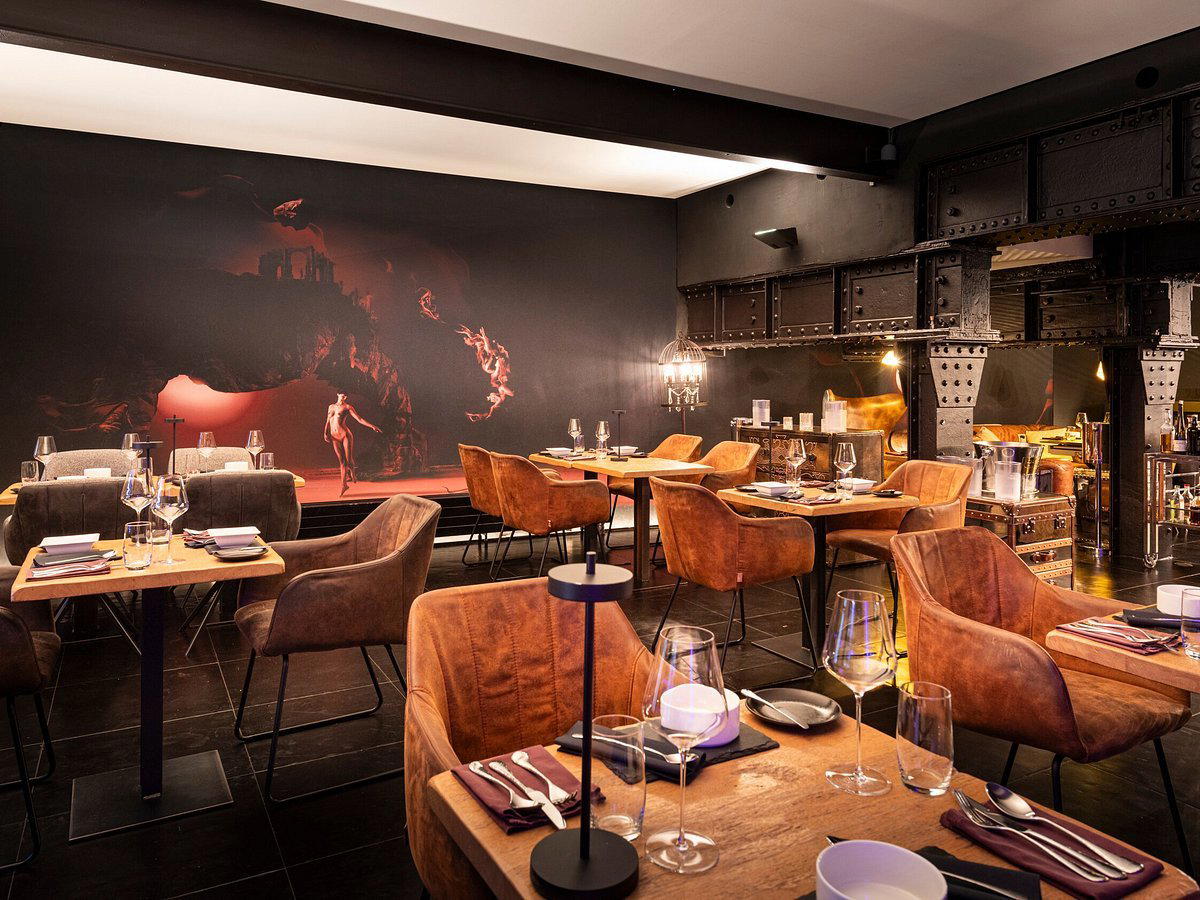
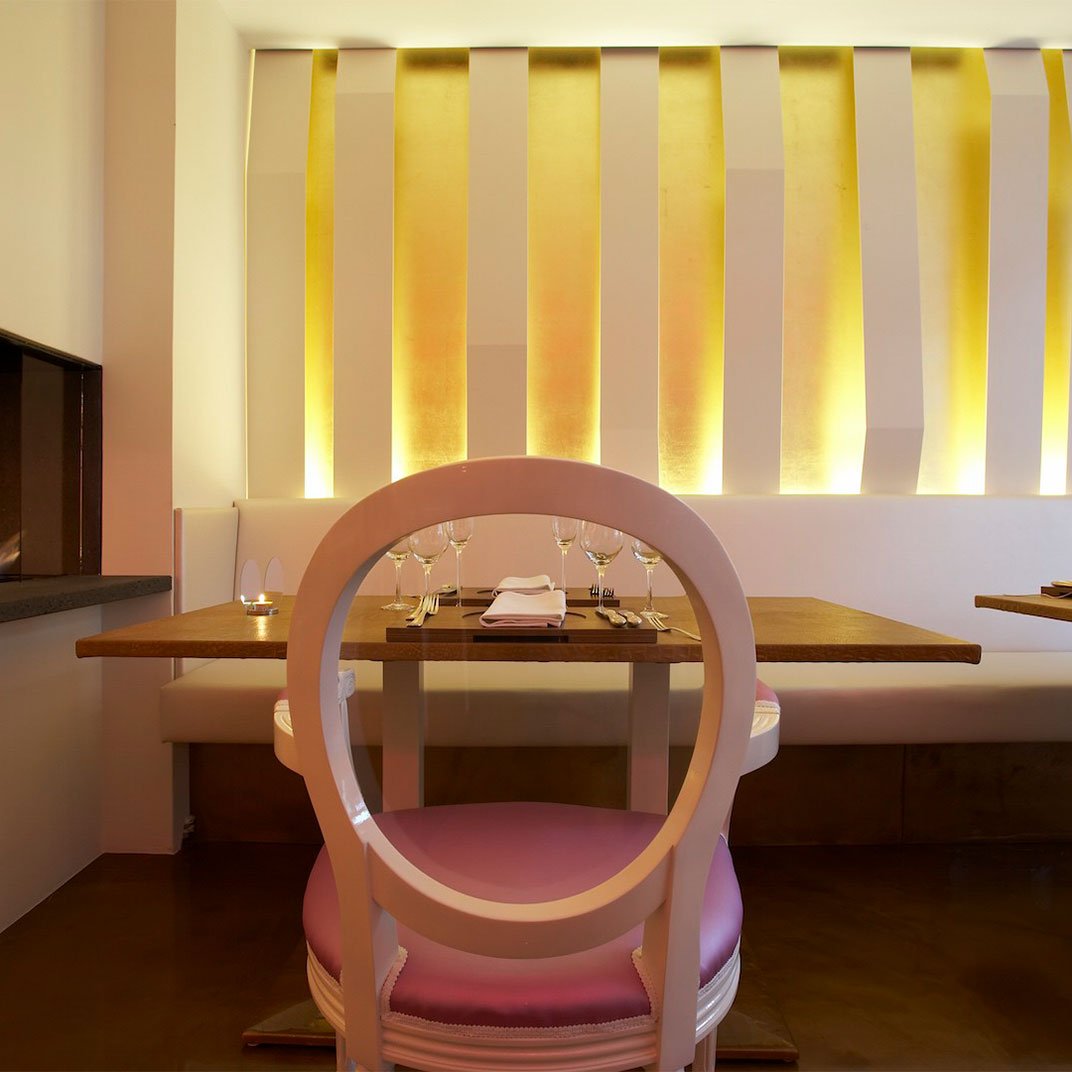
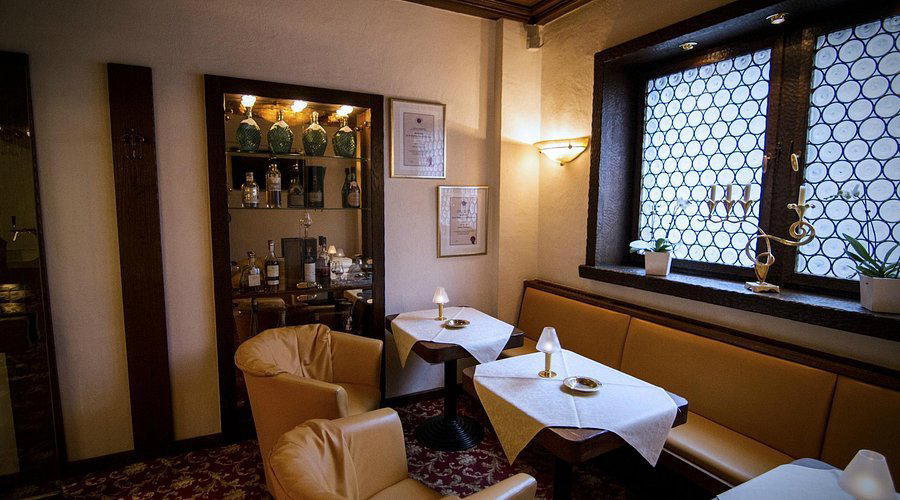
Bars in Stuttgart
All bars in Stuttgart →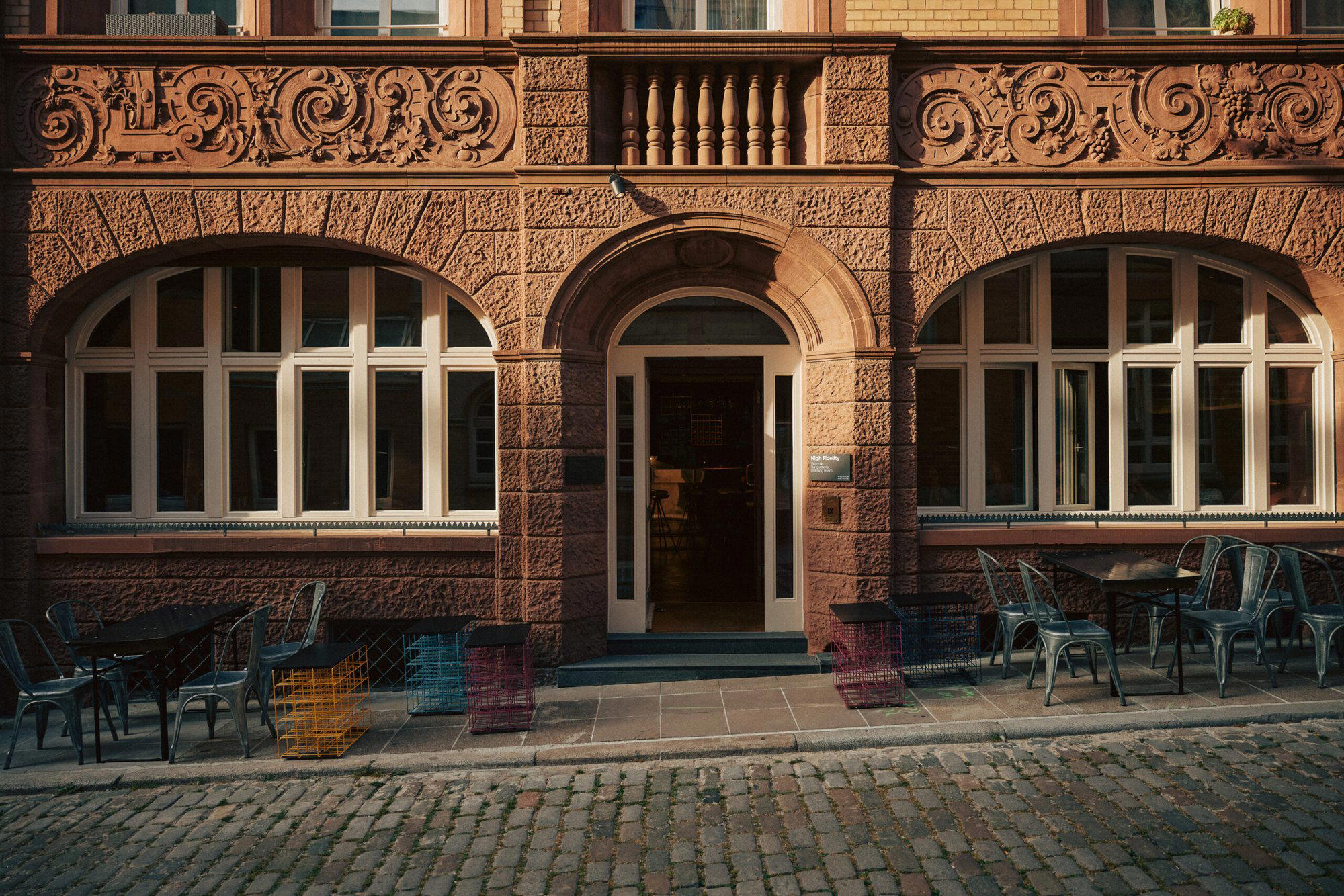

Details
- Classic
- Cozy
- Casual Hangout
- Family
- Open Kitchen
- A La Carte
- Vegetarian Friendly
- Gluten Free Options
Current opening hours
- Monday
- 5:30–10:30 PM
- Tuesday
- 5:30–10:30 PM
- Wednesday
- 5:30–10:30 PM
- Thursday
- 5:30–10:30 PM
- Friday
- 5:30–11 PM
- Saturday
- 5:30–11 PM
- Sunday
- Closed
Hours can change for holidays and private events. Hours as of .
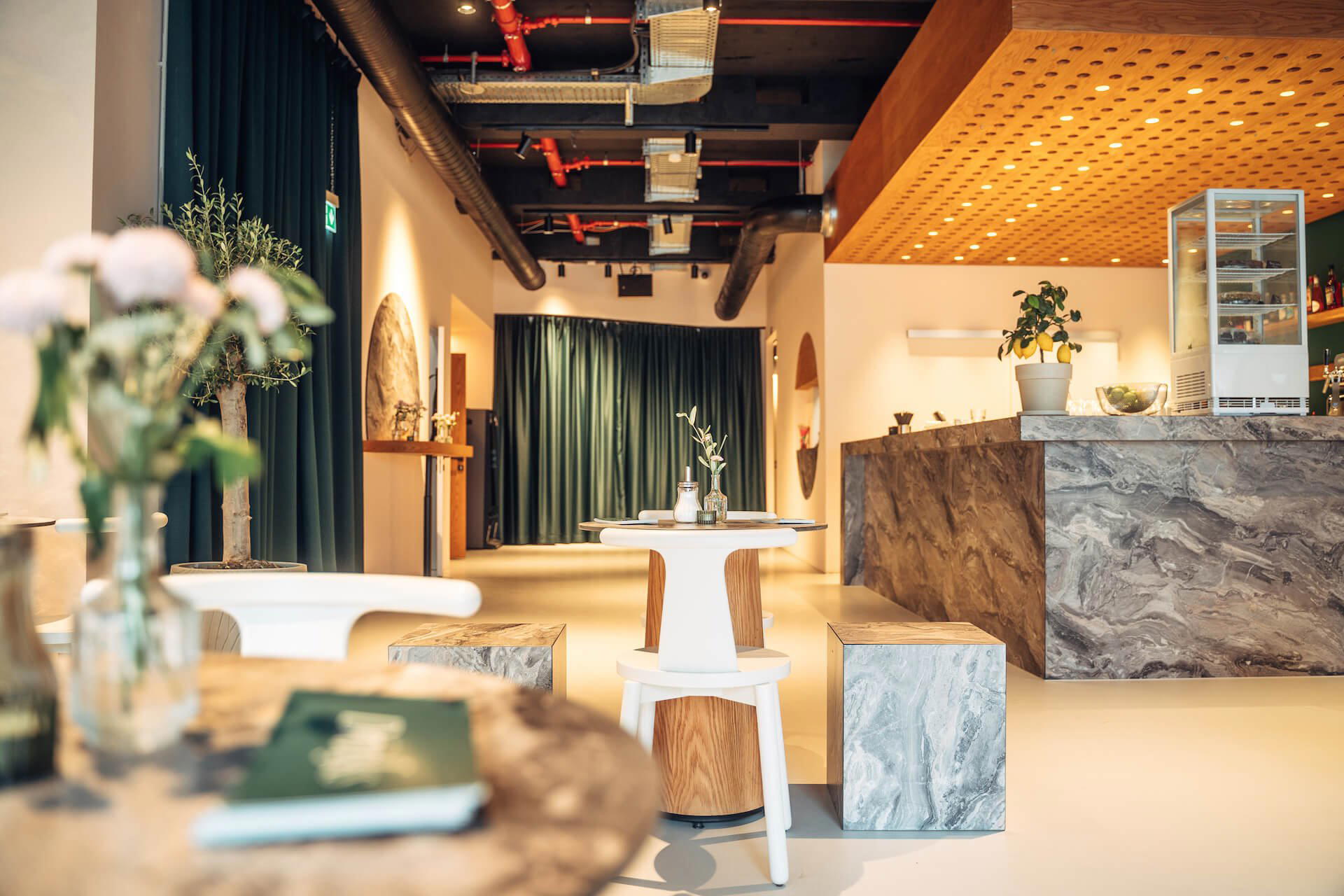
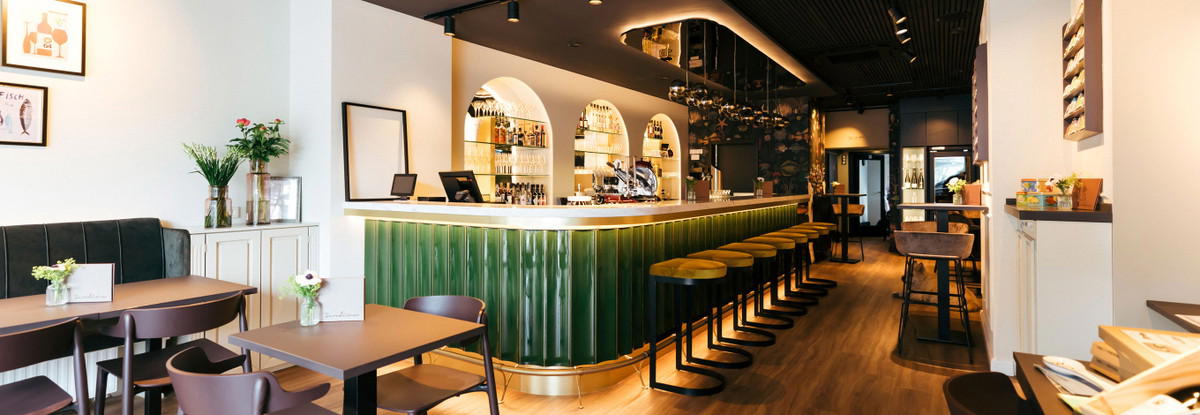
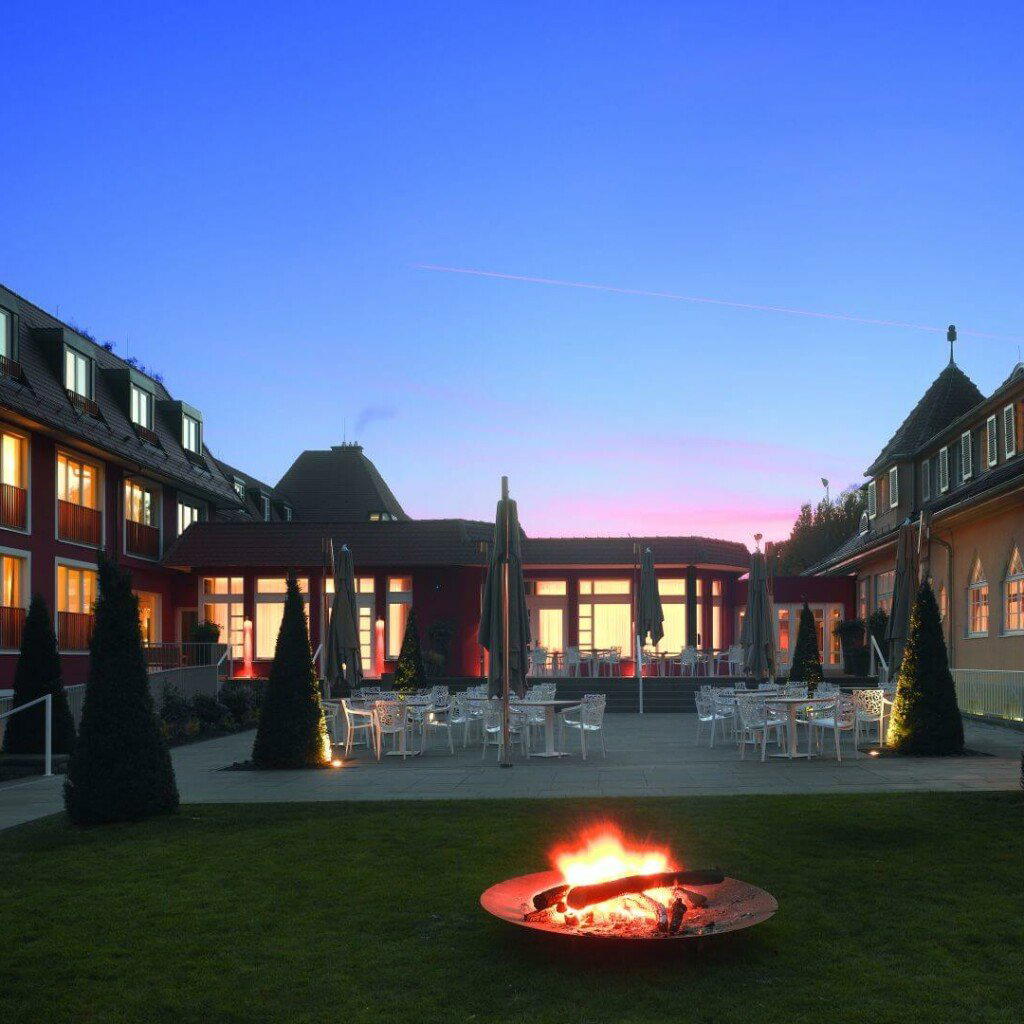
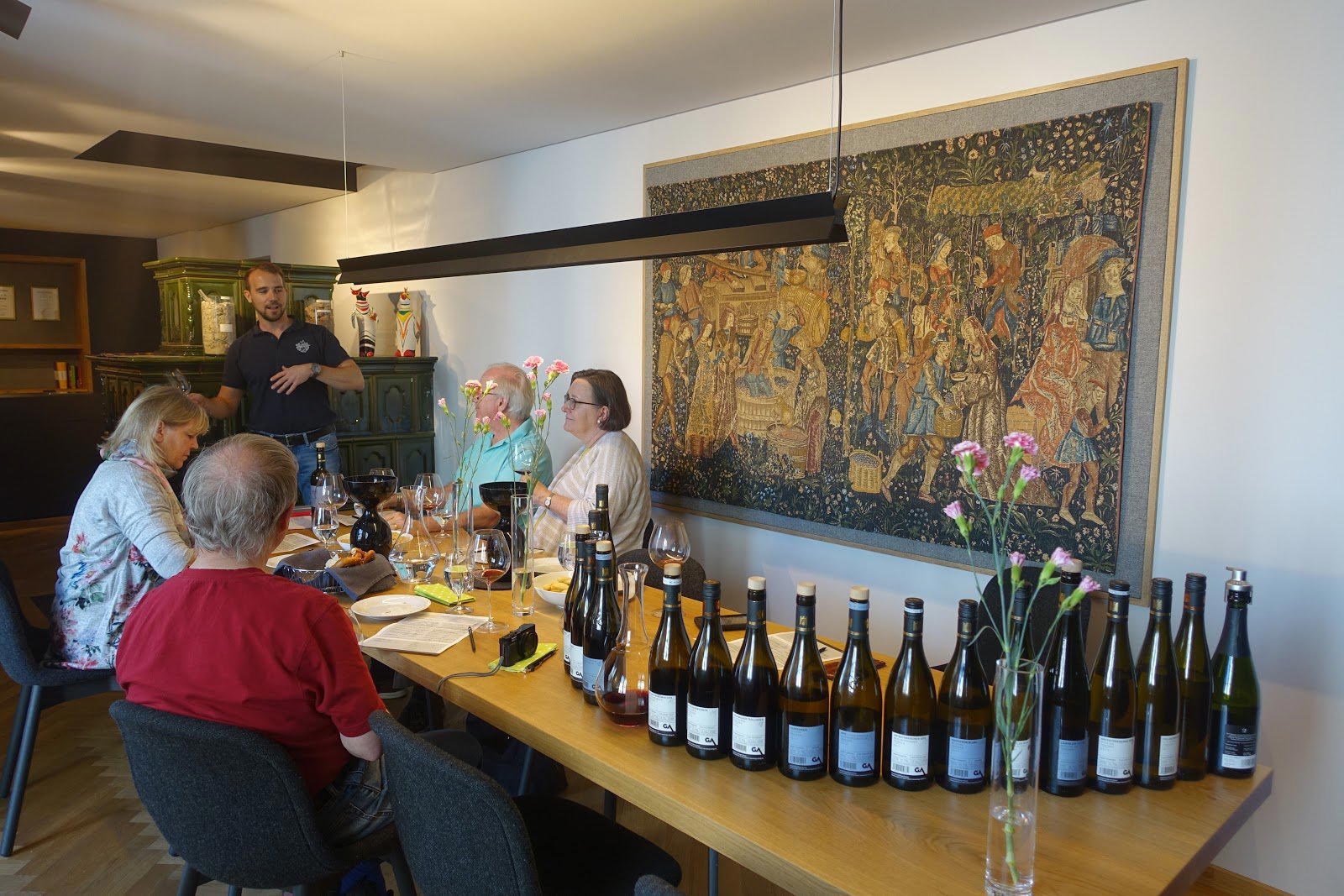
Bright wood interior with a welcoming, traditional pizzeria atmosphere.