Our verdict
On Stammheimer Strasse in Stuttgart's northern districts, Los Locos Latinos represents the city's appetite for Latin American cooking beyond the German mainstream. The address places it away from the polished fine-dining corridor of the centre, positioning it as a neighbourhood-anchored option for a cuisine category that Stuttgart's more formal restaurant scene has historically underserved.

Pearl is the En Primeur Club membership app — saves, bookings, and concierge access live there. Same editors, same standards.
- Address
- Stammheimer Str. 70, 70435 Stuttgart, Germany
- Phone
- +4971150468142
- Hours
- Mon ClosedTue–Fri 11:30 AM–10 PMSat 12–10 PMSun 1–8 PM
- Directions
- Get directions
- Booking
- Book on the venue's website

The menu
What to order
- Empanadas
- Ribeye-steak
- Chimichurri steak
Stuttgart's Latin Quarter, One Address at a Time
Stuttgart's dining map is easier to read at the leading than in the middle. The city's creative and modern cuisine restaurants — places like Speisemeisterei, 5, and Délice — occupy a well-documented tier, with awards and editorial coverage that make the decision direct. The middle and neighbourhood tiers are harder to track, particularly for cuisines that sit outside Stuttgart's dominant Franco-German traditions. Latin American cooking is one of those categories: present across the city but rarely the subject of the same critical attention that Der Zauberlehrling or Hegel Eins attract.
Los Locos Latinos, addressed at Stammheimer Str. 70 in the 70435 postcode, operates in that gap. It sits north of the city centre, away from the concentrated restaurant belt around Calwer Strasse and the Bohnenviertel, which means the clientele it draws is largely local rather than destination-driven. That geography shapes the offer more than any single menu decision: a neighbourhood Latin American restaurant in a German industrial city operates under different pressures than one positioned inside a tourist or fine-dining corridor.
A Cuisine Category Finding Its Shape in Germany
German cities have absorbed Latin American food in waves, and the current wave looks different from what arrived in the 1990s and early 2000s. The earlier generation of Latin restaurants in cities like Stuttgart, Munich, and Hamburg tended toward a pan-Latin format, collapsing Mexican, Brazilian, Colombian, and Peruvian traditions into a single menu built around familiarity signals: fajitas, caipirinhas, shared plates. What has shifted in the past decade is a move, at least in the more attentive end of the segment, toward specificity. Peruvian restaurants that focus on ceviche and tiradito rather than a continental sweep. Mexican spots that distinguish between regional traditions rather than defaulting to Tex-Mex shorthand.
That evolution is visible across Germany's premium dining circuit, where the conversation about cuisine specificity and sourcing has pushed even informal-register restaurants to tighten their editorial position. The pressure flows downward from headline restaurants, properties like Aqua in Wolfsburg or JAN in Munich, through the broader dining culture, raising expectations about what a restaurant should be able to say about its own food. For neighbourhood Latin restaurants, this creates both an opportunity and a challenge: customers arrive with sharper reference points than they did twenty years ago.
The Northern Address and What It Signals
Stammheimer Strasse 70 is not a glamorous location by Stuttgart restaurant standards. The 70435 district, Stammheim, is a working residential area north of the centre, historically industrial in character and without the restaurant density of Mitte or the design-led neighbourhood energy that parts of the Nordbahnhofviertel have developed. A restaurant choosing to operate here is either serving an established local community or betting that the offer is strong enough to draw from further afield, usually some combination of both.
For context, the city's benchmark creative and classic French restaurants, Schwarzwaldstube in Baiersbronn or Vendôme in Bergisch Gladbach, draw from regional and national audiences precisely because their offer is differentiated enough to justify the journey. Neighbourhood restaurants operate on a different logic: proximity and regularity matter more than occasion dining, and the menu needs to function across multiple visit types rather than being engineered for a single annual reservation.
What the address at Los Locos Latinos implies, then, is a restaurant anchored in its immediate community, likely pricing in a range accessible to repeat local custom rather than targeting the €€€€ tier that Stuttgart's Speisemeisterei or comparable fine-dining addresses occupy. That is not a criticism, it is a structural observation about how different restaurant formats serve different roles in a city's food ecosystem.
Reinvention as a Constant in the Latin Restaurant Category
The evolution angle is worth holding here. Latin American restaurants in German cities have had to reinvent their positioning more than once in the past two decades, as the cuisine category itself has shifted in public understanding. The caricatured version of the 1990s Latin restaurant, sombreros on the wall, frozen margaritas, a menu that treats the entire continent as a single culinary tradition, has largely given way to something more considered, even at the informal end of the market.
That reinvention has not happened uniformly. Some restaurants in this category updated their menus as Peruvian and Mexican cuisines gained cultural traction in Europe, driven partly by the global visibility of chefs working in London, New York, and Copenhagen. Others held their format and found that the audience for pan-Latin nostalgia remained real, even if it contracted. The restaurants that navigated the shift most successfully tended to make a clear choice about which direction to move rather than hedging across both.
What can be said is that the name itself, Los Locos Latinos, carries branding signals that read as confident and character-led rather than anonymous, a posture more common among restaurants that have found a stable identity than among those still working out what they are.
Planning a Visit
The restaurant is located at Stammheimer Str. 70, 70435 Stuttgart, in the city's northern residential districts. For Stuttgart visitors building a broader itinerary, the city's stronger-documented restaurant options in the creative and modern cuisine tiers include Der Zauberlehrling and Hegel Eins, with the full picture available via our full Stuttgart restaurants guide. For those tracking Germany's broader fine-dining circuit, comparable editorial depth is available on CODA Dessert Dining in Berlin, ES:SENZ in Grassau, Victor's Fine Dining by Christian Bau in Perl, Waldhotel Sonnora in Dreis, Restaurant Haerlin in Hamburg, and Schanz in Piesport. For international reference points in the Latin-influenced and technically ambitious dining space, Atomix in New York City and Le Bernardin in New York City represent the upper end of what ambition and discipline in a non-European culinary tradition can produce at scale.
Frequently asked questions
What's the signature dish at Los Locos Latinos?
Do I need a reservation for Los Locos Latinos?
What's the standout thing about Los Locos Latinos?
Can Los Locos Latinos handle vegetarian requests?
Is Los Locos Latinos suitable for group dining in Stuttgart's northern districts?
Awards and Standing
Comparable venues nearby, for context on price, style, and recognition.
| Venue | Cuisine | Price | Notes |
|---|---|---|---|
| Los Locos LatinosThis venue — the venue you are viewing | Argentine Steakhouse | $20–30 | Not listed |
| Energetic Life | Vegan Gluten-Free Bakery & Cafe | $20–30 | Gablenberg |
| Misik | Authentic Korean Feinkost | $20–30 | Heslach |
| Pinto Mama | Authentic Thai | $20–30 | Heslach |
| Schönbuch Bräu | Swabian Brauhaus | $20–30 | Gablenberg |
| L'Artista | Authentic Neapolitan Pizza | $10–20 | Asemwald |
Continue exploring
More in Stuttgart
Restaurants in Stuttgart
Browse all →
Bars in Stuttgart
Browse all →

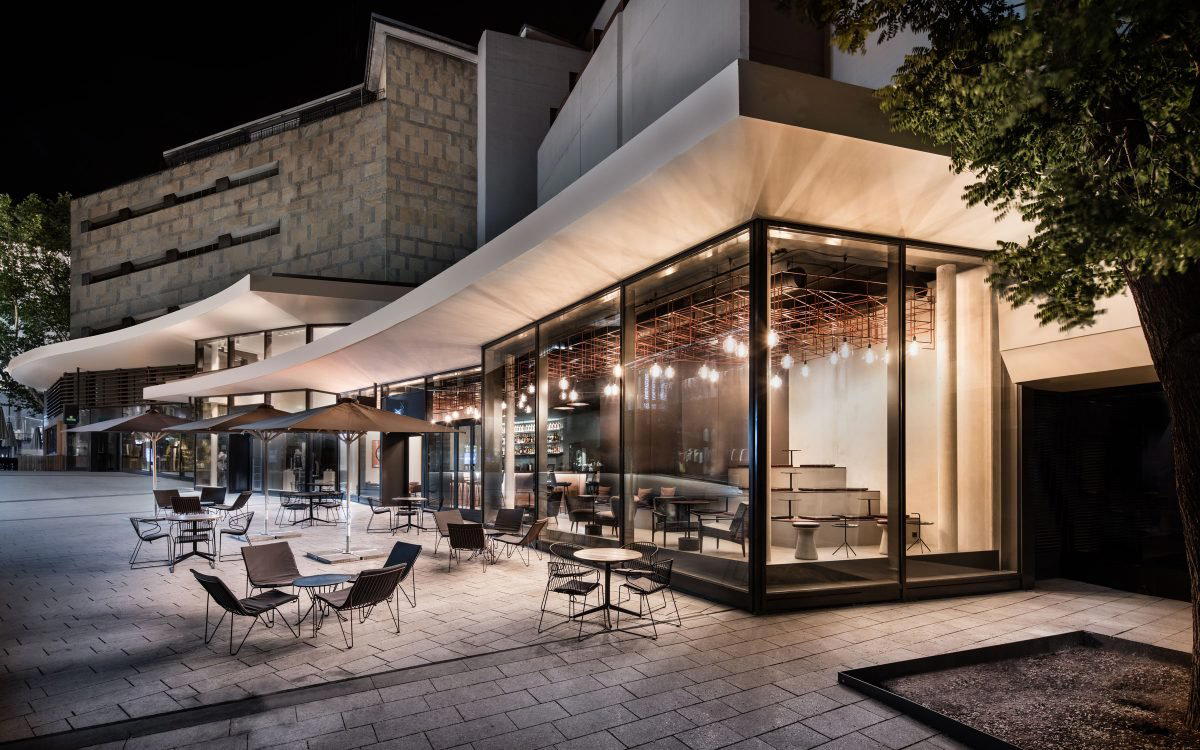
Hotels in Stuttgart
Browse all →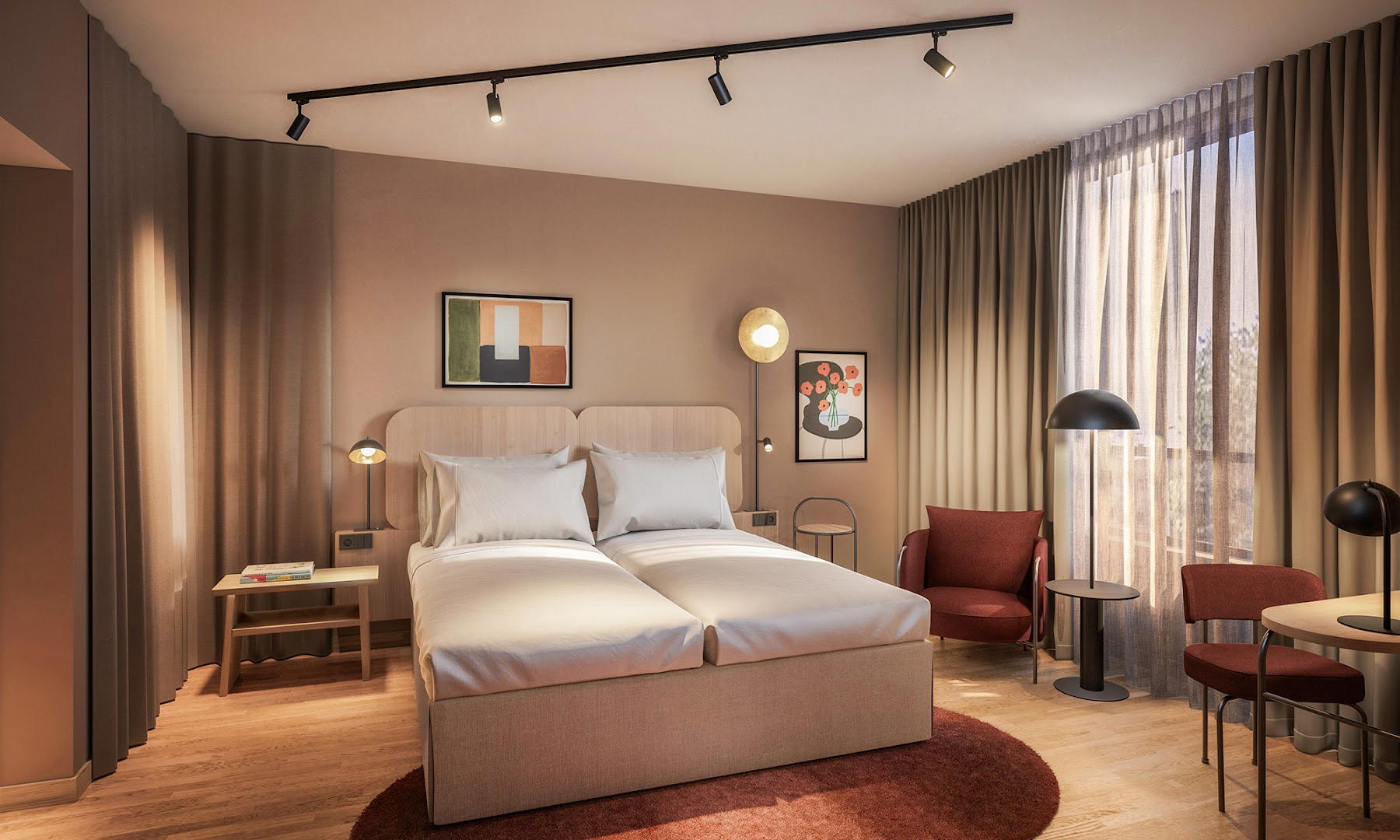

Details
- Lively
- Cozy
- Casual Hangout
- Group Dining
- Live Music
- Beer Program
- A La Carte
- Vegetarian Friendly
Current opening hours
- Monday
- Closed
- Tuesday
- 11:30 AM–10 PM
- Wednesday
- 11:30 AM–10 PM
- Thursday
- 11:30 AM–10 PM
- Friday
- 11:30 AM–10 PM
- Saturday
- 12–10 PM
- Sunday
- 1–8 PM
Hours can change for holidays and private events. Last verified .
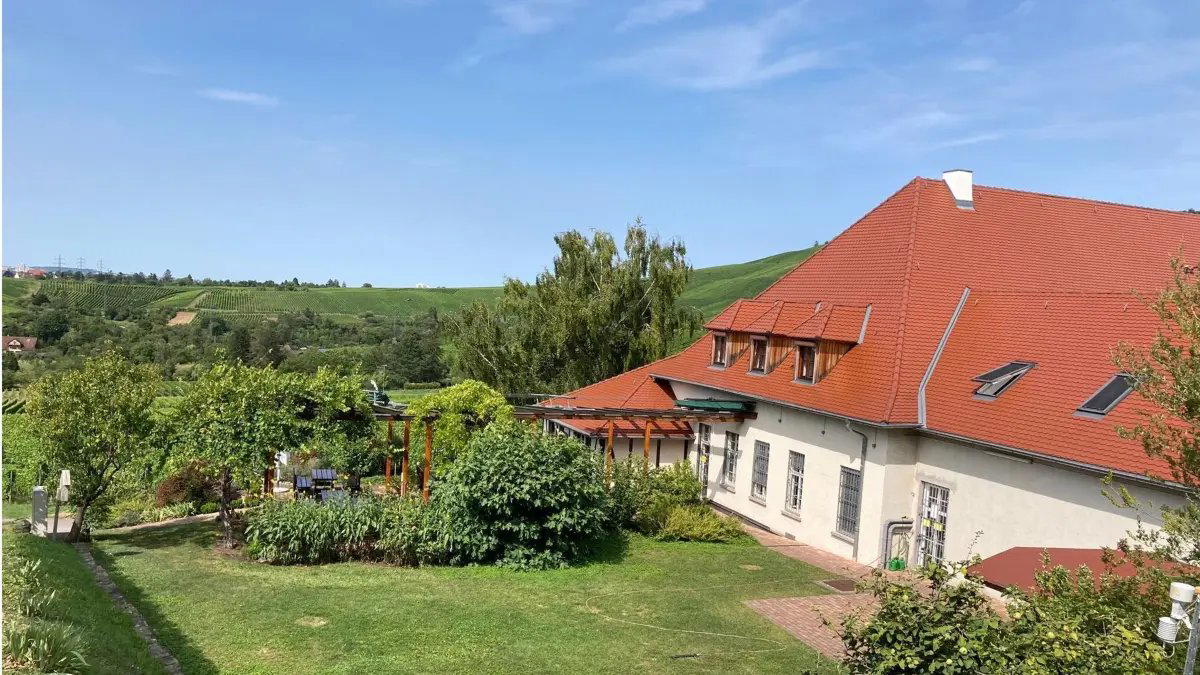
Bright, informal, and welcoming family atmosphere.