Vienna occupies a corner of Stationsplein in Lokeren that rewards the kind of traveller who looks past the obvious. In a provincial Flemish city where the dining scene punches harder than its size suggests, Vienna positions itself among a small cohort of restaurants drawing on regional ingredient traditions and a format that prioritises substance over spectacle. It sits alongside neighbours like RAAM and Restaurant VOS as part of a quietly serious local dining culture worth tracking.
Pearl is the En Primeur Club membership app — saves, bookings, and concierge access live there. Same editors, same standards.
- Address
- Stationsplein 6, 9160 Lokeren, Belgium
- Phone
- +3293490302
- Website
- restaurantvienna.be
- Directions
- Get directions
 Saves & bookings on Pearl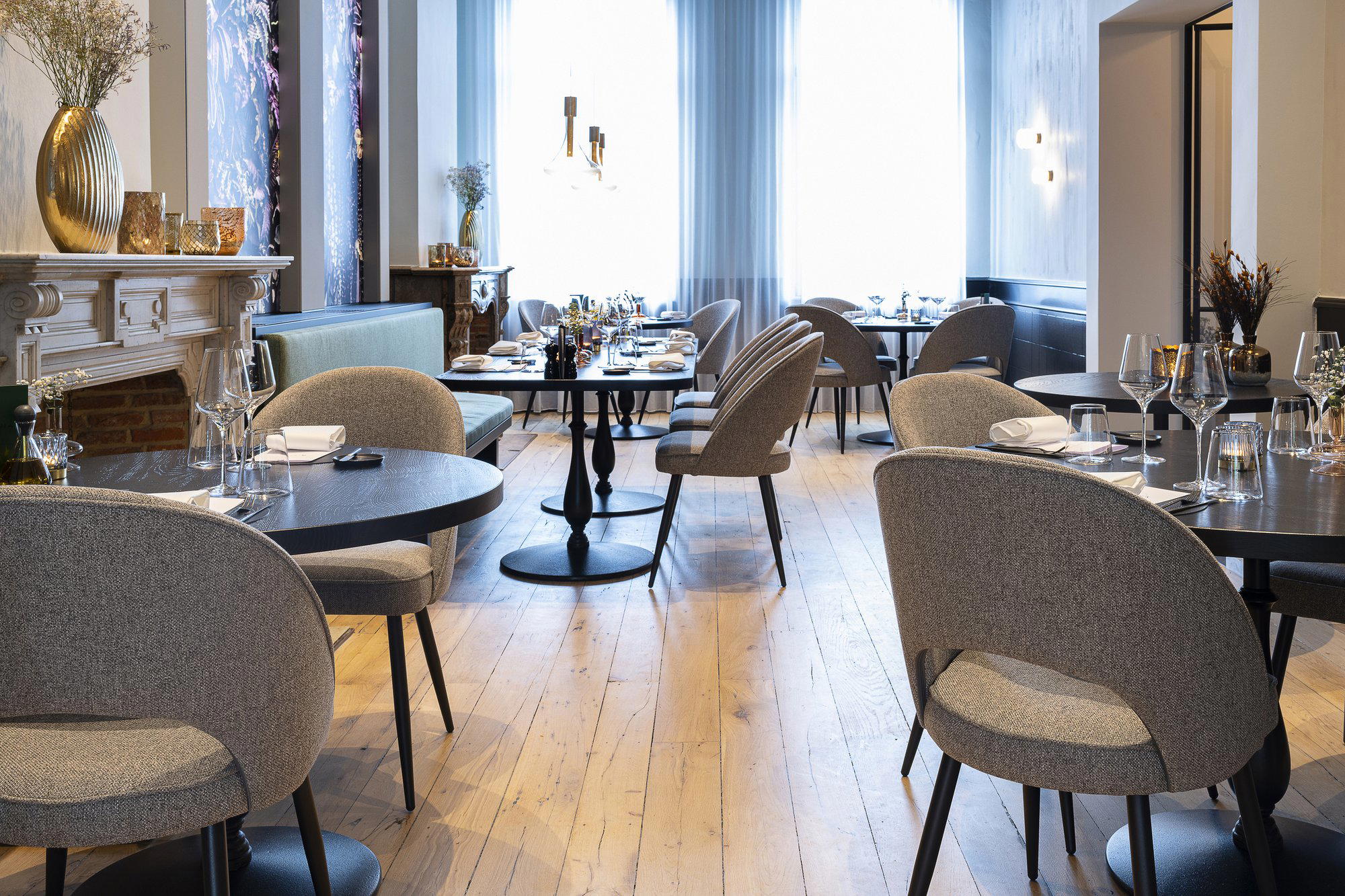
Stationsplein and the Logic of Eating Well in Lokeren
Lokeren is not the first Belgian city that surfaces when serious diners start planning a trip through East Flanders, which is precisely why it repays closer attention. The station square, Stationsplein, functions as an arrival point in more than the literal sense. It is where Lokeren's civic life concentrates, and where a handful of restaurants have taken root in the kind of unassuming setting that Belgian provincial cooking has always preferred. Vienna sits at number six on that square.
Belgium's dining culture outside Brussels and Antwerp tends to operate on this logic: fewer pretensions, closer relationships with the supply chain, and a pricing structure that reflects regional economics rather than metropolitan ambition. The country's ingredient tradition, short distances from farm, sea, and forest to kitchen, is strongest outside the major cities, where sourcing relationships are built on proximity and repetition rather than prestige procurement. Vienna sits within that tradition geographically.
Where Vienna Sits in the Lokeren Scene
Lokeren's restaurant community is smaller than Ghent's or Bruges's, but it is not thin. RAAM and Restaurant VOS (Modern French) are among the addresses that have helped establish the town as a meaningful stop on the East Flanders dining circuit, and Vienna's presence on the same square contributes to a local concentration that makes Lokeren worth a dedicated visit rather than a passing detour. That density matters: in cities where serious restaurants are spread thin, the experience of moving between them loses coherence. Here, the geography is compact enough to make an evening feel intentional.
Within the broader Belgian fine dining tier, the cohort that includes Boury in Roeselare, Zilte in Antwerp, and Hof van Cleve in Kruishoutem, Vienna operates at a remove from the Michelin-starred conversation. That is not a criticism. Belgium has a long tradition of neighbourhood restaurants that serve technically careful food without seeking recognition from international guides, and many of particularly interesting meals in Flanders happen precisely in this register. Vienna is a French-Belgian bistro where ingredient discipline matters.
The Ingredient Argument in Belgian Provincial Cooking
Belgian cuisine's credibility has always rested on sourcing before technique. The coastal kitchens that built the country's seafood reputation, addresses like Bartholomeus in Heist and Willem Hiele in Oudenburg, derive their authority from relationships with specific fishing boats and coastal suppliers built over years. Inland, the same logic applies to game, root vegetables, heritage grains, and the dairy that underpins so much of Flemish cooking. East Flanders, where Lokeren sits, has agricultural land close enough to the kitchen that sourcing locally is a practical decision as much as an ideological one.
When a restaurant in Lokeren lists a seasonal vegetable or a regional cut of meat, the implication is that it came from somewhere specific and arrived recently. The contrast with city restaurants that import prestige ingredients from distant suppliers is real, even if it is rarely made explicit on the menu. Vienna's address puts it within that regional supply network, which sets a baseline expectation for what should be on the plate.
Further afield, Belgium's most ambitious kitchens are pushing that ingredient logic further. Castor in Beveren works with a modern European framework that emphasises provenance, and De Jonkman in Sint-Kruis brings a creative Flemish approach to local produce. Both are close enough to Lokeren to function as useful reference points for what regional ingredient-led cooking looks like when it is operating at full stretch. L'air du temps in Liernu takes that further with a French-Asian creative framework built around sourcing discipline. These are the kitchens against which any serious restaurant in the Flanders-adjacent region is implicitly measured.
The Wider Belgian Reference Frame
Belgium's dining geography rewards comparison. The French-Belgian tradition that anchors houses like Bozar Restaurant in Brussels and Le Chalet de la Forêt in Uccle operates on a different register from the Flemish-led kitchens of East Flanders, but the underlying commitment to ingredient quality runs through both. Walloon cooking, represented by addresses such as d'Eugénie à Emilie in Baudour, La Durée in Izegem, and La Table de Maxime in Our, brings its own terroir logic to the table. What connects these kitchens across linguistic and regional lines is a shared prioritisation of what is grown, caught, or raised nearby over what is imported for prestige. Vienna, by virtue of its location, is positioned to draw on that same regional logic.
For international comparison, the gap between a neighbourhood restaurant in provincial Belgium and a destination address like Le Bernardin in New York City or Atomix in New York City is significant in terms of format, scale, and global visibility. But in terms of raw ingredient quality at the table, Belgian provincial kitchens often close that distance in ways that surprise visitors arriving with low expectations. That is the structural advantage of the short supply chain, and it is available to any kitchen in Lokeren willing to use it.
Planning a Visit
Vienna's address at Stationsplein 6 in Lokeren places it directly at the town's rail gateway, which means it is accessible from Ghent in under thirty minutes by train, a practical detail that opens it up as a lunch or early dinner destination for visitors based in the city. Lokeren itself is navigable on foot from the station, so arriving without a car is direct. Reservations are recommended, and the restaurant is open Tuesday, Thursday, and Friday from 12 to 2 PM and 6:30 to 10 PM, Saturday from 6:30 to 10 PM.
Fast Comparison
Comparable venues nearby, for context on price, style, and recognition.
| Venue | Cuisine | Price | Awards | Notes |
|---|---|---|---|---|
| ViennaThis venue — the venue you are viewing | French-Belgian Bistro | $$$ | Not listed | Not listed |
| Restaurant VOS | Modern French with Belgian Roots | $$$ | Michelin Plate | Groenstraat |
| RAAM | Modern International Fusion | $$ | Not listed | Gentse Steenweg |
| Culix | French-Belgian Fine Dining | $$$ | Not listed | Merelbeke |
| Mirin | Refined French-Belgian with Asian Touches | $$$ | Not listed | Roosdaal |
| Matty | Modern French-Belgian Fine Dining | $$$ | Not listed | Zuidkwartier |

At a Glance
- Classic
- Cozy
- Intimate
- Elegant
- Date Night
- Special Occasion
- Business Dinner
- Standalone
- Historic Building
Current opening hours
- Monday
- Closed
- Tuesday
- 12–2 PM, 6:30–10 PM
- Wednesday
- Closed
- Thursday
- 12–2 PM, 6:30–10 PM
- Friday
- 12–2 PM, 6:30–10 PM
- Saturday
- 6:30–10 PM
- Sunday
- Closed
Hours can change for holidays and private events. Last verified .
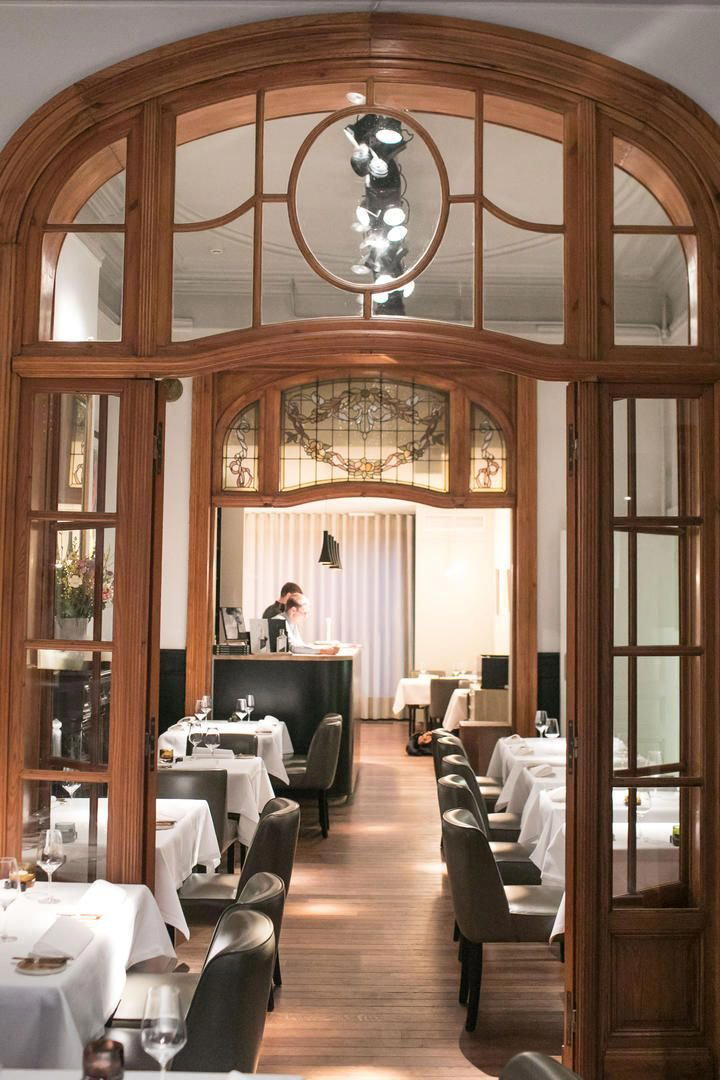
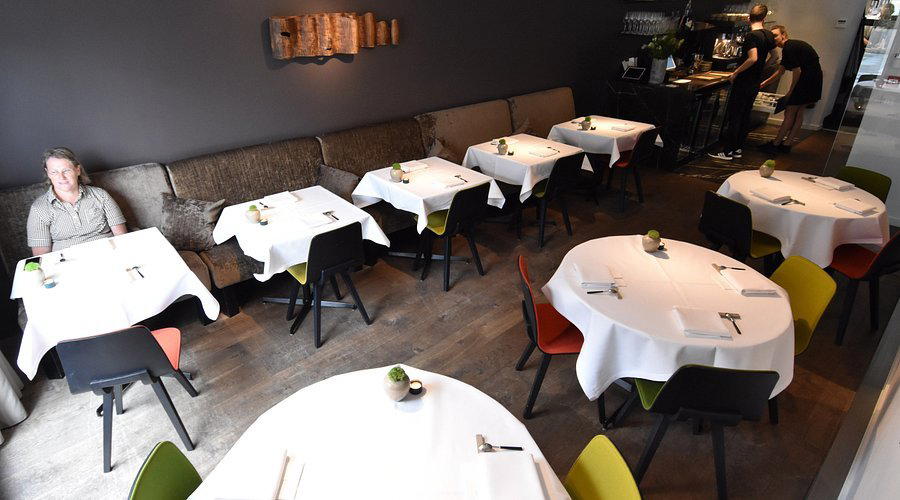
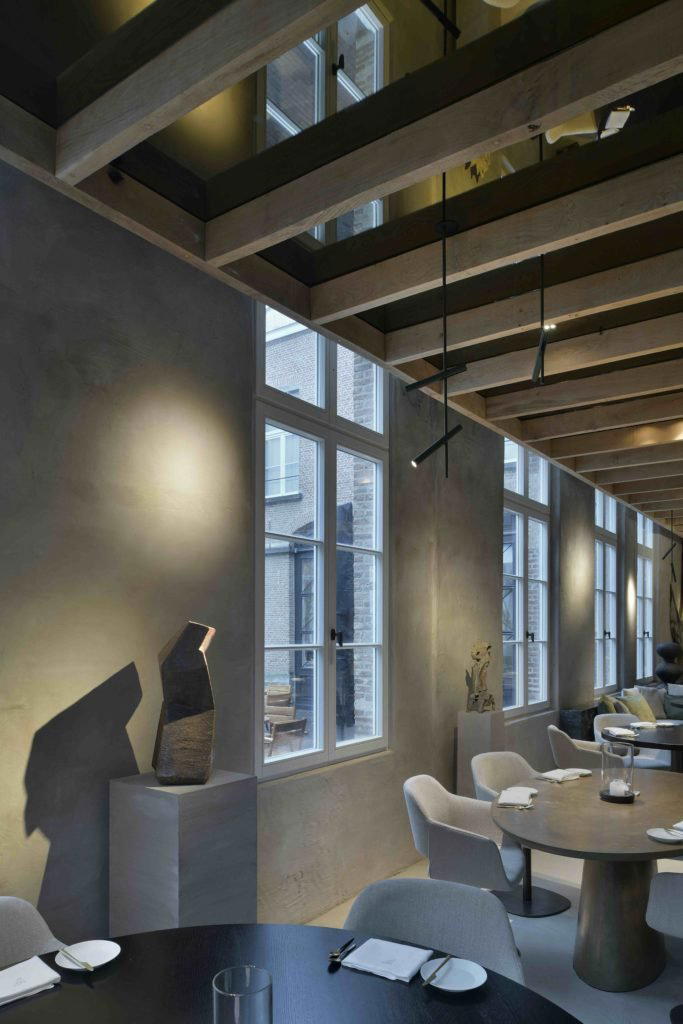
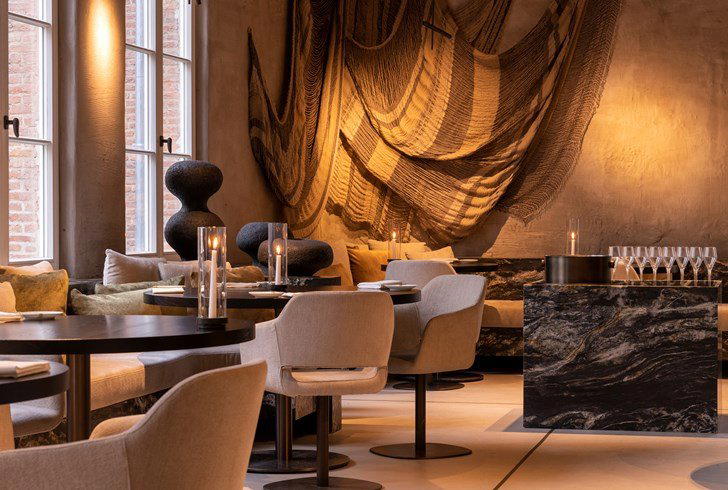
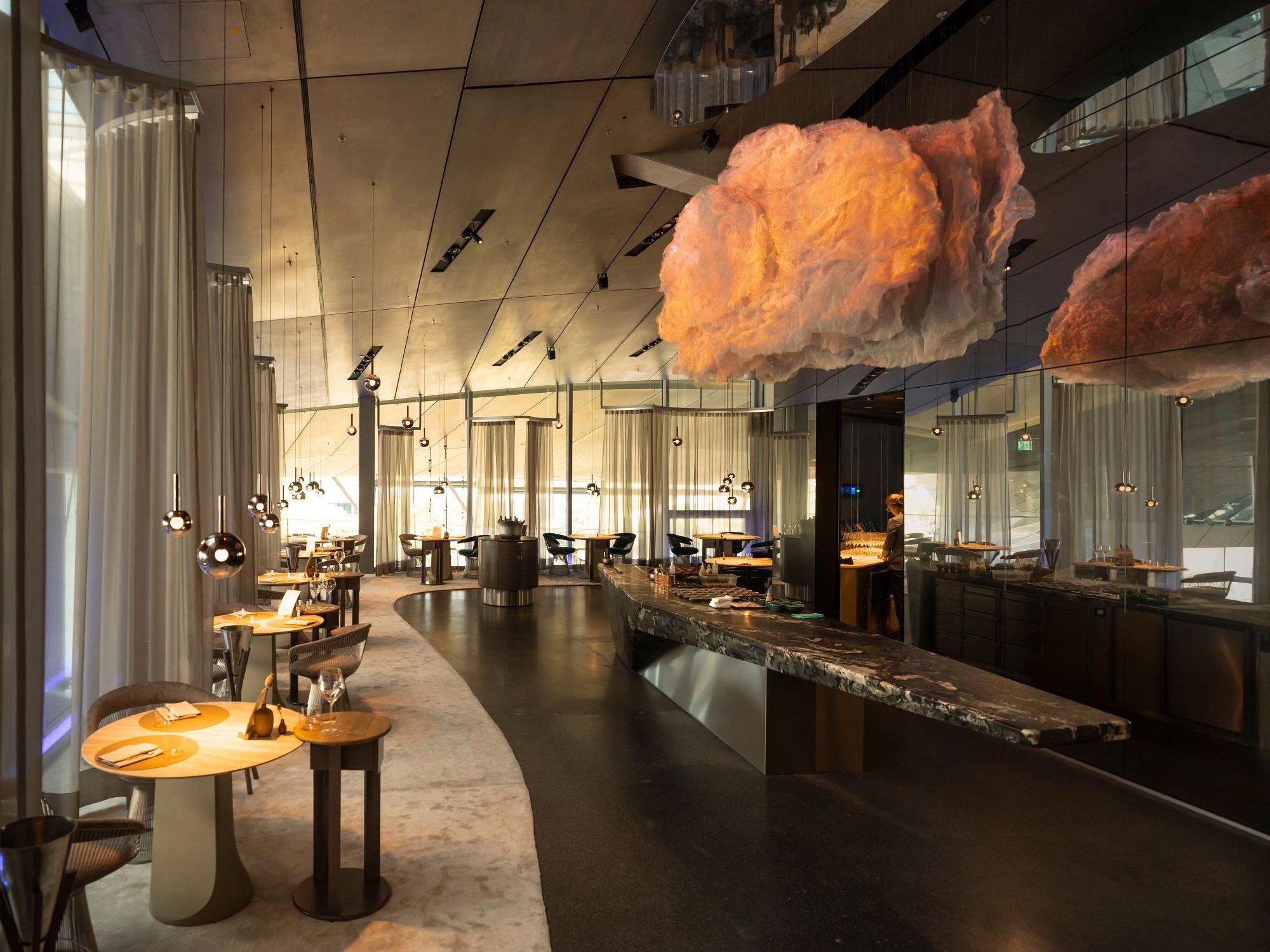
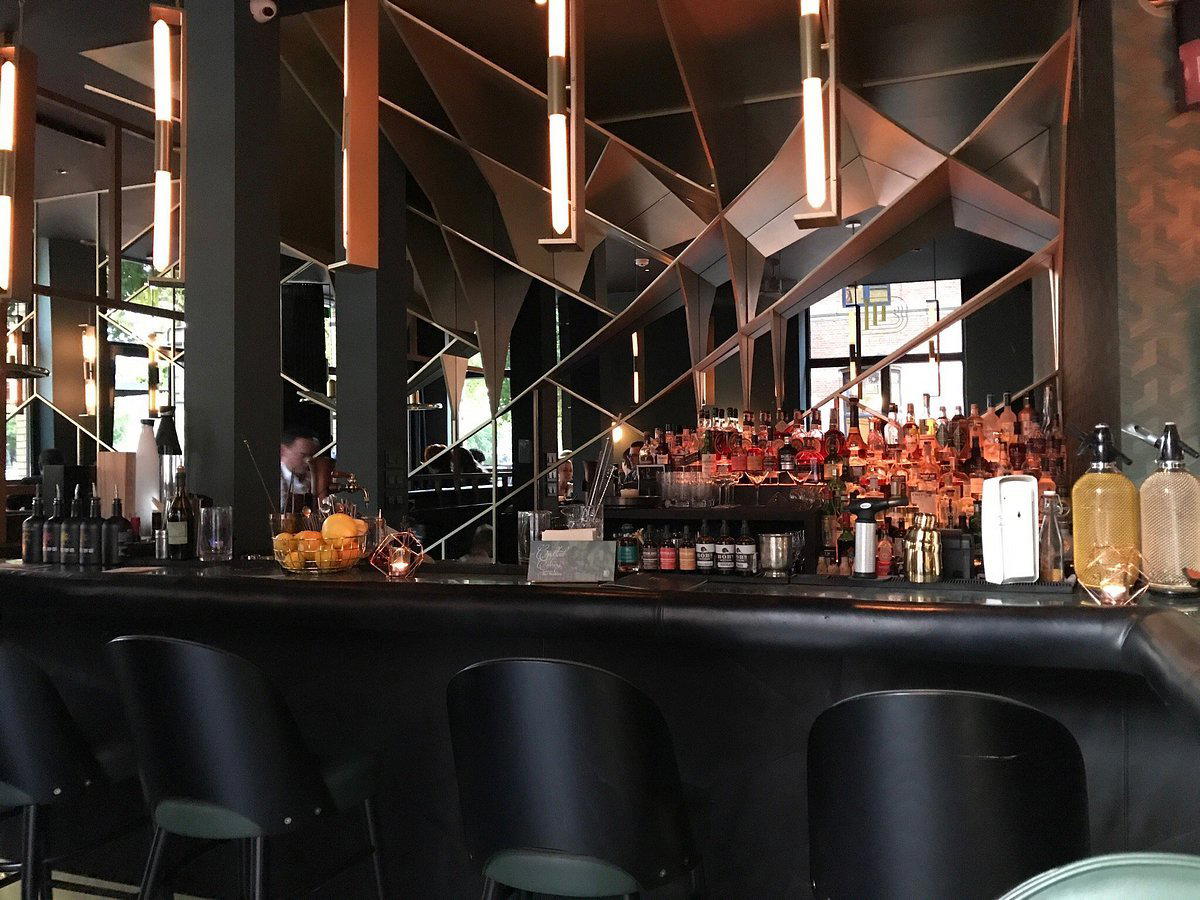
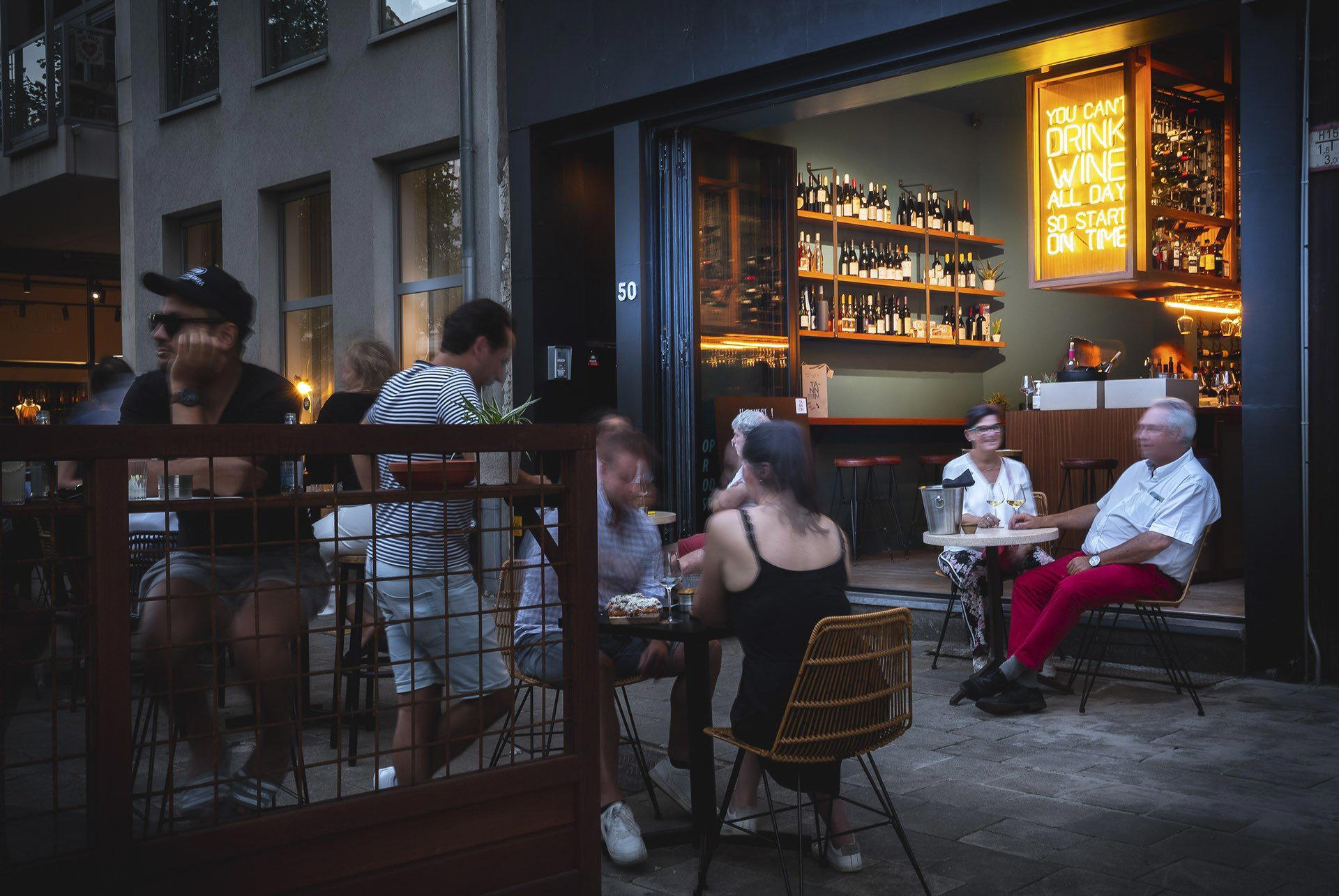
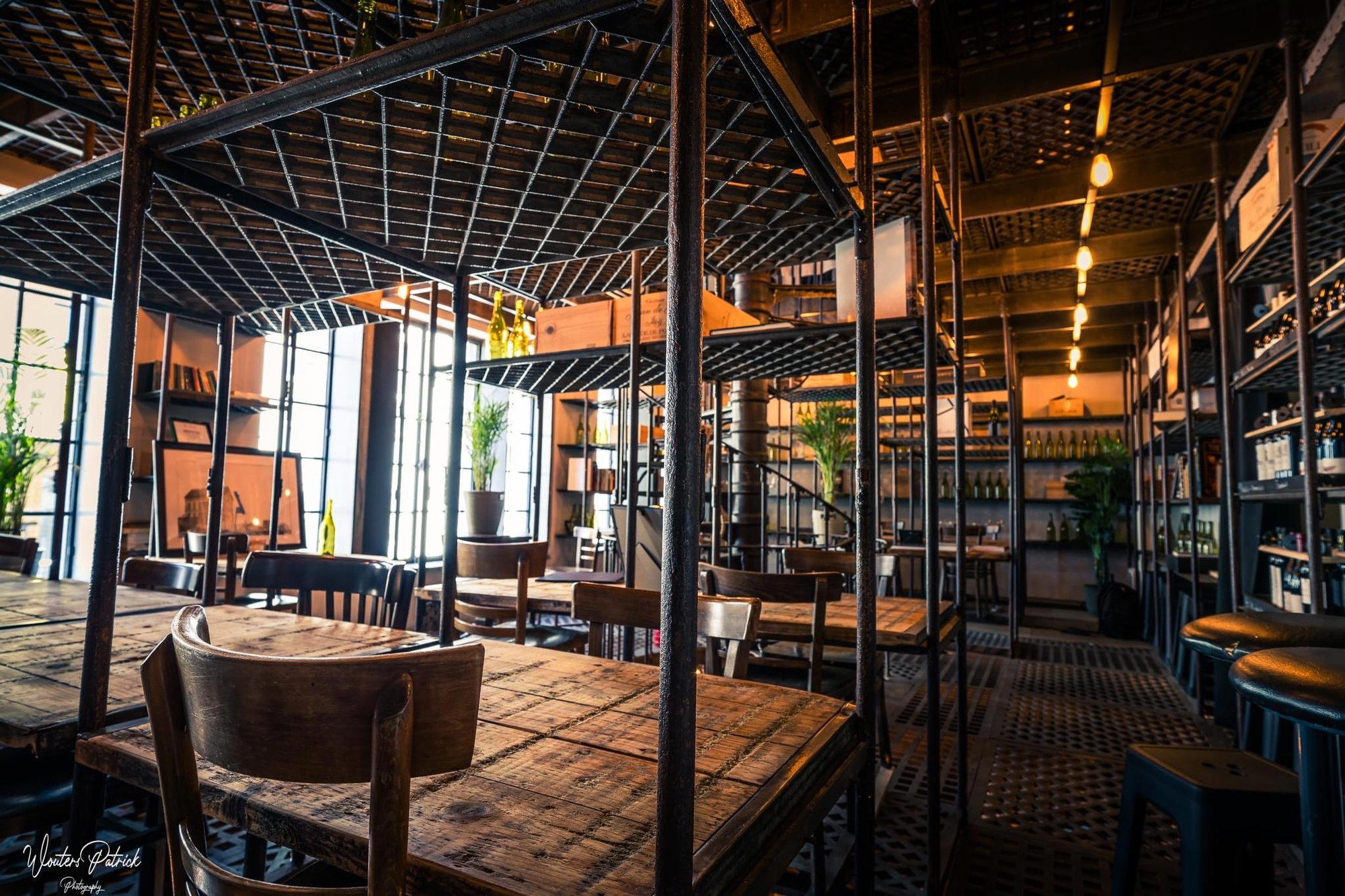
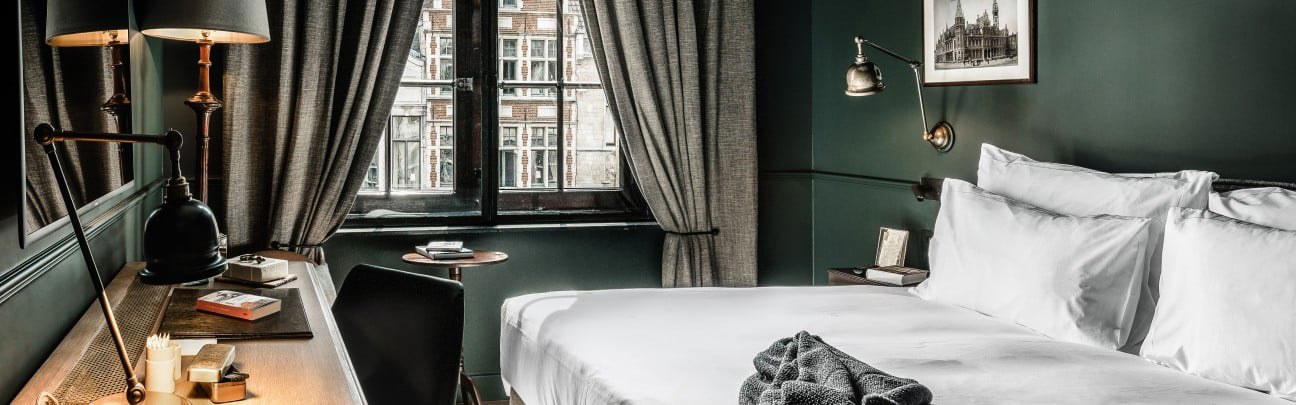
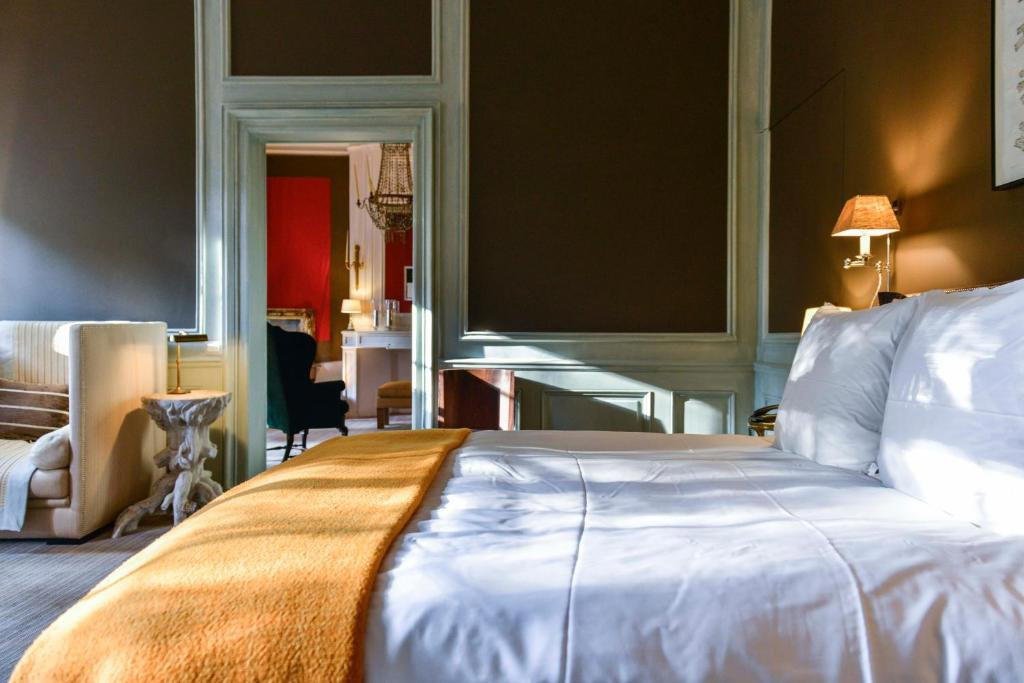
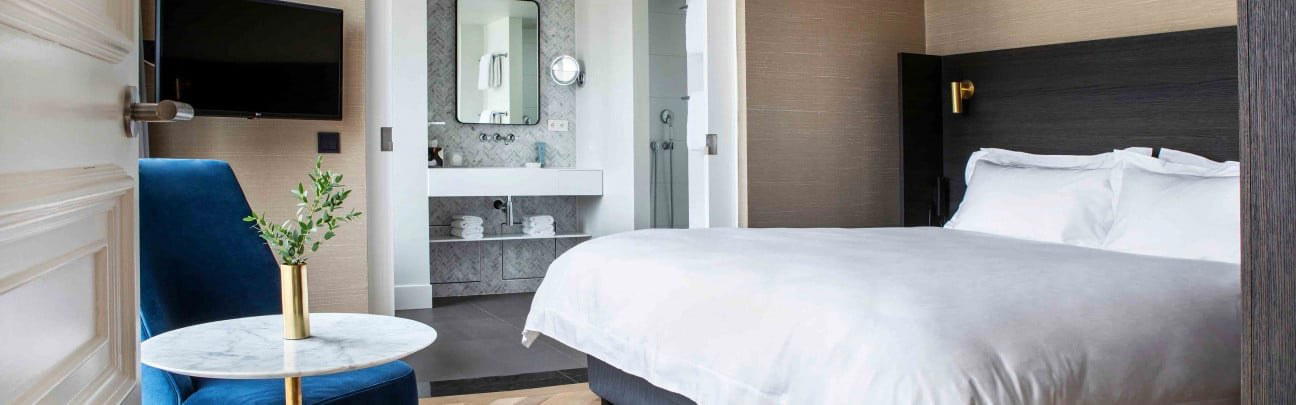
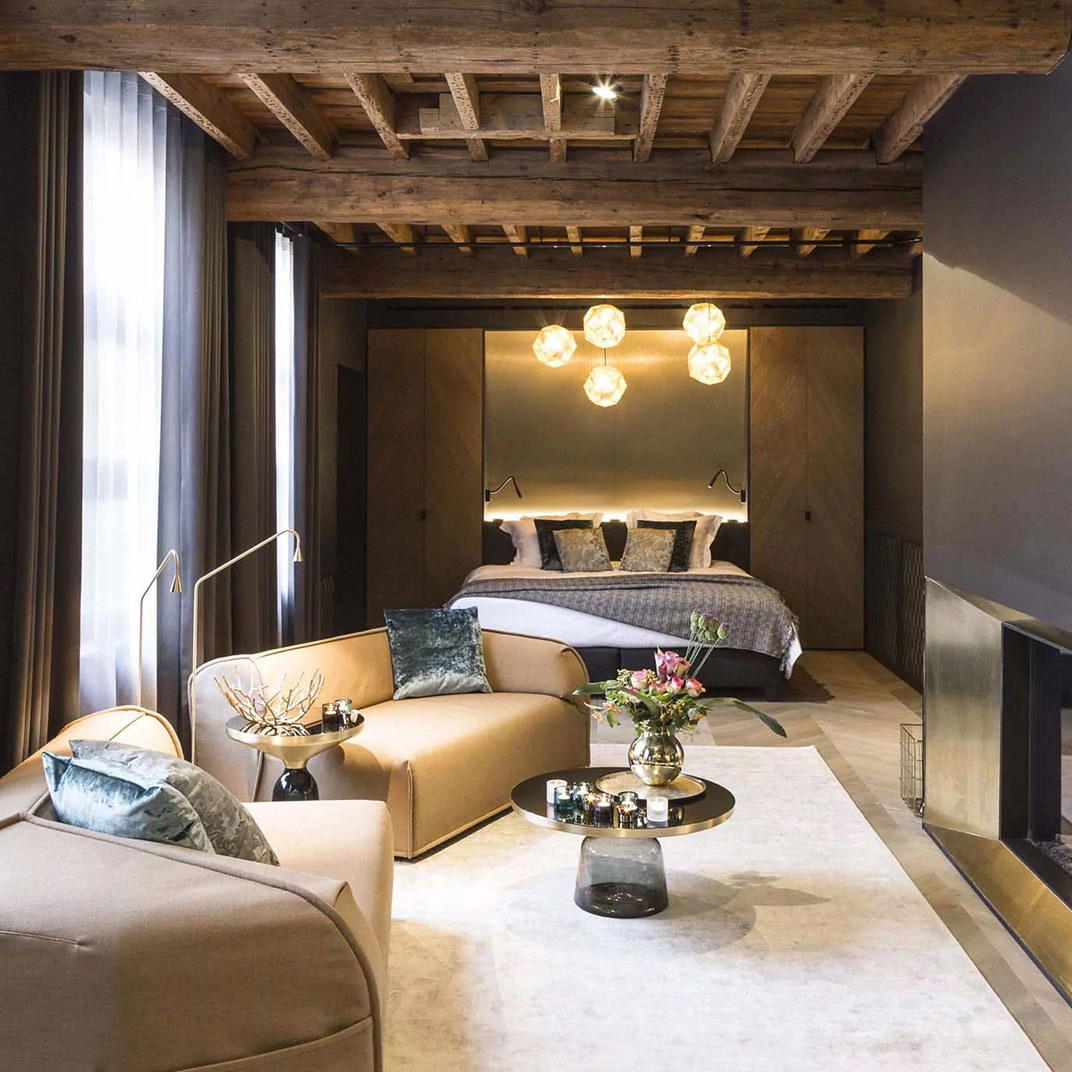
Warm, inviting, and relaxed with high ceilings that keep noise levels pleasant; described as a cozy, refined home-like setting with thoughtful presentation and personal touches from the chef.