
Michelin Plate
Our verdict
Clay sits on Oude Pastoriedreef in Opwijk, a quiet Flemish village that has quietly accumulated serious dining credentials. The address places it within a small cohort of destination restaurants operating well outside Belgium's major urban centres, where the provenance of ingredients and the rhythm of the land tend to shape menus more directly than in city kitchens. For the region, that is a meaningful distinction.

Pearl is the En Primeur Club membership app — saves, bookings, and concierge access live there. Same editors, same standards.
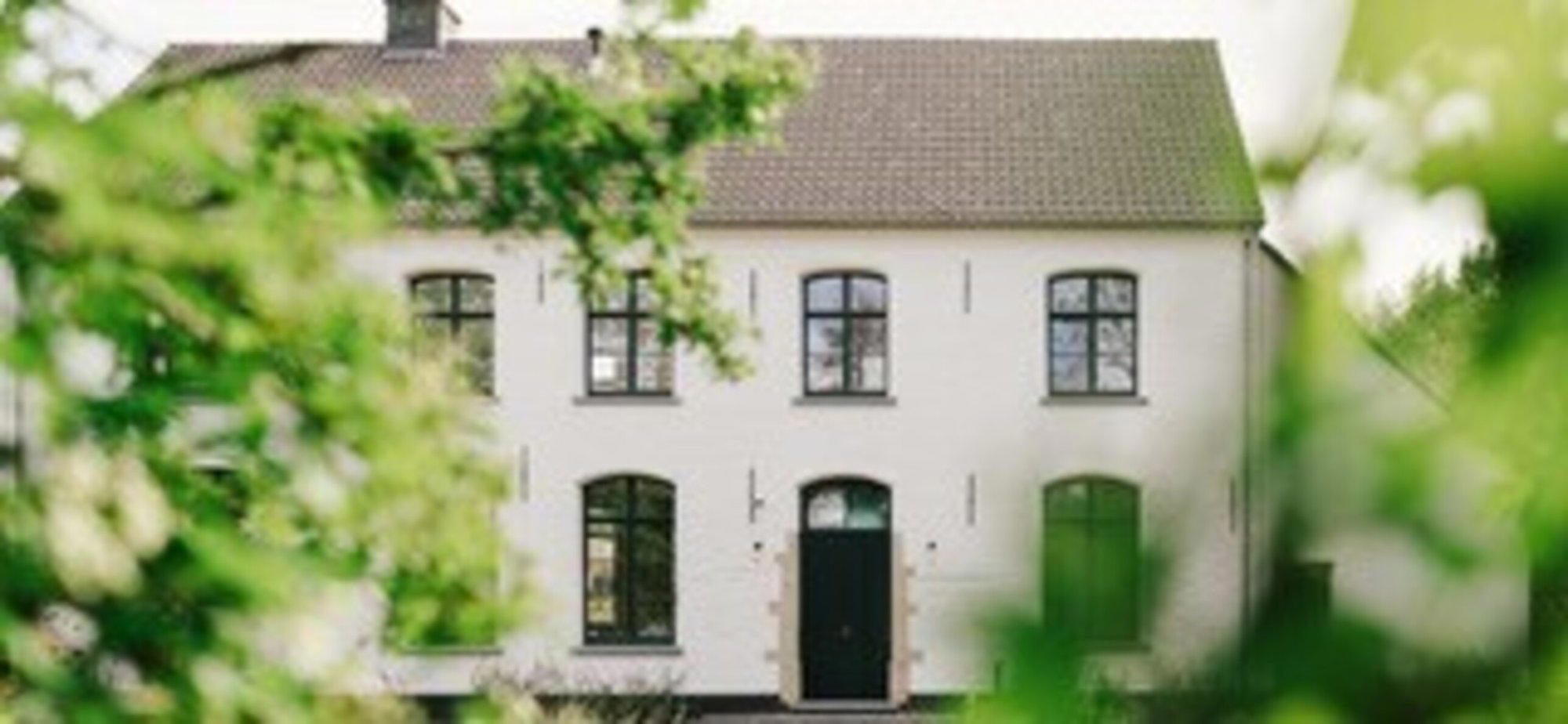
A Village Address With a Specific Culinary Logic
Flemish Belgium has developed a pattern over the past two decades: some of its most considered restaurants are not in Antwerp or Brussels but in the villages and small towns that sit between them. Opwijk, a municipality in the Flemish Brabant province roughly midway between Brussels and Aalst, belongs to that pattern. The agricultural character of the surrounding area is not incidental to restaurants here — it is the operating condition. At Clay, located on Oude Pastoriedreef 32, that condition appears to be the premise rather than the backdrop.
The address itself signals something. A pastoriedreef — a lane historically associated with a parish residence, suggests a setting of established quiet, old trees, and the kind of spatial generosity that village Flanders still offers. Approaching a restaurant through that kind of environment, before a single dish arrives, already frames the meal differently from a city-centre dining room. The physical context is part of the editorial argument the restaurant is making about where food comes from and why location matters.
This is a positioning that a number of Belgium's most discussed restaurants share, from Willem Hiele in Oudenburg to Ralf Berendsen in Neerharen. Each operates in a rural or semi-rural municipality, and each draws part of its identity from proximity to specific producers, coastlines, or agricultural land. Clay sits in that same tier of destination dining outside the metropolitan core.
Ingredient Provenance as the Structural Argument
Belgium's fine dining scene has bifurcated over the past decade. One branch runs through the urban centres, Brussels venues like Bozar Restaurant or Uccle addresses like Le Chalet de la Forêt, where the city itself is part of the product. The other branch is rurally anchored, and its defining characteristic is the direct relationship between kitchen and land. In that second category, what the region grows, raises, or harvests is not just sourced, it is the subject matter of the menu.
Flemish Brabant sits in one of Belgium's most productive agricultural zones. The fields around Opwijk produce chicory, endive, and seasonal brassicas that have defined Flemish cooking for generations. When a restaurant operates in this environment, the seasonal calendar is not a marketing frame, it is a logistical and culinary reality. Proximity to producers shortens the supply chain in ways that affect texture and flavour at the level of the plate, not just in the provenance notes on a menu card.
This is the logic that restaurants like Hof van Cleve in Kruishoutem and Boury in Roeselare have pursued with documented success at the highest recognition tier. Clay's positioning in Opwijk places it within that tradition, even if its own recognition profile is still developing.
The Broader Opwijk Restaurant Scene
Opwijk is not a dining destination in the way that Ghent or Antwerp are, where density of options is itself a draw. What it offers is the opposite: a small number of addresses that each carry more weight precisely because they are not surrounded by competitors. a'Muze is the other name that appears alongside Clay when the village enters dining conversations, and the two together represent a concentration of culinary intent that is disproportionate to the municipality's size.
That concentration matters for how to read Clay. A restaurant that chooses to operate in Opwijk rather than a larger city is making a statement about the kind of guest it wants, one willing to travel for the meal specifically, rather than combining it with other urban activity. That self-selection tends to produce a more attentive room, where the ingredient story and the cooking can be received on their own terms. For the complete picture of what Opwijk offers across dining styles and price points, the full Opwijk restaurants guide maps the options in more detail.
Where Clay Sits in the Belgian Fine Dining Conversation
Belgium's creative fine dining scene, at its upper reaches, includes addresses like Zilte in Antwerp, Vrijmoed in Gent, and La Durée in Izegem, each of which operates a creative tasting format at the €€€€ price tier. The ambition at that level is not just technical execution but a coherent point of view about what Belgian cooking is and where it is going. Rural addresses contribute to that conversation by insisting that place, specific geography, specific agricultural context, is itself a culinary argument.
Internationally, comparisons to destination restaurants built around a similar rural-provenance logic are instructive. Lazy Bear in San Francisco operates on the principle that the communal, land-rooted meal is a format worth preserving and refining. Le Bernardin in New York City demonstrates, from the seafood side, how a single-minded commitment to ingredient quality can define an institution across decades. Clay's context in Flemish Brabant suggests a similar underlying commitment, expressed through the specific agricultural vocabulary of its region.
Other Belgian village-format restaurants worth considering in the same planning framework include d'Eugénie à Emilie in Baudour, Cuchara in Lommel, La Table de Maxime in Our, Castor in Beveren, and De Jonkman in Sint-Kruis, each building its case from a specific regional base rather than a metropolitan address.
Planning Your Visit
Clay is at Oude Pastoriedreef 32, 1745 Opwijk, in Flemish Brabant. Opwijk is accessible by train from Brussels (Brussels-Noord to Opwijk, approximately 30 minutes) and by car from Brussels via the A10 motorway, a drive of under 30 minutes depending on traffic. Given the village setting and the absence of a dense surrounding restaurant scene, an early dinner arrival allows the most time to take in the lane approach and the external environment before the meal. Current booking method, hours, and pricing are best confirmed directly with the venue, as those details were not available at time of publication.
Frequently asked questions
Is Clay good for families?
Clay is a considered fine dining address at Oude Pastoriedreef 32 in Opwijk — the format and pace lean toward adults seeking a focused meal rather than casual family dining. Families with older children who are comfortable in a quiet, ingredient-led setting may find it appropriate, but it is not structured as a family restaurant. Booking ahead and confirming any specific needs directly with the venue is advisable.
What is the atmosphere like at Clay?
Clay sits in Opwijk, a small Flemish Brabant village that signals the restaurant's register immediately: this is not a city room built on foot traffic and energy, but a place that rewards deliberate travel. The setting at Oude Pastoriedreef 32 — a former pastorie address — frames a quieter, more concentrated dining experience. Expect something closer to the mood of a Flemish country table than an urban brasserie.
Why do diners travel from Brussels specifically to eat at Clay in Opwijk?
Opwijk sits roughly 25 kilometres northwest of Brussels, accessible by train via Brussels-Noord, and Clay represents the kind of destination that justifies the journey on its own terms rather than as part of a broader dining itinerary. The pattern in Flemish Belgium over the past two decades has been consistent: some of the most deliberate cooking happens in village addresses rather than in the capital or Antwerp. For diners already familiar with Brussels institutions, Clay offers a different register — rural specificity over urban density.
What's the must-try dish at Clay?
Checking directly with the restaurant at Oude Pastoriedreef 32, Opwijk, before visiting will give the clearest picture of current focus dishes.
Where is Clay in Opwijk?
Clay is located at îOude pastoriedreef 32, 1745 Opwijk, Belgium, Opwijk.
Comparable Venues
Comparable venues nearby, for context on price, style, and recognition.
| Venue | Cuisine | Price | Awards | Notes |
|---|---|---|---|---|
| ClayThis venue — the venue you are viewing | French Contemporary Fine Dining | $100–150 | Michelin Plate | Not listed |
| a'Muze | French-Belgian Fine Dining | $50–100 | Not listed | Opwijk |
| In De Balans | French-Italian Fine Dining | Not listed | Not listed | Antwerp |
| Chaga | French Contemporary Fine Dining | $300–500 | Michelin Plate · We're Smart World 4 Radishes | Porte de Namur |
| Joels | French-Belgian Fine Dining | $100–150 | Not listed | Groot-Vorst |
| LOTS | French Bistro | Not listed | Not listed | Oostrozebeke |
Recognition history
Dated appearances from independent guides and award organizations, with the underlying list record or original source where available.
Michelin Plate
Michelin
Continue exploring
More in Opwijk
Restaurants in Opwijk
All restaurants in Opwijk →
Details
- Charming
- Elegant
- Cozy
- Intimate
- Sophisticated
- Date Night
- Special Occasion
- Historic Building
- Tasting Menu
Current opening hours
- Monday
- Closed
- Tuesday
- 7–9 PM
- Wednesday
- 12–2 PM, 7–9 PM
- Thursday
- 12–2 PM, 7–9 PM
- Friday
- 12–2 PM, 7–9 PM
- Saturday
- 12–2 PM, 7–9 PM
- Sunday
- Closed
Hours can change for holidays and private events. Last verified .
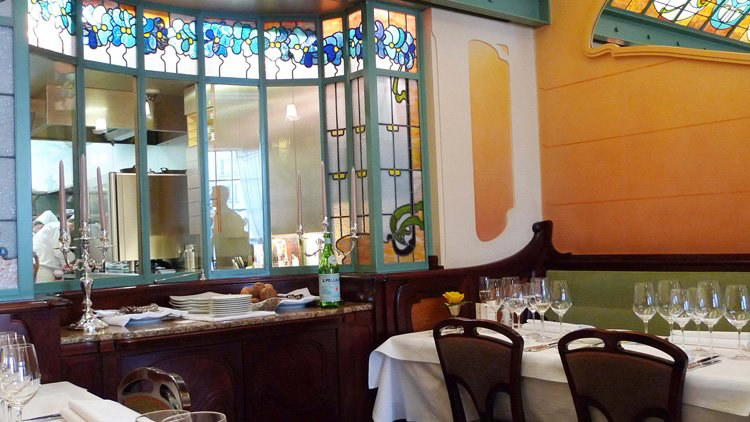
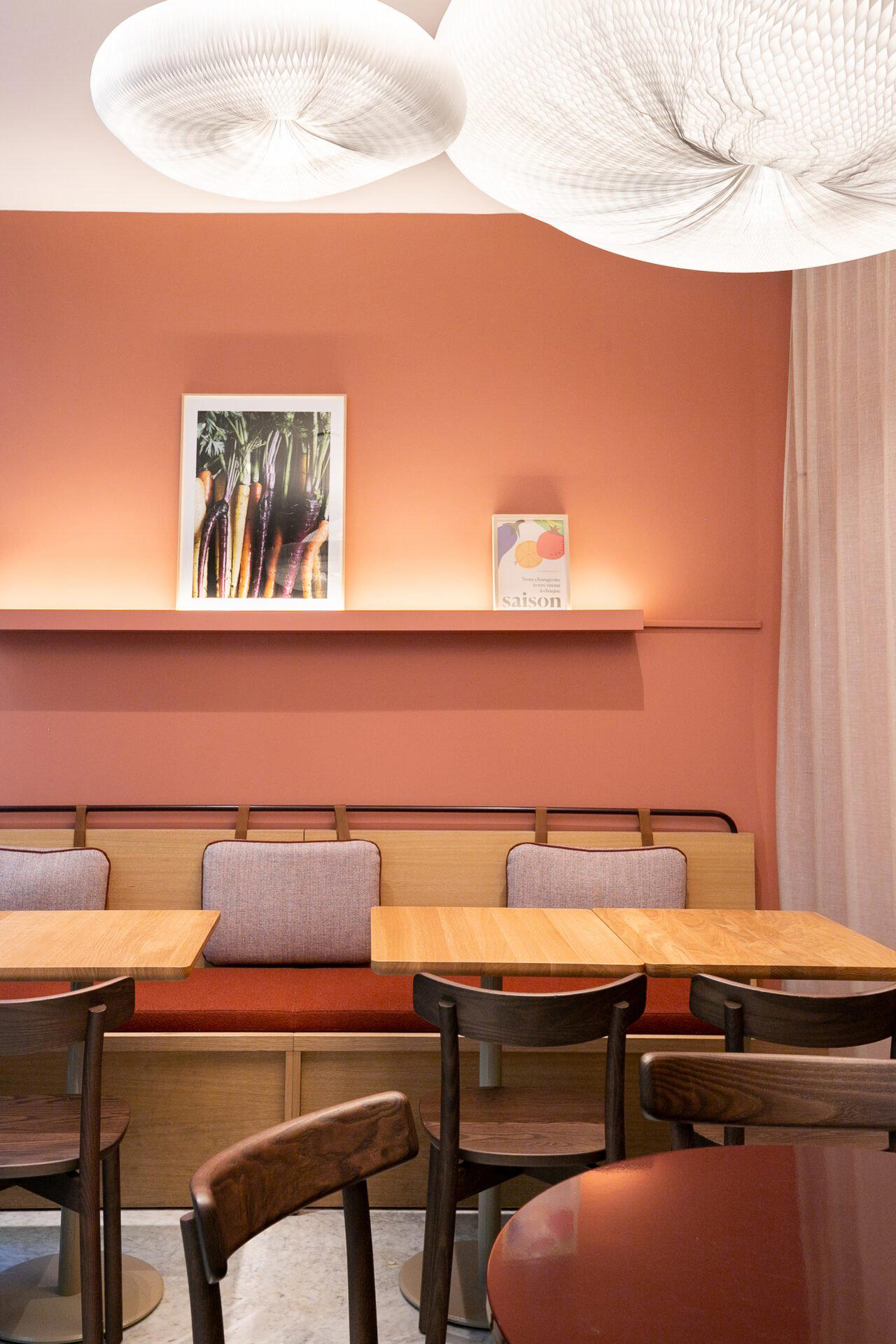
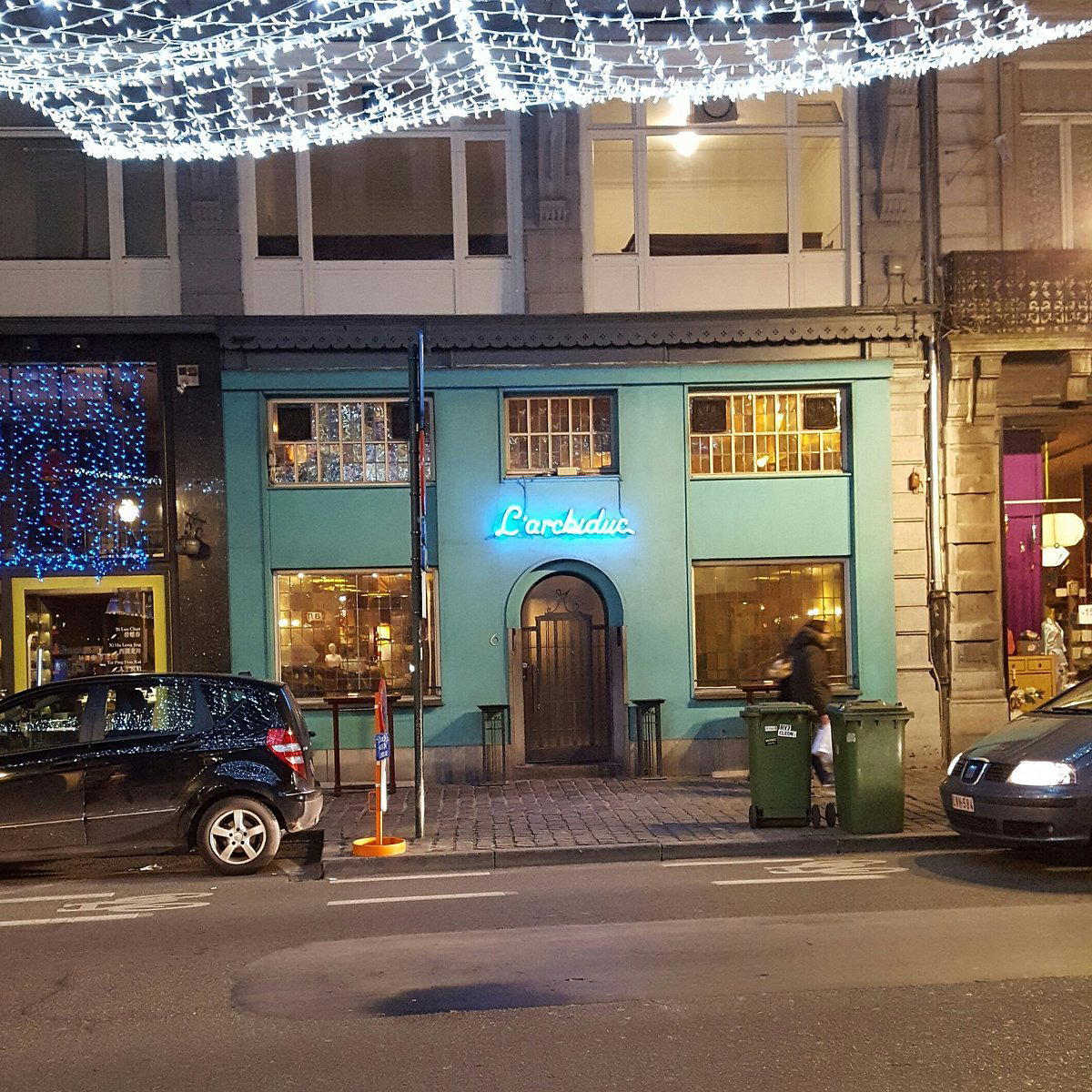
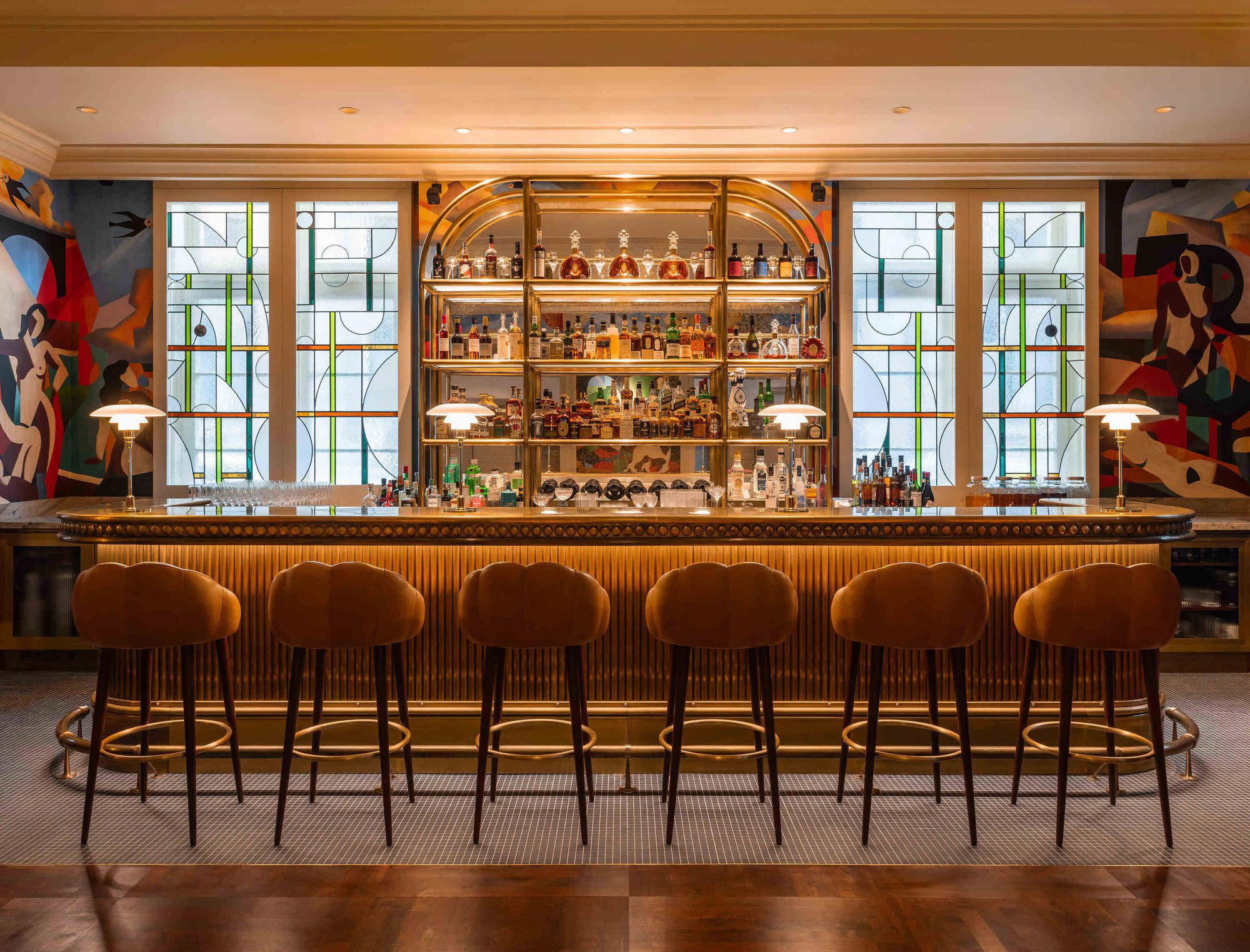
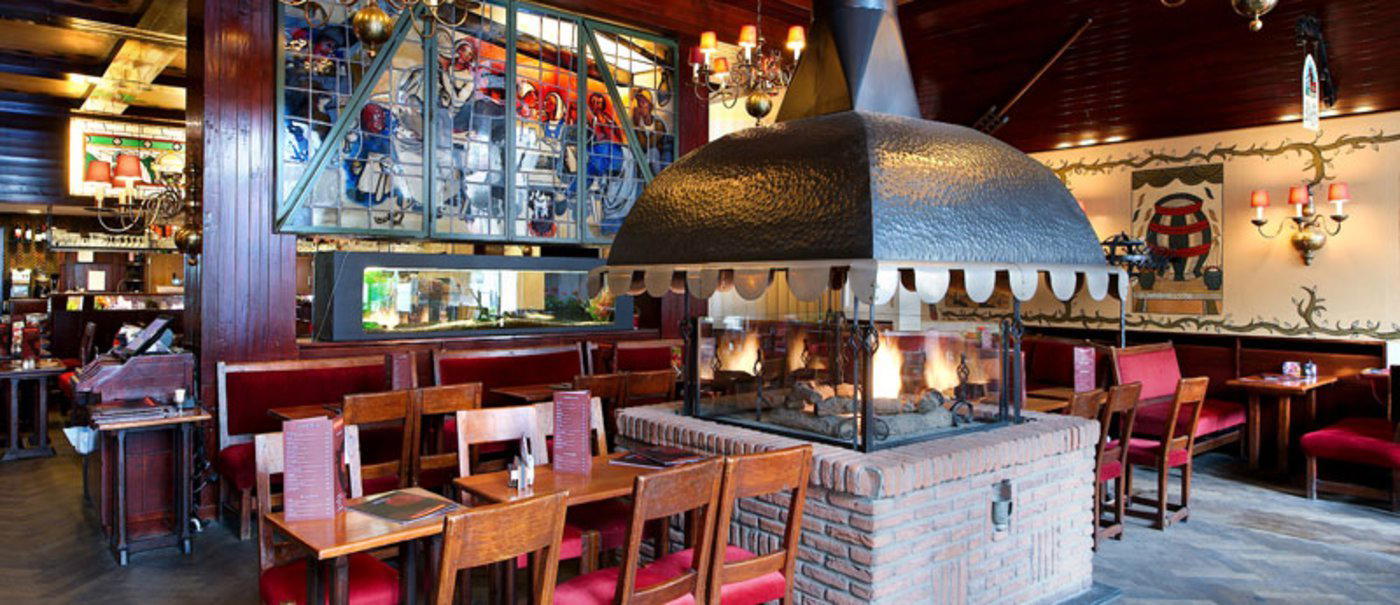
Warm welcome in a charming restored rectory with earthenware tableware creating a cozy, homey atmosphere.