Our verdict
Ampere Coffee & Kitchen sits within Osaka's all-day dining tier, offering a breakfast buffet alongside locally-inspired dishes and international options. The format suits hotel guests and neighbourhood visitors looking for a grounded, unhurried start to the day. In a city where even casual meals carry serious intention, Ampere occupies the accessible middle ground between neighbourhood cafe culture and full-service hotel dining.

Pearl is the En Primeur Club membership app, where members save venues, book tables and use the concierge.
The menu
What to order
- Breakfast buffet
- Locally-inspired dishes
Where Osaka's Morning Starts: The All-Day Dining Format
Osaka approaches food differently from most Japanese cities. Where Tokyo optimises for precision and Kyoto for ceremony, Osaka tends toward abundance and directness, a city that has always understood that feeding people well is a form of civic pride. That instinct shows up not just at the high end, where venues like HAJIME and La Cime represent the city's ambition in fine dining, but also in the quieter register of all-day dining spaces that punctuate hotel lobbies and neighbourhood corners across the city.
Ampere Coffee & Kitchen operates in that quieter register. The format, breakfast buffet as the anchor, with locally-inspired dishes and international options carrying through the rest of the day, is familiar across mid-to-upper hotel dining in Japan's major cities. What makes it worth examining is less the format itself than what a venue like this reveals about how Osaka's broader dining culture filters into accessible, everyday spaces. The questions worth asking here are not about Michelin stars or omakase sequencing. They are about whether the kitchen uses that local-global tension productively, and whether the room feels like it belongs to the city.
The Local-Global Intersection at the All-Day Counter
Across Japan's major hotel dining rooms and neighbourhood all-day cafes, a recognisable pattern has emerged over the past decade: kitchens that once defaulted to either Western or Japanese menus have increasingly moved toward a hybrid model, using locally sourced produce as the raw material and international technique as the frame. It is the same instinct that drives places like Atomix in New York City at the fine-dining end, the idea that local ingredients gain expressive power when placed in dialogue with technique drawn from elsewhere, but applied here at a more democratic price point and pace.
Osaka's Kansai region gives any kitchen working this way a meaningful pantry to draw from. The prefecture's proximity to the sea means access to fish and shellfish that change meaningfully across seasons. Inland, the Kinki region's vegetables, soft, often sweet varieties that reflect the area's agricultural traditions, suit both Japanese preparation and Western technique equally well. A kitchen in this city has the ingredients to make the local-global conversation feel genuinely earned rather than cosmopolitan theatre.
For context, the fine-dining end of Osaka's scene has long worked this intersection at its most refined. Fujiya 1935 and Taian approach it through kaiseki structure and innovation respectively, while Kashiwaya Osaka Senriyama works within classical Japanese form to express seasonal Kansai produce at its most considered. Ampere Coffee & Kitchen sits at a very different point on that spectrum, accessible rather than exclusive, flexible rather than structured, but the underlying logic of using what the region offers as the foundation of the menu is consistent across all of them.
The Breakfast Buffet as a Serious Format
Hotel breakfast buffets in Japan occupy a surprisingly serious position in the broader dining culture. Unlike the perfunctory spread common in European business hotels, Japanese breakfast formats, even in relatively accessible venues, tend to reflect the kitchen's actual priorities. The inclusion of locally-inspired dishes alongside international options at Ampere is a signal worth reading carefully: it suggests a kitchen that is not simply replicating a generic international hotel template but has made some decision about what it wants the morning meal to mean in this specific city.
The buffet format also solves a practical problem for visitors moving through a city as dense and food-saturated as Osaka. A morning meal that spans local and international options gives guests the energy and flexibility to spend the rest of the day at the sharper end of the city's dining culture, working through the neighbourhood izakayas and specialist counters that define Osaka's street-level food identity. In that sense, Ampere functions as part of a broader day-long eating itinerary rather than as an isolated dining event.
Visitors planning to cover serious ground in Osaka's dining scene, including the fine-dining tier explored in our full Osaka restaurants guide, will find the all-day format useful as a grounding point between more structured meals. Similar dynamics play out across Japan's major food cities: Harutaka in Tokyo, Gion Sasaki in Kyoto, and akordu in Nara each anchor their respective cities' serious dining tiers, but the accessible, flexible meals that surround those experiences matter too.
Osaka in Season: When to Visit
Osaka's food culture has a pronounced seasonal dimension. Spring, when cherry blossom season draws significant visitor traffic, puts pressure on bookings across the city, from the fine-dining counters down to neighbourhood cafes. Autumn, by contrast, offers arguably the most productive conditions for exploring Kansai's food scene: temperatures drop to a comfortable range, seasonal produce (persimmon, matsutake, new-crop rice) reaches its peak, and the city operates at a less frenetic pace than during peak tourist months.
The all-day dining format at Ampere means the kitchen's seasonal response, if it happens, is most visible in the locally-inspired dishes rather than the international options. Autumn and early winter tend to be when Kansai kitchens have the most interesting local produce to work with, making those months the better window for anyone who wants to see the local-global intersection working at its most expressive.
For comparison, similar seasonal dynamics shape the menus at venues like Goh in Fukuoka and regional institutions such as a counter in Nanao and a venue in Sapporo, where local produce calendars drive the menu more directly than any fixed format does. Beyond the main islands, venues like one in Takashima and another in Nishikawa Machi show how deeply regional Japan's food culture runs once you move beyond the major cities.
Planning Your Visit
Ampere Coffee & Kitchen is positioned within Osaka's accessible hotel dining tier, which places it in a different competitive conversation from the city's fine-dining counters. For visitors whose primary dining ambitions lie elsewhere, at the tasting menu level or in the city's more specialist food neighbourhoods, Ampere functions most usefully as the practical frame around a day of more focused eating. The breakfast buffet covers the morning efficiently; the all-day format means the kitchen remains an option for lighter meals between more structured dining commitments.
Visitors with a broader Japan itinerary who are using Osaka as a base for regional day trips may also find the all-day format useful on return, venues like Birdland in Sakai and Bistro Ange in Toyohashi offer distinct regional dining experiences within reasonable distance, and an all-day kitchen back at base provides flexibility on timing. Similarly, those drawing comparisons to international hotel dining formats, the way Le Bernardin in New York City anchors its neighbourhood's fine-dining reputation, will find Osaka's broader hotel dining scene less monolithic and more responsive to local food culture than equivalent venues in many Western cities.
Frequently asked questions
Is Ampere Coffee & Kitchen a family-friendly restaurant?
The all-day dining format at Ampere Coffee & Kitchen makes it accommodating for families across age groups. A breakfast buffet structure in particular tends to suit varied preferences and pace, letting each person eat on their own terms. Osaka's broader food culture skews generous in portion and range, and Ampere's locally-inspired plus international menu mix reflects that same inclusivity.
What's the overall feel of Ampere Coffee & Kitchen?
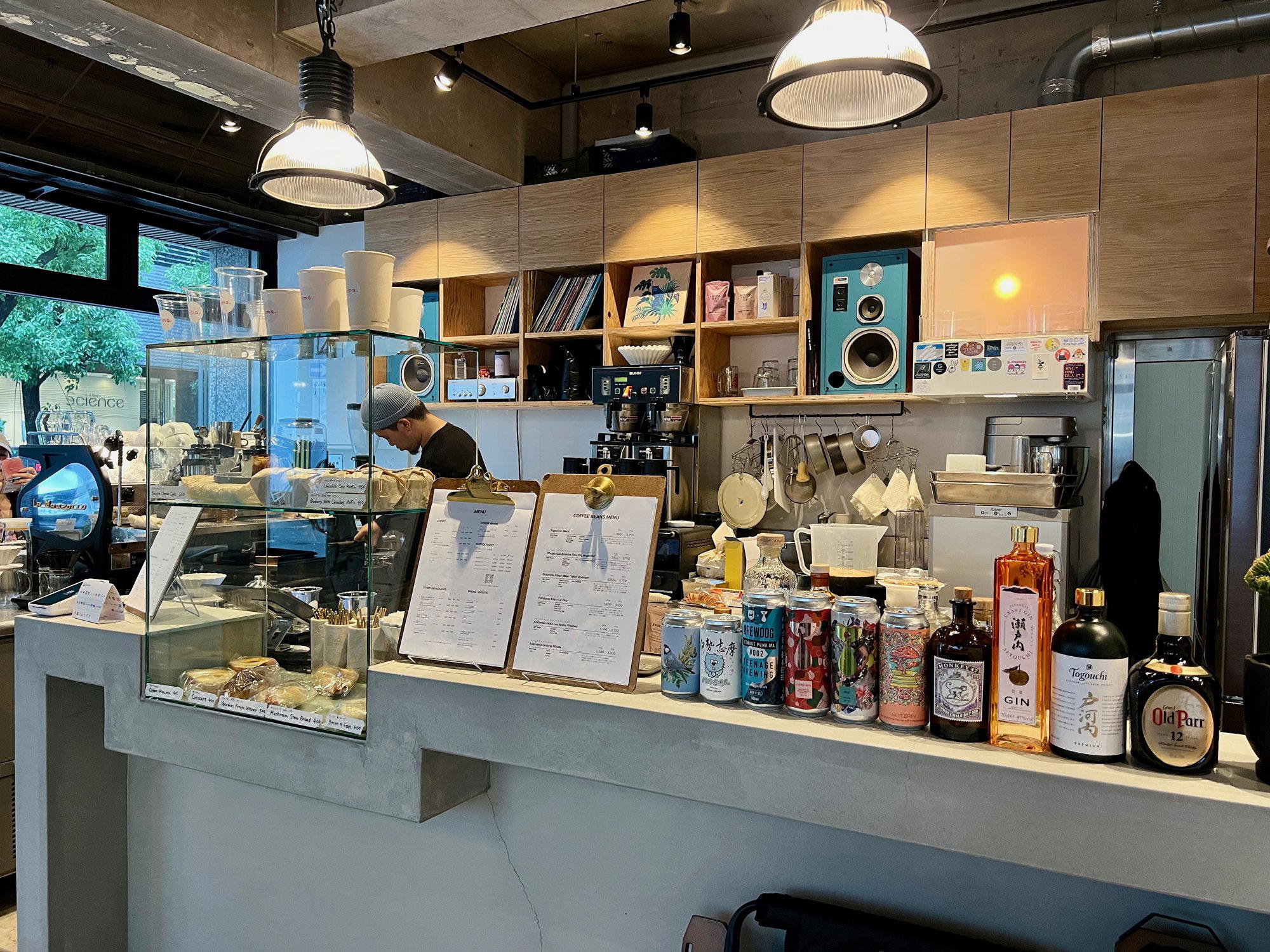
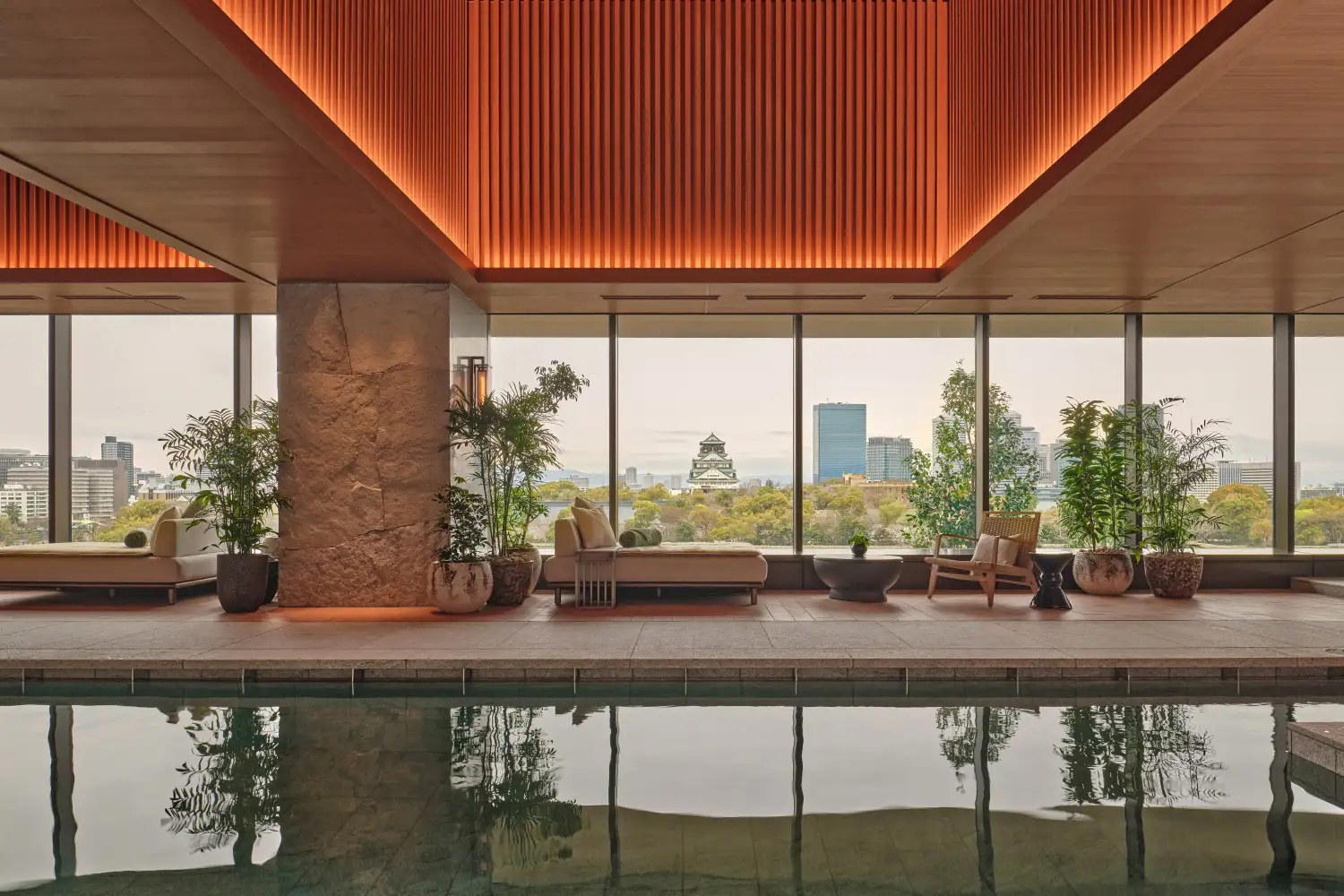
Ampere Coffee & Kitchen operates in the accessible hotel dining tier that Osaka does well: relaxed but purposeful, without the formality of a kaiseki room or the rush of a standing counter. The all-day format means the room shifts in rhythm from a morning buffet crowd to a more casual midday and afternoon pace. Expect a setting that fits both a working breakfast and a slow coffee stop.
Does Ampere Coffee & Kitchen serve Japanese food alongside Western breakfast options?
Yes. The all-day dining offer at Ampere Coffee & Kitchen is built around a locally-inspired and international framework, which in an Osaka context means the kitchen draws on both Japanese culinary traditions and Western breakfast conventions. The breakfast buffet format is where that dual focus is most apparent, a structure common to Osaka's hotel dining tier and taken more seriously here than in comparable European hotel settings.
What should I eat at Ampere Coffee & Kitchen?
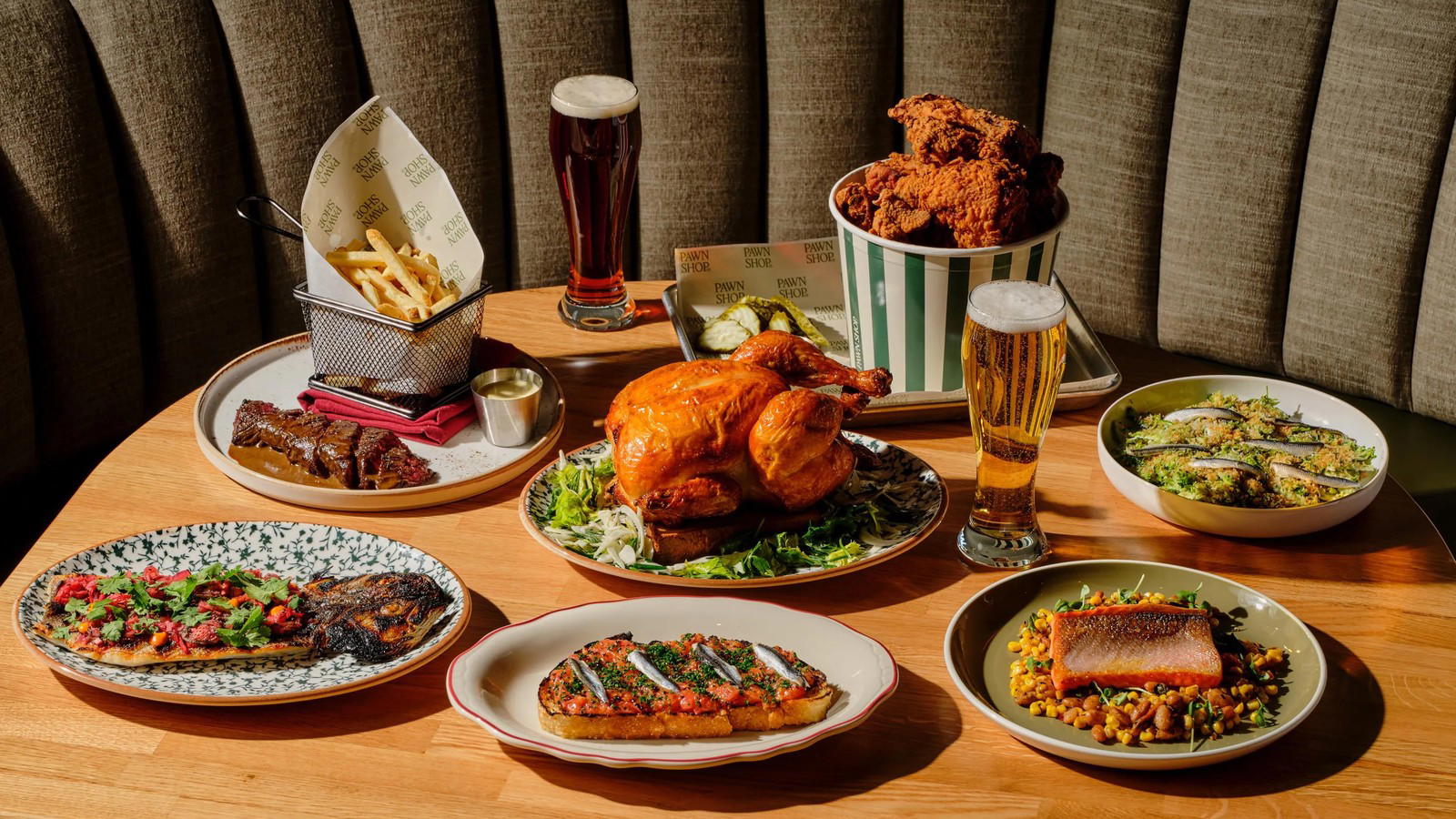
The kitchen runs a menu that spans locally-inspired dishes alongside international favourites, which in Osaka's context typically means the local side draws on the city's preference for abundance over restraint. The breakfast buffet is the most structured entry point, covering both Japanese and Western bases. Beyond breakfast, the all-day format allows the kitchen to move across cuisines without committing to a single register.
City Peers
Comparable venues nearby, for context on price, style, and recognition.
| Venue | Cuisine | Price | Awards | Notes |
|---|---|---|---|---|
| Ampere Coffee & KitchenThis venue (the venue you are viewing) | Japanese-International All-Day Cafe | $10–20 | Not listed | Not listed |
| Chitose (千とせ) | Osaka-style Okonomiyaki | $10–20 | Not listed | Minami Horie |
| Rakuraku Udon | Handmade Udon | $10–20 | Not listed | Katano |
| Restaurant Genchan | Japanese-Style Western (Yoshoku) Restaurant | $20–30 | Tabelog 100 #9 | Chūō |
| Jikaseimen Tsukiyomi | Japanese Ramen / Tsukemen | $10–20 | Tabelog 100 #68 | Higashiyodogawa |
| Soba Kiri Tensho | Traditional Japanese soba noodle shop | $20–30 | Tabelog 100 #55 | Hirakata |


Continue exploring
More in Osaka
Restaurants in Osaka
All restaurants in Osaka →


Bars in Osaka
All bars in Osaka →


Hotels in Osaka
All hotels in Osaka →



Wineries in Osaka
Browse all →
Details
- Casual
- Modern
- Cozy
- Brunch
- Casual Hangout
- Family
- Hotel Restaurant
- Local Sourcing
- Buffet
- A La Carte
- Coffee
- Tea
Current opening hours
- Monday
- 7 AM–8 PM
- Tuesday
- 7 AM–8 PM
- Wednesday
- 7 AM–8 PM
- Thursday
- 7 AM–8 PM
- Friday
- 7 AM–8 PM
- Saturday
- 7 AM–8 PM
- Sunday
- 7 AM–8 PM
Hours can change for holidays and private events. Hours as of .
Modern, welcoming atmosphere designed with natural materials and muted tones reflecting Japanese aesthetic principles, suitable for casual dining throughout the day.