Located on East 12th Street in Manhattan's Greenwich Village, Amo occupies a neighborhood long defined by the tension between old-world Italian tradition and New York's restless appetite for reinvention. The address places it inside a dining corridor where the cuisine's cultural roots carry as much weight as the plate itself. For the broader Italian dining conversation in New York, Amo is a reference point worth understanding.
 Discover on Pearl
Pearl is the En Primeur Club membership app — saves, bookings, and concierge access live there. Same editors, same standards.
- Address
- 15 E 12th St, New York, NY 10003
- Phone
- +12128716877
- Website
- amoseafood.com
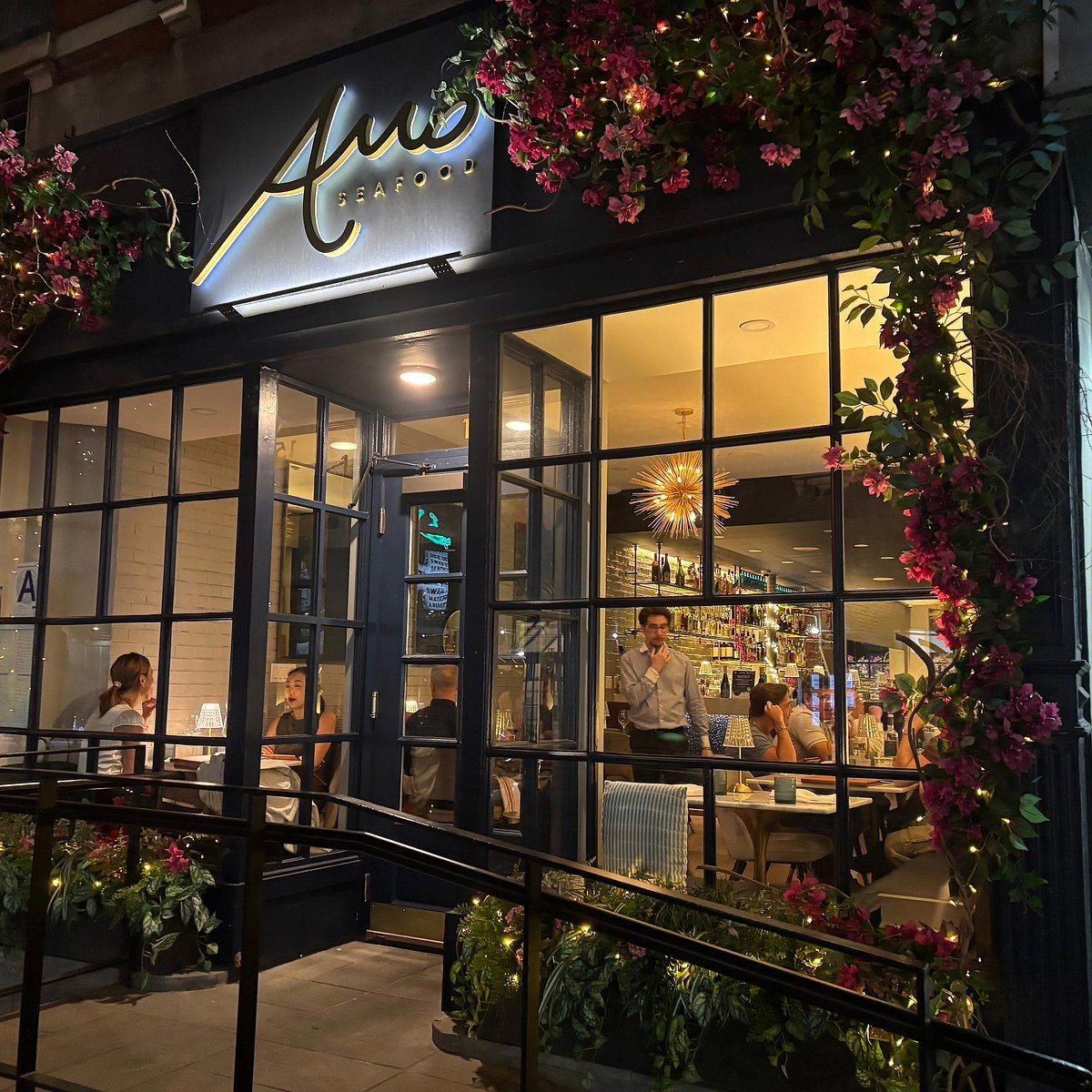
Italian Dining in New York: The Weight of Tradition on a Single Block
Greenwich Village has been arguing about Italian food for over a century. The neighborhood's original Italian-American enclaves gave way to a different kind of Italian restaurant over the following decades: one less interested in red-sauce nostalgia and more focused on the regional specificity that defines how Italy actually eats. East 12th Street, where Amo sits, is part of that evolved corridor, close enough to the Village's historic core to carry some of its cultural gravity, and far enough from the tourist circuits of Mulberry Street to attract a different kind of diner.
That geographic context matters when you are reading the Italian dining map in Manhattan. The city's premium Italian tier has split into at least three distinct groups: the grand formal houses with European service and wine programs priced against Burgundy; the contemporary Italian rooms that borrow from the Nordic and Japanese playbook in their sourcing discipline; and the neighborhood-anchored trattorie that resist both trends and charge accordingly for the restraint. Where a given address falls inside that grouping shapes everything from the menu register to the reservation lead time. Amo's East 12th Street position places it in a part of the city where all three models have coexisted and competed for the same tables.
The Cultural Roots of the Cuisine
Italian cooking in New York has never been a single tradition. The earliest waves brought the southern Italian and Sicilian patterns that became the city's default understanding of the cuisine: tomato-heavy, generous, built for feeding large tables. The post-war decades layered in a northern Italian counternarrative, one focused on butter, cream, and the longer, slower rhythms of Emilian and Lombard cooking. By the 1980s and 1990s, the city's Italian rooms were sorting themselves by region in ways that would have been unrecognizable to the earlier immigrant communities.
What followed was a deeper granularity still. The conversation around Italian food in New York's serious dining rooms now regularly distinguishes between the coastal Ligurian tradition and the landlocked Piedmontese one, between the fermented and aged dairy cultures of the north and the olive-oil-driven south. Restaurants like Frasca Food and Wine in Boulder demonstrated that Italian regional cooking could anchor a serious fine dining program outside Italy's borders, treating Friulian tradition with the same rigor that French-trained kitchens apply to classical technique. That model has influenced how a younger generation of Italian-focused chefs thinks about the genre across American cities.
In New York specifically, that rigor has raised the floor on what the cuisine is expected to deliver at the premium end. The Italian rooms that survive at the top of the market are no longer competing on familiarity and comfort alone. They are competing on the same terms as the French and Japanese establishments that occupy the city's Michelin-starred tiers, places like Le Bernardin, Per Se, and Masa, which have held their positions by treating technique and sourcing as non-negotiable disciplines rather than differentiating features.
The Greenwich Village Dining Corridor
The stretch of lower Manhattan between Union Square and the West Village is one of the city's most densely argued-over dining territories. Union Square anchors one end with its greenmarket, which has supplied serious kitchens for decades and established a sourcing culture that now extends well beyond its Saturday morning footprint. The Flatiron district to the north holds a concentration of tasting-menu formats: Eleven Madison Park and Atomix both operate within a short radius, at price points and ambition levels that define the ceiling for the broader neighborhood cluster.
East 12th Street itself is a transitional address, residential in character but close enough to the commercial density of 14th Street to draw foot traffic from multiple directions. Venues in this zone tend to attract a local-leaning crowd that returns regularly rather than the destination-dining visitor making a once-a-year reservation. That dynamic rewards consistency over spectacle, which has historically been the operating principle of the neighborhood's most durable Italian rooms.
The comparison is useful when placing Amo in its comparable set. Italian dining at a similar price register and ambition level in New York tends to draw comparisons across a fairly defined group of addresses, and the Village corridor is one of its natural centers. Further afield, the American fine dining conversation about place and sourcing that runs through venues like Blue Hill at Stone Barns in Tarrytown and Single Thread Farm in Healdsburg has also reshaped what diners expect from ingredient-focused cooking in this tier, including from Italian-leaning kitchens.
Planning Your Visit
The neighborhood is accessible by subway from multiple lines converging at Union Square, and the surrounding blocks offer enough pre- and post-dinner options to build an evening around the meal.
How Amo Compares on Logistics
| Venue | Cuisine | Price Tier | Booking Lead Time |
|---|---|---|---|
| Amo | Italian | Not confirmed | Not confirmed |
| Le Bernardin | French, Seafood | $$$$ | Several weeks |
| Eleven Madison Park | French, Vegan | $$$$ | Months in advance |
| Atomix | Modern Korean | $$$$ | Months in advance |
| Per Se | French, Contemporary | $$$$ | Several weeks |
| Masa | Sushi, Japanese | $$$$ | Several weeks |
For readers building a longer itinerary around serious Italian cooking across the United States, comparison points outside New York are worth factoring in. Smyth in Chicago, Providence in Los Angeles, and Addison in San Diego each represent the premium dining posture in their respective cities, offering a useful benchmark for what the tier delivers in different markets. Internationally, Atelier Moessmer Norbert Niederkofler in Brunico and Dal Pescatore in Runate represent the Italian source tradition at its most anchored, and both function as useful reference points for understanding what serious Italian cooking looks like in its original context.
Other American fine dining programs alongside the Village Italian conversation include Lazy Bear in San Francisco, Emeril's in New Orleans, The French Laundry in Napa, and The Inn at Little Washington, each of which has defined a regional dining identity over multiple decades.
Cuisine Lens
Comparable venues nearby, for context on price, style, and recognition.
| Venue | Cuisine | Price | Awards | Notes |
|---|---|---|---|---|
| AmoThis venue — the venue you are viewing | Neapolitan Seafood | $$$ | , | |
| Crave Fishbar | Sustainable Seafood | $$$ | , | East Midtown-Turtle Bay |
| Grand Banks | Sustainable Seafood Oyster Bar | $$$ | , | Tribeca-Civic Center |
| Lure Fishbar | Modern Seafood & Sushi | $$$ | 1 recognition | SoHo-Little Italy-Hudson Square |
| Aquarelle | Mediterranean Seafood | $$$$ | , | East Village |
| Acme Smoked Fish | Smoked Fish & Cured Delicacies | $$ | , | Greenpoint |
Continue exploring
More in New York City
Restaurants in New York City
Browse all →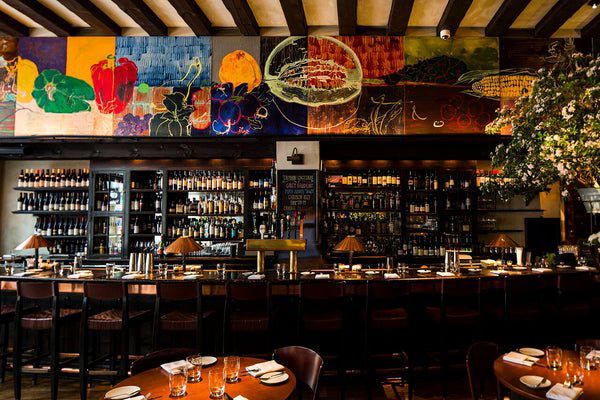
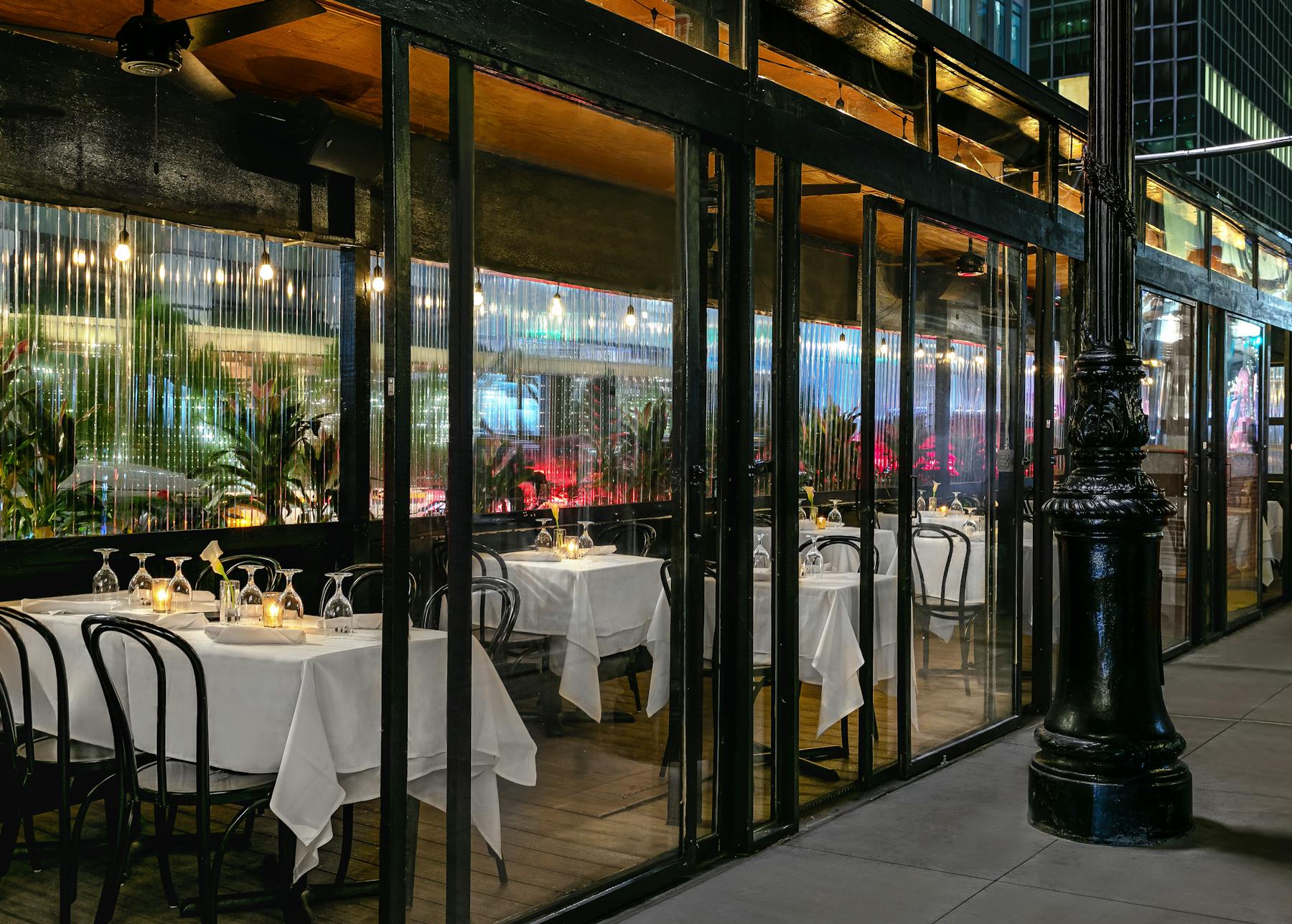
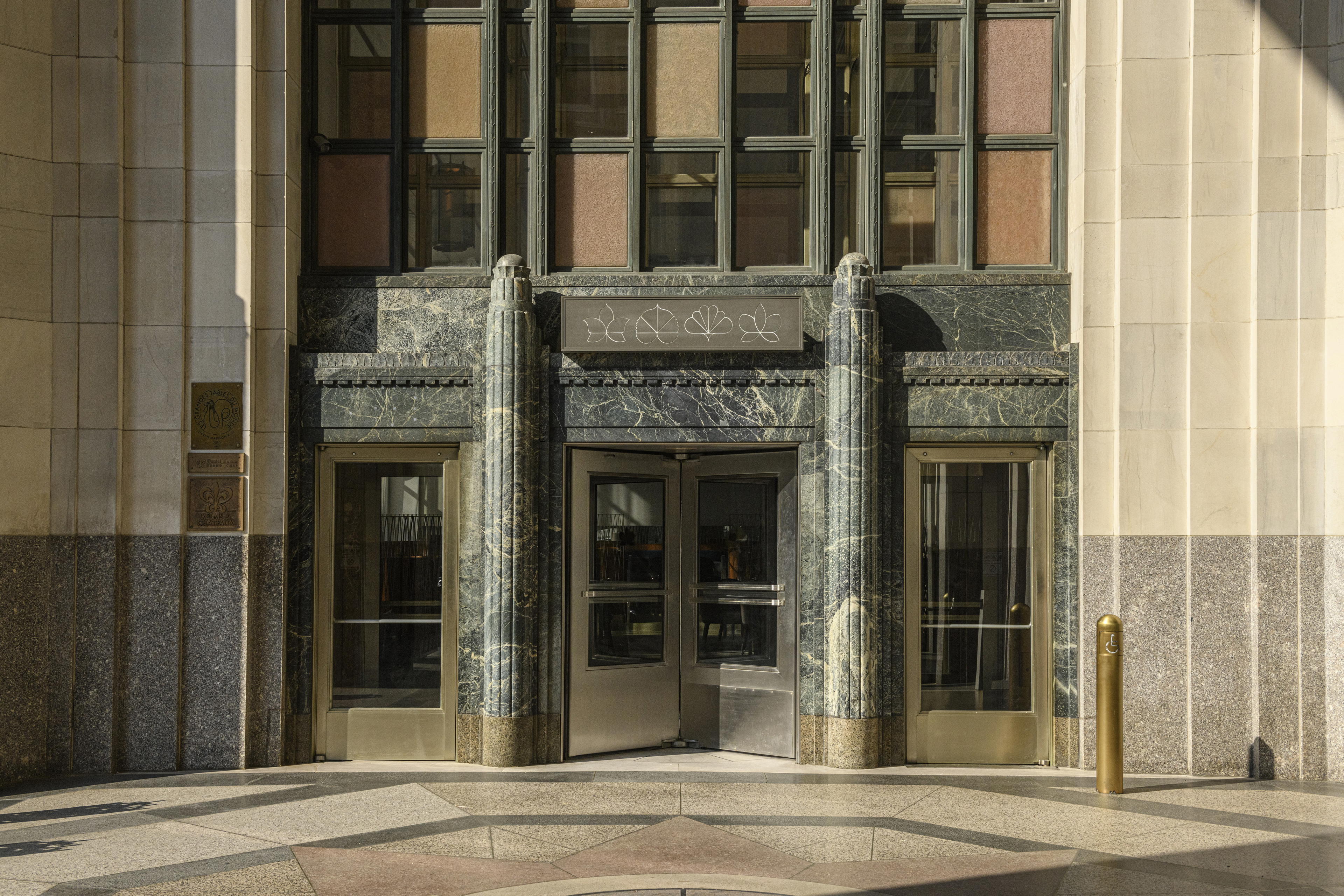
Bars in New York City
Browse all →
Hotels in New York City
Browse all →


At a Glance
- Elegant
- Intimate
- Sophisticated
- Date Night
- Special Occasion
- Open Kitchen
- Extensive Wine List
- Sustainable Seafood
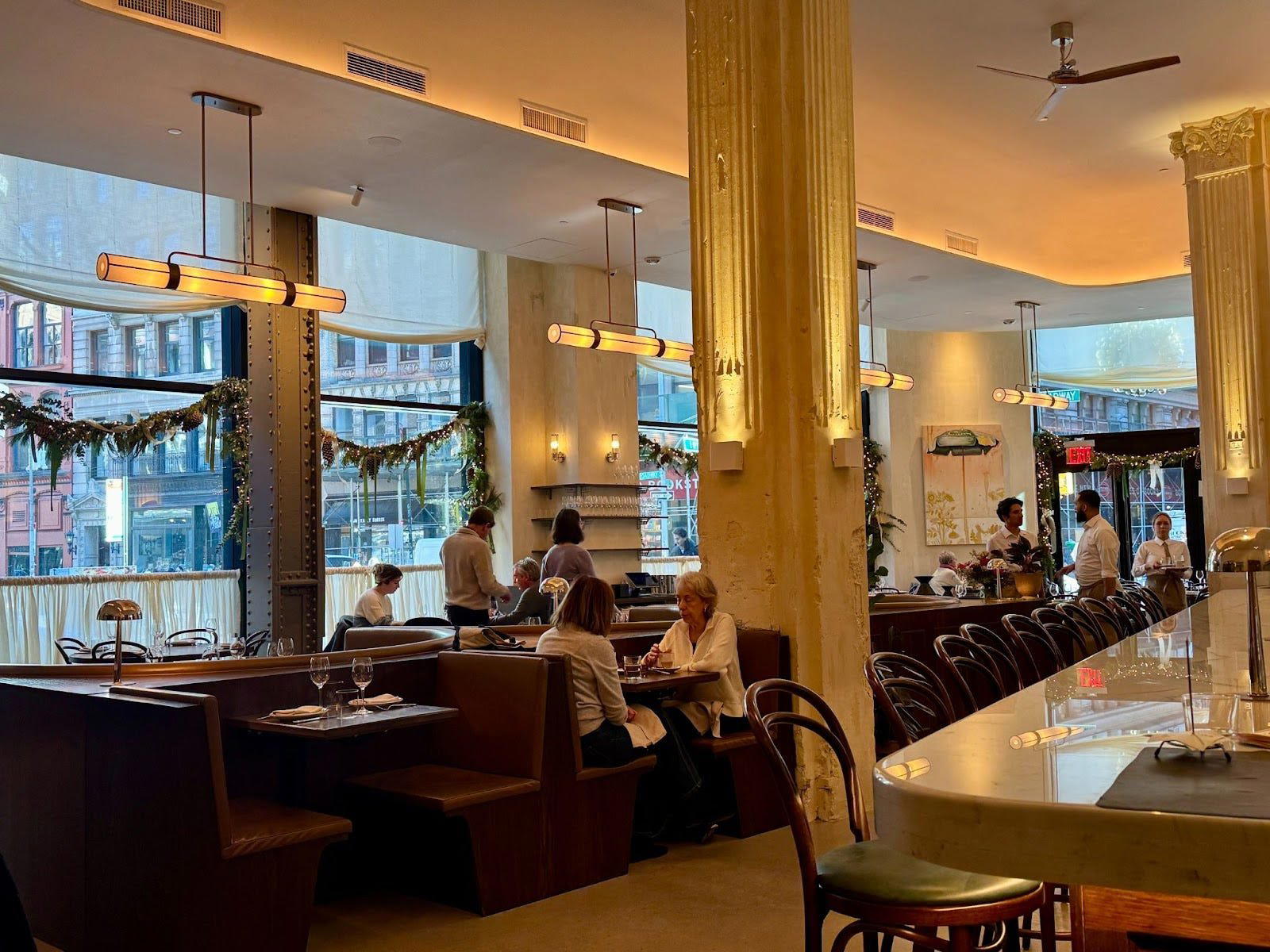
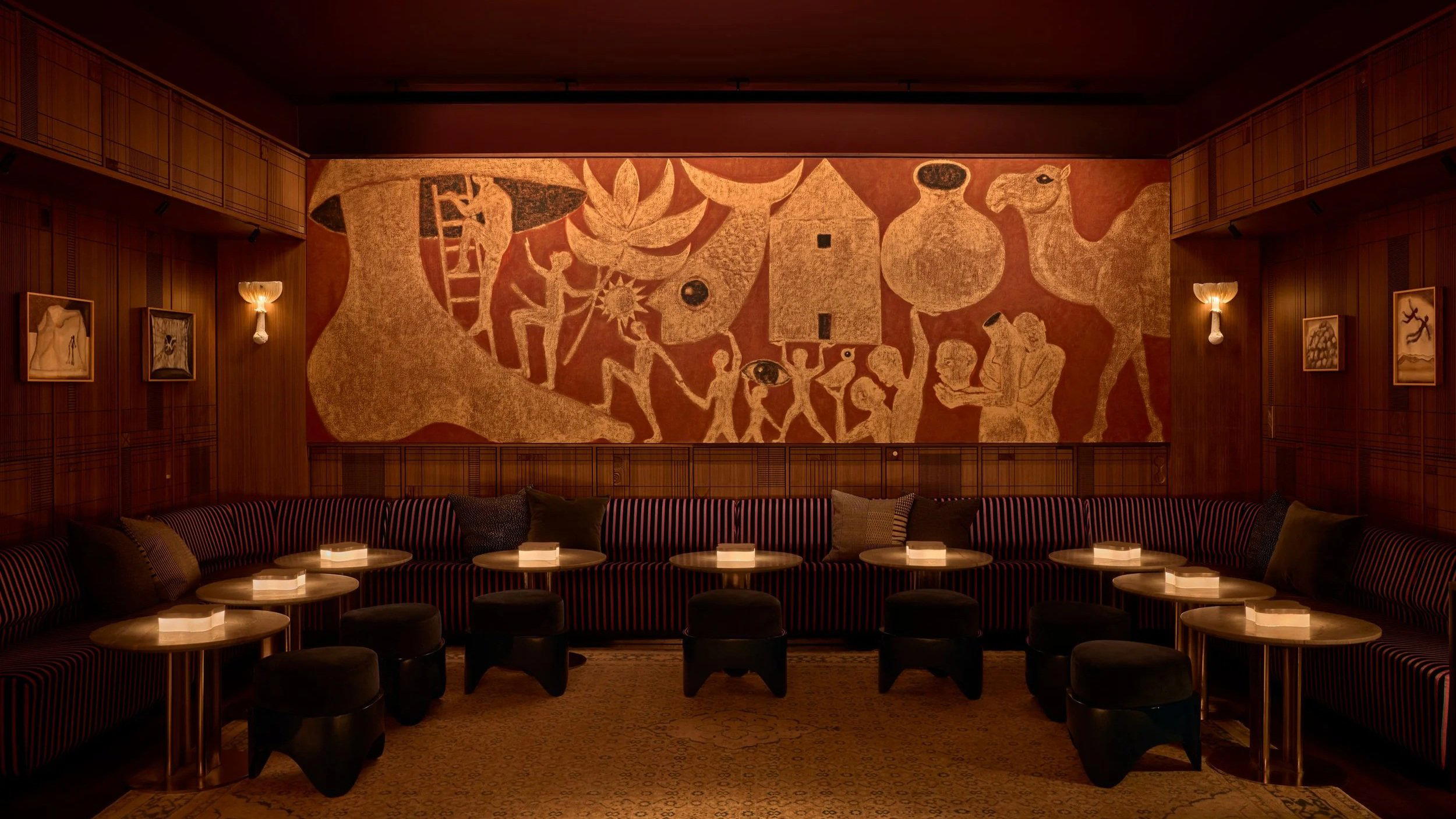
Vibrant yet evocative of coastal Italy, with a memorable giant hook installation symbolizing both 'hook' and 'love'.