Crave Fishbar
Our verdict
Crave Fishbar on 2nd Avenue sits inside Midtown East's quieter stretch of serious seafood, where the emphasis is on direct, ingredient-led cooking rather than white-tablecloth ceremony. The room occupies a working register between neighborhood fish house and considered bar dining, drawing regulars who want focused seafood without the formality of Le Bernardin's price tier. It holds a consistent position in a city where dedicated fish-focused rooms are rarer than the menu competition would suggest.

Pearl is the En Primeur Club membership app, where members save venues, book tables and use the concierge.
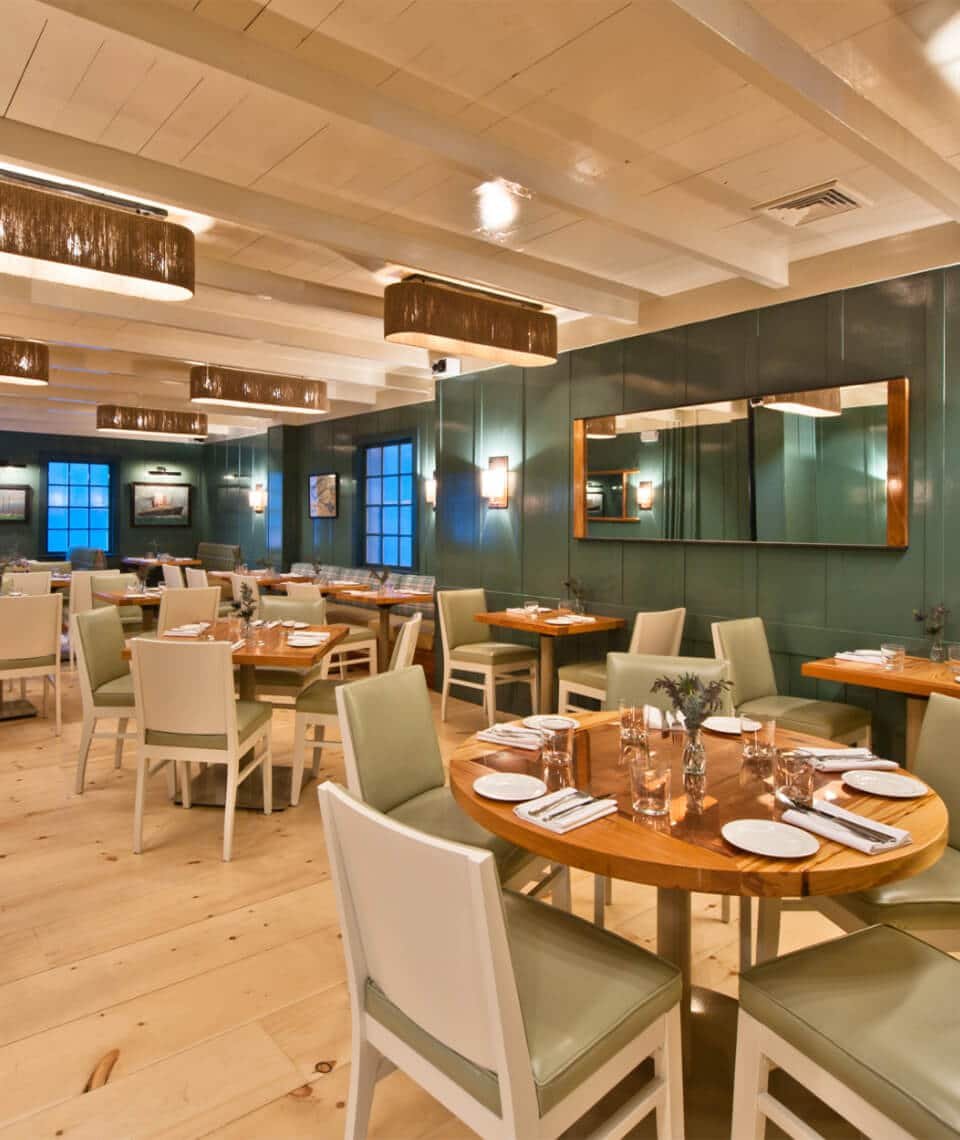
Midtown East and the Seafood Middle Ground
New York's seafood dining has always organized itself around two poles: the cathedral-ceiling formality of rooms like Le Bernardin, where a three-Michelin-star French kitchen defines every plate in classical terms, and the loose, counter-style fish bars that trade on freshness and volume over refinement. Between those poles sits a smaller, less-discussed tier of restaurants that are too focused to be generic and too casual to compete with the tasting-menu circuit. Crave Fishbar at 945 2nd Avenue occupies that middle ground in Midtown East, a neighborhood that generates consistent demand for seafood but rarely produces the kind of culinary conversation that attaches to the West Side or downtown.
The 2nd Avenue corridor between 50th and 53rd Streets runs through a stretch of the city that feeds office workers at lunch and neighborhood residents at dinner, neither of which tends to generate the kind of crowd that queues for a reservation months in advance. That dynamic creates a different kind of dining room: one where regularity and reliability matter more than novelty, and where the measure of a seafood kitchen is whether it can keep produce quality consistent across a long service day. For a fish-focused concept, that is a harder test than it sounds in a city where supply chain quality varies sharply by season and by how much a kitchen is willing to pay for it.
The Atmosphere a Seafood Bar Builds
The sensory register of a well-run fishbar is distinct from other restaurant categories. Salt is present before the food arrives, in the way proximity to a raw bar changes the air in a room. Ice, shell, and brine create a baseline that primes expectation in a way that a meat-focused or pasta-focused kitchen does not. Crave Fishbar works within that register on 2nd Avenue, where the format asks the room itself to signal freshness before a single plate lands on the table.
In Midtown East, where the dining room competition skews toward steakhouses and midrange Italian, a dedicated seafood counter carries a kind of categorical clarity that is relatively rare in its immediate geography. The neighborhood does not have the density of fish-focused rooms that you find in, say, the West Village or around the Fulton Fish Market's gravitational pull in Lower Manhattan. That scarcity shapes how a room like this reads to a regular: it becomes a fixture rather than a destination, which is a different and arguably more durable commercial position.
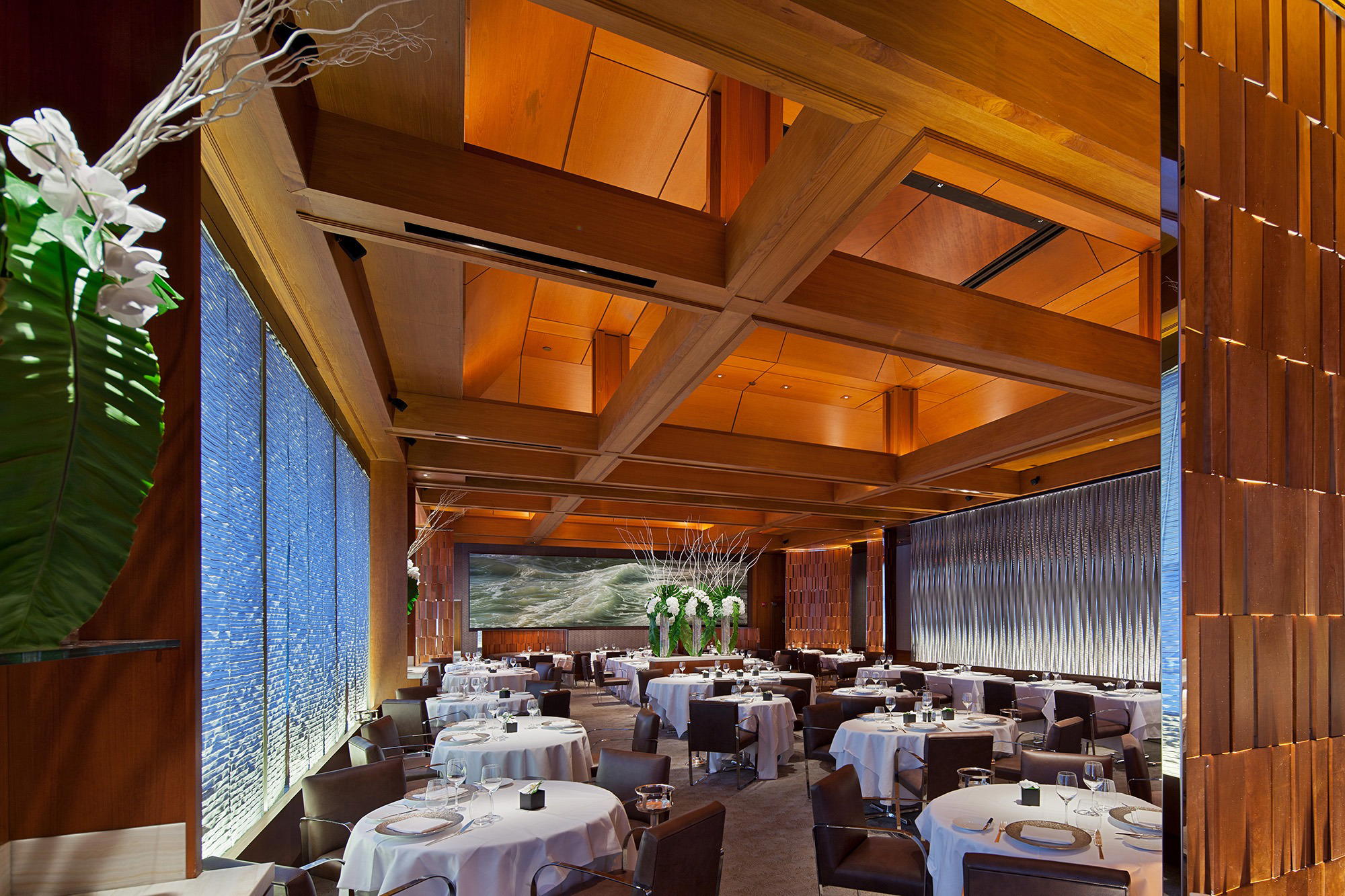
Compare that positioning to what happens at the upper end of the New York seafood tier. At Le Bernardin, the room is silent enough to hear the carpet. At Masa, the counter format builds intimacy through extreme scarcity and price. At Eleven Madison Park, the seafood element now exists inside a plant-forward framework that has moved the restaurant into an entirely different conversation. Crave Fishbar does not compete with any of those rooms, and that is precisely the point: the mid-register seafood bar serves a function that a $400 tasting menu cannot, and in a city as vertically organized by price as New York, that function has real value.
Seafood Dining in New York: What the Category Looks Like
Dedicated seafood restaurants in New York have always operated in the shadow of the city's steakhouse culture and its French fine-dining establishments. The Fulton Fish Market's move to the Bronx in 2005 changed supply logistics for many kitchens, consolidating wholesale purchasing in ways that affected which restaurants could afford the freshest catch. At the leading end, access to premium day-boat fish is a given; further down the price scale, sourcing discipline becomes the primary differentiator between a competent seafood kitchen and a mediocre one.
The broader American seafood dining scene offers useful comparisons. Providence in Los Angeles operates at the formal end of seafood-focused tasting menus on the West Coast, while Single Thread Farm in Healdsburg integrates seafood into a broader farm-to-table framework where the sourcing narrative is as important as the plate. In Europe, Dal Pescatore in Runate demonstrates what a multigenerational commitment to a regional ingredient tradition looks like over decades. These reference points exist at different price tiers and different scales, but they all make the same underlying argument: that a focused seafood kitchen succeeds or fails on the quality of its sourcing decisions, not on the complexity of its technique.
In New York specifically, the restaurants that hold long-term positions in their neighborhoods tend to be the ones that solve a logistical problem for their local customer base rather than chasing a critical narrative. Atomix and Per Se operate in a register where destination dining is the explicit proposition. A 2nd Avenue seafood bar is solving a different problem entirely: consistent, seafood-forward cooking within walking distance of a large residential and office population, at a price that does not require advance planning of the kind that Per Se demands.
For readers building a broader picture of serious seafood dining across the United States, the range runs from the informal fish house format through to destination rooms with multi-year recognition from major award bodies. Blue Hill at Stone Barns in Tarrytown integrates aquaculture sourcing into a wider agricultural narrative. Addison in San Diego operates at the formal tasting-menu tier with California coastal ingredients at the center. Our full New York City restaurants guide maps the wider field for readers planning a longer itinerary across the city's dining categories.
Know Before You Go
Address: 945 2nd Ave, New York, NY 10022
Neighborhood: Midtown East, Manhattan
Category: Seafood bar, mid-register dining
Price tier: Mid-range relative to New York's upper seafood tier; confirm current pricing directly with the venue
Getting there: The 2nd Avenue address places it within walking distance of the Lexington Avenue subway lines at 51st Street (6 train) and Grand Central Terminal
Frequently asked questions
What's the must-try dish at Crave Fishbar?
Should I book Crave Fishbar in advance?
What's Crave Fishbar leading at?
Do they accommodate allergies at Crave Fishbar?
How does Crave Fishbar fit into Midtown East's dining options for a seafood-focused meal?
At-a-Glance Comparison
Comparable venues nearby, for context on price, style, and recognition.
| Venue | Cuisine | Price | Notes |
|---|---|---|---|
| Crave FishbarThis venue (the venue you are viewing) | Sustainable Seafood | $50–100 | Not listed |
| The Yacht Club | Seafood-Focused Coastal American | $50–100 | Chelsea-Hudson Yards |
| Blue Fin | Modern Seafood and Sushi | $30–50 | Midtown-Times Square |
| Lure Fishbar | Modern Seafood & Sushi | $50–100 | SoHo-Little Italy-Hudson Square |
| Grand Banks | Sustainable Seafood Oyster Bar | $50–100 | Tribeca-Civic Center |
Continue exploring
More in New York City
Restaurants in New York City
All restaurants in New York City →
Bars in New York City
All bars in New York City →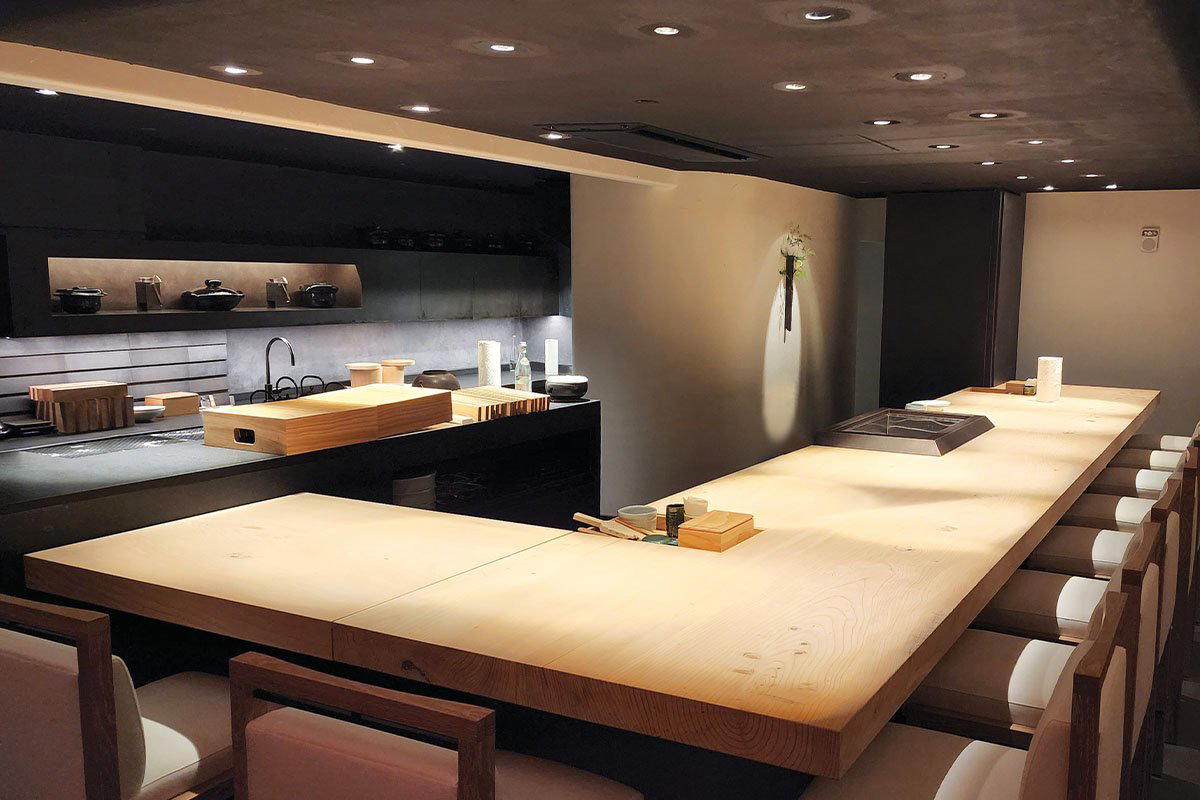


Details
- Trendy
- Lively
- Modern
- Date Night
- Business Dinner
- Special Occasion
- Extensive Wine List
- Sustainable Seafood
- Local Sourcing
- A La Carte
- Small Plates
- Wine
- Beer
- Gluten Free Options
Current opening hours
- Monday
- 5–10 PM
- Tuesday
- 5–10 PM
- Wednesday
- 5–10 PM
- Thursday
- 5–10 PM
- Friday
- 5–10 PM
- Saturday
- 5–10 PM
- Sunday
- 5–10 PM
Hours can change for holidays and private events. Hours as of .
Upscale neighborhood setting with warm hospitality and a focus on fresh raw bar and creative dishes.