Grand Banks
Grand Banks occupies a historic wooden schooner moored at Pier 25 on the Hudson River, bringing a seafood-focused program to one of Lower Manhattan's few genuinely maritime settings. The vessel's deck and below-deck bar draw a mixed crowd of after-work drinkers and weekend diners who come as much for the water views as the oysters. It sits in a category of its own among New York's outdoor dining options.
Pearl is the En Primeur Club membership app — saves, bookings, and concierge access live there. Same editors, same standards.
- Address
- Park, Pier 25 Hudson River, New York, NY 10013
- Phone
- +1 212 660 6312
- Website
- crewny.com
- Directions
- Get directions
 Saves & bookings on Pearl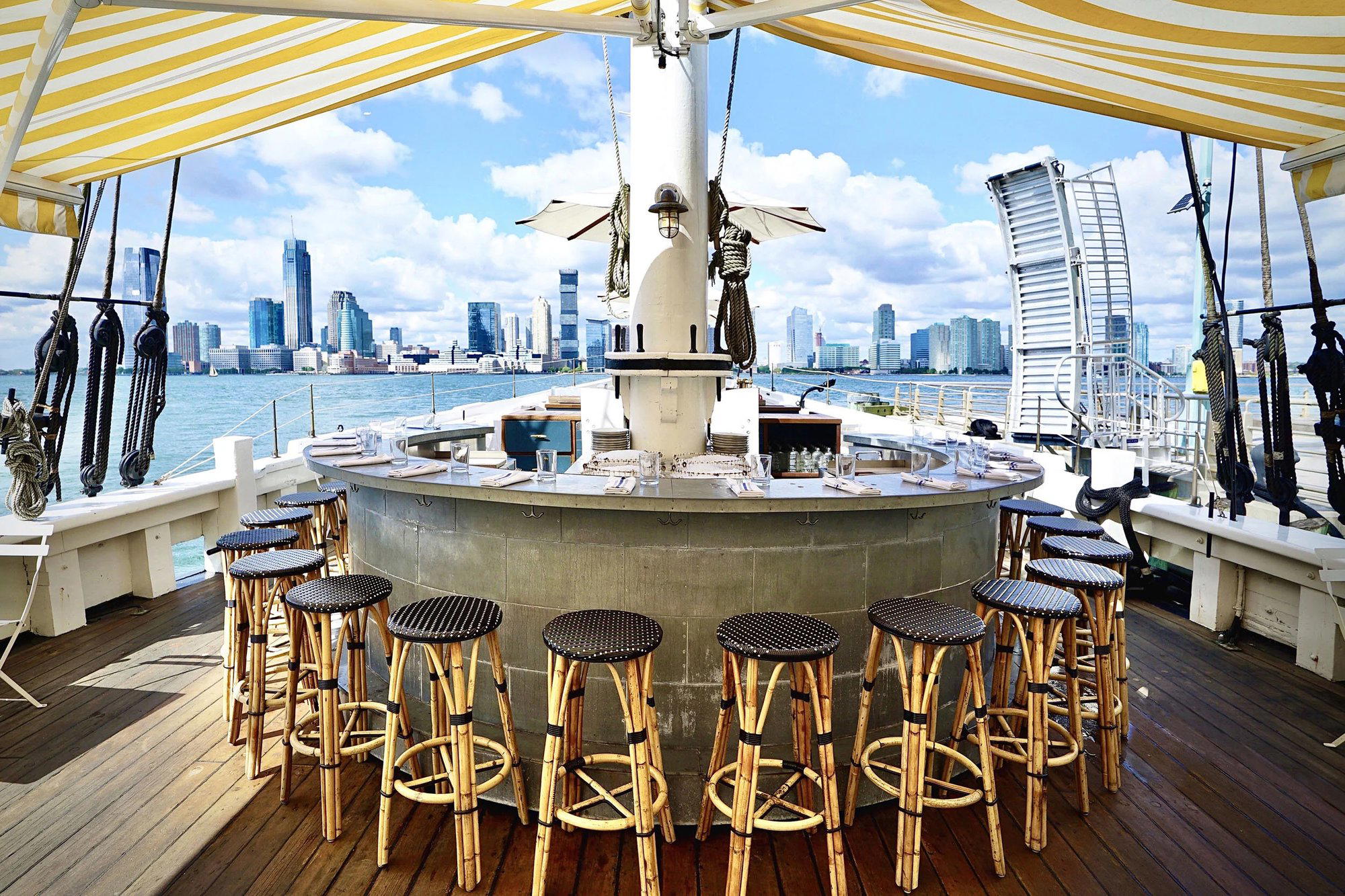
A Working Waterfront, Rediscovered
New York's relationship with its own shoreline has always been complicated. For most of the twentieth century, the Hudson was industrial infrastructure first and public amenity second, and the idea of eating well on the water in Lower Manhattan was, practically speaking, not an option. The High Line changed how the city thought about reclaimed infrastructure; the Hudson River Park did something similar for the waterfront itself. Grand Banks, at Pier 25 in Tribeca, sits inside that longer story of a city re-engaging with water it had largely written off.
The vessel in question is the Sherman Zwicker, a Grand Banks fishing schooner built in 1942 in Nova Scotia and once used in the cod fisheries of the North Atlantic. That provenance is not incidental decoration. The Grand Banks fishing grounds, the shallow continental shelf off Newfoundland, were among the more consequential fishing territories in the history of Atlantic seafood culture, sustaining communities on both sides of the ocean for centuries before industrial trawling collapsed the cod stocks in the late twentieth century. Placing a seafood-focused bar and restaurant on a vessel with that name and that history is a specific editorial choice, even if most guests absorb it only at the level of atmosphere.
The Scene on Deck
Arriving at Pier 25 on a warm evening, the Sherman Zwicker is hard to miss: a tall-masted wooden schooner sitting low in the water, strung with lights, with the Hudson stretching west toward New Jersey and the sun dropping behind it. The setting compresses a lot of New York geography into a single view. You are technically in Tribeca, but the pier puts you far enough from the street grid that the city feels like backdrop rather than context.
Deck seating is the draw, and it operates on a first-come basis on most evenings, which means the calculus for visiting is seasonal and timing-dependent. The crowd skews toward people who plan around weather windows: finance workers finishing early on Fridays, visitors who have done their research, couples who have been before. Below deck, the bar runs year-round in a more enclosed format, which shifts the experience considerably, intimate and nautical rather than expansive and open-air.
The restaurant operates at a different register entirely: casual in format, specific in setting, and priced to match a bar-and-oysters occasion rather than a tasting menu evening. The two venues address seafood culture in the same city through almost entirely different lenses.
Oysters and the Atlantic Tradition
The food program centers on oysters and seafood in formats that reference the broader East Coast raw-bar tradition. That tradition has its own geography: the oyster cultures of the Chesapeake, Long Island Sound, the Gulf of Maine, and Prince Edward Island have each produced distinct flavors and growing methods, and serious raw bars in New York now rotate through a range of East Coast appellations with some consistency. The restaurant operates within that convention, using the vessel's heritage as a frame for what is otherwise a recognizable New York waterfront seafood offering.
Oysters as a category have a particular resonance in New York specifically. The city was once the oyster capital of North America, with beds in Jamaica Bay, the Gowanus, and the waters around Staten Island supplying a mass-market shellfish culture that fed working-class New Yorkers before pollution and overharvesting ended it in the twentieth century. The Billion Oyster Project, an ongoing restoration effort in New York Harbor, is slowly reintroducing native oysters to those waters. Eating oysters at a venue moored in the Hudson sits inside that history, whether the menu makes it explicit or not.
For readers whose interest in seafood-forward dining runs toward the more formal end of the spectrum, venues like Providence in Los Angeles and ITAMAE in Miami represent how seafood-centric programs translate into destination dining formats. At the other end of the formality register, Oyster Oyster in Washington, D.C. shows how shellfish culture can anchor a conceptually focused small-plates program. The restaurant sits outside both of those categories: the emphasis is on the setting and the occasion as much as the plate.
Context in New York's Outdoor Dining Scene
New York has a constrained outdoor dining culture relative to its size. The density of the street grid, the dominance of interior restaurant formats, and the compressed real estate market mean that genuinely outdoor, water-facing dining options are rare. The restaurant competes in a small set: the handful of pier and waterfront venues that offer food and drink in a setting that reads as departure from the city's default indoor posture.
Nearby, Classic Harbor Line offers a different version of the Hudson River experience, operating sailing cruises that place the water experience at the center rather than as backdrop. The two venues share a geographic neighborhood and a nautical register while addressing different audience intentions.
Those interested in how serious tasting-menu programs operate across the country can reference The French Laundry in Napa, Smyth in Chicago, Atomix in New York City, Blue Hill at Stone Barns in Tarrytown, or Addison in San Diego for the fine-dining end of the spectrum. The restaurant addresses a different set of reader needs, occasion-driven, weather-dependent, and centered on the specificity of its setting rather than the ambition of its kitchen.
Planning a Visit
The restaurant operates seasonally on deck, with the outdoor program running from spring through fall and dependent on weather. The below-deck bar extends the season into cooler months. Pier 25 is accessible on foot from the Tribeca neighborhood and reachable via the 1 train at Franklin Street or the A/C/E at Canal Street. Walk-in seating is the norm for the deck on most evenings, so early arrival matters if you want a specific spot. Weekend visits can mean longer waits for deck tables on warm evenings.
Cost and Credentials
Comparable venues nearby, for context on price, style, and recognition.
| Venue | Cuisine | Price | Notes |
|---|---|---|---|
| Grand BanksThis venue — the venue you are viewing | Not listed | $$$ | Not listed |
| Blue Fin | Not listed | $$$ | Midtown-Times Square, Modern Seafood and Sushi |
| Oceana | Midtown-Times Square, Modern Seafood | $$$ | Not listed |
| The Clam Bar | Greenwich Village, American Seafood | $$$ | Not listed |
| Seamore's | Not listed | $$ | Downtown Brooklyn-DUMBO-Boerum Hill, Sustainable Seafood |
| Strange Delight | Not listed | $$ | Fort Greene, New Orleans-Inspired Seafood |
Continue exploring
More in New York City
Restaurants in New York City
Browse all →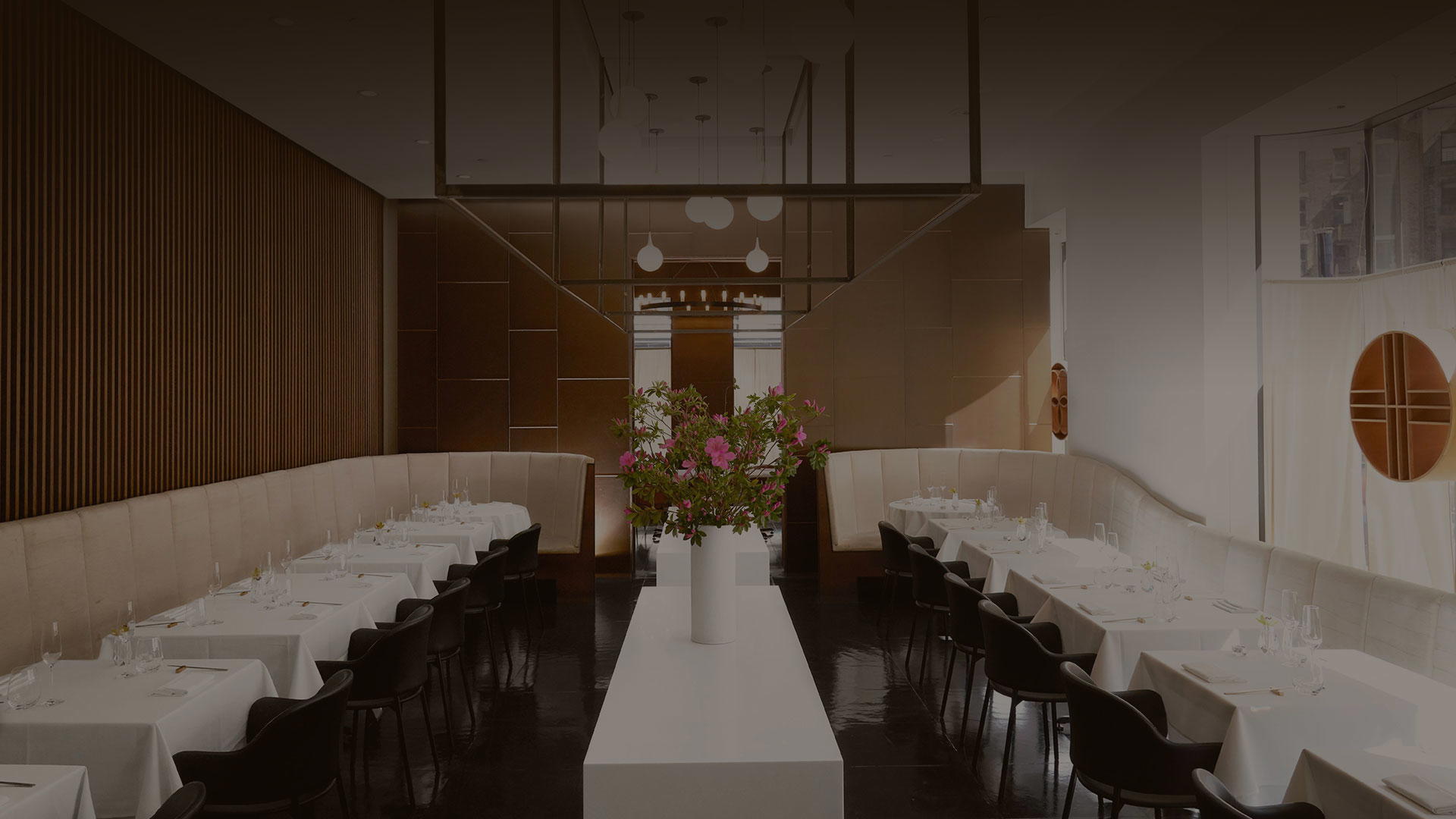
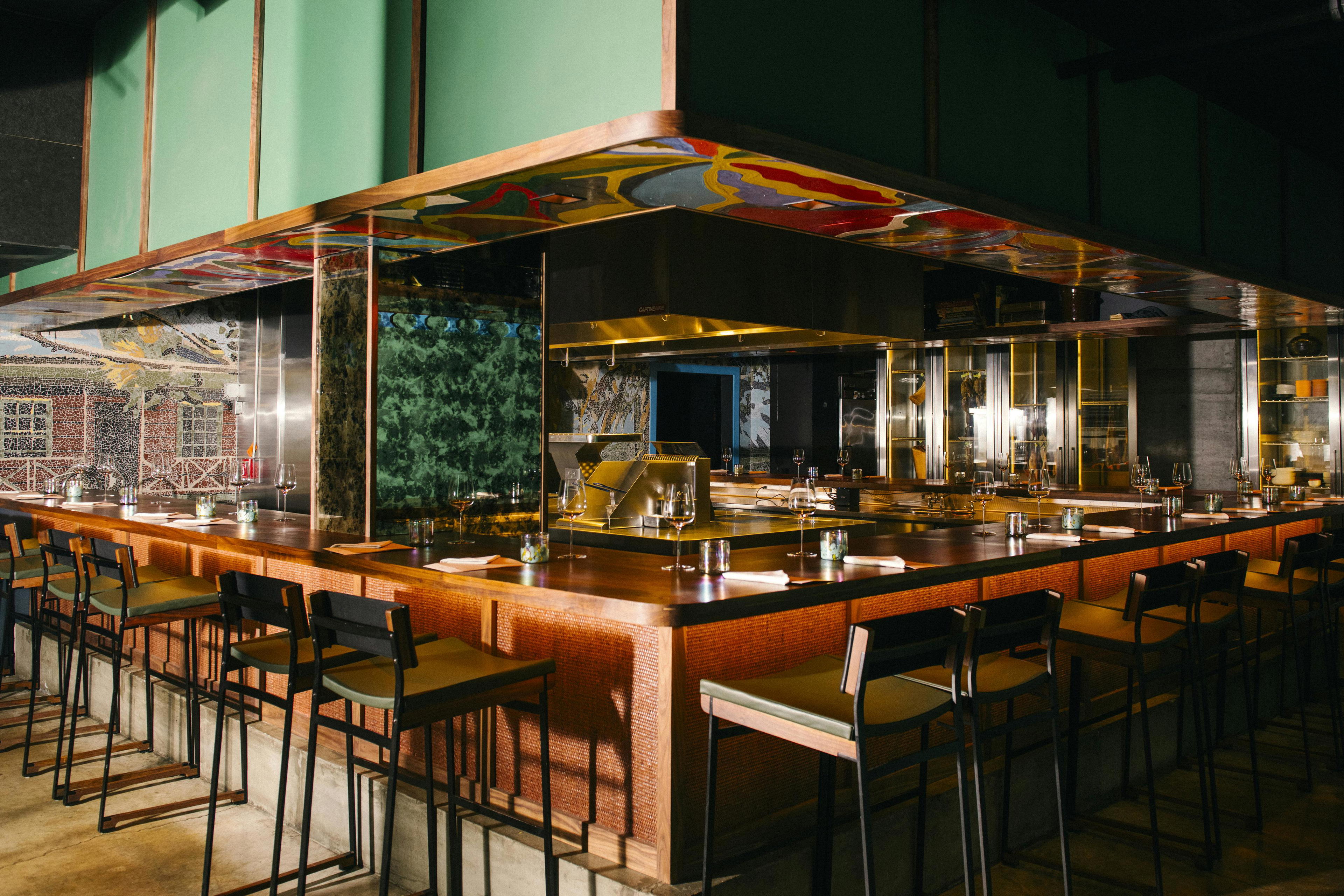

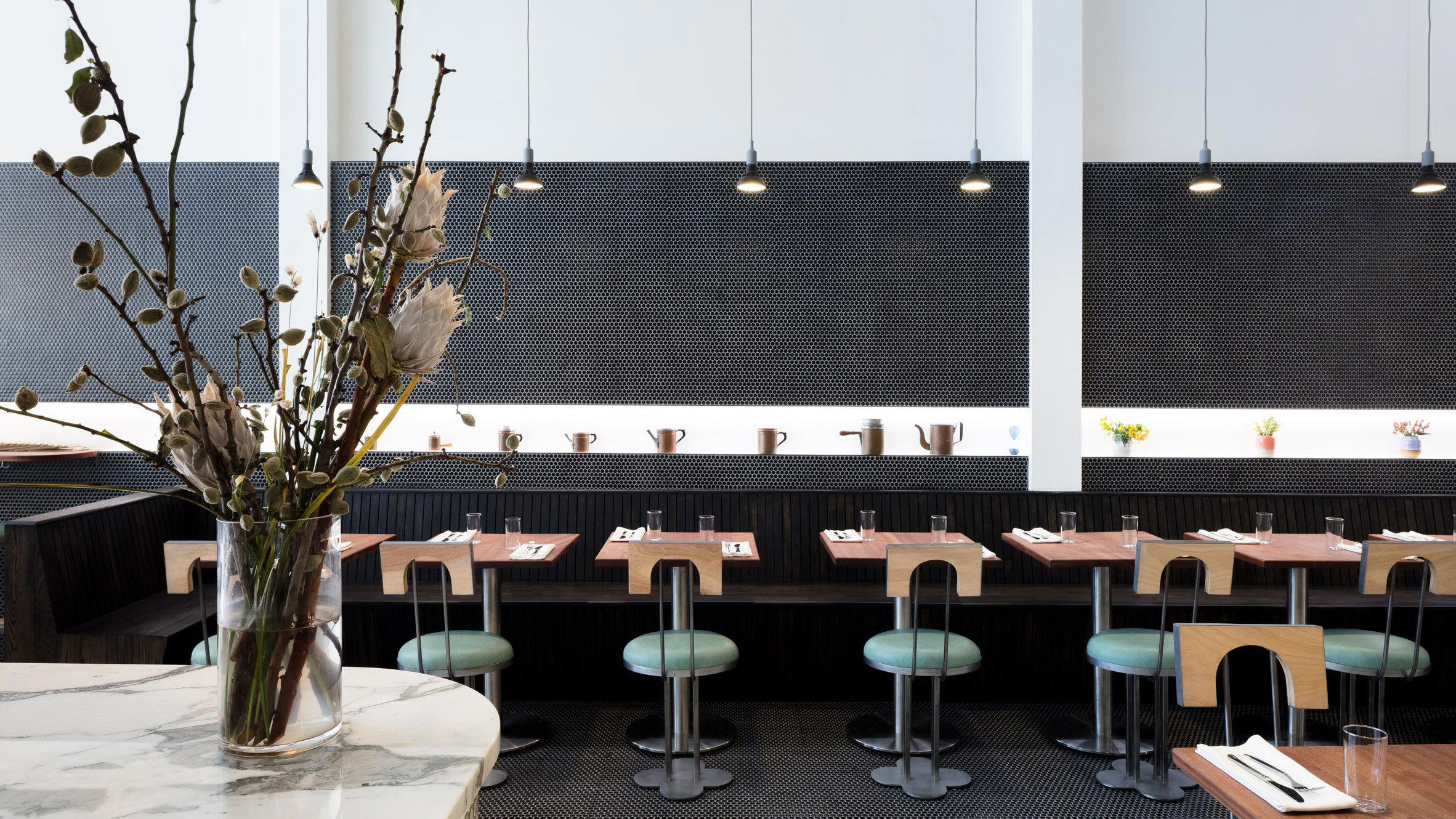
Bars in New York City
Browse all →
Hotels in New York City
Browse all →


Wineries in New York City
Browse all →


At a Glance
- Scenic
- Well Known
- Elegant
- Date Night
- Brunch
- Special Occasion
- Waterfront
- Historic Building
- Rooftop
- Craft Cocktails
- Sustainable Seafood
- Local Sourcing
- Waterfront
- Skyline
Current opening hours
- Monday
- 11 AM–11 PM
- Tuesday
- 11 AM–11 PM
- Wednesday
- 11 AM–11 PM
- Thursday
- 11 AM–11 PM
- Friday
- 11 AM–11 PM
- Saturday
- 9 AM–11 PM
- Sunday
- 9 AM–11 PM
Hours can change for holidays and private events. Last verified .
Nautical atmosphere on a historic boat with portside views, gentle rocking motion, and chic outdoor deck dining.