Ammazzacaffè

Michelin Plate
Our verdict
A Michelin Bib Gourmand holder for back-to-back years (2024 and 2025), Ammazzacaffè on Grand Street brings the seasonal discipline of central Italian cooking to Williamsburg without the downtown price premium. The seasonal menu moves from spiedini and shared starters through housemade pasta to grilled fish, with a garden that reads more Umbrian trattoria than Brooklyn side street.

Pearl is the En Primeur Club membership app — saves, bookings, and concierge access live there. Same editors, same standards.
- Address
- 702 Grand St, Brooklyn, NY 11211
- Phone
- (929) 250-2875
- Hours
- Mon 5–10 PMTue ClosedWed–Thu 5–10 PMFri–Sat 12–3 PM, 5–11 PMSun 12–3 PM, 5–10 PM
- Website
- ammazzacaffe.nyc
- Directions
- Get directions
The menu
What to order
- Garganelli with bolognese
- Gemelli Verde
- Anatra duck
- Spiedini skewers
Grand Street's Argument for Restraint
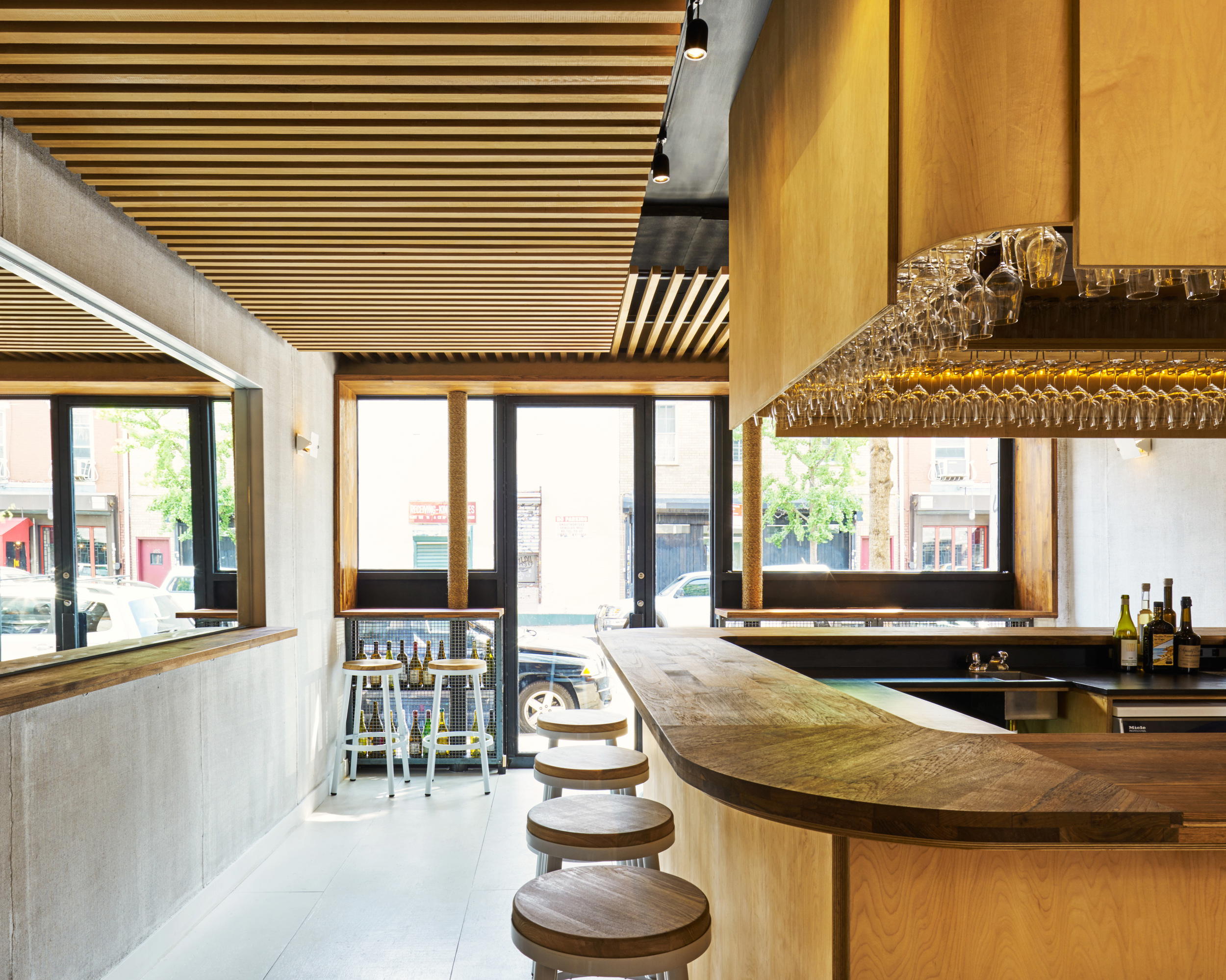
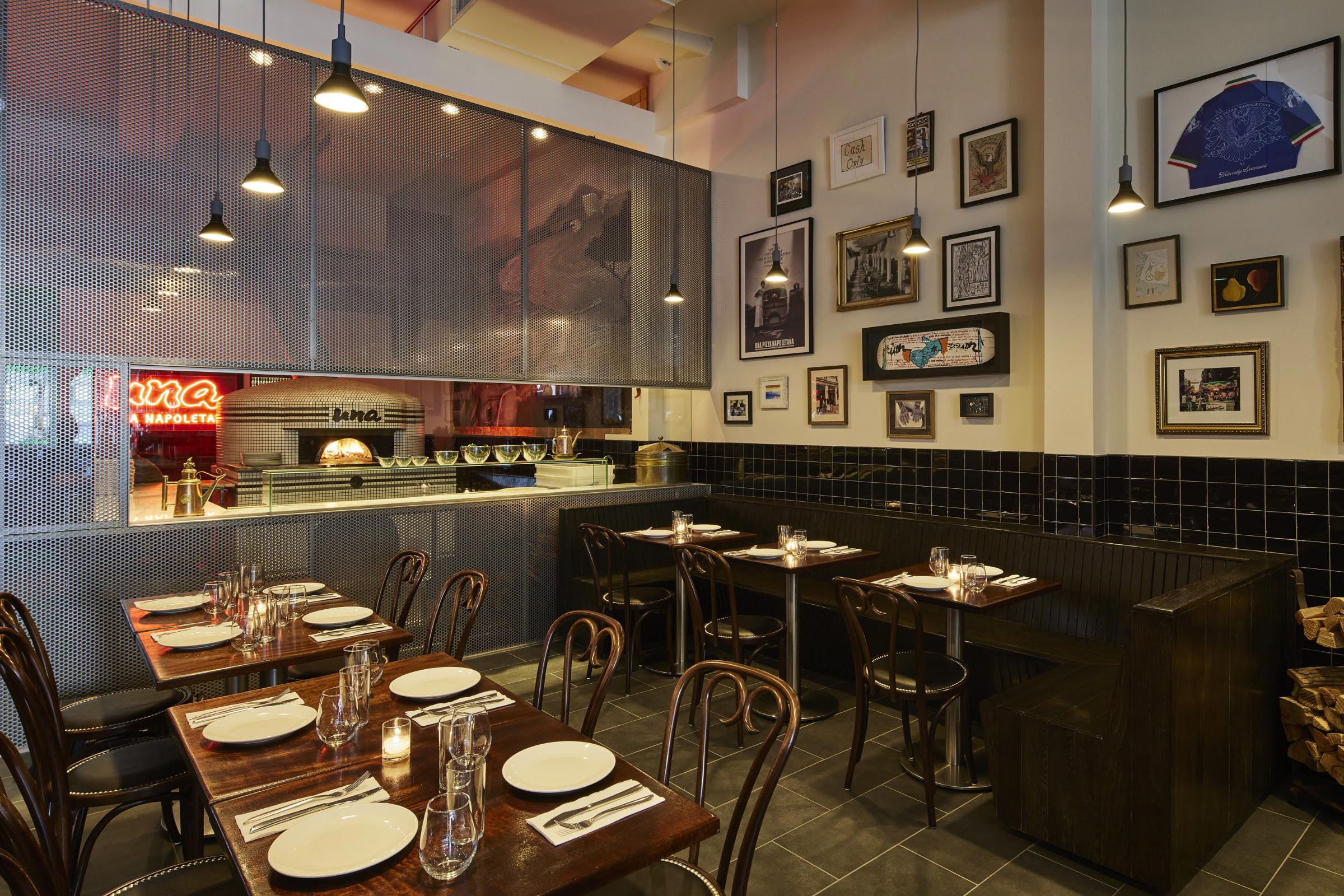
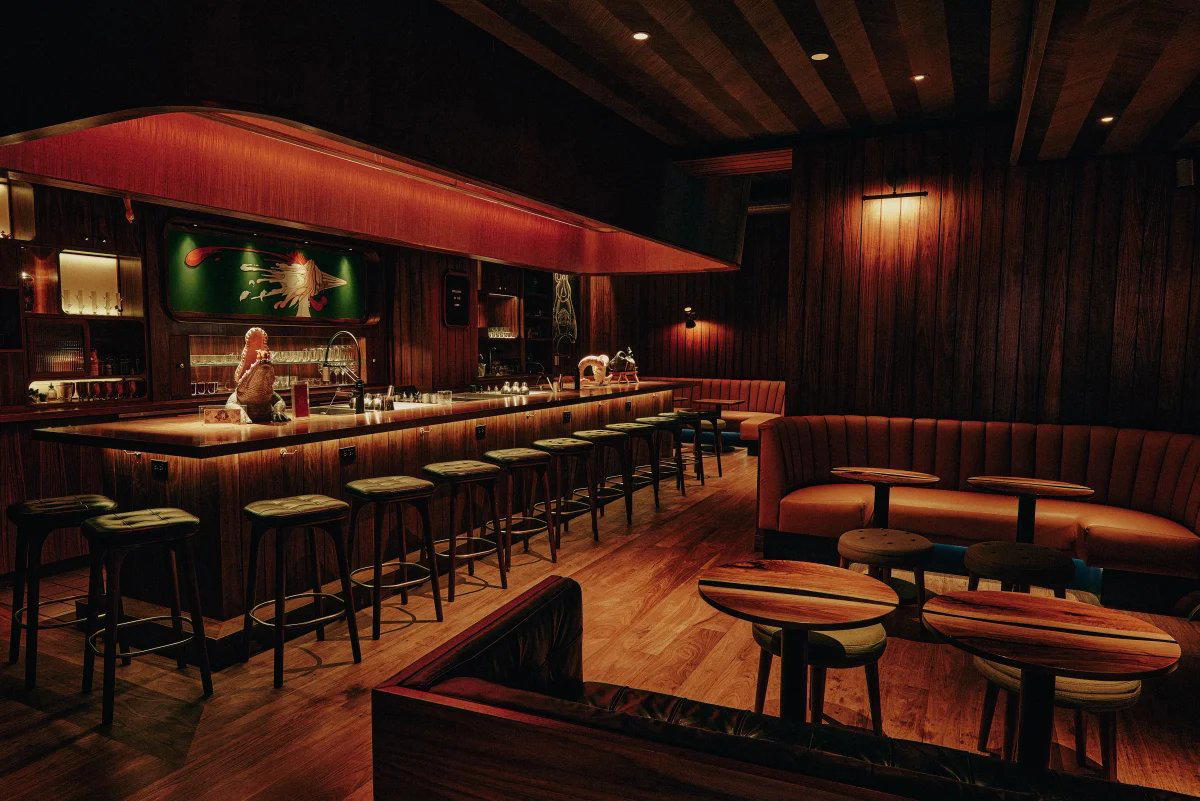
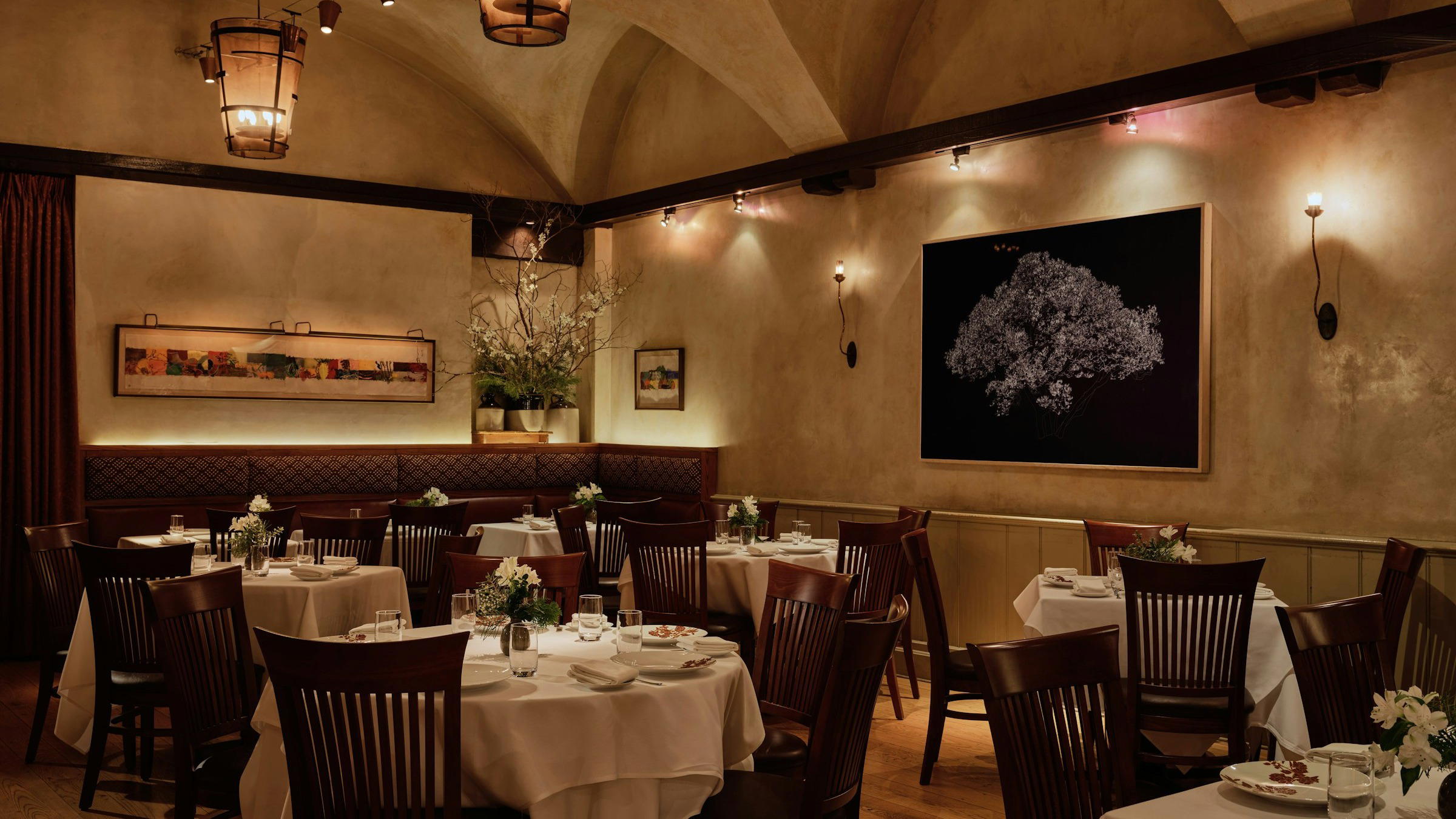
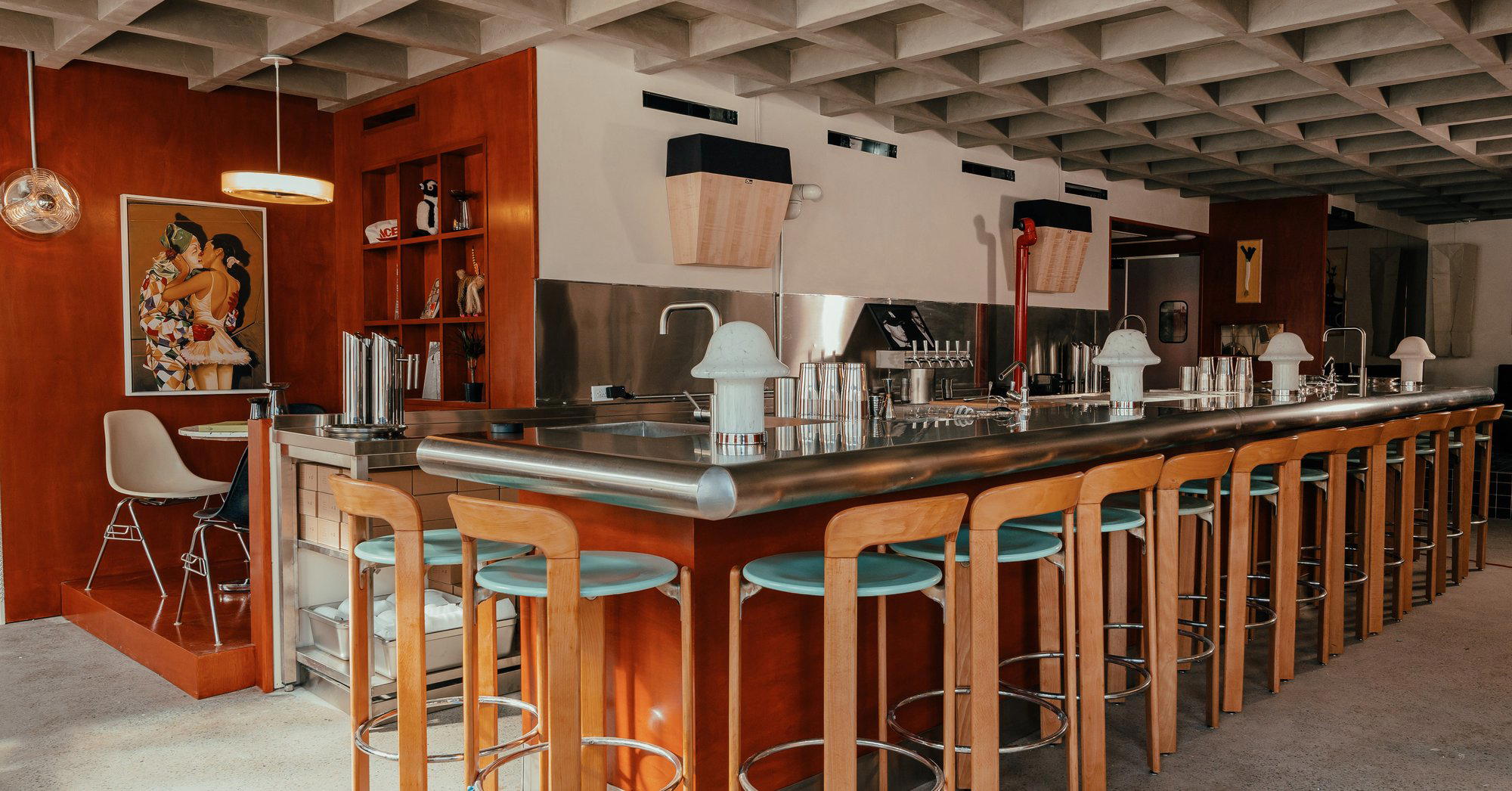
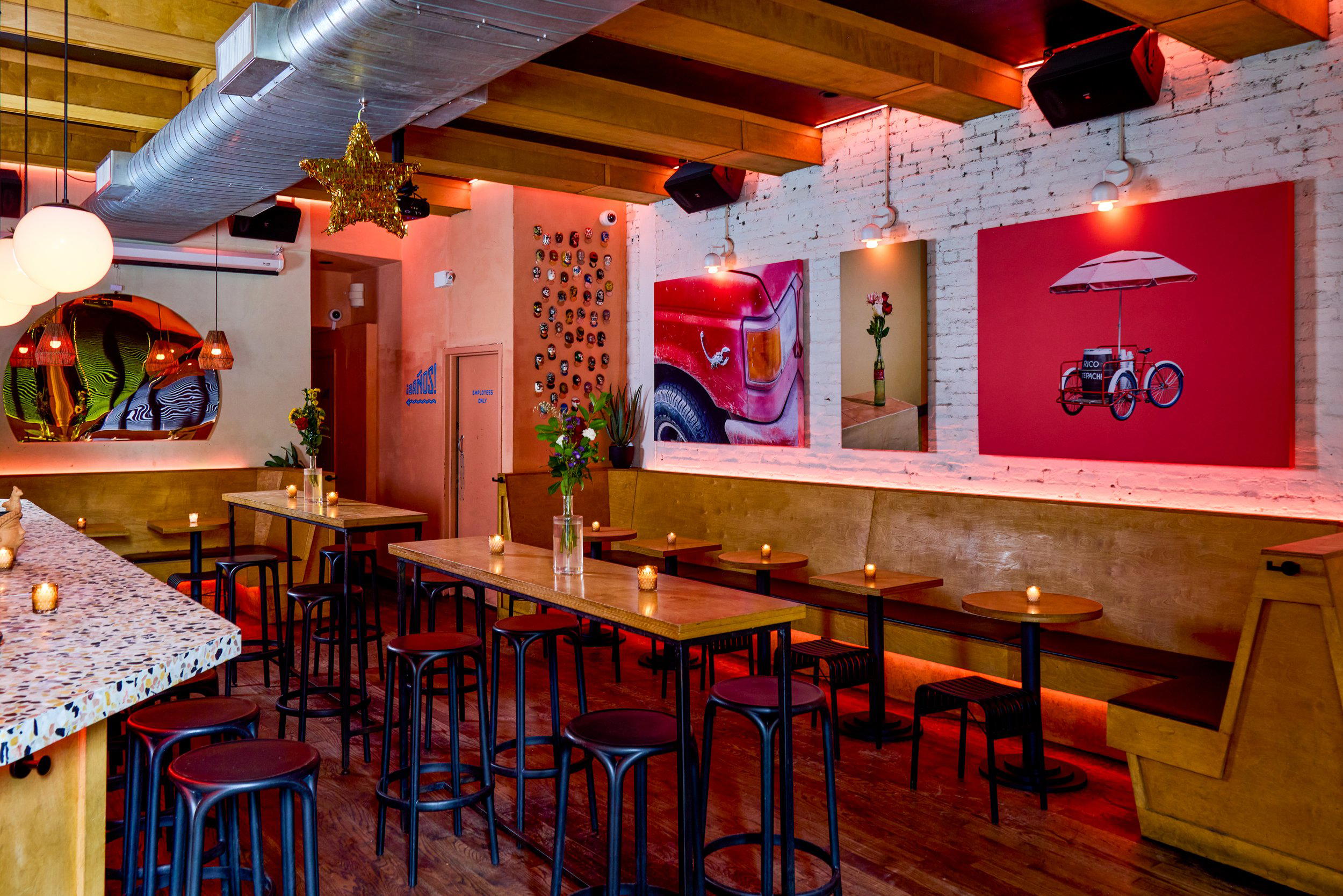
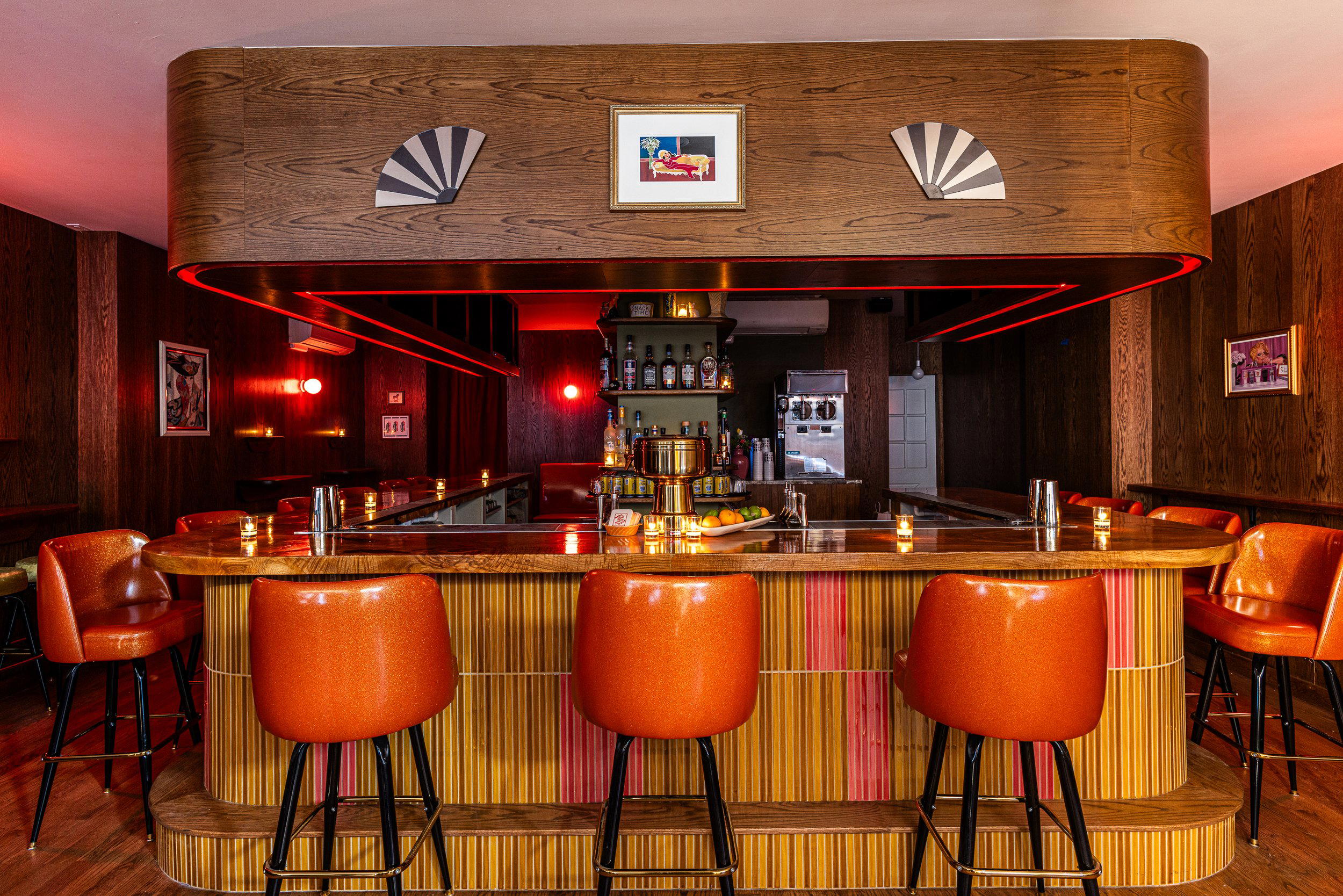
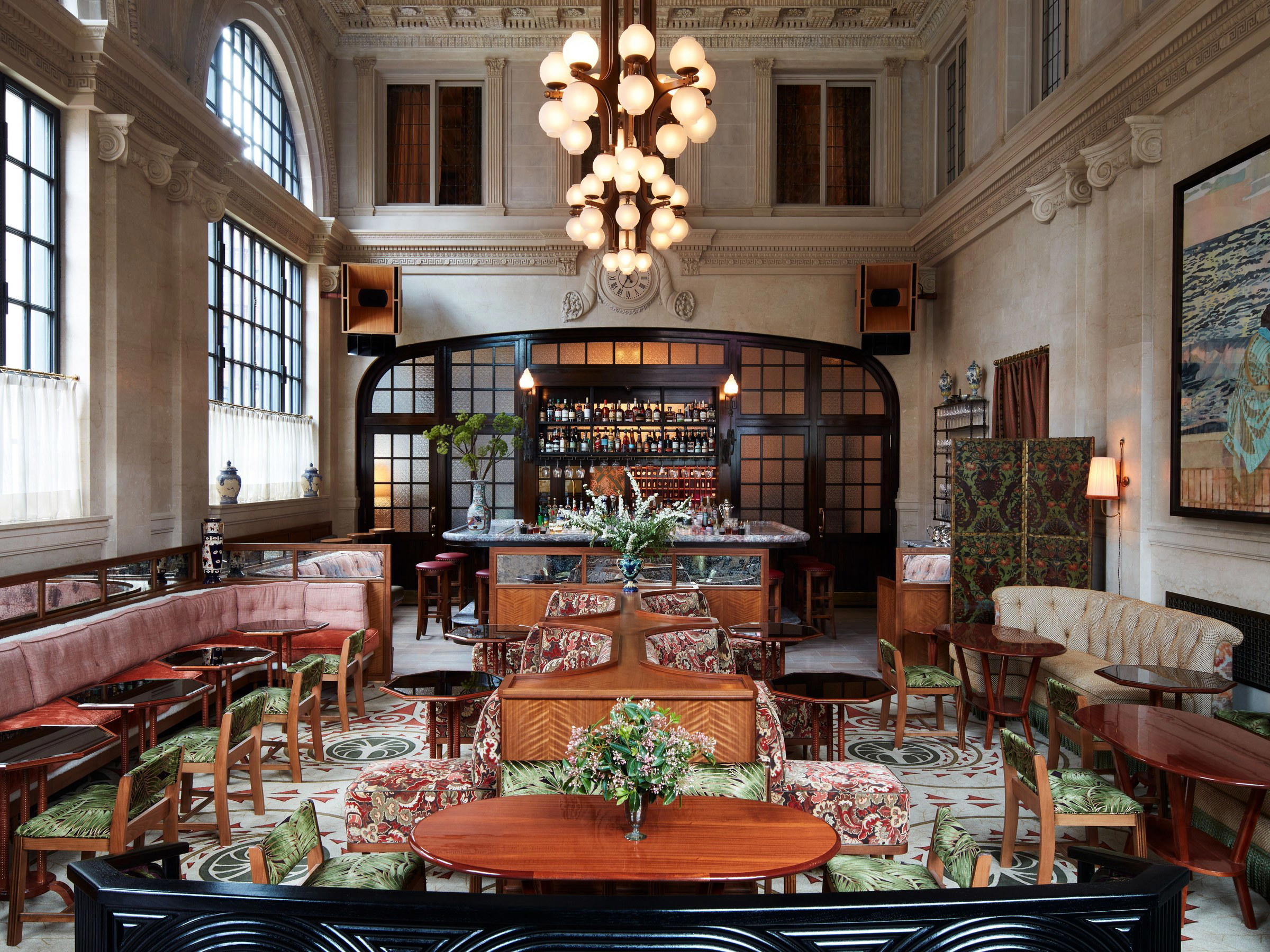
On a stretch of Grand Street where the dining options range from fast-casual to neighborhood standbys, Ammazzacaffè makes a case that the most persuasive Italian cooking in New York doesn't require a Midtown address or a three-figure tasting menu. The room announces its priorities immediately: an impressive wood bar anchors the space, penny-tiled floors run underfoot, and the walls — painted in a light olive tone — carry little beyond a selection of framed photographs. Wildflowers on the tables complete a picture of deliberate minimalism that reads less like a design choice and more like a point of view. This is a room that trusts the food to do the talking.
That approach places Ammazzacaffè in a specific and increasingly well-regarded corner of New York's Italian dining scene. Where restaurants like Ai Fiori and Babbo occupy the formal or celebrity-chef tier, and where Bad Roman leans into spectacle, Ammazzacaffè sits alongside places like Via Carota and Altro Paradiso in a quieter tier: trattoria-spirited, technically serious, and priced at $$$ rather than $$$$. The Michelin Bib Gourmand, awarded in both 2024 and 2025, is the guide's specific signal for this category: restaurants that deliver quality above their price point. Back-to-back recognition confirms this isn't a fluke.
The Italian Principle Behind the Menu
Italian cooking at its most honest doesn't layer complexity for its own sake. It finds the leading available ingredient, applies a technique that serves rather than obscures it, and stops there. This principle, which distinguishes a real Umbrian trattoria from its imitations, is the organizing logic of Ammazzacaffè's kitchen, run by Kenan and Pınar Çetinkaya.
The menu rotates with the season, which in practical terms means what's on offer in autumn differs meaningfully from what you'll find in spring. Starting points lean toward sharing formats: spiedini (skewers) and shared plates designed to anchor the table before pasta arrives. This sequencing mirrors how central Italy actually eats, where the table is set up for conversation and the meal unfolds in stages rather than arriving as a single experience compressed into an entrée.
The pasta section draws the most attention. The ondine, pasta with shrimp in a tomato sauce with some heat to it, is the kind of dish that sounds direct on paper and reveals its craft only in execution: the sauce needs to coat without overwhelming, the pasta texture needs to hold against moisture, and the heat needs to land at the right register. These are judgment calls, not techniques, and they're the difference between a pasta dish that reads as Italian and one that merely references Italy. Housemade pasta at this price tier, $$$ in a Brooklyn context, represents genuine value relative to what comparable cooking costs in Manhattan.
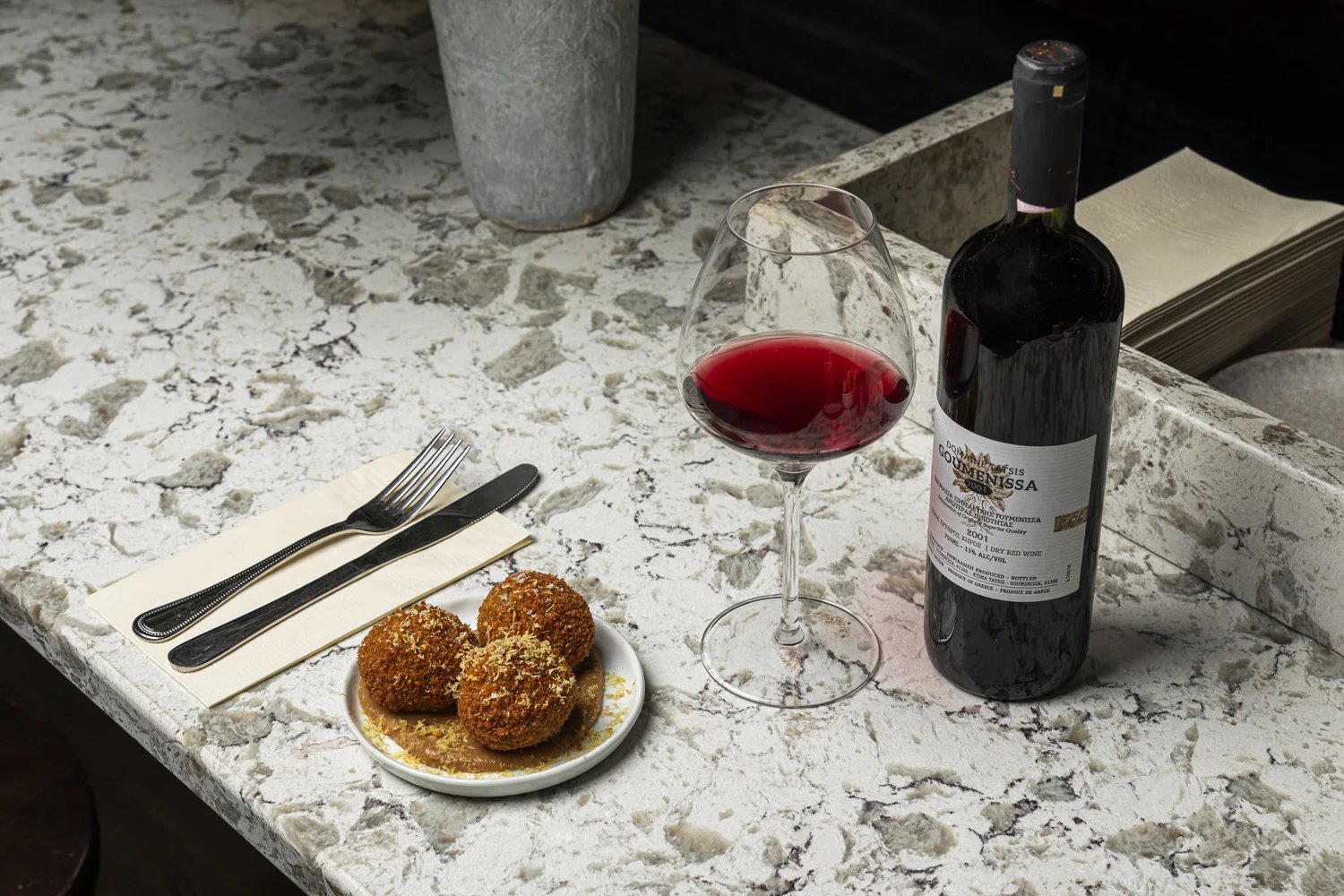
Grilled branzino with cauliflower, roasted grapes, wilted spinach, almond purée, and verjus is the section of the menu where the few-ingredients philosophy becomes most visible. The combination reads as restrained on the plate but requires precision to balance: verjus carries acidity, roasted grapes carry sweetness, and almond purée carries fat, all against the clean flavour of grilled fish. The composition doesn't announce itself. It holds together quietly, which is harder than it looks. For a sense of how this approach translates in other contexts globally, the discipline of restraint applied to Italian ingredients in non-Italian cities, cenci in Kyoto and 8½ Otto e Mezzo Bombana in Hong Kong represent different points on the same spectrum.
Tiramisu closes the meal. Its presence as the send-off isn't nostalgia, it's a direct statement about the restaurant's relationship to the canon. When a kitchen makes tiramisu well, it's choosing to be judged against the original rather than sidestepping the comparison with something more distinctive. That confidence in the classics is consistent with everything else on the menu.
The Garden and What It Signals
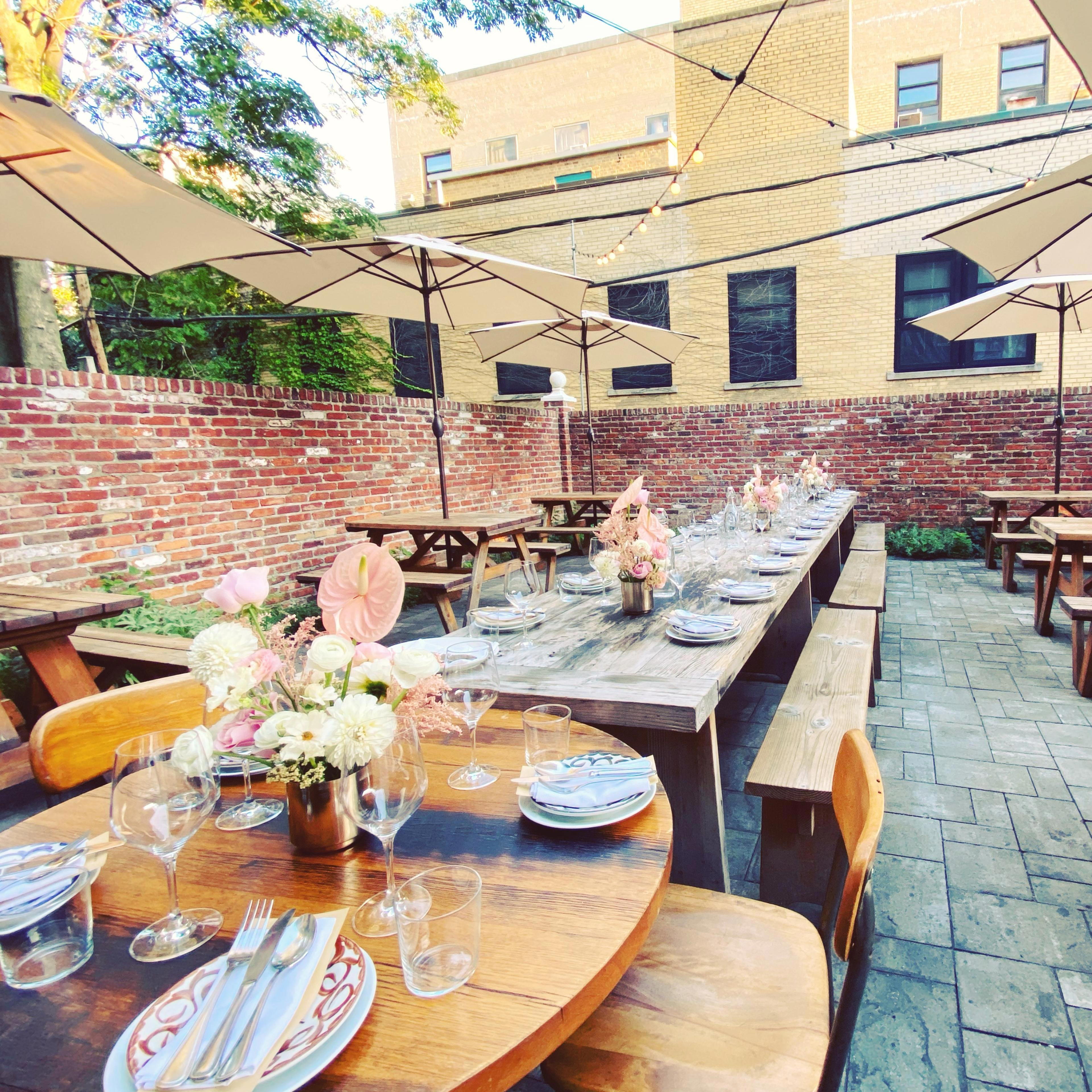
Brooklyn has developed a vocabulary of outdoor dining spaces that range from hastily assembled street terraces to genuinely considered gardens. Ammazzacaffè's outdoor space sits at the more considered end: the description of it transporting diners to an Umbrian trattoria isn't promotional language so much as a summary of what careful planting, proportion, and material choices can do to a Brooklyn side garden. In summer and through the warmer shoulder months, this becomes one of the more compelling arguments for the address. The combination of the garden's atmosphere and the seasonal menu makes late spring through early autumn the natural window for a first visit.
Where It Sits in New York's Italian Scene
New York's Italian dining has always been stratified, but the strata have shifted over the past decade. The white-tablecloth formal tier still exists, and it's well-represented in Manhattan by restaurants that compete on complexity and occasion. The casual-indifferent tier, checkered tablecloths, red-sauce by default, has contracted as rents have risen and palates have sharpened. What's grown is the middle category: restaurants that bring genuine technical skill and seasonal awareness to the trattoria format, price accessibly relative to their ambition, and earn critical recognition on the strength of the cooking rather than the room or the brand. Ammazzacaffè belongs to this category, and the Bib Gourmand is the Michelin guide's formal acknowledgment of that position.
For readers building a broader picture of New York's dining scene, our full New York City restaurants guide maps the landscape from this trattoria tier through to the three-star level. Separately, our New York City hotels guide, bars guide, wineries guide, and experiences guide cover the rest of the city's premium options. For those building an itinerary around serious American cooking more broadly, reference points include Emeril's in New Orleans, Lazy Bear in San Francisco, Alinea in Chicago, Single Thread Farm in Healdsburg, The French Laundry in Napa, and Providence in Los Angeles, each representing a different relationship between ingredient, technique, and occasion.
Planning Your Visit
Frequently asked questions
Is Ammazzacaffè good for families?
The format works for families with older children. The space is described as large and welcoming, with communal-style sharing dishes like skewers to start, which suits a group dynamic. That said, the $$$ price point means a full dinner runs on the higher end for a casual family outing, and the Michelin Bib Gourmand recognition signals a room where the food takes precedence over a high-noise, kid-accommodating setup.
Is Ammazzacaffè better for a quiet night or a lively one?
The room leans toward the quieter end. Minimally dressed tables, light olive-tinged walls, and wildflower arrangements set a considered, unhurried tone. The garden in warmer months adds a convivial lift, but this is not a high-decibel spot. It reads better as a dinner for two or a small group focused on the food than as a backdrop for a loud celebration.
Has Ammazzacaffè won any awards?
Ammazzacaffè has received recognition including: This quintessential Italian gem on Grand Street is bound to surprise the moment you enter. The large and welcoming space draws you in thanks to an impressive wood bar, sleek dining tables and a handsome penny-tiled floor. Both the tables an….
What do regulars order at Ammazzacaffè?
The pasta dishes are the clearest draw, with the ondine, a shrimp preparation in a kicky tomato sauce, cited specifically in the Michelin Bib Gourmand write-up. The grilled branzino, plated with roasted grapes, almond puree, and verjus, reads as the go-to main. Tiramisu closes the meal for a reason: it is listed as the classic send-off, not an afterthought.
What style of cooking does Ammazzacaffè do?
Peers Worth Knowing
A quick snapshot of similar venues for side-by-side context.
| Venue | Cuisine | Price | Awards | Notes |
|---|---|---|---|---|
| AmmazzacaffèThis venue — the venue you are viewing | Seasonal Italian Trattoria | $50–100 | Michelin Plate | Not listed |
| Le Bernardin | French Seafood Fine Dining | $300–500 | 3 Michelin Stars · World's 50 Best #13 | French, Seafood |
| Atomix | Modern Korean Tasting Menu | $300–500 | 2 Michelin Stars · World's 50 Best #7 | Modern Korean, Korean |
| Masa | Seasonal Hokkaido Tempura Omakase | $150–200 | Tabelog 100 #34 | Sushi, Japanese |
| Per Se | French Fine Dining Tasting Menu | $300–500 | 3 Michelin Stars · World's 50 Best #40 | French, Contemporary |
| Eleven Madison Park | Contemporary Plant-Based Fine Dining | $300–500 | 3 Michelin Stars · World's 50 Best #4 | French, Vegan |
Recognition history
Dated appearances from independent guides and award organizations, with the underlying list record or original source where available.
Michelin Plate
Michelin
Full recognition history (3 entries)
Michelin Bib Gourmand
Michelin
Michelin Bib Gourmand
Michelin