Rice Bar
600 Maryland Ave SW sits in the Southwest Waterfront precinct of Washington, D.C., a corridor that has shifted considerably over the past decade as new residential and commercial development reshaped the area south of the National Mall. Details on cuisine, format, and current operation are limited, but the address places it within reach of the Wharf and several of D.C.'s more serious dining destinations.
Pearl is the En Primeur Club membership app — saves, bookings, and concierge access live there. Same editors, same standards.
- Address
- 600 Maryland Ave SW, Washington, DC 20024
- Directions
- Get directions
 Saves & bookings on Pearl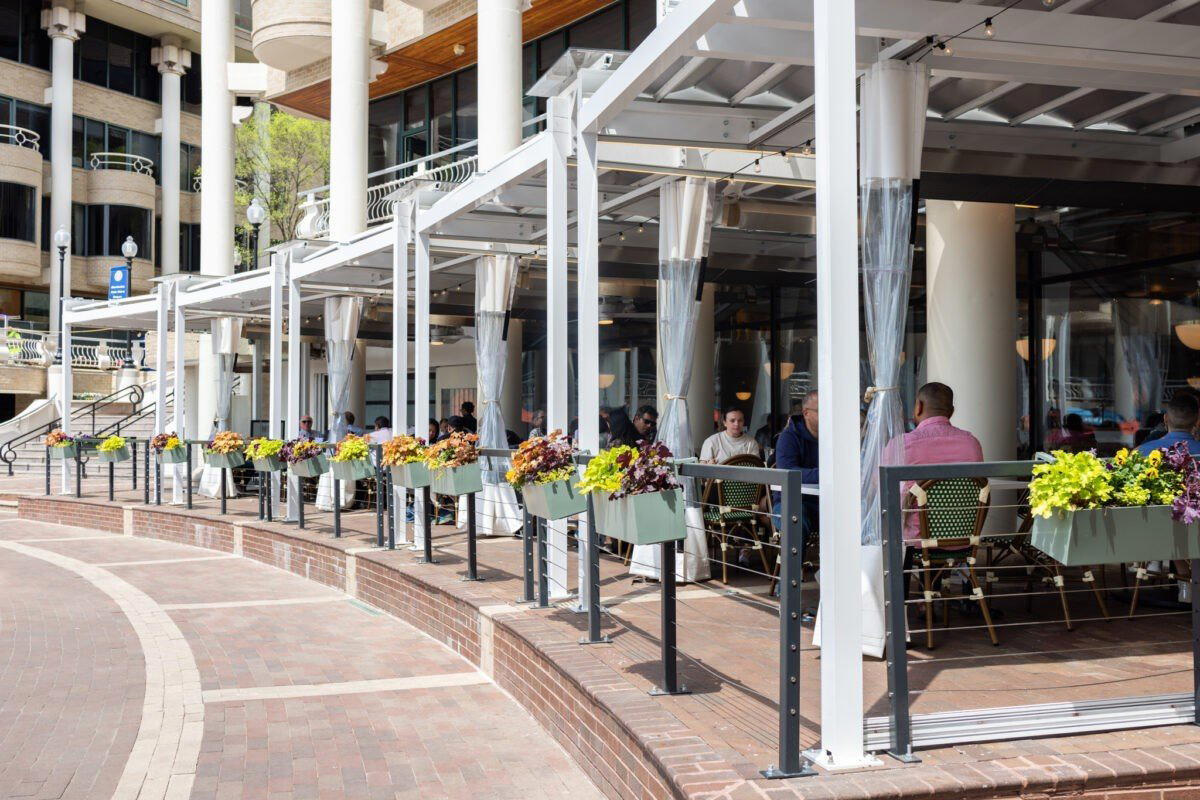
Southwest D.C. and the Architecture of a Changing Precinct
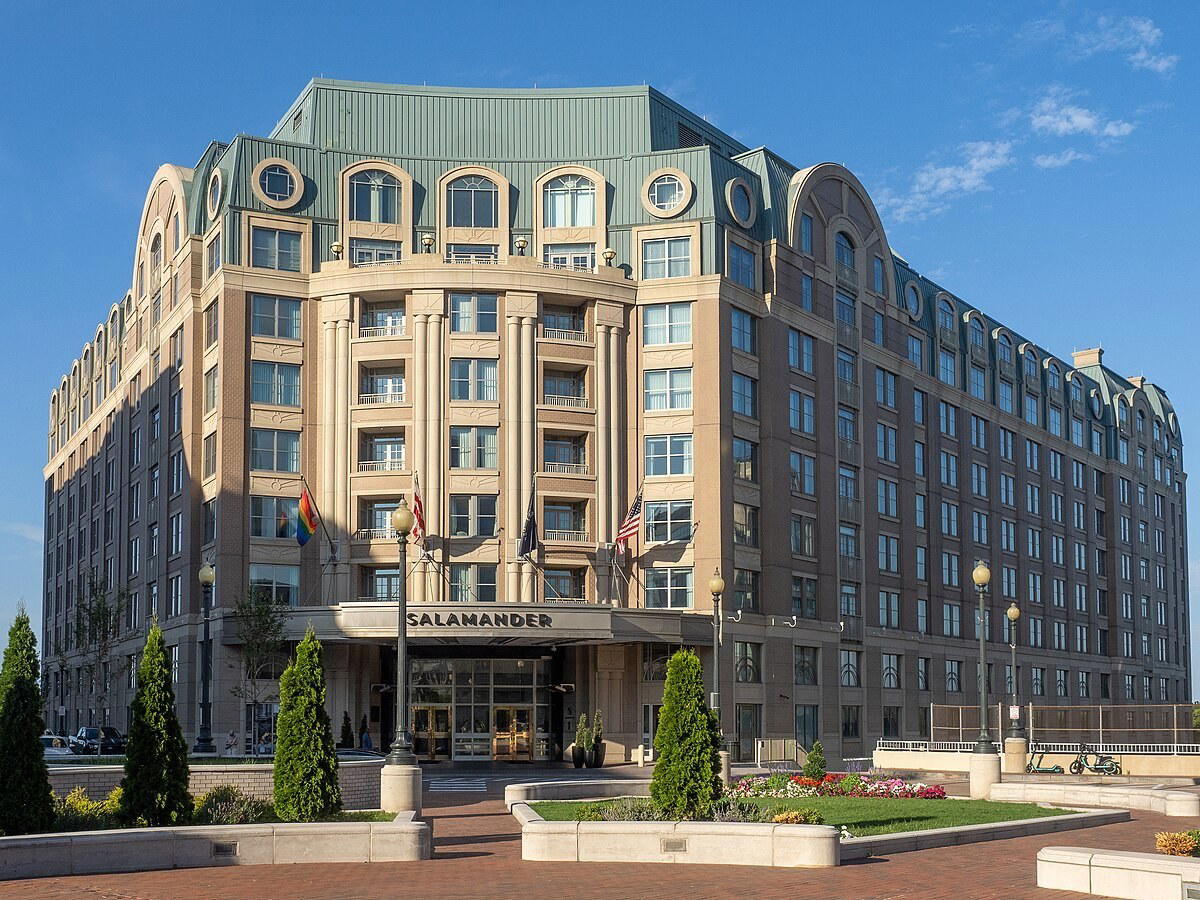
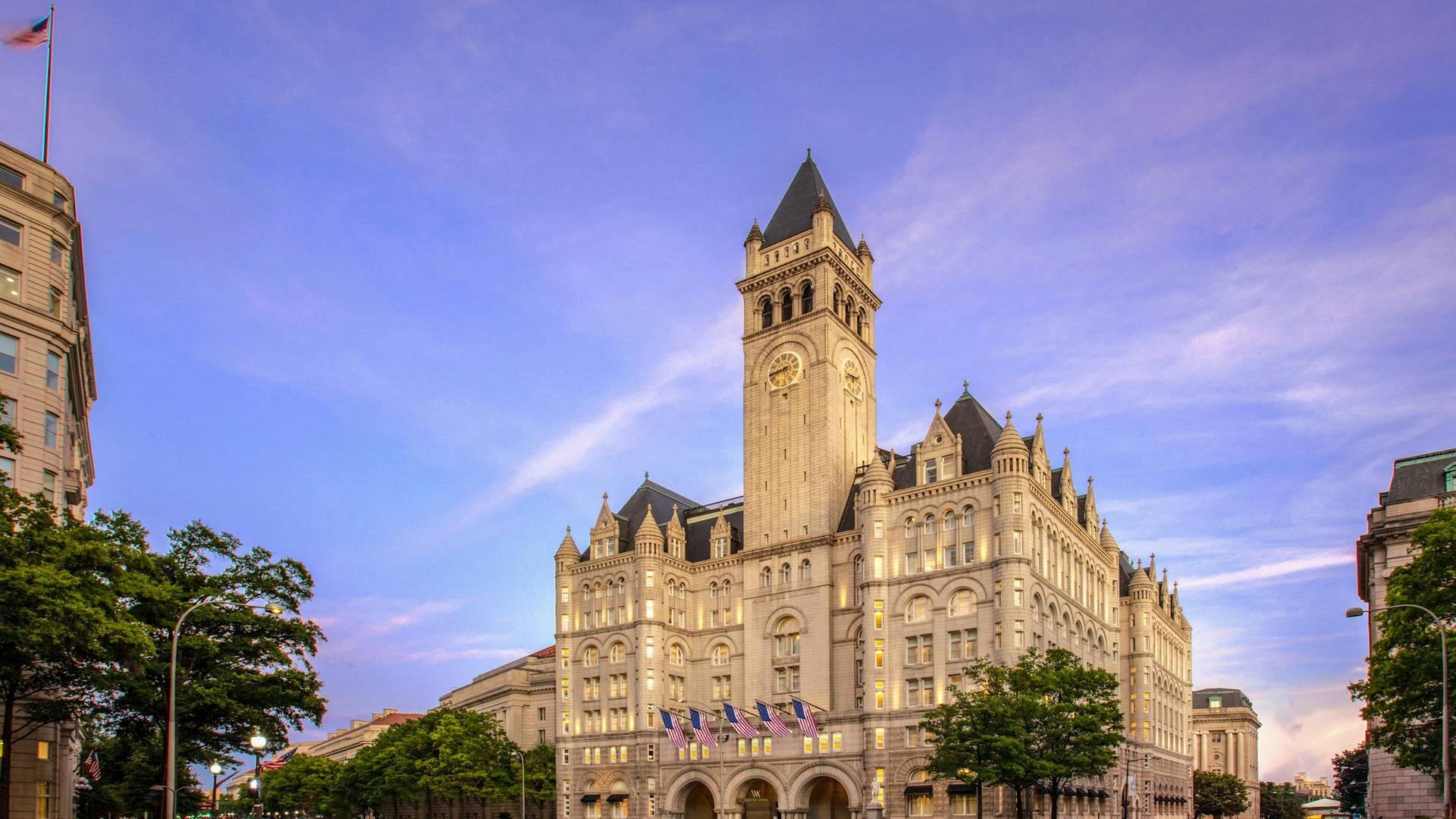
The block at 600 Maryland Ave SW occupies a part of Washington, D.C. that most dining guides still treat as transitional territory. Southwest is not Shaw, not Capitol Hill, not the 14th Street corridor with its dense restaurant stacking. It is a precinct defined more by federal buildings, the Smithsonian campus, and the ripple effects of the Wharf development than by an established food identity. That context matters, because where a space sits in a city's physical and social geography shapes what it can become and who it draws.
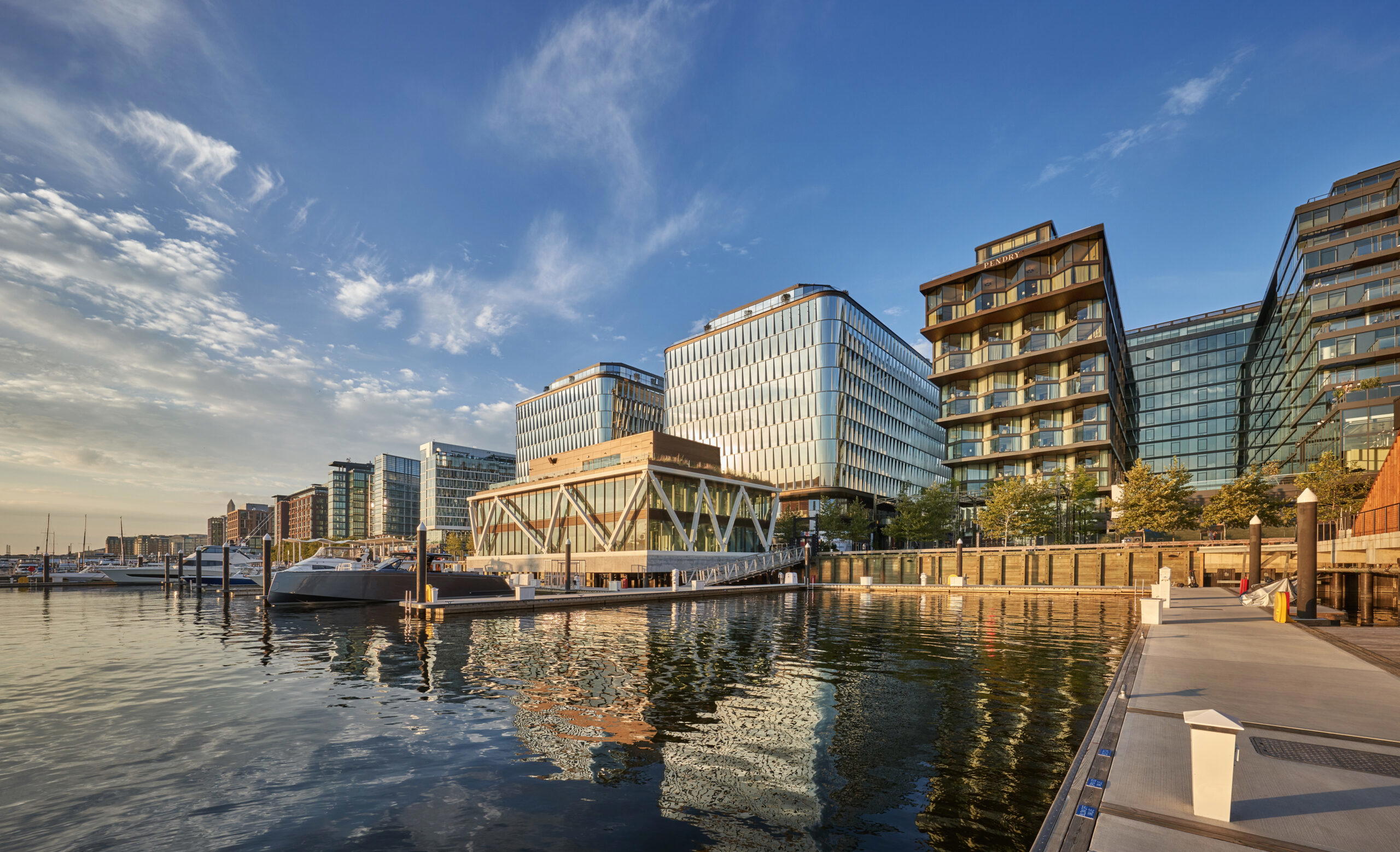
Maryland Avenue SW runs between the National Mall monuments to the north and the waterfront to the south, a corridor that mixes government foot traffic with the newer residential density that followed the Wharf's first phase opening in 2017. The address at number 600 places the venue in a cluster of mixed-use structures rather than a traditional main-street restaurant row, which changes the spatial logic considerably. Spaces in these buildings tend to occupy ground-floor or podium positions within larger developments, with dimensions and ceiling heights determined by the developer's brief rather than by the kind of adaptive reuse that defines the character of older D.C. neighborhoods.
What the Address Tells You About the Space
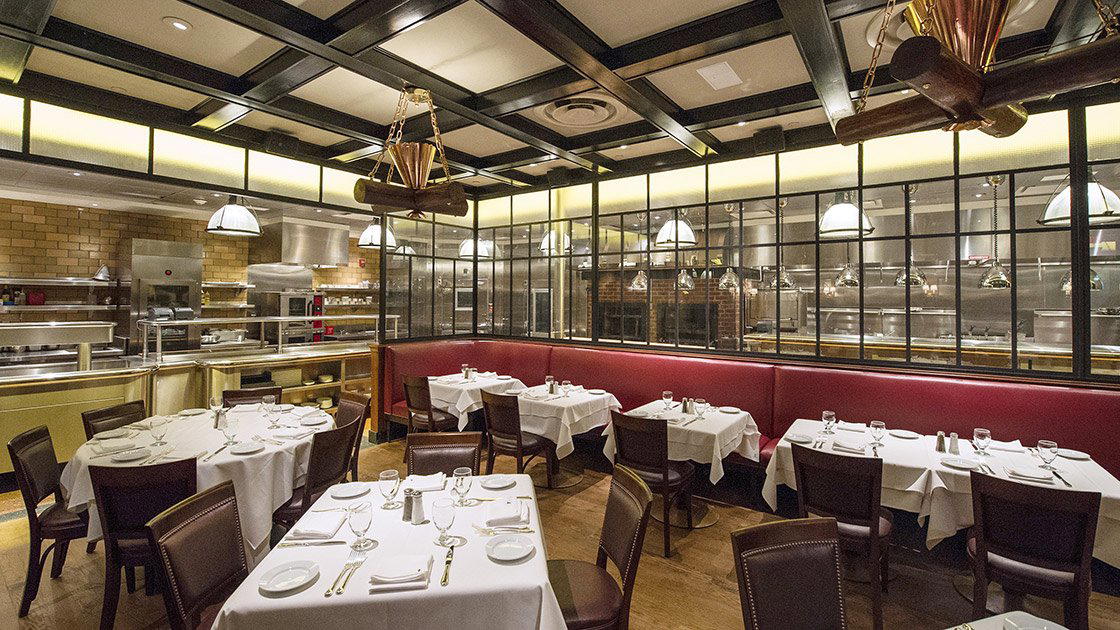
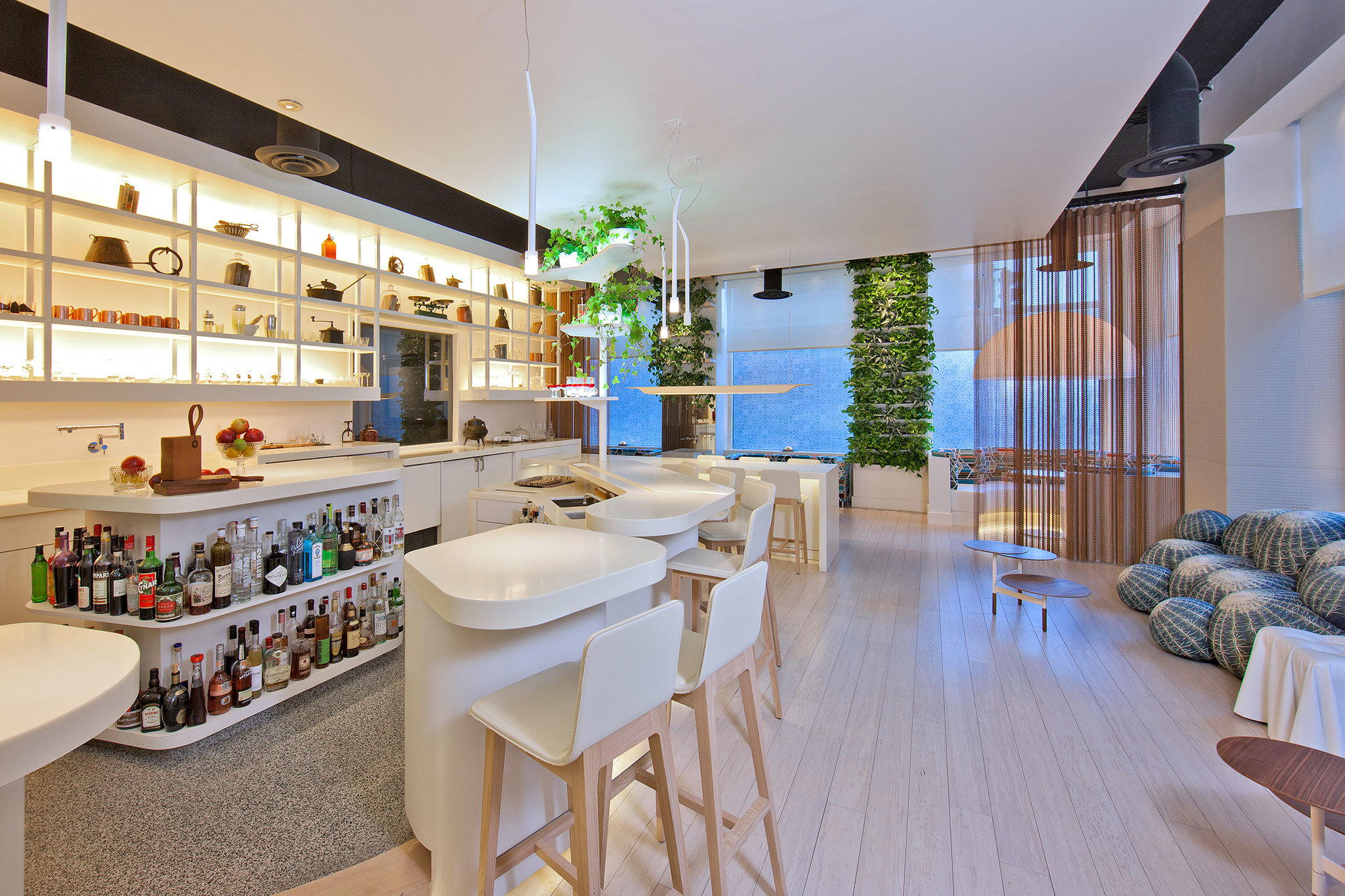
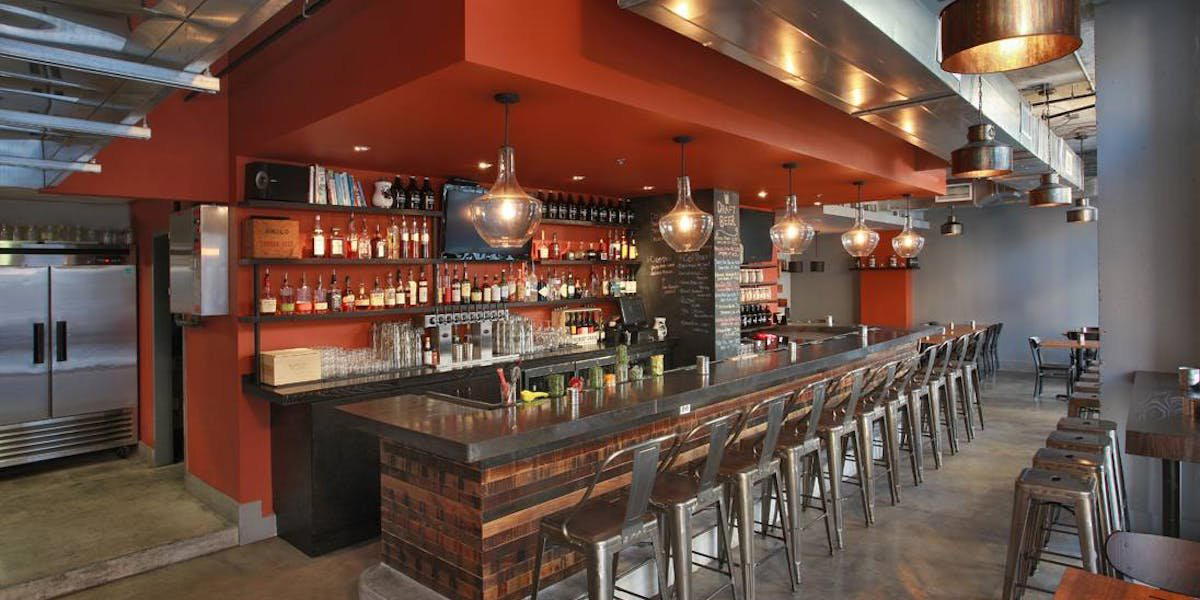
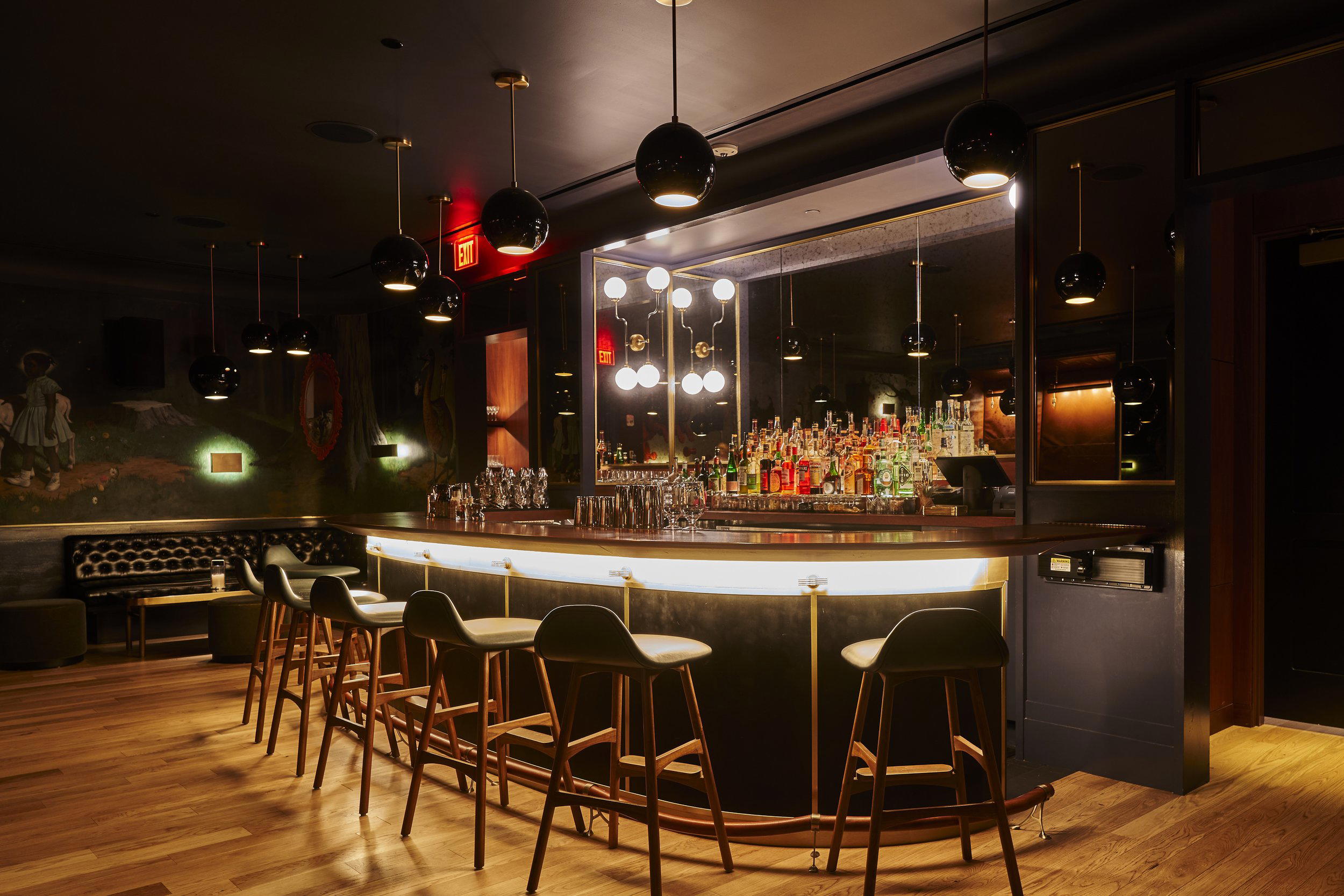
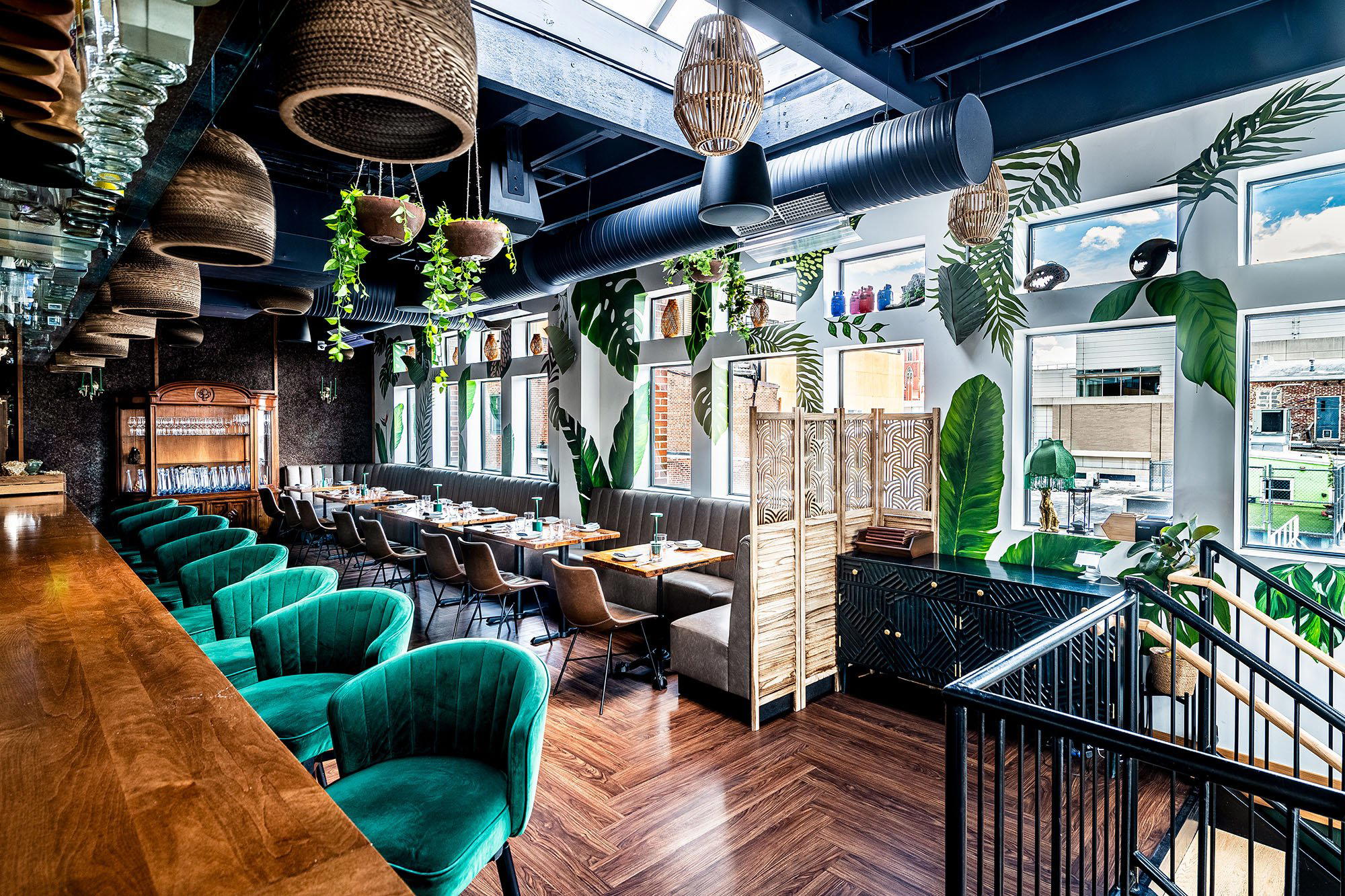
The suite number, # 3000, suggests a commercial or hospitality unit within a multi-tenant building rather than a standalone street-facing venue. In Washington's newer mixed-use stock, this format typically means deliberate climate control, consistent acoustics, and a physical separation from street noise that older rowhouse conversions cannot provide. It also means the design burden falls almost entirely on the interior fit-out, since the building envelope itself offers little of the architectural history that gives places like Bresca or Jônt their spatial identity.
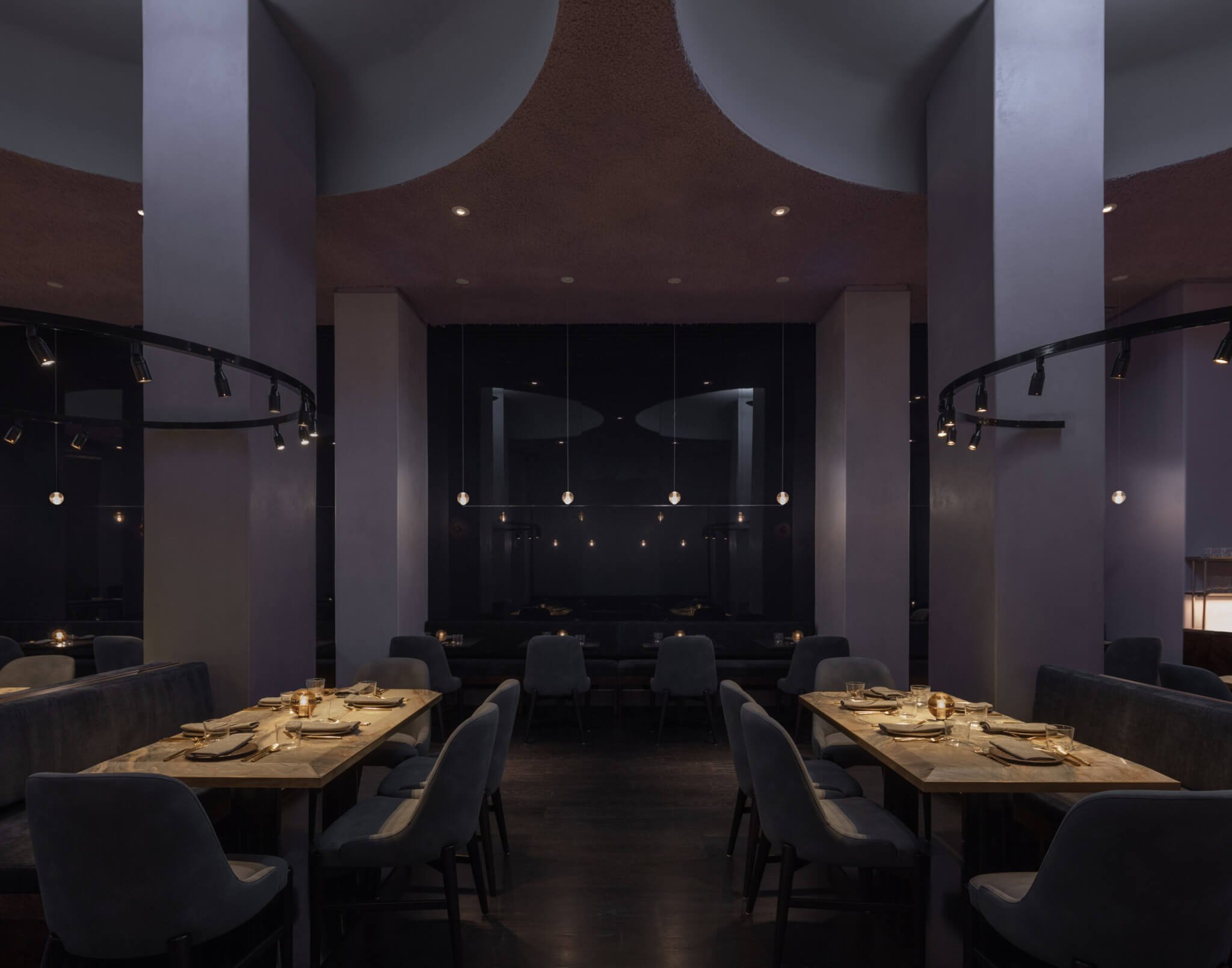
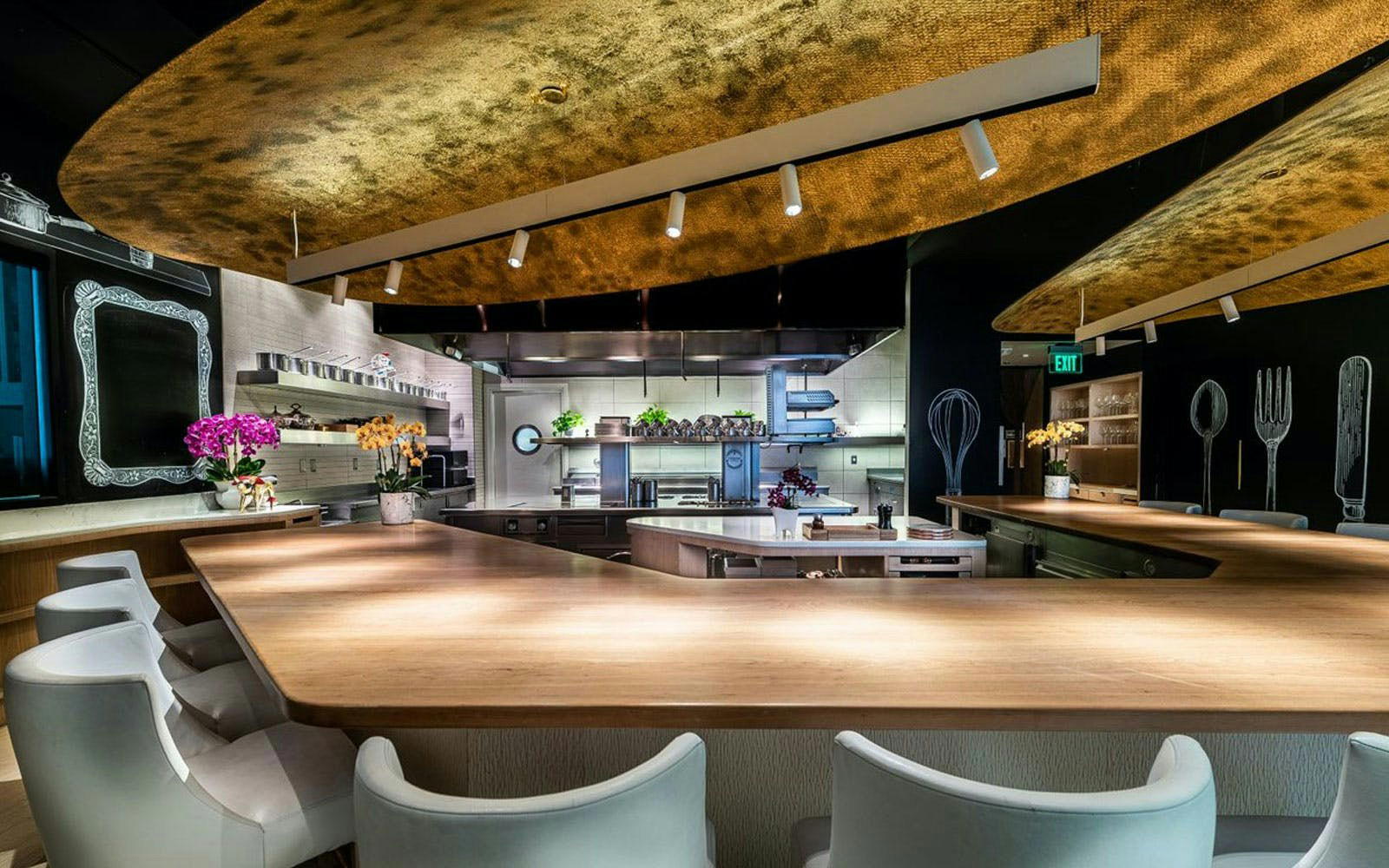
Design-forward hospitality in D.C. has increasingly moved in two directions: either the spare, material-led aesthetic of places like Oyster Oyster, where reclaimed and sustainable materials do the atmospheric work, or the more theatrical composed-dining environments associated with tasting-menu formats. minibar by José Andrés operates in the latter category, with a counter format that keeps the kitchen architecture central to the spatial experience. The address and building type suggest a space that relies on deliberate interior decisions rather than inherited character.
The Southwest Waterfront in a Wider D.C. Context
Washington's dining geography has never been as consolidated as New York or San Francisco. The city's quadrant structure, combined with federal zoning restrictions and uneven commercial development, produces dining clusters separated by stretches of low-density government or institutional land. The Wharf changed the calculus for Southwest, bringing a food hall, event venues, and a new hospitality layer to a waterfront that was previously underdeveloped relative to its position. That infrastructure shift created conditions for addresses like 600 Maryland Ave to become viable for food and beverage concepts that need both a residential catchment and visitor flow.
For comparison, D.C.'s more established fine-dining nodes operate with different advantages. Albi draws on the Pearl District's industrial-to-hospitality conversion energy. Causa works within the tighter commercial fabric of a denser neighborhood. Southwest's newer builds offer scale and finish but require concepts that can generate their own destination logic rather than borrowing from an established block identity.
Nationally, the pattern of high-specification spaces within mixed-use developments hosting serious dining concepts is well-established. Atomix in New York City occupies a similarly non-traditional envelope while operating at the summit tier of critical recognition. Addison in San Diego and Lazy Bear in San Francisco both demonstrate that spatial context matters less than the coherence of the concept inside the space. The question for any venue at this address is whether the interior proposition is strong enough to justify the destination trip from other parts of the city.
comparable set and Category Positioning
What the address and building context suggest is a space operating in the mid-to-upper commercial register, where the development costs of a high-specification mixed-use suite translate into a certain price floor for any hospitality concept.
At the national level, D.C. competes for serious dining attention alongside cities with longer fine-dining histories. Le Bernardin in New York City, The French Laundry in Napa, and Alinea in Chicago represent the upper tier of American tasting-menu dining, while Washington's own The Inn at Little Washington has held its position in that conversation for decades. Any new concept entering the D.C. market at a premium address is implicitly competing for the same dining occasion, even if not the same price point.
Further afield, the reference set for ambitious dining in American mixed-use developments includes Single Thread Farm in Healdsburg, Blue Hill at Stone Barns in Tarrytown, Providence in Los Angeles, and Emeril's in New Orleans, each of which has built a destination logic independent of its immediate street context. Internationally, 8 1/2 Otto e Mezzo Bombana in Hong Kong demonstrates how a space embedded in a commercial tower can sustain three Michelin stars through program quality alone.
Planning a Visit
The address is accessible from L'Enfant Plaza Metro station, which serves the Orange, Blue, Silver, Green, and Yellow lines, placing it within direct reach of most D.C. neighborhoods.
Budget and Context
Comparable venues nearby, for context on price, style, and recognition.
| Venue | Cuisine | Price | Notes |
|---|---|---|---|
| 600 Maryland Ave SW # 3000This venue — the venue you are viewing | Southwest Federal Center, Dining | Not listed | Not listed |
| Lupo Verde | Cardozo, Rustic Italian Osteria | $$ | Not listed |
| Purple Patch | Mount Pleasant, Filipino American | $$ | Not listed |
| Silver | Cleveland Park, New American Brasserie | $$ | Not listed |
| Guapo's | Tenleytown, Mexican Cocina Mexicana | $$ | Not listed |
| Kramers | Not listed | $$ | Dupont Circle, Modern American with French influences |
Continue exploring