
Gambero Rosso 1 Forchetta
Our verdict
On the 25th floor of a Wan Chai tower, AMA Ristorante occupies a dining tier where Italian cooking in Hong Kong has matured beyond red-sauce convention into something more considered. The address alone signals altitude, in both senses. For those tracking where European fine dining sits relative to Hong Kong's Cantonese and French-led upper bracket, AMA is a useful reference point.

Pearl is the En Primeur Club membership app, where members save venues, book tables and use the concierge.
The menu
What to order
- Maccheroni Amatriciana
- Ama La Burrata
- Alicette Marinate Piccanti
Wan Chai at Altitude: Where Italian Fine Dining Meets Hong Kong's Vertical City
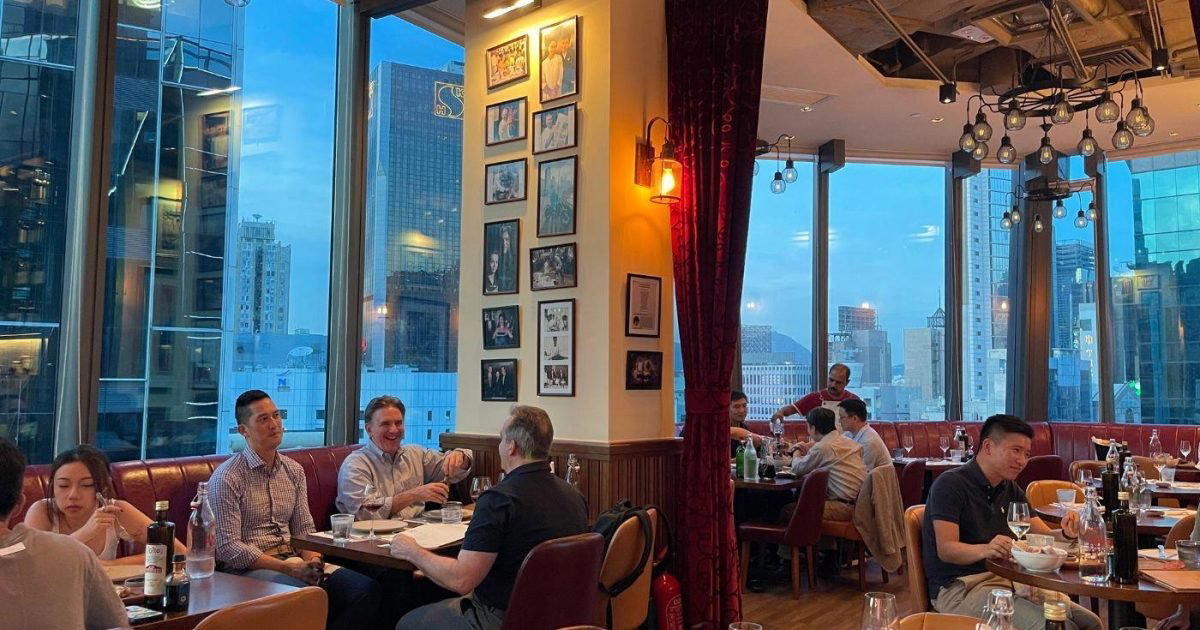
Hong Kong's dining rooms have always used height as a signal. The city stacks its ambitions upward, and a 25th-floor address on Johnston Road in Wan Chai places AMA Ristorante in a distinct tier of the market, one where the view is part of the proposition but the cooking is expected to justify the elevation on its own terms. Wan Chai sits between the corporate density of Central and the more local texture of Causeway Bay, and its restaurant scene reflects that in-between quality: less trophy-hunting than Central, but no longer the gritty late-night district it was a generation ago. A room at this height, on this street, is a deliberate positioning choice.
Italian Cooking in Hong Kong: The Competitive Set
Italian cuisine occupies a specific and contested space in Hong Kong's fine-dining hierarchy. At the very leading, 8 1/2 Otto e Mezzo Bombana has held three Michelin stars and set the reference standard for Italian ambition in the city for well over a decade. Below that, the category fragments: wine-focused osteria formats, modern Italian with Japanese ingredient influence, and the more classical southern Italian tradition. The question any Italian restaurant in this city must answer is where it sits relative to that dominant benchmark and what it brings that justifies a separate visit. Hong Kong diners at this price tier also move fluidly across cuisines, comparing an Italian dinner against French Contemporary at Amber or Caprice, or against the Japanese-French synthesis at Ta Vie. That competitive pressure shapes what any serious Italian restaurant in this city must do with its sourcing, its format, and its room.
The Sourcing Question in Italian Fine Dining
The defining tension in Italian restaurant cooking outside Italy is fidelity versus adaptation. The most credible Italian kitchens working at altitude in major Asian cities tend to resolve this in one of two ways: either by committing to Italian provenance at the ingredient level, flying in DOP-certified products and treating local sourcing as the exception, or by threading local and seasonal produce through an Italian technical framework. Both approaches have precedents in the serious end of the category globally. What distinguishes the Italian kitchens that hold their critical standing year over year is not which approach they take, but how honestly they execute it. Menus built on Italian sourcing discipline, where the provenance of a cured meat or a particular grain variety is treated as a kitchen-level decision rather than a marketing note, tend to age better with repeat visitors than rooms where sourcing is ornamental. Globally, restaurants like Le Bernardin in New York have shown how sourcing specificity, made transparent to the diner, builds sustained critical authority. For Italian cooking in Hong Kong, the same principle applies.
The Wan Chai Context
Wan Chai's dining character has shifted materially over the past decade. The neighbourhood that once anchored itself to late-night bars and affordable Cantonese has developed a more layered restaurant identity, with serious rooms arriving at multiple price points. Johnston Road itself sits between the older commercial strip closer to the tram line and the newer residential density pushing south toward Happy Valley. A 25th-floor restaurant here is drawing a mix of local professional diners, hotel guests from the nearby Wan Chai accommodation corridor, and cross-harbour visitors for whom Wan Chai is a deliberate destination rather than a convenience stop. That diner profile, urban, frequent, cross-referencing between cuisines and cities, is the audience that Italian fine dining at this level must address. For further context on the breadth of Hong Kong's dining scene across districts, the full Hong Kong restaurants guide maps the city's key neighbourhoods and restaurant tiers.
What the Room Is Asked to Do
In a city where Forum has anchored Cantonese cooking to a specific kind of institutional authority, and where French restaurants have historically claimed the formal fine-dining template, Italian rooms at the premium tier have had to build their own rationale. The 25th-floor format at AMA implies a room designed to carry visual weight, panoramic light over Wan Chai and the harbour approach, the kind of physical setting that earns its own paragraph in a review. But Hong Kong diners who have been through the post-2020 restaurant reset are less deferential to views and rooms than they were. The cooking has to hold the evening independently. The structural bet a restaurant at this address is making is that the altitude is an amplifier, not a substitute.
Planning a Visit
AMA Ristorante is located on the 25th floor at 208 Johnston Road, Wan Chai. The address is a short walk from Wan Chai MTR station, which connects directly to both Central and Causeway Bay, making it accessible from most of the island's key residential and hotel districts without requiring a taxi. For comparable Italian and European fine dining in the same upper price tier, 8 1/2 Otto e Mezzo Bombana in Central remains the category reference, while Amber and Caprice offer the French Contemporary alternative at a comparable spend. Diners exploring the wider Wan Chai and Central corridor might also consider AMMO in Central and Western for a different European format at a different price point. For those tracking Hong Kong's broader dining geography across districts from Lei Garden in Sha Tin to Block 18 Doggie's Noodle in Yau Tsim Mong, the city's restaurant scene extends well beyond the island's fine-dining corridor. Phone, hours, and booking details are best confirmed directly with the restaurant prior to visiting, as this information is subject to change.
Further Afield
Hong Kong's dining scene rewards lateral exploration. The former Jumbo Floating Restaurant in Aberdeen represents a very different chapter in the city's food history. Across the harbour, Chin Sik in Tsuen Wan and Hoi Tin Garden in Tuen Mun speak to the Cantonese traditions that remain the city's culinary spine. On Lantau, Enchanted Garden Restaurant in Islands offers a complete change of register. And for internationally sourced comparisons at the fine-dining level, Lazy Bear in San Francisco is worth noting as a reference for how tasting-format restaurants build their identity through sourcing transparency and counter culture.
Frequently asked questions
What should I order at AMA Ristorante?
Do they take walk-ins at AMA Ristorante?
What do critics highlight about AMA Ristorante?
Can AMA Ristorante handle vegetarian requests?
Is AMA Ristorante better suited to a business dinner or a social occasion?
Standing Among Peers
Comparable venues nearby, for context on price, style, and recognition.
| Venue | Cuisine | Price | Awards | Notes |
|---|---|---|---|---|
| AMA RistoranteThis venue (the venue you are viewing) | Authentic Roman Italian | $50–100 | Gambero Rosso 1 Forchetta | Not listed |
| Fiata by Salvatore Fiata | Authentic Neapolitan Pizza | $30–50 | Michelin Bib Gourmand · Gambero Rosso 3 Spicchi | Central |
| Osteria Marzia | Coastal Southern Italian | $50–100 | Gambero Rosso 2 Forchette | Wan Chai |
| BACI | Italian Trattoria & Pizza | $30–50 | 50 Top Pizza Asia-Pacific #24 | Lan Kwai Fong / Central |
| 208 Hollywood Rd | Authentic Italian with Contemporary Flair | $30–50 | Not listed | Central |
| Lee Lo Mei | Modern Cantonese Fusion | Not listed | Not listed | Central |
Recognition history
Dated appearances from independent guides and award organizations, with the underlying list record or original source where available.
Gambero Rosso 1 Forchetta
Gambero Rosso
Continue exploring
More in Hong Kong
Restaurants in Hong Kong
All restaurants in Hong Kong →
Bars in Hong Kong
All bars in Hong Kong →
Hotels in Hong Kong
All hotels in Hong Kong →
Wineries in Hong Kong
All wineries in Hong Kong →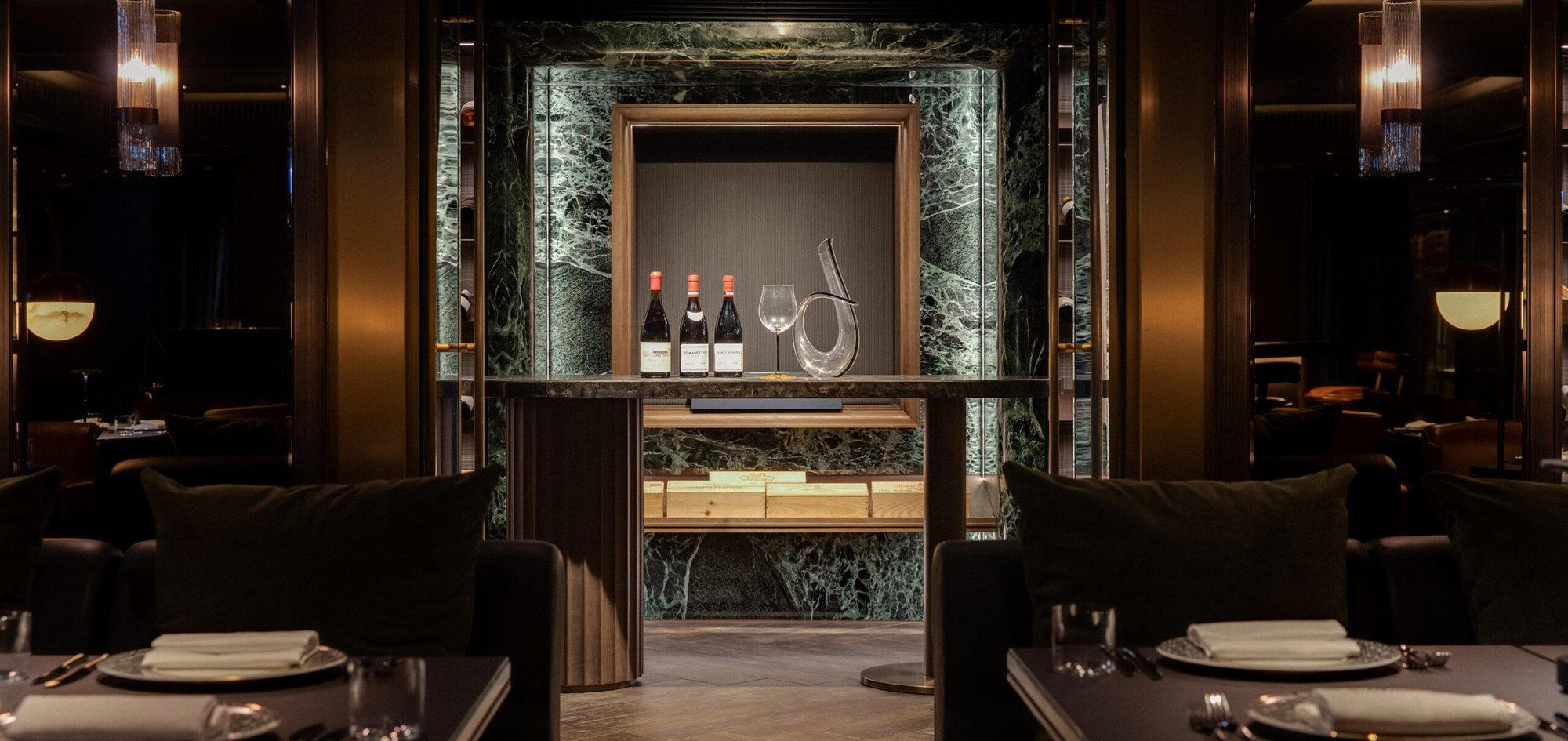
Details
- Classic
- Elegant
- Rustic
- Sophisticated
- Business Dinner
- Date Night
- Celebration
- Group Dining
- Open Kitchen
- Terrace
- Extensive Wine List
- Skyline
- Street Scene
- A La Carte
- Small Plates
Current opening hours
- Monday
- 12–10:30 PM
- Tuesday
- 12–10:30 PM
- Wednesday
- 12–10:30 PM
- Thursday
- 12–10:30 PM
- Friday
- 12–10:30 PM
- Saturday
- 12–10:30 PM
- Sunday
- 12–10 PM
Hours can change for holidays and private events. Hours as of .
Warm rustic Italian atmosphere with tan-beige cushioned furniture, high ceilings filled with sunset light from large windows, natural day light, and lively cityscape views at night.