

Gambero Rosso 2 Forchette
Our verdict
Positioned among Wan Chai's quieter hospitality addresses, Osteria Marzia occupies The Fleming hotel on Fleming Road and operates within a Hong Kong Italian dining scene anchored by credentialed heavyweights. Where the city's top Italian tables trend toward grand-room formality and trophy pricing, Marzia reads more calibrated in scale, a considered address for those working through the district's less-heralded dining corridor.

Pearl is the En Primeur Club membership app, where members save venues, book tables and use the concierge.
The menu
What to order
- Spaghetti Bronte
- Cappelletti al Nero
- Zuppa Di Pesce
Fleming Road and the Wan Chai Italian Question
Wan Chai does not announce itself as a dining destination the way Central or Tsim Sha Tsui do. The district runs on contrasts: old tenement blocks beside convention-centre glass, dai pai dong fumes drifting past hotel lobbies. Fleming Road, in particular, sits at the quieter southern edge of that mix, and The Fleming hotel has spent years positioning itself as the area's considered alternative to the brand-heavy properties clustered closer to the harbour. Osteria Marzia, the Italian-leaning restaurant within the hotel, inherits that positioning by proximity and, to a degree, by design.
Italian dining in Hong Kong occupies a specific tier in the city's broader fine-dining conversation. At the leading end, 8 1/2 Otto e Mezzo Bombana set a template for what Italian food at the highest register looks like in this city, Michelin-starred, ceremony-forward, priced accordingly. The conversation around where else to eat Italian in Hong Kong inevitably references that benchmark, even when the venues in question are doing something structurally different. Marzia operates at a different register, within a hotel format that tends to attract residents and visitors who want proximity to the Wan Chai MTR without the full theatre of a destination dining experience.
The Sustainability Thread Running Through Coastal Italian Kitchens
Across the broader coastal Italian tradition, the cooking of Liguria, Campania, Sicily, sustainability has always been baked into the logic of the cuisine, even when no one used that word. Cucina povera was never a philosophy statement; it was the practical outcome of fishing communities and smallholders using what they had, preserving what they caught, wasting nothing across a season. The revival of that ethos in contemporary Italian restaurants, from London to Sydney to Hong Kong, is partly aesthetic and partly a response to the sourcing pressures facing modern kitchens in high-cost cities.
Hong Kong presents particular sourcing challenges for any kitchen committed to responsible procurement. The city imports the vast majority of its food, which means carbon footprints on imported Italian produce are significant by default. Italian restaurants operating here that take sourcing seriously face a structural tension: authentic Italian ingredients are desirable, but bringing burrata from Puglia or bottarga from Sardinia across twelve hours of air freight is at odds with any coherent environmental position. The more thoughtful operators in the city's Italian segment have responded by leaning on regional Hong Kong seafood and South China Sea catches where the cuisine allows, supplementing with responsibly sourced European imports rather than defaulting to full Italian provenance for every component.
This is the broader editorial context worth understanding before arriving at Marzia. A hotel-based Italian restaurant in this part of Wan Chai has both incentive and opportunity to make considered sourcing decisions: the hotel format allows longer supplier relationships, and the neighbourhood's position outside the Central premium corridor means the pricing pressure to load plates with expensive imported product is somewhat reduced. Whether Marzia has committed formally to that direction is, but the broader trend in Hong Kong's mid-to-upper Italian tier is clearly moving that way, shaped in part by what operations like Gaia in Central and Western and others have demonstrated about the appetite for ingredient-conscious cooking in this city.
Where Marzia Sits in the Hong Kong Italian Tier
Caprice and Amber at the Four Seasons operate in a different register entirely, as does Ta Vie on its Japanese-French axis. The more relevant comparison is with hotel dining rooms that pitch themselves as neighbourhood restaurants first and hotel restaurants second, a distinction that matters for how menus are written, how service is calibrated, and how regulars are built. Marzia's address at The Fleming places it in that second category.
For context on the wider Italian conversation in Hong Kong, the city's dining culture across all cuisines has been shaped by decades of serious competition and a dining public with high baseline expectations. The same audience that supports Forum at the apex of Cantonese cooking will notice quickly if an Italian kitchen is cutting corners on pasta texture or defaulting to uninspired brodetto. The Fleming's location also means Marzia draws from the Wan Chai hotel corridor's transient population as well as from the area's residential and office density, a mixed audience that rewards consistency over occasion-dining theatre.
Planning a Visit: Logistics in the Wan Chai Context
Fleming Road is accessible from Wan Chai MTR station in a short walk, and The Fleming's position on the south side of the district keeps it clear of the louder bar-strip activity further north along Jaffe Road. For those cross-referencing Marzia against a wider Hong Kong itinerary, the full Hong Kong restaurants guide covers the city's dining spread across neighbourhoods, from the heritage dining rooms of Sha Tin including Lei Garden to newer entries further afield like One-ThirtyOne in Tai Po. Visitors building a multi-day dining itinerary around Hong Kong's Italian options specifically should factor in that the city's strongest credentialed Italian is concentrated in Central and Tsim Sha Tsui, making Wan Chai the natural choice for those who want Italian cooking without crossing the harbour or committing to a Central occasion-dining price point.
For comparison beyond Italian, New York's seafood-forward fine dining offers a useful reference point for where coast-conscious cooking can reach at the highest level. Le Bernardin has defined what rigorous, product-led seafood cooking looks like at the top of the market for decades; Atomix represents the more recent wave of precision-driven tasting formats. These are different registers from Marzia, but they establish the broader international benchmark against which Hong Kong's Italian kitchens, at whatever price tier, are implicitly measured by the city's most widely-travelled diners.
Frequently asked questions
Is Osteria Marzia okay with children?
Osteria Marzia sits inside The Fleming hotel on Fleming Road in Wan Chai, which gives it a calm, structured setting more typical of hotel dining than a lively neighbourhood trattoria. That environment generally accommodates families, though the atmosphere skews toward adult diners. Contacting the restaurant directly before visiting with children is advisable to confirm seating arrangements.
How would you describe the vibe at Osteria Marzia?
The setting is a hotel restaurant inside The Fleming in Wan Chai, which means measured rather than raucous: a quieter counterpoint to the district's street-level energy along Fleming Road. Coastal Italian cooking tends to carry an inherent lightness, and the room reflects that register. It reads as a considered dinner destination rather than a casual drop-in.
Is Osteria Marzia a good option for a business dinner in Hong Kong?
The Fleming's address on the quieter south side of Wan Chai, away from the district's busier thoroughfares, makes Osteria Marzia a plausible choice for a low-distraction business meal. Hotel dining rooms in Hong Kong at this level generally offer the table spacing and service pacing that a working dinner requires. Its position in Wan Chai also puts it within straightforward reach of Wan Chai MTR station.
What's the best thing to order at Osteria Marzia?
What the coastal Italian tradition does consistently well, across the Ligurian, Campanian, and Sicilian lines that inform this category, is seafood-led preparation with restrained saucing. Asking the floor team for the day's fish-focused dishes is a reasonable starting point.
The Essentials
Comparable venues nearby, for context on price, style, and recognition.
| Venue | Cuisine | Price | Awards | Notes |
|---|---|---|---|---|
| Osteria MarziaThis venue (the venue you are viewing) | Coastal Southern Italian | $50–100 | Gambero Rosso 2 Forchette | Not listed |
| BACI | Italian Trattoria & Pizza | $30–50 | 50 Top Pizza Asia-Pacific #24 | Lan Kwai Fong / Central, Italian Trattoria & Pizza |
| AMA Ristorante | Authentic Roman Italian | $50–100 | Gambero Rosso 1 Forchetta | Wan Chai, Authentic Roman Italian |
| Giá Trattoria Italiana | Authentic Regional Italian Trattoria | $50–100 | Gambero Rosso 1 Forchetta | Wan Chai, Authentic Regional Italian Trattoria |
| 208 Hollywood Rd | Authentic Italian with Contemporary Flair | $30–50 | Not listed | Central, Authentic Italian with Contemporary Flair |
| La Volta | Handcrafted Italian Pasta | $30–50 | Michelin Plate · Gambero Rosso 1 Forchetta | Wan Chai, Handcrafted Italian Pasta |
Recognition history
Dated appearances from independent guides and award organizations, with the underlying list record or original source where available.
Gambero Rosso 2 Forchette
Gambero Rosso
Opinionated About Dining Top Restaurants in Asia Recommended
Opinionated About Dining
Continue exploring
More in Hong Kong
Restaurants in Hong Kong
All restaurants in Hong Kong →
Bars in Hong Kong
All bars in Hong Kong →
Hotels in Hong Kong
All hotels in Hong Kong →
Wineries in Hong Kong
All wineries in Hong Kong →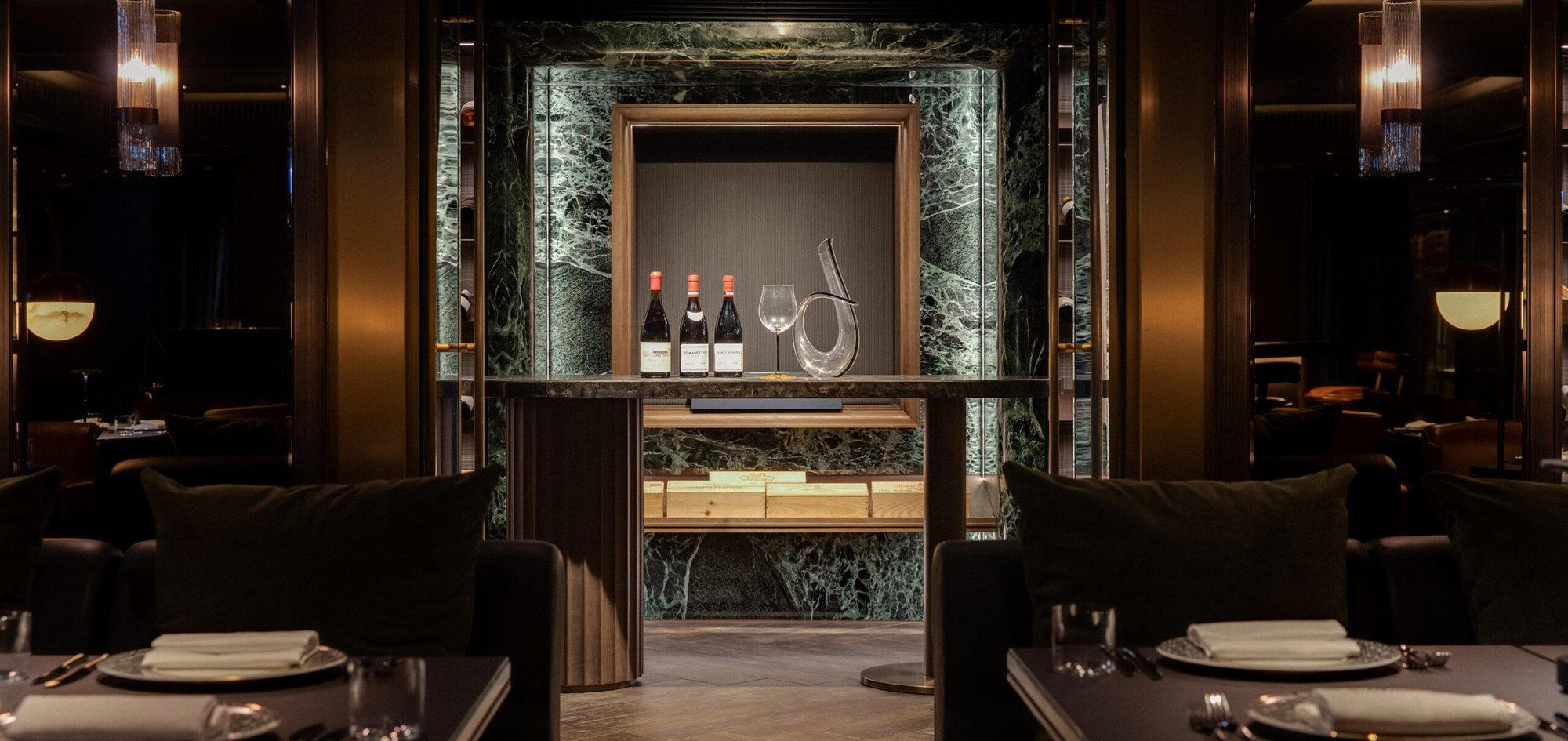
Details
- Elegant
- Cozy
- Sophisticated
- Intimate
- Date Night
- Special Occasion
- Business Dinner
- Open Kitchen
- Extensive Wine List
- Local Sourcing
- A La Carte
- Small Plates
- Southern Italian Wines
- Vegetarian Friendly
- Vegan Options
- Gluten Free Options
Current opening hours
- Monday
- 7 AM–2:30 PM, 6–10 PM
- Tuesday
- 7 AM–2:30 PM, 6–10 PM
- Wednesday
- 7 AM–2:30 PM, 6–10 PM
- Thursday
- 7 AM–2:30 PM, 6–10 PM
- Friday
- 7 AM–2:30 PM, 6–10:30 PM
- Saturday
- 7 AM–2:30 PM, 6–10:30 PM
- Sunday
- 7 AM–2:30 PM, 6–9 PM
Hours can change for holidays and private events. Hours as of .
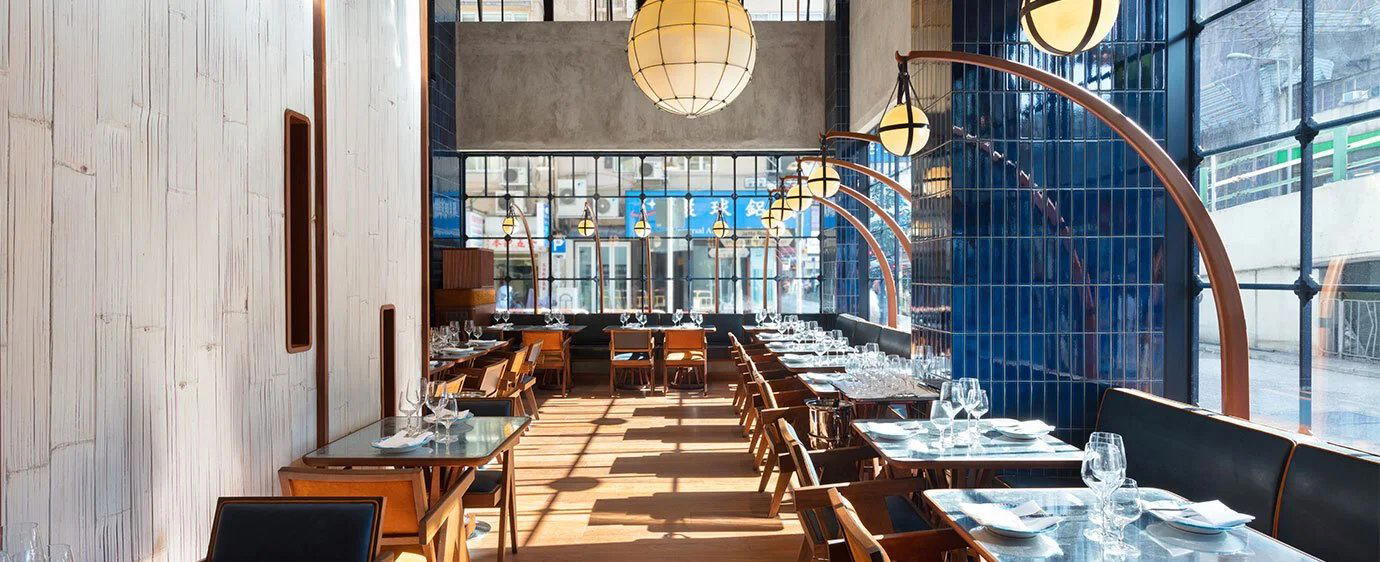
Lofty maritime-themed dining room with hanging spherical lights, ceramics, and colors evoking sunny coastal Italy.