

1 Michelin Star
Our verdict
Inside a farmhouse once owned by Enzo Ferrari himself, Cavallino has moved well beyond its origins as a factory canteen. Today, the kitchen operates under Massimo Bottura's influence through chef Riccardo Forapani and Virginia Cattaneo, anchoring the menu in orthodox Emilian tradition while threading in precise creative refinements.

Pearl is the En Primeur Club membership app — saves, bookings, and concierge access live there. Same editors, same standards.
- Address
- Via Abetone Inferiore, 1, 41053 Maranello MO, Italy
- Phone
- +39 0536 944877
- Hours
- Mon–Sat 12:30–2 PM, 7:30–9 PMSun 12:30–2:30 PM
- Website
- ferrari.com
- Directions
- Get directions
The menu
What to order
- Tortellini del Tortellante
- Tagliatelle with ragu
- Crème caramel of Parmesan
Where Motor Oil and Mortadella Share a History
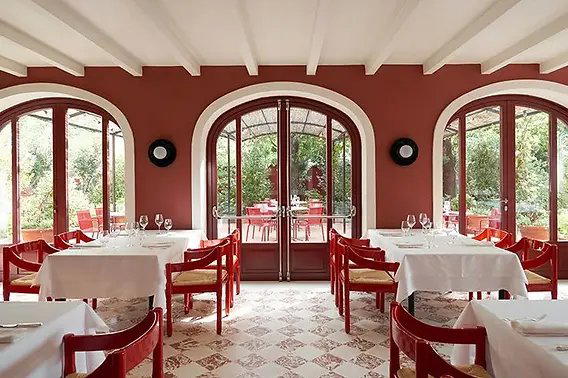
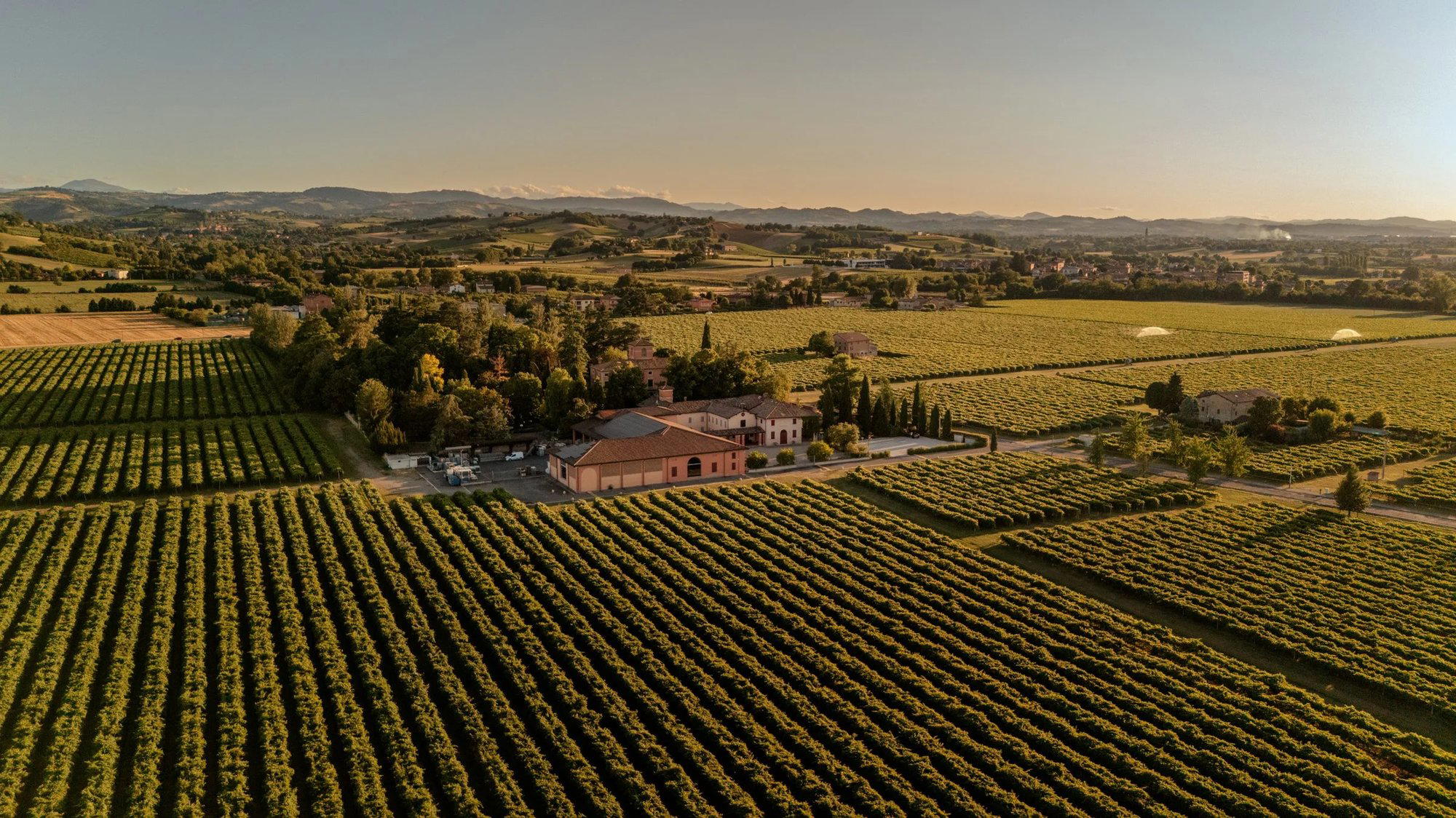
The farmhouse at Via Abetone Inferiore has a particular kind of quiet that only old agricultural buildings hold onto, even when the surrounding town has grown into a global manufacturing symbol. From the outside, the weathered tones and low-slung architecture of Cavallino register as a counterpoint to the precision engineering that Maranello is known for worldwide. The building predates the factory mythology; Enzo Ferrari acquired it as part of the land parcel that would eventually become the Prancing Horse's home base, and for years it functioned as a company canteen before transforming into a proper restaurant from 1950 onward. That layered history gives the dining room a texture that a purpose-built restaurant rarely achieves. The atmosphere carries what the Michelin inspectors' notes describe as charmingly vintage tones — dark wood, framed memorabilia, a pace that resists hurrying.
Emilian Sourcing as a Creative Framework
The broader Emilia-Romagna region operates as one of Italy's most codified food cultures. Its produce — Parmigiano-Reggiano aged to specific humidity and temperature schedules, prosciutto di Modena from pigs raised under strict DOP protocols, hand-rolled pasta doughs built on flour-to-egg ratios passed down through generations, functions less like ingredient sourcing and more like a denominational system. Restaurants in this tradition don't simply buy local; they submit to a set of standards that have formal legal protection and centuries of craft refinement behind them.
At Cavallino, that sourcing orthodoxy is most visible in the pasta program. The tortellini come from Tortellante, a Modena-based workshop co-founded in direct collaboration with Massimo Bottura, dedicated entirely to the production of hand-made tortellini according to traditional specification. Tortellante represents one of the more visible institutional efforts to preserve the precise geometry and filling ratios of Modenese tortellini at a time when industrial shortcuts have eroded the category across much of Italy. Getting tortellini from that source isn't a marketing decision, it's a declaration of where the kitchen places itself within the region's culinary hierarchy. For diners comparing notes on Emilian cooking across the province, the provenance matters as a quality signal in its own right.
This sourcing discipline runs parallel to the kitchen's creative work rather than against it. Mòdna, the restaurant's reworked Sachertorte incorporating sour cherries from the regional palette, illustrates how the Bottura lineage operates at Cavallino: classical Emilian reference points used as raw material for considered variation, not as constraints. The dish name itself, a Modenese dialect rendering of Modena, signals the geographic affiliation without apology.
The Bottura Connection and What It Actually Means Here
Italy's fine dining geography clusters its most decorated kitchens in specific corridors. The Modena axis, anchored by Osteria Francescana, itself a repeated occupant of the World's 50 Best leading positions, has created a generation of trained cooks whose placement matters to how individual restaurants are read by informed diners. Riccardo Forapani and Virginia Cattaneo carry that lineage into Cavallino's kitchen, which positions the restaurant inside a specific intellectual tradition without requiring it to replicate the Francescana format.
That distinction is worth making precisely because Cavallino does not operate as a satellite of Osteria Francescana. The price register sits at €€€ rather than the €€€€ tier occupied by restaurants like Le Calandre, Dal Pescatore, or Enrico Bartolini. The format is more accessible, the atmosphere leans toward regional restaurant rather than international destination, and the menu gives genuine weight to traditional preparation alongside creative riffs. Within the Emilian restaurant tier, that combination is relatively specific: trained creative ambition at a price point that allows for regular rather than occasional visits.
For a broader view of similarly positioned Italian restaurants working at the intersection of regional tradition and contemporary technique, Arnaldo - Clinica Gastronomica and Osteria del Viandante, both in nearby Rubiera, offer useful comparisons from within the same culinary province. Further afield, restaurants like Piazza Duomo in Alba, Reale in Castel di Sangro, and Uliassi in Senigallia represent the broader Italian pattern of regionally grounded fine dining that Cavallino participates in, while Atelier Moessmer Norbert Niederkofler and Enoteca Pinchiorri illustrate what the upper tier of that same trajectory can look like.
The Wine List and Why It Rewards Attention
The wine program at Cavallino is structured to function across price points, with an emphasis on by-the-glass options that makes the list genuinely useful for solo diners and for tables that want to move across styles without committing to full bottles. In a region that produces Lambrusco in several serious, age-worthy expressions alongside less-discussed whites from the Colli Modenesi, a list with strong by-the-glass coverage signals that the kitchen and the cellar are in dialogue. The Emilian wine tradition is less internationally legible than Barolo or Brunello, which means lists built around it tend to reward the curious diner willing to defer to the sommelier's regional knowledge.
Planning Your Visit
Cavallino sits at Via Abetone Inferiore, 1 in Maranello, the same address that puts it within walking distance of the Ferrari Museum, a proximity that makes it a natural anchor for a day that begins with automotive history and ends with a serious Emilian lunch or dinner. The restaurant holds a Michelin Plate recognition for 2025, confirming kitchen consistency without the full star designation. Reservations are advisable, particularly for weekend visits when the combination of museum tourism and local dining demand compresses availability. For seafood-forward alternatives in the same town, MikEle offers a contrasting register. Those building a wider Maranello itinerary can explore our full Maranello restaurants guide, alongside guides to hotels, bars, wineries, and experiences in the area.
Frequently asked questions
Is Cavallino a family-friendly restaurant?
Cavallino's setting — a historic farmhouse with vintage atmosphere, Michelin Plate recognition, and a €€€ price range — skews toward adult diners seeking a considered meal rather than a casual family outing. Families visiting the nearby Ferrari Museum will find the address convenient, but the creative Emilian cooking and refined environment suit those focused on the food rather than a child-oriented experience.
What should I expect atmosphere-wise at Cavallino?
The dining room occupies a farmhouse that Enzo Ferrari originally purchased as a company canteen, and the space retains what the Michelin guide describes as 'charmingly vintage tones.' The Bottura connection — expressed through chef Riccardo Forapani and Virginia Cattaneo — keeps the cooking forward-looking, but the room itself has the unhurried quality of an old agricultural building that has seen several decades of Italian automotive history through its windows.
Has Cavallino won any awards?
Cavallino has received recognition including: In the rooms of an old farmhouse that “Drake” Enzo Ferrari purchased, along with the entire area now dedicated to the iconic Maranello factory and symbol of Italy in the world, to make it a company canteen later transformed from 1950 into a….
What's the best thing to order at Cavallino?
The tortellini from Tortellante are the dish the Michelin guide singles out explicitly, and they represent the kitchen's most orthodox Emilian position. Mòdna, the house interpretation of Sachertorte using sour cherries, shows how Forapani and Cattaneo reframe regional traditions under Bottura's creative framework — worth ordering as a signal of what makes this address different from a straightforward trattoria.
What's the pricing like at Cavallino?
Pricing at Cavallino is listed as €€€.
Comparison Snapshot
| Venue | Cuisine | Price | Awards | Notes |
|---|---|---|---|---|
| CavallinoThis venue — the venue you are viewing | Modern Emilian Italian by Massimo Bottura | $50–100 | 1 Michelin Star | Not listed |
| Atelier Moessmer Norbert Niederkofler | Italian, Creative | Not listed | Michelin 3 Star | Not listed |
| Dal Pescatore | Italian, Italian Contemporary | Not listed | Michelin 3 Star | Not listed |
| Enoteca Pinchiorri | Contemporary Italian Fine Dining | $200–300 | 3 Michelin Stars · World's 50 Best #32 | Italian - French, Italian Contemporary |
| Enrico Bartolini | Creative | Not listed | Michelin 3 Star | Not listed |
| Osteria Francescana | Avant-Garde Italian Contemporary | $300–500 | 3 Michelin Stars · World's 50 Best #1 | Progressive Italian, Creative |
Recognition history
Dated appearances from independent guides and award organizations, with the underlying list record or original source where available.
Michelin 1 Star
Michelin
Opinionated About Dining Top Restaurants in Europe Recommended
Opinionated About Dining
Full recognition history (5 entries)
Michelin Plate
Michelin
Opinionated About Dining Top Restaurants in Europe Ranked #299
Opinionated About Dining
Opinionated About Dining Casual in Europe Ranked #209
Opinionated About Dining
Continue exploring
More in Maranello
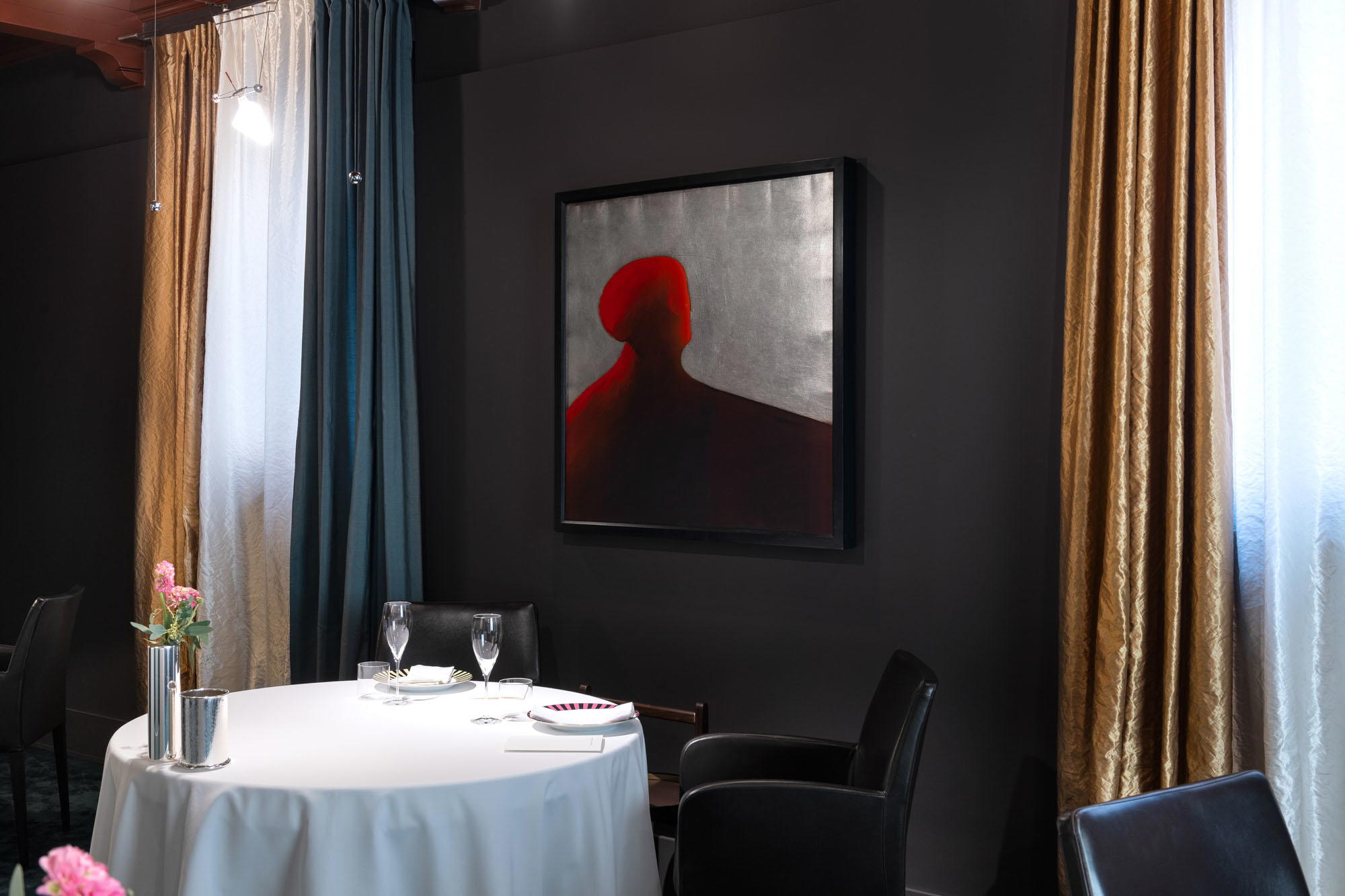
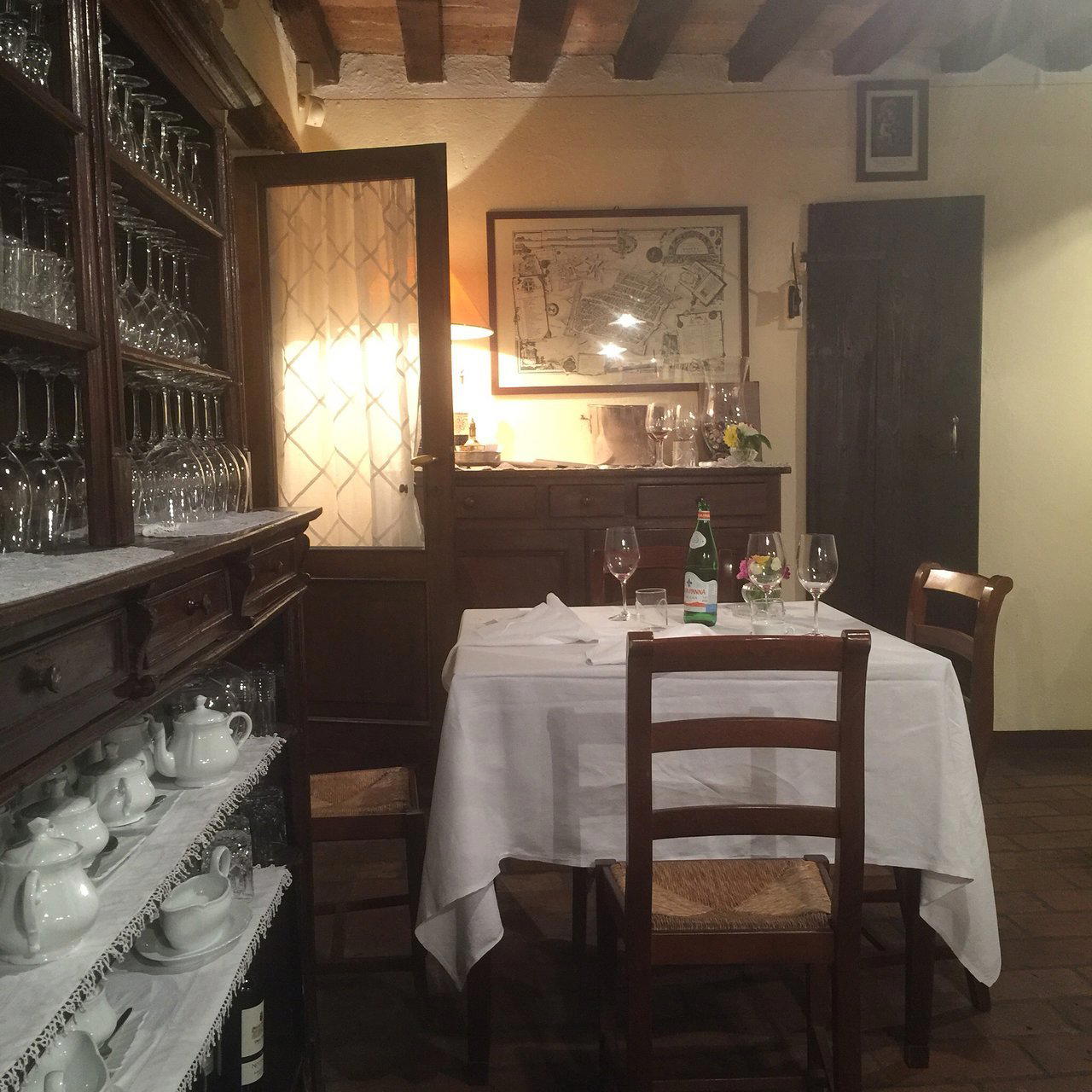
Restaurants in Maranello
Browse all →
Bars in Maranello
Browse all →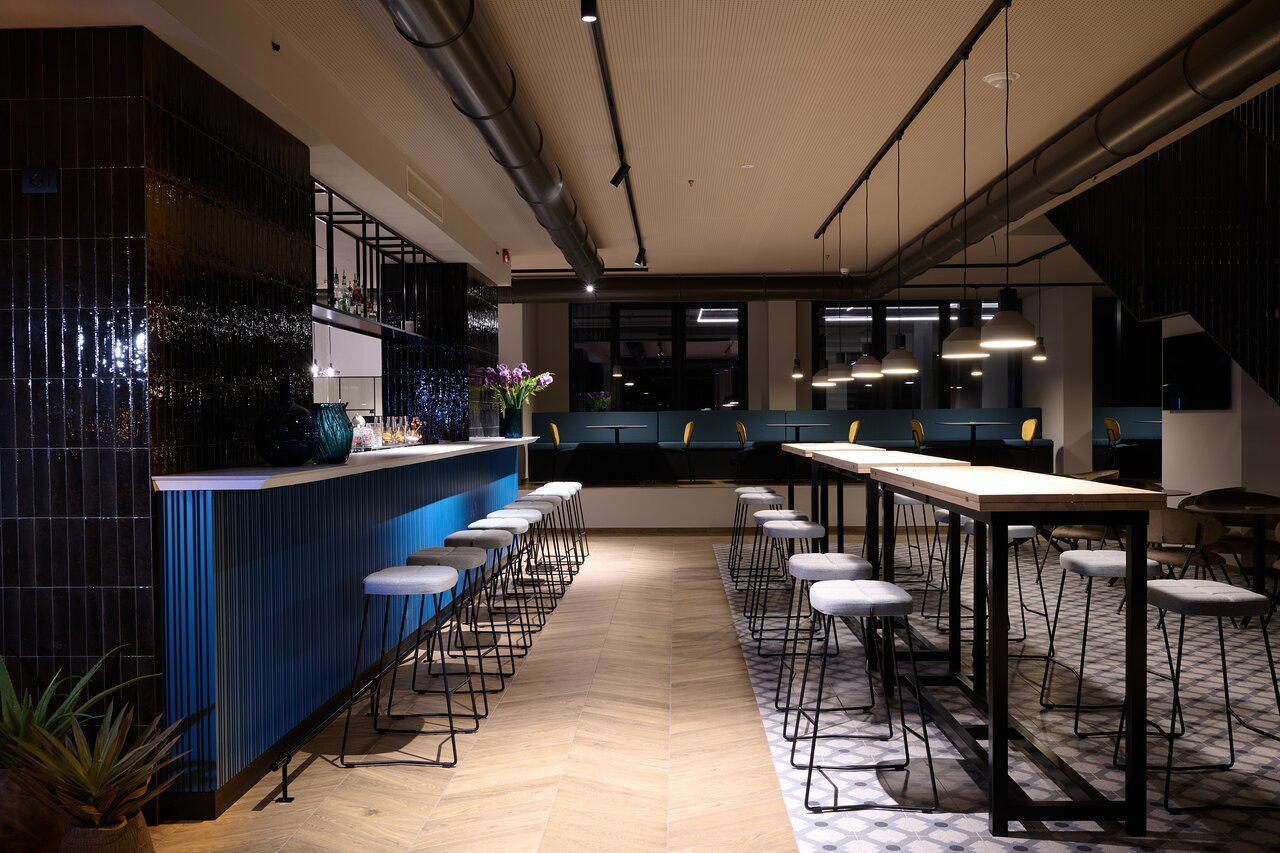
Hotels in Maranello
Browse all →

Details
- Classic
- Elegant
- Well Known
- Special Occasion
- Business Dinner
- Family
- Celebration
- Historic Building
- Open Kitchen
- Extensive Wine List
- Local Sourcing
- A La Carte
- Tasting Menu
- Set Menu
- Wine
Current opening hours
- Monday
- 12:30–2 PM, 7:30–9 PM
- Tuesday
- 12:30–2 PM, 7:30–9 PM
- Wednesday
- 12:30–2 PM, 7:30–9 PM
- Thursday
- 12:30–2 PM, 7:30–9 PM
- Friday
- 12:30–2 PM, 7:30–9 PM
- Saturday
- 12:30–2 PM, 7:30–9 PM
- Sunday
- 12:30–2:30 PM
Hours can change for holidays and private events. Last verified .
Pleasant and elegant atmosphere infused with Ferrari memorabilia like engines and photos, creating a modern-traditional setting that's welcoming yet sophisticated.