Heinz Winkler carries a specific weight in Munich's fine dining conversation: a name attached to the upper tier of classical European technique at a moment when the city's top tables are increasingly defined by creative and Franco-Japanese hybrids. The restaurant sits at the intersection of tradition and contemporary Munich, placing it in a comparable set that includes some of Germany's most formally recognised kitchens.

Pearl is the En Primeur Club membership app — saves, bookings, and concierge access live there. Same editors, same standards.
A Name in the Architecture of German Fine Dining
Heinz Winkler is a restaurant in Munich serving modern French fine dining - Cuisine Vitale at a price of about $220 per person. The city that once anchored its prestige dining identity almost entirely in classical French tradition now holds a more varied upper bracket: Tohru in der Schreiberei brings a Modern German-Japanese approach to the conversation, JAN occupies a creative lane with its own competitive logic, and Tantris continues to operate as one of the city's most formally recognised addresses. Into this context, the name Heinz Winkler carries a particular register: it belongs to the generation that defined what prestige dining in Germany looked and tasted like before the current wave of hybrids and tasting menus reworked the category.
That historical weight matters for understanding where the restaurant sits today. Germany's three-Michelin-star tier is geographically distributed in a way that rewards knowledge: Aqua in Wolfsburg, Schwarzwaldstube in Baiersbronn, and Vendôme in Bergisch Gladbach each represent distinct regional expressions of the top tier. Munich's contribution to that national map has always been shaped by its proximity to Austria, its Alpine sourcing traditions, and a civic culture that takes formal dining seriously without performing austerity. Heinz Winkler operates inside that specific cultural logic.
Munich as the Setting: What the City Asks of Its Leading Tables
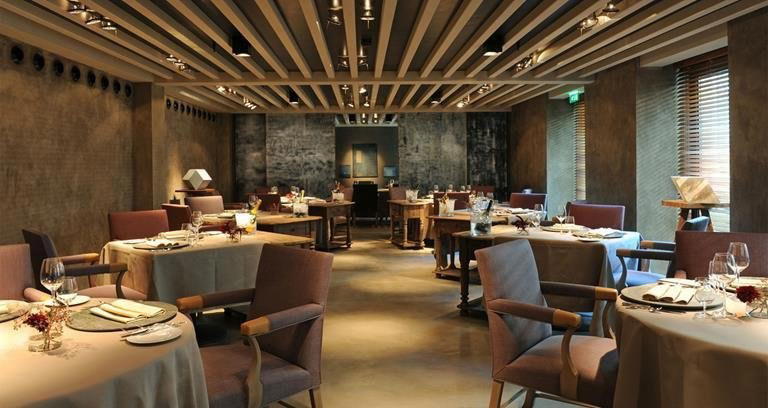
The physical and social environment of Munich produces a particular kind of dining expectation. This is a city where formality is not viewed as an anachronism, where guests arrive having booked weeks in advance, and where the service architecture of a serious restaurant is read as part of the proposition rather than a distraction from it. That culture distinguishes Munich from Berlin's more democratised, experiment-friendly scene and places it closer in spirit to the rooms at Restaurant Haerlin in Hamburg or Victor's Fine Dining by Christian Bau in Perl, where ceremony and precision are understood as signals of intent.
That context shapes what a reservation at the restaurant means in practice. The room is read against Munich's broader fine dining grammar: formal service, considered wine pairings, a pace that treats the evening as a structure rather than a transaction. Compared to the more experimental format of CODA Dessert Dining in Berlin, or the intimate tasting counter logic of ES:SENZ in Grassau, the Winkler proposition belongs to the classical-formal quadrant of the German fine dining map.
Classical European Technique in a Contemporary comparable set
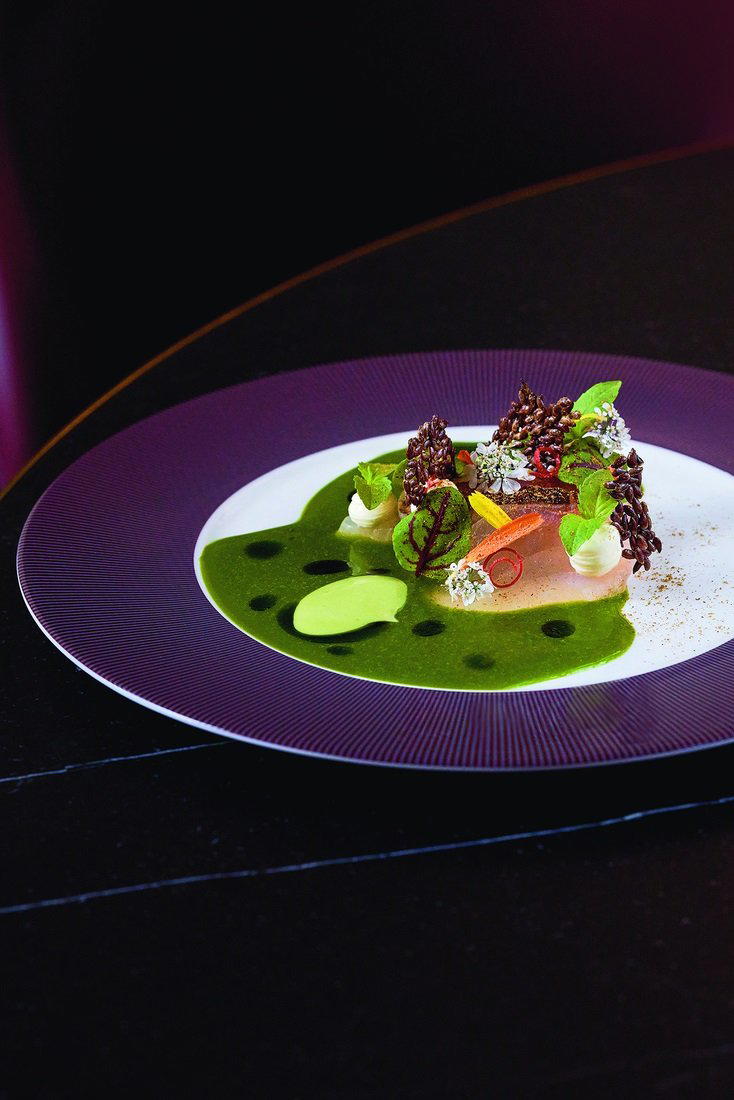
Germany's leading kitchens have bifurcated in a way that mirrors broader European trends. One cohort has moved toward lighter, ingredient-led formats with visible Japanese or Nordic influence. Another has maintained the architectural traditions of classical European cooking: reductions, classical sauce work, composed plates where each element is built to function within a precise whole. The restaurant belongs to the latter category, placing it in a comparable set that includes Waldhotel Sonnora in Dreis and Schanz in Piesport, kitchens where classical foundations are treated as a discipline rather than a limitation.
That positioning matters for the reader making a comparison across Munich's top tier. Alois - Dallmayr Fine Dining and Atelier both occupy creative lanes at the €€€€ price point, signalling that the city's upper bracket is not monolithic. The restaurant operates as the counterweight: a kitchen that defines itself through depth in classical tradition rather than departure from it. For guests who have dined at comparable rooms internationally, the reference frame might run from Le Bernardin in New York City to Atomix as the opposing pole, classical precision versus creative reconstruction.
The Winkler Name in the German Culinary Record
Few restaurant names in Germany carry the institutional resonance that restaurant does. The association with the highest Michelin recognition at a formative moment in the country's fine dining development places it in a small cohort of addresses that helped establish what German restaurants could achieve at the summit of the international hierarchy. That history is not merely sentimental: it functions as a trust signal for guests who read culinary lineage as evidence of technical standard, in the same way that a wine drinker might read a domaine's vintage history before opening a bottle. Bagatelle in Trier operates in a different register entirely, but both speak to the breadth of Germany's regional fine dining record.
The name also places a specific kind of pressure on the dining experience. Guests arrive with reference points shaped by reputation, which means the room must operate at a standard that justifies that weight. In Munich's current market, where Tantris has successfully reinvented itself while retaining its historical authority, the question of how a prestigious name translates into a contemporary reservation is one that Winkler answers through the consistency and formality of its proposition rather than through reinvention.
Planning a Visit
Munich operates on advance booking culture at this price tier. Guests planning a visit to the restaurant should approach the reservation process with the same lead time they would apply to any formally recognised kitchen in Germany's leading bracket: several weeks minimum, and considerably more if dining dates are fixed. The city's restaurant week and major festival periods compress availability further, making early contact advisable for travellers building an itinerary around the meal.
Price Lens
Comparable venues nearby, for context on price, style, and recognition.
| Venue | Cuisine | Price |
|---|---|---|
| Heinz WinklerThis venue — the venue you are viewing | Not listed | $$$$ |
| Platzl 6-8 | Altstadt, Modern Bavarian Fine Dining | $$$$ |
| Coucou Food Market | Neuhausen, French Deli & Bakery | $$ |
| Il Gattopardo | Schwabing, Traditional Italian Trattoria | $$$$ |
| RELAX | Isarvorstadt, French Gastropub | $$ |
| Hunsinger in der Goldenen Gans | Pasing, French-Asian Seafood | $$$$ |
Continue exploring
More in Munich
Restaurants in Munich
Browse all →
Bars in Munich
Browse all →
Hotels in Munich
Browse all →

At a Glance
- Elegant
- Sophisticated
- Classic
- Romantic
- Date Night
- Business Dinner
- Special Occasion
- Celebration
- Wine Cellar
- Terrace
- Historic Building
- Hotel Restaurant
- Private Dining
- Extensive Wine List
- Sommelier Led
- Local Sourcing
- Organic
- Mountain
- Garden
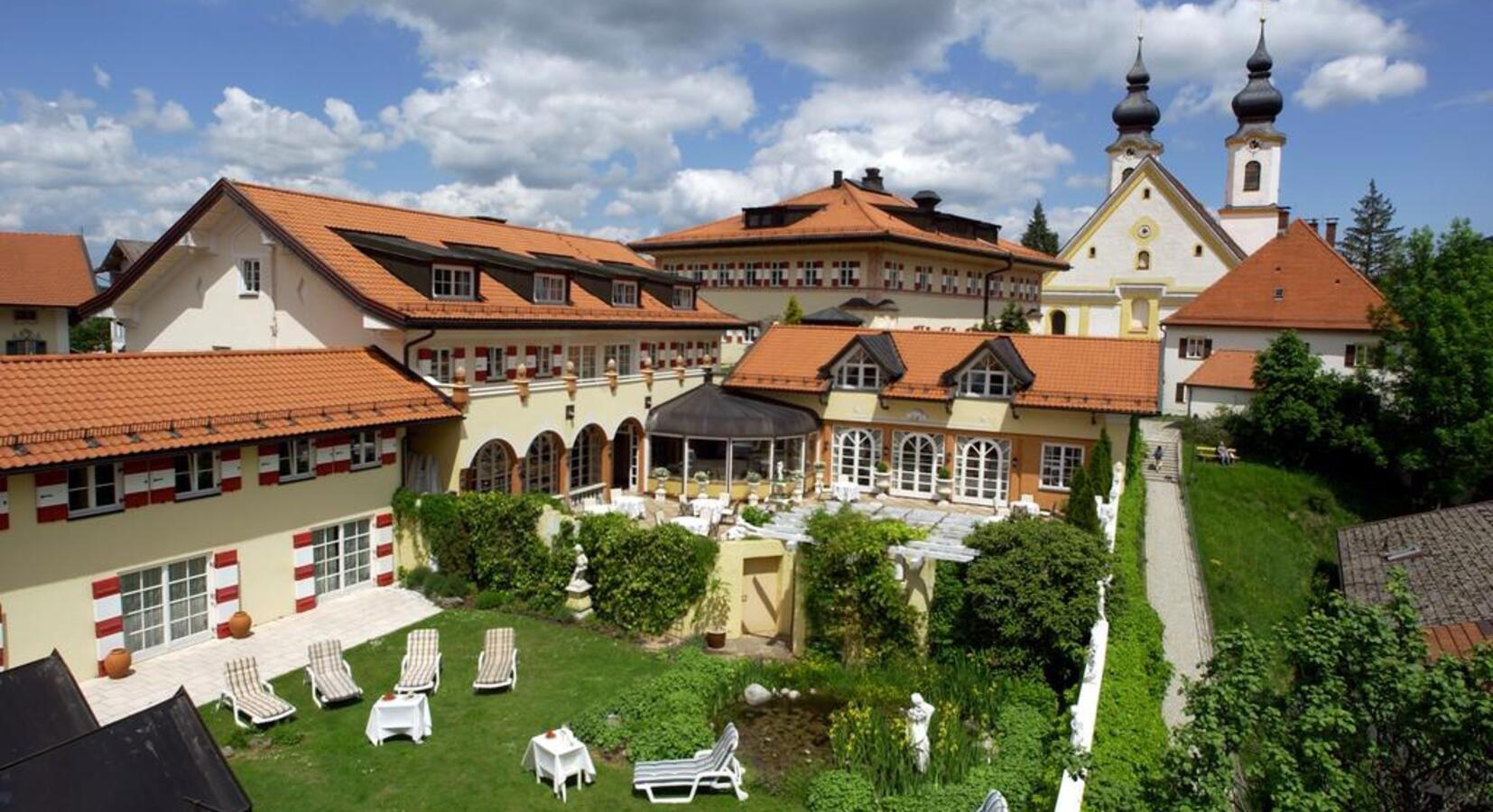
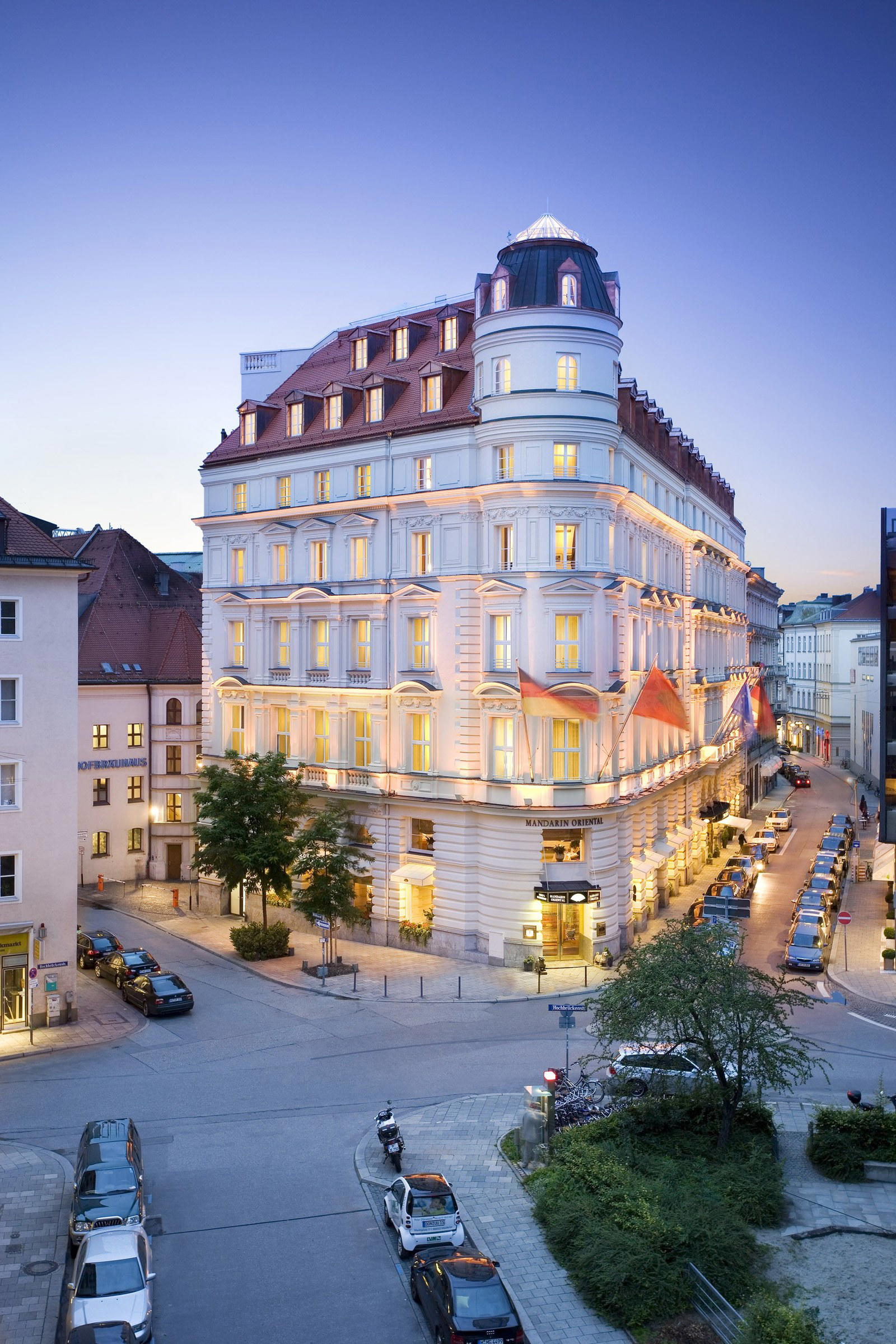
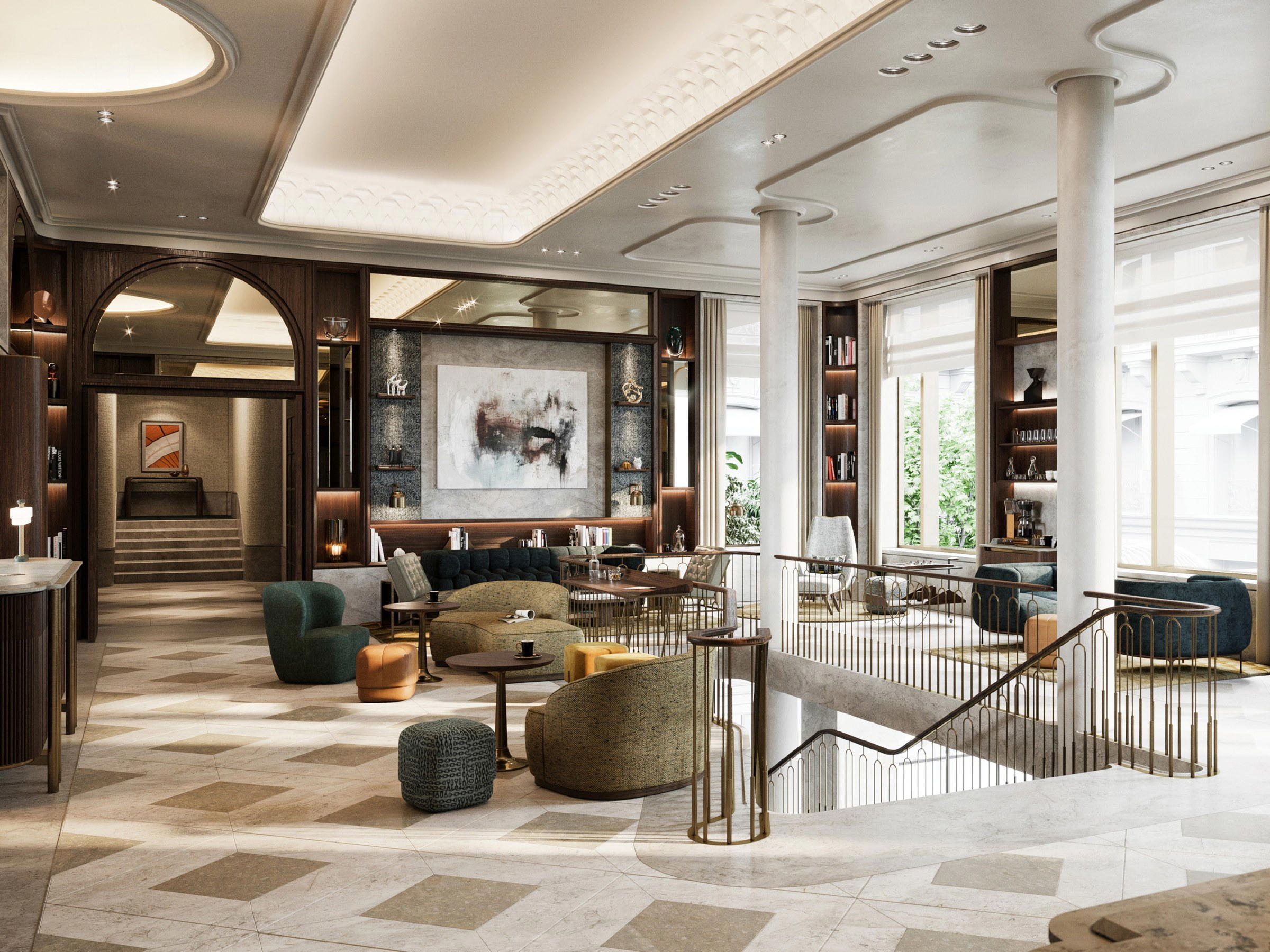
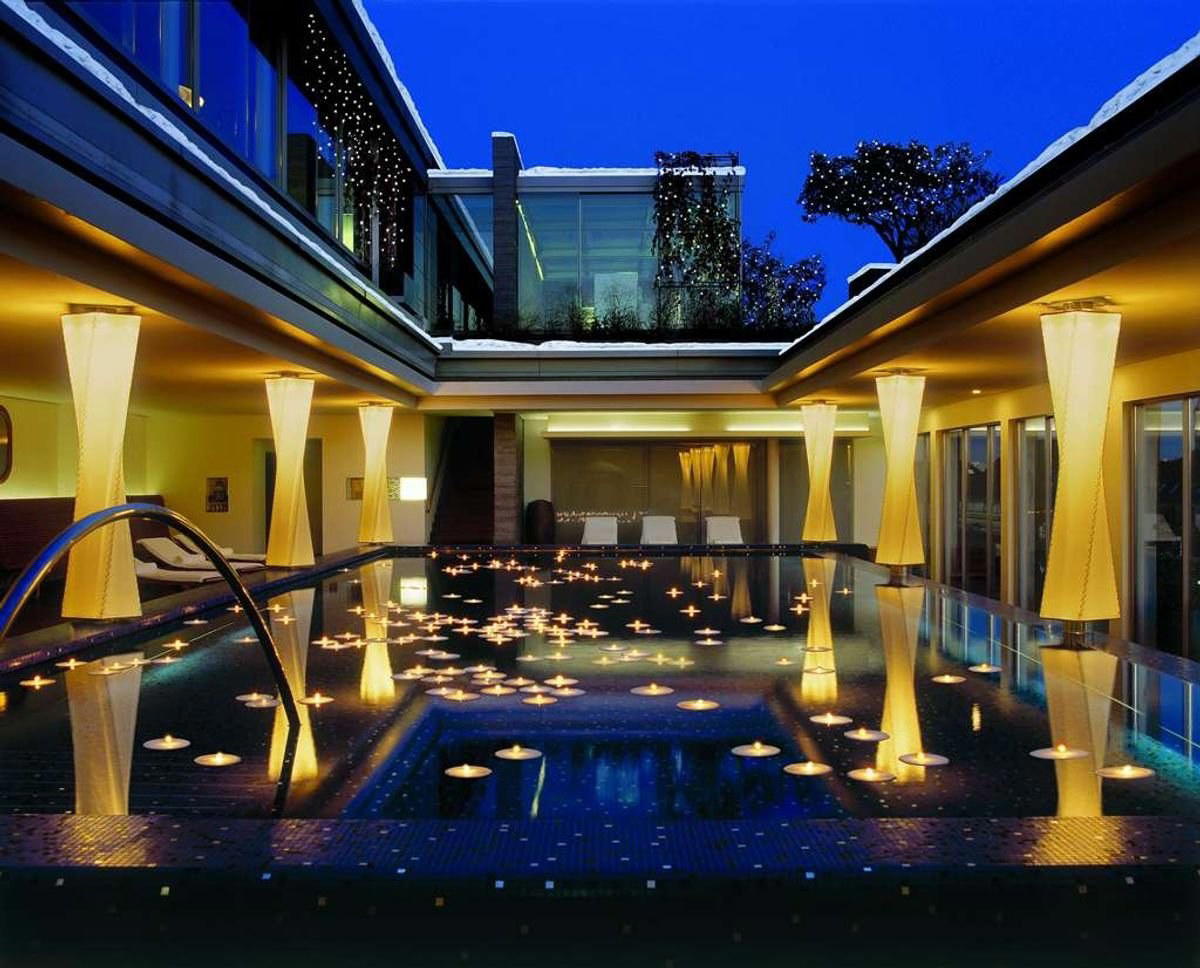
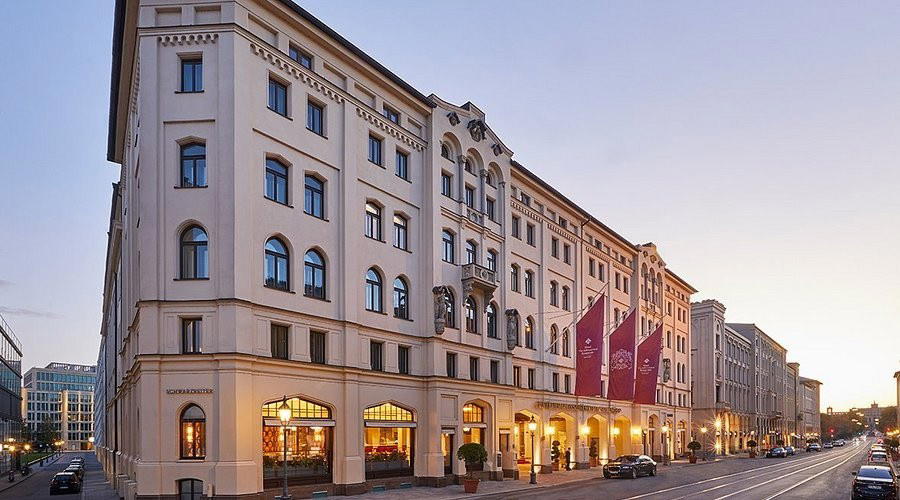
Elegant Venetian-inspired setting with Italian ambiance, mountain view terrace, and winter garden creating a refined, luxurious atmosphere.