Maison Massard occupies a residential address in Munich's Haidhausen district, operating at the quieter end of the city's fine dining spectrum. Where Munich's most-decorated rooms cluster around the city centre and Schwabing, this address draws a more neighbourhood-minded crowd. Ingredient sourcing and a restrained format position it alongside the city's smaller, conviction-driven dining operations.
Pearl is the En Primeur Club membership app — saves, bookings, and concierge access live there. Same editors, same standards.
- Address
- Bazeillesstraße 5, 81669 München, Germany
- Phone
- +498944419962
- Website
- maison-massard.de
- Directions
- Get directions
 Saves & bookings on Pearl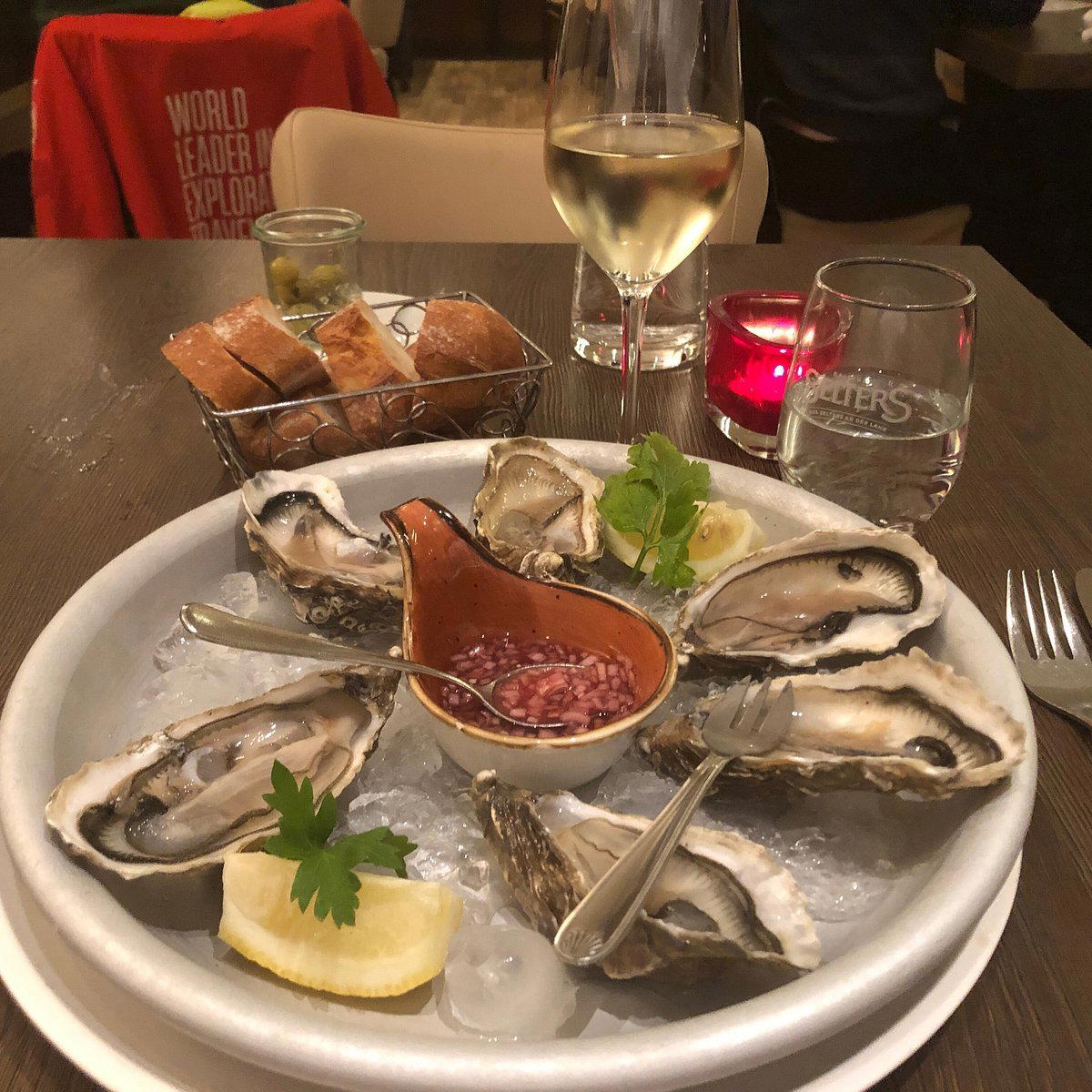
A Different Frequency in Haidhausen
Maison Massard is a restaurant in Munich, Germany, serving Traditional French Brasserie cuisine at about $45 per person. Munich's fine dining reputation is built largely on a cluster of decorated rooms: Tantris in Schwabing carrying decades of French-influenced authority, Atelier at the Bayerischer Hof working within the grand hotel tradition, and Alois at Dallmayr drawing on a historic provisions house as both pantry and backdrop. These are rooms that announce themselves. Maison Massard, at Bazeillesstraße 5 in Haidhausen, does not. The address sits southeast of the Isar, in a neighbourhood better known for its Gründerzeit apartment blocks and independent coffee shops than for destination dining. That separation from the city's usual fine dining corridors is not a disadvantage, it is the point.
Haidhausen has historically absorbed the kind of restaurants that trade on product rather than positioning: places where the sourcing conversation happens at the table rather than in the press release. Maison Massard fits that pattern. The approach here belongs to a strand of European fine dining that treats the supply chain as a creative decision equal in weight to technique, and that strand is visible across the room before the first course arrives.
Where the Food Comes From
The sourcing-led model that restaurant represents has become one of the more significant dividing lines in contemporary European fine dining. On one side sit operations that treat ingredients as raw material for technical expression; on the other sit those where the origin of a product shapes the dish rather than the other way around. The latter approach demands longer lead times, tighter seasonal windows, and supplier relationships that often stretch years rather than months.
Germany's fine dining circuit has produced several examples of this discipline at the highest level. Aqua in Wolfsburg and Schwarzwaldstube in Baiersbronn both operate with deep regional sourcing commitments that inform their menus structurally, not just as garnish copy. ES:SENZ in Grassau, southeast of Munich in the Chiemgau, has built its identity around the immediate agricultural geography of the Alpine foothills. These are operations where the provenance claim is load-bearing, not decorative.
Munich itself sits at an advantage in this respect. Bavaria's agricultural output, dairy from the Alpine pastures south of the city, freshwater fish from the lake district, game from the surrounding forests, and a hop-growing tradition that informs flavour thinking across many kitchens, gives sourcing-led restaurants in the city a genuine local palette to draw from. A kitchen operating in Haidhausen with serious sourcing intent has the Viktualienmarkt within reach, established regional producer networks accessible by road, and seasonal produce windows that shift sharply with Alpine weather patterns. That specificity is what separates a sourcing claim from a sourcing practice.
The Munich Fine Dining Context
To place the restaurant accurately, it helps to map the broader terrain. Munich's most awarded rooms, JAN, Tohru in der Schreiberei, and the long-established Tantris, all operate with strong critical recognition and pricing that reflects that position. At that tier, the room itself becomes part of the offer: architecture, service choreography, and wine programme carry as much weight as the plate.
Smaller, less-decorated operations occupy a different register. They often carry more risk for the first-time visitor and more reward for the reader who knows what they are looking for. The German fine dining circuit beyond Munich's city limits demonstrates this clearly: Vendôme in Bergisch Gladbach, Victor's Fine Dining by Christian Bau in Perl, and Waldhotel Sonnora in Dreis all demonstrate that Germany's most compelling dining destinations are frequently located well outside major urban centres, in rooms that prioritise product and discipline over atmosphere and scale. The restaurant's Haidhausen address places it in a similar position relative to Munich: off the main circuit, requiring a deliberate choice from the diner.
Le Bernardin in New York, where sourcing rigour has anchored the kitchen's identity for decades, and Atomix in New York, where Korean produce networks inform a format built entirely around specificity of origin. CODA Dessert Dining in Berlin applies a similarly disciplined sourcing lens to a format that most kitchens treat as an afterthought. The common thread across these operations is that what arrives on the plate is explicable primarily by what the kitchen chose to buy and from whom.
What to Expect at the Table
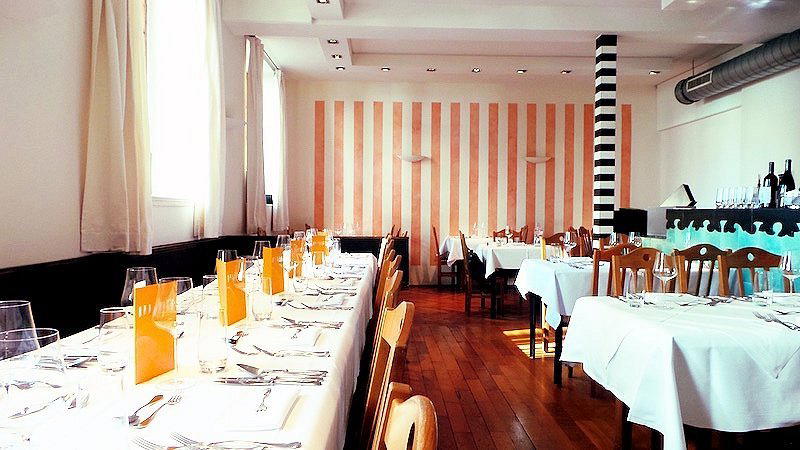
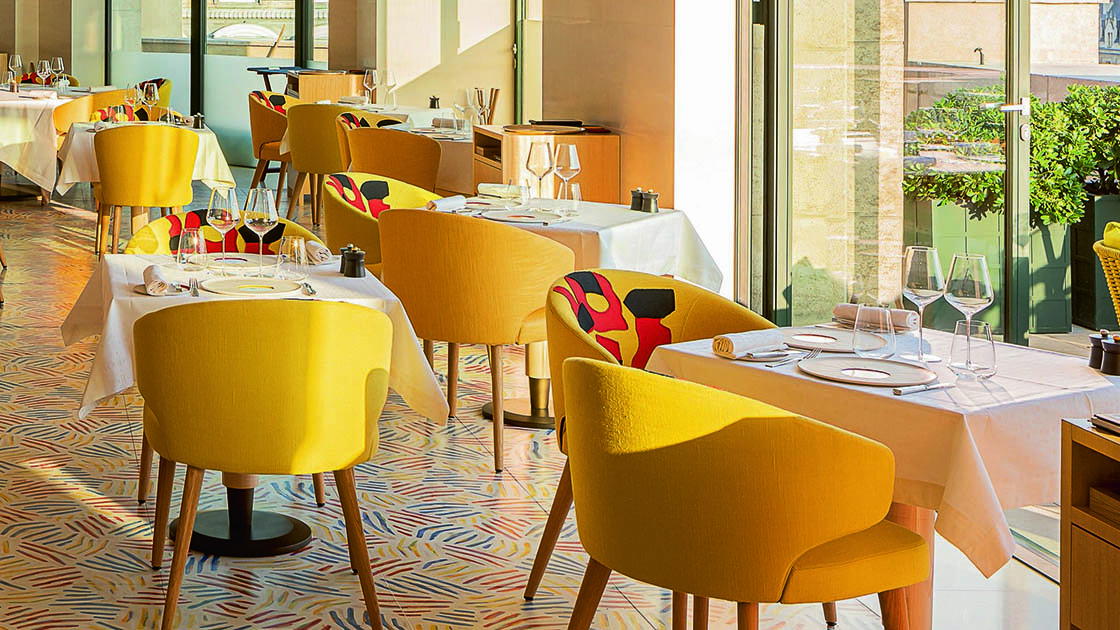
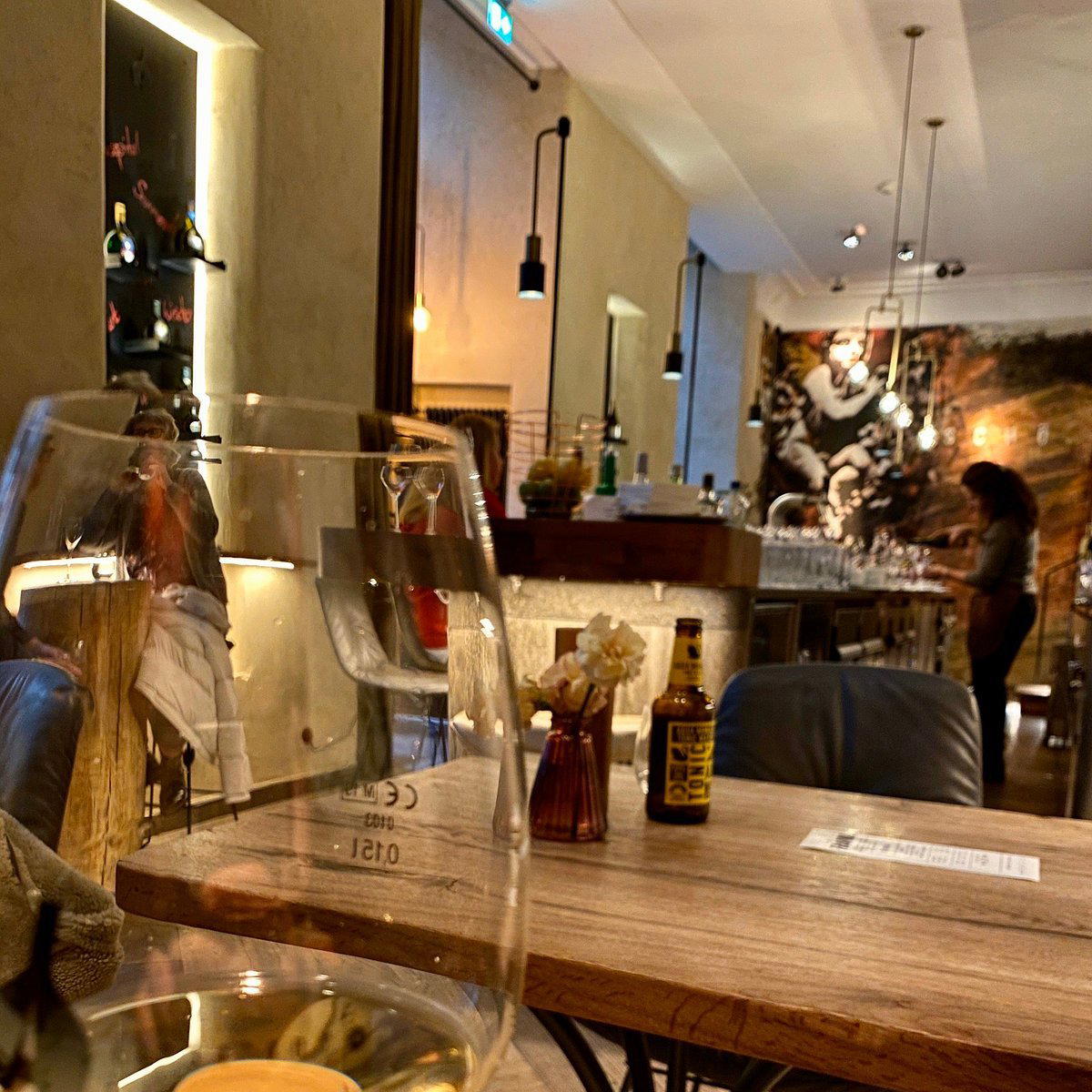
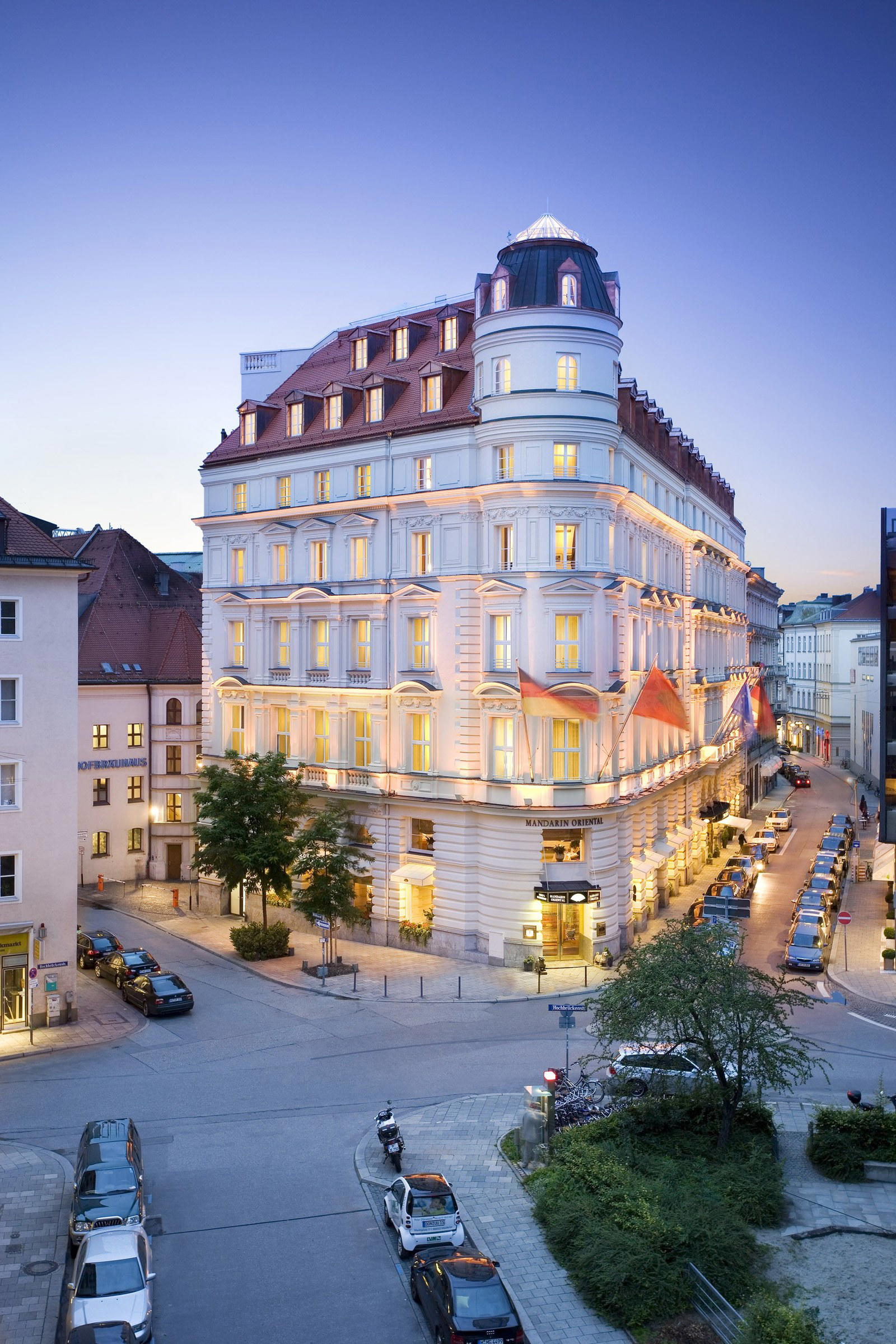
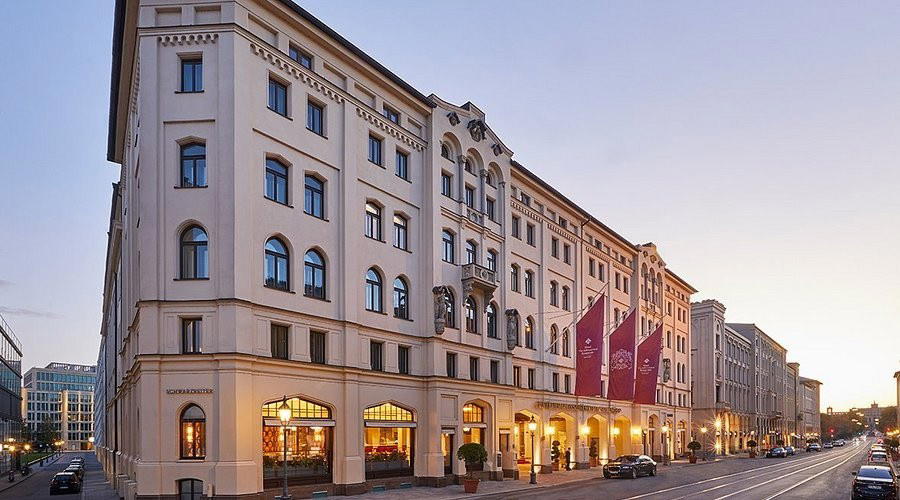
The residential character of Bazeillesstraße 5 sets an expectation that the room itself likely reinforces. Haidhausen's built environment runs to late-nineteenth-century apartment scale, which means dining rooms in the neighbourhood tend toward intimate proportions rather than architectural statement. That physical context shapes how a meal lands: in smaller rooms, service proximity increases, pacing becomes more personal, and the gap between kitchen and table narrows in ways that a 60-cover dining room cannot replicate.
This format suits the sourcing-led approach. When a kitchen is working with produce that changes week to week based on what is available from specific suppliers, a smaller operation can adjust more quickly than a large one. The trade-off is availability: rooms of this type in Munich and elsewhere in Germany typically book further ahead than their lack of Michelin stars might suggest, precisely because the regulars who understand the format return consistently.
full Munich restaurants guide. Those planning a wider German fine dining itinerary should also consider Restaurant Haerlin in Hamburg, Schanz in Piesport, and Bagatelle in Trier as reference points for how the sourcing-led model translates across different regional contexts.
At a Glance
Comparable venues nearby, for context on price, style, and recognition.
| Venue | Cuisine | Price | Notes |
|---|---|---|---|
| Maison MassardThis venue — the venue you are viewing | Haidhausen, Traditional French Brasserie | $$$ | Not listed |
| Makassar | Not listed | $$$ | Ludwigsvorstadt, Colonial French & Cajun Cuisine |
| Rue des Halles | Haidhausen, Classic French Brasserie | $$$ | Not listed |
| Brasserie OskarMaria | Not listed | $$$ | Lehel, French Brasserie with Regional Influences |
| Spatenhaus at the opera | Lehel, Traditional Bavarian | $$$ | Not listed |
| USHI | Not listed | $$$ | Denning, Modern Japanese Omakase Sushi & Ramen |
At a Glance
- Elegant
- Cozy
- Classic
- Date Night
- Business Dinner
- Group Dining
- Terrace
- Extensive Wine List
Current opening hours
- Monday
- 5:30 PM–12:30 AM
- Tuesday
- 5:30 PM–12:30 AM
- Wednesday
- 5:30 PM–12:30 AM
- Thursday
- 5:30 PM–12:30 AM
- Friday
- 5:30 PM–12:30 AM
- Saturday
- 5:30 PM–12:30 AM
- Sunday
- Closed
Hours can change for holidays and private events. Last verified .
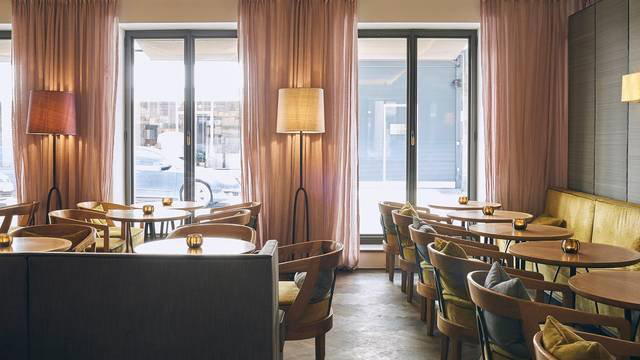
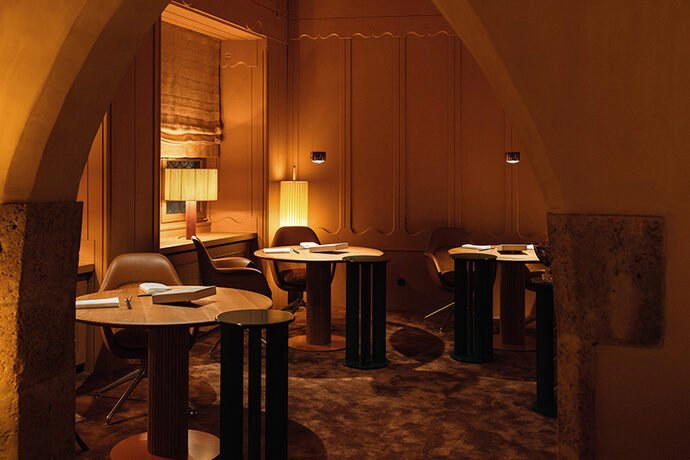
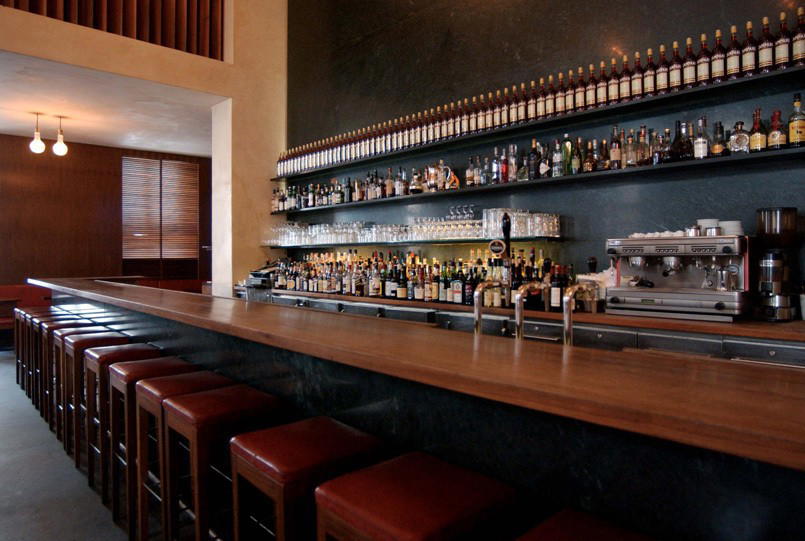
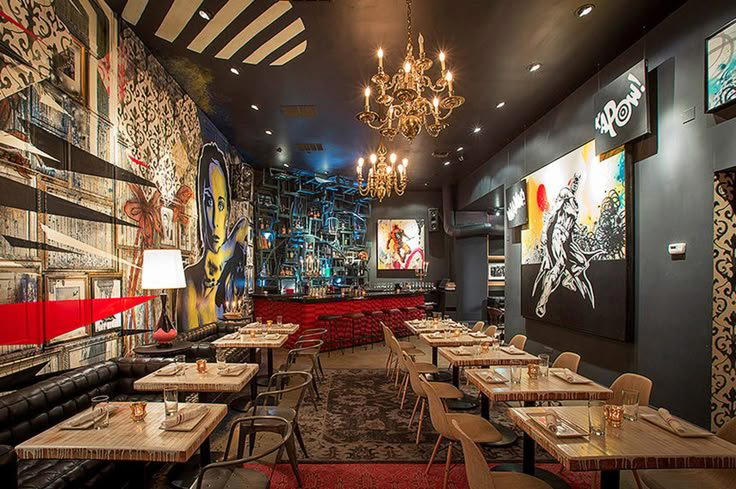
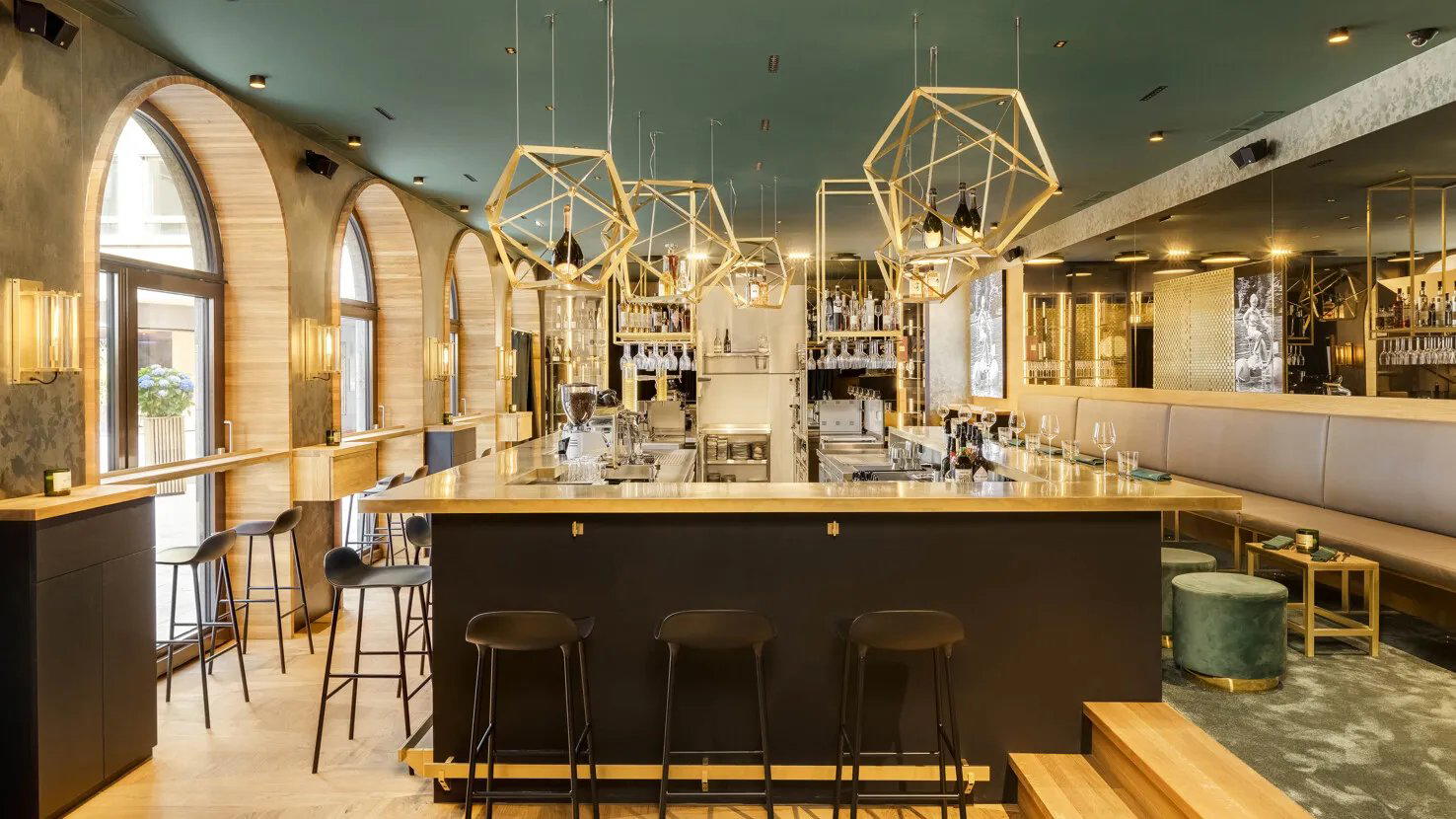
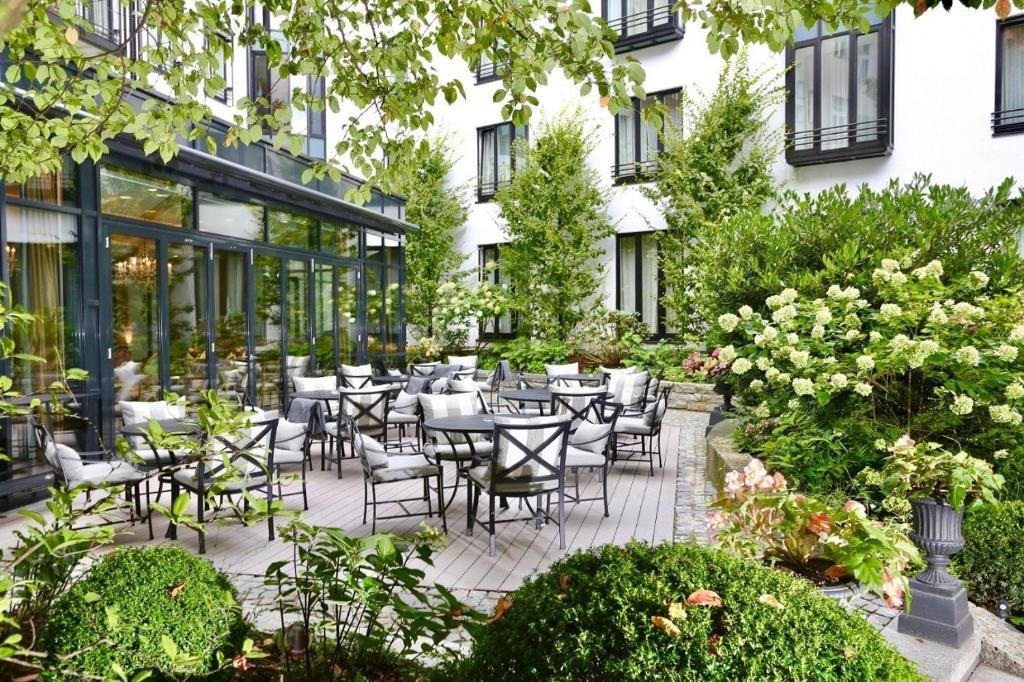
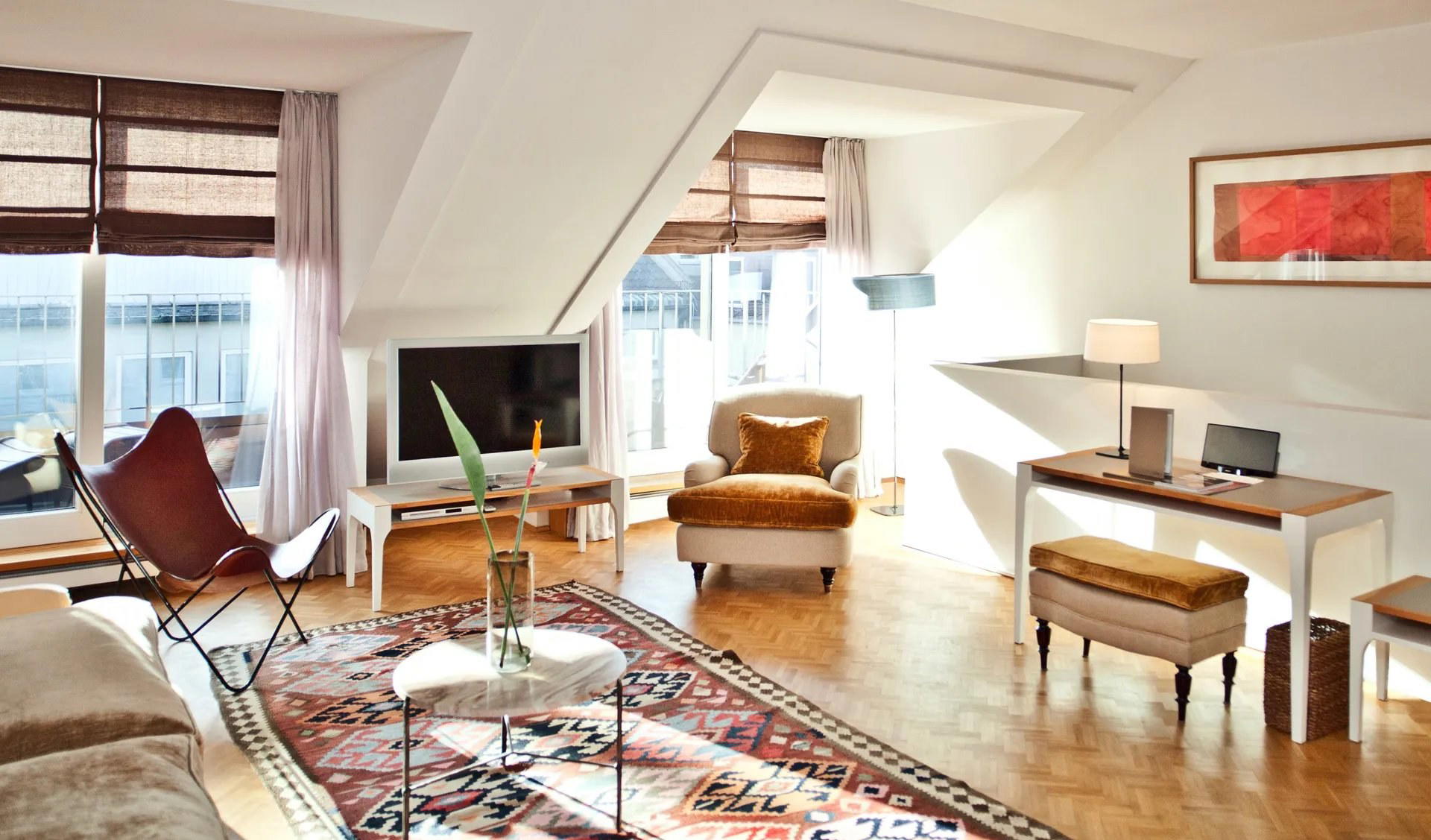
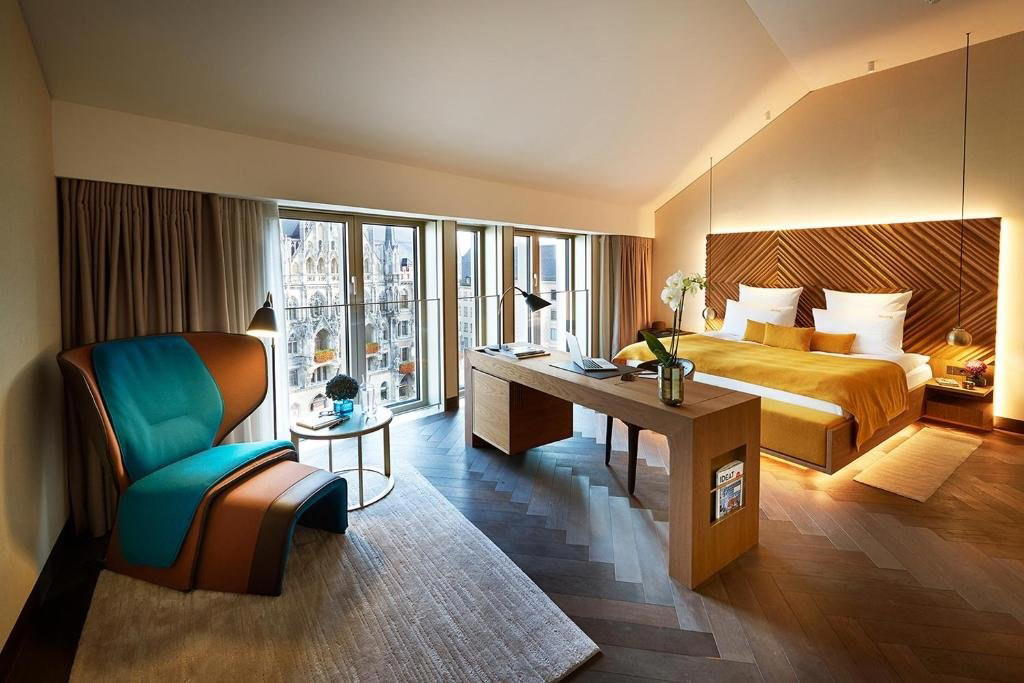
Refined and elegant French atmosphere with comfortable leather seating, cozy chairs, and a relaxed yet sophisticated vibe.