
Tabelog 100 #75
Our verdict
Yokohama’s ramen field runs from sub-¥1,000 counters to small, award-noted shops where timing and turnover shape the meal as much as the bowl. Ramen Torikku sits in the latter bracket: a 10-seat Yoshinocho ramen house selected for Tabelog 100 Ramen Kanagawa 2025, with a compact room and a long track record of Tabelog 100 selections since 2017.

Pearl is the En Primeur Club membership app, where members save venues, book tables and use the concierge.
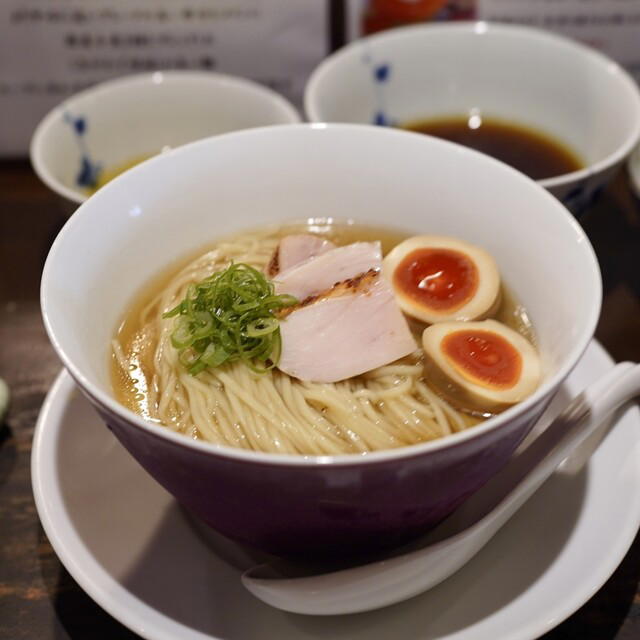
The menu
What to order
- Chicken shoyu ramen
- Soy-marinated molten egg topping
Yokohama puts ramen back at an everyday scale. The approach is not a grand dining-room reveal but the familiar rhythm of a focused local meal: a clear format, a direct service style, and an experience built around efficient handoffs between guest and kitchen. In Yokohama, where ramen identity is often tied to routine dining and local loyalty, Ramen Torikku belongs to a category where pace and purpose are part of the proposition.
That matters because ramen at this level is not only about preference. It is about focus. A ramen visit leaves little margin for drift when the meal is built around a single category and a narrow decision set. Orders need to move with confidence; hesitation at the door or at the ordering moment can change the whole experience. This is the opposite of the large-format dining experience, and it explains why the same category can feel casual in price but serious in execution.
A small Yokohama ramen room where service discipline carries the meal
Yokohama ramen has its own pressure. The city rewards repeatability, speed, and local trust as much as novelty. Ramen Torikku’s 2025 Tabelog Hyakumeiten recognition places it inside that local conversation rather than in a purely tourist-driven ranking economy. Its Tabelog score of 3.80 signals strong validation in a competitive ramen field.
The price bracket also tells a useful story. Many Yokohama ramen venues compete in an everyday dining register, including comparison venues such as Ryusei Ken, Ramen Taiko, Yokohama Iekei Ramen Kogane Ya, and Suzukiya Akebono chou ten. Ramen Torikku, like Ganso Juhachiban, occupies the JPY 1,000 to JPY 1,999 range. That is still accessible dining by Japan standards, but it shifts the expectation: the meal has to justify itself through detail, not spectacle.
The team dynamic in this kind of setting is pragmatic rather than theatrical. There is no need for a formal dining vocabulary layered over the experience; the equivalent is timing, seating judgment, and kitchen cadence. The format is direct, compact in feeling, and built around the ramen itself. Those details say more about the experience than any generic hospitality claim could. The shop is hospitable, but on ramen-shop terms.
Where it fits in Yokohama's wider eating map
Yokohama’s dining culture is broad for a Japanese port city, with everyday local meals and specialist shops sitting alongside more expansive dining formats. A Yokohama setting places this meal within the city’s broader food map without needing to frame it as a sightseeing stop. That is the appeal. The setting moves the decision from convenience to food-driven intent.
For travellers building a Yokohama itinerary, the useful comparison is not between ramen and fine dining. It is between formats. Other Yokohama dining rooms may work around different pacing, textures, service rhythms, or longer meal structures, while Ramen Torikku belongs to the compact specialist lane: short meal, strong local validation, and little insulation from the mechanics of service.
That lane has international parallels. The same traveller who understands the discipline behind a focused meal in Japan may also read the appeal of compact food formats elsewhere. The common thread is not cuisine; it is confidence within a narrow format, where the guest understands the premise quickly and the meal succeeds through focus rather than range.
How to read the recognition without overreading it
Tabelog Hyakumeiten is a meaningful signal in Japan because it reflects a competitive field where focused shops can earn attention and specialist respect. Ramen Torikku’s recognition in 2025 should be read as a durability marker within that category. It does not turn the meal into ceremony. It says the shop has held attention in a demanding ramen conversation.
The practical implication is simple: treat it as a focused ramen stop, not a long lunch. The price range is JPY 1,000 to JPY 1,999 for both lunch and dinner, which keeps the meal in an accessible everyday bracket while still setting an expectation of care. The safest reading is to arrive with a ramen-shop mindset: flexible, direct, and ready for a compact meal built around one clear purpose.
For broader planning, use the full Yokohama restaurants guide to place it against the city’s wider dining range, then build the rest of the trip through the full Yokohama hotels guide, the full Yokohama bars guide, the full Yokohama wineries guide, and the full Yokohama experiences guide. Nearby-city detours and other Japanese dining references can widen the food map further, but Ramen Torikku’s role is simpler: a Yokohama ramen stop with specific recognition from Tabelog Hyakumeiten in 2025.
The editorial case for Ramen Torikku is not excess. It is precision at modest scale: a Yokohama ramen shop, validated by a serious Japanese dining platform in 2025, operating in a price band where the difference between ordinary and memorable depends on discipline rather than decoration.
Frequently asked questions
Where is Ramen Torikku located?
Yokohama.
How much does it cost to eat at Ramen Torikku?
Pricing at Ramen Torikku is listed as JPY 1,000 - JPY 1,999 JPY 1,000 - JPY 1,999.
What are the operating hours at Ramen Torikku?
Operating hours are not specified in the provided venue details. Check the venue's official channels for the latest schedule.
What is Ramen Torikku known for?
Ramen Torikku is known for 2025 Tabelog Hyakumeiten recognition. It is listed in the ramen category and has a Tabelog score of 3.80.
Can Ramen Torikku accommodate dietary restrictions?
Those details are not published. Diners with restrictions should note the JPY 1,000–JPY 1,999 price range and check the venue's official channels for the latest details.
Is Ramen Torikku child-friendly?
Those details are not published. It is a ramen venue in Yokohama, so families should check the venue's official channels for the latest seating and access details.
The Quick Read
Comparable venues to anchor price and recognition.
| Venue | Cuisine | Price | Awards | Notes |
|---|---|---|---|---|
| Ramen TorikkuThis venue (the venue you are viewing) | Chicken-focused ramen | $10–20 | Tabelog 100 #75 | Not listed |
| Ryusei Ken | Japanese Ramen | $10–20 | Tabelog 100 #88 | JPY 999 - JPY 999 |
| Ramen Taiko | Specialty Miso Ramen Shop | $10–20 | Tabelog 100 #3 | JPY 999 - JPY 999 |
| Yokohama Iekei Ramen Kogane Ya | Yokohama iekei ramen | $10–20 | Tabelog 100 #87 | JPY 999 |
| Suzukiya Akebono chou ten | Yokohama iekei ramen | Not listed | Tabelog 100 #55 | JPY 999 - JPY 999 |
| Ganso Juhachiban | Casual Chinese Dumpling House | $10–20 | Tabelog 100 #99 | JPY 1,000 - JPY 1,999 |
Recognition history
Dated appearances from independent guides and award organizations, with the underlying list record or original source where available.
Tabelog 100 #75 · No. 75
Tabelog · Tabelog 100 - Ramen - KANAGAWA - 2025
Continue exploring
More in Yokohama
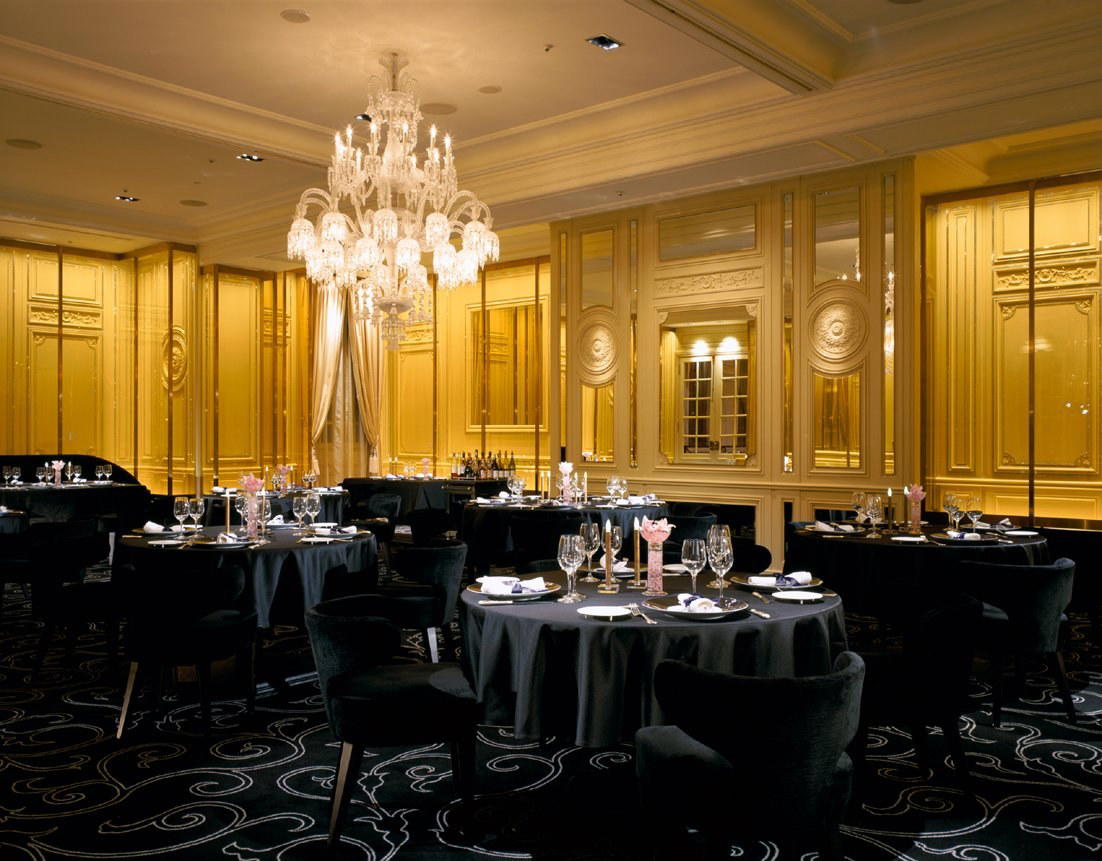
Restaurants in Yokohama
All restaurants in Yokohama →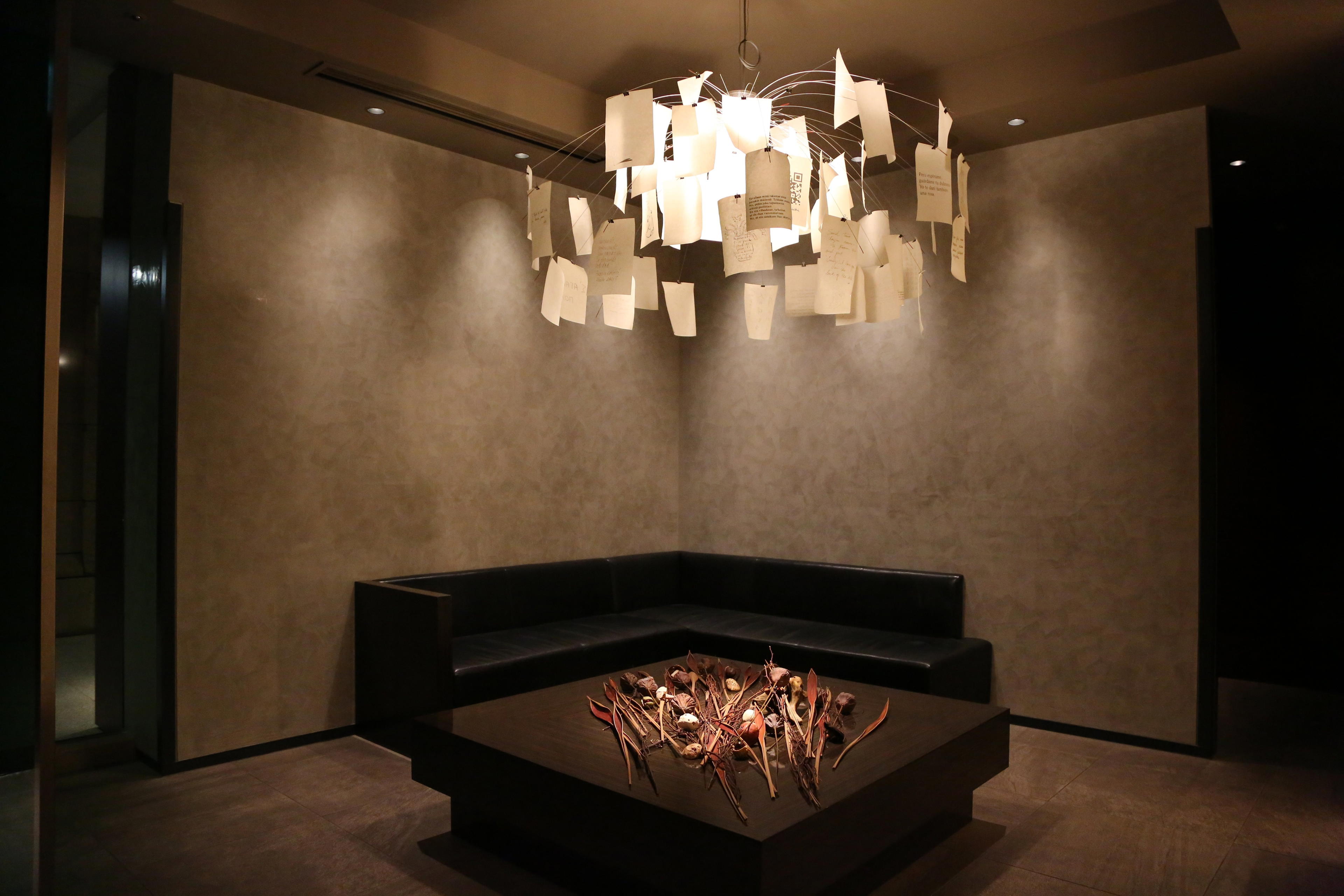

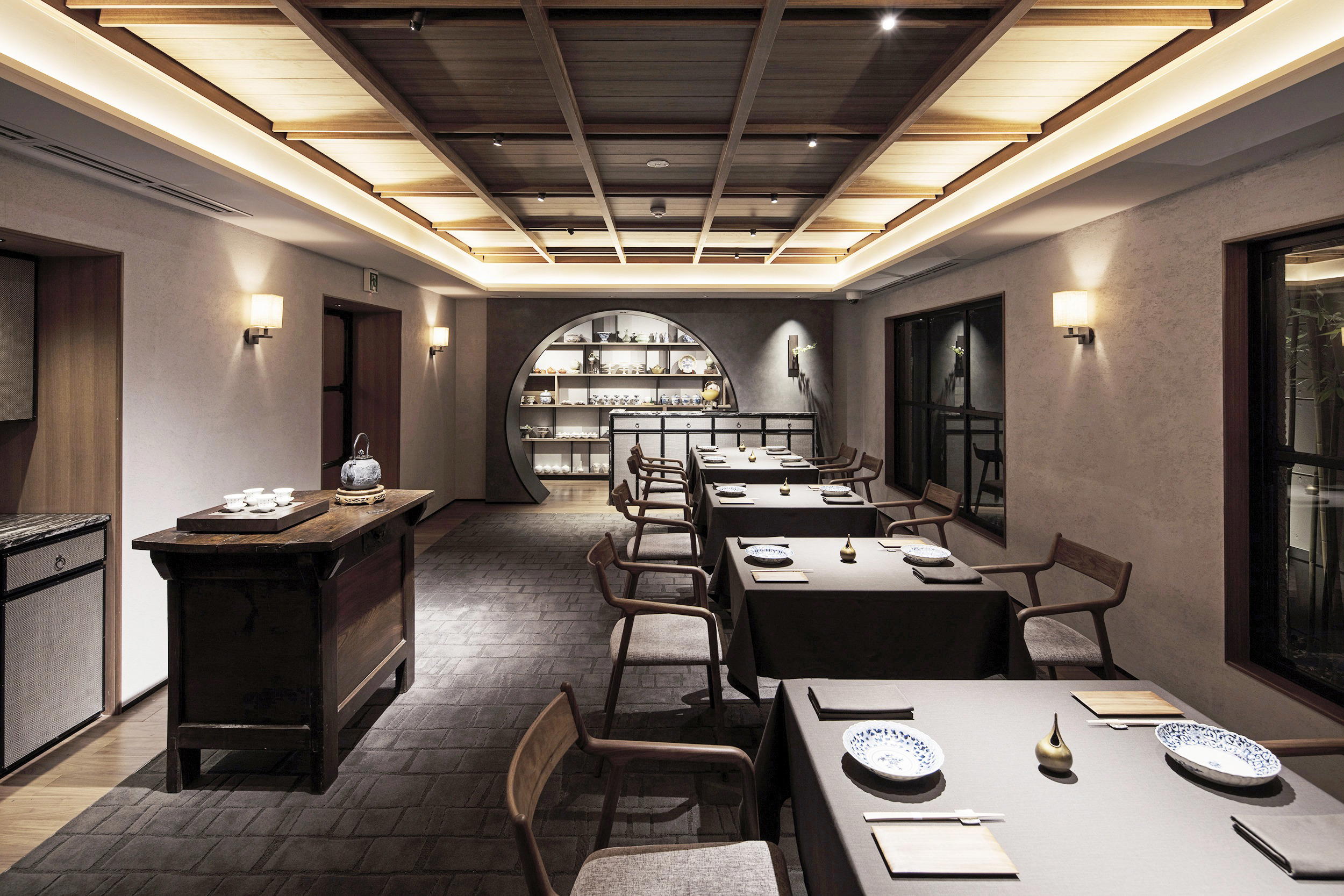
Bars in Yokohama
Browse all →


Details
- Cozy
- Solo
- Casual Hangout
- After Work
- Family
- Standalone
- A La Carte
- Counter Dining
Current opening hours
- Monday
- Closed
- Tuesday
- 11 AM–2 PM, 6–9 PM
- Wednesday
- 11 AM–2 PM, 6–9 PM
- Thursday
- 11 AM–2 PM, 6–9 PM
- Friday
- 11 AM–2 PM, 6–9 PM
- Saturday
- 11 AM–8 PM
- Sunday
- Closed
Hours can change for holidays and private events. Last verified .
A small, house-like neighborhood ramen shop near Yoshinocho Station with just ten seats, a relaxed and quietly bustling atmosphere, and a focus on the steaming bowls more than decor.