Our verdict
All Day Dining RAQOU belongs to Kyoto’s all-day dining category, where the measure is less ceremony than range: a room that can handle breakfast, midday pauses, and evening meals without asking the city’s food culture to become casual by default. Its Higashiyama setting puts it near Kyoto’s temple-side rhythm, where seasonality and sourcing matter even outside formal kaiseki rooms.

Pearl is the En Primeur Club membership app, where members save venues, book tables and use the concierge.
The menu
What to order
- Live-kitchen roast beef
- Freshly grilled fish for breakfast
- Tempura from the Japanese counter
- Seasonal parfait desserts
- Westin traditional curry
Approaching dining in Kyoto means entering a city where meals often sit between movement and pause: cultural visits, hotel check-ins, taxi transfers, and the slower tempo of travel. All-day dining has a specific role in that setting. It is not built around the long-form theatre of a formal meal, nor the narrow focus of a counter specialist. It has to absorb different appetites across the day while remaining legible in a city where ingredients carry cultural weight.
All Day Dining RAQOU sits inside that practical Kyoto category. The name signals the format clearly: a restaurant intended to work across multiple parts of the day rather than a single dinner ritual. In a city where many serious tables concentrate demand into fixed seatings and narrow reservation windows, that flexibility changes the decision. The question is not whether it competes with Kyoto’s ceremonial dining rooms. It is whether the room gives travellers a grounded meal in Kyoto without turning convenience into an afterthought.
Kyoto sourcing matters even when the format is casual
Kyoto’s food culture is unusually sensitive to provenance. Vegetables from the surrounding region, river fish traditions, tofu cookery, pickles, tea, and seasonally specific sweets all shape the city’s dining grammar. The point is not that every restaurant must perform old Kyoto cuisine. It is that even broadly framed dining rooms are judged against a local expectation: ingredients should feel appropriate to place and season, not merely assembled for an international hotel audience.
That expectation explains why all-day formats in Kyoto need more scrutiny than the same category in transit-heavy business districts. Breakfast, lunch, and dinner can become generic quickly when a kitchen tries to serve everyone. The stronger version of the format uses Kyoto’s pantry as an anchor, then allows room for broader dishes where they make sense. RAQOU’s appeal rests in that editorial gap: a flexible dining room in Kyoto, where the sourcing question matters because the city around it has trained visitors to notice seasonality.
Kyoto’s high-ceremony dining remains a separate lane. Hyotei, for example, belongs to a different level of formality, price expectation, and culinary coding. The comparison is useful because it clarifies what an all-day room is not. Travellers choosing RAQOU are not buying the full grammar of a historic ceremonial meal; they are choosing accessibility, timing range, and a softer landing in a city where formal meals can dominate the conversation.
Where an all-day room fits in the Kyoto itinerary
Kyoto rewards planning, but it also punishes overplanning. The city’s cultural sites encourage long walks, weather-dependent pacing, and meals that may need to shift around museum hours or daytime routes. An all-day dining room works when the day has already become fragmented. It gives structure without forcing the traveller into a tasting-menu commitment or a specialist counter where the entire evening becomes the event.
That distinction matters in Kyoto because the city’s dining map is unusually fragmented by genre. A guest might want a quick snack, contemporary cooking, French-inflected dining, or old sweet-shop ritual. Each answers a narrower craving. RAQOU’s value is broader: it is the kind of address that can support a day rather than define it.
For travellers mapping the wider city, the stronger move is to treat Kyoto by category rather than by a single dining list. Use Our full Kyoto restaurants guide for meal planning, then cross-check the surrounding trip architecture through Our full Kyoto hotels guide, Our full Kyoto bars guide, Our full Kyoto wineries guide, and Our full Kyoto experiences guide. Kyoto rewards that kind of segmentation because the right dinner choice often depends on where the day ends, not only what cuisine sounds appealing at noon.
The better read is convenience with local pressure
The all-day category is often dismissed too quickly by serious diners. In Kyoto, that dismissal misses the way travel days actually work. A formal restaurant may be the correct answer for one evening; a flexible dining room may be the sharper answer after arrival, before a cultural visit, or during a family itinerary where pace matters. RAQOU belongs in that second calculation.
There is also a useful national comparison. Japan’s dining culture contains countless formats that succeed through narrow specialization, from focused counter rooms and grill specialists to cafés, local independent restaurants, regional cooking, and curry shops. Abroad, Japanese formats can narrow even further into single-item or drinks-led concepts. Against that pattern, an all-day Kyoto room has to justify breadth rather than specialization.
That is the useful way to read All Day Dining RAQOU. It is not the address to choose when the meal itself needs to carry the entire Kyoto narrative. It is the address to consider when the day needs a composed, place-aware dining option in Kyoto, with enough flexibility to serve travellers who are moving through the city rather than building the day around a single table. For a more targeted Kyoto meal elsewhere, the broader restaurant search can help; RAQOU’s lane is the adaptable one, where sourcing expectations, timing, and city context do the work.
Frequently asked questions
How do I find All Day Dining RAQOU?
All Day Dining RAQOU is located in Kyoto.
Do they take walk-ins at All Day Dining RAQOU?
Its all-day dining format points to a setup that can suit flexible meals, especially during daytime service. For a fixed plan in Kyoto, checking the current house policy remains the safer move.
What is All Day Dining RAQOU known for?
All Day Dining RAQOU is positioned as an all-day room in Kyoto, which makes it practical for long days around the city. Its role is to offer flexibility in a place where timing can matter as much as formality.
Is All Day Dining RAQOU good for vegetarians?
It can work for vegetarian diners if the kitchen is running vegetable-led dishes, a common strength in Kyoto dining. The useful anchor is the all-day format, since that can give more room than a tight tasting-menu room.
Does All Day Dining RAQOU work for a family meal?
Yes, the all-day dining format in Kyoto is the sort of setting that suits mixed-age tables and looser timing. It is generally more practical for a family stop than a counter-led restaurant with a strict service cadence.
What is the atmosphere like at All Day Dining RAQOU?
Expect a casual, time-flexible room rather than a highly formal counter, shaped by its all-day dining format in Kyoto. The setting fits a meal between sightseeing stops rather than a long, ceremonial dinner.
Comparison Snapshot
Nearby venues at a similar price tier for orientation.
| Venue | Cuisine | Price | Awards | Notes |
|---|---|---|---|---|
| All Day Dining RAQOUThis venue (the venue you are viewing) | Kyoto-inspired International Buffet | $50–100 | Not listed | Not listed |
| Dominique Bouchet Kyoto Le Teppanyaki | French-influenced Teppanyaki Fine Dining | $150–200 | Not listed | Not listed |
| Dominique Bouchet Le RESTAURANT | Modern French Fine Dining | $100–150 | Star Wine List · Tabelog 100 #56 | Not listed |
| Junsei | Authentic Japanese Yakitori | $50–100 | Not listed | Not listed |
| Hyotei | Traditional Kaiseki | $100–150 | 3 Michelin Stars · La Liste Top Restaurants | Kaiseki, Japanese |
| Ioto | Kyoto Vegetable and Charcoal-Grilled Japanese Kaiseki | Not listed | Not listed | Not listed |
Continue exploring
More in Kyoto
Restaurants in Kyoto
All restaurants in Kyoto →
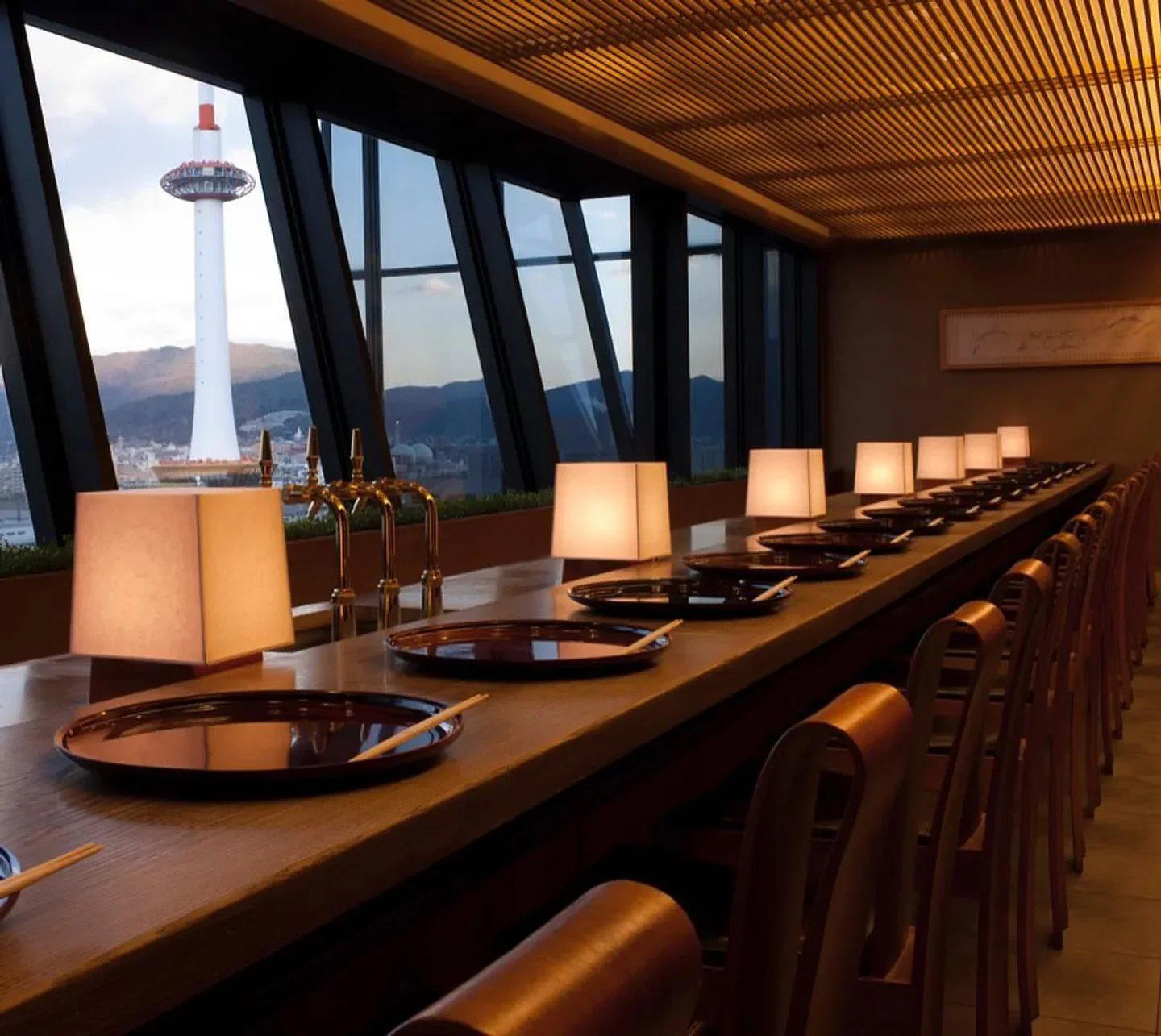
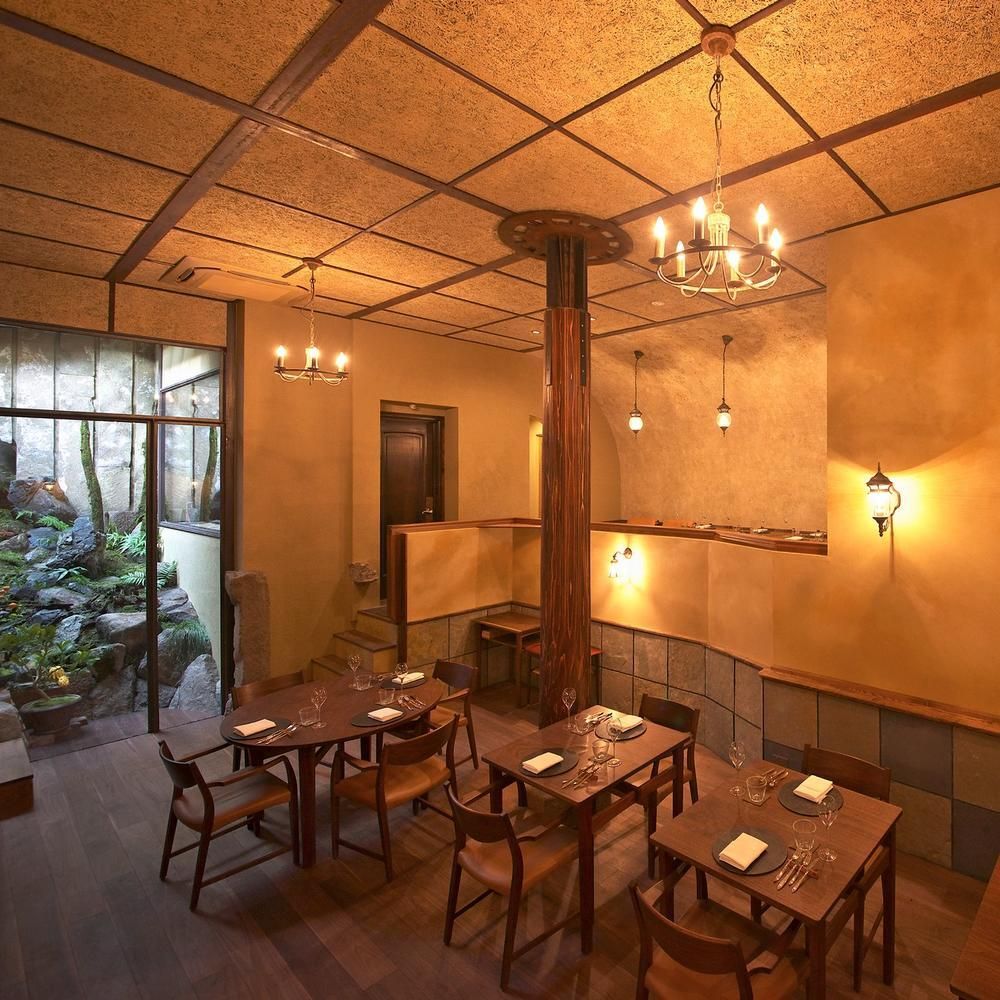
Bars in Kyoto
All bars in Kyoto →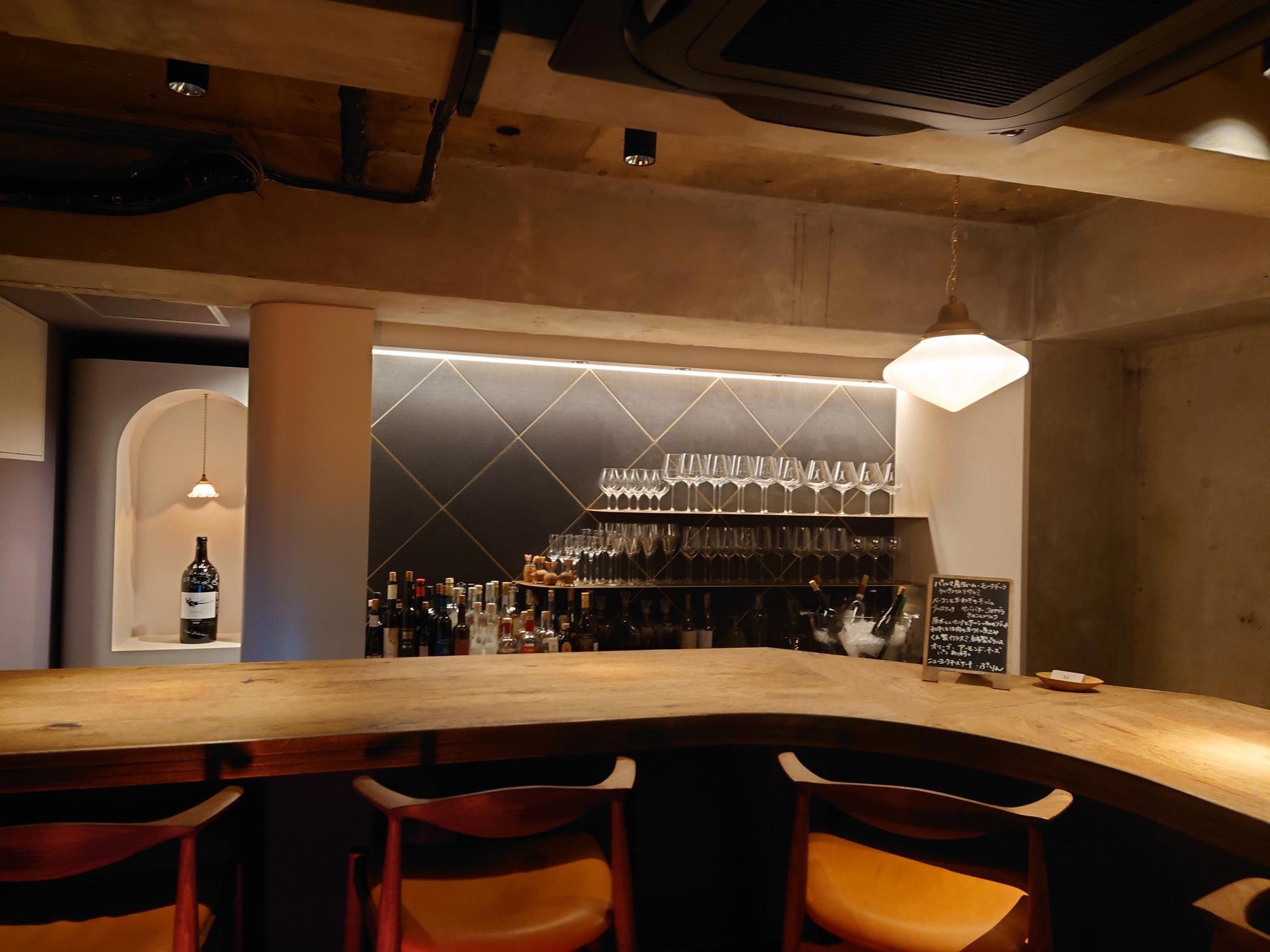
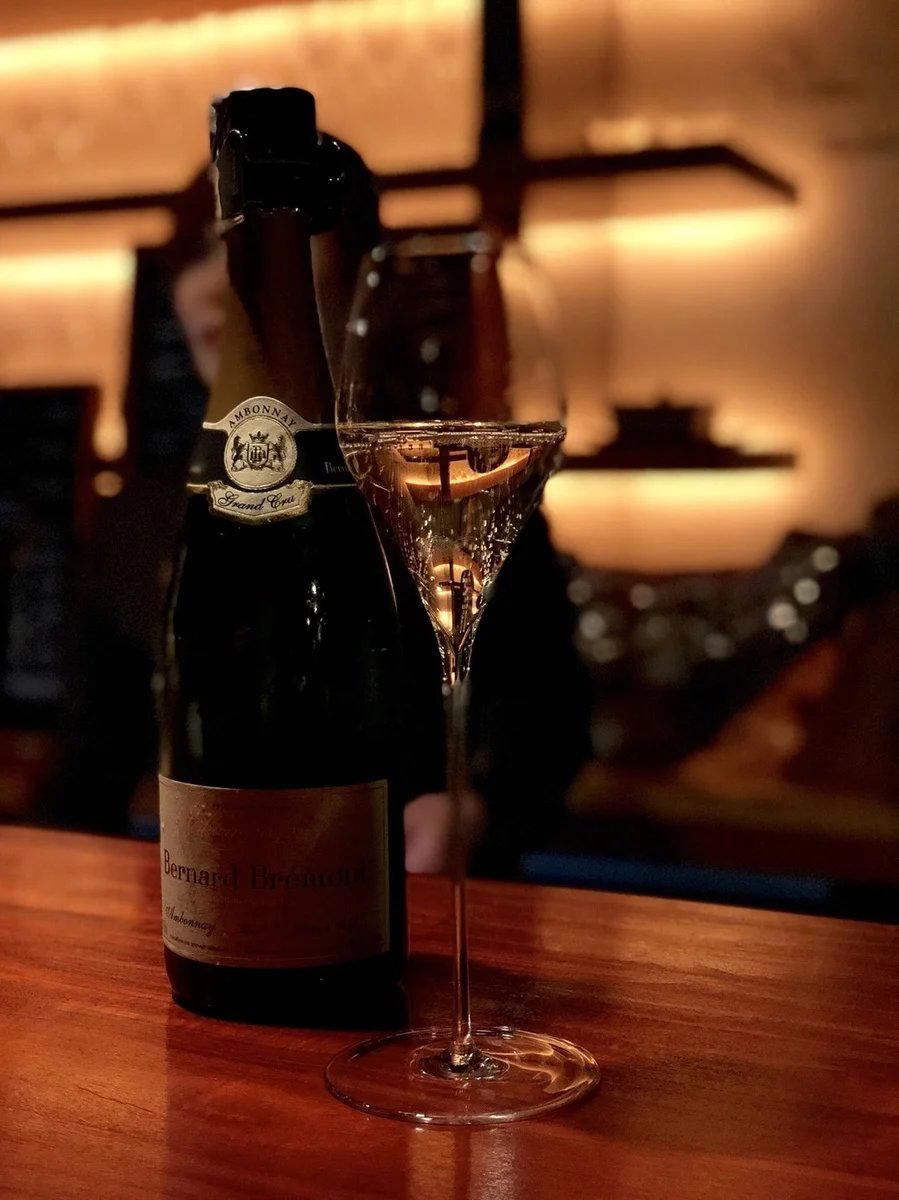
Hotels in Kyoto
All hotels in Kyoto →
Wineries in Kyoto
Browse all →
Details
- Modern
- Scenic
- Lively
- Elegant
- Family
- Group Dining
- Celebration
- Casual Hangout
- Business Dinner
- Open Kitchen
- Panoramic View
- Hotel Restaurant
- Private Dining
- Design Destination
- Local Sourcing
- Sustainable Seafood
- Mountain
- Garden
- Skyline
- Buffet
- A La Carte
- Wine
- Beer
- Cocktails
- Allergy Accommodating
Current opening hours
- Monday
- 6:30 AM–9 PM
- Tuesday
- 6:30 AM–9 PM
- Wednesday
- 6:30 AM–9 PM
- Thursday
- 6:30 AM–9 PM
- Friday
- 6:30 AM–9 PM
- Saturday
- 6:30 AM–10 PM
- Sunday
- 6:30 AM–10 PM
Hours can change for holidays and private events. Hours as of .
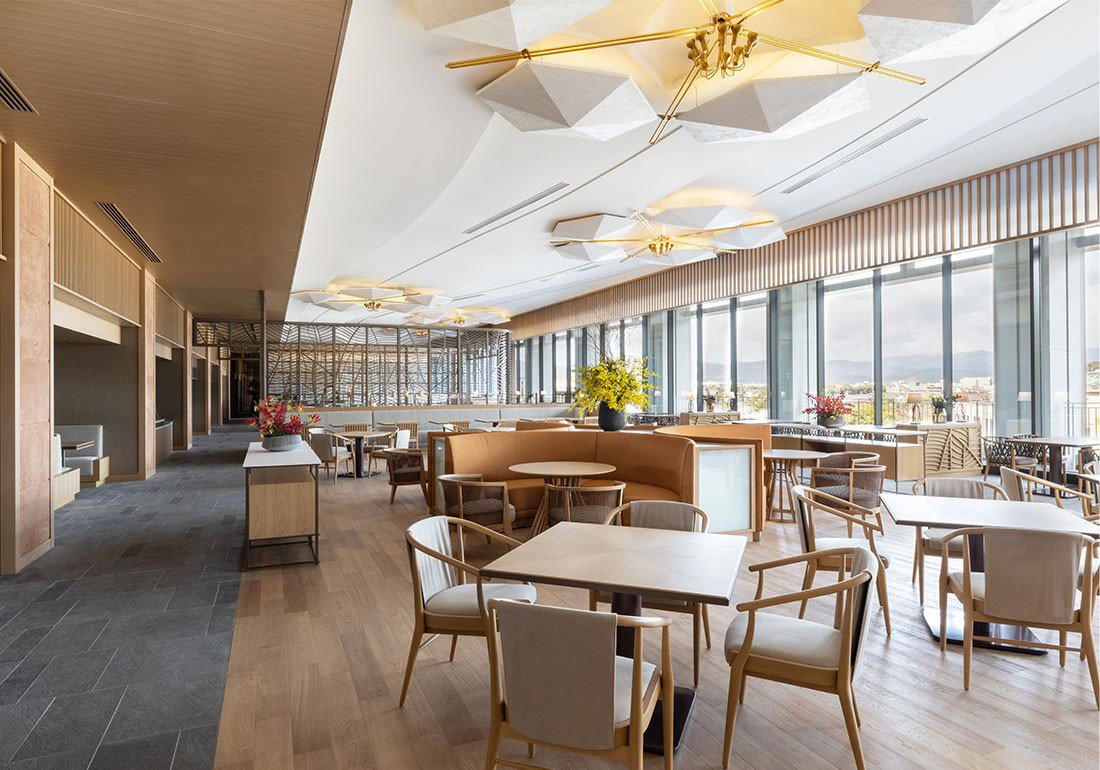
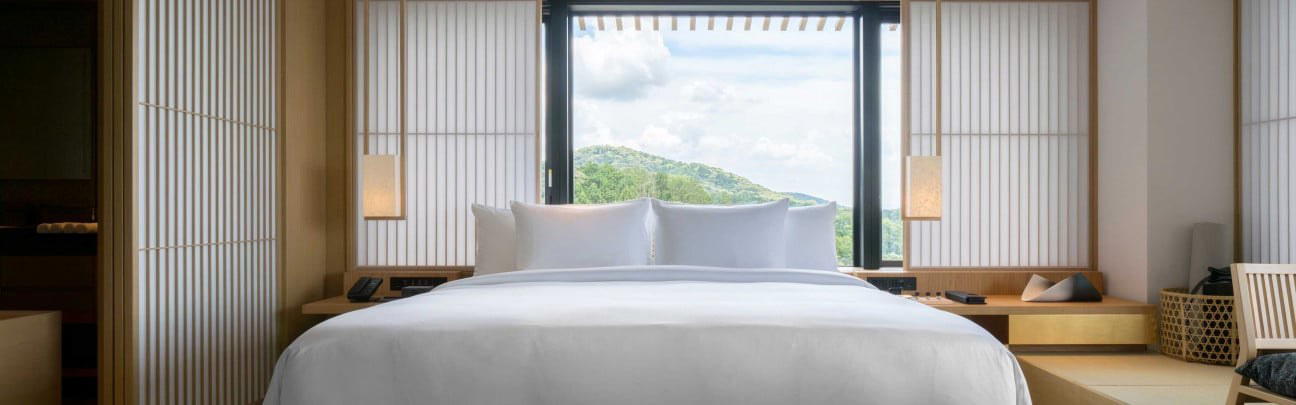
Bright, spacious hotel dining room with 6-meter ceilings, large picture windows onto the surrounding mountains and city, and the buzz of live cooking counters that create an energetic yet polished atmosphere.