.png)
A Michelin Plate bistro in the hilltop town of Corciano, aldìVino runs three tasting menus structured around Terra, Acqua and Vegetale, each available à la carte. Wine-lined walls and a summer terrace frame contemporary Umbrian cooking that draws Michelin attention without the price point of the region's starred peers. Google reviewers rate it 4.6 from 176 scores.
Pearl is the En Primeur Club membership app — saves, bookings, and concierge access live there. Same editors, same standards.
- Address
- aldìVino, Corciano, PG, Italy
- Phone
- +39 075 928 1711
- Website
- aldivinoristorante.it
 Saves & bookings on Pearl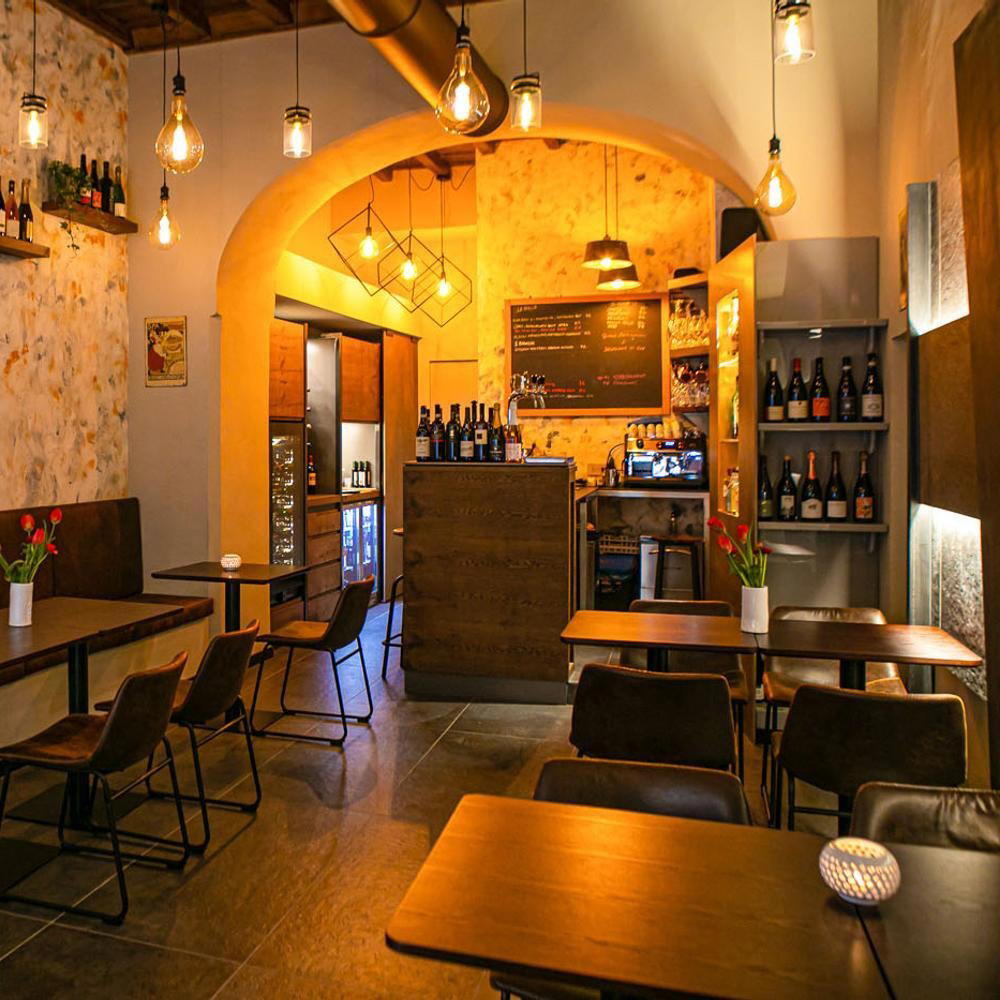
Contemporary cooking in a medieval Umbrian hill town
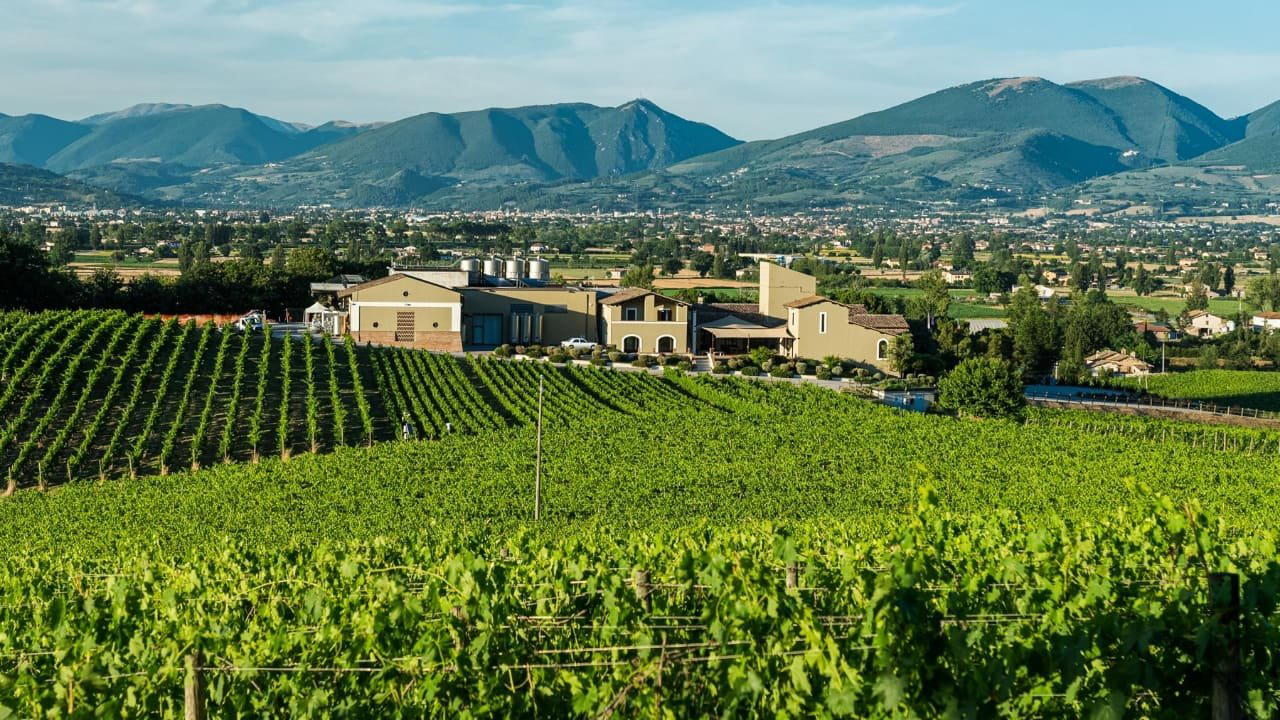
Umbria's dining identity has long been overshadowed by the regions flanking it. Tuscany commands the headlines to the west; Rome pulls visitors south. Yet the landlocked territory between them has its own culinary logic: black truffle from Norcia, lentils from Castelluccio, lake fish from Trasimeno, and a wine tradition centred on Sagrantino and Grechetto that rewards attention. Corciano, a compact medieval hill town perched above the Umbrian plain northwest of Perugia, sits inside that tradition. The town's restaurant scene is small and selective, with a handful of addresses drawing visitors who might otherwise stop only at Perugia. Among them, aldìVino has established itself as the address that takes creative ambition most seriously, earning a Michelin Plate in 2024 and a Google rating of 4.6 from 176 reviews.
For context on where that recognition sits in the wider Italian Contemporary category, consider the price-tier distance between Corciano and the country's starred heavy hitters. Enoteca Pinchiorri in Florence, Dal Pescatore in Runate, and Le Calandre in Rubano all operate at €€€€ with three Michelin stars. aldìVino operates at €€, a pricing signal that places it in a different competitive bracket entirely: approachable enough for a mid-week dinner, serious enough to hold a Michelin listing. That combination is not common in small Umbrian towns, and it explains the restaurant's local standing.
The room: wine as architecture
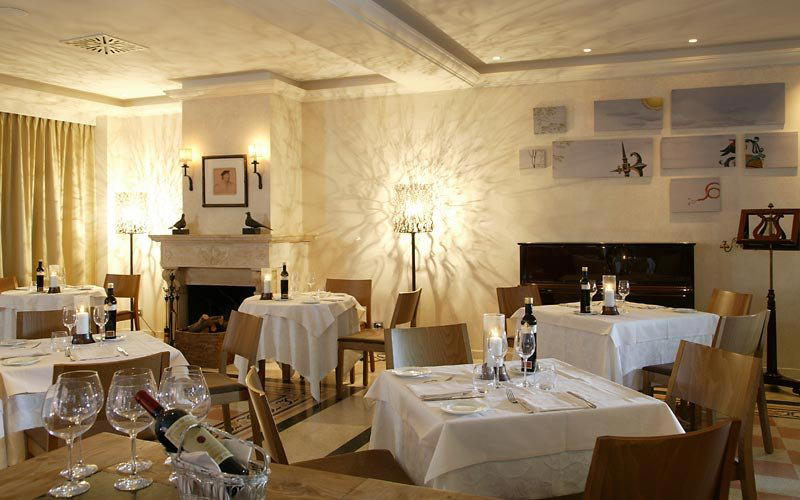
The physical environment at aldìVino is organized around its wine collection in a way that telegraphs the restaurant's priorities before a dish arrives. Shelves of bottles line the walls, turning the dining room into a de facto enoteca. The approach is common enough in Italian bistro culture, but here it serves a dual purpose: it signals the kitchen's commitment to food-and-wine pairing at a level beyond the typical house carafe, and it sets a tone of informed informality. This is not a room designed to intimidate. The bistro register, warm and approachable in scale, makes it a natural fit for the kind of meal where you might stay longer than planned.
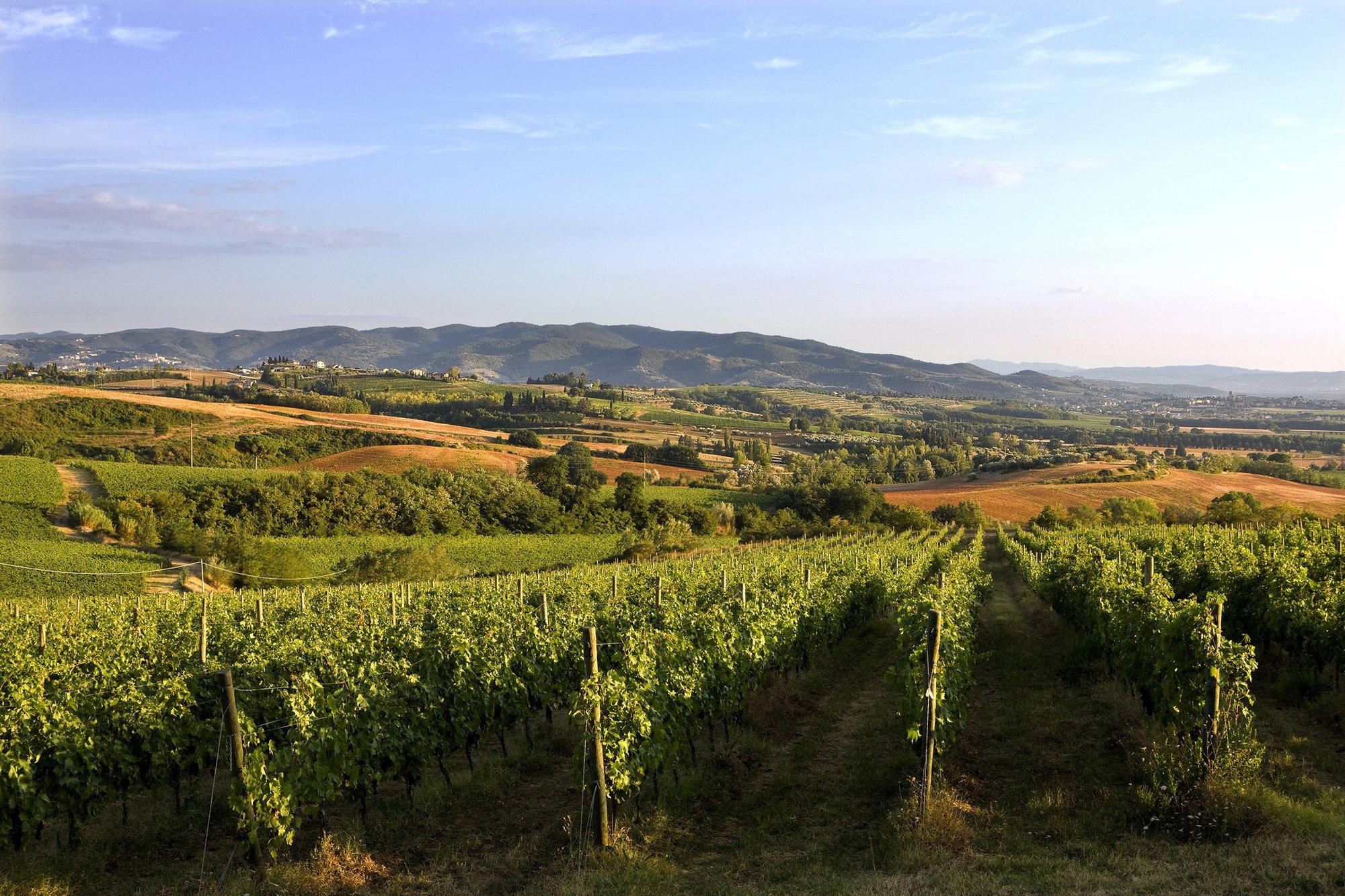
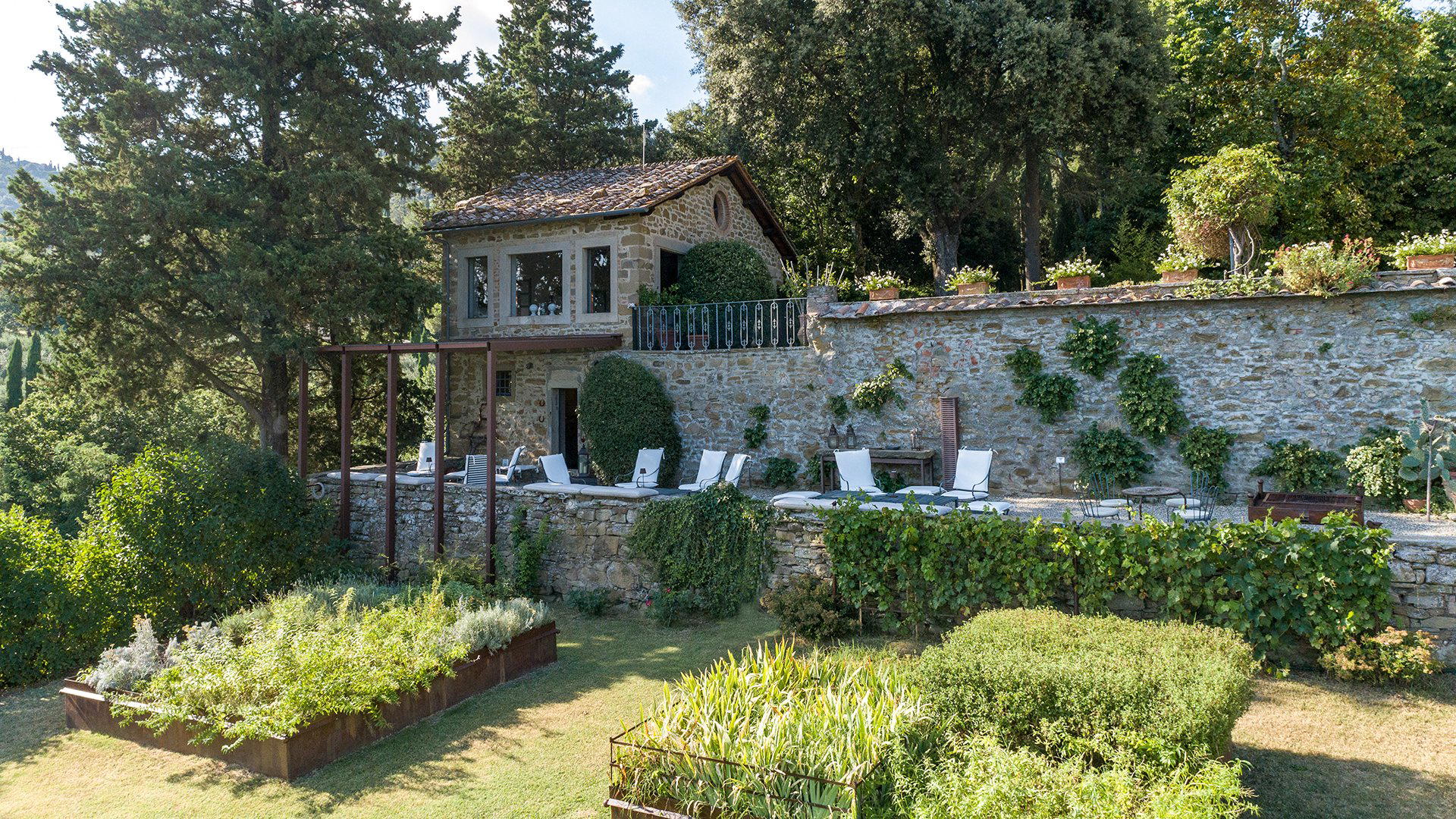
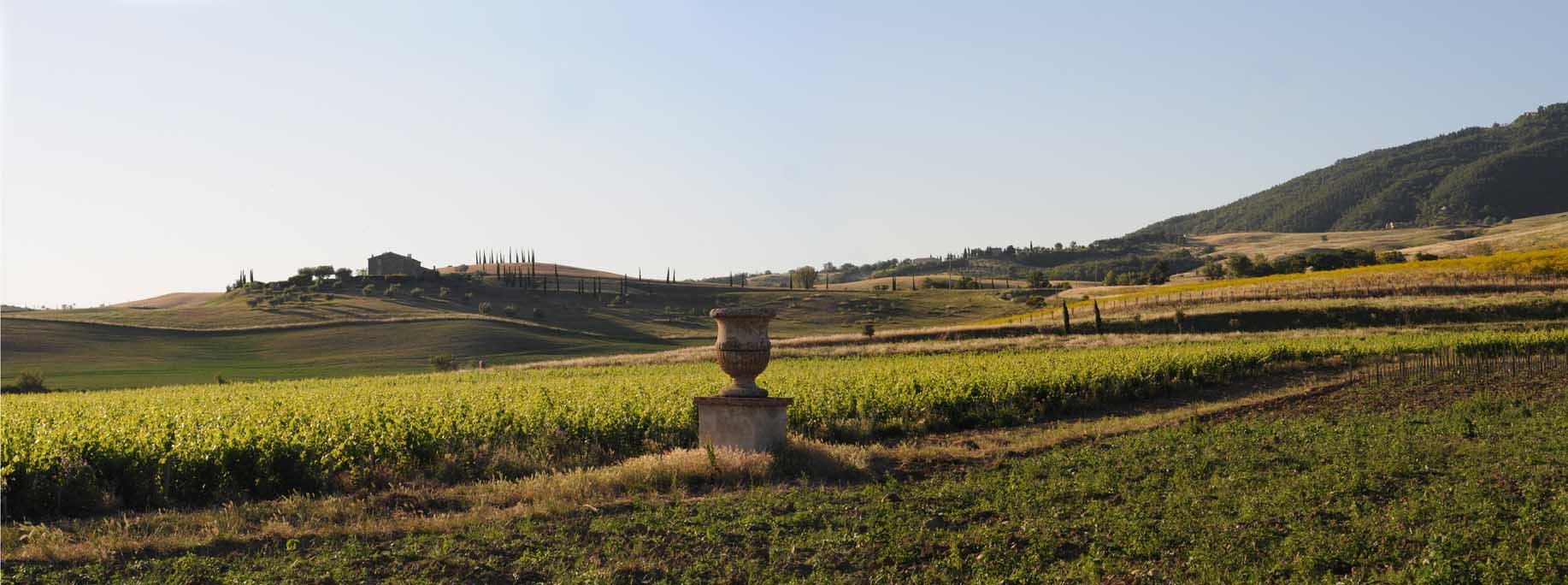
For summer, an outdoor space provides a quieter alternative to the interior. Umbria's hill towns are at their most comfortable in late spring and early autumn, when tourist pressure drops and the surrounding landscape shifts colour.
The menu structure: Terra, Acqua, Vegetale
Italian Contemporary cooking across the country's restaurant tier has generally moved toward tasting menus as the primary format, with à la carte options retained as an accommodation rather than a default. aldìVino uses both, offering three tasting menus while keeping individual dishes available for single ordering. The menu is divided into three sections: Terra (meat), Acqua (fish), and Vegetale (vegetable). This tripartite structure is tidier than the conventional antipasto-primo-secondo-dolce progression and implies a kitchen that thinks thematically rather than conventionally. It also makes it easier for guests to eat across registers within a single meal, ordering fish and vegetable courses without committing to a full tasting sequence.
The approach has something in common with how Umbria's own culinary geography works: the region is neither a coastal fish culture nor a purely meat-driven inland one. Lake Trasimeno, less than fifteen kilometres from Corciano, supplies a freshwater fish tradition that local kitchens have drawn on for centuries. The Acqua section of the menu sits inside that tradition. Michelin inspectors specifically noted the squid preparation and a pasta dish of spaghetti with smoked butter, oysters and raspberries as signature dishes. The oyster-and-raspberry combination belongs to a strand of Italian Contemporary cooking that borrows from French technique while pushing toward unexpected flavour pairings, a register more associated with urban kitchens in Milan or Rome than with mid-Umbrian bistros. That it surfaces here, at €€ pricing, is one of the more interesting things aldìVino represents in the regional scene.
A second signature, the pink shrimp with broad beans, lovage and almond, uses a different logic: restrained, seasonal, herb-driven. Lovage is an underused plant in modern Italian cooking, closer to central European kitchen traditions than to Roman or Tuscan ones. Its appearance here suggests a kitchen with range beyond regional defaults.
Where aldìVino sits in the Corciano scene
Corciano's restaurant options are limited enough that each address occupies a distinct niche. Meunier and Osteria del Posto offer different registers within the local offer, with the Osteria anchoring the traditional Umbrian end of the spectrum. aldìVino's contemporary positioning makes it the outlier in a small town, the kind of kitchen more commonly found in a regional capital.
Reale in Castel di Sangro and Piazza Duomo in Alba represent the form at starred level in similarly non-metropolitan locations. Enrico Bartolini in Milan and Osteria Francescana in Modena anchor the category's upper tier. For coastal Italian Contemporary, Quattro Passi in Marina del Cantone and L'Olivo in Anacapri are useful comparisons. Internationally, Agli Amici Rovinj in Croatia and Atelier Moessmer Norbert Niederkofler in Brunico show how the Italian Contemporary format travels beyond the peninsula.
Planning a visit
aldìVino sits in Corciano, Perugia province, roughly a twenty-minute drive from central Perugia. The town is accessible by road from the E45 motorway, and Perugia's Sant'Egidio airport connects to a limited number of Italian domestic routes, though most international visitors arrive via Florence or Rome and drive. The €€ price bracket means a tasting menu dinner here represents one of the more accessible Michelin-recognised meals in central Italy. Booking in advance is advisable; the combination of a small-town location, limited covers, and Michelin recognition creates demand that a walk-in approach does not reliably accommodate, particularly in summer when the outdoor terrace adds appeal and visitor numbers in the region increase. Booking in advance is advisable.
Side-by-Side Snapshot
Comparable venues nearby, for context on price, style, and recognition.
| Venue | Cuisine | Price | Awards | Notes |
|---|---|---|---|---|
| aldìVino | Italian Contemporary Creative | $$$ | Michelin Plate | Corciano |
| Osteria del Posto | Contemporary Umbrian | $$$ | Michelin Plate | Chiugiana |
| Meunier | Gourmet Italian Pizza with Champagne Pairings | $$$ | Corciano | |
| L'Utopia Brunch Restaurant | Umbrian Italian Brunch | $$ | , | Ellera |
| Osteria dalla Peppa | Traditional Italian Osteria with Marche Specialties | $$$ | Michelin Plate | historic center |
| La Locanda di Pietracupa | Modern Tuscan | $$$ | Michelin Plate | San Donato in Poggio |
Continue exploring
More in Corciano
Restaurants in Corciano
Browse all →
Bars in Corciano
Browse all →
Hotels in Corciano
Browse all →
At a Glance
- Elegant
- Sophisticated
- Cozy
- Date Night
- Special Occasion
- Wine Cellar
- Extensive Wine List
Smart bistro-style with walls lined with wine bottles and a quiet outdoor space for summer dining.