

Michelin Selected · Design Hotels Member
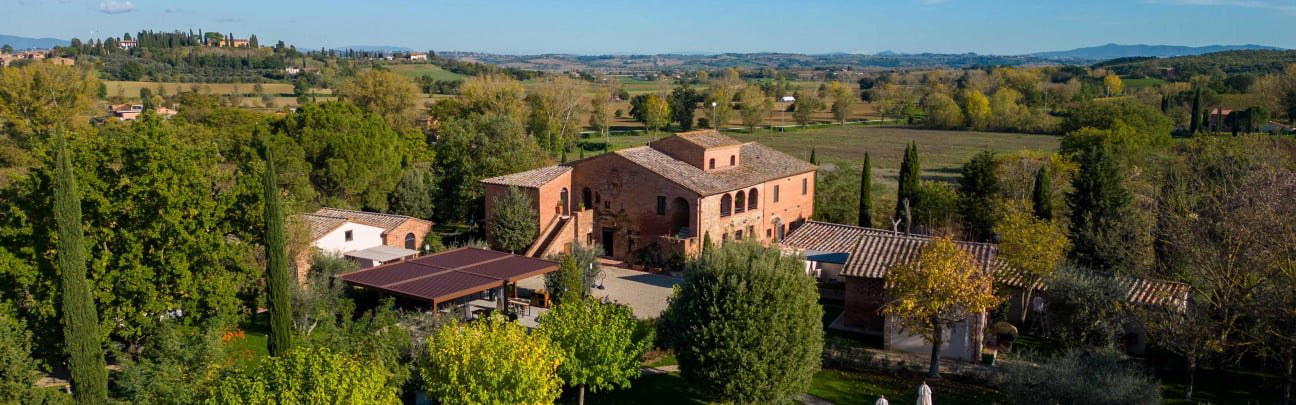
A fully restored 14th-century palazzo on the Umbria-Tuscany border, Rastrello occupies one of central Italy's quieter hilltop villages with the material seriousness of a building that has outlasted centuries. The property operates in a register defined by historical fabric and countryside setting rather than resort-scale programming, placing it in a distinct tier of Italian rural hospitality.

Pearl is the En Primeur Club membership app, where members save venues, book tables and use the concierge.
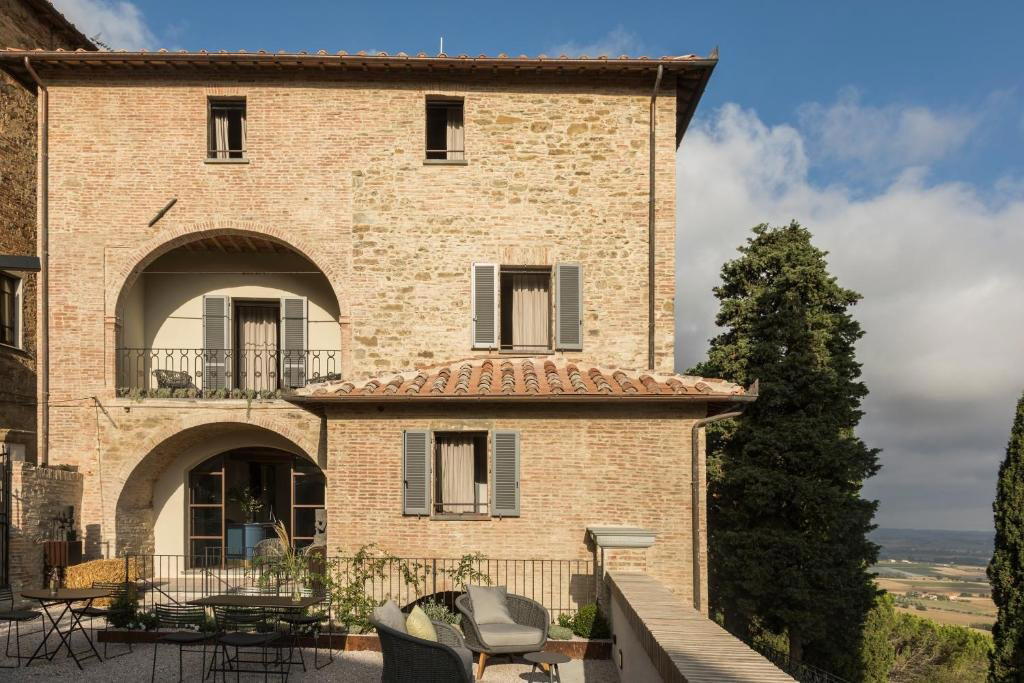
Stone, Century, and the Umbria-Tuscany Border
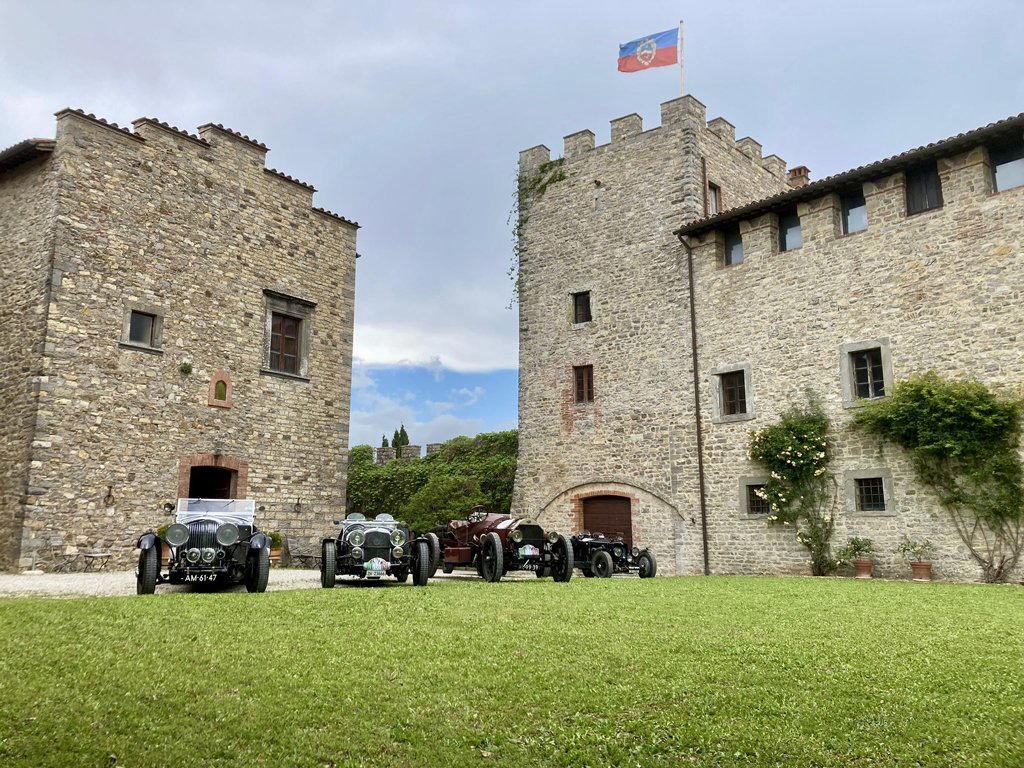
The approach to Panicale matters. The village sits on a promontory above Lake Trasimeno, its medieval walls intact, its lanes too narrow for anything moving quickly. Arriving here is not incidental to the experience of staying at Rastrello: it is the first argument the property makes. Fourteenth-century building stock does not announce itself through lobby theatrics. It communicates through proportion, through the weight of stone underfoot, and through the particular quiet that thick walls produce. Rastrello, housed in a fully restored palazzo from that period, makes its case through the architecture before a single room is entered.
The Umbria-Tuscany border is not a cartographic accident for properties operating in this register. The region has historically been a zone of cultural overlap: Umbrian religious austerity meeting Tuscan civic confidence, two traditions of landscape stewardship producing an agricultural identity that runs deeper than marketing. For a property anchoring itself in organic produce and countryside rhythms, that positioning is grounded in something real. Comparable properties in the region, from Castello di Reschio in Lisciano Niccone to Castelfalfi in Montaione, have made similar bets on landscape and historical fabric as primary assets, though each occupies a different tier in terms of scale and programming depth.
What a 14th-Century Restoration Actually Means
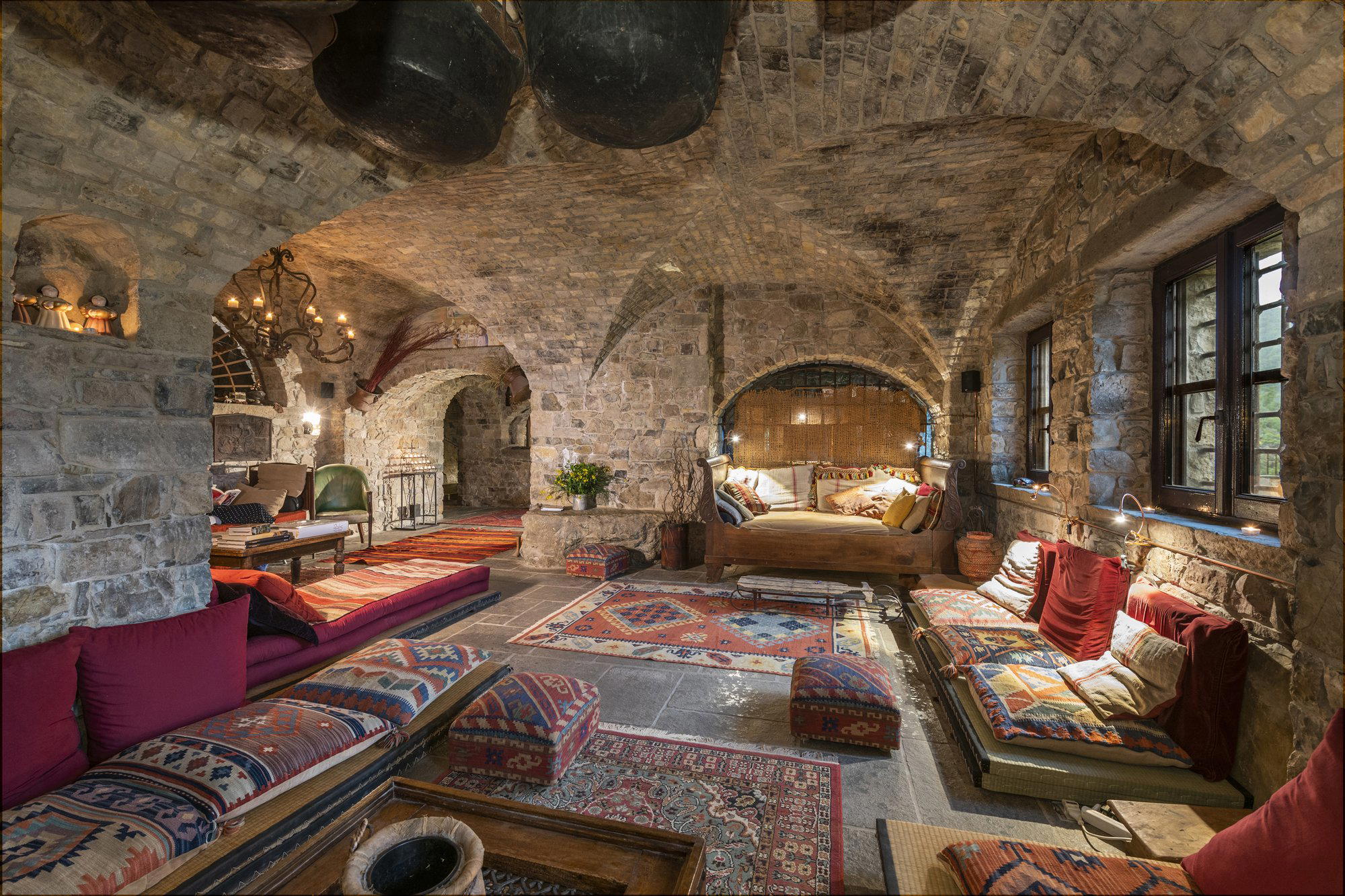
Architectural angle deserves more than a passing line. Restoring a 14th-century palazzo is not renovation in any conventional sense. The structural logic of medieval Italian civic buildings, load-bearing stone walls designed for a pre-modern climate, vaulted ceilings that manage summer heat through mass and geometry, and courtyards that create micro-climates, imposes constraints that any serious restoration must respect rather than override. Properties that treat historical fabric as backdrop rather than structure tend to produce interiors where modern comfort sits awkwardly against period shell. The better approach, and the one implied by any credible restoration at this period depth, is to work with the building's thermal and spatial logic rather than against it.
Italian restoration at this level sits within a broader movement of adaptive reuse that has reshaped the country's rural hospitality over the past two decades. The conversion of borgo complexes, convents, and medieval palazzi into accommodation has produced a distinct category of property, one where the building's age is not merely decorative but operationally central. Borgo San Felice Resort in Castelnuovo Berardenga represents one end of that spectrum, a full village conversion with resort-scale amenity layers. Rastrello, in a smaller hilltop comune, operates with a different footprint entirely.
Panicale: A Village That Has Not Needed to Reinvent Itself
Panicale's position in the Umbrian tourism conversation is worth clarifying. It is not Assisi or Orvieto, places whose reputation draws significant international visitor volumes independently of any specific accommodation. Panicale is a walled village of a few hundred permanent residents, known to specialists in Italian medieval art and to travelers who have moved past the region's headline stops. The Masolino da Panicale fresco cycle in the church of San Sebastiano draws serious attention from those who know to look, but the village does not market itself on that credential with any particular aggression.
That relative quietness is the point. The Italian countryside hospitality category has bifurcated: on one side, properties with branded spas, cooking schools, wine programs, and concierge-led itineraries that function as self-contained resorts; on the other, smaller properties that treat the surrounding territory as the primary program and ask guests to engage with it directly. Rosewood Castiglion Del Bosco in Montalcino exemplifies the first model at a high level of execution. For guests whose preference runs toward immersion in place rather than structured programming, the distinction is material.
For broader context on where Rastrello fits within the region's accommodation picture, our full Panicale restaurants guide maps the surrounding food and drink territory in detail.
The Organic Countryside Claim, Examined
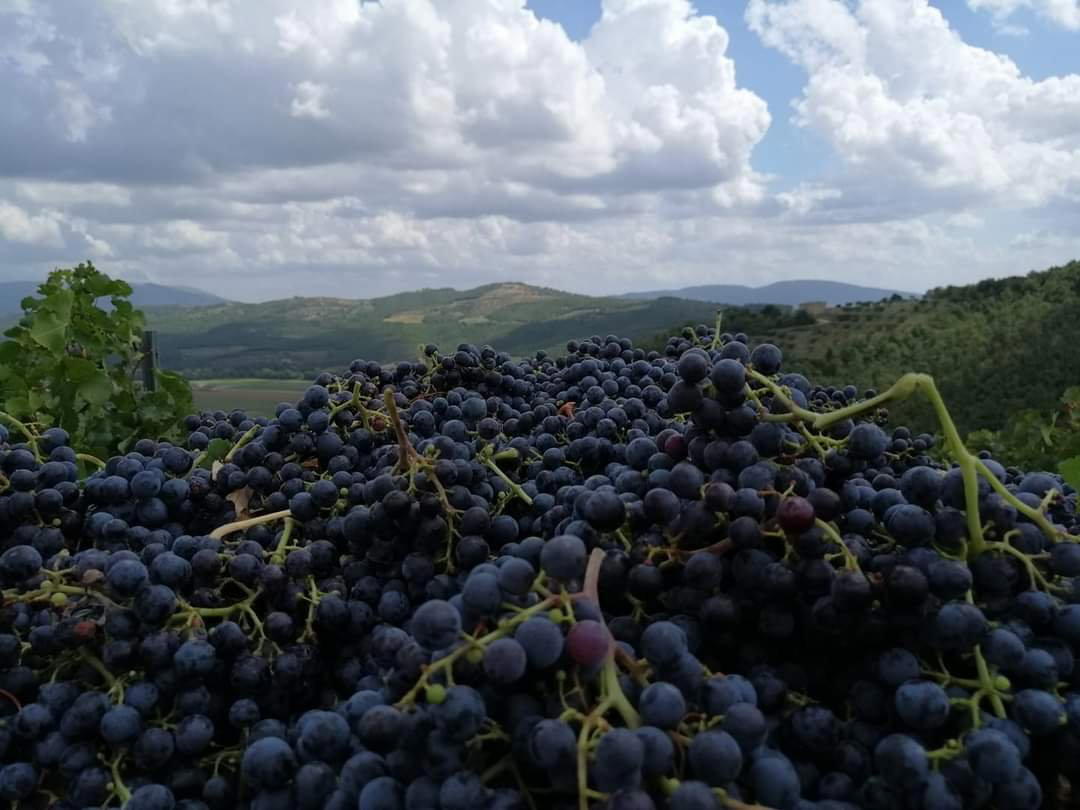
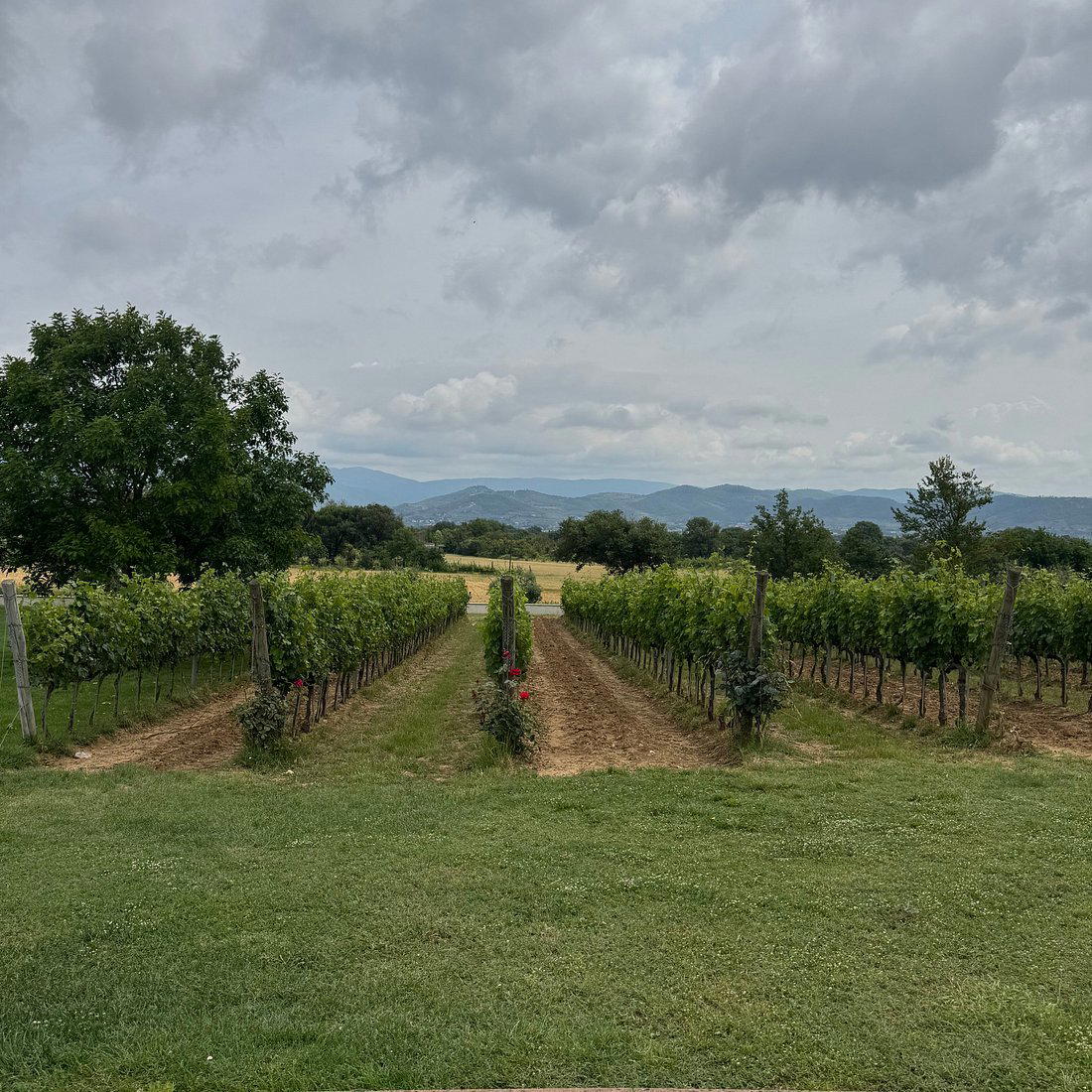
The property's stated connection to organic produce and the rhythms of the Italian countryside is a positioning that has become common enough in this category to warrant scrutiny. In central Umbria, the claim can be substantiated: the region has a genuine agricultural identity, with olive cultivation, pulse farming, and small-scale wine production that predate the tourism economy by several centuries. Lentils from Castelluccio, Chianina beef from the valley floors, Sagrantino grapes from Montefalco: these are ingredients with documented provenance and production traditions, not invented terroir narratives.
What can be said is that the context exists: a 14th-century palazzo in a medieval Umbrian village has the raw material to make that connection credibly, in a way that a design hotel in a converted industrial building elsewhere would not.
Placing Rastrello in the Italian Rural Hospitality Tier
Italy's premium rural accommodation market now spans an unusually wide range, from internationally branded properties like Borgo Egnazia in Savelletri di Fasano to single-family-run conversions with six rooms and no marketing department. Properties at the branded end, including Four Seasons Hotel Firenze in Florence and Bulgari Hotel Roma in Rome, compete on service infrastructure, amenity depth, and international loyalty program integration. Properties at the other end compete on authenticity of place, historical fabric, and the quality of the silence.
Rastrello's address, at Via Grossi 10 in a walled hilltop comune with a year-round population measured in hundreds, places it structurally in the latter group. That is not a limitation for the right traveler. For those drawn to the scale and energy of Italy's great city hotels, alternatives exist: Portrait Milano in Milan, Aman Venice in Venice, or Passalacqua in Moltrasio each deliver a different register of Italian hospitality at city or lakeside scale. For those whose itinerary is built around a specific kind of landscape encounter, the calculus runs differently.
Planning a Stay
Panicale sits approximately 30 kilometers south of Perugia, which has both a regional airport and rail connections to Florence and Rome. The village itself is pedestrian-only within its walls, making a car the practical choice for exploring the surrounding territory: Lake Trasimeno's western shore, the Chianti and Orvieto wine zones, and the pilgrimage roads around Assisi are all within range. Given the village's scale and the property's position within it, advance booking is the sensible approach, particularly for summer and the autumn olive harvest period, when the region draws its most consistent visitor attention. Specific contact and booking details are best confirmed directly through the property's current listings, as operational details for small rural properties in this category can shift between seasons.
How It Stacks Up
| Venue | Price | Awards |
|---|---|---|
| RastrelloThis venue (the venue you are viewing) | Not listed | Michelin Selected · Design Hotels Member |
| Aman Venice | $1,000–1,500 | 3 Michelin Keys · World's 50 Best #79 |
| Cipriani, A Belmond Hotel, Venice | $750–1,000 | 3 Michelin Keys · World's 50 Best #72 |
| Four Seasons Hotel Firenze | $750–1,000 | 3 Michelin Keys · World's 50 Best #12 |
| Rosewood Castiglion Del Bosco | $1,000–1,500 | 3 Michelin Keys · World's 50 Best #62 |
| Bulgari Hotel Roma | Not listed | 3 Michelin Keys · World's 50 Best #32 |
Recognition history
Dated appearances from independent guides and award organizations, with the underlying list record or original source where available.
Michelin Selected
Michelin
Design Hotels Member
Design Hotels
Continue exploring
More in Panicale
Hotels in Panicale
All hotels in Panicale →
Bars in Panicale
Browse all →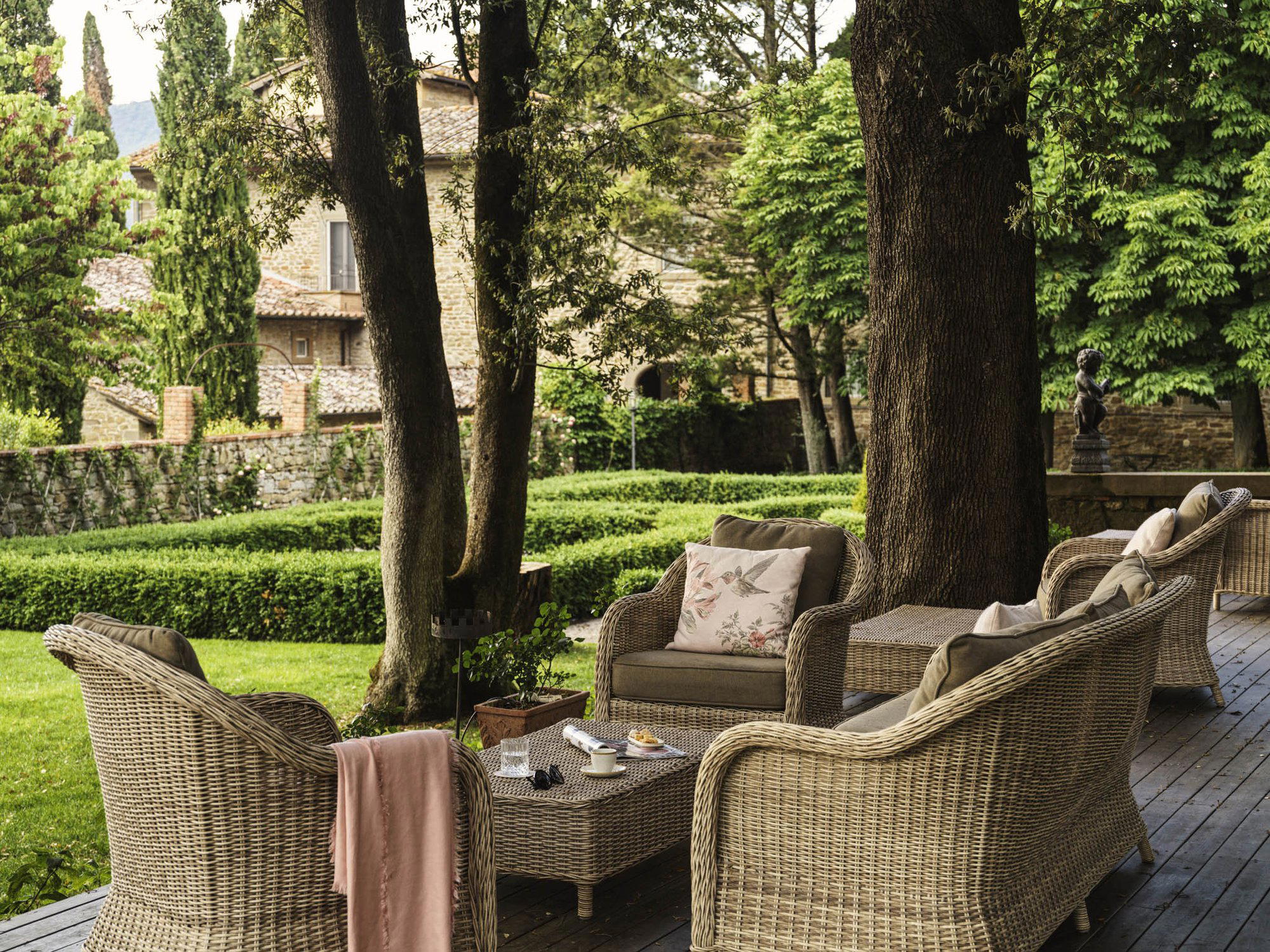
Details
- Romantic
- Quiet
- Rustic
- Elegant
- Scenic
- Cozy
- Romantic Getaway
- Honeymoon
- Weekend Escape
- Historic Building
- Panoramic View
- Garden
- Terrace
- Wi Fi
- Garden
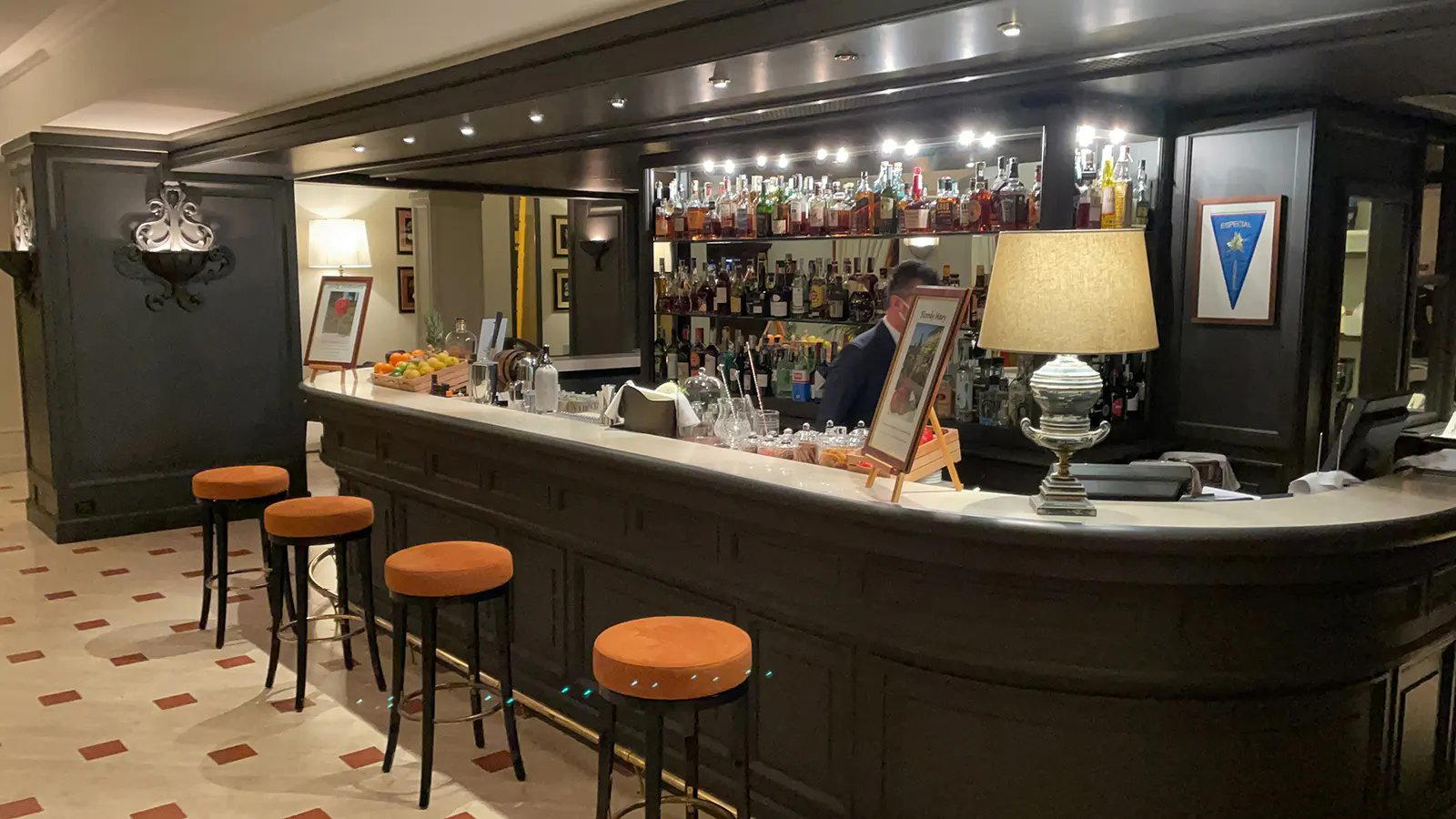
- Bar
- Restaurant
- Air Conditioning
- Mountain
- Garden
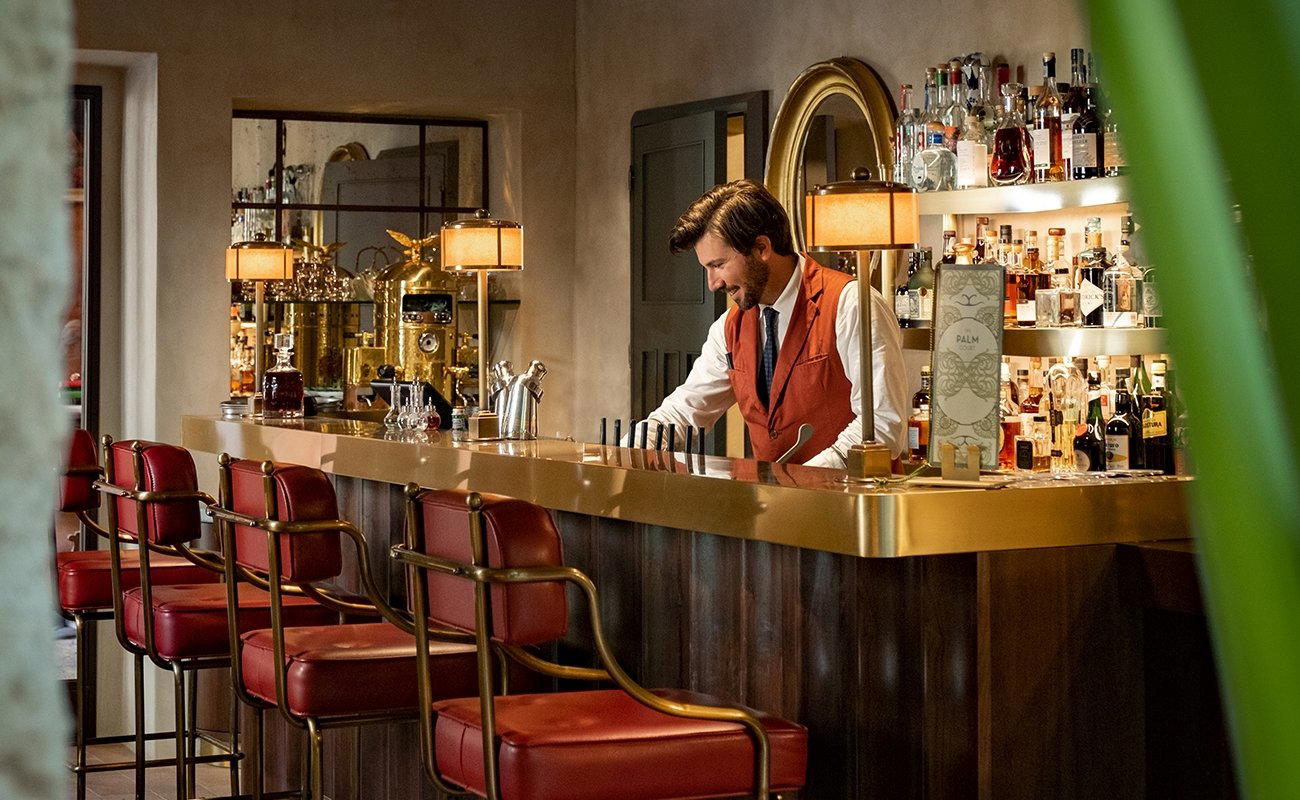
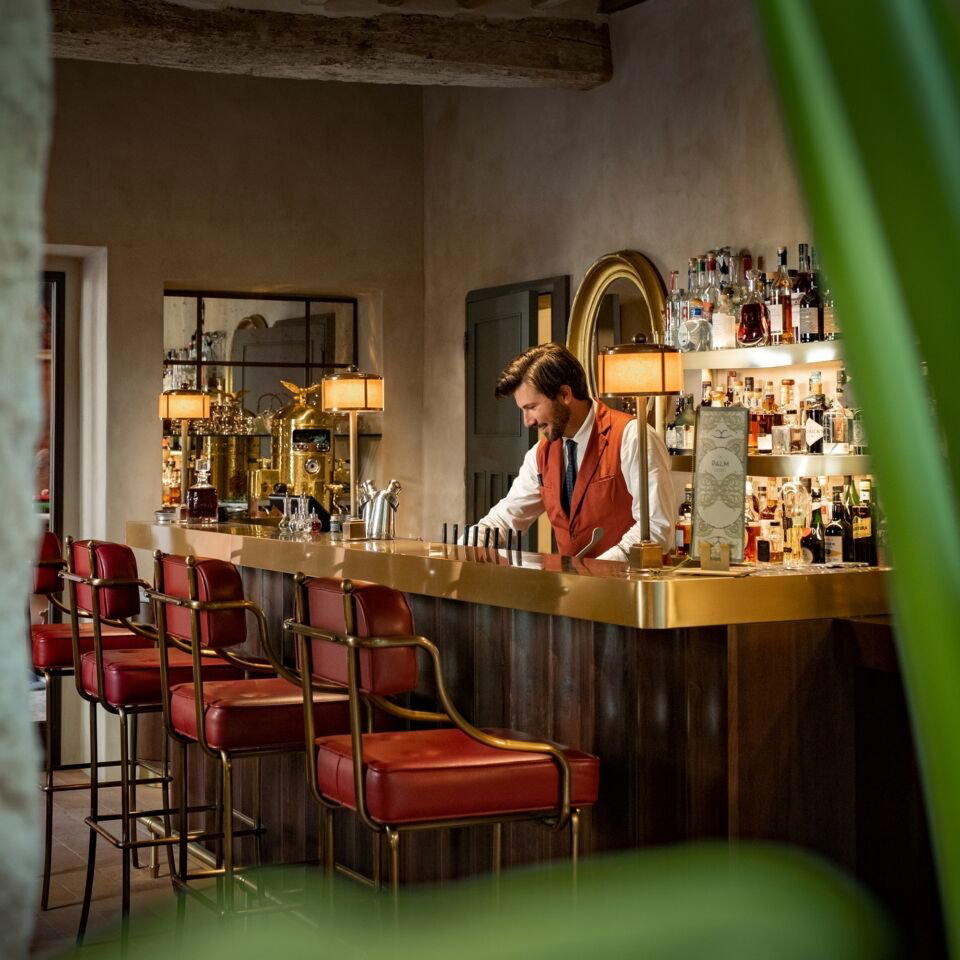
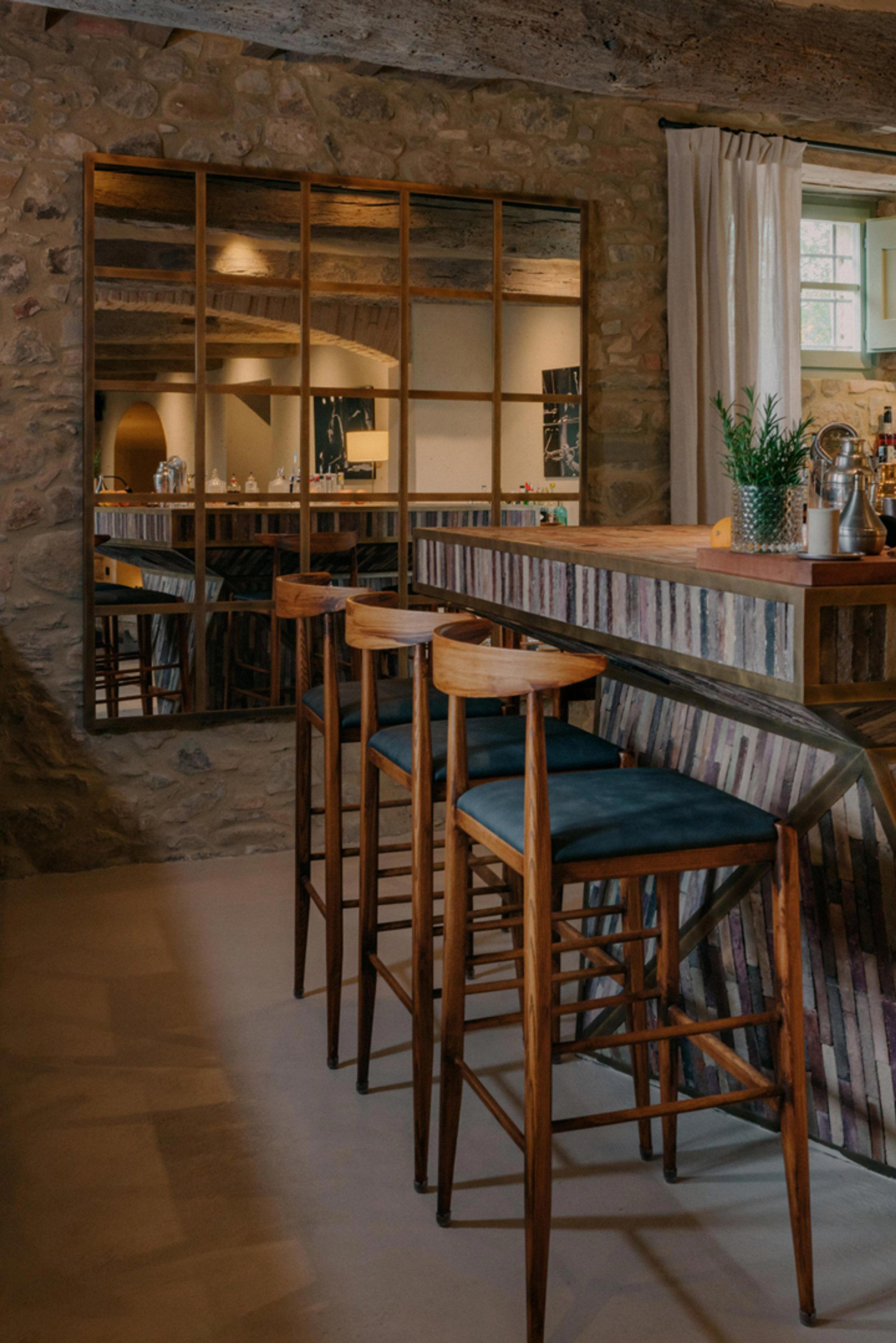
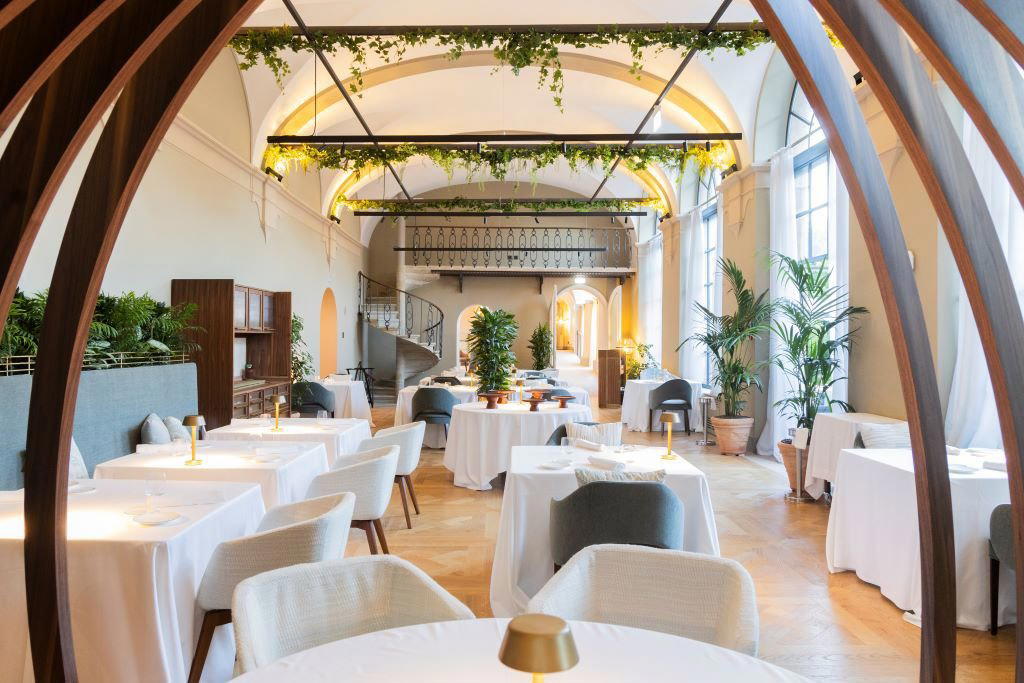
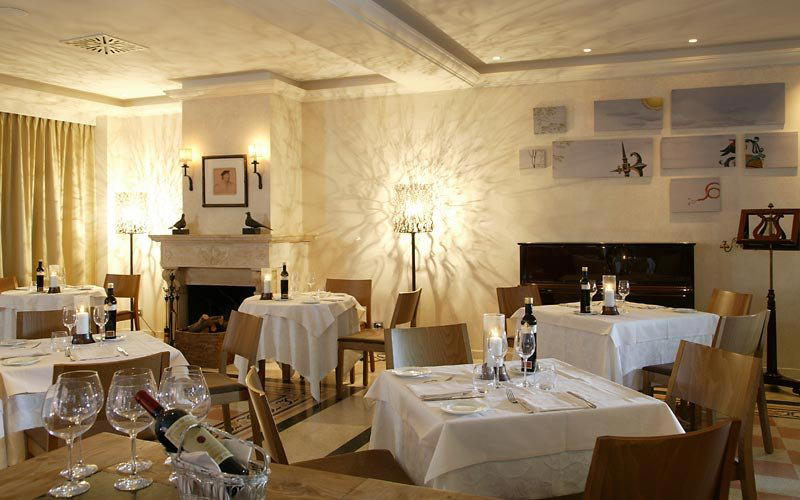
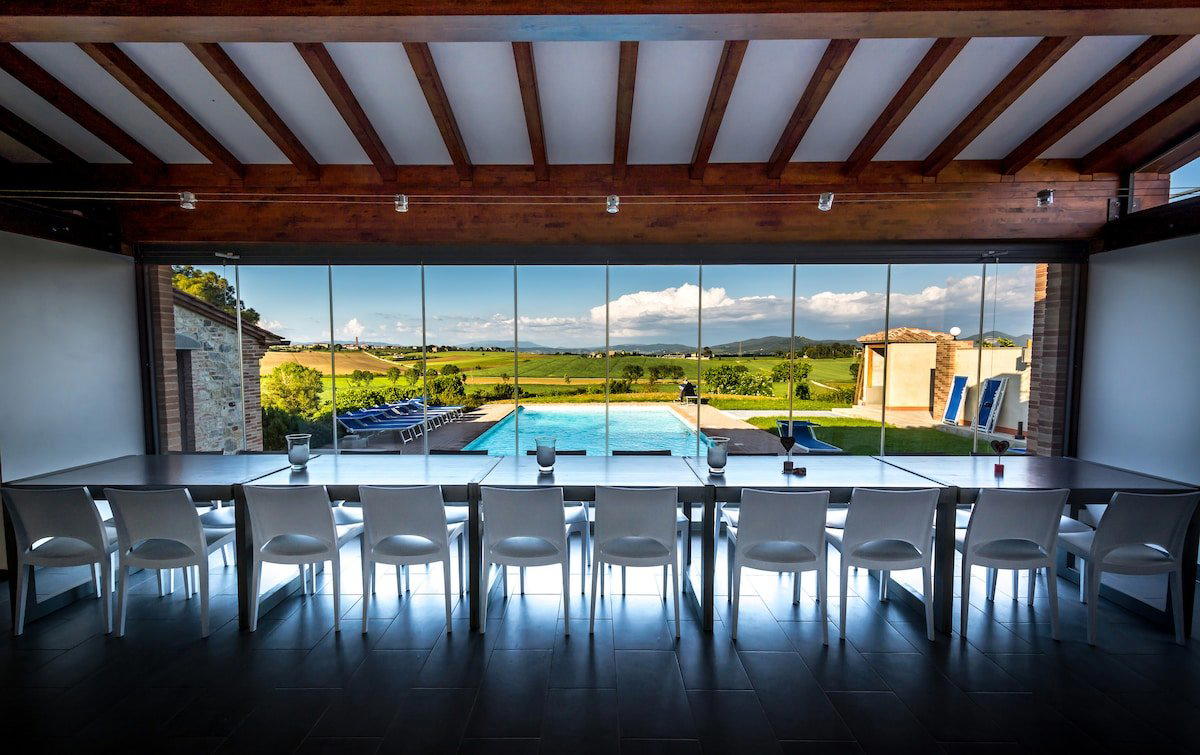
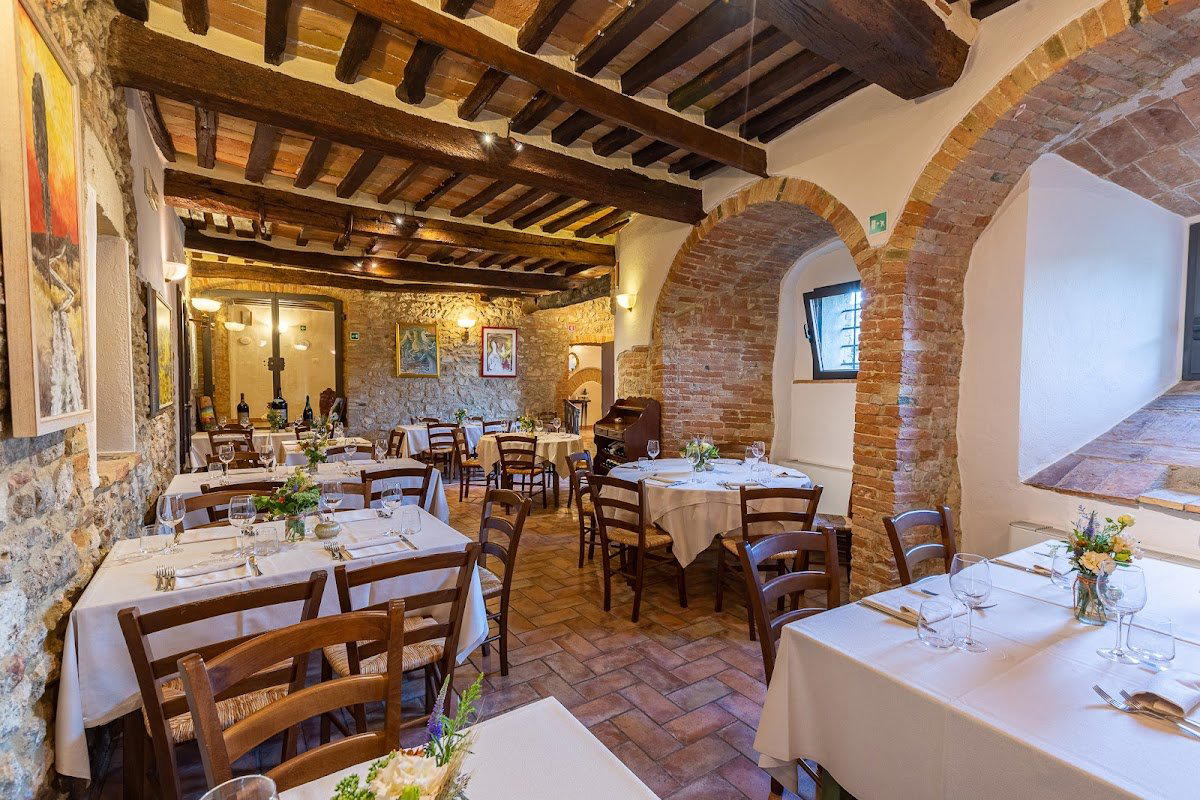
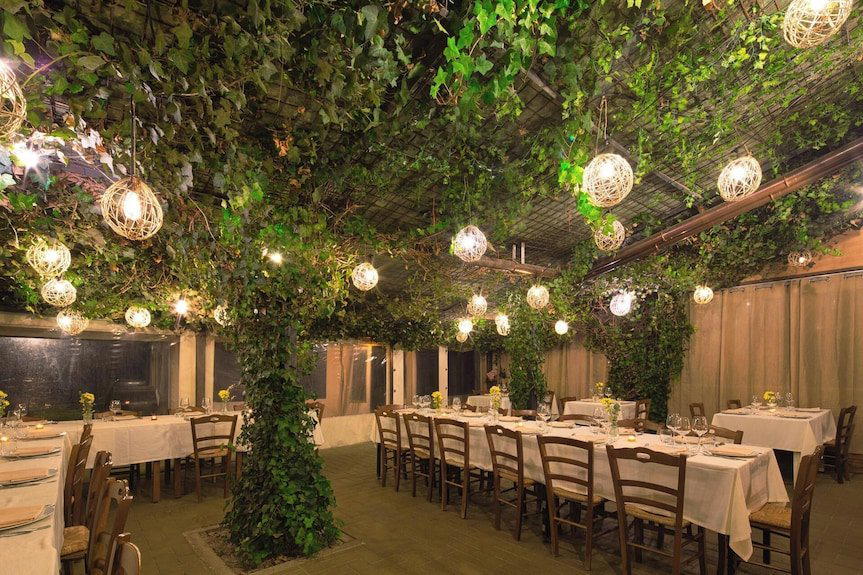
Timeless Italian atmosphere with original timbered ceilings, custom contemporary furniture, and serene views over Lake Trasimeno from the panoramic garden terrace.