Al Trovatore sits on Via Noghera in Ceggia, a small comune in the Veneto that rarely appears on international dining itineraries. The restaurant operates within a regional tradition shaped by the proximity of the Venetian lagoon, agricultural lowlands, and the Po Delta, territory where what arrives on the plate is determined largely by what is grown or caught nearby. For visitors willing to travel beyond Treviso or Venice, it represents a different register of Italian dining.
Pearl is the En Primeur Club membership app — saves, bookings, and concierge access live there. Same editors, same standards.
- Address
- Via Noghera, 799, 30022 Ceggia VE, Italy
- Phone
- +39421329910
- Website
- altrovatore.it
- Directions
- Get directions
 Saves & bookings on Pearl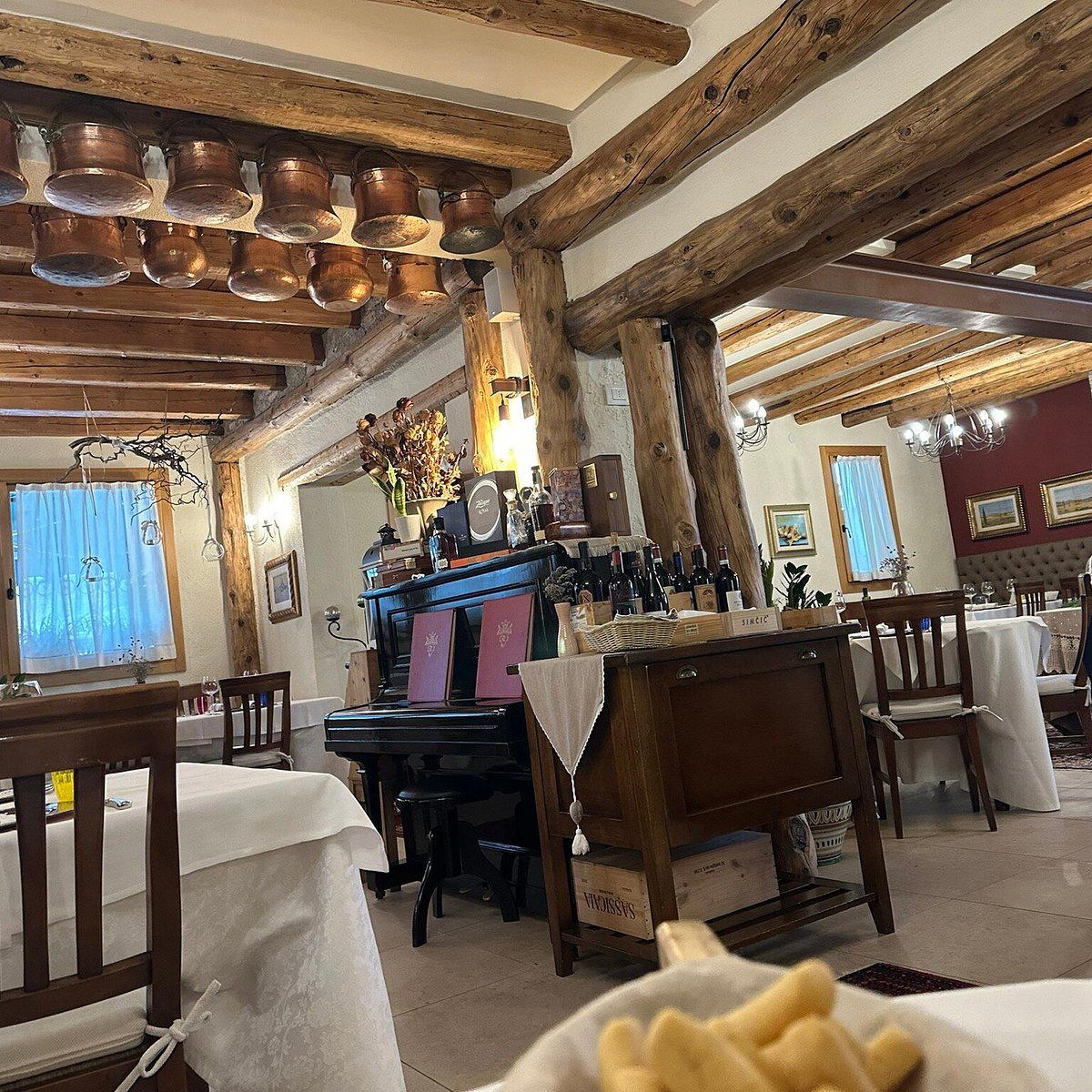
Where the Veneto Interior Meets the Table
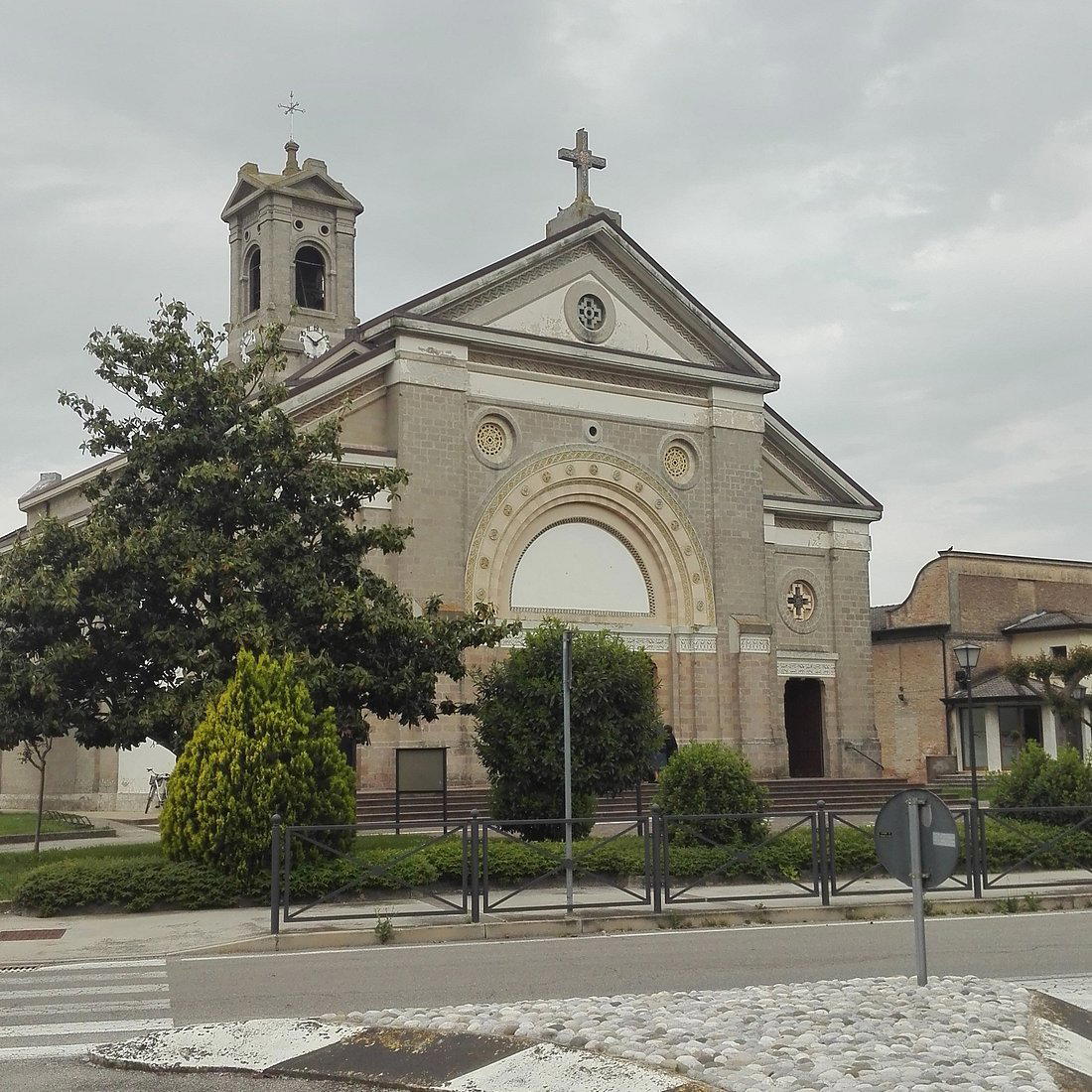
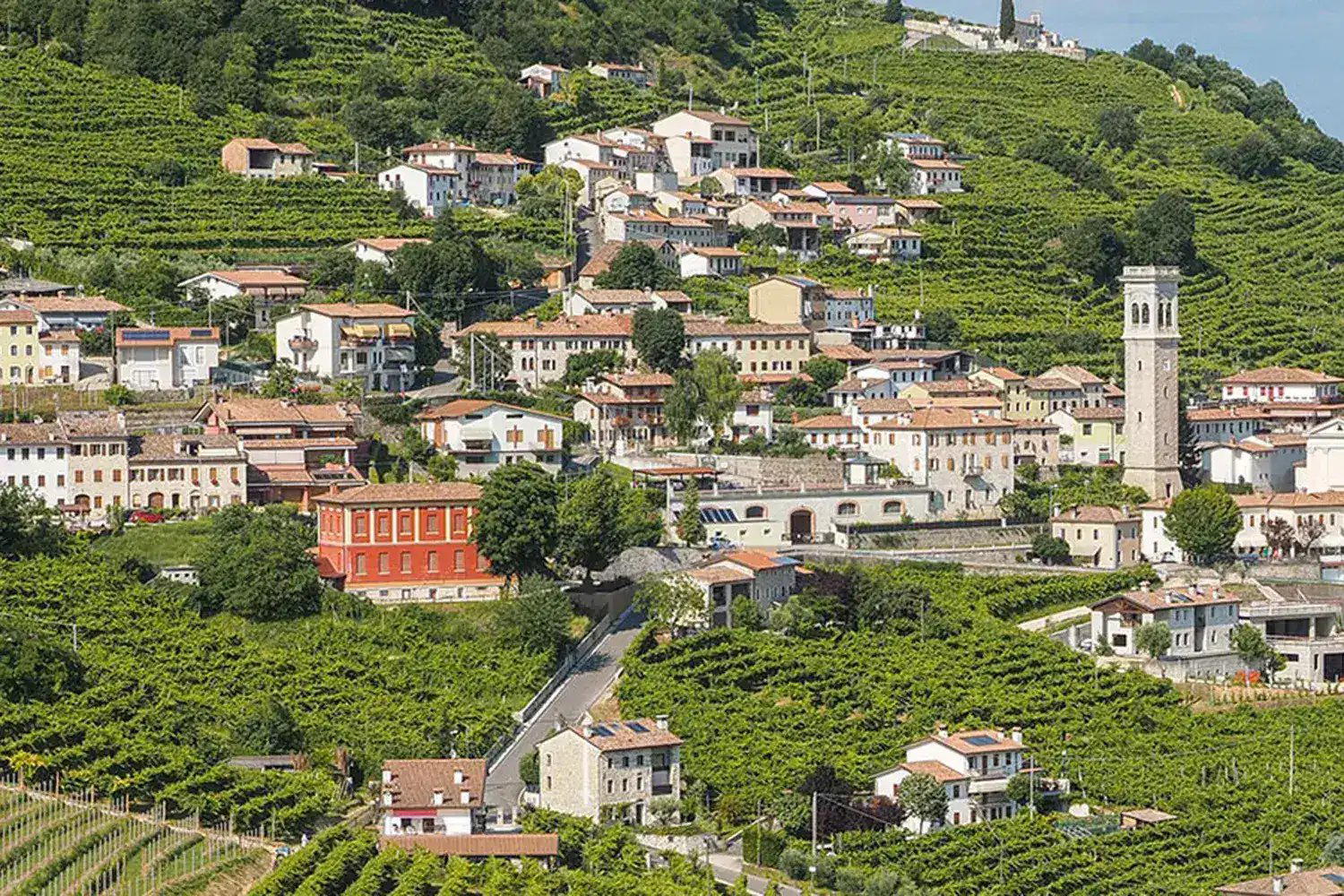
Ceggia sits in the flat agricultural belt between Venice and the Adriatic coast, a stretch of the Veneto that rarely earns column inches in international travel media. The comuni here, modest, working, rooted in the cycles of the land and the lagoon, tend to eat differently from the cities. Dining in this part of the region is less about spectacle and more about proximity: what the farms produce in a given season, what the fishermen bring in from brackish waters nearby, and what the local butcher keeps. Al Trovatore, on Via Noghera at the edge of the town, occupies that tradition rather than operating against it.
Approaching along the flat Veneto roads, there is none of the theatrical preamble you encounter at, say, Osteria Francescana in Modena or Le Calandre in Rubano. The setting here is quieter and more functional, a reminder that particularly instructive Italian meals often happen in rooms that make no effort to signal their own importance. The surrounding range of fields and irrigation canals is not incidental backdrop; it is the supply chain.
The Sourcing Logic of the Venetian Lowlands
The editorial angle that matters most for a restaurant in this position is ingredient sourcing, because the Veneto interior operates on a different supply logic than cities. Venice draws on the Rialto market and centuries of trade relationships. A restaurant in Ceggia draws on what is immediately around it: the radicchio cultivation of Treviso and Chioggia, the white asparagus of Cimadolmo, the freshwater and brackish-water fish of the local valleys, and the corn-fed poultry typical of Veneto farmland. The Po Delta and the lagoon margins feed into this territory, meaning seafood and freshwater species often appear side by side in the regional kitchen, a characteristic that distinguishes this pocket of northeastern Italy from coastal destinations that run on saltwater catch alone.
That sourcing geography shapes what regional trattorie and osterie in this belt have historically served: risotto made with local rice varieties, bigoli in salsa using Venetian salt cod or sardines, grilled eel from the valley waters, and preparations built around preserved and cured meats from the agricultural hinterland. The kitchen traditions here predate contemporary farm-to-table rhetoric by several centuries. Restaurants that operate within this tradition are not making a programmatic statement; they are simply cooking from what is close and available, as they always have.
For comparison, consider how Uliassi in Senigallia works the Adriatic supply chain into a creative format, or how Quattro Passi in Marina del Cantone leans on Campanian coastal sourcing. Al Trovatore operates at the other end of that spectrum, not a high-concept kitchen building a philosophy around provenance, but a local establishment where provenance is simply the default condition of cooking in this geography.
Placing Al Trovatore in Its Regional Context
The Veneto is one of Italy's most decorated dining regions, home to multi-starred kitchens including Casa Perbellini 12 Apostoli in Verona and the broader northern Italian fine dining corridor that extends toward Dal Pescatore in Runate and Da Vittorio in Brusaporto. Al Trovatore is not positioned in that tier. It operates in the lower-profile category of neighbourhood and small-town restaurants that sustain Italian dining culture between the headline addresses, places that regulars visit weekly rather than annually, and where the measure of quality is consistency rather than ambition.
That category matters to understand because it produces a different kind of dining experience. There is no tasting menu architecture, no sommelier theatre, no amuse-bouche sequence signalling a kitchen's technical range. What you are likely to find instead is a shorter menu built around what is in season, a wine list that reflects the local Veneto DOCs (Piave, Lison-Pramaggiore, and the broader northeastern appellations are all relevant here), and a room that reads as community infrastructure rather than destination dining. Our full Ceggia restaurants guide maps the broader local options for visitors spending time in this part of the region.
For travellers accustomed to itineraries built around La Pergola in Rome or Enoteca Pinchiorri in Florence, this kind of restaurant requires a recalibration of expectations, and often delivers something those addresses cannot: a meal that is inseparable from its exact location, serving people who live there.
The Broader Northeast Italy Dining Pattern
Northeastern Italy, the Veneto, Friuli-Venezia Giulia, and Trentino-Alto Adige, has developed a dining culture shaped by Austrian, Slavic, and Venetian influences layered over centuries. The result is a regional kitchen that does not fit neatly into the categories tourists apply to Italian food. Polenta replaces pasta in many preparations. Game and cured meats reflect Alpine and continental trade routes. Freshwater fish appears as frequently as saltwater species. Kitchens in this corridor, including destinations like Atelier Moessmer Norbert Niederkofler in Brunico, have built entire creative identities around exactly this complexity of sourcing geography.
A restaurant in Ceggia operates at the base of that pyramid, not deploying the regional ingredient story as a fine dining concept, but simply living inside it. The radicchio, the asparagus, the brackish-water eel, the local salumi: these are not menu talking points here. They are what the kitchen has access to, and what the clientele expects to find.
Planning a Visit
Ceggia is located in the Venezia metropolitan area, roughly between Treviso and the coast, and is most practically accessed by car from Venice (approximately 40 kilometres northeast) or from Treviso. Public transport connections are limited, which is consistent with the town's character as a working agricultural comune rather than a visitor destination. Visitors combining a meal here with broader Veneto travel might consider it alongside the wine estates of Piave DOC or a drive through the asparagus territories around Cimadolmo in spring.
Contact details and current hours for the restaurant are best confirmed directly before visiting, particularly outside high season when small local restaurants in this part of the Veneto may keep irregular schedules. For travellers building a broader Italian dining itinerary that spans different registers, from neighbourhood trattoria to destination fine dining, venues like Reale in Castel di Sangro or Piazza Duomo in Alba offer useful reference points for the other end of the spectrum.
Comparison Snapshot
Comparable venues nearby, for context on price, style, and recognition.
| Venue | Cuisine | Price | Notes |
|---|---|---|---|
| Al TrovatoreThis venue — the venue you are viewing | Classic Italian Trattoria | $$$ | Not listed |
| Riva Rosa | Venetian Seafood | $$$ | Burano |
| Osteria Da Carla | Modern Venetian Osteria | $$$ | San Marco |
| Al Forno | Traditional Venetian Trattoria with Grill | $$$ | Refrontolo |
| Alla Grigliata | Traditional Italian Grill | $$$ | Lido di Jesolo |
| AcquaStanca | Venetian Seafood Osteria | $$$ | Murano |
Continue exploring
More in Ceggia
Restaurants in Ceggia
Browse all →
Bars in Ceggia
Browse all →
Hotels in Ceggia
Browse all →
At a Glance
- Rustic
- Cozy
- Classic
- Family
- Casual Hangout
- Historic Building
- Local Sourcing
- Waterfront
Current opening hours
- Monday
- Closed
- Tuesday
- 11:30 AM–2 PM, 7–11 PM
- Wednesday
- 11:30 AM–2 PM, 7–11 PM
- Thursday
- 11:30 AM–2 PM, 7–11 PM
- Friday
- 11:30 AM–2 PM, 7–11 PM
- Saturday
- 11:30 AM–2 PM, 7–11 PM
- Sunday
- 11:30 AM–2 PM
Hours can change for holidays and private events. Last verified .
Warm, inviting, and welcoming atmosphere with friendly service.