Al Forno
Al Forno sits in Refrontolo, a small commune in the Treviso hills of the Veneto where the tradition of wood-fired cooking is bound to local agricultural rhythms and Prosecco country terroir. The address places it squarely within a regional dining culture that prizes ingredient provenance over culinary spectacle. For those tracing Italy's quieter cooking traditions, this corner of the Marca Trevigiana rewards attention.
Pearl is the En Primeur Club membership app — saves, bookings, and concierge access live there. Same editors, same standards.
- Address
- Viale degli Alpini, 5, 31020 Refrontolo TV, Italy
- Phone
- +39438894496
- Website
- alforno.it
- Directions
- Get directions
 Saves & bookings on Pearl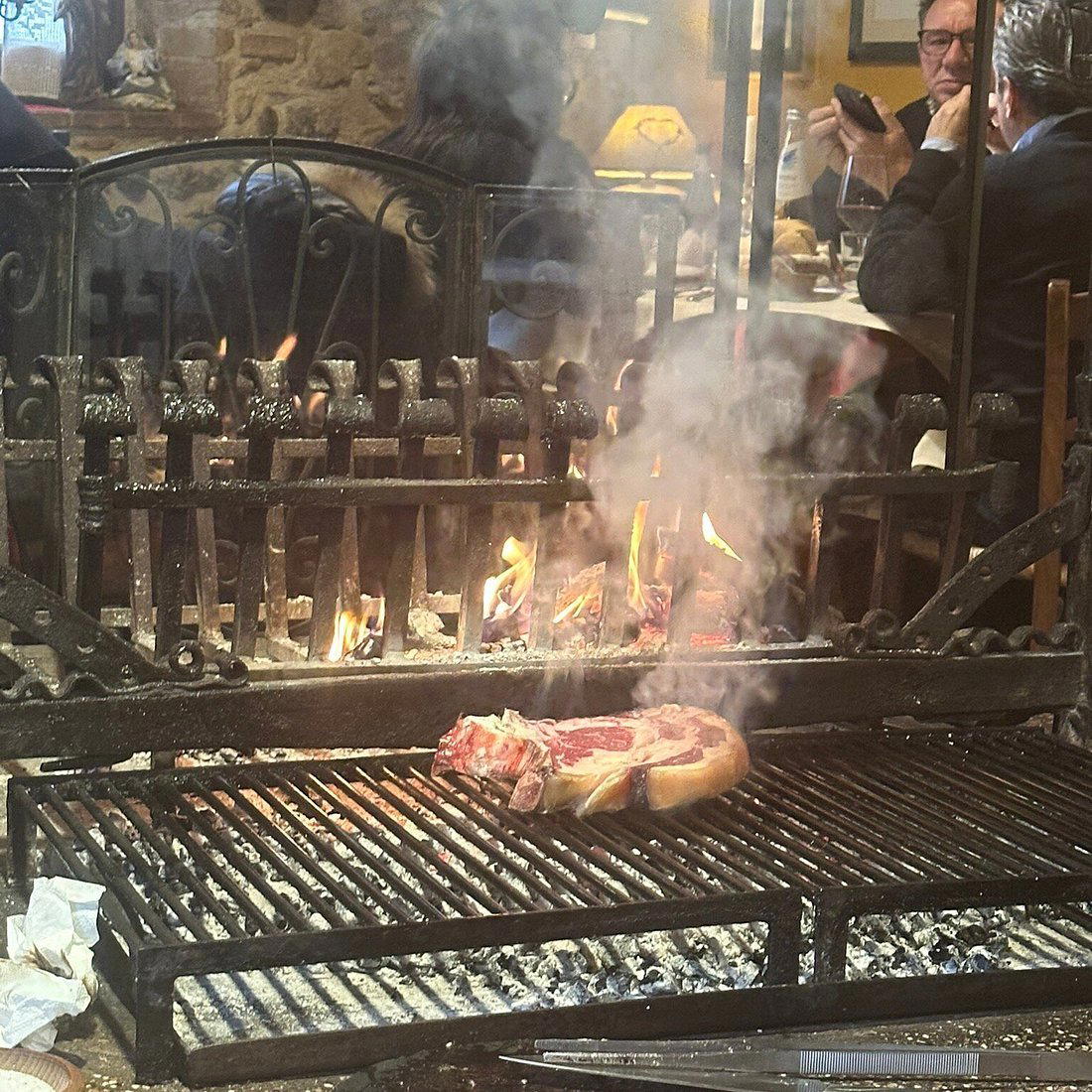
The Veneto's Quieter Table: Refrontolo and the Case for Provenance-Led Cooking
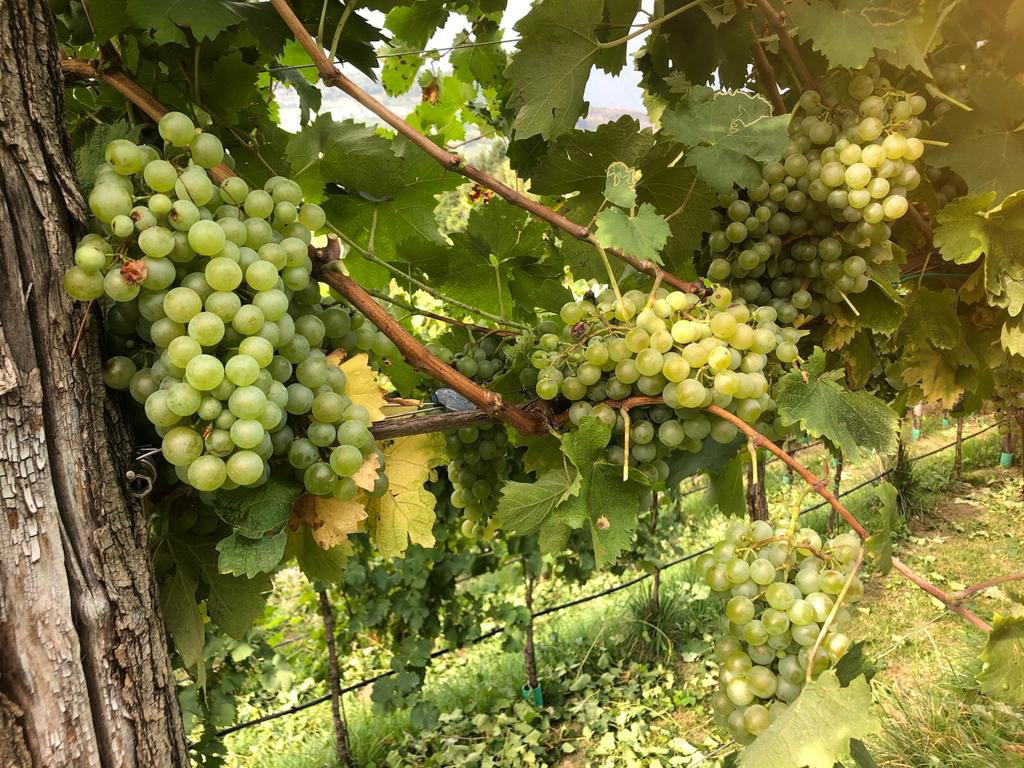
Approach Refrontolo from the SP15 that winds up through the Conegliano-Valdobbiadene hills and the landscape makes an argument before any kitchen does. The vines here are Glera, trained on steep gradients that produce Prosecco Superiore DOCG, and the fields between the ridges yield the kind of ingredients, radicchio, white asparagus, mountain herbs, river fish, that define Veneto cucina povera at its most coherent. Al Forno, addressed at Viale degli Alpini 5, occupies this context not as a destination restaurant that imports its identity, but as a place shaped by what the surrounding hills and valleys actually produce.
The name is a statement of method. Wood-fired or oven-roasted cooking has been the organisational principle of rural Veneto kitchens for centuries, a technique that requires ingredients capable of bearing direct heat without the mediation of elaborate sauce or modern finishing. That demand for ingredient integrity is not a marketing position, it is a structural constraint that pushes kitchens toward sourcing seriousness. In that sense, Al Forno belongs to a category of trattoria and forno-style restaurants across northern Italy where the cooking technique itself functions as a filter for quality.
Refrontolo in the Regional Picture
The Marca Trevigiana, the broader province of Treviso, has long occupied an interesting middle position in Italy's dining hierarchy. It is close enough to Venice to attract sophisticated visitors and prosperous enough from wine and agribusiness to sustain serious local tables, yet it operates largely outside the Michelin circuit that pulls attention toward cities. Italian dining, represented by houses like Osteria Francescana in Modena or Dal Pescatore in Runate, sets one register for Italian cooking. Refrontolo sets a different one: quieter, more embedded in agricultural reality, and priced against local expectation rather than international tourism.
That separation matters for how you read a place like Al Forno. It is the village trattoria tradition of the Veneto hills, where the measure of quality is fidelity to local produce and a kitchen that does not overreach. Across Italy, this category of restaurant has proved more durable than many fashion-driven urban openings precisely because its identity is geographic rather than conceptual.
Ingredient Logic in the Treviso Hills
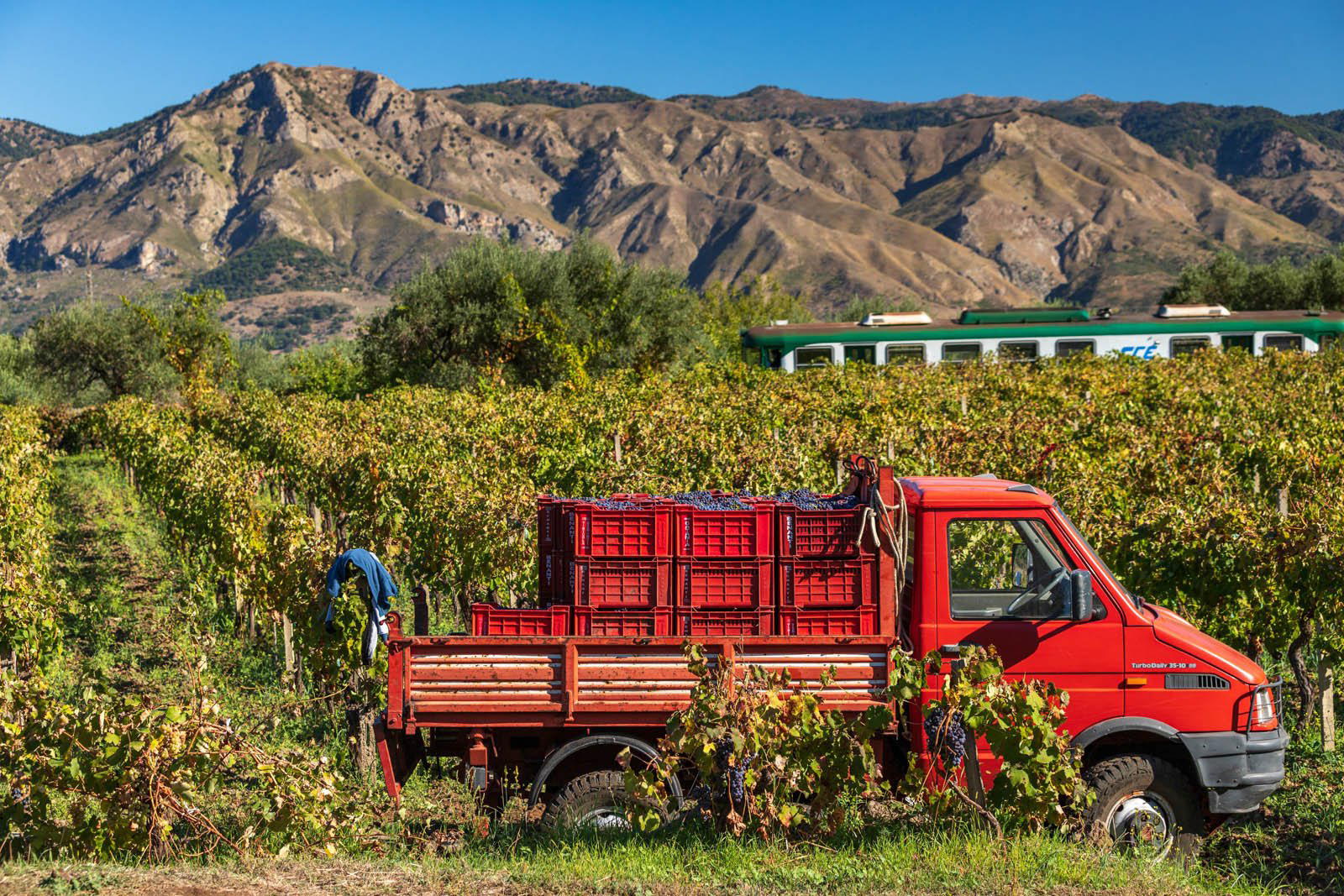
The Veneto's agricultural calendar is specific and demanding. Winter brings radicchio di Treviso, the elongated, bitter variety that thrives in the cold and is finished by immersion in running spring water, alongside the white polenta of the foothills and aged Asiago from the plateau above Vicenza. Spring produces white asparagus from Bassano del Grappa, one of Italy's most protected and prized vegetable harvests. Summer and autumn turn toward porcini from the Dolomite foothills, freshwater fish from the Piave and its tributaries, and the grape harvest that defines the economic and cultural rhythm of communes like Refrontolo.
A kitchen organised around wood-fire cooking in this setting draws from that calendar whether or not it makes an explicit statement about sourcing. The technique privileges ingredients that carry flavour without elaboration: whole birds, cuts of pork and lamb suited to slow roasting, vegetables that caramelise well, bread that develops crust. These are not the ingredients of a laboratory tasting menu. They are the ingredients of a functioning agricultural region that has fed itself this way for generations. Venues elsewhere in Italy that pursue a similar provenance logic at higher price points, Reale in Castel di Sangro or Atelier Moessmer Norbert Niederkofler in Brunico, do so with the apparatus of fine dining. Al Forno operates at a different register, where the sourcing logic is embedded in tradition rather than declared as innovation.
Prosecco Country as Context
Refrontolo is within the Conegliano Valdobbiadene Prosecco Superiore DOCG zone, which received UNESCO recognition for its hillside wine landscape in 2019. That designation has increased external attention on the area without substantially changing the character of local eating and drinking culture. The Rive di Refrontolo is one of the zone's single-village Prosecco designations, and the wine produced on these slopes tends toward a drier, more mineral expression than the broad commercial Prosecco category. Understanding that context matters for how you approach a meal here: this is wine country in the serious sense, and local tables reflect that by pairing straightforwardly with wines that come from within sight of the kitchen.
Visitors driving up from Treviso, roughly 30 kilometres south, or arriving via the Vittorio Veneto rail corridor and continuing by car will find Refrontolo a small commune with limited infrastructure. That is not a problem so much as a condition: this is not a place built for tourism, and the dining experience reflects that.
Where Al Forno Sits in a Wider Italian Dining Journey
For travellers moving through northern Italy, the temptation is to anchor itineraries around decorated urban addresses: Enrico Bartolini in Milan, Enoteca Pinchiorri in Florence, or La Pergola in Rome. These are logical anchors for a high-end itinerary. But the tradition those restaurants draw from, the wood-fired hearth, the seasonal ingredient cycle, the regional wine, survives most honestly in places like Refrontolo, where there is no audience to perform for and no award cycle to chase. Casa Perbellini 12 Apostoli in Verona represents the point where that tradition gets translated into fine dining language; the restaurant sits further back along that chain, closer to the source.
For context on how Italy's coastal and southern registers compare, the seafood-led creativity of Uliassi in Senigallia or Quattro Passi in Marina del Cantone belongs to a different culinary logic entirely. The Veneto hill tradition and the Adriatic or Tyrrhenian coastal tradition are parallel rather than overlapping, and understanding which one you are eating within shapes what you should be looking for on the plate.
Planning a Visit
The restaurant is located at Viale degli Alpini 5 in Refrontolo, in the Treviso province of the Veneto. The commune sits in the recognised Prosecco Superiore hill zone, roughly 30 kilometres north of Treviso city. Given the rural setting and the local-audience orientation of this style of restaurant, arriving without a confirmed reservation carries risk, particularly on weekends when the regional clientele fills village tables quickly.
Side-by-Side Snapshot
Comparable venues nearby, for context on price, style, and recognition.
| Venue | Cuisine | Price | Notes |
|---|---|---|---|
| Al FornoThis venue — the venue you are viewing | Traditional Venetian Trattoria with Grill | $$$ | Not listed |
| Sull’Albero Trattoria | Tuscan Trattoria | $$$ | Chiusdino |
| Salis | Modern Italian Fine Dining | $$$ | Valdobbiadene |
| Al Castelletto | Traditional Trevisan Osteria | $$$ | Pedeguarda di Follina |
| Trattoria Baccalà Divino | Venetian Baccalà Trattoria | $$$ | Gazzera |
| Dal Contadino | Modern Italian Fine Dining | $$$ | Euganean Hills |
Continue exploring
More in Refrontolo
Restaurants in Refrontolo
Browse all →
Bars in Refrontolo
Browse all →
Hotels in Refrontolo
Browse all →
At a Glance
- Cozy
- Rustic
- Intimate
- Classic
- Special Occasion
- Date Night
- Family
- Open Kitchen
- Historic Building
Current opening hours
- Monday
- Closed
- Tuesday
- Closed
- Wednesday
- 10 AM–2 PM
- Thursday
- 10 AM–2 PM
- Friday
- 10 AM–2 PM, 5:30–10:30 PM
- Saturday
- 10 AM–2 PM, 5:30–10:30 PM
- Sunday
- 10 AM–2 PM, 5:30–10:30 PM
Hours can change for holidays and private events. Last verified .
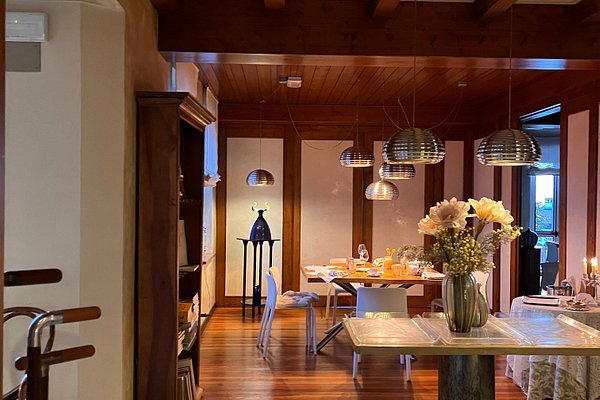
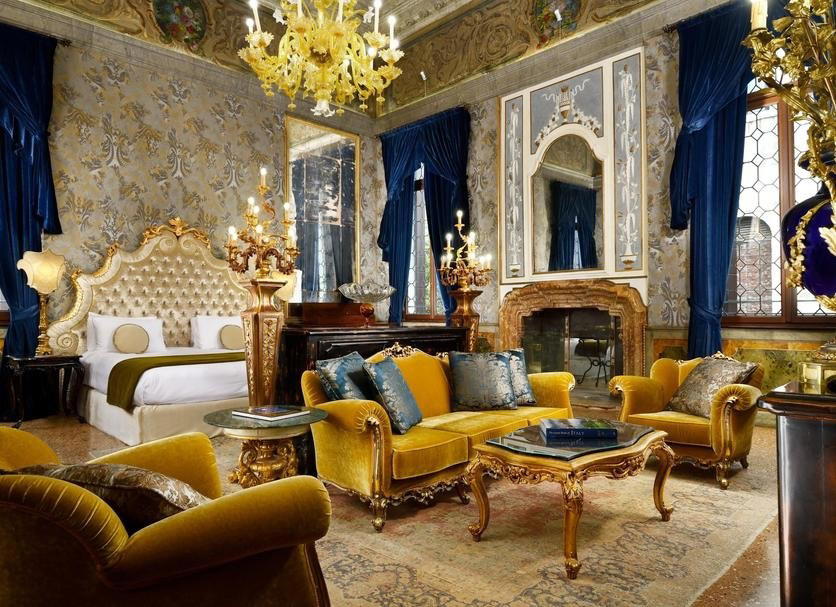
Warm and cozy interior with wood elements, low lighting, and a central fireplace grill creating an inviting, authentic rustic atmosphere.