Al son de Cuba brings Cuban rhythm and cooking to the Lavapiés-adjacent streets of Madrid's Arganzuela district, occupying a neighbourhood where Latin American culinary traditions have found a genuine foothold. The kitchen draws on Caribbean pantry staples and slow-cooked technique in a city better known for its Castilian roasts and avant-garde tasting menus. It represents a counterpoint to Madrid's Michelin circuit, informal, ingredient-led, and rooted in a diaspora tradition.
Pearl is the En Primeur Club membership app — saves, bookings, and concierge access live there. Same editors, same standards.
- Address
- con, Calle del General Lacy 11, C/ del Áncora, 25, 28045 Madrid, Spain
- Phone
- +34910233445
- Website
- opentable.com
- Directions
- Get directions
 Saves & bookings on Pearl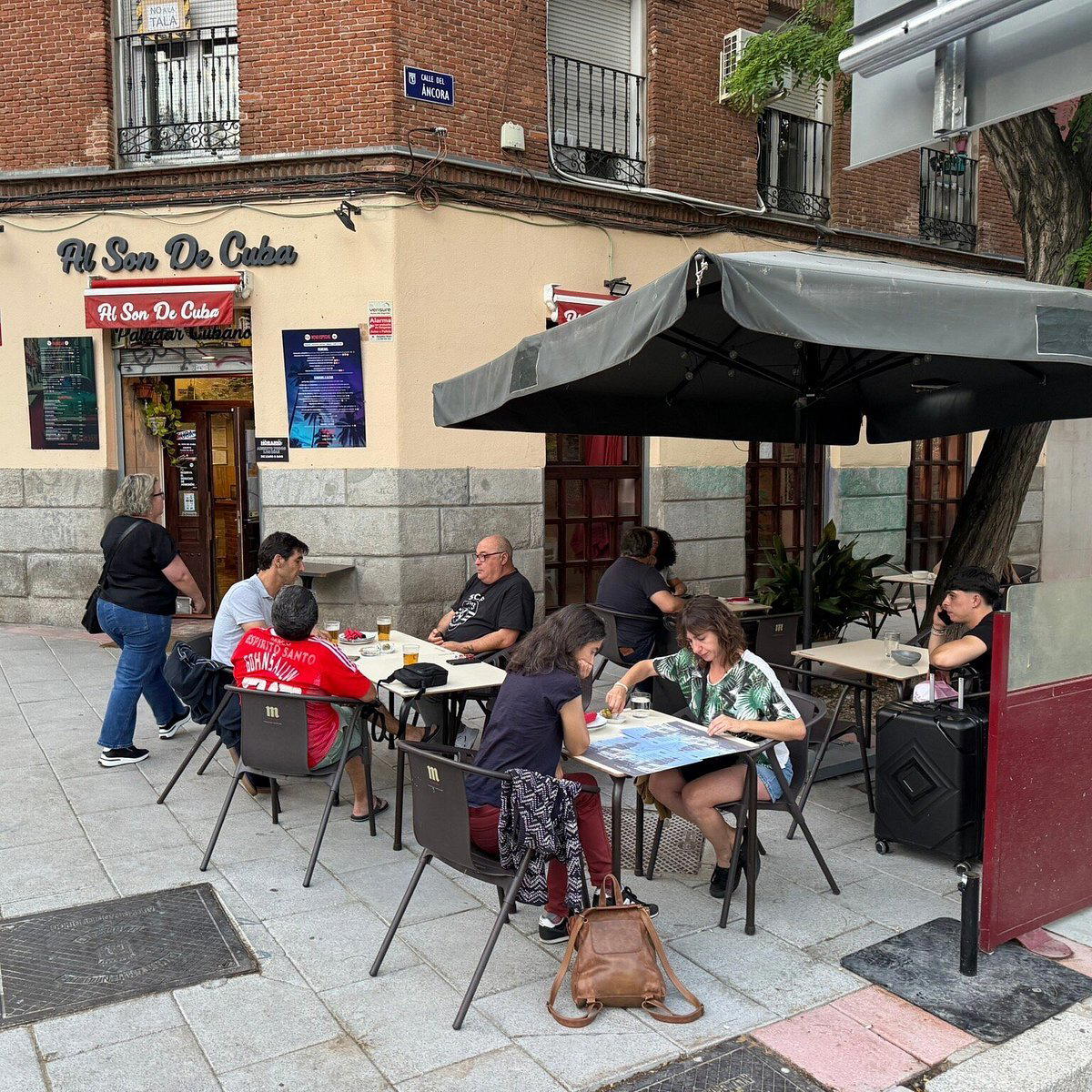
Cuban Cooking in Madrid's Southern Quarter
Madrid's relationship with Latin American cuisine has always been more layered than the city's reputation for cocido and suckling pig might suggest. The southern barrios, particularly those radiating out from Lavapiés and into Arganzuela, have absorbed decades of Caribbean and South American culinary influence, carried in by communities who brought their pantries with them. Al son de Cuba, located on Calle del General Lacy 11, C/ del Áncora, 25, 28045 Madrid, Spain, sits inside this tradition rather than apart from it. The address places it in a working neighbourhood far from the tasting-menu circuit that runs through DiverXO, Coque, and Deessa.
What the Caribbean Pantry Brings to a Castilian City
Cuban cooking is an ingredient-first tradition. Its foundations, black beans slow-cooked with cumin and bay, plantain fried in lard or oil until the edges caramelise, rice steamed with sofrito until it takes on colour and depth, are not techniques that benefit from refinement so much as from sourcing and patience. In Madrid's Latin-influenced restaurants, the quality of these staples varies significantly. The difference between a competent plate of ropa vieja and one worth returning for comes down to the cut of beef, the time given to the braise, and whether the tomato and pepper base carries enough acidity to balance the fat. These are sourcing decisions before they are cooking decisions.
This ingredient-sourcing logic matters more in a city where Cuban cooking operates outside the mainstream supply chains that provision Spanish restaurants. Yuca, malanga, boniato, and green plantains do not move through the same wholesale networks as Castilian vegetables. They arrive through specialist Latin American importers or from the concentrated grocery ecosystem around Lavapiés market, where Caribbean, West African, and South Asian ingredients share shelf space in a way that Madrid's larger mercados do not replicate. A kitchen working within this supply network is, by necessity, closer to its raw materials and more attentive to seasonality and availability than a restaurant drawing from standardised Spanish produce channels.
Spain's broader fine-dining conversation, which runs from Quique Dacosta in Dénia to El Celler de Can Roca in Girona and outward to Mugaritz in Errenteria and Arzak in San Sebastián, places enormous emphasis on territory and provenance. The Basque notion of producto, and the broader Spanish instinct that great cooking begins with notable raw material, applies as clearly to a Cuban sofrito base as it does to a Galician turbot or an Extremaduran pork loin at Atrio in Cáceres. The register is different; the logic is the same.
The Neighbourhood as Context
Arganzuela is not a dining destination in the way that Chueca or Malasaña have become. It does not draw tourists navigating from the Prado to a reservation. The area's dining scene is largely neighbourhood-serving, which means pricing reflects local incomes and the format tends toward the accessible and the generous rather than the curated and the spare. Cuban restaurants in this tier across Madrid typically operate as full-service casas de comidas, where rice dishes anchor the menu and the meal moves at a pace determined by the table rather than a kitchen's production schedule. The Cuban dining format is structurally different from the tasting-menu progression that defines the higher end of Madrid's output at places like DSTAgE or Paco Roncero. It is also structurally different from the creative Spanish cooking found at Azurmendi in Larrabetzu or Cocina Hermanos Torres in Barcelona. The Cuban model, at its leading, is about depth of flavour arrived at through time and repetition rather than technique and invention.
This positions Al son de Cuba within Madrid's Latin American dining map, where Cuban food's reliance on long braises, fried starch, and bean cookery gives it a distinct weight and richness.
Music, Atmosphere, and the Cuban Model of Hospitality
The name signals something beyond the plate. Son cubano, the rhythmic foundation of salsa, moves through Cuban social life the way flamenco runs through Andalusian culture: it is not decoration but structure. Cuban restaurants and social clubs in Madrid's Latin community frequently use music as part of the dining proposition, and the son tradition specifically has a warmth and swing that shapes the pace of a room. Where northern European dining rooms are engineered toward quiet and concentration, the Cuban hospitality model is built around sound, movement, and shared time at the table. This is not incidental to the food; it is the context in which the food is meant to be eaten.
For visitors accustomed to the higher-pressure booking logistics of Madrid's Michelin tier, the Cuban casa de comidas model represents a different contract with the guest. The terms are more relaxed, the transaction more direct, and the expectation on both sides is of a meal that fills and satisfies rather than one that instructs or surprises. Spain's other destination-driven kitchens like Ricard Camarena in València or Aponiente in El Puerto de Santa María sit in a completely different register of dining intent.
For those building a Madrid itinerary around the full range of the city's food culture rather than only its creative-cuisine output, a meal in this southern neighbourhood provides context that the tasting-menu circuit cannot.
Al son de Cuba sits on Calle del Áncora 25, accessible from the Lavapiés or Embajadores metro stops on Line 3, or a short walk from the Acacias and Palos de Moguer areas. As with most neighbourhood restaurants in this postcode, the practical advice is to arrive at opening or call ahead during peak weekend hours when tables fill quickly with local regulars. Cuban restaurants in Madrid's southern barrios tend to run long on weekend evenings, with the music programming extending the atmosphere well past the kitchen's last orders.
Frequently Asked Questions
What do regulars order at Al son de Cuba?
Cuban cuisine in Madrid's Arganzuela district typically centres on slow-braised meat dishes, fried plantain preparations, and rice cooked with sofrito. At venues in this tradition, the ropa vieja, black bean rice combinations, and fried pork cuts draw the strongest repeat custom. The Caribbean pantry staples that anchor Cuban cooking, yuca, boniato, and mature plantain, often appear as sides that locals treat as essential rather than optional.
Should I book Al son de Cuba in advance?
Madrid's Cuban and Latin American restaurants in the southern barrios operate in a different booking tier from the city's high-demand tasting-menu kitchens. Weekend evenings fill faster than weekday services, particularly when music programming draws a larger social crowd. Given the neighbourhood character of the venue, a phone call ahead on the day is a reasonable precaution for weekend dining. The format is generally more walk-in-friendly than the tightly controlled reservation windows at Madrid's creative-cuisine addresses.
What is Al son de Cuba known for?
The restaurant is known as a Cuban dining and social space in Madrid's Arganzuela district, bringing Caribbean cooking traditions and Cuban musical culture to a neighbourhood with deep Latin American community roots. In a city whose high-profile dining identity runs toward avant-garde Spanish technique, it represents a different kind of culinary authority: one built on diaspora ingredients, long-cooked preparations, and a hospitality format that treats the evening as an extended social event rather than a structured gastronomic sequence.
Is Al son de Cuba suitable for a group celebration in Madrid?
Cuban restaurants built around the son tradition are structurally well-suited to group dining: the format is communal, the service pace accommodates extended tables, and the music element supports a celebratory atmosphere that is harder to find in Madrid's quieter, more formal dining rooms. For groups looking for a Cuban cultural evening rather than a tasting-menu experience, the Arganzuela address provides a Latin social club atmosphere that functions as both restaurant and music venue. Confirming group capacity and any live music schedule directly with the venue before booking is recommended.
A Credentials Check
Comparable venues nearby, for context on price, style, and recognition.
| Venue | Cuisine | Price | Notes |
|---|---|---|---|
| Al son de CubaThis venue — the venue you are viewing | Authentic Cuban | $$ | Not listed |
| Cuando Salí de Cuba | Authentic Cuban | $$ | Palacio |
| La Burlona | Modern Spanish Tapas | $$ | Lavapies |
| Restaurante Sambo | Peruvian-Mediterranean Fusion Ceviches | $$ | Acacias |
| La Vanduca | Modern Spanish Mediterranean with Andalusian Touches | $$ | Recoletos |
| Infame Restaurant | Modern Basque Fusion | $$ | La Latina |


At a Glance
- Lively
- Energetic
- Casual Hangout
- Group Dining
- Standalone
Current opening hours
- Monday
- 1 PM–12 AM
- Tuesday
- 1 PM–12 AM
- Wednesday
- 1 PM–12 AM
- Thursday
- 1 PM–12 AM
- Friday
- 1 PM–12 AM
- Saturday
- 1 PM–12 AM
- Sunday
- 1 PM–12 AM
Hours can change for holidays and private events. Last verified .
Energetic atmosphere with friendly service, often packed during peak times.