Al Norte
.png)
A Michelin Plate holder in the small Extremaduran town of Jarandilla de la Vera, Al Norte runs a sharing-format menu that draws on traditional Spanish foundations while pulling in international influences. The kitchen adjoins the dining room, and dishes like tomato torrija with smoked sardine signal a chef trained at leading restaurants who applies that experience to deeply local ingredients. Google reviewers rate it 4.7 from over 800 responses.
Pearl is the En Primeur Club membership app — saves, bookings, and concierge access live there. Same editors, same standards.
- Address
- Av Soledad Vega Ortiz, 125, 10450 Jarandilla de la Vera, Cáceres, Spain
- Phone
- +34 666 32 06 32
- Website
- alnortejarandilla.com
 Saves & bookings on Pearl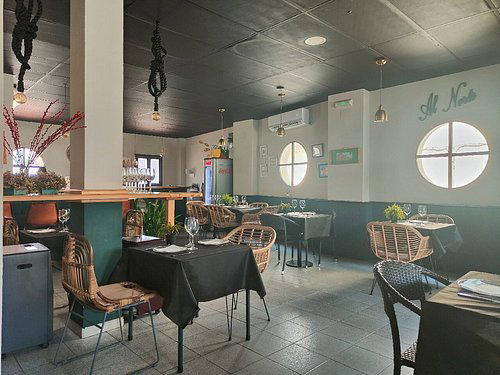
Where the Kitchen Has Nothing to Hide
In Jarandilla de la Vera, a modest town in the Extremaduran comarca of La Vera, the open kitchen is not an aesthetic choice so much as a statement of intent. At Al Norte, the cooking space adjoins the dining room directly, which means the smell of paprika-threaded stock, the sound of cast iron on flame, and the movements of the kitchen team are part of the meal from the moment you sit down. This kind of unmediated access to the cooking process is more common in the rural Spanish dining tradition than in city restaurants, where theatre and separation tend to go hand in hand. Here, the format reflects a simpler logic: the food is the point, and there is nothing between you and it.
La Vera on the Plate
Extremadura's agricultural identity shapes the raw material on which contemporary kitchens in the region depend. La Vera, the valley running along the southern slopes of the Sierra de Gredos, produces some of Spain's most specific ingredients: pimentón de la Vera, the smoked paprika that carries protected designation of origin status and distinguishes Extremaduran cooking from every other Spanish regional tradition. The valley's microclimate, shaped by altitude and the moisture funnelled from the sierra, also supports market gardens, stone fruit, and livestock that rarely travel far before reaching the table. A kitchen operating at Al Norte's price point, the most accessible tier in the local market, is working with this material not because sourcing locally is a trend but because the supply chain here is short by default. The town is the supply chain.
This matters because it sets the interpretive challenge. The menu is designed for sharing rather than individual progression. The result, evident in documented dishes like tomato torrija with smoked sardine and veal cheeks with papaya, is cooking that acknowledges international technique and fusion reference points without abandoning the produce that makes Extremaduran food worth eating in the first place. Smoked sardine against the sweet-fatty structure of a torrija riffs on the bread-and-fish combinations embedded in Spanish rural cooking. The papaya alongside veal cheeks introduces acidity and tropical fragrance against a cut that rewards long braise and deep seasoning. Neither dish is simply traditional, and neither ignores where it comes from.
The Sharing Format as a Regional Tradition
The menu's sharing structure places Al Norte within a dining pattern that is well established across Spain but carries particular meaning in smaller towns, where the table is expected to be a collective experience rather than a sequence of individual courses. In cities like Madrid or San Sebastián, the sharing format has often been adopted as a contemporary gesture, a loosening of the tasting-menu rigidity that defines the country's top tier. At restaurants like DiverXO in Madrid or Arzak in San Sebastián, the format signals creative licence. At the Michelin three-star level, venues including Azurmendi in Larrabetzu, El Celler de Can Roca in Girona, Cocina Hermanos Torres in Barcelona, Mugaritz in Errenteria, Aponiente in El Puerto de Santa María, Martin Berasategui in Lasarte-Oria, Quique Dacosta in Dénia, and Ricard Camarena in València operate at price points and with conceptual ambition that belongs to a separate competitive set entirely. Al Norte sits nowhere near that bracket by price or format, but the underlying instinct, using the table as a shared experience rather than a staged individual one, is the same. It is a more honest version of the same idea, scaled to a town of a few thousand people and a kitchen that does not need a reservations team to manage demand.
The same impulse appears in the contemporary formats of César in New York City and Jungsik in Seoul, where the sharing or family-style format has been adopted within progressive tasting menus as a way of dissolving formality. In Jarandilla de la Vera, the formality was never there to dissolve.
What the Michelin Plate Signals
A Michelin Plate, awarded in both 2024 and 2025, recognizes cooking worth attention. What it represents is Michelin's acknowledgement that a kitchen is producing food good enough to merit attention, without the full consistency, service infrastructure, or ambition that star candidacy requires. In a small Extremaduran town, that recognition is meaningful precisely because the pool of comparable kitchens is thin. The award places Al Norte at the top of what Jarandilla de la Vera's dining scene can currently offer at this price point, and it does so in consecutive years, which confirms that the kitchen is not coasting. Google's aggregate rating of 4.7 from 857 reviews adds a different kind of confirmation.
The Rest of Jarandilla de la Vera's Table
Al Norte does not operate in isolation. Veratus represents the other anchor of serious dining in the town, and the two restaurants together form the short list for anyone visiting with food as a priority. For a fuller picture of where to eat, drink, and stay in the area, our full Jarandilla de la Vera restaurants guide covers the complete range. The town also has enough around it to build a longer stay: our Jarandilla de la Vera hotels guide maps accommodation options, while our bars guide, wineries guide, and experiences guide cover what lies beyond the table.
Planning a Visit
Al Norte is located on Avenida Soledad Vega Ortiz, 125, in Jarandilla de la Vera, Cáceres province. The price range sits at the most accessible tier of the local market, making it an entry point rather than a special-occasion destination in the conventional sense. Reservations are recommended, and the dress code is casual. Given the 857 Google reviews and Michelin recognition, planning ahead is advisable.
What People Recommend at Al Norte
The dishes most frequently noted in the public record are the tomato torrija with smoked sardine and the veal cheeks with papaya, both part of a sharing menu that applies fusion-inflected technique to Extremaduran produce. The chef holds a Michelin Plate for 2024 and 2025 and has worked in leading restaurants prior to this posting, credentials that inform the kitchen's approach to presentation and menu construction. The 4.7 Google rating across more than 800 responses reflects consistent satisfaction across a broad guest base, which for a restaurant at this price point and in this location is the clearest available signal of what to expect.
Comparable Spots, Quickly
Comparable venues nearby, for context on price, style, and recognition.
| Venue | Cuisine | Price | Awards | Notes |
|---|---|---|---|---|
| Al NorteThis venue — the venue you are viewing | Contemporary Spanish Fusion | $$ | Michelin Plate | |
| Veratus | Modern Extremeño Fine Dining | $$$$ | Michelin Plate | Jarandilla de la Vera |
| Taberna de Libreros | Modern Spanish Tapas | $$ | Michelin Plate | Salamanca |
| Don Fadrique | Traditional Spanish | $$ | Michelin Plate | Alba de Tormes |
| Casa de Pías | Modern Spanish | $$ | Michelin Plate | Centro |
| El Viejo Fogón | Modern Spanish Fusion | $$ | Michelin Plate | Majadahonda |
Continue exploring
More in Jarandilla de la Vera
At a Glance
- Modern
- Cozy
- Hidden Gem
- Intimate
- Date Night
- Group Dining
- Celebration
- Special Occasion
- Open Kitchen
- Standalone
- Local Sourcing
- Farm To Table
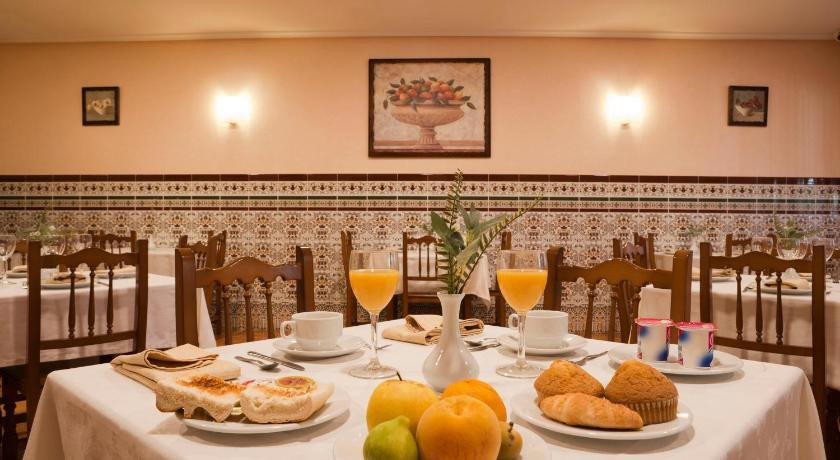
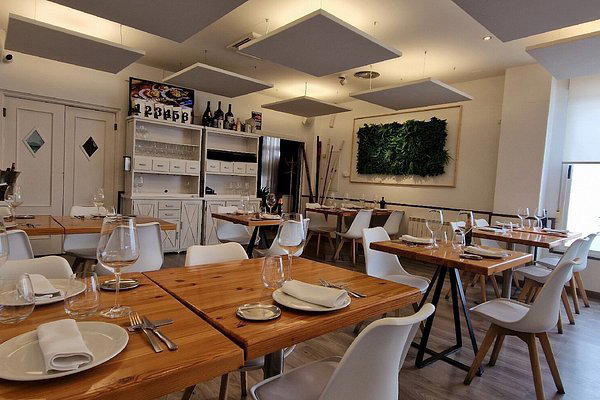
Colorful yet unassuming dining room with an open kitchen adjoining the dining area, creating an informal and relaxed atmosphere with curated music setting the pace for a leisurely experience.