


Nardi holds consecutive Michelin Bib Gourmand recognition (2024 and 2025) for a reason that matters to travellers visiting the Valle del Ambroz: it delivers contemporary cooking anchored in regional produce at a price point that remains accessible. On a pedestrianised street in central Hervás, the kitchen works a seasonal menu and two tasting formats, with crispy suckling pig and the fish of the day earning particular attention from regular visitors.
Pearl is the En Primeur Club membership app — saves, bookings, and concierge access live there. Same editors, same standards.
- Address
- C. Braulio Navas, 19, 10700 Hervás, Cáceres, Spain
- Phone
- +34 927 48 13 23
- Website
- restaurantenardi.com
- Directions
- Get directions
 Saves & bookings on Pearl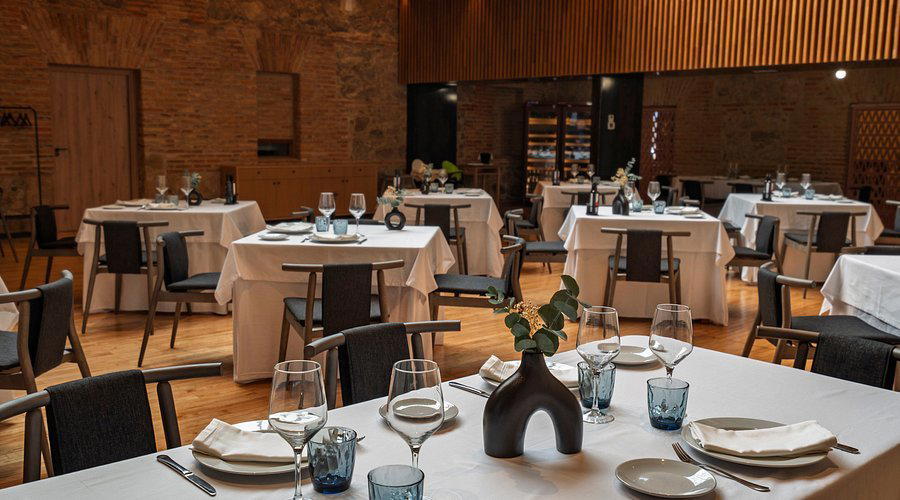
A Pedestrianised Street, Two Floors, and a Case for Regional Cooking
Hervás draws visitors reliably: the medieval Jewish quarter, the chestnut forests of the Sierra de Béjar, and the slower rhythms of small-town Extremadura all do their part. What the town does less reliably is offer cooking that takes the surrounding Valle del Ambroz seriously as a culinary source rather than a backdrop. That gap is where Nardi operates. At its price point, that combination carries weight.
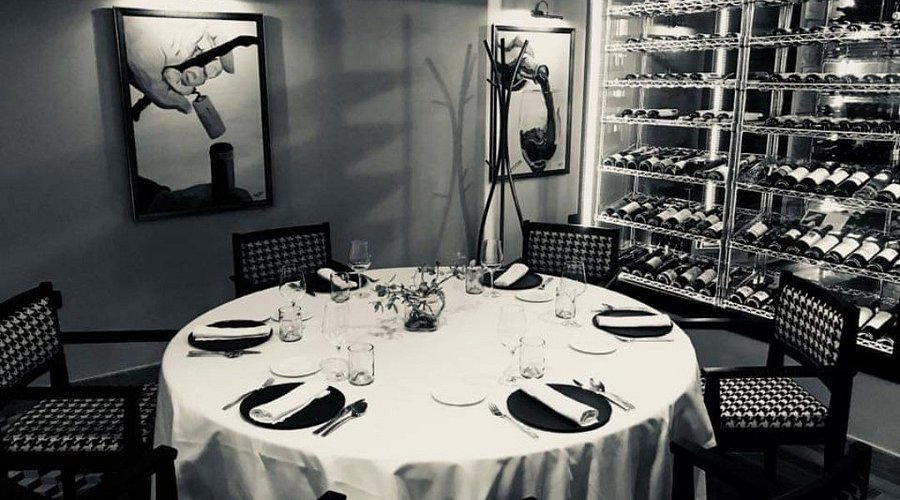
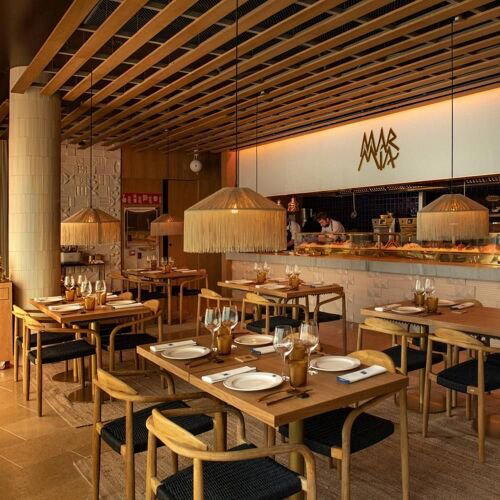
The address on Calle Braulio Navas, a pedestrianised stretch through the centre of town, positions Nardi in the middle of the foot traffic rather than at the edge of it. The building runs across two dining floors with a bar counter on entry and a summer terrace that opens the room outward when the season allows. There is nothing theatrical about the physical setup; the space works in the way that confident regional restaurants across northern Extremadura tend to work, with the cooking asked to carry the experience rather than the room design asked to compensate for it.
Where the Valle del Ambroz Becomes the Menu
The culinary tradition Nardi draws on is grounded in the produce of the Ambroz valley and the wider Cáceres province: charcuterie from the sierra, freshwater fish, ibérico pork, and vegetables shaped by altitude and seasons that differ meaningfully from the coastal south. This is not the Extremaduran cooking that arrives in tourist-facing restaurants as a simplified shorthand of cured meats and stew. It is cooking that treats the region as a living source, adjusting with what the season actually offers.
Chef Fabian Kracht brings a formation that places him in the mid-generation cohort of Spanish chefs who trained across regional and contemporary kitchens before arriving at a clear point of view about what they wanted to cook. That point of view, at Nardi, is not about spectacle. The kitchen works an updated traditional framework: the core techniques of the regional tradition remain visible, but the application has been through a contemporary edit. The result sits in a recognisable position across Spanish regional dining right now, where interesting work is happening not at the avant-garde end of the spectrum occupied by houses like Disfrutar in Barcelona or DiverXO in Madrid, but in smaller, place-specific kitchens that are asking what regional cuisine actually looks like when it is cooked with precision and seasonal discipline.
Nardi is not competing in that tier. Its focus is value alongside quality, and where the region's identity has to earn its place on the plate rather than trading on the name of a famous chef or a famous town.
The Menu Format and What to Order
Nardi offers a seasonal menu alongside two tasting menus formatted as L and XL, a structure common to Spanish regional restaurants that want to serve both the visitor who has one meal to spend in the town and the guest who wants to sit through the fuller range of what the kitchen is doing. The seasonal menu is noted for its fish of the day, a choice that signals the kitchen's confidence in sourcing over a fixed repertoire.
The crispy suckling pig, confit with orange aroma, is identified as a dish worth ordering specifically. In the context of Extremaduran cooking, suckling pig carries regional weight: the province's pork heritage runs deep, and the decision to finish the preparation with orange introduces a citrus note that lifts what would otherwise be a purely fatty, rich profile. It is a dish that makes a clear editorial choice about how far to update the tradition, and that choice places it in the same register as what kitchens like Ricard Camarena in València or Quique Dacosta in Dénia do with their own regional references: use the source material seriously, then make a deliberate decision about where to take it. Off-menu dishes are also available and worth asking about, as these often reflect what the kitchen is working with in real time.
The €€ price range sits at the accessible mid-point for regional Spain: this is not budget dining, but it is not a special-occasion-only proposition either. It occupies the position in Hervás's restaurant offering where good cooking and practical pricing intersect, which is a more difficult position to hold over time than either extreme.
Planning Your Visit
Nardi sits on Calle Braulio Navas in central Hervás, walkable from the main points of the historic quarter. The summer terrace makes the warmer months a particular time to visit if the table outdoors is the preference, but the two-floor dining room operates through the year. A reservation is recommended. Given the volume of visitors Hervás receives during peak season and the limited capacity typical of a two-floor building with a bar counter, booking ahead for dinner is the more prudent approach, particularly on weekends between spring and autumn.
How It Stacks Up
Comparable venues nearby, for context on price, style, and recognition.
| Venue | Cuisine | Price | Awards | Notes |
|---|---|---|---|---|
| NardiThis venue — the venue you are viewing | Modern Regional Extremaduran | $$ | Bib Gourmand | Not listed |
| El Molino | Contemporary Spanish Vegetable-Focused | $$ | Bib Gourmand | Madrigal de la Vera |
| Varra | Modern Spanish Tapas | $$ | Bib Gourmand | Recoletos |
| La Finca - Villa Xarahiz | Contemporary Extremeña Cuisine | $$ | Bib Gourmand | Jaraíz de la Vera |
| Tres por Cuatro | Modern Spanish Market Cuisine | $$ | Bib Gourmand | Goya |
| Castillo de Montemayor | Traditional Spanish in a Castle | $$$ | Michelin Plate | Montemayor del Río |
Recognition history
Dated appearances from independent guides and award organizations, with the underlying list record or original source where available.
Guía Repsol 1 Sol
Guía Repsol
Macarfi 7 Food Rating
Macarfi
Michelin Bib Gourmand
Michelin
Michelin Bib Gourmand
Michelin
Michelin Bib Gourmand
Michelin

At a Glance
- Elegant
- Cozy
- Rustic
- Date Night
- Special Occasion
- Terrace
- Open Kitchen
- Extensive Wine List
- Local Sourcing
- Street Scene
Current opening hours
- Monday
- Closed
- Tuesday
- Closed
- Wednesday
- 1:30–4 PM
- Thursday
- 1:30–4 PM
- Friday
- 1:30–4 PM, 9–10:45 PM
- Saturday
- 1:30–4 PM, 9–10:45 PM
- Sunday
- 1:30–4 PM
Hours can change for holidays and private events. Last verified .
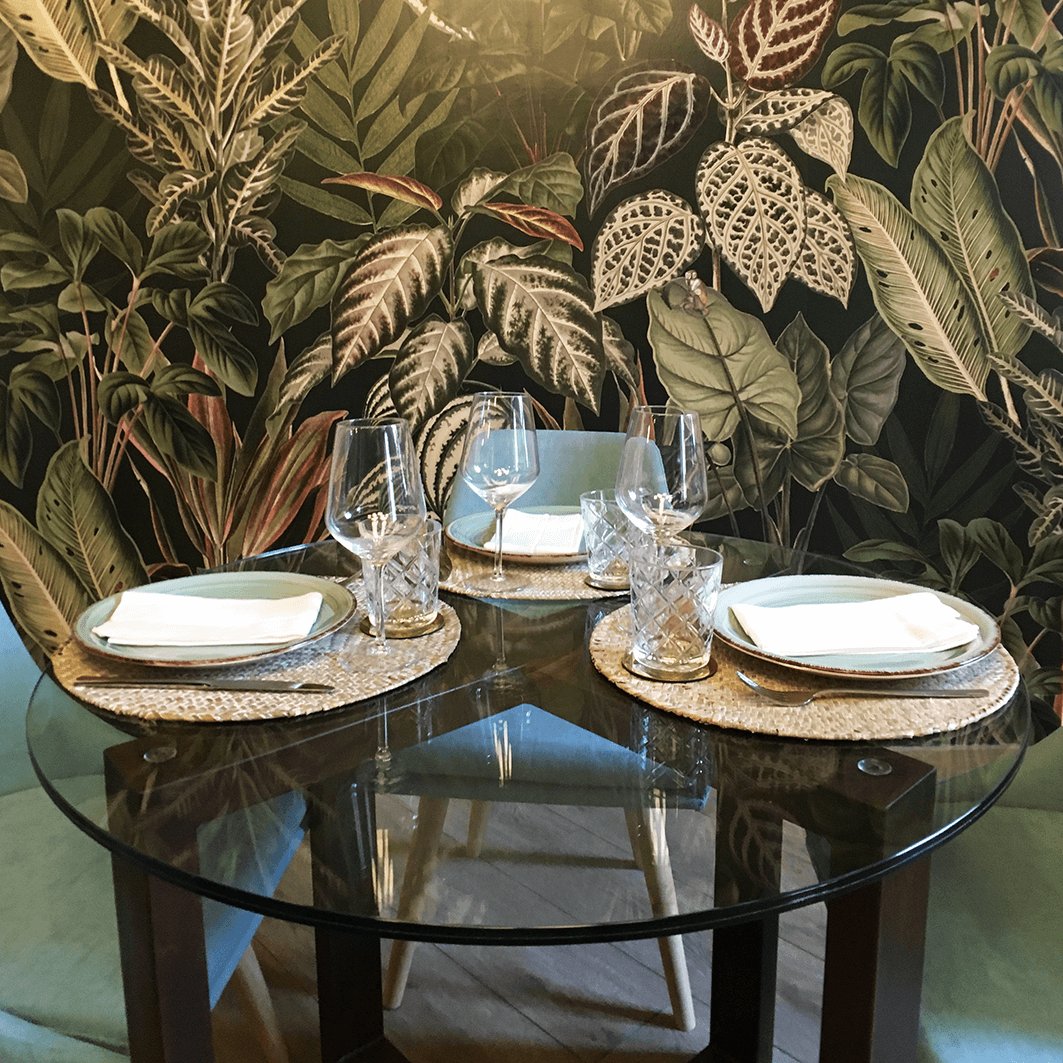
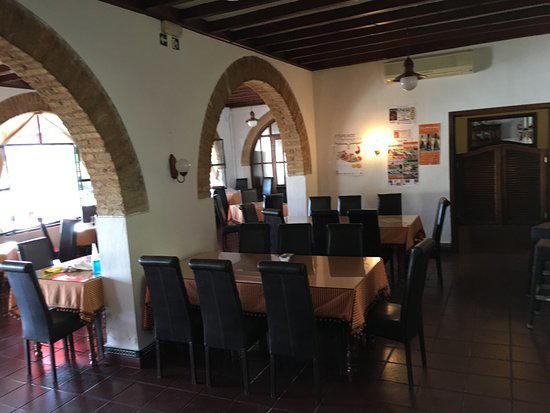
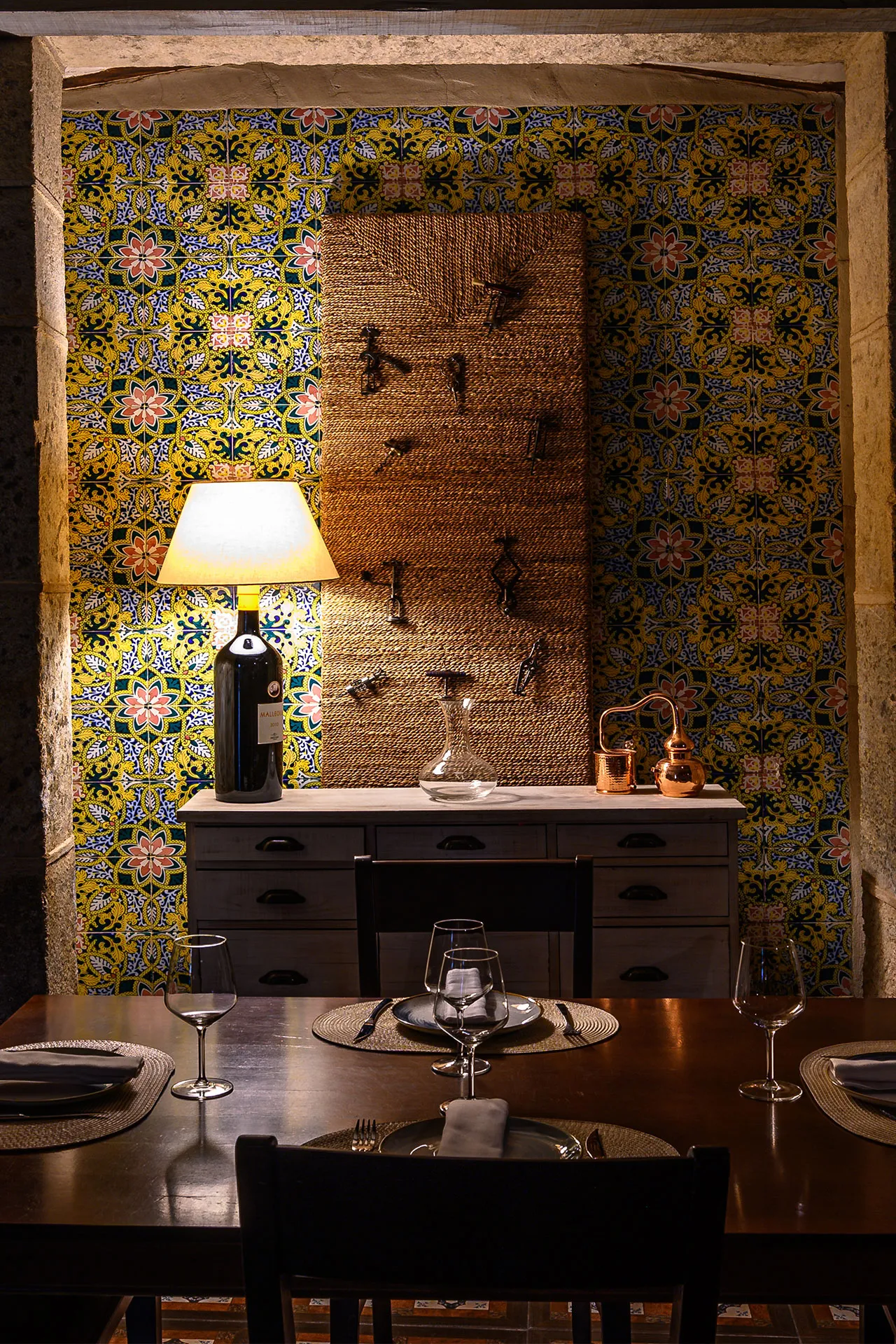
Welcoming atmosphere with a summer terrace, bar counter, and dining room on two floors, noted for elegance, calm, and careful presentation.