On Carrer de Blai, the axis of Barcelona's pintxos culture in the Sants-Montjuïc district, Al Bistró occupies a stretch of street that draws both neighbourhood regulars and visitors tracking the city's more casual dining edge. The address places it inside one of Barcelona's most democratically priced food corridors, where the question is less about whether to eat and more about where to anchor your evening.
Pearl is the En Primeur Club membership app — saves, bookings, and concierge access live there. Same editors, same standards.
- Address
- Carrer de Blai, 56, Sants-Montjuïc, 08004 Barcelona, Spain
- Phone
- +34930277968
- Website
- albistrorestaurante.com
- Directions
- Get directions
 Saves & bookings on Pearl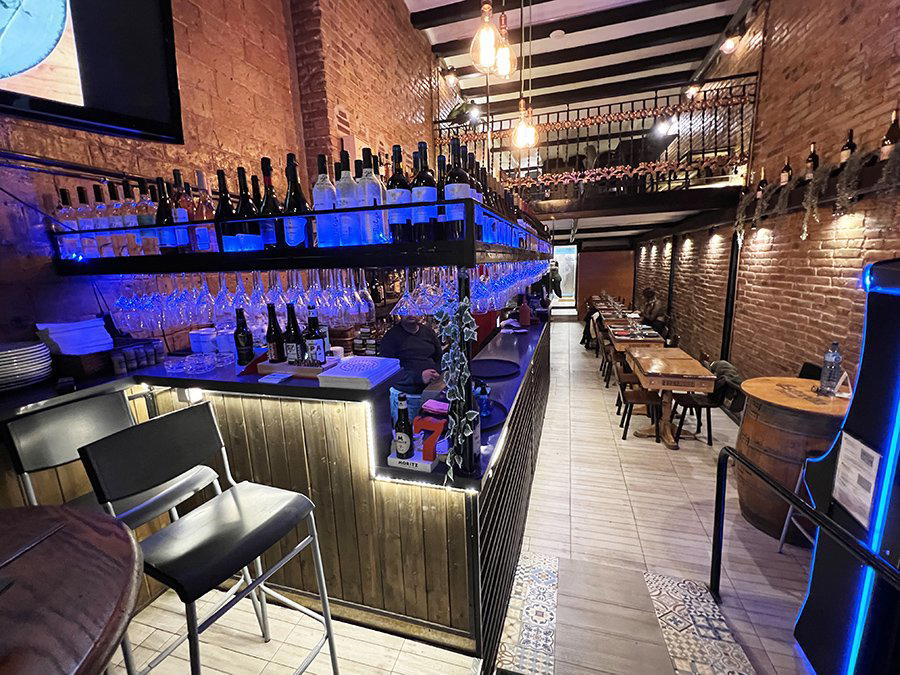
Carrer de Blai and What It Tells You About Barcelona's Casual Dining Axis
There is a particular kind of street that every serious food city needs: one where the eating is good, the prices don't require a second thought, and the atmosphere generates itself. In Barcelona, Carrer de Blai in the Sants-Montjuïc district is that street. It runs as the city's most concentrated pintxos corridor outside the Basque Country, lined with counters and tables spilling onto the pavement from early evening onward. Al Bistró sits at number 56, inside a neighbourhood that resists the tourist shorthand usually applied to Barceloneta or the Gothic Quarter. Sants-Montjuïc has a residential density that keeps its food culture grounded in what local people actually eat, which is precisely what makes Carrer de Blai function as a reliable index of the city's casual dining character.
The Street Dynamic and the Role of Collaboration
The format that defines Carrer de Blai is one built on speed and coordination. Pintxos culture, borrowed from the Basque tradition and adapted to Catalan rhythms, demands a specific kind of teamwork between kitchen and floor. Dishes arrive quickly, portions are calibrated to encourage ordering in rounds, and the front-of-house rhythm has to absorb high turnover without losing the quality signals that distinguish a serious operation from a tourist trap. On streets like this, the relationship between the team behind the pass and the people working the room matters more than it does in a slower, tasting-menu format. When that collaboration breaks down, the signs are visible immediately: bread dries out, plates stack, the pace turns mechanical. When it works, the whole street-level experience acquires a coherence that feels effortless even though it is anything but.
Al Bistró operates within that framework at an address that places it midway along the street's most active stretch. The Sants-Montjuïc district, which extends south from the Eixample toward Montjuïc hill, draws a different crowd than the Michelin-tracked rooms of the upper city. Venues like Cocina Hermanos Torres, Disfrutar, and ABaC represent Barcelona's leading creative tier, where menus run to multiple courses and advance planning is often part of the experience. Carrer de Blai operates in an entirely different register: immediate, tactile, and governed by the logic of the evening rather than a fixed tasting sequence.
Barcelona's Casual Dining Tier in Context
Spain's restaurant culture has always maintained a productive tension between its headline addresses and the everyday formats that define how most people eat most of the time. The country's formal dining tier is notable by any standard: El Celler de Can Roca in Girona, Mugaritz in Errenteria, and DiverXO in Madrid operate at a level that draws international comparison with particularly technically demanding kitchens anywhere. Further along the Spanish coast, Quique Dacosta in Dénia and Aponiente in El Puerto de Santa María push regional ingredient logic into territory that the broader creative cooking world watches closely. In the Basque Country, addresses like Arzak in San Sebastián, Azurmendi in Larrabetzu, and Martin Berasategui in Lasarte-Oria have maintained decades of sustained recognition. Even within Spain's more exploratory registers, Ricard Camarena in València and Atrio in Cáceres demonstrate how regional specificity can drive a serious room.
Barcelona's own creative tier, including Lasarte and Enigma, reflects the city's position as a space where technique and conceptual ambition have long coexisted. But that top tier rests on a broader food culture that is genuinely embedded in how the city lives, and Carrer de Blai is one of the clearest expressions of that wider base. The comparison isn't about lesser or greater ambition; it's about a different kind of excellence, one measured in freshness, timing, and the energy of a well-run counter at peak hours.
What the Address Signals for Planning
Carrer de Blai operates on a rhythm that rewards flexibility. The street comes alive from early evening and peaks in the hours before a late Spanish dinner, typically between 19:00 and 21:30. Coming earlier in that window means more choice and easier positioning along the bar; arriving later means more atmosphere but potentially a tighter selection of what remains on the counter. This is a pattern consistent across Barcelona's pintxos operations and reflects the Basque inheritance of the format, where freshness is tied to timing rather than a printed menu cycle. For visitors moving through multiple stops on a longer Barcelona evening, positioning Carrer de Blai as a first or second stop rather than a final destination tends to produce a better outcome.
The street's proximity to the Paral·lel metro station (lines L2 and L3) makes it accessible from most of the city without a taxi, which matters on evenings when the neighbourhood's density makes street-level navigation easier on foot. From central districts like the Eixample or Sant Antoni, Carrer de Blai is a direct ten-to-fifteen minute journey, and the walk from Paral·lel takes under five minutes. That logistical ease is part of why the street functions as it does: it is genuinely convenient for both neighbourhood residents and people making a deliberate trip from elsewhere in the city.
For comparison, Barcelona's formal dining circuit in the Eixample and upper zones requires more planning infrastructure: advance bookings, dress considerations, and a fixed time commitment that locks in the evening's shape. The Carrer de Blai model is structurally more forgiving, which is part of its appeal to anyone building a longer Barcelona itinerary around multiple eating stops. International visitors who have experienced the collaborative, high-intensity service culture at rooms like Lazy Bear in San Francisco or Le Bernardin in New York City will find that the Carrer de Blai format operates on a different axis: the sophistication is in the informality, the discipline in the apparent ease.
Planning Your Visit
Al Bistró is located at Carrer de Blai, 56, in the Sants-Montjuïc district of Barcelona, a short walk from Paral·lel metro. As with most operations on this street, the format rewards arriving with time and appetite rather than a fixed agenda. Arriving in person during the early evening window is the standard approach. Dress is thoroughly casual, consistent with the neighbourhood's character. Current hours are Monday, Tuesday, Thursday, Saturday, and Sunday from 10:30 AM to 11:30 PM; Friday from 10:30 AM to 12 AM; and Wednesday closed.
Same-City Peers
Comparable venues nearby, for context on price, style, and recognition.
| Venue | Cuisine | Price | Notes |
|---|---|---|---|
| Al BistróThis venue — the venue you are viewing | Authentic Spanish & Mediterranean Bistro | $$ | Not listed |
| El Glop Gaudí | Traditional Catalan | $$ | la Sagrada Familia |
| Restaurant L'Aliança del Poble Nou | Traditional Spanish Mediterranean | $$ | el Poblenou |
| Restaurant Amaya | Traditional Basque and Mediterranean | $$ | Barri Gotic |
| Nova Galiza | Spanish Fusion with Galician Specialties | $$ | la Nova Esquerra de l'Eixample |
| Pepa Tomate | Modern Catalan Tapas | $$ | la Vila de Gracia |
Continue exploring
More in Barcelona
Restaurants in Barcelona
Browse all →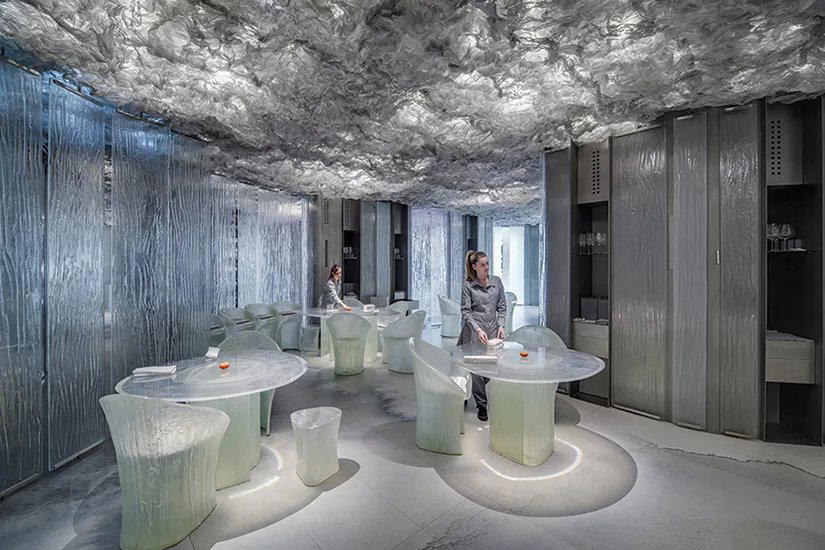
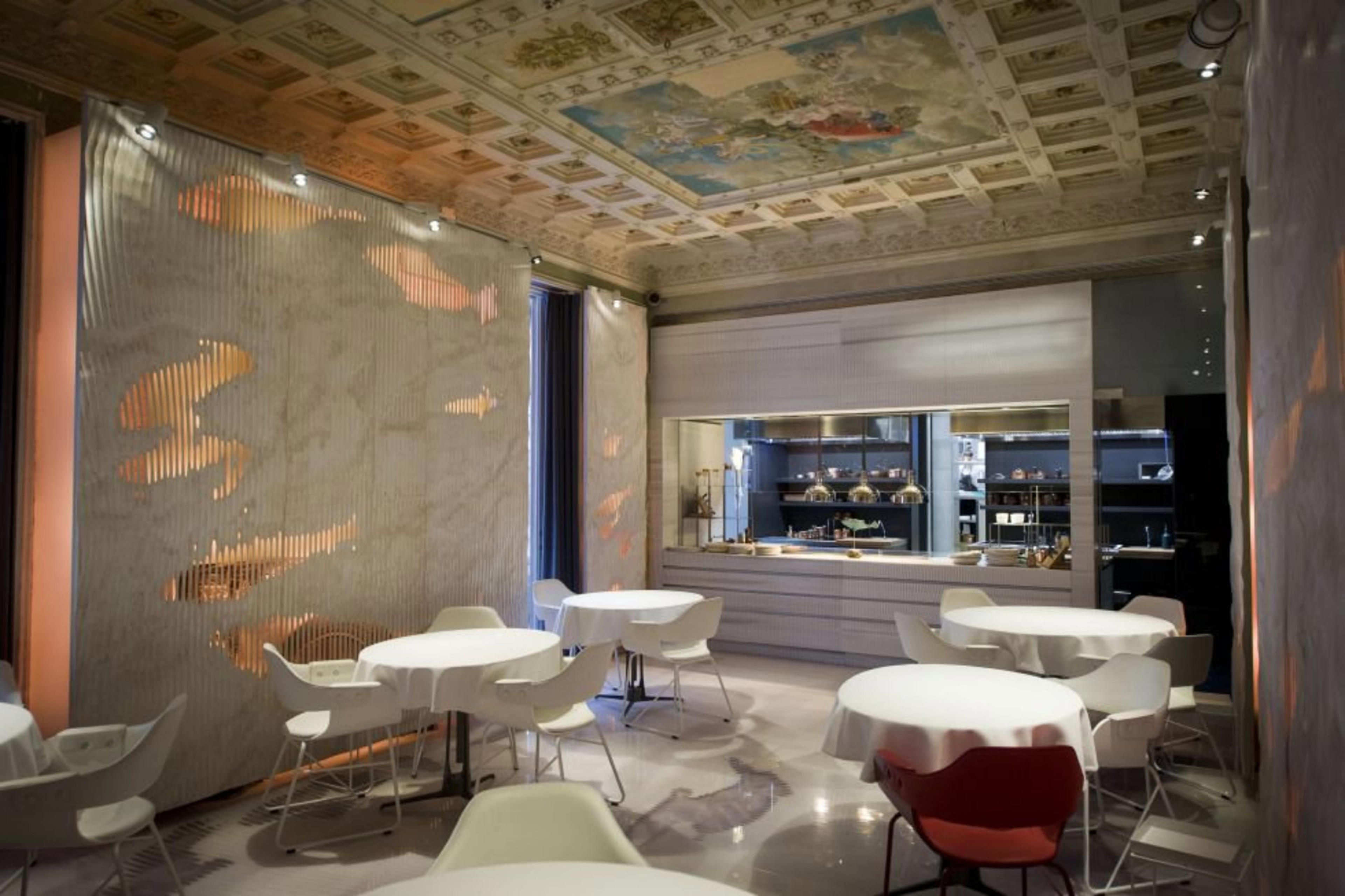
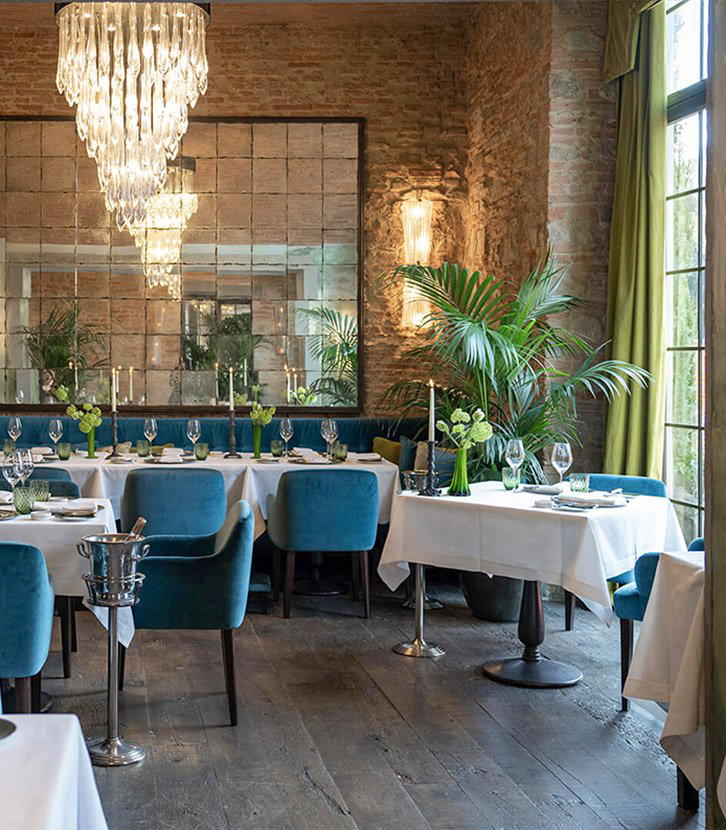
Bars in Barcelona
Browse all →
Hotels in Barcelona
Browse all →
At a Glance
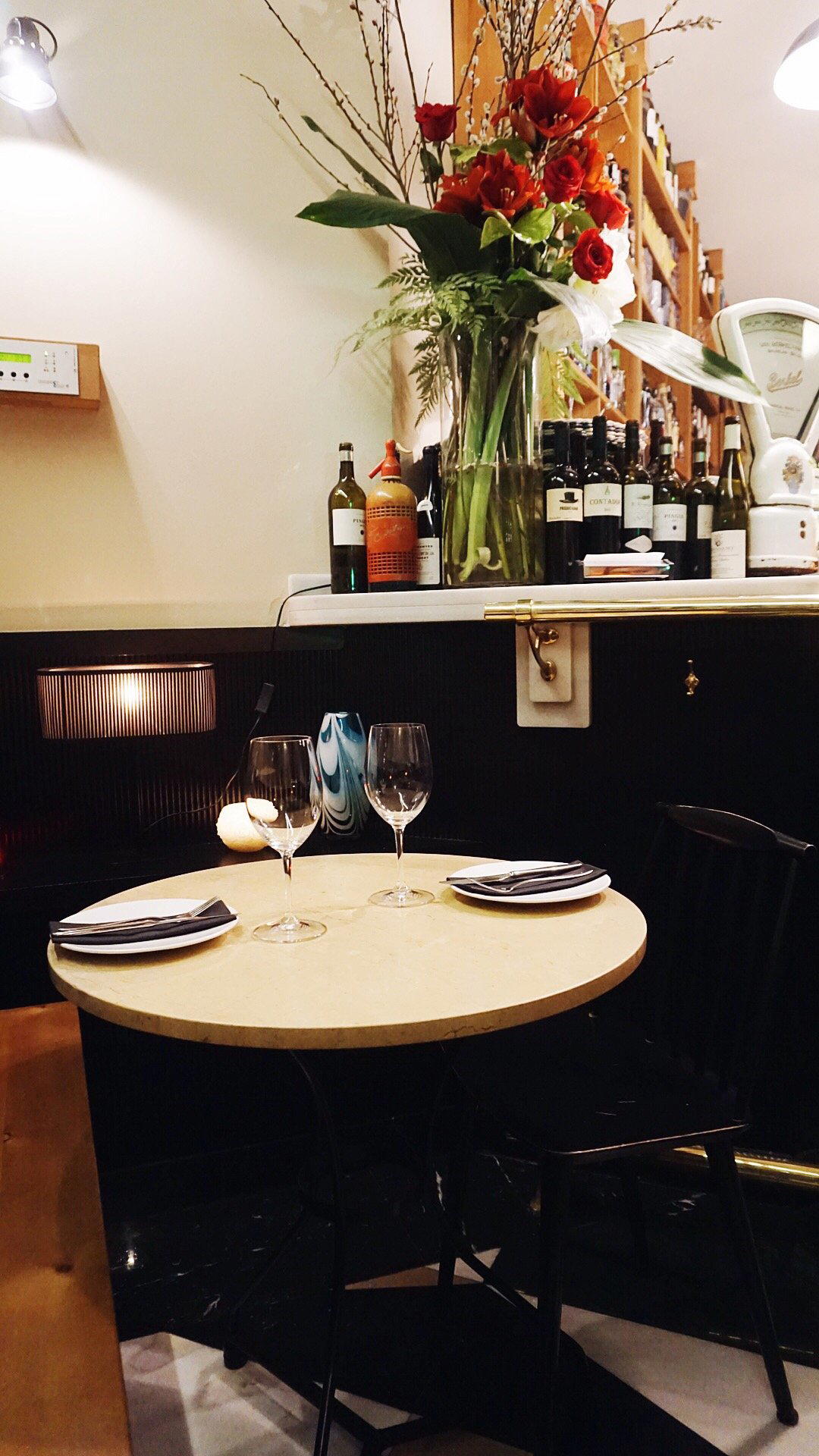
- Cozy
- Classic
- Date Night
- Casual Hangout
- Standalone
- Extensive Wine List
Current opening hours
- Monday
- 10:30 AM–11:30 PM
- Tuesday
- 10:30 AM–11:30 PM
- Wednesday
- Closed
- Thursday
- 10:30 AM–11:30 PM
- Friday
- 10:30 AM–12 AM
- Saturday
- 10:30 AM–12 AM
- Sunday
- 10:30 AM–11:30 PM
Hours can change for holidays and private events. Last verified .
Warm and inviting with cozy atmosphere highlighted by guests.