Tanaka of Tokyo Central
On the third floor of the Royal Hawaiian Center along Kalākaua Avenue, Tanaka of Tokyo Central has anchored Waikīkī's Japanese dining scene for decades. The teppanyaki format places theatrics at the center of the meal, with tableside cooking that positions it clearly in the performative-dining tier rather than the quiet counter tradition. A reliable address for groups and celebrations in a city where Japanese cuisine spans an unusually wide register.
Pearl is the En Primeur Club membership app — saves, bookings, and concierge access live there. Same editors, same standards.
- Address
- 2250 Kalākaua Ave 3rd Fl, Honolulu, HI 96815
- Phone
- (808) 922-4702
- Website
- tanakaoftokyo.com
- Directions
- Get directions
 Saves & bookings on Pearl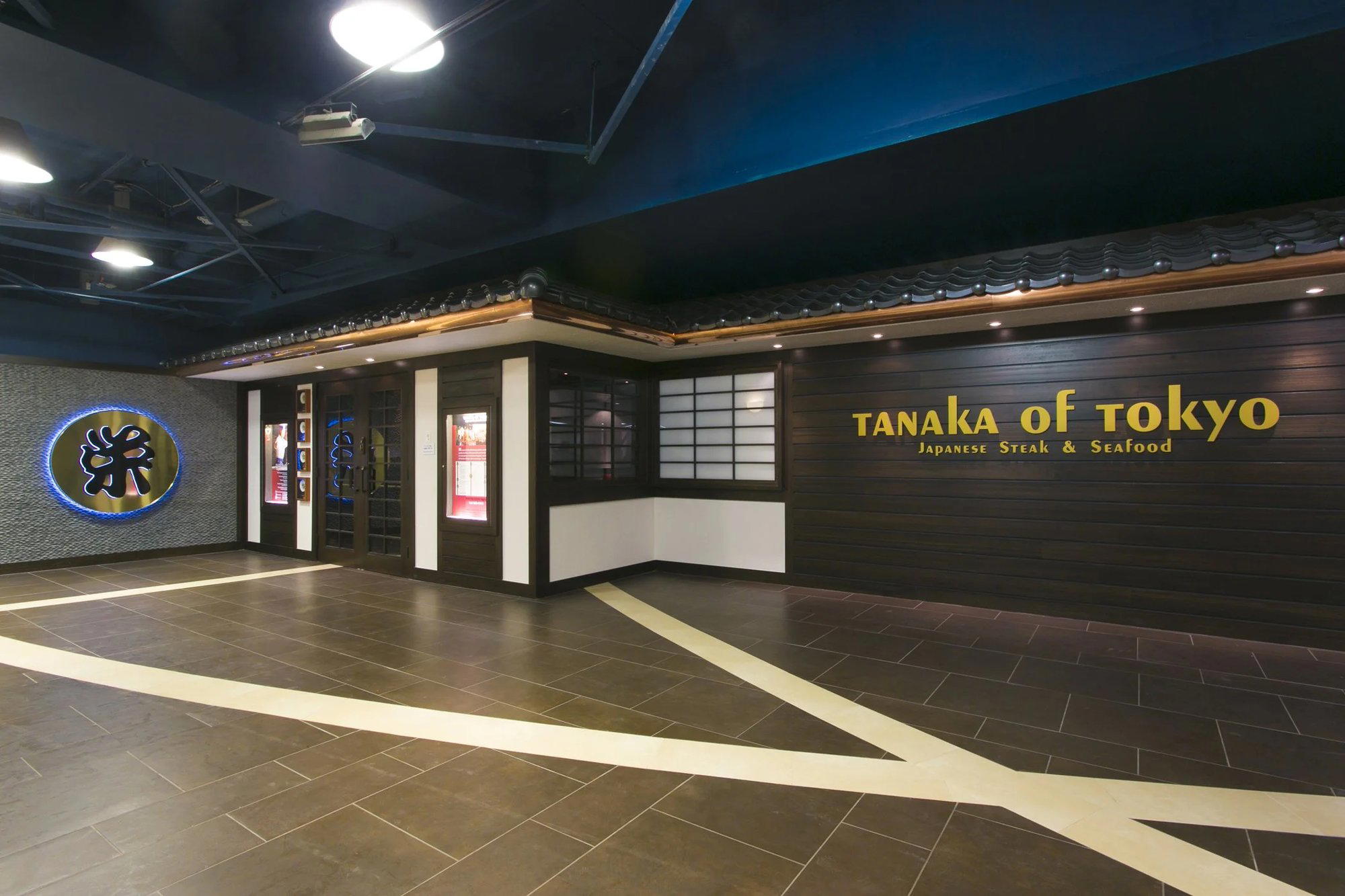
Teppanyaki on Kalākaua: The Performative-Dining Tradition in Waikīkī
Waikīkī's dining geography runs the full spectrum of Japanese culinary formats: quiet ramen counters tucked into side streets, izakayas anchored by long-standing local loyalties, omakase rooms priced against Tokyo peers, and teppanyaki theaters that have served the boulevard's visitor traffic for generations. Tanaka of Tokyo Central, on the third floor of the Royal Hawaiian Center at 2250 Kalākaua Avenue, belongs firmly to that last category. The teppanyaki format is one of the most legible in hospitality — guests sit around a flat iron griddle, cooking happens in front of them, and the performance is as much the point as the food itself. Understanding that framework is the first step to understanding why this address has lasted where others have not.
The performative-dining tier in Honolulu occupies a distinct space between casual plate-lunch culture and the high-spend omakase rooms that have multiplied in recent years. Teppanyaki sits in the middle: the price point climbs above neighborhood Japanese, the format lends itself to groups and celebrations, and the theatrical element carries guests who might otherwise find a silent counter experience alienating. It is a format that rewards a specific kind of evening — communal, loud enough for conversation, built around spectacle rather than contemplation.
The Team Behind the Counter: Collaboration as the Core Mechanic
At any teppanyaki address, the dynamic between the chef working the griddle and the floor team managing the table is more transparent than almost any other dining format. The cook is visible throughout the meal; every decision, sequencing, heat management, timing, plays out in front of the guest. There is nowhere to hide an off night, which means the quality of the chef-to-diner relationship is structural, not incidental. In the better teppanyaki rooms, the chef reads the table continuously: adjusting pace for guests who are lingering, dialing back showmanship when a quieter couple sits down, leaning into theatrics when a group is celebrating.
Front-of-house at a format like this carries an unusual weight. Because the chef is occupied at the griddle, the floor team manages the informational architecture of the meal: pacing the drink orders, explaining the menu to first-timers, signaling to the chef when a table needs more time. The coordination is continuous and largely invisible when it works. At Tanaka of Tokyo Central's position on a tourist-heavy corridor like Kalākaua Avenue, the team handles a wide spread of guest profiles, visitors unfamiliar with teppanyaki etiquette alongside locals who have been coming for years. Managing that range without flattening the experience for either group is the operational challenge of every service.
Honolulu's broader Japanese dining scene offers useful comparative context here. Addresses like Fujiyama Texas and Ginza Bairin operate in the more restrained register of Japanese cuisine, ramen and tonkatsu formats where the kitchen's craft is the story and the floor team recedes. The teppanyaki tradition inverts that balance deliberately. This is not a criticism of either approach; it is a structural observation about what each format is trying to deliver.
Where This Sits in Honolulu's Japanese Dining Conversation
Honolulu's Japanese restaurant density is among the highest of any American city, a function of the state's demographic history and the sustained culinary exchange between Hawaiʻi and Japan. That density means the market is genuinely segmented: guests choosing a Japanese dinner in Waikīkī are not choosing between two or three options but between format traditions that barely overlap. A counter omakase and a teppanyaki dinner are not competing for the same evening in any meaningful sense.
The new-American and contemporary fine-dining tier, represented by addresses like Fête (New American) and 3660 On the Rise, draws on Hawaiʻi Regional Cuisine's now-established tradition of sourcing local ingredients through technically refined cooking. The special-occasion coastal dining segment, anchored by addresses like 53 By The Sea, competes on view and setting as much as plate. And the cultural-experience end of the market, immersive, group-oriented formats such as Ahaaina Luau or the cocktail-forward 855-ALOHA, attracts guests for whom the performance frame is the primary draw. Tanaka of Tokyo Central shares that performative logic with the latter group, even if the culinary tradition is entirely different.
On the national stage, the restaurants that define the ceiling of American fine dining, The French Laundry in Napa, Alinea in Chicago, Le Bernardin in New York City, Providence in Los Angeles, Addison in San Diego, Single Thread Farm in Healdsburg, and Blue Hill at Stone Barns in Tarrytown, operate with a very different set of priorities: silence as a feature, mise en place as ideology, and minimal theatrics in the room itself. Even high-concept tasting menu addresses like Lazy Bear in San Francisco or Atomix in New York City frame performance around narrative and restraint rather than griddle work. Internationally, 8 1/2 Otto e Mezzo Bombana (Hong Kong) or Emeril's in New Orleans show how chef-personality-driven spaces can occupy durable cultural positions in their cities. These references are not competitors to Tanaka of Tokyo Central, they are markers on the broader map of what dining performance can mean across different formats and price tiers.
For a fuller picture of where this address sits in Honolulu's restaurant geography, our full Honolulu restaurants guide maps the city's dining tiers in more detail.
What the Format Asks of the Guest
Teppanyaki is one of the few dining formats where the guest is also a participant: you are seated close to others, often strangers, around a shared cooking surface. The communal table logic means the energy of your neighbors becomes part of your meal. Groups celebrating milestones tend to raise the room; quiet couples on a first visit may find the shared format more sociable than they expected. Neither outcome is wrong, it is simply the structural reality of the format, and arriving with that awareness shapes the evening productively.
The Royal Hawaiian Center address on the third floor places the restaurant inside one of Waikīkī's major retail-and-dining complexes. That positioning means the approach lacks the drama of a standalone building, but it also means accessibility is direct: central to the strip, easy to reach on foot from the major hotel cluster along the beach corridor.
Know Before You Go
- Address: 2250 Kalākaua Ave, 3rd Floor, Honolulu, HI 96815
- Format: Teppanyaki (tableside griddle cooking)
- Setting: Royal Hawaiian Center, Waikīkī
- Leading for: Groups, celebrations, first-time teppanyaki experiences
- Booking: Contact the restaurant directly; walk-in availability varies by season
- Note: Phone, hours, and current pricing not confirmed, verify before visiting
How Tanaka of Tokyo Central Honolulu compares with similar nearby venues.
| Venue | Cuisine |
|---|---|
| Tsurutontan Waikiki | Udon-Japanese |
At a Glance
- Lively
- Energetic
- Trendy
- Family
- Celebration
- Group Dining
- Casual Hangout
- Open Kitchen
- Sake Program
Current opening hours
- Monday
- 5–9 PM
- Tuesday
- 5–9 PM
- Wednesday
- 5–9 PM
- Thursday
- 5–9 PM
- Friday
- 5–9 PM
- Saturday
- 5–9 PM
- Sunday
- 5–9 PM
Hours can change for holidays and private events. Last verified .
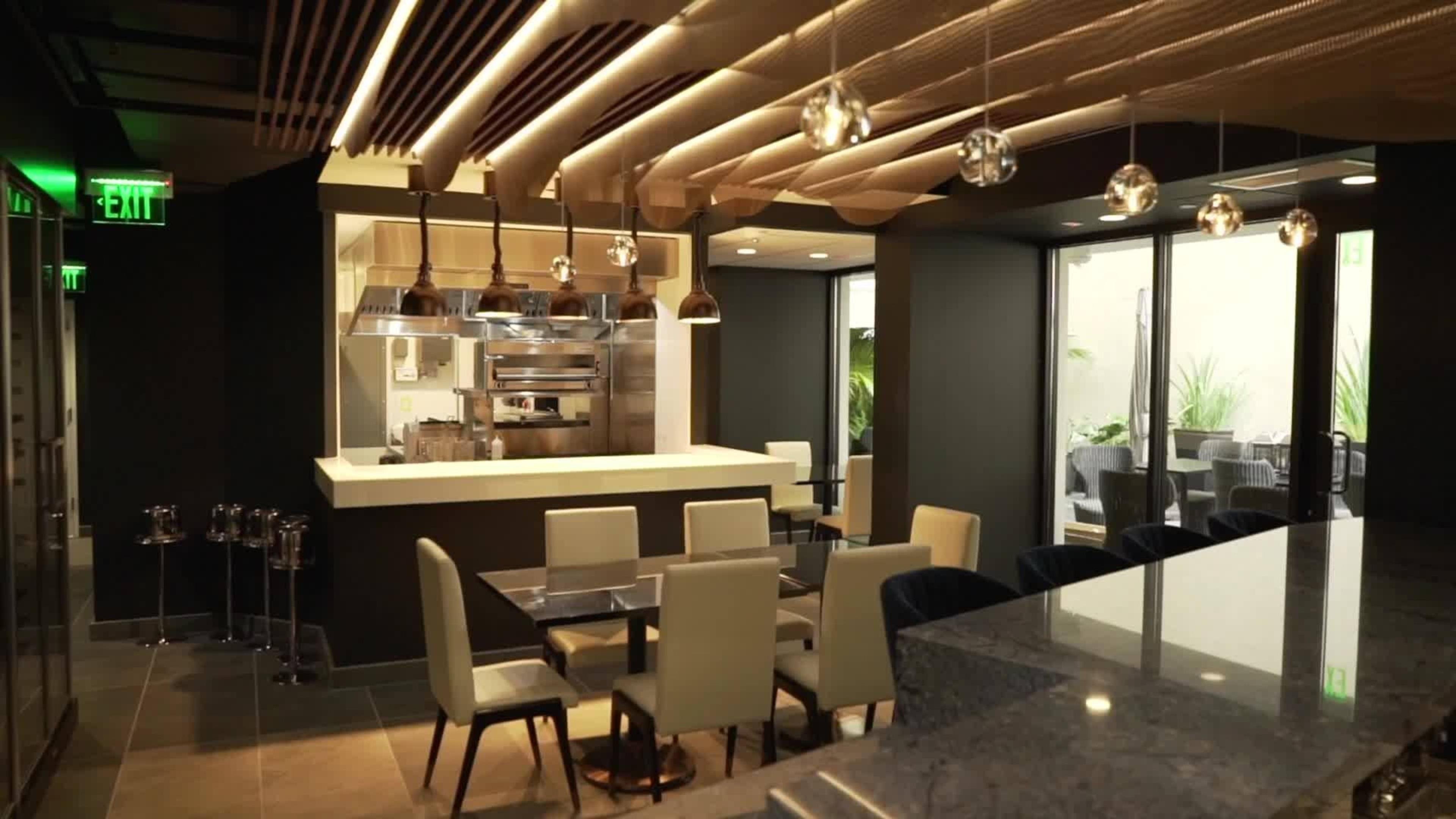
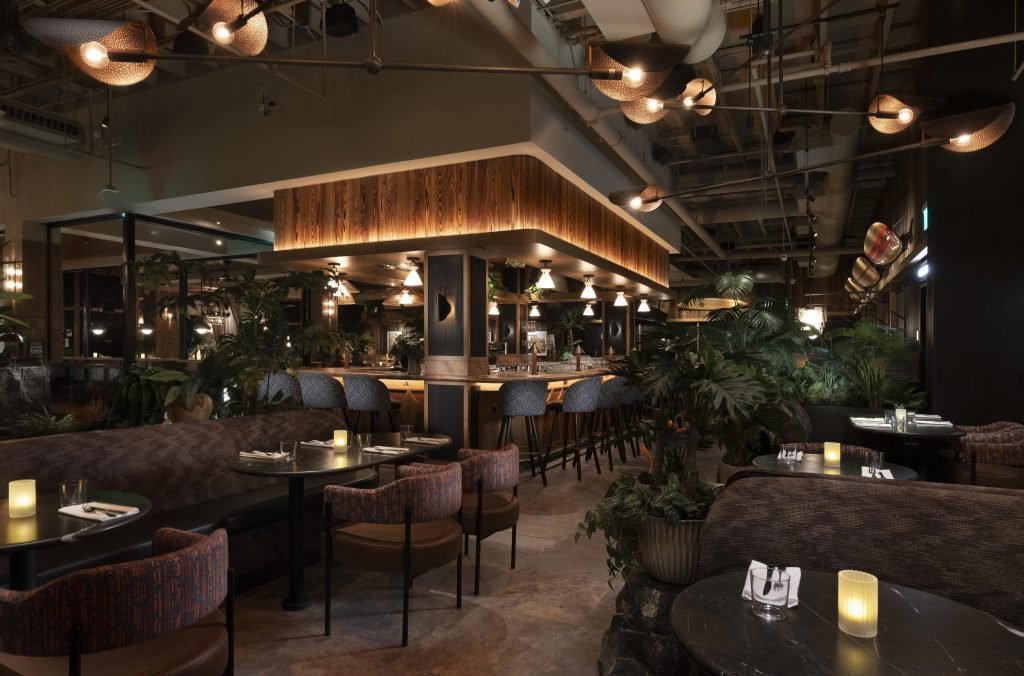
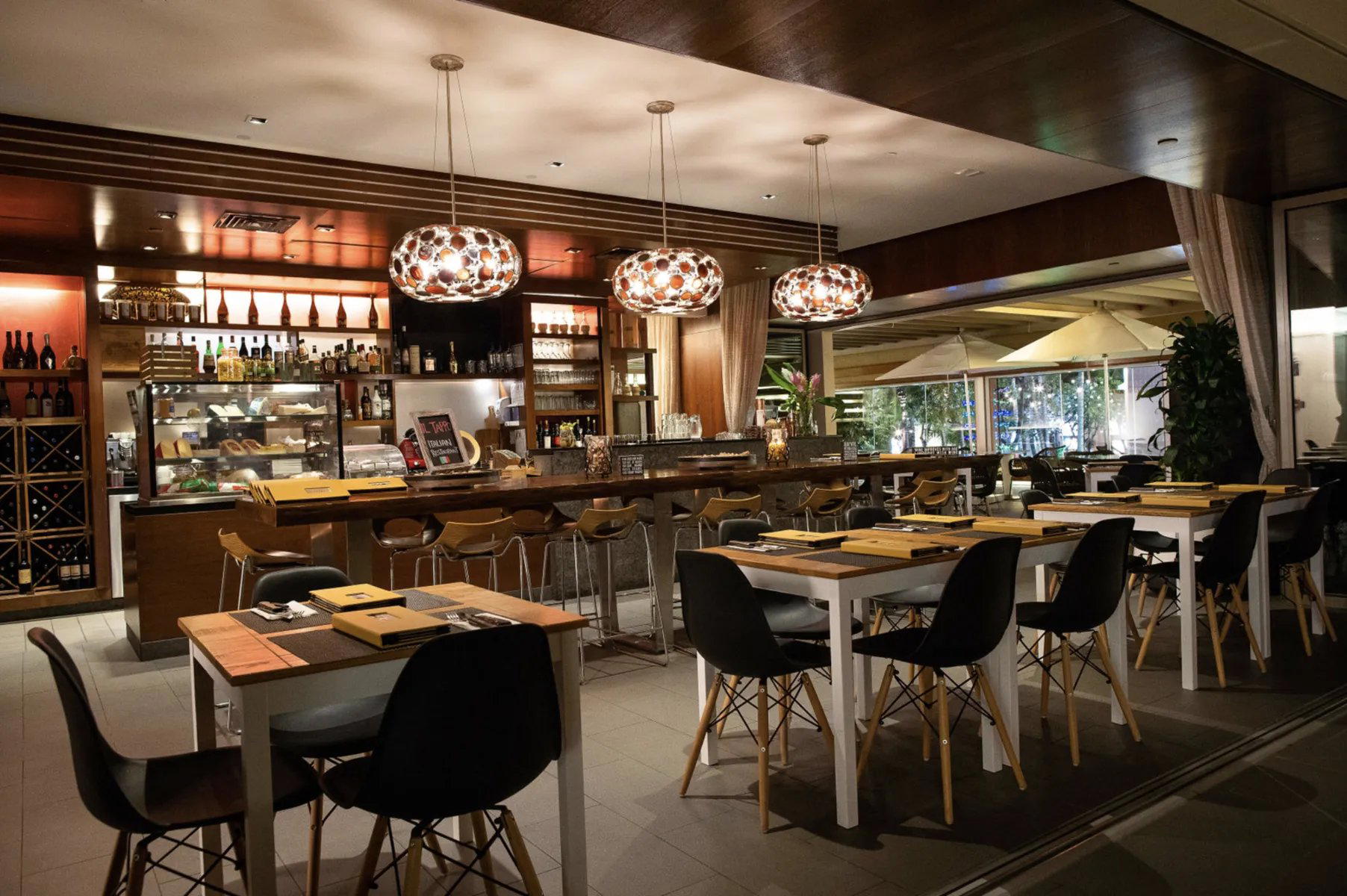
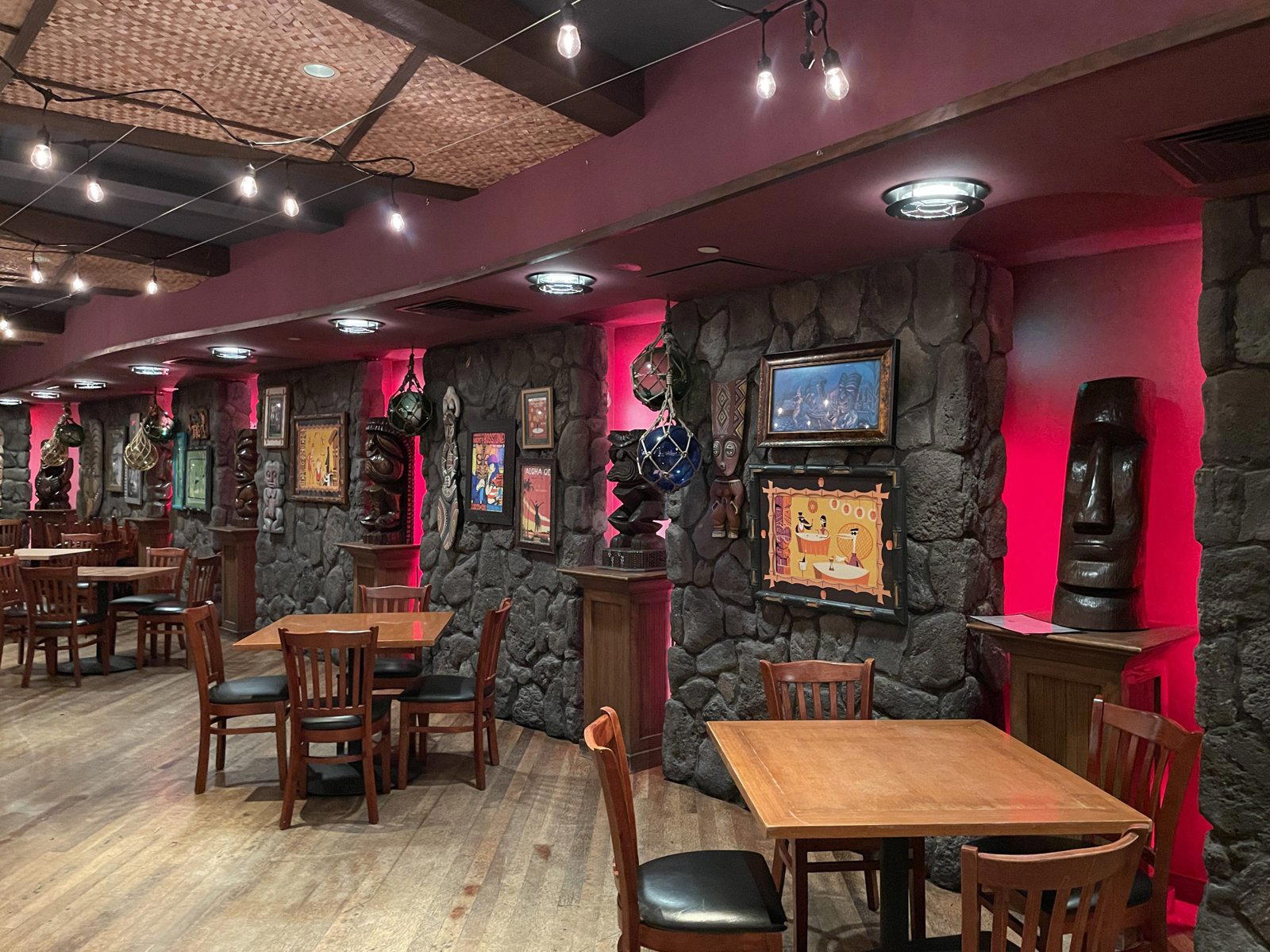
Exotic and elegant atmosphere filled with laughter, excitement, and lively entertainment from the chefs.
Know Before You Go
- Getting there
- 2250 Kalākaua Ave 3rd Fl, Honolulu, HI 96815