J−Shop
J-Shop occupies a corner of Honolulu's Young Street corridor where the city's Japanese-American culinary inheritance runs deepest. The address places it inside a neighbourhood that has long balanced local plate-lunch tradition with more precise, import-influenced dining. For visitors mapping Honolulu's dining scene beyond the resort strip, it anchors a stretch worth knowing.
Pearl is the En Primeur Club membership app — saves, bookings, and concierge access live there. Same editors, same standards.
- Address
- 1513 Young St, Honolulu, HI 96826
- Phone
- +18082005076
- Website
- jshop-hawaii.com
- Directions
- Get directions
 Saves & bookings on Pearl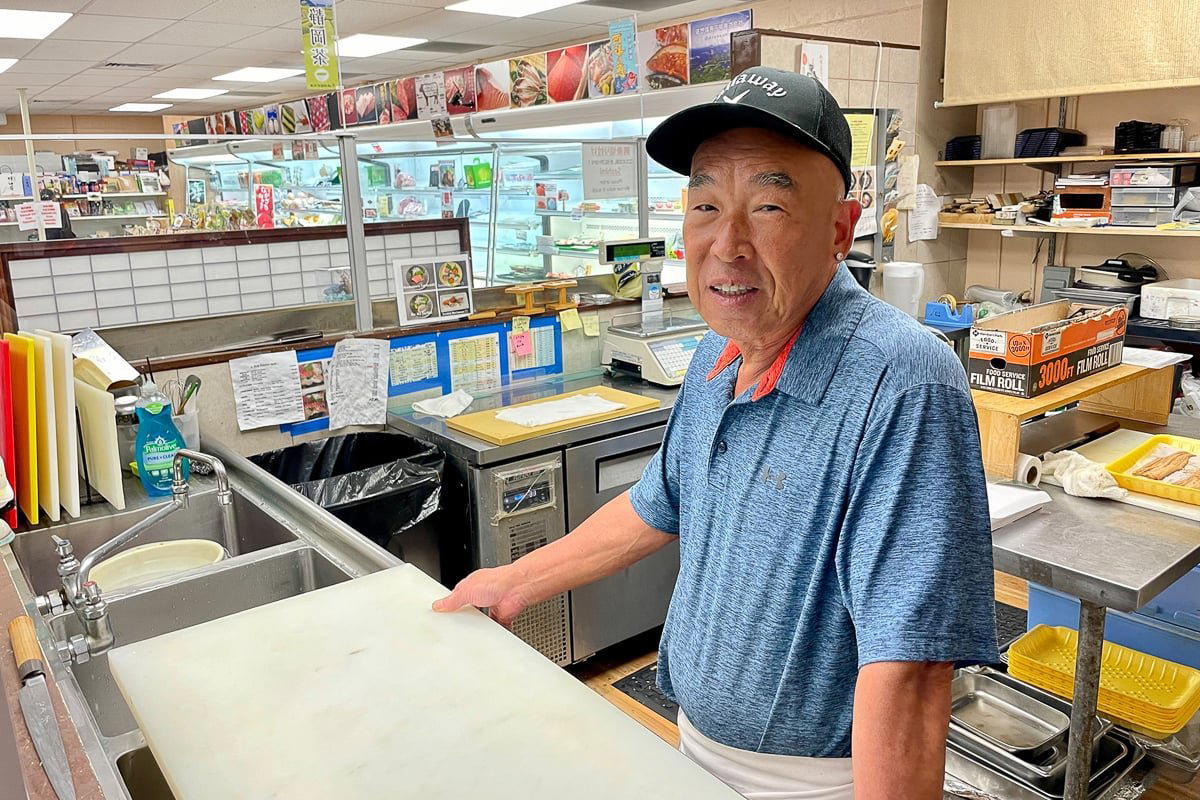
Young Street and the Japanese-American Dining Thread
Honolulu's relationship with Japanese food culture is not a trend or a recent import. It is structural. The city's Japanese-American population, one of the largest proportional concentrations in any American city, has shaped everything from supermarket shelves to restaurant formats over more than a century. Young Street, running through the Makiki and McCully corridors, sits inside that inheritance rather than at its edge. The blocks around 1513 Young St carry the density of a neighbourhood that has never needed to perform its Japanese-American identity for tourists, which is precisely what makes it worth attention.
That distinction matters when you compare this corridor to the dining circuits most visitors follow. The resort strip along Kalakaua Avenue in Waikiki runs toward spectacle and convenience. The dining rooms along Kapahulu Avenue, closer to Diamond Head, have built reputations around Hawaiian regional cuisine. But Young Street and its surrounding blocks operate on a different register: pragmatic, local-facing, and shaped by the everyday preferences of residents whose food references span Tokyo, Osaka, and three or four generations of Hawaii-specific adaptation. Venues like Fête (New American) and 3660 On the Rise represent the more formally ambitious end of Honolulu dining, but the Young Street zone operates with a different grammar entirely.
What J-Shop Represents in This Context
J-Shop sits at 1513 Young St, and the address itself tells part of the story. This is not a destination carved out of a hotel lobby or positioned for the tourist-facing economy. The surrounding blocks contain Japanese grocery options, ramen counters, and the kind of casual dining infrastructure that serves people who live here rather than people passing through. Understanding a venue in this context requires understanding what kind of institution it is embedded in, and Young Street's embedded character is resolutely local.
Honolulu's dining scene has a bifurcation that visitors often miss. On one side sit the formal and semi-formal rooms that draw comparisons to mainland American fine dining, places competing in a frame set by restaurants like Le Bernardin in New York City, The French Laundry in Napa, or Providence in Los Angeles. On the other side sits a much larger and more culturally specific category: the neighbourhood institutions that carry genuine local significance without seeking external validation. The Young Street corridor belongs firmly to the second category.
This does not mean the area lacks ambition or seriousness. Honolulu has produced dining that competes at national level, from the technically driven formats of 53 By The Sea to the culturally layered programming at Ahaaina Luau. But ambition in a local-facing neighbourhood context tends to express itself differently: through consistency, through the specificity of what gets sourced and how, and through the accumulated trust of a regular clientele that has other options and keeps returning anyway.
The Cultural Frame: Japanese Influence in Hawaii's Food Identity
To understand any Japanese-adjacent dining on this stretch of Honolulu, it helps to hold the broader cultural context clearly. Hawaii's Japanese culinary presence arrived with the first waves of plantation-era immigration in the 1880s and 1890s and deepened through the twentieth century into something more hybrid and more locally specific than what you find in any mainland Japanese-American community. The food that emerged from this history is not simply Japanese food transplanted. It is Japanese food filtered through sugar plantation economics, through interaction with Filipino, Portuguese, Korean, and Native Hawaiian foodways, and through the particular material conditions of island supply chains.
That history produces dining traditions you do not encounter in the same form anywhere else on American soil. Plate lunch, saimin, loco moco, spam musubi: these are not novelties. They are the daily food of a large part of the Honolulu population, and they carry the same cultural weight that red beans and rice carries in New Orleans or that the Italian beef sandwich carries in Chicago. For visitors who have spent time with the more formally ambitious end of Hawaii dining, at venues like 855-ALOHA or in the cocktail-forward rooms around Chinatown, the Young Street corridor offers a different kind of literacy.
The mainland frame of reference for Japanese food has shifted considerably over the past decade, with omakase counters in New York, Los Angeles, and San Francisco pulling Japanese dining into higher price tiers and more formal presentation contexts. Venues like Atomix in New York City have demonstrated what happens when East Asian culinary precision meets fine-dining investment. But Honolulu's Japanese-American dining tradition predates and in many ways operates independently of that mainland arc. It has its own internal logic, its own hierarchy, and its own markers of quality that do not always map onto Michelin-facing criteria.
Placing J-Shop in Honolulu's Dining Map
For visitors working through Honolulu's dining options with any seriousness, the Young Street area rewards attention that the resort circuit does not always encourage. The neighbourhood's density of Japanese-influenced food options means there is genuine comparison shopping to be done, and venues that survive in that environment over time do so because residents, who have the sharpest price-to-quality calibration of any dining audience, keep choosing them.
The Honolulu dining scene read through the lens of its best-known fine-dining rooms gives you one picture of the city. Read through the lens of its neighbourhood food corridors, it gives you a more complete one.
The comparison set for a venue on Young Street is not Alinea in Chicago or Blue Hill at Stone Barns in Tarrytown or Single Thread Farm in Healdsburg. Nor is it the destination-level ambition of Addison in San Diego, The Inn at Little Washington, Lazy Bear in San Francisco, or Emeril's in New Orleans. The relevant comparable set is local, neighbourhood-specific, and evaluated on criteria that residents set rather than critics passing through. That is a harder standard in some respects and a more honest one in others.
Planning Your Visit
J-Shop is located at 1513 Young St in Honolulu, in the McCully-Makiki area, which sits between downtown Honolulu and the Manoa Valley. The address is direct to reach by car, and street parking is available in the surrounding blocks. This part of the city operates outside the Waikiki tourist infrastructure, so the experience of arriving and eating here is shaped by the rhythms of a working residential and commercial neighbourhood rather than a hospitality district.
Visitors with an interest in how Honolulu's dining scene extends well beyond its resort-facing identity will find the Young Street area a useful place to spend time. Whether you approach it as a complement to the more formal rooms covered in 8 1/2 Otto e Mezzo Bombana (Hong Kong) in Hong Kong-tier ambition or simply as a way to eat alongside the people who live here, the neighbourhood rewards the detour.
Comparable Venues
Comparable venues nearby, for context on price, style, and recognition.
| Venue | Cuisine | Price | Notes |
|---|---|---|---|
| J−ShopThis venue — the venue you are viewing | Japanese Izakaya | $$ | Not listed |
| Asuka | Japanese Shabu-Shabu Hot Pot | $$ | Kaimuki |
| Akasaka | Traditional Japanese Sushi | $$ | Waikiki |
| Izakaya Nonbei | Traditional Japanese Izakaya | $$ | Kaimuki |
| Tonkatsu Kuro | Modern Japanese Tonkatsu & Soba | $$ | Ala Moana |
| Fukurou | Japanese-Mexican-Hawaiian Fusion Omakase | $$$ | Waikiki |
At a Glance
- Cozy
- Intimate
- Casual Hangout
- After Work
- Byob
- Local Sourcing
Current opening hours
- Monday
- 10 AM–5 PM
- Tuesday
- 10 AM–5 PM
- Wednesday
- 10 AM–5 PM
- Thursday
- 10 AM–5 PM
- Friday
- 10 AM–5 PM
- Saturday
- 10 AM–5 PM
- Sunday
- Closed
Hours can change for holidays and private events. Last verified .
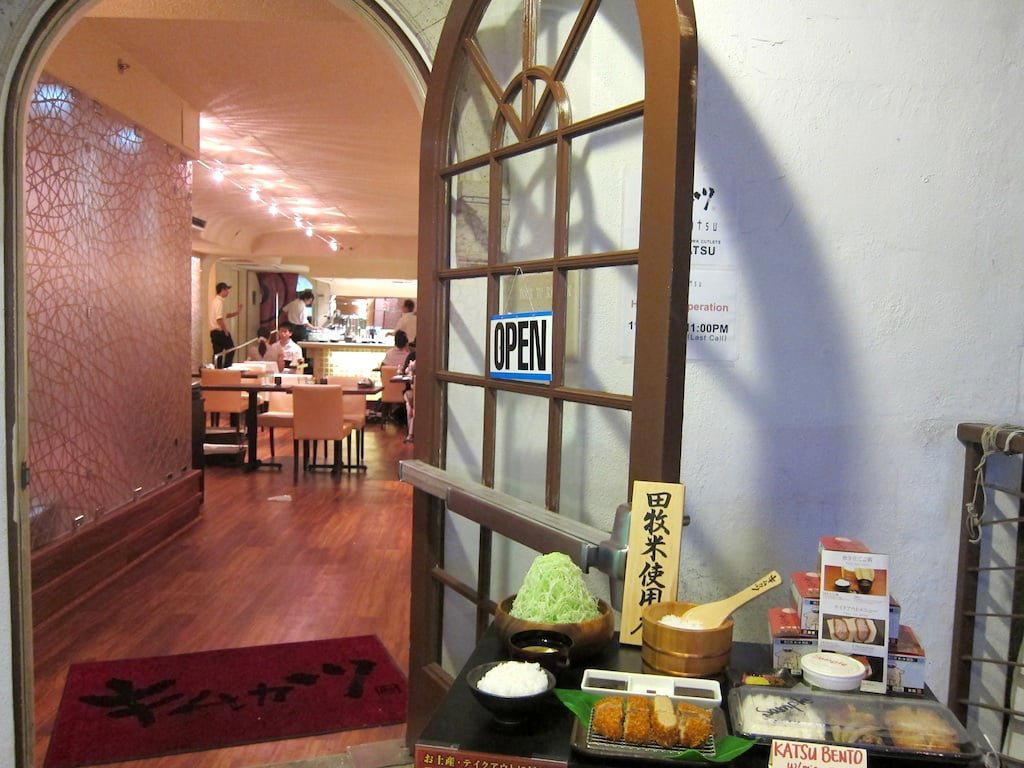
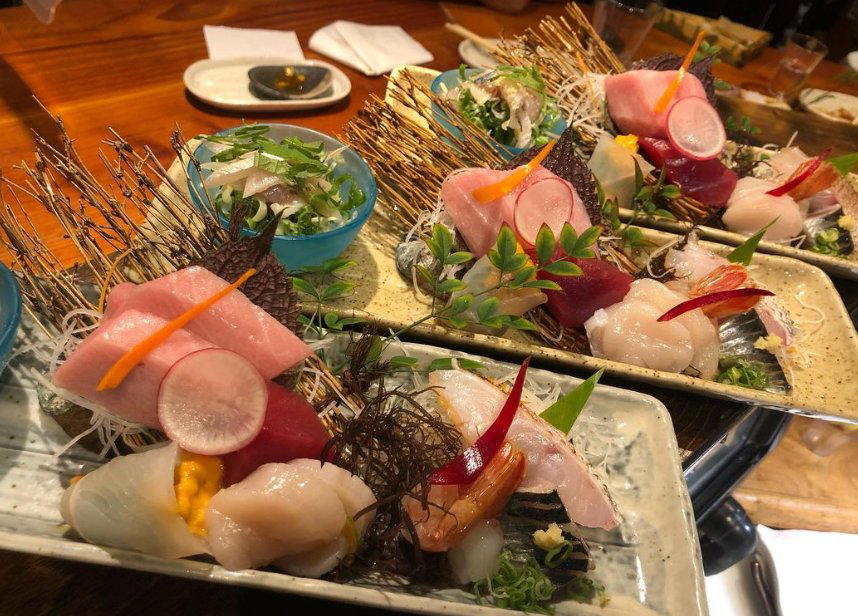
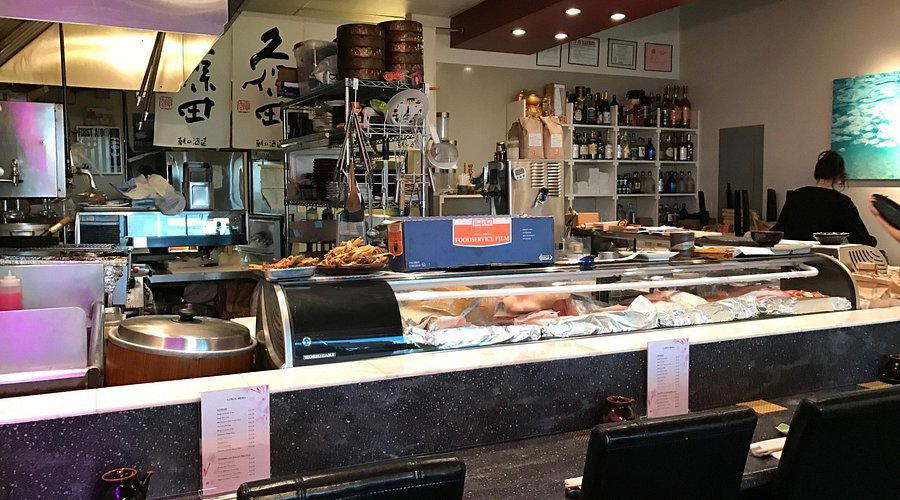
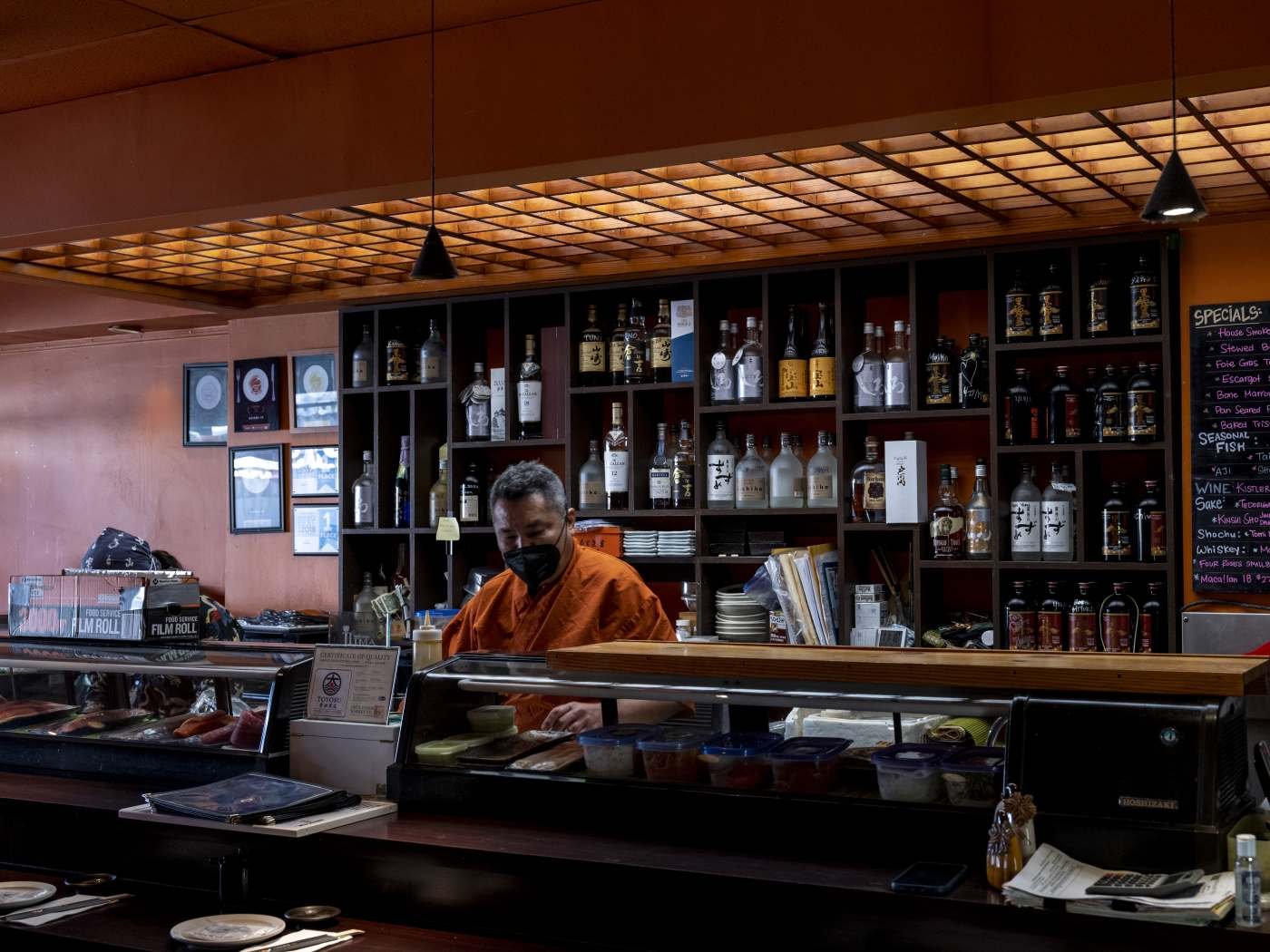
Casual and welcoming atmosphere in a small, niche market setting with a focus on fresh, authentic Japanese flavors.