A small coffee stop on Naoshima island that fits naturally into the slow, art-focused rhythm visitors come here to find. Akaito Coffee sits among the island's quieter corners, where a cup of coffee becomes less a transaction than a pause built into the day. It belongs to a network of low-key cafes that make Naoshima as much about presence as about galleries.
 Discover on Pearl
Pearl is the En Primeur Club membership app — saves, bookings, and concierge access live there. Same editors, same standards.
- Address
- 2269番地, Naoshima, Kagawa District, Kagawa 761-3110, Japan
- Phone
- +81 50-3593-7040
- Website
- akaitocoffee.net
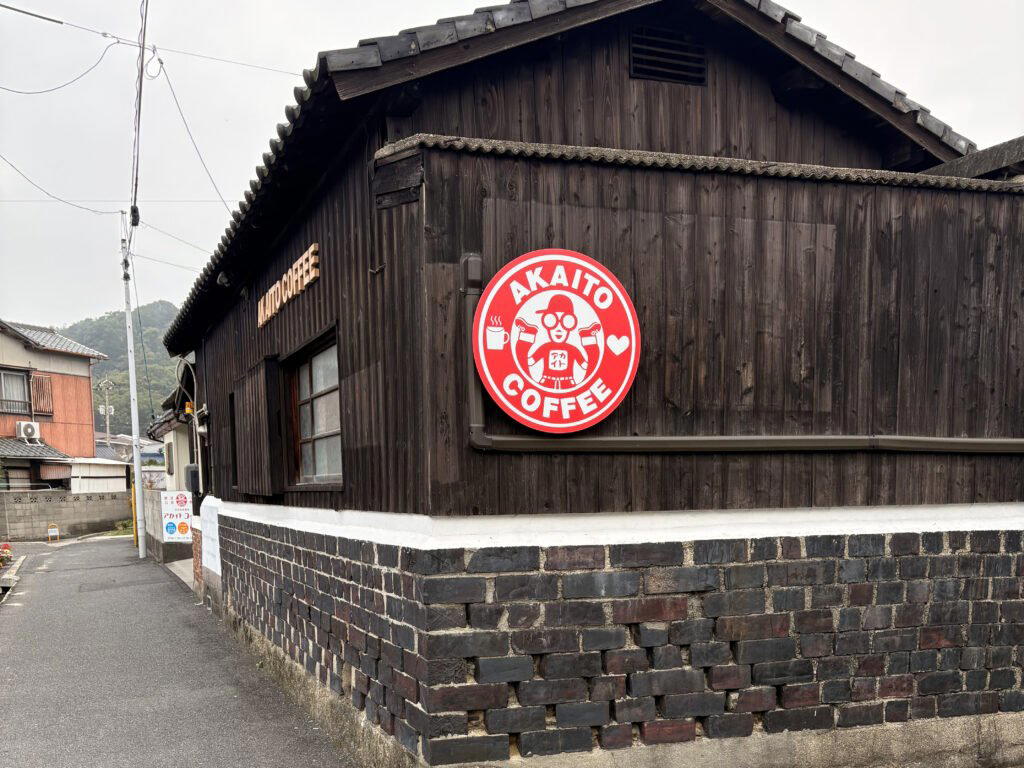
Naoshima does not reward rushing. The island's design, from the Benesse Art Site infrastructure down to the narrow paths connecting its coastal villages, is arranged to slow people down. Coffee, on Naoshima, tends to follow the same logic. Unlike the dense urban cafe culture of Osaka or Tokyo, where a third-wave shop might build its identity around extraction parameters, rotating single-origins, and a 40-seat counter packed by 9 a.m., the island's coffee spots function more like rest points in a walking itinerary. Akaito Coffee, located at 2269番地, Naoshima, Kagawa 761-3110, Japan, belongs to that slower category.
The Rhythm of a Stop, Not a Destination
There is a particular kind of ritual that Naoshima imposes on visitors: the island is small enough that most of its key sites are reachable on foot or by bicycle, but attentive enough in its curation that the spaces between galleries matter as much as the galleries themselves. Coffee here tends to work the way a brief museum pause works, a reset between encounters, not a focal event. That framing is useful when thinking about what Akaito Coffee is, and what it is not.
In cities with deep specialty coffee scenes, think the precision-driven counters that have proliferated in Tokyo's Shimokitazawa or the research-heavy roasting operations in Kyoto, a coffee venue's identity is often inseparable from its technical apparatus. On Naoshima, the frame shifts. The relevant comparison set is closer to other island stops like Cafe Naoshima Konichiwa and Cafe Salon Nakaoku, places where the contribution to a day is measured in atmosphere and pacing rather than cup scores or award recognition. For visitors building a fuller picture of what to eat and drink on the island, Issen at Benesse House offers a sharper contrast: a dining room tied directly to the Benesse resort infrastructure, with a different register of formality and ambition.
Naoshima's Coffee Culture in Context
Kagawa Prefecture, which administers the island, is better known in food terms for Sanuki udon than for coffee, and Naoshima specifically does not have the density of the specialty cafe movement found in larger Japanese cities. That absence is not a gap so much as a character trait. The island draws visitors primarily through its concentration of contemporary art, the Chichu Art Museum, Lee Ufan Museum, and the Art House Project installations across Honmura village, and its food and drink establishments have evolved to support that primary purpose rather than compete with it for attention.
What this means practically is that coffee on Naoshima tends to arrive without the ceremony of a pour-over ritual or a barista dissertation on terroir. It arrives as part of a morning or midday pause, taken at whatever pace the visitor needs. For those accustomed to the deliberate, almost ceremonial atmosphere of high-end Japanese dining, the structured quiet of a kaiseki service at somewhere like Gion Sasaki in Kyoto or the measured precision of an omakase counter at Harutaka in Tokyo, the island's coffee culture operates at the opposite end of the formality spectrum. There is no script to follow, no pacing set by the kitchen. The ritual is self-directed.
Where It Fits in a Naoshima Day
The address at 2269 Naoshima places the cafe within the island's residential and village fabric rather than along the more trafficked waterfront or museum approach roads. That positioning is consistent with how several of Naoshima's lower-profile stops operate: they are found rather than arrived at, which gives them a character distinct from the island's more institutionally anchored venues. For visitors without a fixed itinerary, and Naoshima rewards itinerary flexibility, a stop at Akaito Coffee can function as an unplanned anchor mid-morning or after an early gallery visit.
Logistics on Naoshima are worth thinking through in advance. The island is accessible by ferry from Uno Port in Okayama Prefecture (roughly 20 minutes) or from Takamatsu in Kagawa (about 50 minutes on the slower ferry, shorter on the high-speed service). Day-trippers arriving on the first ferry have several hours before afternoon crowds build at the major museum sites. A coffee stop in the village grid early in the day, before the Chichu or Lee Ufan queues lengthen, tends to be quieter than attempting the same later. Akaito Coffee is walk-in friendly.
Beyond the Island: Japan's Dining Depth
Naoshima sits within a broader Japanese travel context where dining and drinking experiences span an extraordinary range of registers and ambitions. Visitors to the Setouchi region who plan to continue to the mainland will find that Japan's restaurant culture shifts considerably once off the islands. HAJIME in Osaka and Goh in Fukuoka represent the high end of that mainland spectrum, while akordu in Nara offers a different kind of considered dining in a historic city context. For those planning wider Japan itineraries that include less-visited prefectures, 一本杉川嶋制 in Nanao, 北海道山之 in Sapporo, and 羽根屋 in Nishikawa Machi point toward the geographic reach of Japan's serious dining culture outside major cities.
International comparisons illuminate how different the Naoshima register is. At Le Bernardin in New York City or Atomix in New York City, the dining ritual is highly structured, with pacing controlled almost entirely by the kitchen. A small island coffee stop inverts that entirely: the structure comes from the visitor's own day, and the venue is one element within it. Further afield, Birdland in Sakai, Bistro Ange in Toyohashi, Blue Ocean Steak in Nakagami District, and 湖南庄 in Takashima each represent how Japan's regional food scene sustains serious dining culture well outside metropolitan centres.
For a full overview of where to eat and drink on the island, our full Naoshima restaurants guide maps the range from resort-adjacent dining to village-scale stops like this one.
Planning Your Visit
The practical advice is to treat it as a walk-in stop within a flexible Naoshima day. The island is small enough that unplanned stops are part of its character, and a venue at a residential address like 2269 Naoshima is leading approached that way. Arriving on an earlier ferry from Takamatsu or Uno gives more time to absorb the island's quieter hours before peak museum traffic arrives in the late morning.
Continue exploring
More in Naoshima
Restaurants in Naoshima
Browse all →
At a Glance
- Cozy
- Rustic
- Hidden Gem
- Casual Hangout
- Solo
- Standalone
- Sake Program
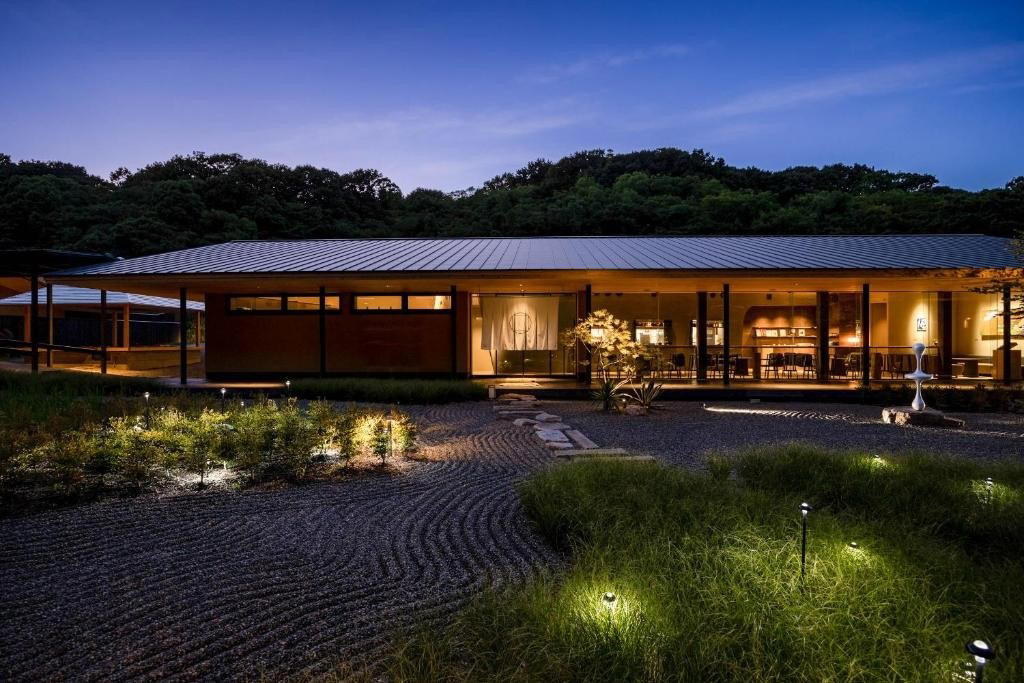
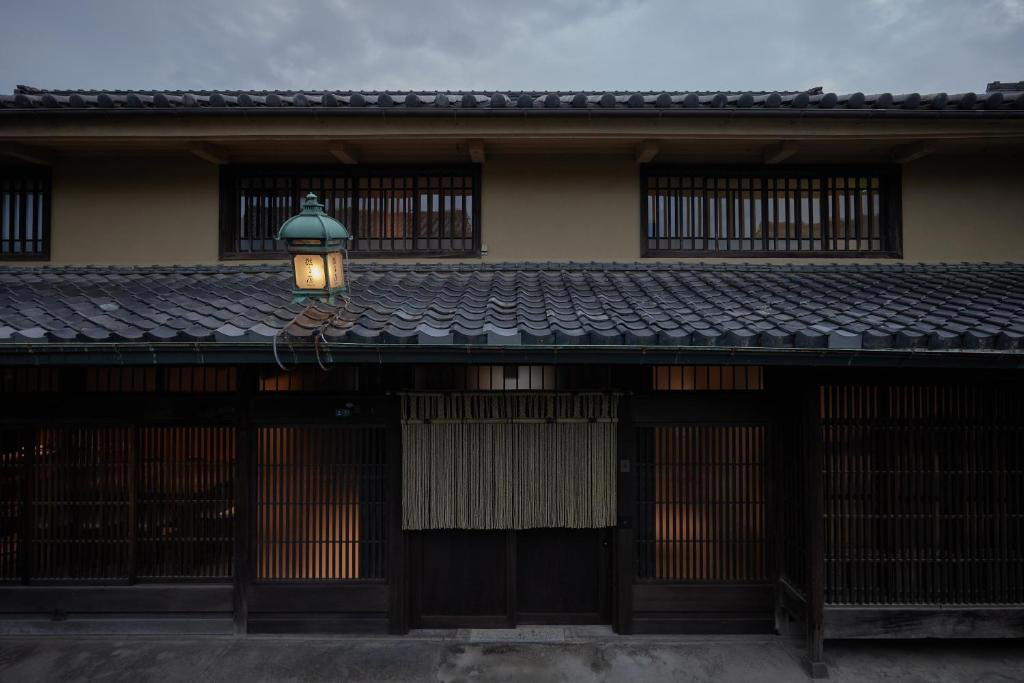
Warm red-brick exterior and nostalgic interior creating a cozy, homey atmosphere.