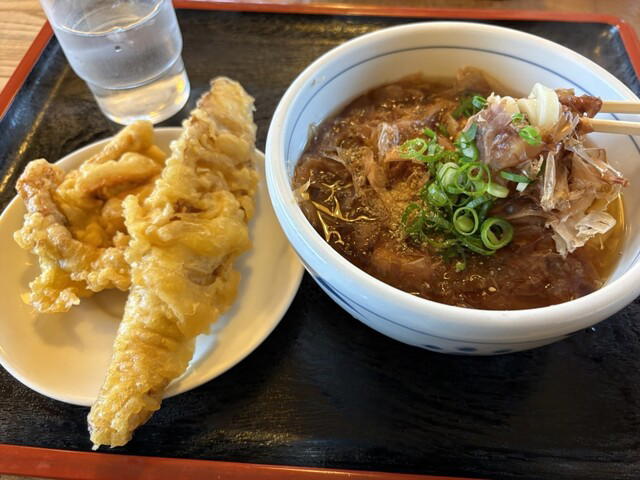
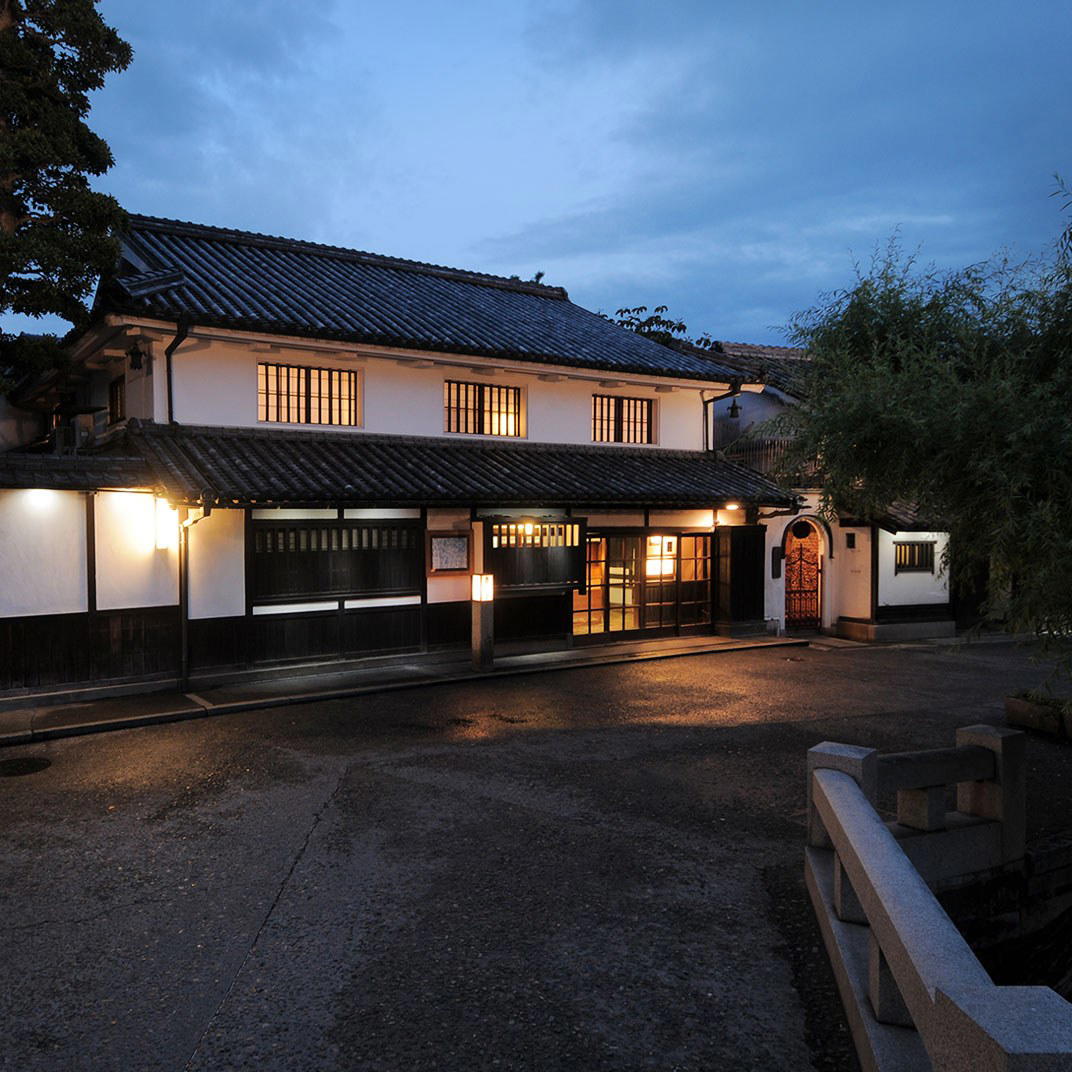
Cafe Salon Nakaoku serves Japanese comfort cafe cooking in a historic building in Naoshima, with a sake program, local sourcing, and dishes such as omurice and fried blowfish.
Pearl is the En Primeur Club membership app — saves, bookings, and concierge access live there. Same editors, same standards.
- Address
- Japan, 〒761-3110 Kagawa, Kagawa District, Naoshima, 本村中奥1167
- Phone
- +81 87-892-3887
- Directions
- Get directions
 Saves & bookings on Pearl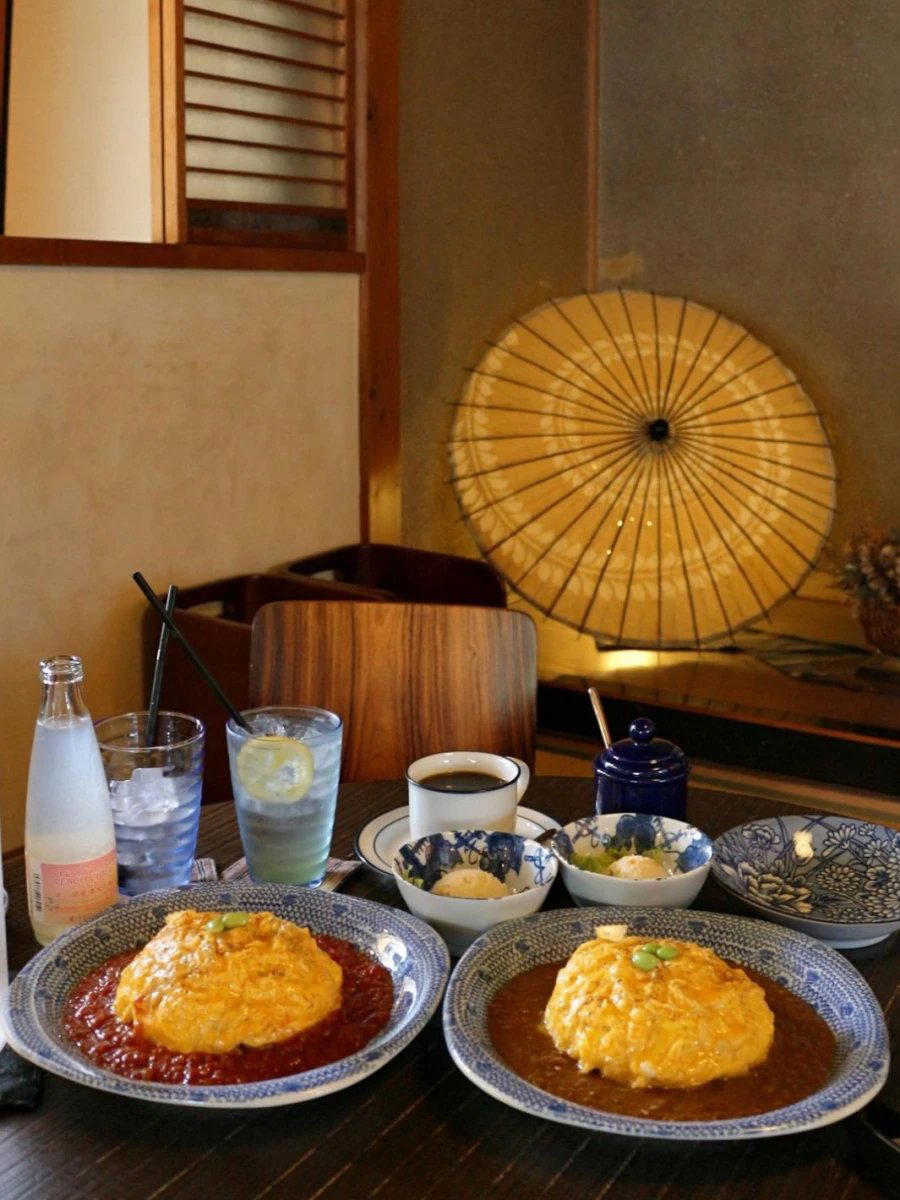
Where Naoshima's Contemplative Tempo Finds Its Natural Counterpart
Naoshima operates at a different pace from the rest of Japan. The island's identity has been shaped over three decades by a deliberate experiment in placing serious contemporary art inside ordinary coastal life, and dining here reflects that same unhurried commitment to presence. Cafe Salon Nakaoku belongs to the quieter register of the island's food scene, the places that don't announce themselves loudly but reward those who slow down enough to find them. On an island where the ferry schedule, not the restaurant reservation, governs the day, a cafe that holds still and lets visitors arrive is a coherent editorial statement in itself.
The Cultural Frequency of the Japanese Kissaten Tradition
To understand a place like Cafe Salon Nakaoku, it helps to understand the kissaten, Japan's deeply embedded cafe tradition that long predates the third-wave coffee movement. The kissaten is not a grab-and-go format. It is a room with a tempo: coffee brewed with care, a menu that extends no further than it needs to, and an atmosphere calibrated to the kind of quiet conversation or solitary reflection that is difficult to find anywhere else in a dense Japanese city. Naoshima, paradoxically, is one of the few places in the Seto Inland Sea where that kissaten sensibility translates naturally to a visitor audience, because the island already self-selects for people willing to slow down. Travelers who have come this far, across two ferry connections and through a village that closes before 9pm, are not looking for volume or novelty. They are looking for coherence. A cafe salon that fits that mode is not incidental to the Naoshima experience; it is structurally part of it.
That cultural context matters when placing Naoshima's cafe scene against Japan's broader dining geography. The high-intensity omakase counters that define Tokyo's premium dining, such as Harutaka in Tokyo, or the technical kaiseki programs of Kyoto represented by venues like Gion Sasaki, operate in a different register entirely. On Naoshima, the relevant comparison is between the island's handful of cafe-style spaces and what they collectively offer travelers whose days are structured around gallery visits and ferry timetables rather than tasting menus. Within that island-specific frame, a cafe salon occupies a genuine and necessary position.
Naoshima's Dining Scene and Where a Cafe Salon Sits Within It
The island's food options sort into a few distinct tiers. At the leading end, Issen at Benesse House operates as the dining complement to the island's most architecturally significant hotel, positioned for overnight guests and those with pre-arranged access. At the more accessible end of the spectrum, Akaito Coffee and Cafe Naoshima Konichiwa represent the kind of neighborhood-scale hospitality that visitors discover while walking between the Chichu Art Museum and the Honmura district. Cafe Salon Nakaoku functions within this middle and ground-level category of the island's food culture, where the experience is less about a curated course structure and more about the quality of a pause. On an island this small, these pauses are the meal.
That positioning also reflects something true about how Japanese regional food culture operates away from major cities. Venues like Goh in Fukuoka or akordu in Nara demonstrate how destination restaurants in secondary Japanese cities can carry national and international weight. Rural island cafes carry a different kind of weight, one measured in atmosphere and access rather than awards, but no less legible to a traveler who understands what they are looking for.
The Island as Context, and What It Demands of a Dining Room
Naoshima's particular geography, a small island in the Seto Inland Sea accessible by ferry from Uno Port in Okayama Prefecture or from Takamatsu in Shikoku, creates a captive but self-selecting audience. Visitors arrive on a schedule they didn't set, stay for a day or two, and move between sites largely on foot or by bicycle. A cafe that understands this rhythm offers something different from urban hospitality: the knowledge that the person sitting across from you has made the same deliberate effort to arrive, and probably shares the same orientation toward slowness and considered experience.
For international visitors arriving via Takamatsu or Osaka, the logistical frame is worth noting. Naoshima's ferries from Takamatsu run multiple times daily and take approximately an hour; from Uno Port the crossing is shorter, around 20 minutes. Most visitors structure their time around the Benesse Art Site, which includes the Chichu Art Museum, Lee Ufan Museum, and Art House Project sites spread across Honmura village. Meals and cafe stops are fitted around those visits rather than planned as anchor events. In that context, a cafe salon that is findable and welcoming without requiring advance reservation infrastructure is genuinely useful to the traveler's day. For the full picture of where to eat and drink across the island, the EP Club Naoshima restaurants guide maps the options by area and type.
Japanese Cafe Dining in a Wider Regional Frame
It is worth placing the kissaten and cafe salon format inside a wider Japanese food conversation. Japan's dining culture is often discussed through its highest-register expressions: the Michelin-decorated kaiseki of HAJIME in Osaka, the technically precise counter restaurants of Tokyo and Kyoto. But the country's food culture is equally defined by its intermediate registers, the neighborhood kissaten, the teishoku lunch counter, the small regional family restaurant that has served the same set menu for decades. These are not lesser expressions of Japanese dining; they are structurally different ones, performing different social and cultural functions. A cafe salon on an art island is, in that reading, exactly what it should be: a place calibrated to its environment rather than its awards profile. Venues like restaurants in smaller Japanese cities like Nanao and regional spots across prefectures from Sapporo to Nishikawa Machi reflect this same principle of fitness to place over fitness to category.
Planning a Visit
Given the limited publicly available information about Cafe Salon Nakaoku's hours, booking method, and current menu format, the most reliable approach is to treat a visit as walk-in rather than reservation-dependent, consistent with how smaller island cafes across Japan typically operate. Arriving outside the peak lunch window, roughly between 11:30am and 1:30pm when museum visitors tend to cluster at the island's few dining options, is advisable. Most cafe-format spaces in Naoshima operate on a seasonal or weather-dependent basis, particularly in the shoulder months of early spring and late autumn, so confirming local availability through your accommodation or the island's visitor information point before building a day around a specific stop is the practical move. For context on comparable planning considerations in the region, the approach used at restaurants in nearby Takashima offers a useful parallel.
Cost Snapshot
Comparable venues nearby, for context on price, style, and recognition.
| Venue | Cuisine | Price | Notes |
|---|---|---|---|
| Cafe Salon NakaokuThis venue — the venue you are viewing | Honmura, Japanese Comfort Cafe | $$ | Not listed |
| Cafe Naoshima Konichiwa | Honmura, Japanese Café & Curry | $$ | Not listed |
| Issen at Benesse House | Not listed | $$$$ | Naoshima-cho, Traditional Japanese Kaiseki |
| Issen (一扇) | Naoshima, Japanese Kaiseki | $$$$ | Not listed |
| Akaito Coffee | Naoshima, Japanese Coffee Shop | $ | Not listed |
| Ochanomizu Ogawa Ken | Not listed | $$ | Bunkyō, Japanese Western / Yoshoku Cafe |
At a Glance
- Cozy
- Rustic
- Intimate
- Casual Hangout
- Family
- Historic Building
- Sake Program
- Local Sourcing
Current opening hours
- Monday
- Closed
- Tuesday
- Closed
- Wednesday
- 11:30 AM–2:30 PM, 5:30–8:30 PM
- Thursday
- 11:30 AM–2:30 PM, 5:30–8:30 PM
- Friday
- 11:30 AM–2:30 PM, 5:30–8:30 PM
- Saturday
- 11:30 AM–2:30 PM, 5:30–8:30 PM
- Sunday
- 11:30 AM–2:30 PM, 5:30–8:30 PM
Hours can change for holidays and private events. Last verified .
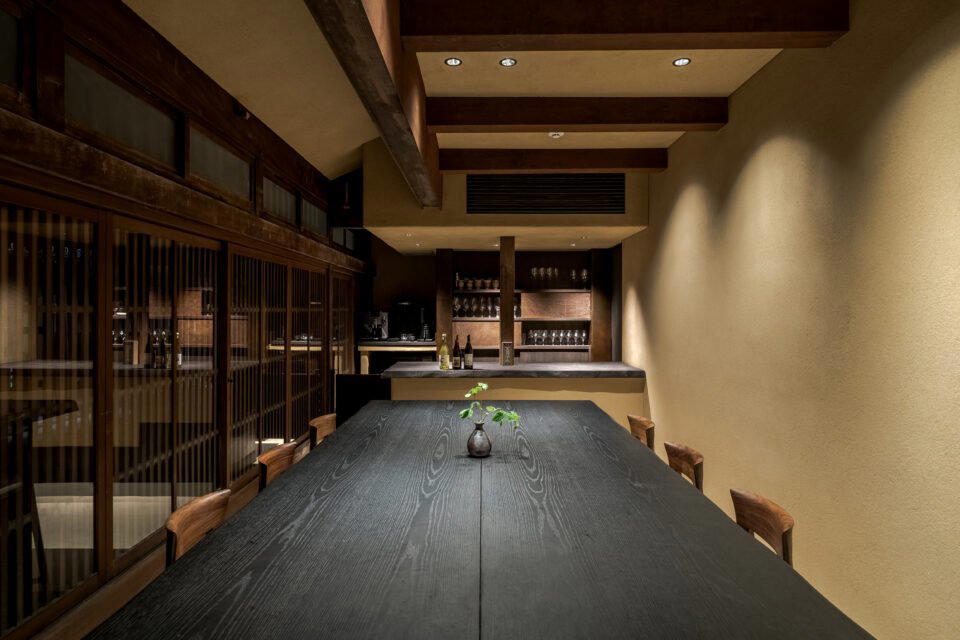
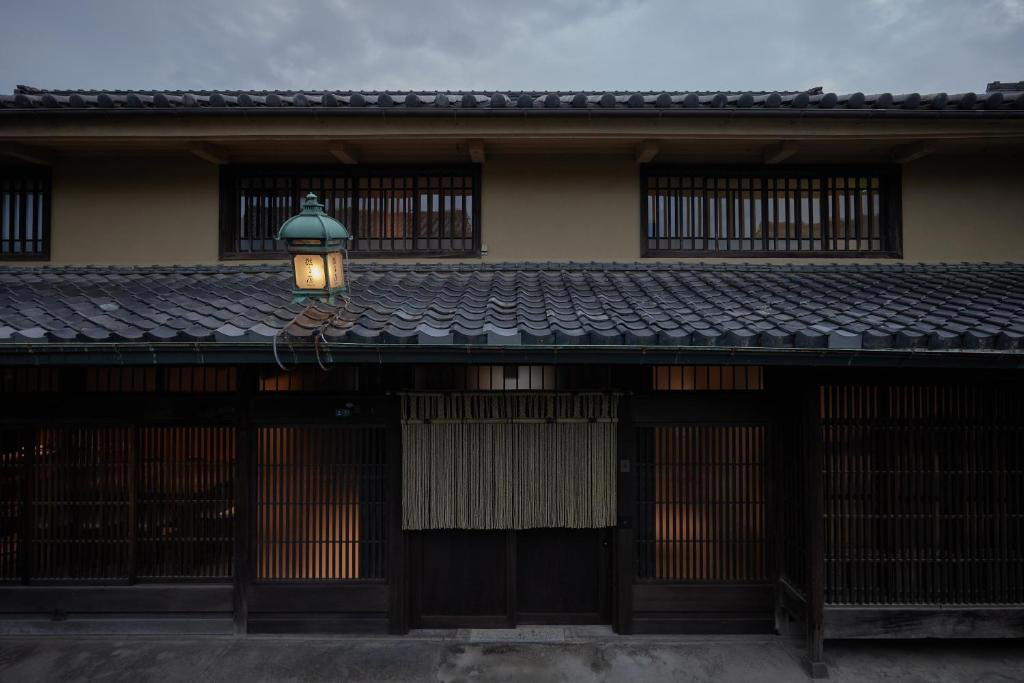
Warm, cozy, and nostalgic with retro Japanese interior, soft jazz music, and a home-like atmosphere.
Know Before You Go
- Getting there
- Japan, 〒761-3110 Kagawa, Kagawa District, Naoshima, 本村中奥1167