
Oryori Yamanokuchi belongs to Fukuoka’s polished izakaya tier, where the tavern format becomes a serious evening rather than a casual stop. Its Haruyoshi setting, Japanese-cuisine and onigiri categories, and Tabelog 100 Izakaya WEST selections in 2024 and 2025 place it inside a compact local conversation about drinking food with craft, restraint, and regional rhythm.
Pearl is the En Primeur Club membership app — saves, bookings, and concierge access live there. Same editors, same standards.
- Address
- 2 Chome-7-18 Haruyoshi, Chuo Ward, Fukuoka, 810-0003, Japan
- Phone
- +81 92-738-6635
- Website
- fbmw500.gorp.jp
 Saves & bookings on Pearl
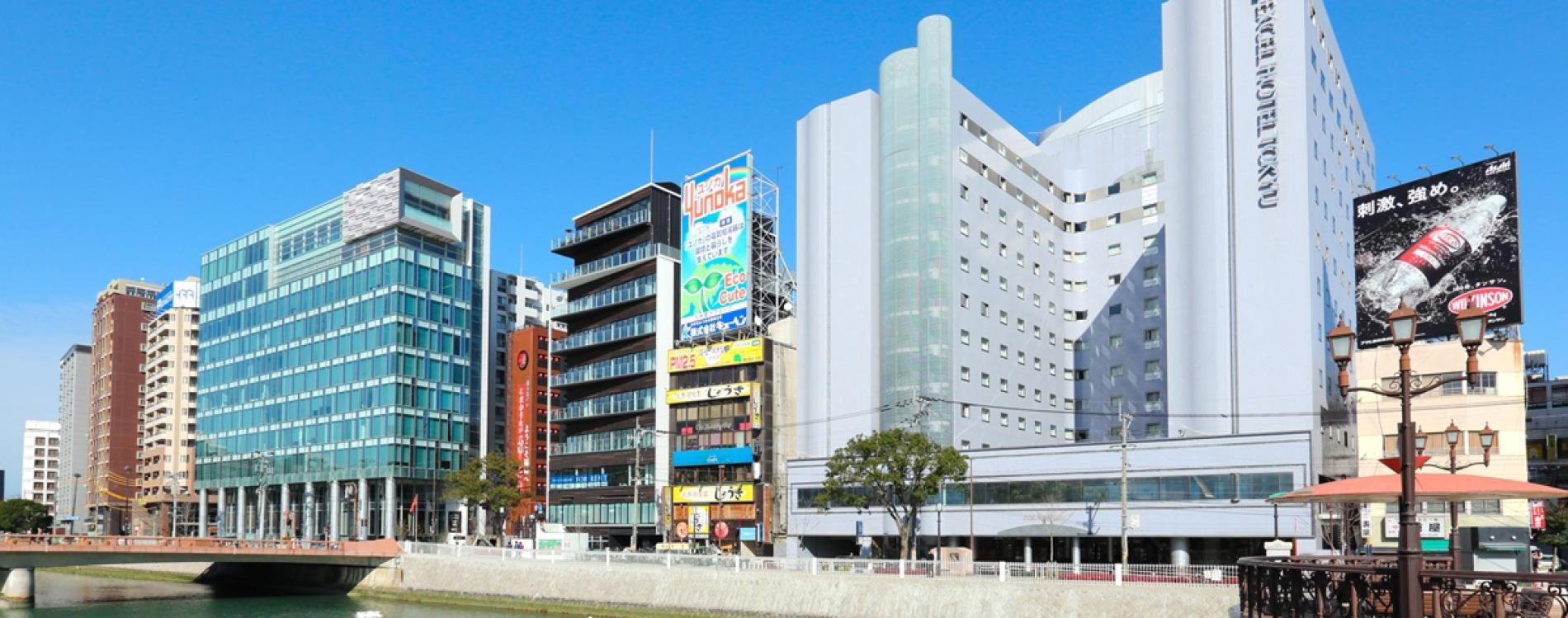
Haruyoshi moves at a different tempo from Tenjin’s retail glare and Nakasu’s after-dark theatre. Streets tighten, the river sits close, and dinner addresses feel less like announced destinations than rooms found by following the city’s evening current. Here, Oryori Yamanokuchi belongs to Fukuoka’s serious izakaya category: tavern grammar intact, but judged with the scrutiny usually reserved for Japanese cuisine counters.
That distinction matters. Fukuoka is too often reduced to ramen and yatai, both essential but incomplete. Its stronger dining identity is broader: fish from nearby waters, shochu and sake culture, Kyushu produce, late dining, and small rooms where food is paced around conversation rather than ceremony. The best izakaya in this register do not imitate kaiseki. They use a looser structure, but the editing matters just as much.
Haruyoshi gives the izakaya format a quieter stage
Haruyoshi sits between central convenience and backstreet privacy, which gives this dinner style its advantage. The neighbourhood is practical for the city’s main dining circuits without imposing the high-volume energy of busier blocks. For travellers who use meals to understand a city, the area is useful: it shows Fukuoka after office hours, when the table is about food, pace, drinking, and the order in which small plates build into a night.
Oryori Yamanokuchi’s category listing says more than a simple label. Izakaya, Japanese cuisine, and onigiri point to a meal between drinking house and composed cooking. In Japan, that overlap is natural. Rice can close an evening with the same seriousness as a grilled or simmered dish earlier; the format lets the table move from shared plates to a more personal finish. Fukuoka suits that rhythm because its dining culture has never separated pleasure from informality as sharply as some larger capitals.
The 2024 and 2025 selections for Tabelog 100 Izakaya WEST are the key trust signal. They place the restaurant within western Japan’s izakaya conversation, not the luxury tasting-menu economy. That helps readers comparing Fukuoka dinners. Warayaki Mikan occupies a similar spend band in the city’s izakaya field, while Sakana to Sakana Ito Okashi skews lower at dinner and adds a lunch range. Goh belongs to the French side of Fukuoka’s dining map. The choice is not hierarchy, but what kind of evening the city is being asked to provide.
The appeal is in edited tavern cooking, not theatrical luxury
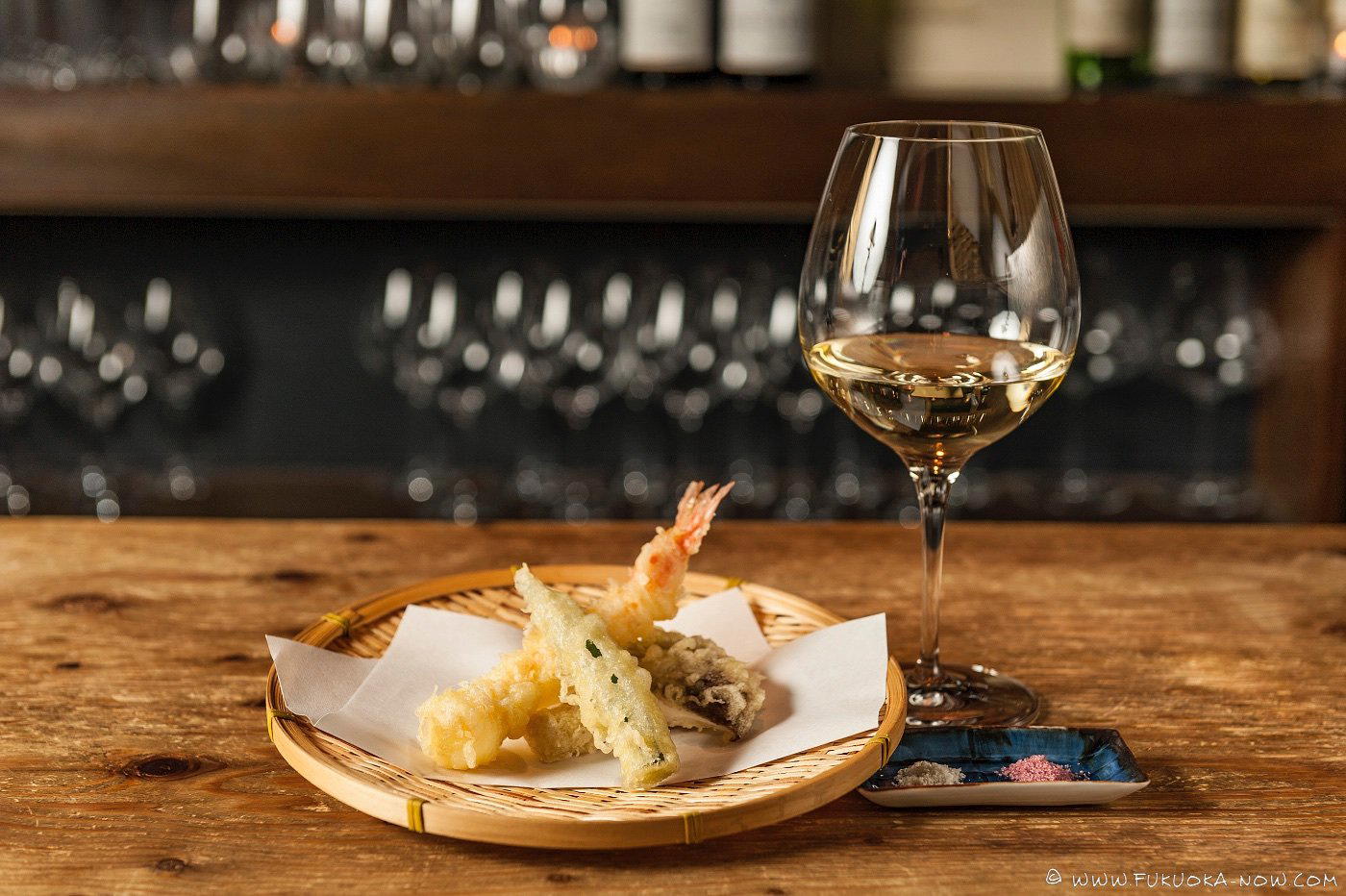
Premium izakaya cooking is often misunderstood by visitors because it does not always announce itself with a fixed tasting-menu narrative. Its discipline is quieter: sequencing, temperature, drinking compatibility, and knowing when not to overload the table. Recognition by a list devoted specifically to izakaya does not mean the restaurant has left the tavern behind. It means the tavern format has been handled consistently enough to compete with specialist rooms across the region.
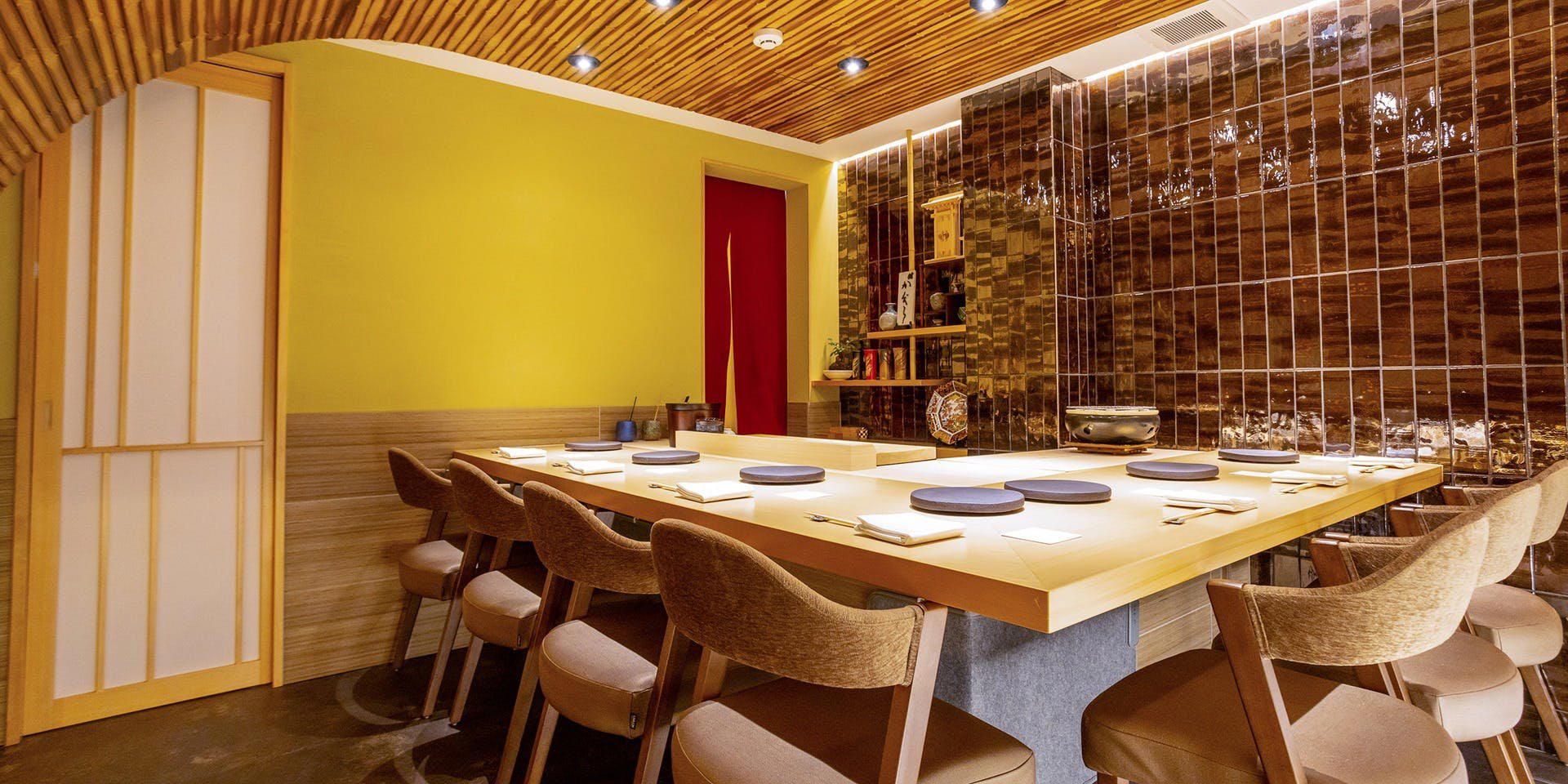
The experience differs from a destination sushi counter or formal kappo meal. The point is not to surrender to a chef-led arc or chase spectacle. Read it instead as Fukuoka social dining with higher standards: Japanese cooking as the center of gravity, drinks as part of the architecture, rice as a meaningful close, and neighbourhood scale as part of the value. Haruyoshi helps because it lets a polished izakaya feel grounded rather than staged.
For a Fukuoka itinerary, compare by mood and category. A night at Oryori Yamanokuchi answers a different question from curry at Afterglow, South Indian cooking at 106 South Indian Fukuoka tenjin ten, fried horse mackerel at Aji Furai Shokudo Kaba, or local comfort at Aji no Katsueda and Aji Dokoro Taro Gen Sougyou ten. Those addresses map the city’s range; this one clarifies its upper tavern lane.
How to place it within a Fukuoka trip
This is a dinner for readers who want Fukuoka without reducing it to famous-food checklists. The restaurant’s non-smoking policy, reservation availability, private-room absence, and private-use availability shape the likely evening: focused, adult, and better suited to diners comfortable with a compact Japanese dining format than anyone seeking a sprawling group venue. Payment flexibility helps, though cash discipline remains sensible in Japan’s smaller dining rooms.
Its location near Kushida Shrine Station makes it easy to fold into a central night without turning dinner into a transit project. The better planning question is what to pair around it. Haruyoshi and nearby central Fukuoka suit a sequence that begins with a slower dinner and continues into bars, not the reverse. For broader context, use Our full Fukuoka restaurants guide, Our full Fukuoka bars guide, Our full Fukuoka hotels guide, Our full Fukuoka experiences guide, and Our full Fukuoka wineries guide.
Readers tracking Japanese dining beyond Fukuoka can place the meal against category-specific choices: beef sukiyaki at -Grilled beef Sukiyaki- KAMAKURA TANUKIAN 鎌倉 たぬき庵 in Kamakura, tuna and charcoal cooking at. 鮪と炭火焼き うお炭 秋葉原店 in Tokyo, café culture at.cafe in Osaka, Kumamoto dining at.know in Kumamoto, Vietnamese cooking at (Shoku) Vietnam in Kawasaki, curry in Hokkaido at [Curry Senmon Ten] Maruyama Kyoju. in Sapporo, sake-led Los Angeles dining at Jōdo Saké Bar in Los Angeles, and rice-ball specialization at Onigiri Time in Pasadena. Seen this way, Oryori Yamanokuchi is not merely local; it shows how far the izakaya format can stretch while remaining recognizably itself.
The Quick Read
Comparable venues by category and price.
| Venue | Cuisine | Price | Notes |
|---|---|---|---|
| Oryori YamanokuchiThis venue — the venue you are viewing | Chūō, Japanese Izakaya | $$$ | |
| Teppanyaki Rikaen | $$$ | Hakata, Teppanyaki & A5 Wagyu | |
| Inakaan | $$$ | Kokura, Traditional Grilled Eel (Unagi) | |
| Aji Dokoro Taro Gen Sougyou ten | Hakata, Seafood Kaiseki | $$$ | |
| Osake to Hakata Kozara Tanakada | $$$ | Chūō, Traditional Hakata Izakaya & Small Plates | |
| Sushi Ryori Ichitaka | Chūō, Kyushu Edomae Omakase | $$$ |
At a Glance
- Hidden Gem
- Cozy
- Intimate
- Classic
- Solo
- Date Night
- Casual Hangout
- After Work
- Standalone
- Chefs Counter
- Sake Program
- Beer Program
- Street Scene
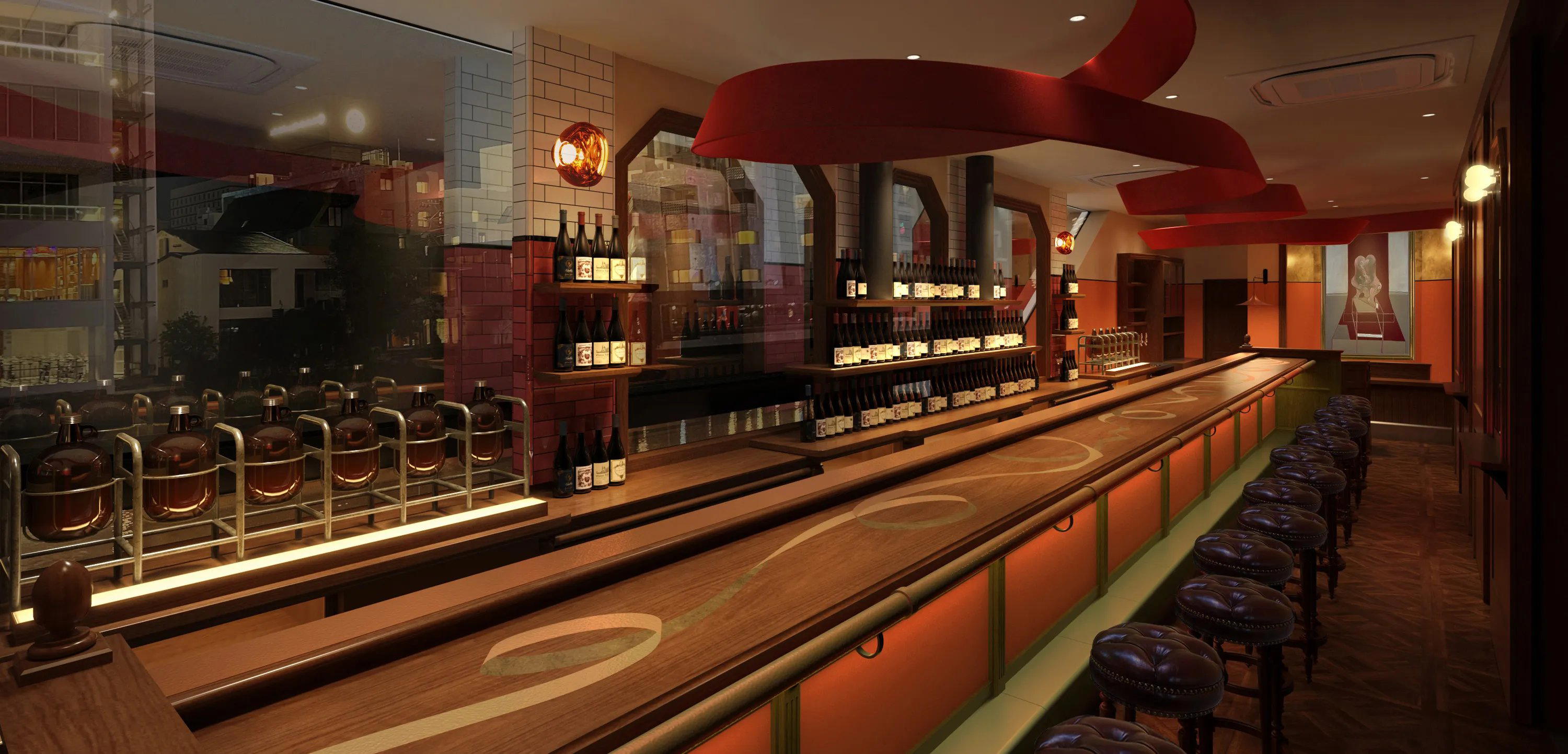
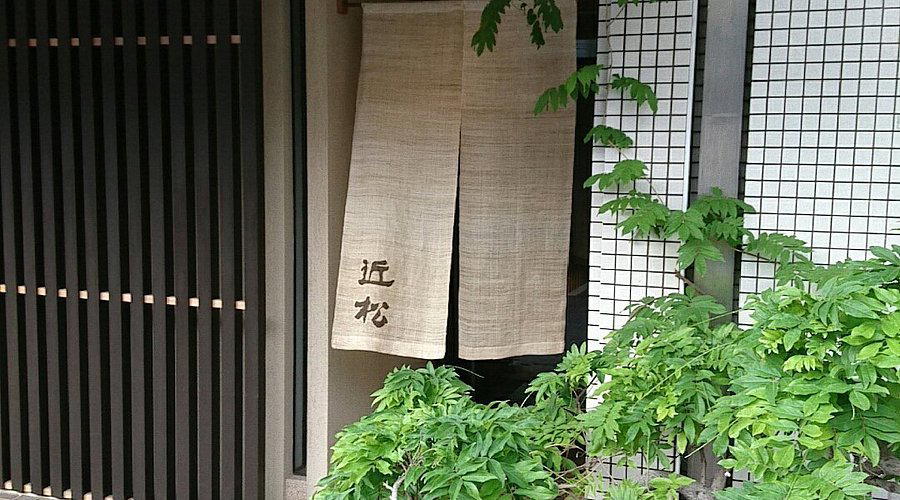
Tucked away in a back-alley setting, the restaurant feels quiet, compact, and warmly intimate rather than lively or expansive.