Águila Pabellón
.png)
Águila Pabellón belongs to Buenos Aires’ contemporary middle-upper tier, where produce, fire, café hours, and park-side social rhythm matter more than formal tasting-menu theatre. Its Michelin Plate recognition in 2024 and 4.2 Google rating across 1,127 reviews place it in a credible bracket for travellers comparing Palermo-adjacent dining with newer contemporary rooms across the city.
 Discover on Pearl
Pearl is the En Primeur Club membership app — saves, bookings, and concierge access live there. Same editors, same standards.
- Address
- Av. Sarmiento 2725, C1425FGB Cdad. Autónoma de Buenos Aires, Argentina
- Phone
- +54 11 2774-4835
- Website
- instagram.com
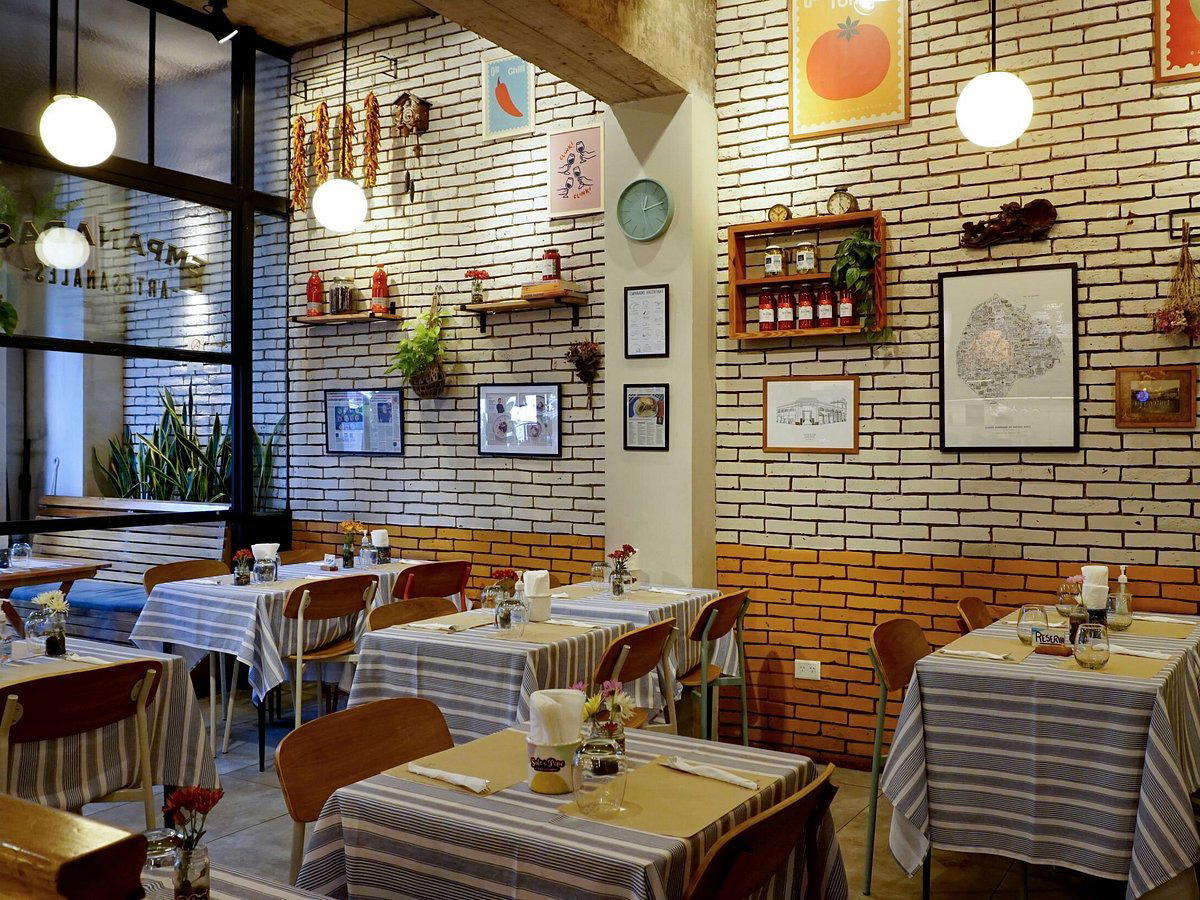
Approaching Av. Sarmiento, the dining mood changes from the denser restaurant grid of Palermo toward the looser rhythm of Buenos Aires’ park belt. Águila Pabellón works inside that shift: less urban hideaway, more open-day dining room, with a contemporary Argentine brief that suits a city increasingly comfortable mixing café hours, wine-led afternoons, and dinner service under one roof.
That context matters because Buenos Aires contemporary cooking is no longer defined only by steakhouse tradition or long-form tasting menus. The more interesting middle tier now asks where the produce comes from, how much of the plate still speaks Argentine, and whether the room can handle different speeds of eating. Águila Pabellón sits in that conversation with a Michelin Plate from 2024 and a public rating of 4.2 from 1,127 Google reviews, enough recognition to register beyond neighbourhood convenience without pushing into the ceremony of the city’s higher-priced counters.
Park-edge contemporary cooking with an Argentine supply chain in view
Ingredient sourcing is the right lens here because Buenos Aires has an unusually direct relationship with its surrounding agricultural geography. Beef, dairy, grains, vegetables, river fish, and wine all arrive with strong regional identities, and contemporary kitchens have been using that pantry to move away from heavy nostalgia. The smarter rooms do not reject Argentine staples; they reframe them with lighter sequencing, sharper vegetable work, and broader drinking occasions.
Águila Pabellón’s contemporary classification places it closer to that newer city pattern than to parrilla orthodoxy. In the same Buenos Aires category, Crizia operates at a higher price tier, Mengano and Mercado de Liniers sit in a lower one, while A Fuego Fuerte occupies a more expensive contemporary bracket. That spread is useful for travellers: this is not the stripped-back casual end of the category, and it is not the city’s more formal contemporary spend either. It sits in the band where sourcing, room energy, and flexibility need to carry the value argument.
The Michelin Plate signal is modest but meaningful. It does not place the restaurant in starred territory, and it should not be read that way. It does, however, show that inspectors found a kitchen with enough consistency and identity to merit inclusion. In Buenos Aires, where international attention often narrows toward headline steak, tasting-menu prestige, or natural-wine youth culture, that kind of recognition is a practical marker for visitors trying to separate competent contemporary dining from generic café-restaurant sprawl.
For a wider view of how the city’s contemporary cooking is splitting by budget and format, compare the EP Club notes on A Fuego Fuerte, Alcanfor, Anafe, Anchoíta, and 4ta Pared. Each points to a different answer to the same question: how much Argentine product memory should remain visible when the format turns contemporary?
A flexible room in a city that eats across the day
Buenos Aires dining does not run on a single nightly peak. Late dinners matter, but so do long Saturdays, post-park lunches, café-length afternoons, and tables that slide from coffee into wine. Águila Pabellón’s service pattern reflects that broader city habit, especially on weekends, when the room can function as part of a longer Palermo day rather than a standalone dinner appointment. That makes the experience less rigid than a tasting-menu booking and more useful for travellers building a day around museums, parks, shopping, or bars.
The trade-off is energy. A venue that serves across multiple dayparts rarely behaves like a hushed special-occasion room. In Buenos Aires, that is often an advantage: conversation rises, tables turn at different speeds, and the dining room absorbs both locals and visitors without the stiffness that can make contemporary restaurants feel over-managed. For a quiet, highly choreographed evening, the city has other formats. For a contemporary Argentine meal that can sit naturally inside a Palermo itinerary, this style is better aligned.
That positioning also explains why the restaurant’s evidence base should be read in combination: a Michelin Plate, a four-figure review count, and a price band above casual dining but below the city’s more expensive contemporary rooms. None of those details alone defines the experience. Together they suggest a restaurant with enough volume to be part of local circulation, enough critical notice to reward attention, and enough price pressure that the kitchen has to deliver more than convenience.
Travellers using Águila Pabellón as one stop in a broader Buenos Aires plan should pair it with the city’s wider editorial maps rather than treat it as an isolated destination. Start with Our full Buenos Aires restaurants guide, then build the rest of the stay through Our full Buenos Aires hotels guide, Our full Buenos Aires bars guide, Our full Buenos Aires wineries guide, and Our full Buenos Aires experiences guide. The city rewards that kind of sequencing: dinner makes more sense when the surrounding neighbourhood, bar culture, and travel logistics are already in place.
How it fits beyond Buenos Aires
Argentina’s dining story changes fast once it leaves the capital. Mendoza frames product through wine estates and fire culture, Patagonia leans into mountain-town appetite and cold-climate produce, and Iguazú shifts the register toward rainforest hospitality. Against that national spread, Águila Pabellón reads as a Buenos Aires answer to contemporary Argentine sourcing: metropolitan, flexible, and less tied to a single regional theatre.
For comparison across the country, 1884 Francis Mallmann in Mendoza connects Argentine cooking to fire and wine-country ceremony, while Agrelo in Luján de Cuyo, Angélica Cocina Maestra in Agrelo, and Assemblage Maison Alta Vista in Chacras De Coria show how wine-region dining changes the sourcing equation. Alto el Fuego - Estación de Tren in Bariloche and Awasi Iguazu in Puerto Iguazu pull the conversation toward landscape, climate, and travel format.
Seen internationally, Buenos Aires contemporary dining also sits apart from European hotel-restaurant polish or Germany’s tightly codified modern kitchens. Readers tracking the category outside Argentina can compare the broader contemporary label with [maki:'dan] im Ritter, Contemporary in Durbach and [w]einklang, Contemporary in Nuremberg. The shared term is useful, but the underlying pantry, meal timing, and wine culture change the result.
The editorial case for Águila Pabellón is strongest when the reader wants Buenos Aires contemporary cooking without making the night solely about prestige. Its recognition gives it credibility; its price band keeps expectations serious; its park-side setting and broad service rhythm make it practical in a city that rarely eats on a neat schedule. The appeal is not rarity. It is fit: Argentine product intelligence, contemporary format, and a room that belongs to the way Buenos Aires actually uses its day.
Comparison Snapshot
Comparable venues nearby, for context on price, style, and recognition.
| Venue | Cuisine | Price | Awards | Notes |
|---|---|---|---|---|
| Águila PabellónThis venue — the venue you are viewing | Contemporary Argentine | $$$ | Michelin Plate | |
| Horta | Contemporary Seasonal | $$$ | Michelin Plate | Villa Crespo |
| Fico | Contemporary Market-Driven Fine Dining | $$$ | Michelin Plate | Villa Crespo |
| Buri Omakase | Modern Japanese Omakase | $$$ | Michelin Plate | Palermo |
| Osaka Concepción | Nikkei (Peruvian-Japanese Fusion) | $$$ | Michelin Plate | Colegiales |
| La Brigada | Classic Argentinian Parrilla | $$$ | 3 recognitions | San Telmo |
Continue exploring
More in Buenos Aires
Restaurants in Buenos Aires
Browse all →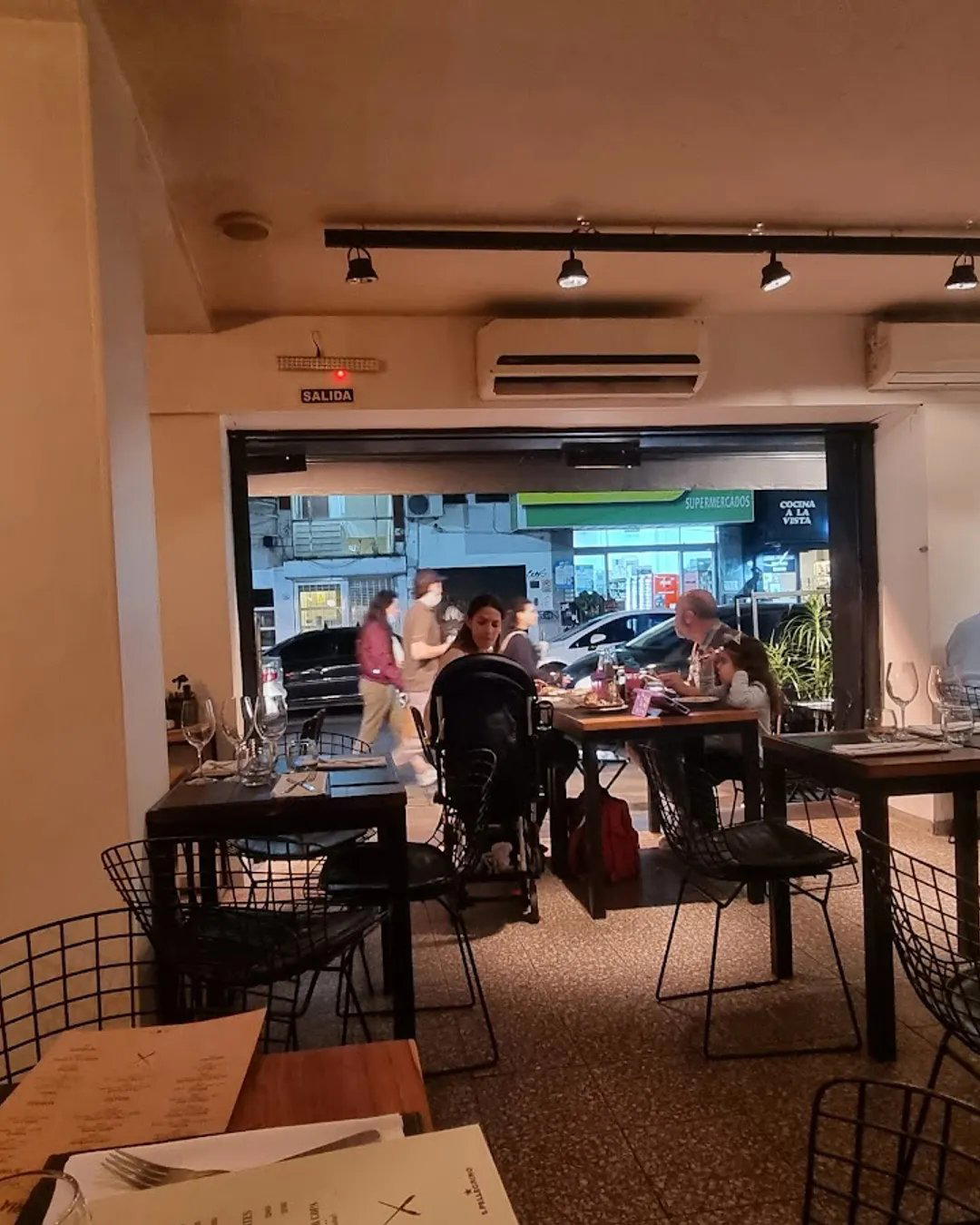
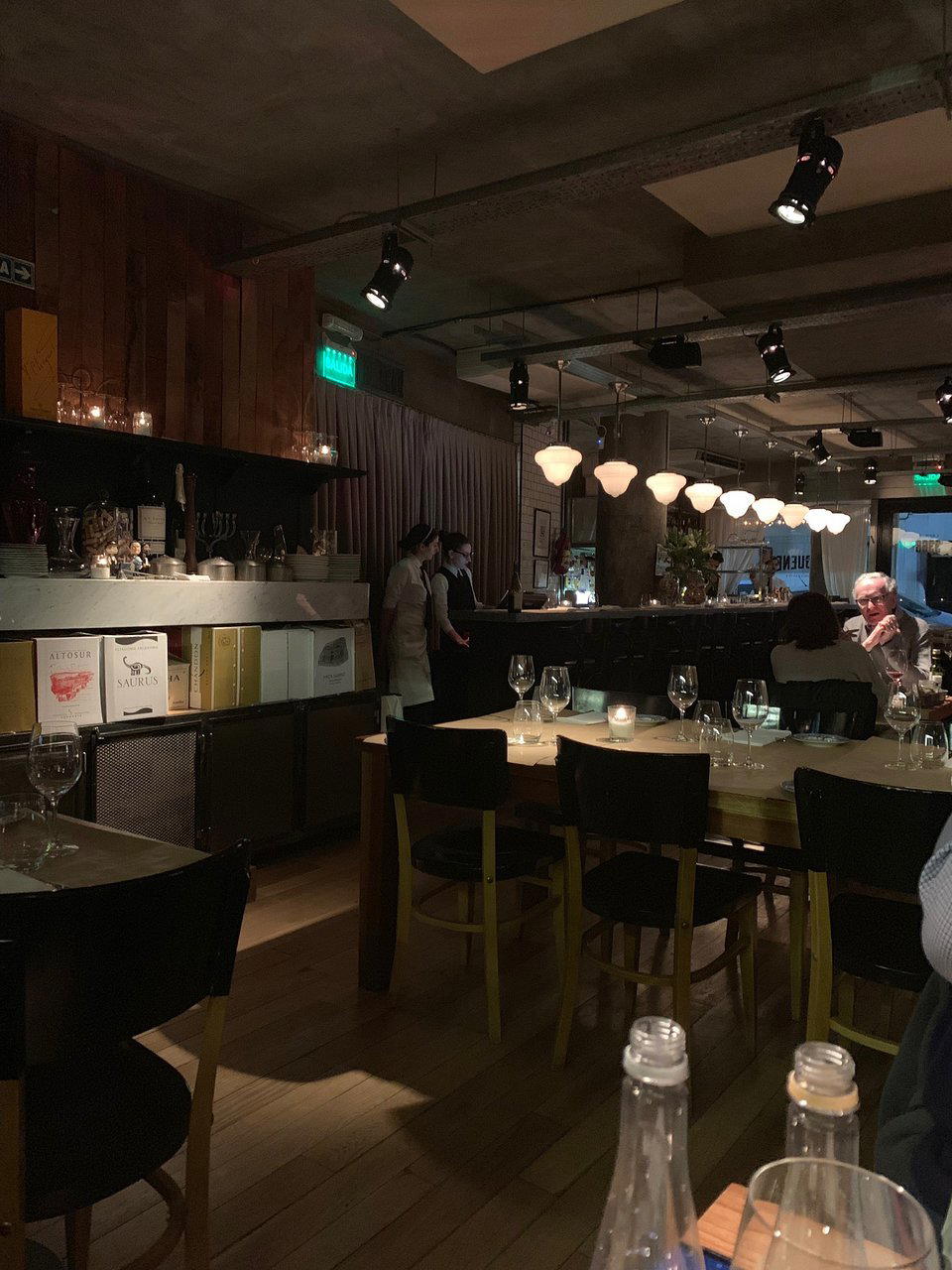
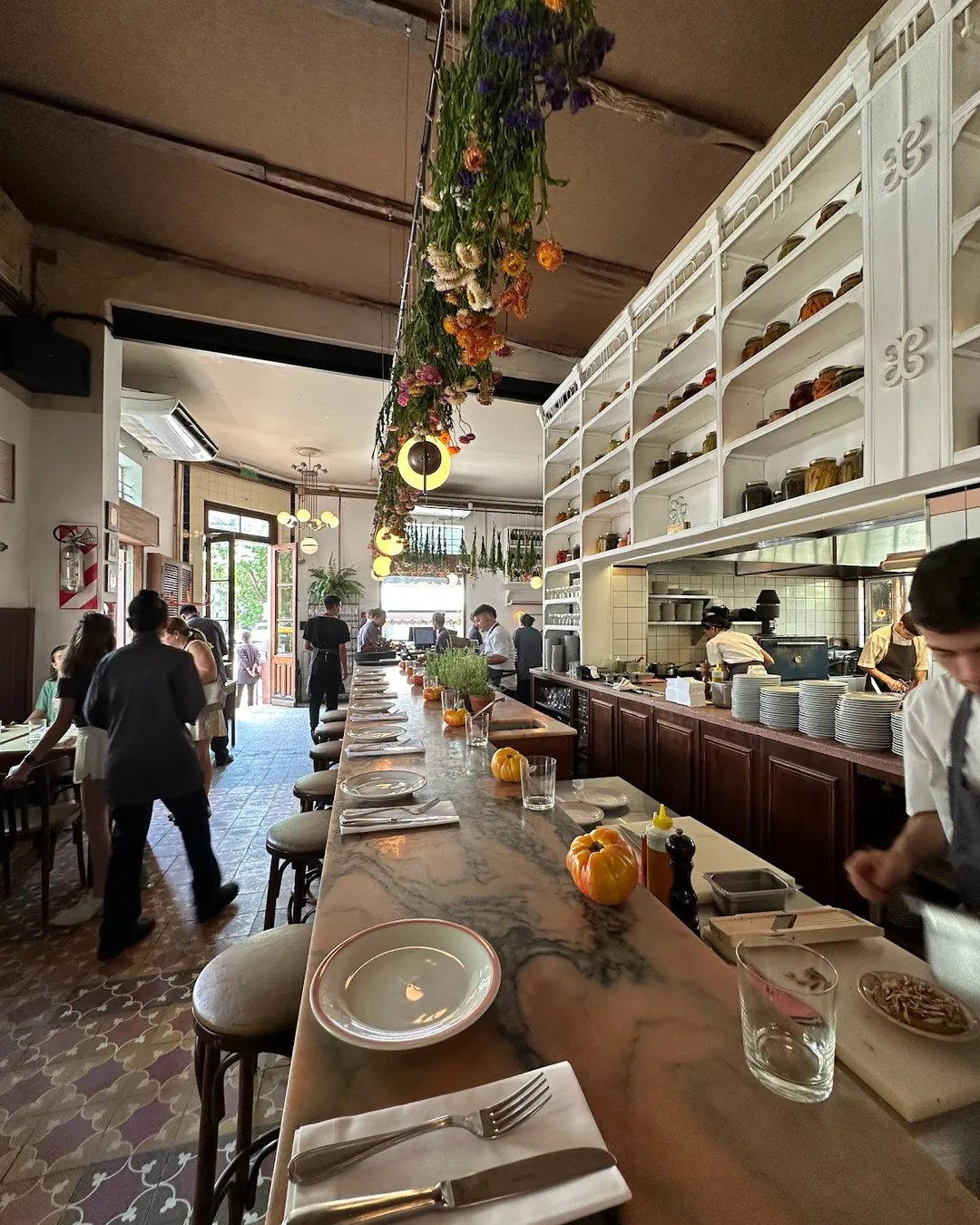
Bars in Buenos Aires
Browse all →
Hotels in Buenos Aires
Browse all →
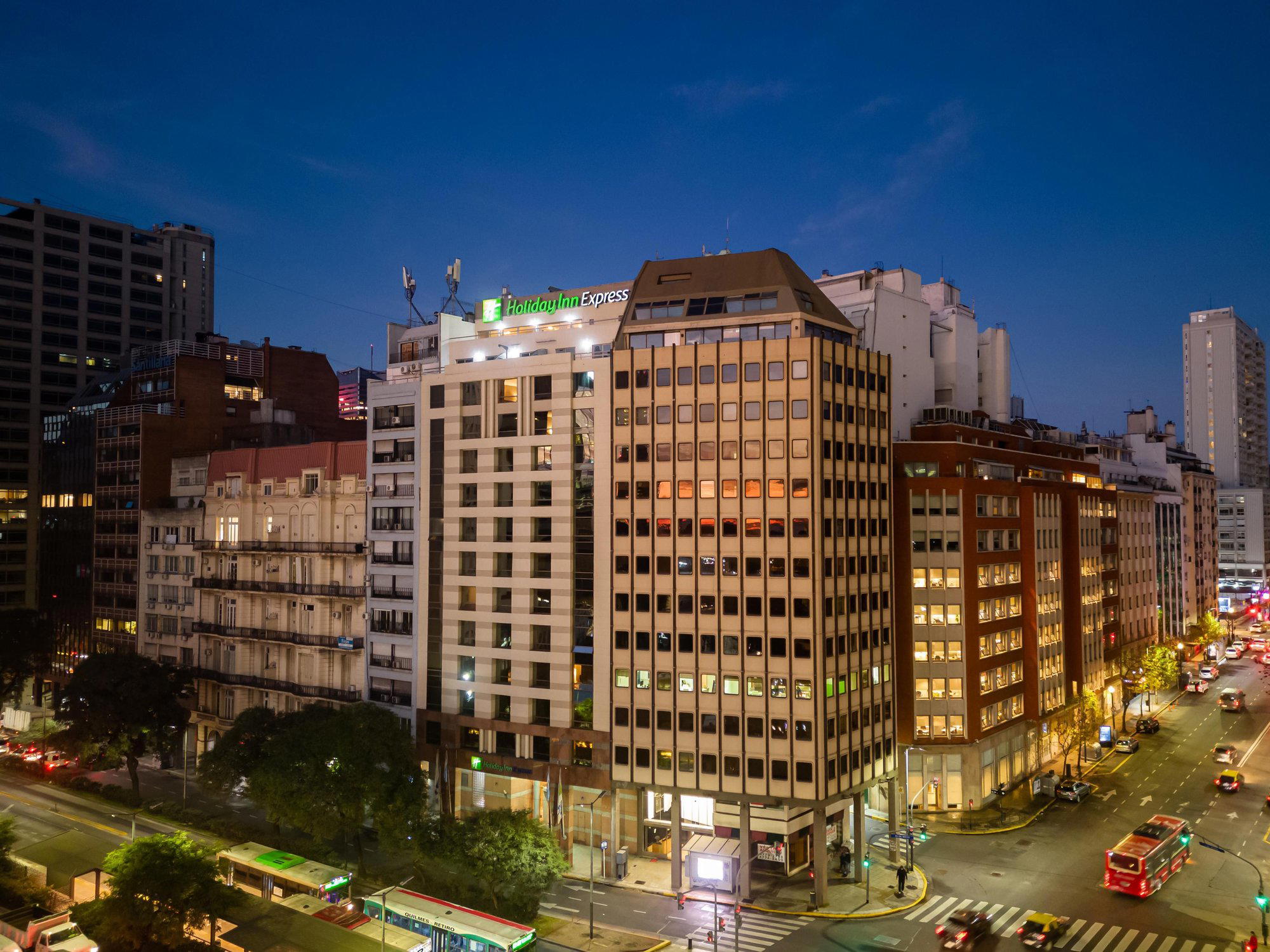
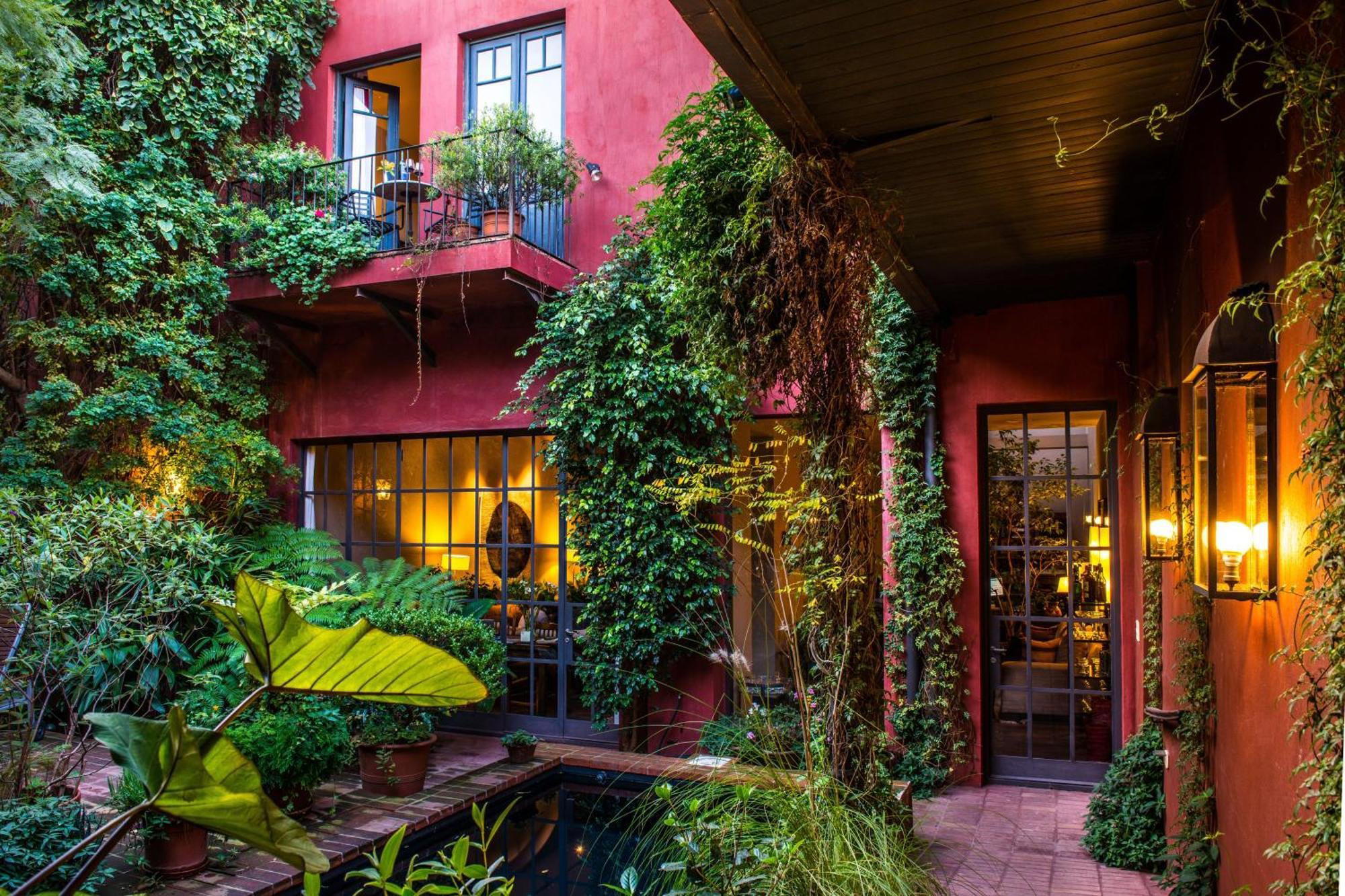
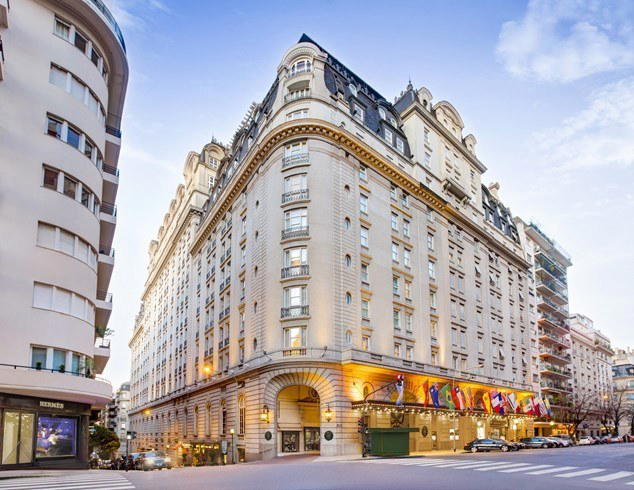



At a Glance
- Elegant
- Classic
- Intimate
- Sophisticated
- Date Night
- Special Occasion
- Business Dinner
- Historic Building
- Terrace
- Design Destination
- Extensive Wine List
- Local Sourcing
Elegant and intimate with sobering, refined décor maintaining historic character while incorporating modern touches; described as calm and sophisticated.