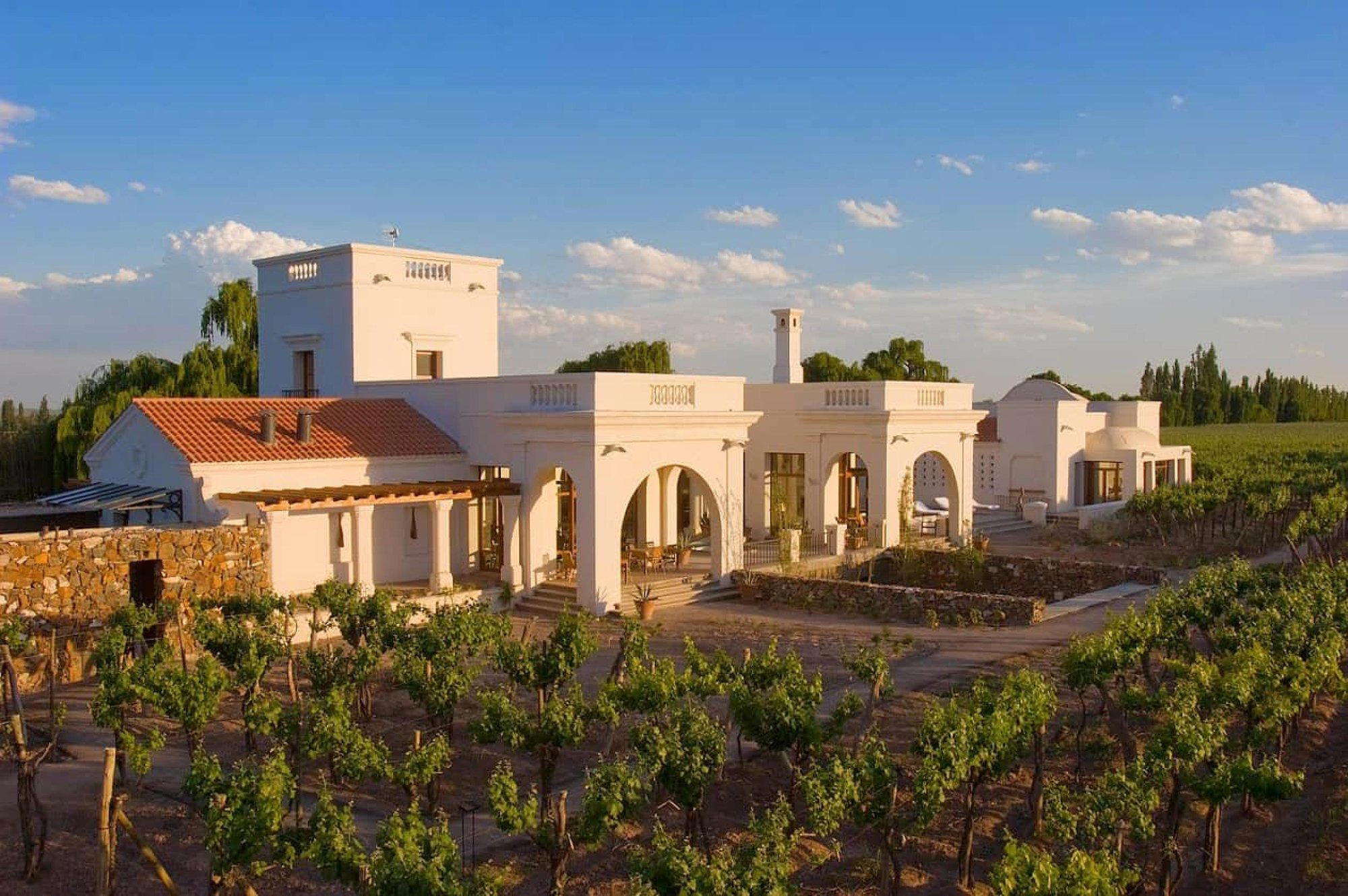
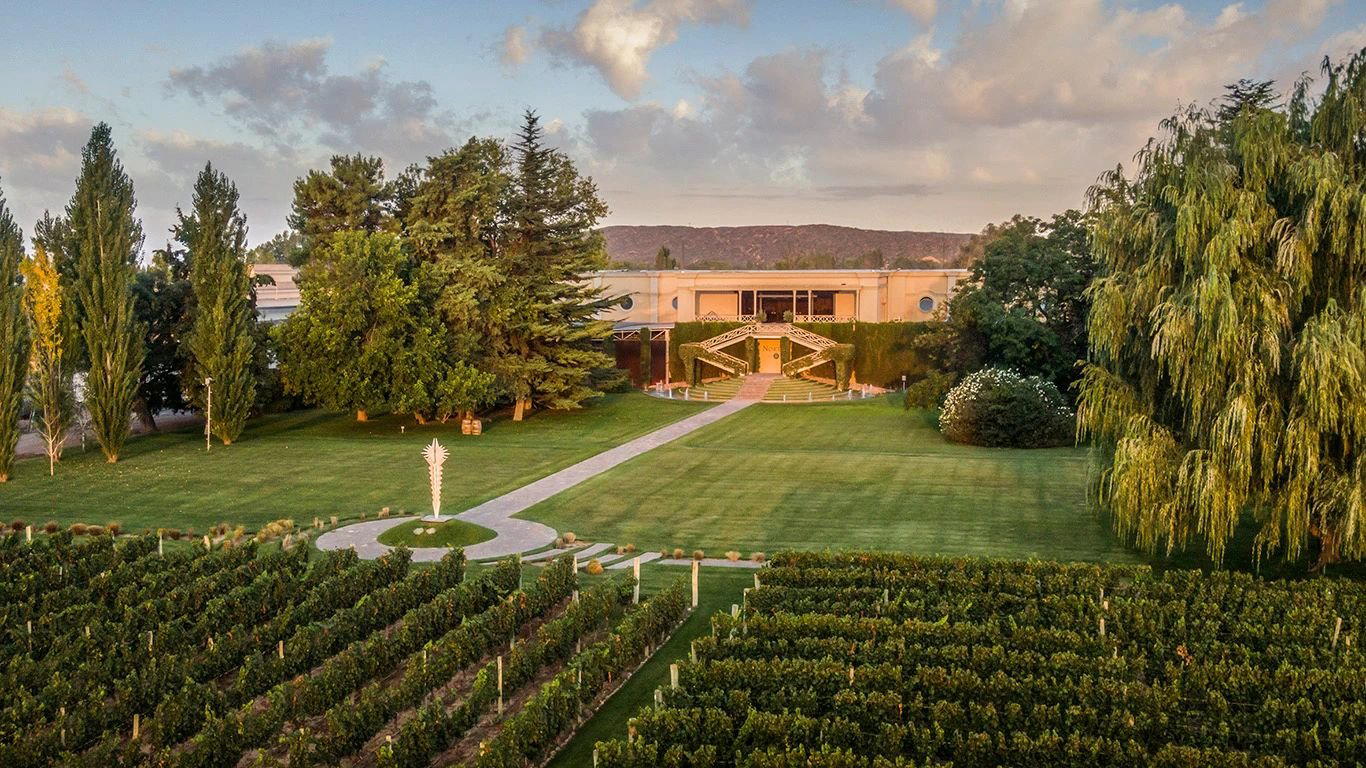
Angélica Cocina Maestra operates from Cobos in Luján de Cuyo, placing it at the heart of Argentina's most consequential wine-producing zone. The kitchen draws its identity from the agricultural abundance immediately surrounding it, with Mendoza's high-altitude vineyards, market gardens, and Andean produce shaping what appears on the plate. For visitors exploring the Agrelo region, it represents a serious dining proposition rooted in place.
 Discover on Pearl
Pearl is the En Primeur Club membership app — saves, bookings, and concierge access live there. Same editors, same standards.
- Address
- Cobos, Luján de Cuyo, Mendoza, Argentina
- Phone
- +542615076901
- Website
- angelica.meitre.com
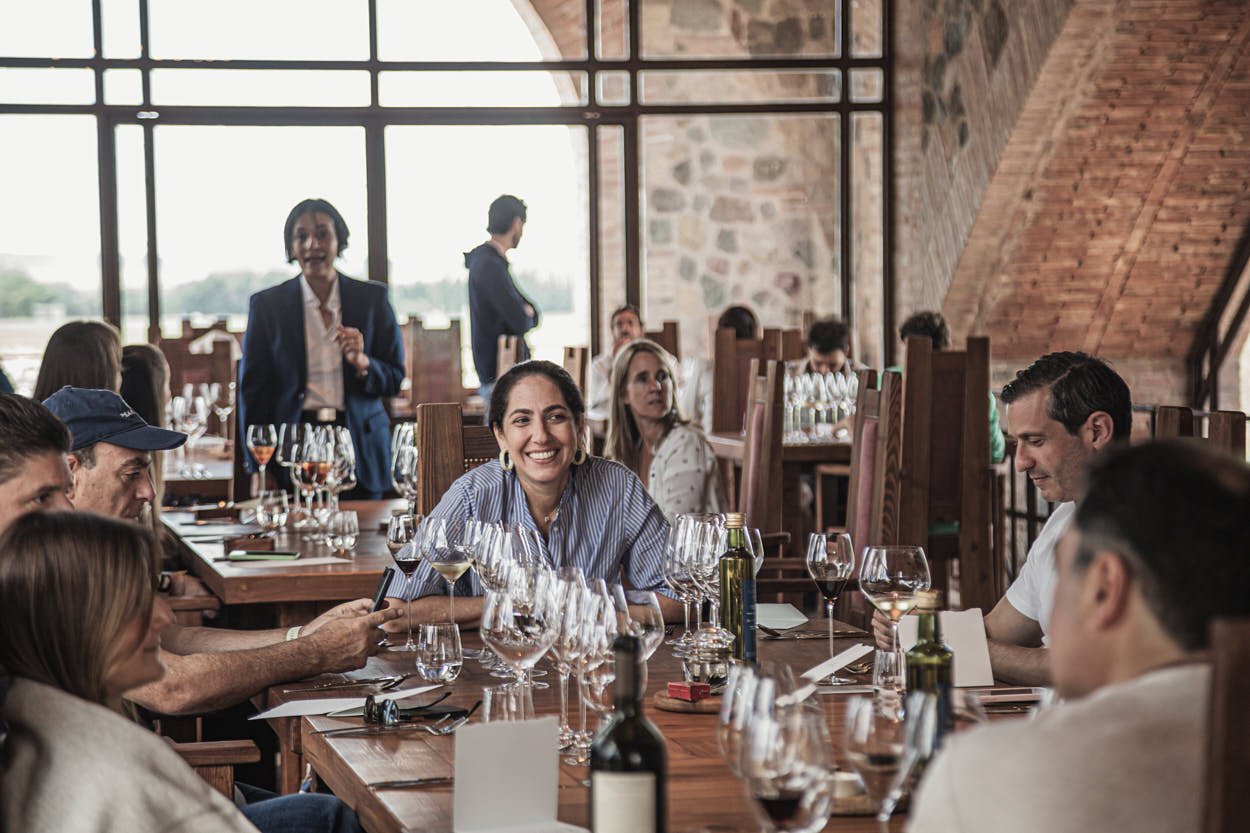
Where the Andes Write the Menu
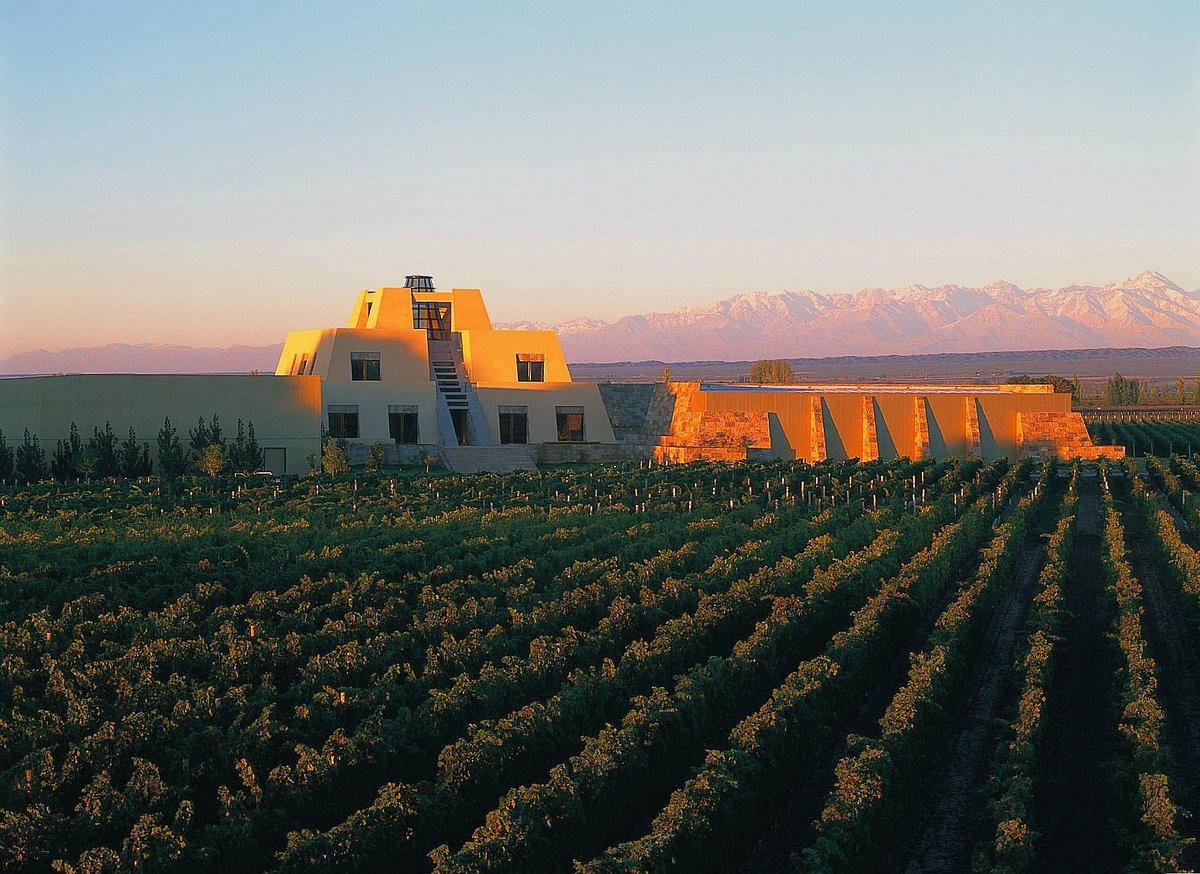
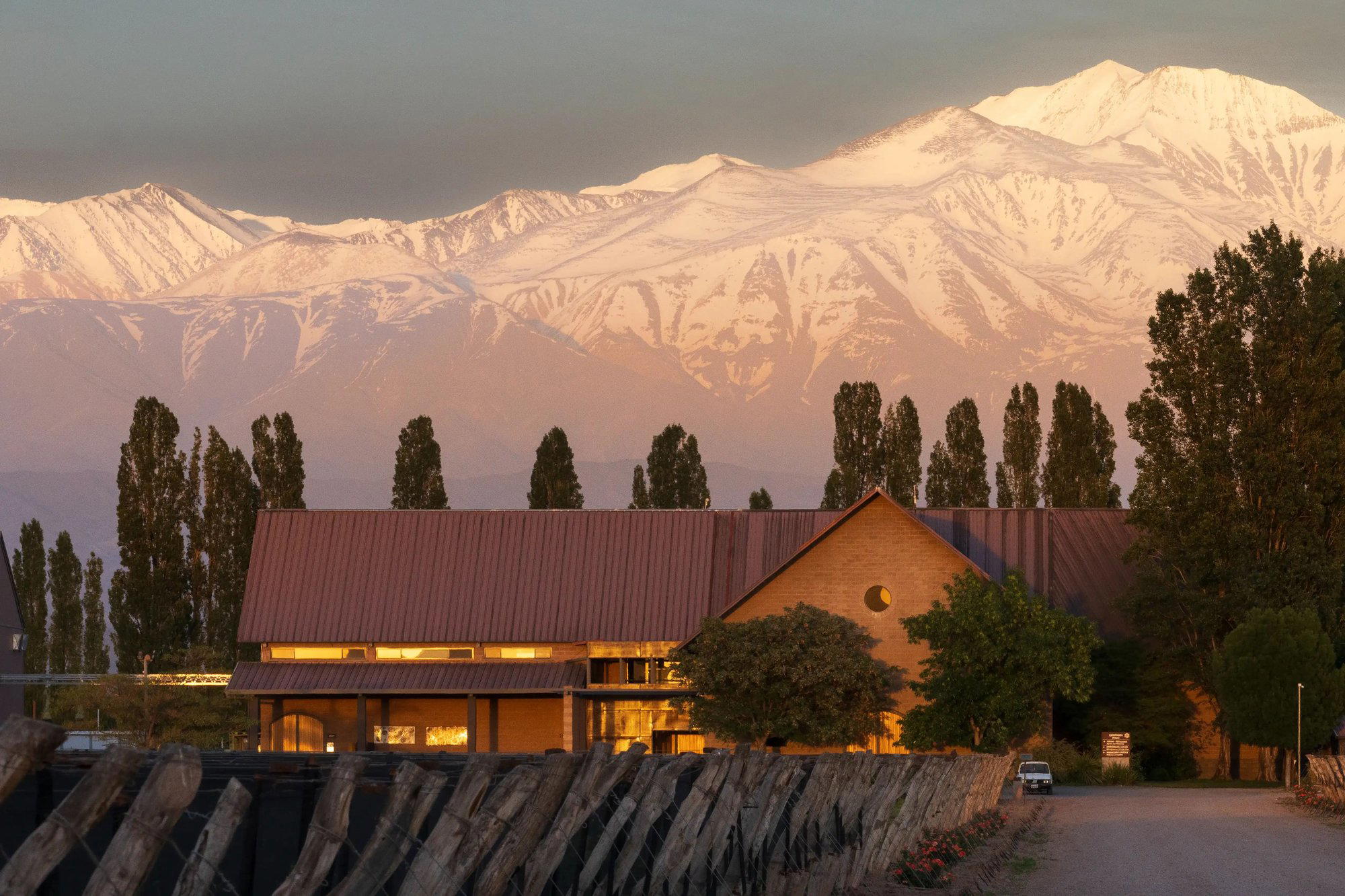
The drive into Cobos, the quiet hamlet that anchors Luján de Cuyo's upper wine corridor, sets expectations before you arrive. The road runs alongside vine rows that climb toward the Andes, the altitude keeping temperatures sharp even in summer, the light arriving at an angle that photographers and winemakers alike have learned to prize. This is Argentina's agricultural heartland at its most purposeful: land that has been cultivated with intention for well over a century, producing grapes, stone fruits, herbs, and livestock shaped by Andean snowmelt and high-altitude sun. Angélica Cocina Maestra sits inside that environment, not as a restaurant that happens to be near vineyards, but as a kitchen that has made ingredient origin its structural argument.
The broader pattern at work here is well-established across the world's great wine regions: the leading dining tends to follow the leading produce, and the leading produce follows altitude, mineral soil, and temperature variance. In Mendoza's case, that logic runs from the high-elevation plots above Luján de Cuyo all the way down through the flatlands to the south. Agrelo itself, sitting between roughly 900 and 1,000 metres above sea level, occupies the productive middle of that gradient.
The Source Logic Behind the Kitchen
Ingredient-sourcing restaurants occupy a complicated tier in Argentina's dining hierarchy. At the lower end, the concept functions as marketing: a paragraph on a menu about local farmers that doesn't materially change what arrives on the plate. At the serious end, sourcing becomes structural, it determines the menu's rhythm, limits what can be offered, and forces the kitchen to work with what the season and the land actually provide rather than what a supplier's catalogue might guarantee year-round. Mendoza has both kinds, and the distinction matters to anyone crossing the city to eat in the Cobos corridor rather than staying closer to Mendoza's urban core.
The culinary tradition that Angélica Cocina Maestra draws from is one rooted in the Cuyo region's particular agricultural character: the stone fruits that descend from colonial-era orchards, the lamb and goat raised on Andean foothills, the olive oils pressed in valleys that have been producing since the nineteenth century, and the wine that provides not only a pairing architecture but an ingredient set in its own right. Compare this sourcing geography to the urban steakhouse model: venues like Don Julio in Buenos Aires represent the pinnacle of the Argentine beef tradition in a metropolitan context, while Mendoza's wine-country kitchens increasingly define themselves by what the mountain-adjacent terroir provides that Buenos Aires cannot replicate.
Mendoza's Wine-Country Dining in Context
The wine estates of Luján de Cuyo have long anchored a particular style of hospitality dining: long lunches, estate-sourced ingredients, a pace calibrated to match the leisure of a tasting itinerary. That format has matured considerably over the past decade, splitting into two recognisable strands. The first follows the large-footprint estate model, where restaurant operations run inside international hotel or winery properties with the infrastructure to support high covers and standardised quality. The Cavas Wine Lodge in Alto Agrelo and Entre Cielos Luxury Wine Hotel and Spa in Luján de Cuyo both sit inside this model, offering dining experiences embedded within a broader property stay.
Second strand is smaller, more kitchen-focused, and more directly accountable to ingredient availability. Angélica Cocina Maestra positions itself within this second cohort. The name itself signals a curatorial stance: cocina maestra carries connotations of craft and authority rather than abundance and spectacle. It aligns with a broader Argentine movement toward kitchens that prioritise technique and sourcing over the theatrical fire-and-grill formats that dominate international perception of the country's food culture. For context on how Mendoza's urban dining addresses a similar sourcing conversation, Azafrán in Mendoza has spent years championing regional Argentine ingredients from a city-centre position.
Across Argentina more broadly, the sourcing-first argument has taken hold in wine-country corridors specifically because the infrastructure exists: producers are neighbours, harvests are visible, and the relationship between what grows outside and what appears inside is short enough to be legible. Properties like La Table de House of Jasmines in La Merced Chica in Salta's Lerma Valley make the same argument from a different terroir, and Las Balsas Restaurant in Villa La Angostura draws from Patagonian produce in the same spirit. The pattern connecting all of these, Mendoza, Salta, Patagonia, is that the quality of the surrounding agricultural environment creates the conditions for a certain kind of dining seriousness that city restaurants must work considerably harder to replicate.
Getting There and Practical Considerations
Cobos sits within the Luján de Cuyo department, accessed from Mendoza city via routes that pass through Chacras de Coria and the vine-dense corridor running south toward Agrelo proper. The drive from central Mendoza typically runs between 20 and 35 minutes depending on the specific route and traffic through the intermediate residential zones. Visitors based at wine-country properties in the Alto Agrelo or Luján de Cuyo area will find themselves closer still. Given that dining in this corridor operates at a wine-country pace, arriving with time to spare rather than tight transfer windows is the sensible approach.
Argentina's Wider Table
Placing Angélica Cocina Maestra inside the Argentine dining conversation requires acknowledging how wide that conversation now runs. The country's gastronomic identity has moved well beyond the steakhouse archetype that dominated international narratives for decades. Regional kitchens, from Salta's Andean markets to Patagonian lamb preparations at places like EOLO in El Calafate and the gaucho tradition at La Bamba de Areco, have built their own critical standing by doing exactly what Mendoza's wine-country kitchens do: letting a specific geography write the argument. The sourcing-led kitchen is not a novelty in this context; it is the form through which Argentina's most considered restaurants have chosen to define themselves.
What the Cobos corridor offers, and what Angélica Cocina Maestra represents within it, is a particular kind of accountability to place, one that Andean altitude, volcanic soil, and a century of agricultural practice have made possible.
In Context: Similar Options
Comparable venues nearby, for context on price, style, and recognition.
| Venue | Cuisine | Price | Awards |
|---|---|---|---|
| Angélica Cocina MaestraThis venue — the venue you are viewing | |||
| Don Julio | Argentinian Steakhouse | $$$$ | Michelin 1 Star |
| Aramburu | Modern Argentinian, Creative | $$$$ | Michelin 2 Star |
| 1884 Francis Mallmann | Argentinian Steakhouse, Traditional Cuisine | $$$$ | World's 50 Best |
| El Preferido de Palermo | Argentinian, Traditional Cuisine | $$ | |
| Elena | South American, Steakhouse | $$$ |
Continue exploring
More in Agrelo
Restaurants in Agrelo
Browse all →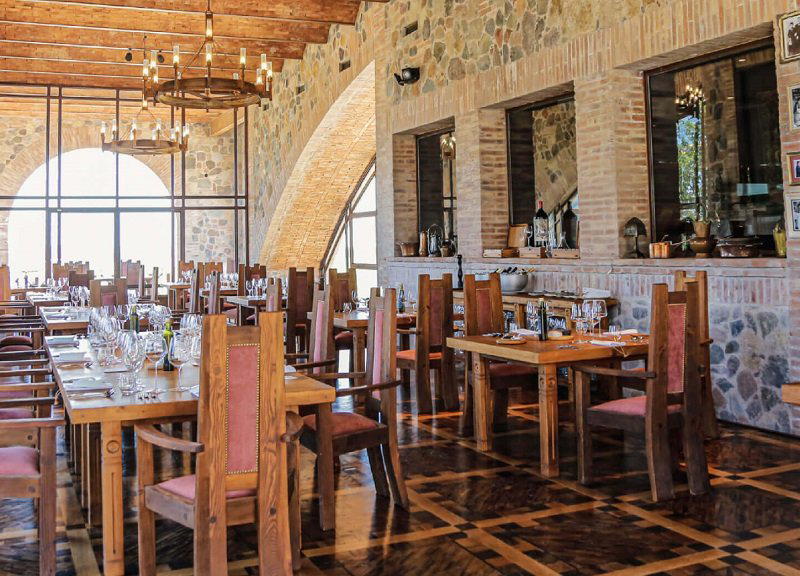
Bars in Agrelo
Browse all →
Hotels in Agrelo
Browse all →
At a Glance
- Elegant
- Sophisticated
- Scenic
- Special Occasion
- Date Night
- Wine Cellar
- Open Kitchen
- Historic Building
- Extensive Wine List
- Sommelier Led
- Farm To Table
- Organic
- Local Sourcing
- Vineyard
- Garden
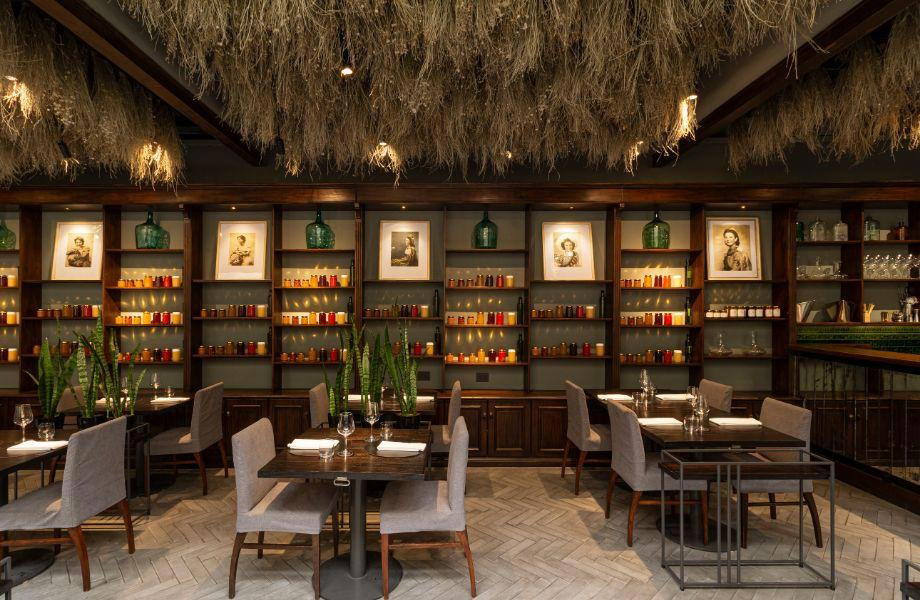
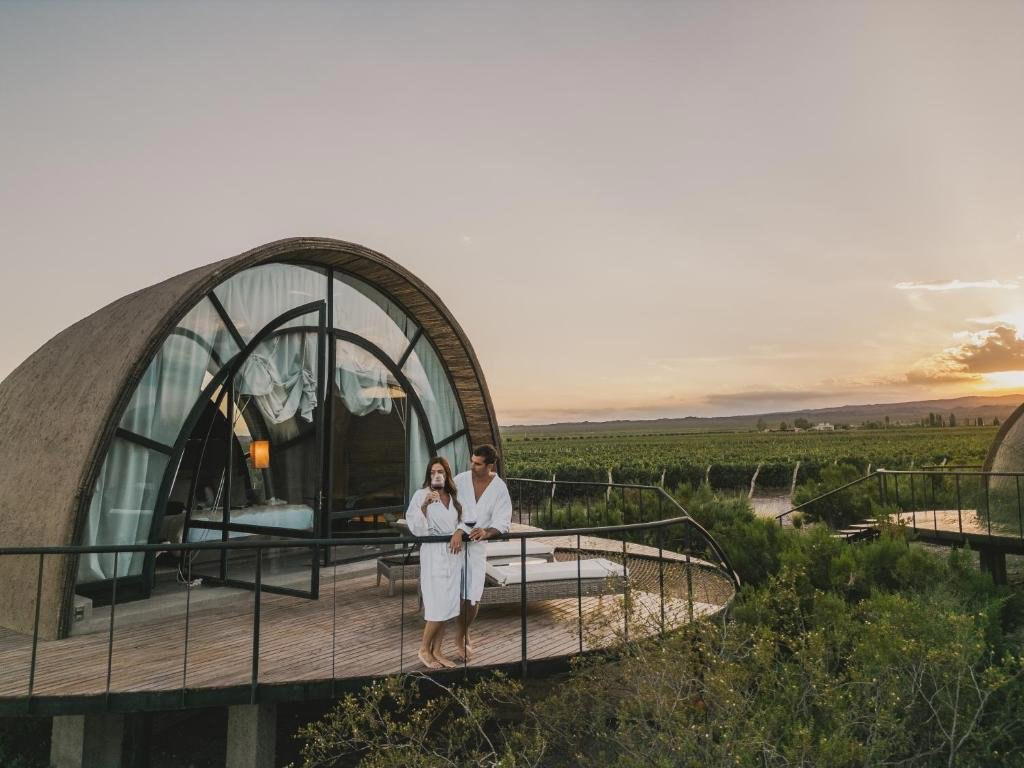
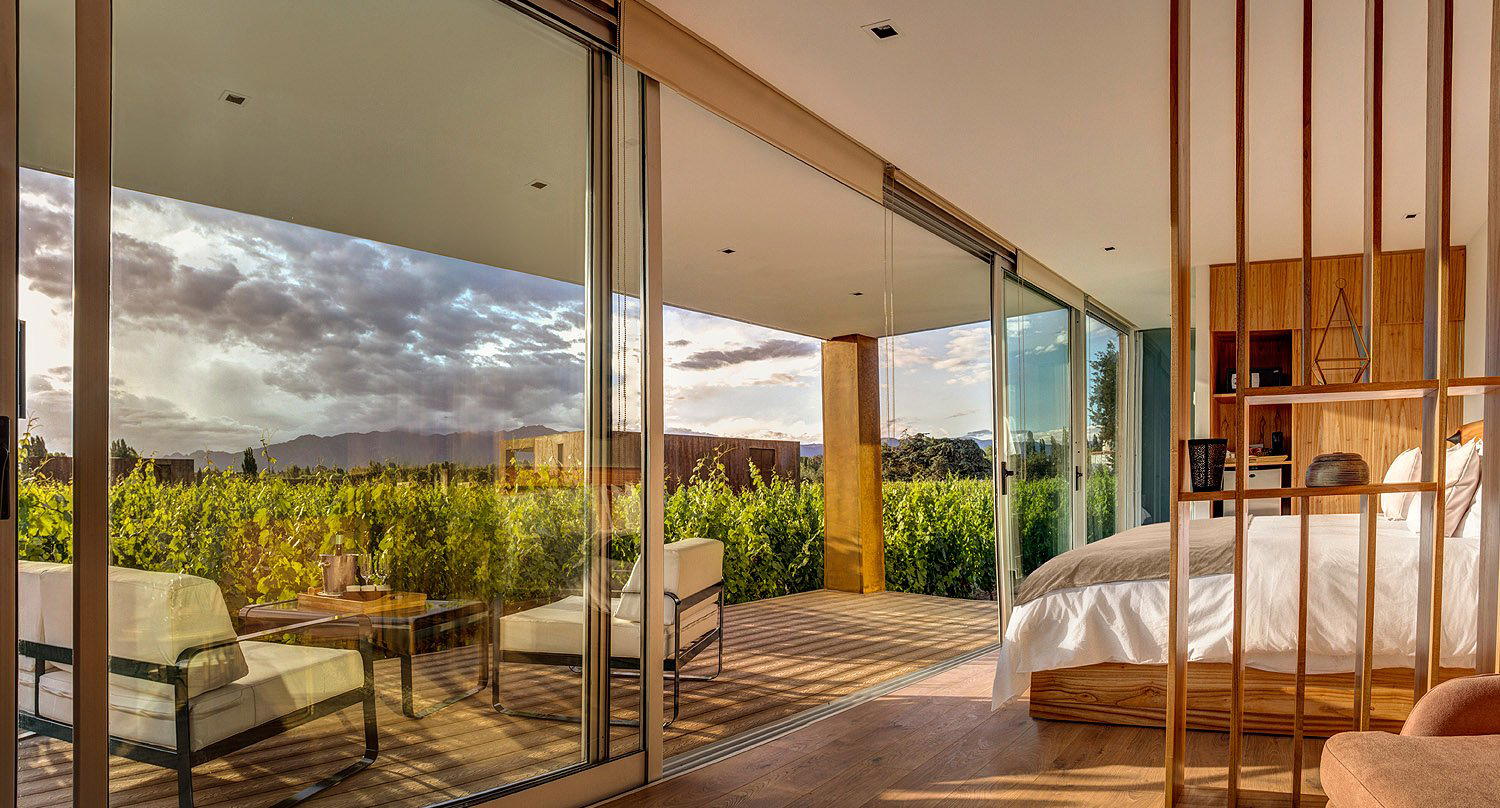
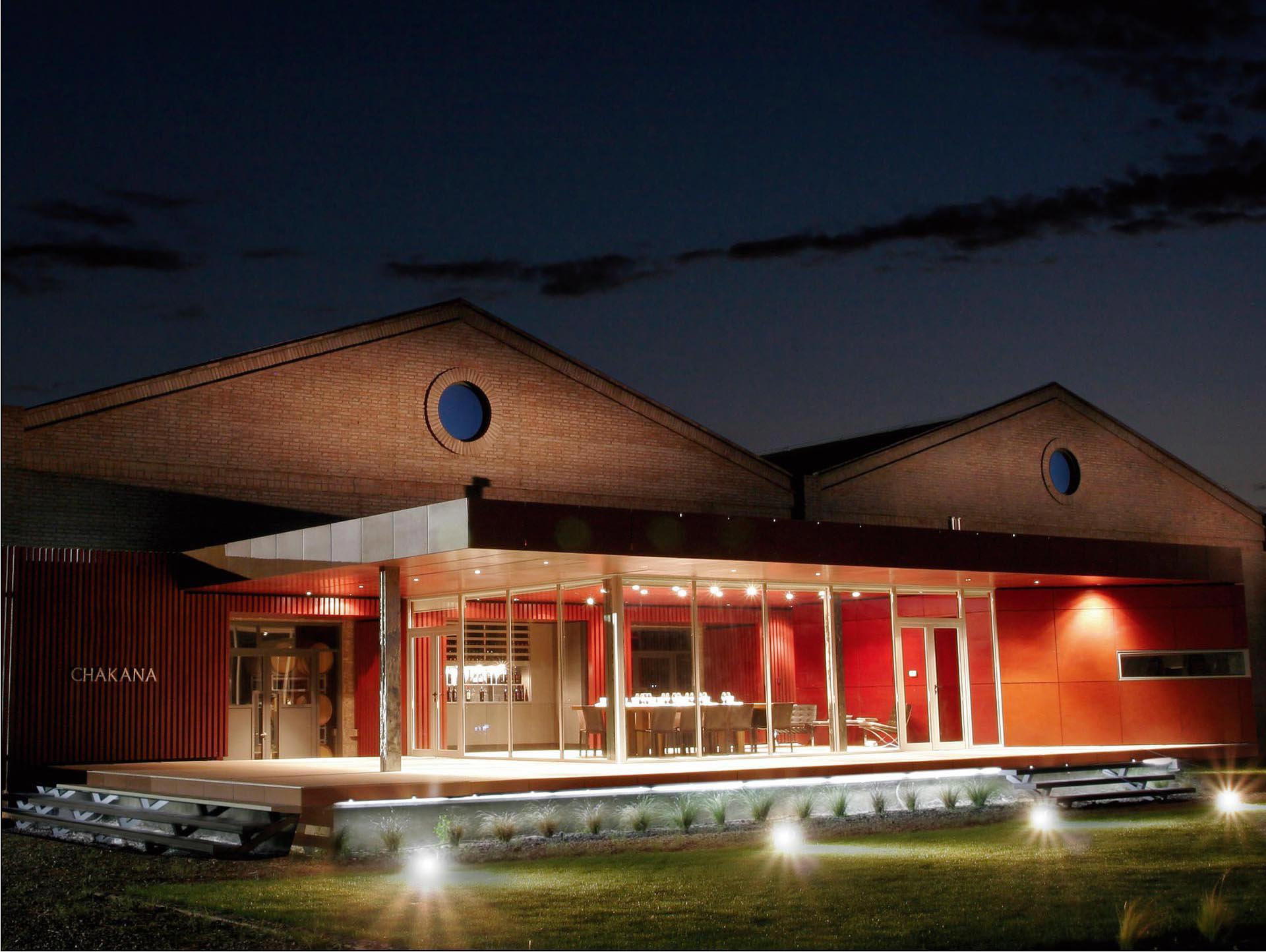
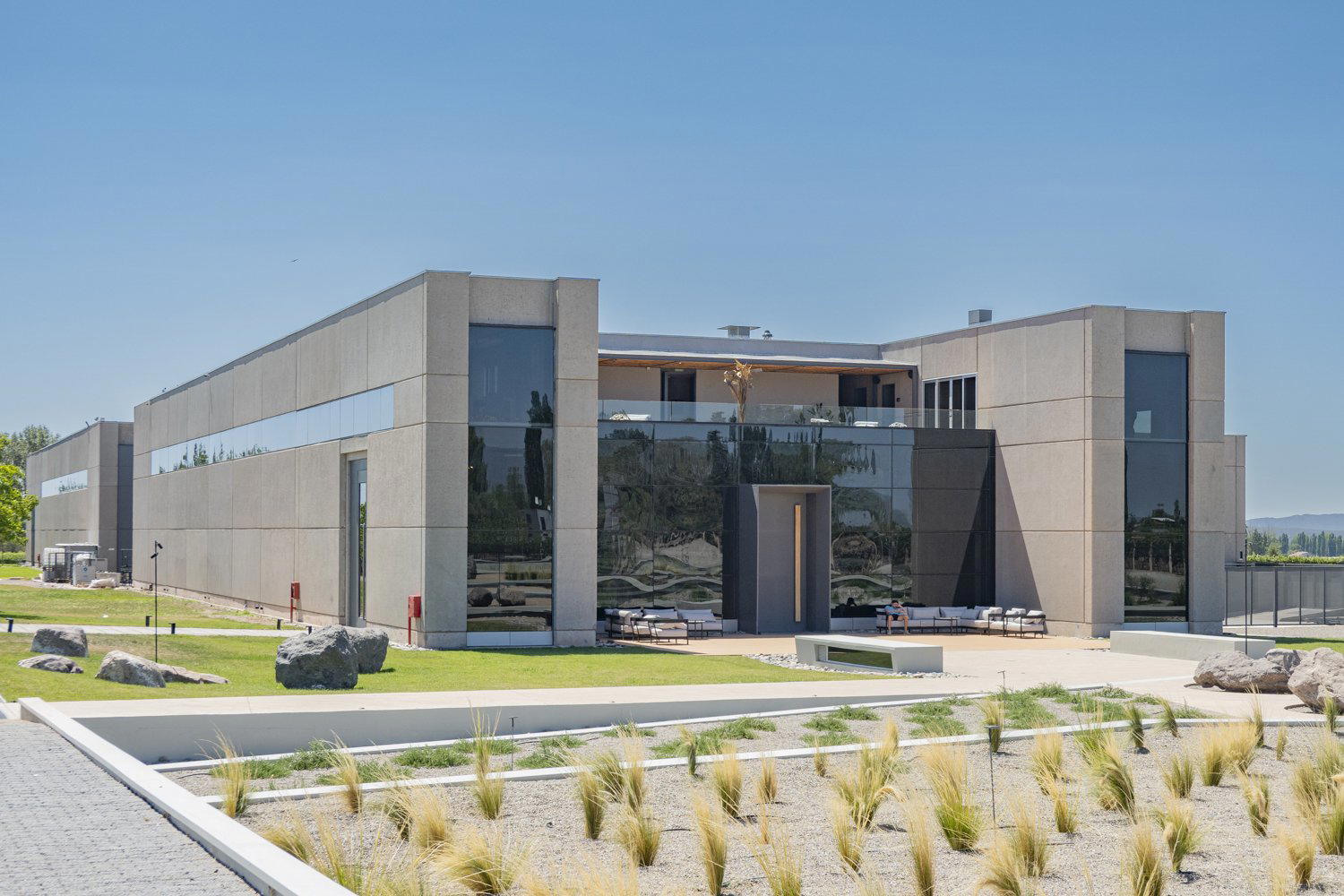
Imposing dining room with sophisticated, deliberate pacing and wine-centric focus amid the winery's dramatic architecture.