
A Michelin Plate-recognised contemporary restaurant in the wine village of Durbach, [maki:'dan] im Ritter sits at a price point that signals genuine kitchen ambition without the formality of the region's starred flagships.
Pearl is the En Primeur Club membership app — saves, bookings, and concierge access live there. Same editors, same standards.
- Address
- Tal 1, 77770 Durbach, Germany
- Phone
- +49 781 93230
- Website
- ritter-durbach.de
- Directions
- Get directions
 Saves & bookings on Pearl
![[maki:'dan] im Ritter restaurant in Durbach, Germany](https://cdn.enprimeurclub.com/storage/v1/object/public/images/locations/recnbHlFTLD8yNFP0/hero1.jpg?width=3840&quality=75)
Where the Black Forest Meets the Plate
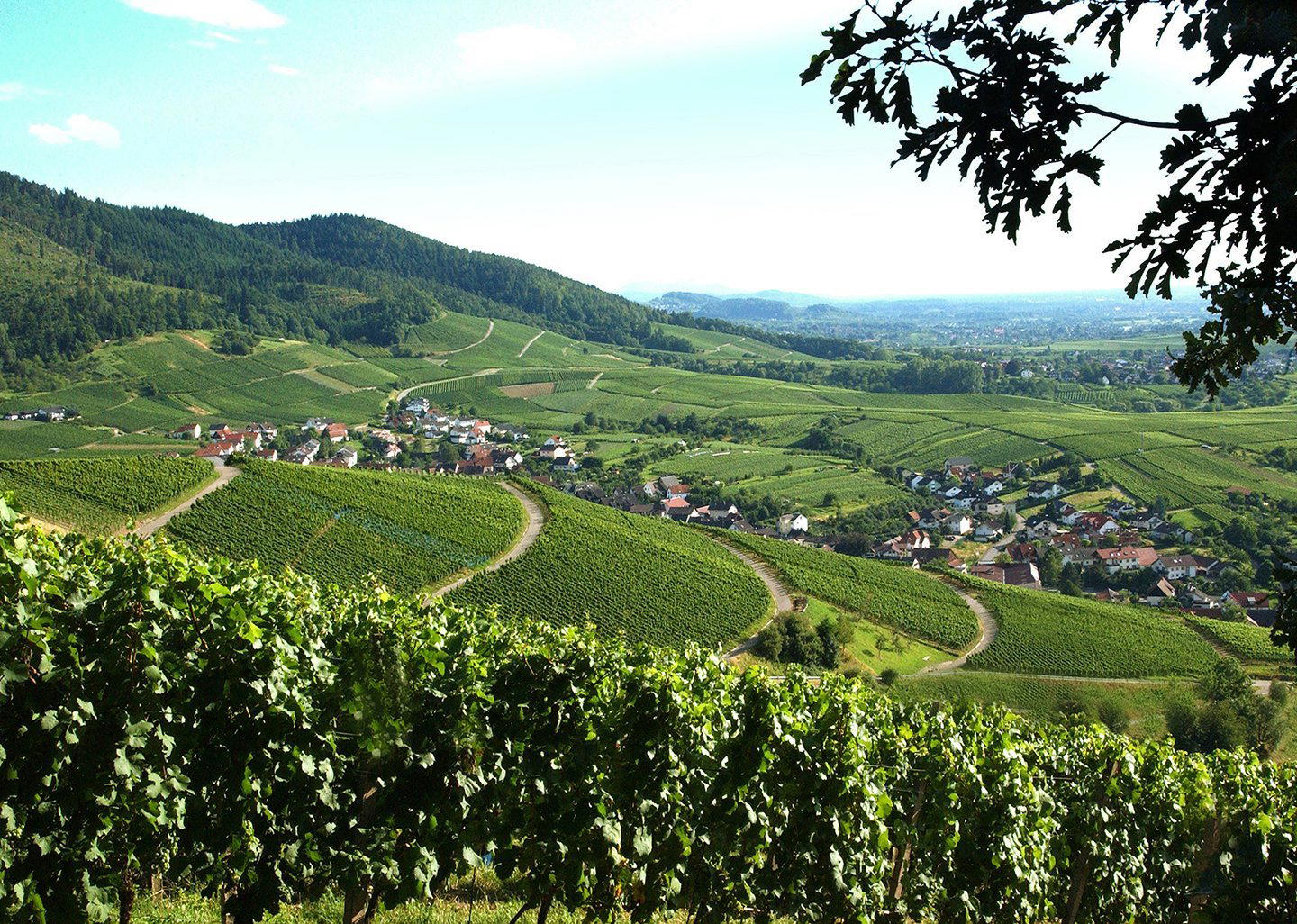
The approach to Durbach sets expectations clearly. The village sits in the Ortenau wine corridor, a stretch of Baden that produces some of Germany's warmest, ripest whites, and the landscape around Tal 1 is vineyard-dense in the way that reminds you how directly this part of the country ties what grows outside to what arrives at the table. Contemporary restaurants in wine-producing villages operate under a particular pressure: the sourcing story is already written by the geography, and the kitchen either honours that or ignores it. At [maki:'dan] im Ritter, the contemporary format signals a kitchen that intends to engage with that story rather than sidestep it.
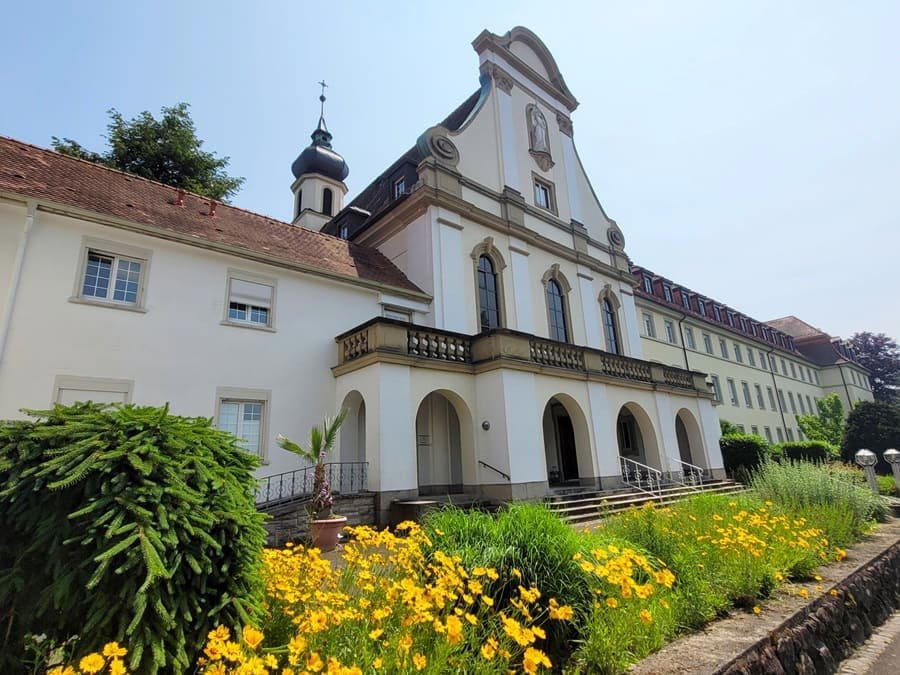
The address itself, inside the Ritter building in the village centre, places the restaurant in a tradition of Baden hospitality where the inn and the table have long been the same thing. That continuity matters in a region where dining culture runs deep and locals hold restaurants to a standard set by generations of serious cooking.
Contemporary Cooking in Wine Country: What the Format Signals
Baden's contemporary restaurant tier occupies an interesting position within Germany's broader fine dining map. The region's most celebrated kitchens, including Schwarzwaldstube in Baiersbronn, operate at the three-Michelin-star level with price points and formality to match. Below that, a layer of ambitious mid-tier restaurants works with similar ingredient seriousness but in formats that feel less ceremonial. [maki:'dan] im Ritter, priced at €155 per person, sits in this second tier, where the cooking earns attention without requiring the ritual of a full tasting-menu pilgrimage.
The Michelin Plate designation is worth understanding correctly. It signals that inspectors found cooking worth noting, a kitchen producing food at a consistent standard, but it does not carry the star hierarchy of venues like Aqua in Wolfsburg or Vendôme in Bergisch Gladbach. In practical terms, it positions [maki:'dan] im Ritter as a restaurant where the ambition is real and recognised, but the experience is closer to a serious dinner than a formal gastronomic event. For visitors to the Ortenau, that is often exactly the register required.
The Sourcing Context: What Baden's Wine Country Offers a Kitchen
The case for ingredient sourcing in this corner of Baden is direct to make. The Ortenau sits between the Rhine plain and the Black Forest foothills, a transition zone that produces a range of agricultural output well above the national average. Pinot Noir and Riesling dominate the slopes around Durbach specifically, and the village's own wineries have maintained a reputation for Spätburgunder (Pinot Noir) with genuine structure and age-worthiness. For a contemporary kitchen at this address, the wine pairing question is almost answered before service begins.
Beyond wine, Baden's proximity to Alsace, its shared climate profile, and its market infrastructure mean access to foie gras, game, white asparagus in season, and fish from both the Rhine and Black Forest streams. Contemporary German cooking in this region frequently draws on that cross-border larder, combining French technique with German seasonal rigour. The result, at its leading, is a style of cooking that feels grounded rather than imported, specific to a geography rather than applied to it. For those travelling with serious food interests, the full Durbach restaurants guide maps out how this regional character plays across different kitchens in the village, including Rebstock, which takes a country-cooking approach to similar local materials.
Where [maki:'dan] im Ritter Sits in the National Contemporary Tier
Germany's contemporary restaurant category has widened considerably over the past decade. Creative formats like CODA Dessert Dining in Berlin and precise modern European cooking at JAN in Munich represent the upper end of that spectrum. Further along, kitchens like Schanz in Piesport and Restaurant Haerlin in Hamburg demonstrate how regional identity can sit within a technically demanding contemporary framework. ES:SENZ in Grassau and Victor's Fine Dining by Christian Bau in Perl and Waldhotel Sonnora in Dreis sit at the starred end of that regional-contemporary conversation.
The restaurant competes below those flagships but participates in the same broader argument: that serious cooking does not require an urban address or a starred dining room.
The contemporary category itself, as practised across smaller German cities and wine-country towns, tends to prioritise seasonal rotation over fixed menus, with sourcing from within a defined regional radius. That structural choice has editorial consequences: the menu changes, dishes evolve, and what arrives at the table reflects what was available that week rather than what was photographed for a website. For the diner, that requires a degree of trust in the kitchen's judgment. For kitchens operating in Baden, with the Ortenau's agricultural depth behind them, that trust is usually rewarded.
Planning a Visit
Durbach sits roughly 10 kilometres east of Offenburg, which has direct rail connections to Karlsruhe and Freiburg. Arriving by car allows more flexibility to explore the surrounding wine estates before or after dinner, and the Durbach wineries guide covers that part of the itinerary in detail. For those building a longer stay, the Durbach hotels guide and bars guide provide the surrounding context, while the experiences guide covers what else the area offers beyond the table.
The €€€ price positioning places the restaurant in a bracket where a full dinner with wine will require planning but not the commitment of the region's starred rooms. Booking in advance is advisable for weekends.
For those comparing contemporary formats at a similar price tier internationally, the conversation extends to venues like César in New York City and Jungsik in Seoul, both of which operate within a contemporary idiom that prioritises ingredient identity and seasonal precision. The comparison is instructive not because the cooking styles overlap, but because the underlying philosophy, that a contemporary kitchen should reflect where it is and what is available, travels across different geographies.
What the Dish Reputation Tells Us
What the restaurant is known for points back to the format itself: contemporary cooking in a Baden wine-village setting, informed by the Ortenau's agricultural output. In a village where the wine identity is this well-defined, the food that earns sustained attention is typically the food that converses with it directly. The 4.4 rating across a meaningful volume of reviews suggests the kitchen is holding that line.
Fast Comparison
Comparable venues nearby, for context on price, style, and recognition.
| Venue | Cuisine | Price | Awards | Notes |
|---|---|---|---|---|
| [maki:'dan] im RitterThis venue — the venue you are viewing | Modern Black Forest Cuisine | $$$$ | Michelin Plate | Not listed |
| Rebstock | Traditional German Black Forest Cuisine | $$$ | Michelin Plate | Durbach |
| Hofgut Albführen | German Farm-to-Table Fine Dining | $$$$ | Michelin Plate | Dettighofen |
| Ponyhof Stammhaus by Tobias Wussler | Modern German Contemporary | $$$ | Michelin Plate | Gengenbach |
| Winzerhaus Rebstock | Traditional Badisch-Alsatian Regional Cuisine | $$$ | Michelin Plate | Vogtsburg im Kaiserstuhl |
| H'manns | Classic German Fine Dining | $$$$ | Michelin Plate | Neuleiningen |
Recognition history
Dated appearances from independent guides and award organizations, with the underlying list record or original source where available.
Michelin Plate
Michelin
Continue exploring
More in Durbach
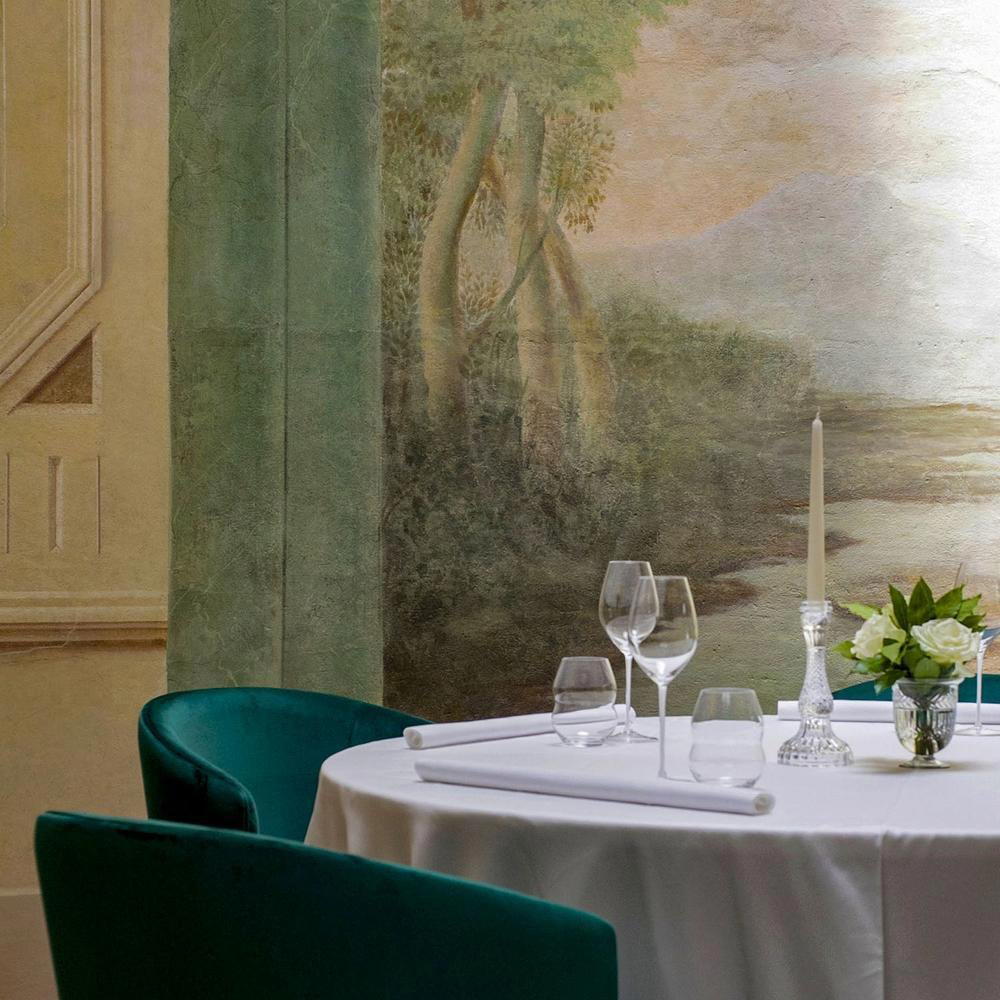
Restaurants in Durbach
Browse all →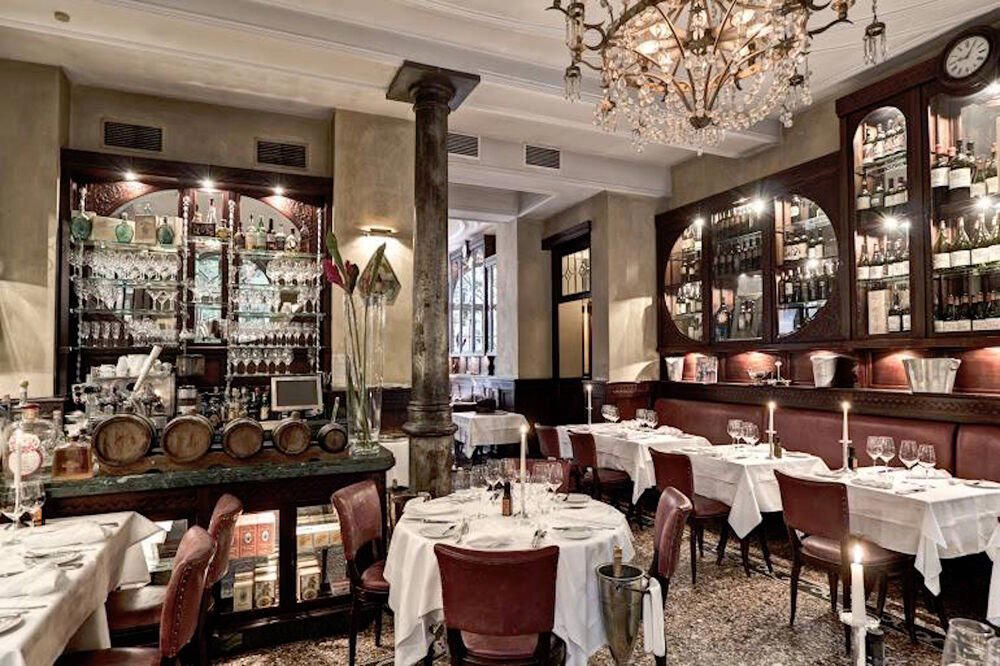
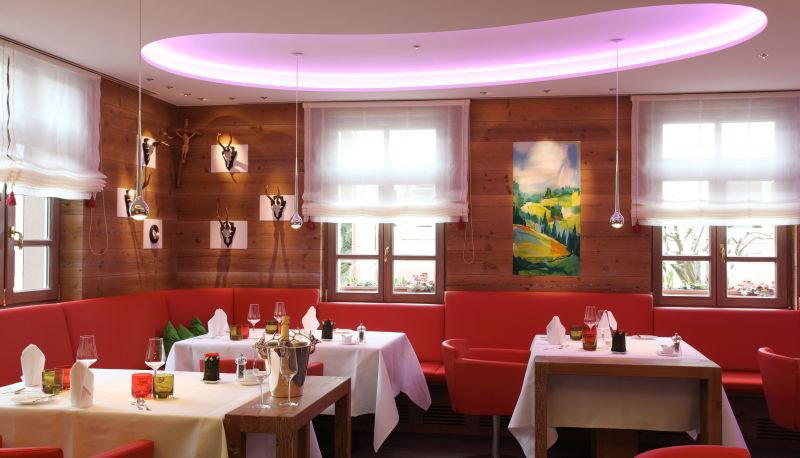
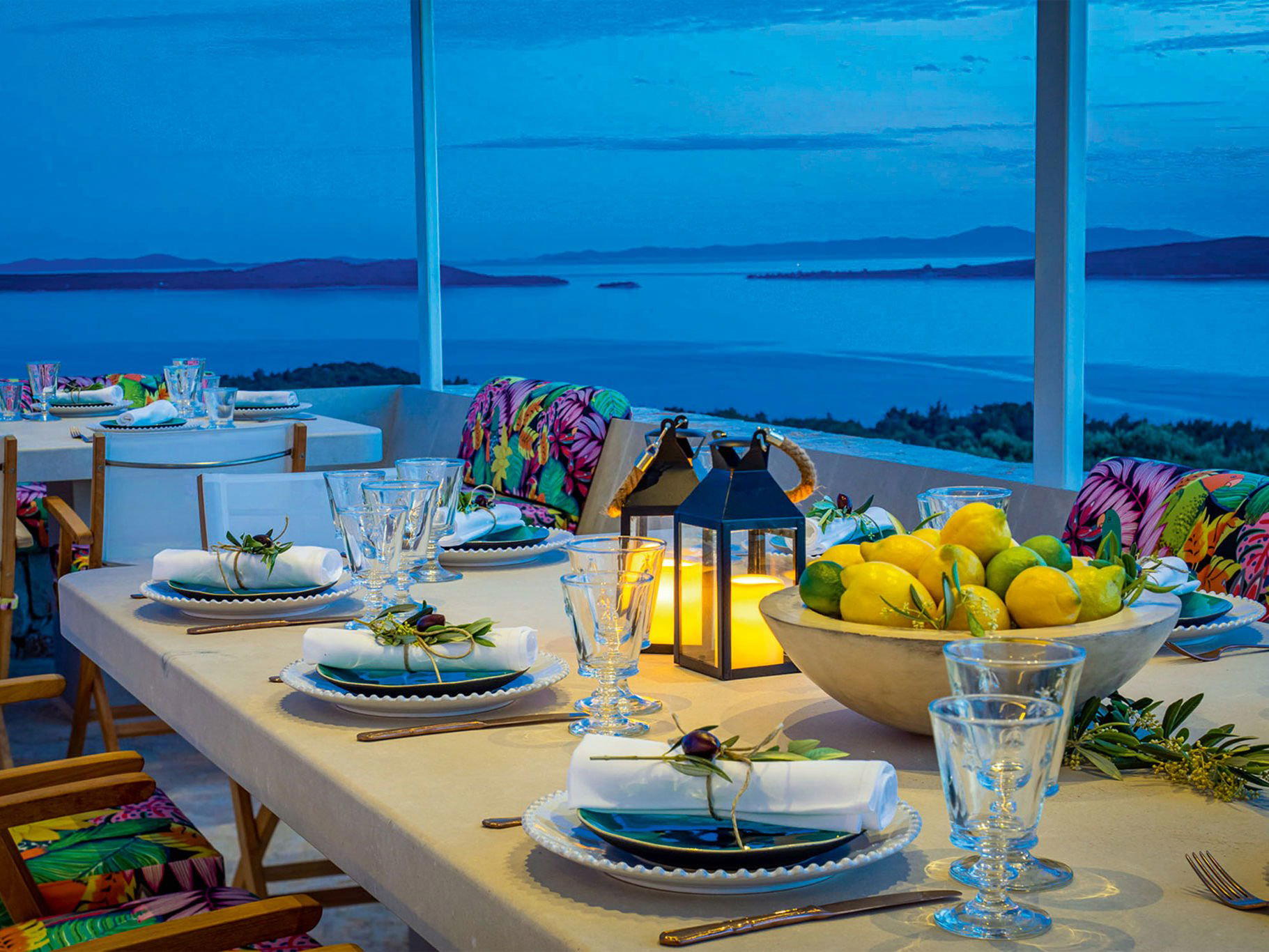
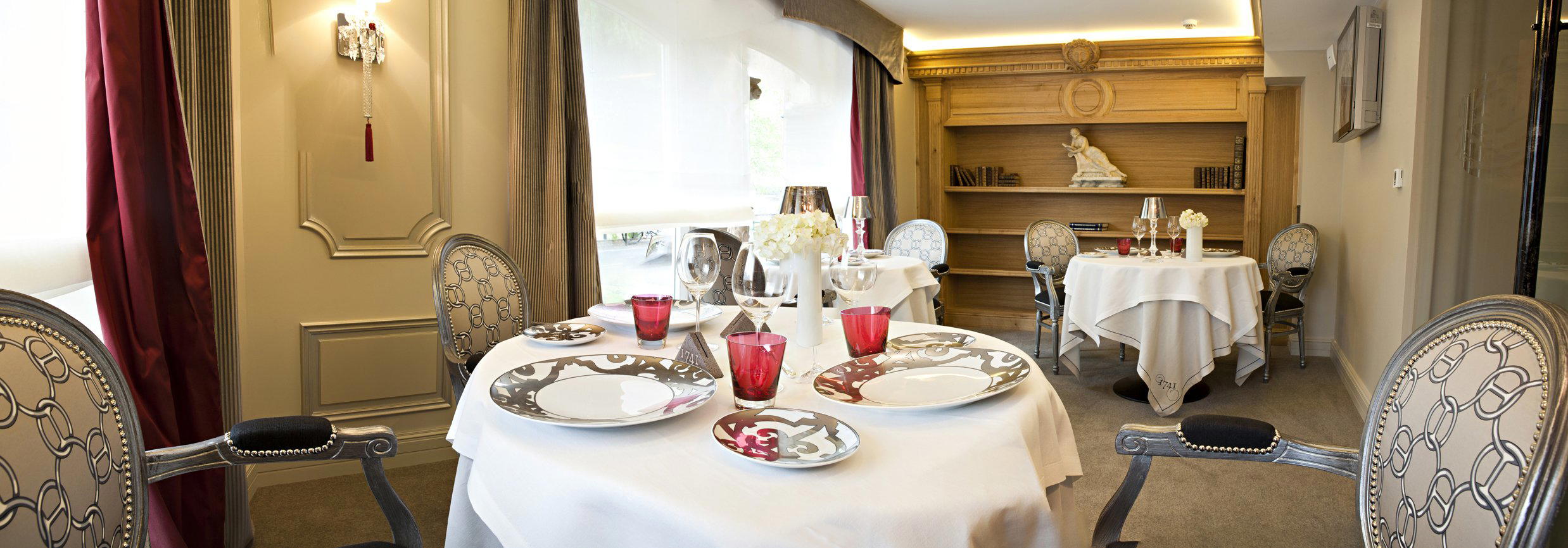
Bars in Durbach
Browse all →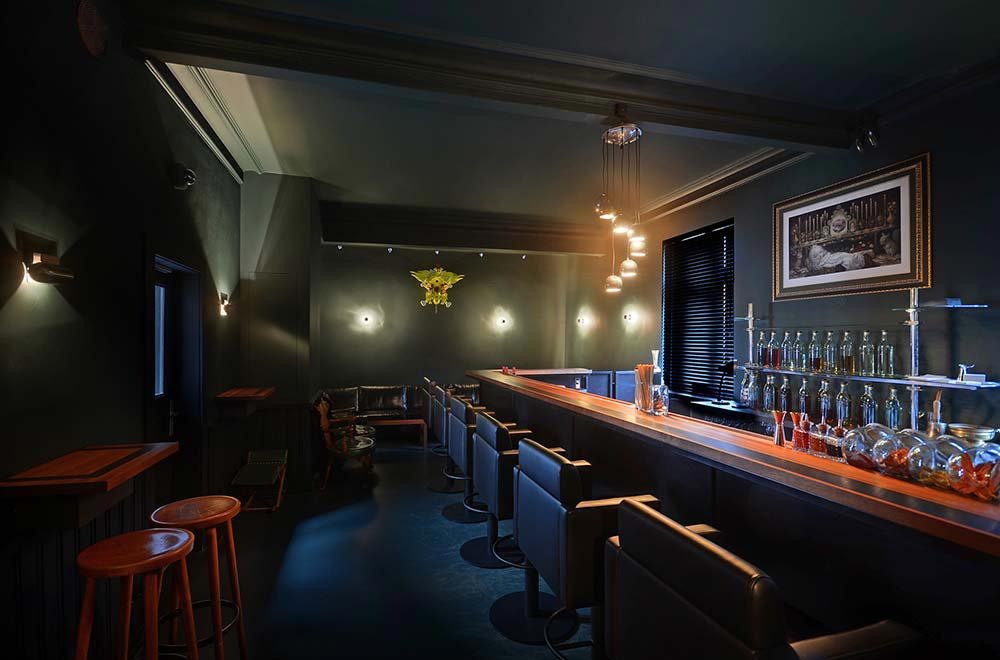
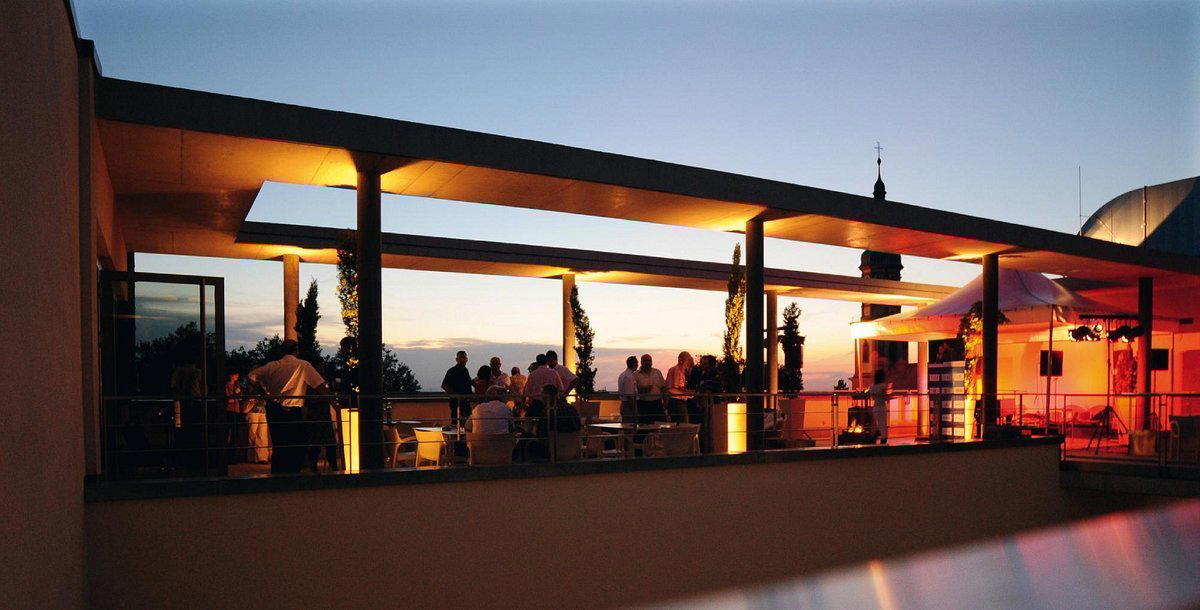
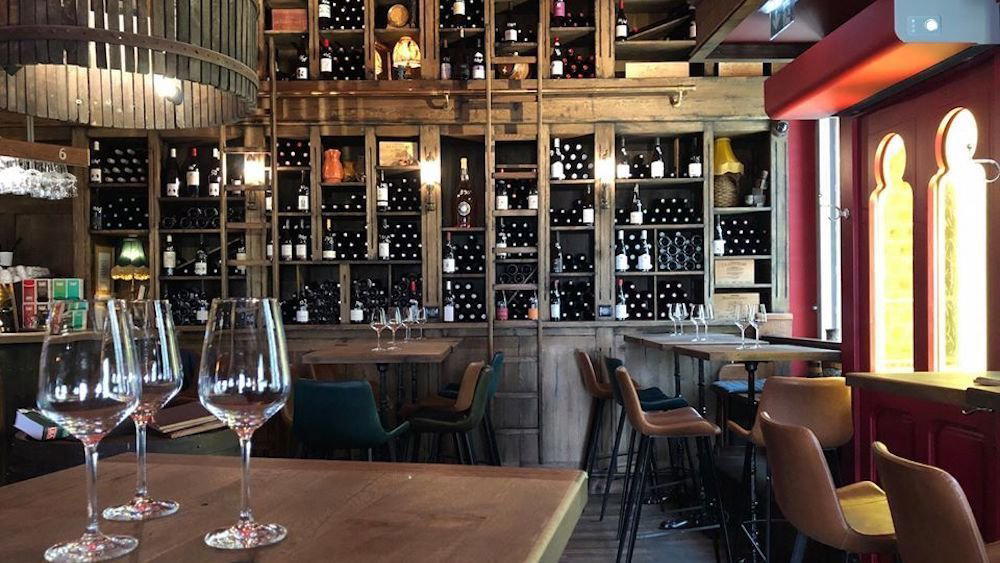

Hotels in Durbach
Browse all →
At a Glance
- Elegant
- Intimate
- Cozy
- Sophisticated
- Modern
- Date Night
- Special Occasion
- Celebration
- Historic Building
- Hotel Restaurant
- Private Dining
- Sommelier Led
- Local Sourcing
Current opening hours
- Monday
- 6–10 PM
- Tuesday
- 6–10 PM
- Wednesday
- 6–10 PM
- Thursday
- 6–10 PM
- Friday
- 6–10 PM
- Saturday
- 6–10 PM
- Sunday
- 6–10 PM
Hours can change for holidays and private events. Last verified .
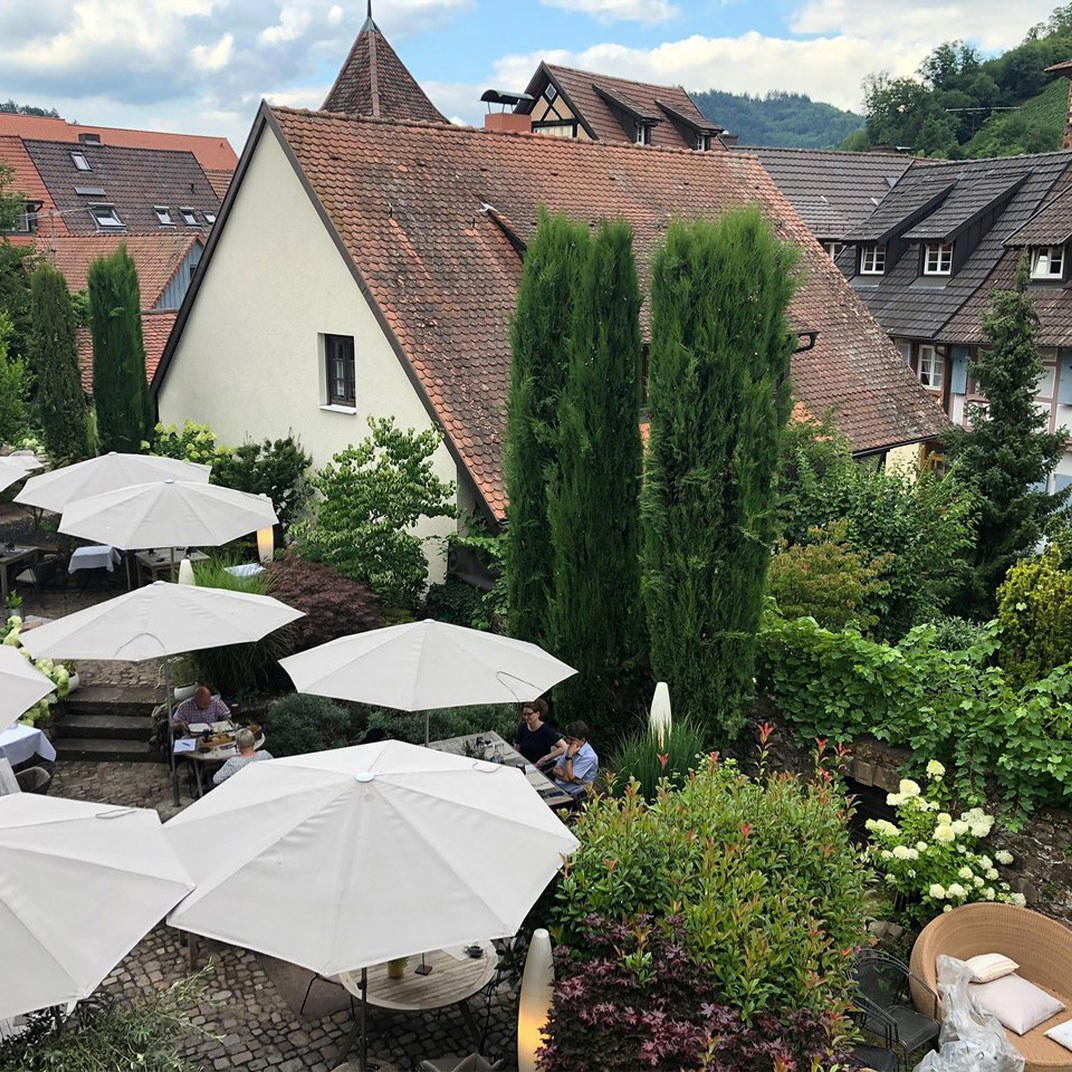
Warm, tactile elegance with subdued lighting, wood and stone accents, and a measured rhythm that invites contemplation; the historical bones of the space create a private yet welcoming atmosphere.