Buri Omakase

Buri Omakase brings the counter-dining discipline of Japanese omakase to Palermo, earning consecutive Michelin Plate recognition in 2024 and 2025. At a $$$ price point, it occupies a distinct tier in Buenos Aires's growing Japanese dining scene, where the format itself, sequential courses, chef-led pacing, no menu negotiations, does most of the talking..
Pearl is the En Primeur Club membership app — saves, bookings, and concierge access live there. Same editors, same standards.
- Address
- Guatemala 5781, C1425 Cdad. Autónoma de Buenos Aires, Argentina
- Phone
- +54 11 6584-8386
- Website
- linktr.ee
- Directions
- Get directions
 Saves & bookings on Pearl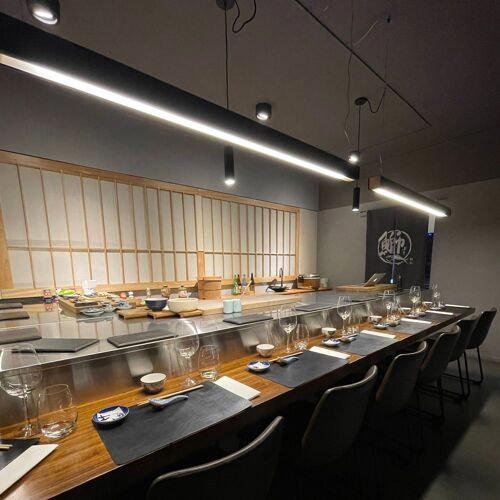
Where Japanese Counter Culture Lands in Palermo
Guatemala Street in Palermo has become one of Buenos Aires's more reliably interesting dining corridors, where neighbourhood trattorias sit alongside wine bars and the occasional format-forward restaurant that requires a little more from its guests. Buri Omakase belongs to the latter category. The physical approach signals the shift: you are not walking into a parilla, a brasserie, or a shared-plates room. The counter format, the deliberate pacing, the absence of a printed menu to browse, these are not stylistic choices so much as the architecture of the omakase tradition itself, transplanted from Tokyo's tasting counter culture to the Argentine capital's most food-literate neighbourhood.
Omakase, literally "I leave it to you" in Japanese, transfers full editorial control of the meal to the kitchen. That compact negotiation, the guest relinquishes choice, the chef accepts responsibility, is what separates this format from a tasting menu with theatrical plating. At counters in Tokyo's Ginza and Azabu districts, where venues like Myojaku and Azabu Kadowaki operate at the highest tier of the form, the rhythm of the evening is inseparable from the physicality of the counter: the chef works close, courses arrive at intervals that dictate conversation, and the sequence builds with intent. Buri carries that structural logic into Palermo.
Buenos Aires and the Japanese Dining Shift
Argentina's relationship with Japanese cuisine runs deeper than most visitors expect. The country holds one of Latin America's larger Nikkei communities, and Buenos Aires has long supported a tier of Japanese restaurants operating well above the all-you-can-eat conveyor belt. What has shifted in the past decade is the appetite for format-specific experiences: the omakase counter, where the discipline of the meal is the point, rather than a broad menu from which diners self-curate. Buri operates alongside Uni Omakase in a small cohort of venues testing whether Buenos Aires diners will commit to the terms the format demands.
Those terms are not trivial. Omakase counters typically require advance booking, upfront payment or deposits, and a willingness to eat on the kitchen's schedule rather than your own. In a city where dinner rarely begins before 9pm and stretches comfortably past midnight, the structured pacing of a counter service represents a genuine cultural negotiation.
Michelin Recognition in Context
The Michelin Plate, awarded to Buri in both 2024 and 2025, sits below the star tiers but represents meaningful recognition in a guide that only arrived in Buenos Aires recently. For context, Plate recognition signals that inspectors found cooking of consistent quality worth noting. For a Japanese counter operating in a city where the guide's evaluative framework was built primarily around European and Latin American dining traditions, consecutive Plate recognition is a signal worth taking seriously.
At a $$$ price point, Buri positions itself in the mid-to-upper tier of Buenos Aires dining, sitting above casual neighbourhood restaurants but below the $$$$ bracket occupied by Aramburu, Don Julio, and similarly awarded venues. The omakase offer at about USD 120 per person sits in the mid-to-upper tier of Buenos Aires dining and offers solid value for the format.
The Cultural Weight of the Format
Japanese omakase carries specific cultural freight that is worth understanding before you book. The counter is not merely a seating arrangement but a theatre of competence: you watch the preparation, you receive each course directly, and the meal unfolds as a statement of the kitchen's current priorities, which in traditional practice means what is seasonal, what arrived fresh that day, and what the chef judges to be at its peak. The format has roots in sushi-ya culture, where the itamae's relationship with the morning market determined what would be served that evening. That connection to seasonality and immediacy is what separates a well-executed omakase from a fixed tasting menu with Japanese aesthetic influences.
Seasonality matters here in a way that cuts both ways for Buenos Aires. Argentina's seasons run inverse to the Northern Hemisphere, which means the Japanese culinary calendar, spring blossom ingredients, summer fish runs, autumn mushrooms, winter root preparations, requires reinterpretation. How any Buenos Aires omakase counter handles that negotiation, whether leaning on imported Japanese product, sourcing Argentine seasonal produce, or finding intelligent synthesis, shapes the character of the meal more than any single technique or presentation choice.
Palermo as a Dining Address
Guatemala 5781 places Buri in Palermo Soho, the neighbourhood that has absorbed the bulk of Buenos Aires's format-forward restaurant openings over the past fifteen years. The area rewards evening exploration: a meal at Buri pairs naturally with drinks at one of the neighbourhood's better bars, covered in the neighbourhood bars nearby.
For travellers using Buenos Aires as a gateway to wider Argentina, the contrast between Buri's counter discipline and the open-fire cooking at estancias like La Bamba de Areco, or the wine-table dining at Cavas Wine Lodge in Mendoza, illustrates how wide Argentina's dining range has become. The country's food travel circuit now runs from Andean wine tables at Azafrán to remote lodge dining at EOLO in Patagonia and jungle-adjacent hospitality at Awasi Iguazu, with El Colibrí adding a further regional dimension.
Planning Your Visit
Buri Omakase is at Guatemala 5781, Palermo Soho, Buenos Aires. Reservations are essential, and counter seating means booking well in advance is wise, especially on weekends. At about USD 120 per person, dinner for two will be a meaningful spend by local standards.
Peers in This Market
Comparable venues nearby, for context on price, style, and recognition.
| Venue | Cuisine | Price | Notes |
|---|---|---|---|
| Buri OmakaseThis venue — the venue you are viewing | Modern Japanese Omakase | $$$ | Not listed |
| Uni Omakase | Modern Japanese Omakase | $$$$ | Palermo |
| Kōnā | Traditional Japanese | $$$ | Belgrano |
| Raggio Osteria | Italian Osteria | $$$ | Palermo |
| Fervor | Traditional Argentine Steakhouse & Grill | $$$ | Recoleta |
| Corte Comedor | Modern Argentine Parrilla | $$$ | Belgrano |
Recognition history
Dated appearances from independent guides and award organizations, with the underlying list record or original source where available.
Michelin Plate
Michelin
Michelin Plate
Michelin
Michelin Plate
Michelin
Continue exploring
More in Buenos Aires
Restaurants in Buenos Aires
Browse all →
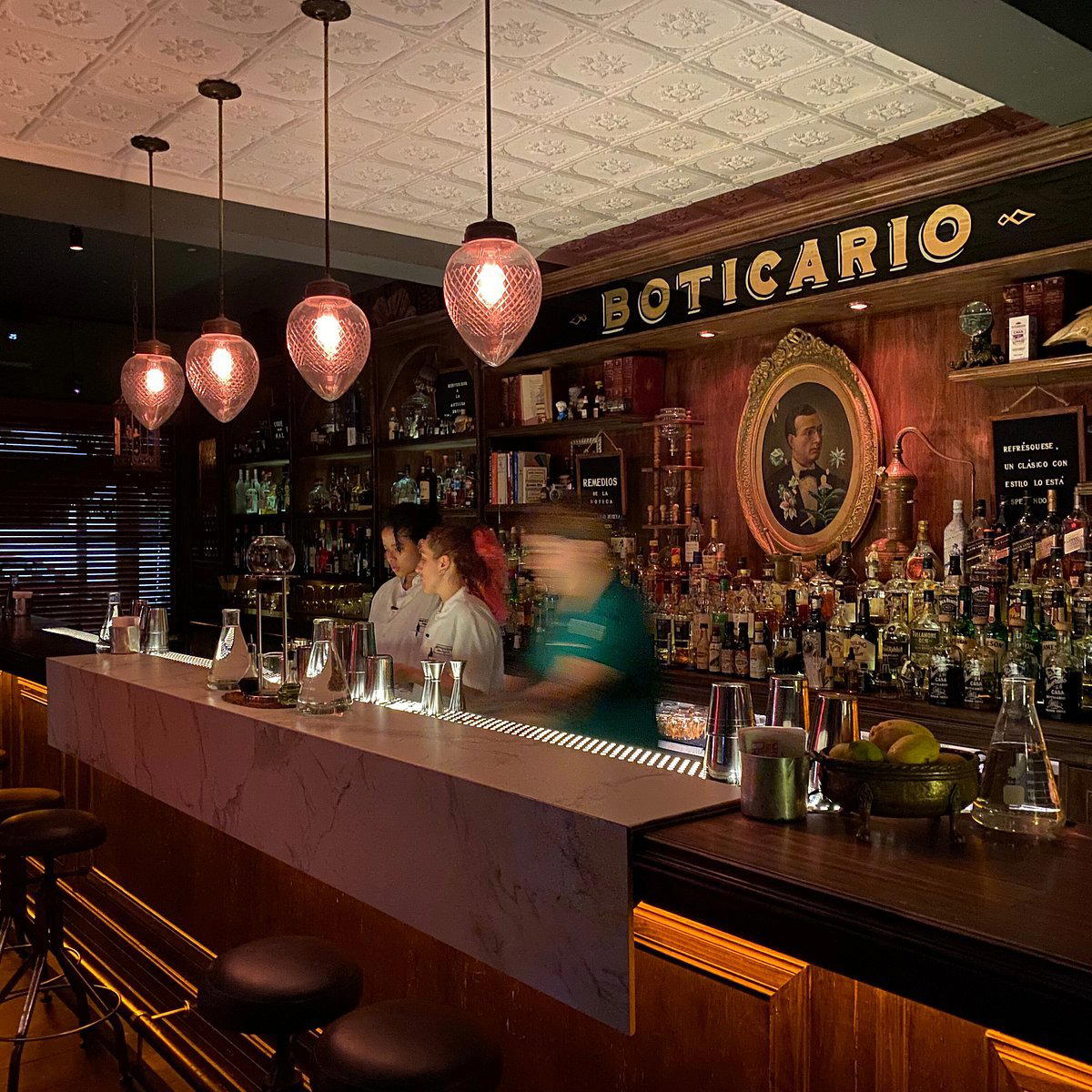
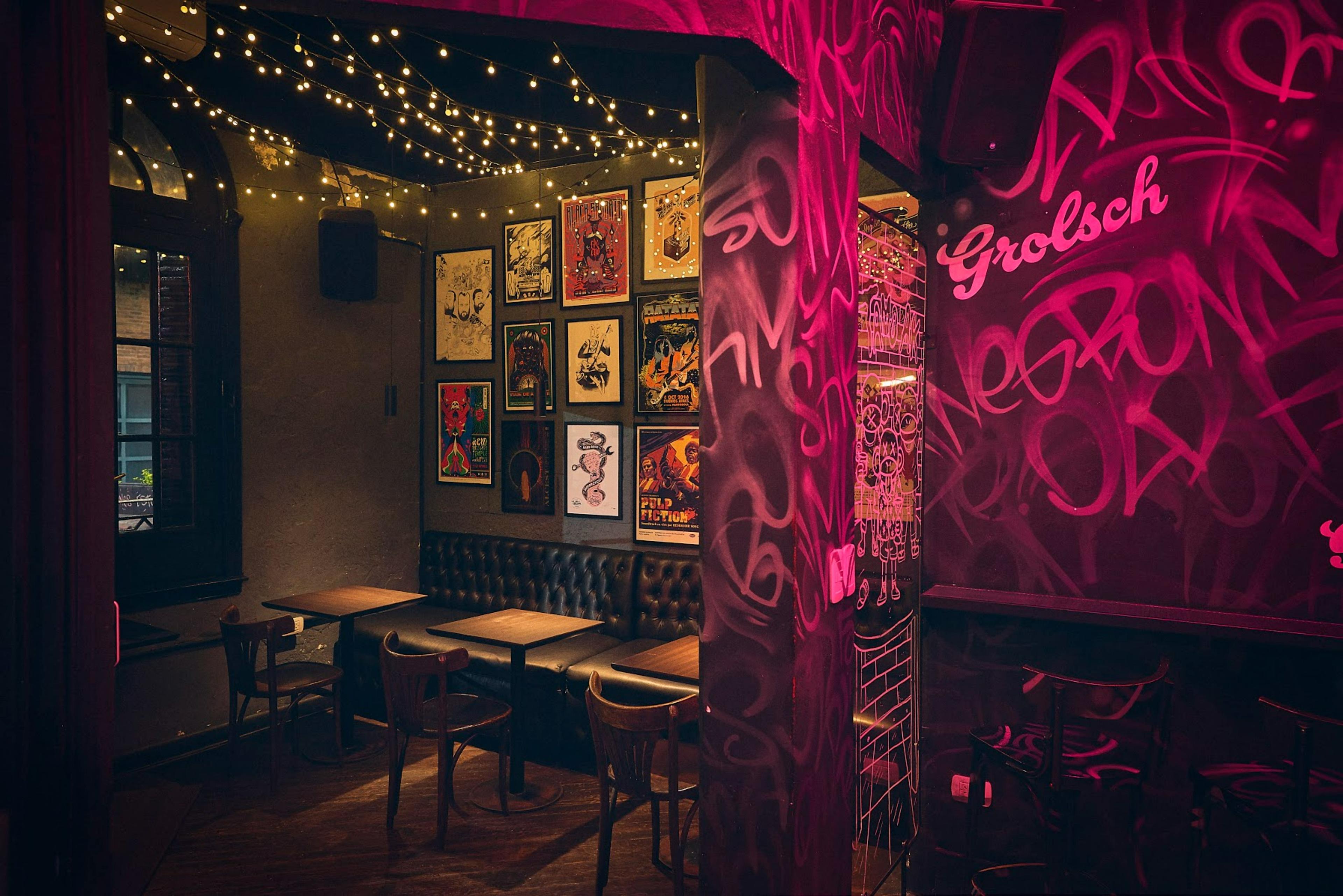
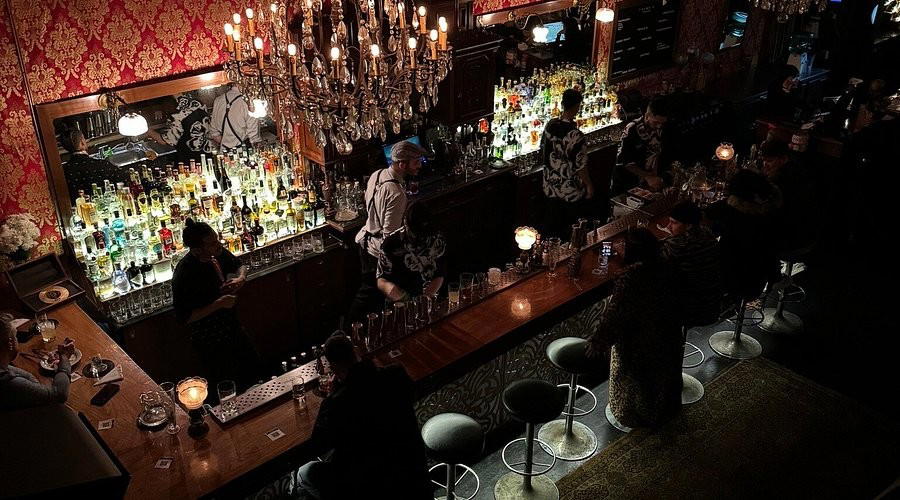
Bars in Buenos Aires
Browse all →
Hotels in Buenos Aires
Browse all →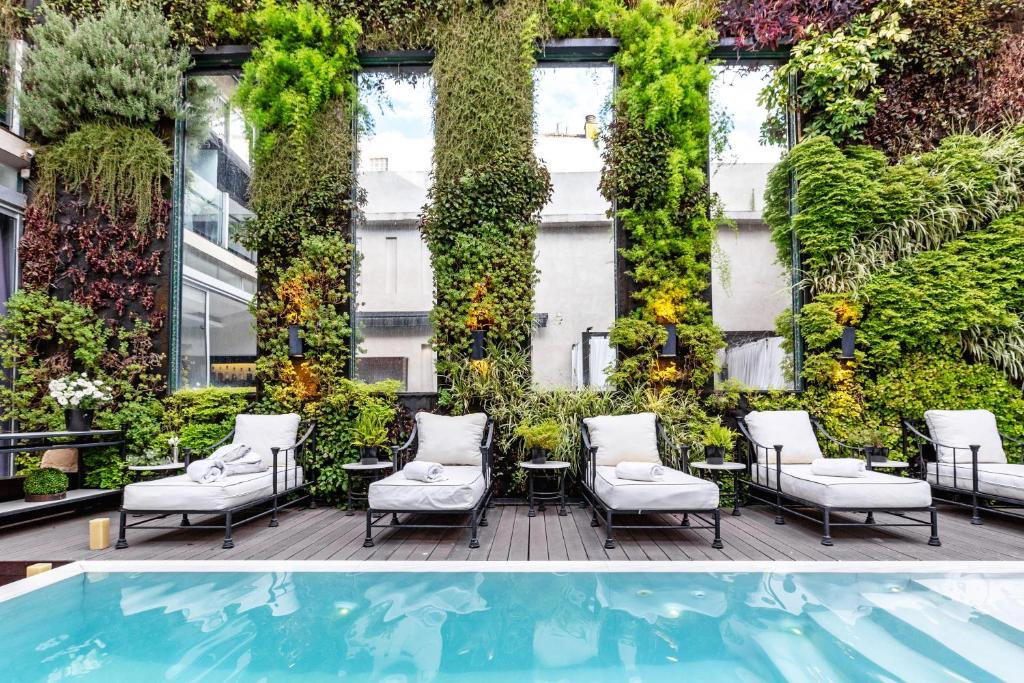
Wineries in Buenos Aires
Browse all →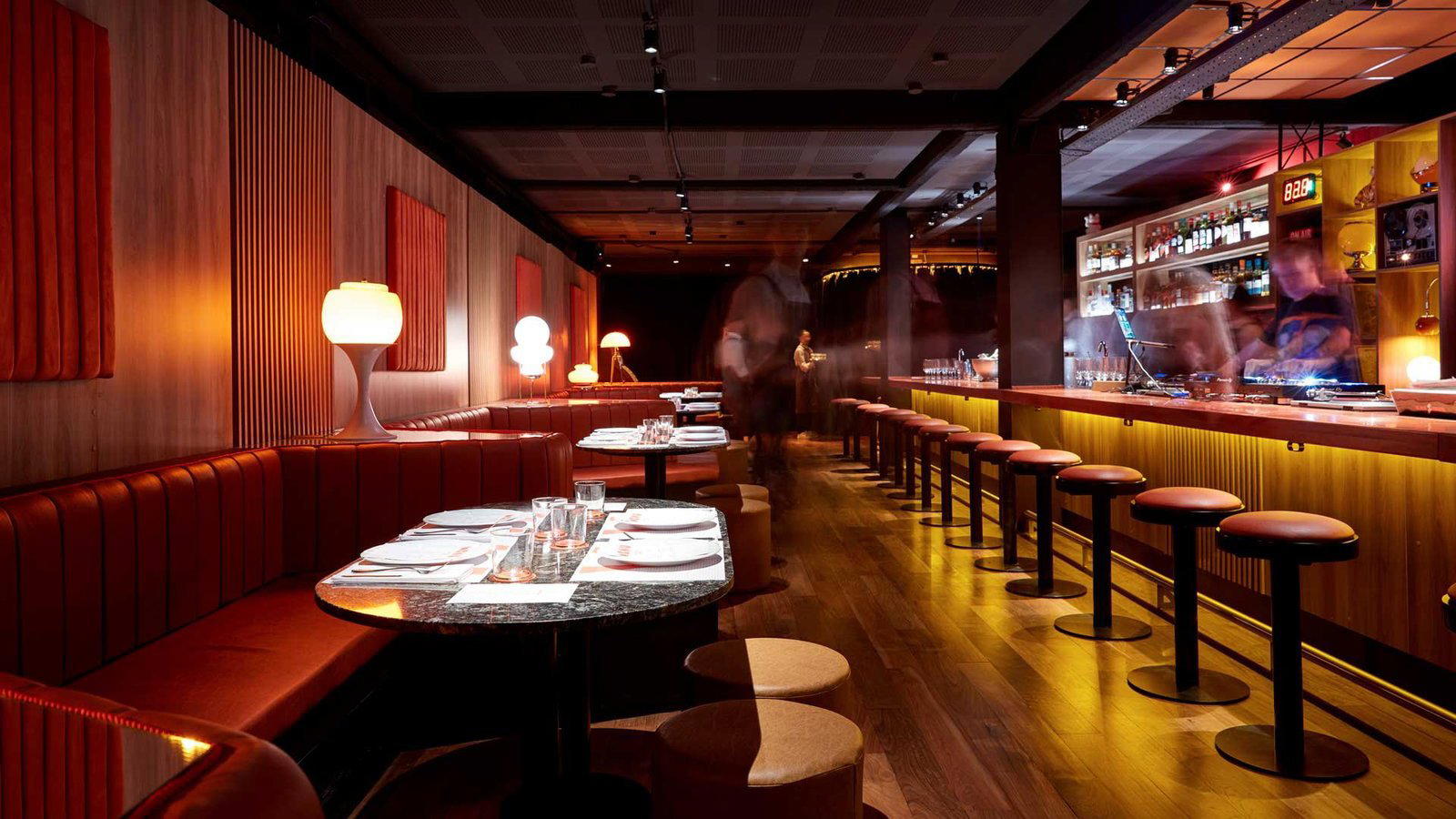
At a Glance
- Intimate
- Sophisticated
- Elegant
- Date Night
- Special Occasion
- Chefs Counter
- Open Kitchen
- Extensive Wine List
- Sommelier Led
- Local Sourcing
- Sustainable Seafood
Current opening hours
- Monday
- Closed
- Tuesday
- 8:30 PM–12 AM
- Wednesday
- 8:30 PM–12 AM
- Thursday
- 8:30 PM–12 AM
- Friday
- 7:30 PM–12 AM
- Saturday
- Closed
- Sunday
- Closed
Hours can change for holidays and private events. Last verified .
Simple, neat bar with polished service; minimalist aesthetic focused entirely on the omakase experience with a welcoming and professional atmosphere.