
Tabelog Bronze #6
Our verdict
Akita’s Italian dining scene is strongest when it treats the prefecture as a larder rather than a backdrop. affetto akita works in that register, linking Yurihonjo ingredients, fish-led cooking, wine and a compact course format with Tabelog Award Bronze recognition in 2025 and 2026, plus selection for Tabelog Italian EAST 100 in 2023 and 2025.

Pearl is the En Primeur Club membership app — saves, bookings, and concierge access live there. Same editors, same standards.
- Address
- Japan, 〒015-0809 Akita, Yurihonjo, Honjo, 64 AIBAビル
- Phone
- +81 184-44-8333
- Hours
- Mon–Sat 11:30 AM–1:30 PM, 6–9 PMSun Closed
- Website
- affetto-akita.jp
- Directions
- Get directions
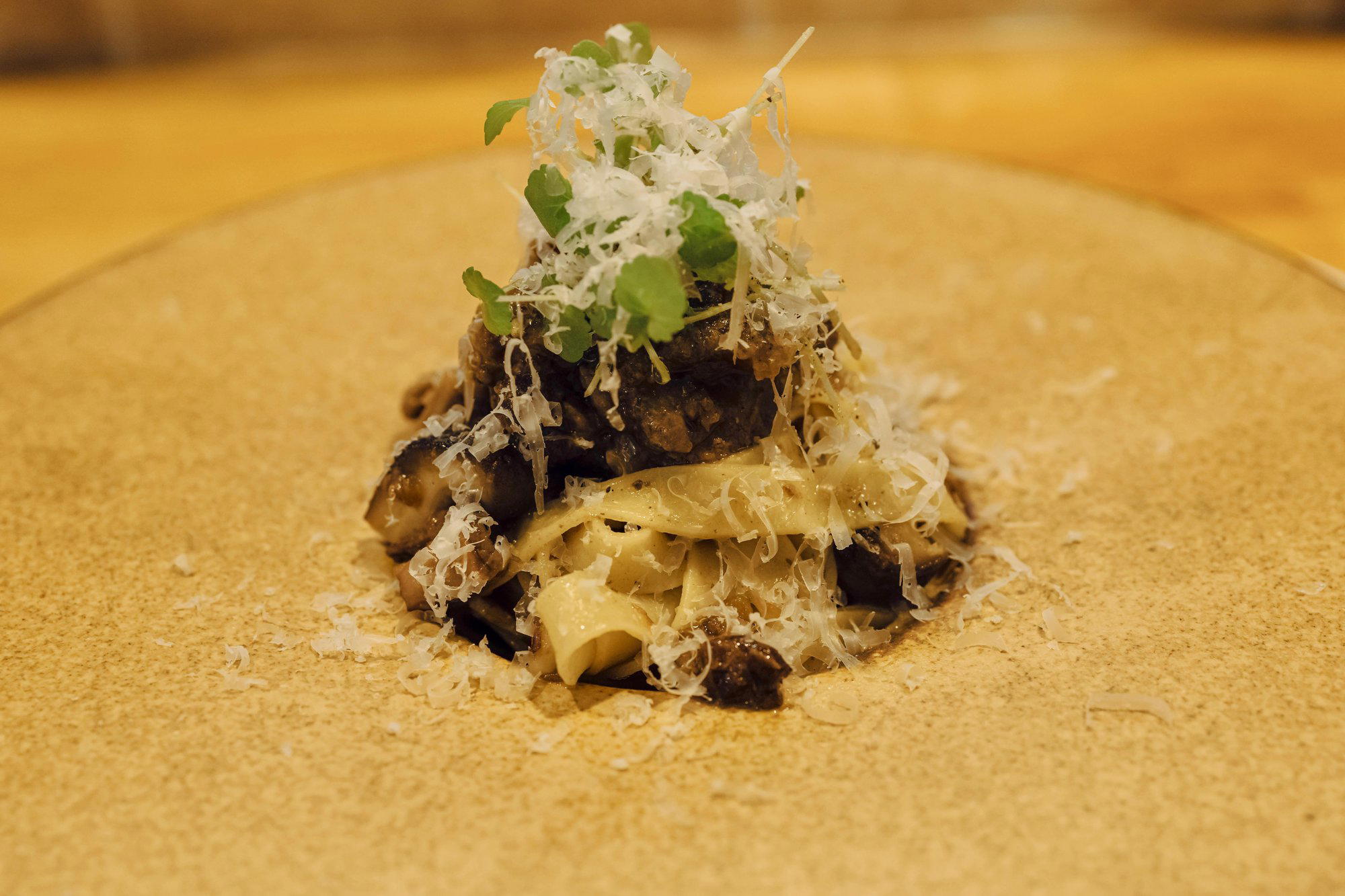
Serious dining in Yurihonjo is quieter than in Japan’s larger restaurant cities: fewer neon cues, less theatre at the door, more focus on produce, season and table. That restraint suits Akita, whose food identity is tied to rice, sake, mountain vegetables, coastal fish and agricultural rhythms around the Sea of Japan. Here, Italian cooking becomes interesting when it stops chasing metropolitan polish and asks what Akita can supply.
affetto akita belongs to the regional Japanese Italian category where the point is translation, not imported glamour. The kitchen is listed as Italian, but sourcing is the better lens: seasonal Akita ingredients, with a stated focus on Yurihonjo, shaped into a course meal rather than casual pasta-and-wine dining. That matters. Regional Italian in Japan can be comfort food or a serious vehicle for local fish, vegetables and fermentation-adjacent umami. Its awards profile places this restaurant in the latter conversation.
Yurihonjo ingredients give the Italian format its reason to travel
Akita is not an obvious stop on the international Italian dining circuit, which is why sourcing carries weight. A Tokyo restaurant can buy prestige; a Yurihonjo restaurant must make locality persuasive. The stated emphasis on seasonal Akita ingredients, especially from Yurihonjo, gives the meal its logic. Fish is singled out, and wine is part of the structure rather than an afterthought, placing the restaurant closer to contemporary Japanese counter dining than old-school trattoria culture.
The Tabelog signals are substantial for a regional Italian address: The Tabelog Award Bronze in 2025 and 2026, selection for Tabelog Italian EAST 100 in 2023 and 2025, and a score just above the four-point threshold in recent listings. In Japan, where Tabelog scores can influence bookings, that reads as more than local popularity. It suggests judgment against a wider eastern Japan Italian field, not only other Akita Prefecture dining rooms.
That context matters because Akita’s better-known dining categories are local beef, Hinai-jidori chicken, sake bars and regional cooking. Travellers might compare the choice with beef-focused rooms such as Akita Gyugentei Ekimae honten or Akita Gyugentei Sannou bekkan, or chicken-led regional cooking at Akita Hinaiya Oodate honten. affetto akita asks for a different evening: less a single local specialty, more a rural prefecture read through an Italian sequence.
A compact course restaurant, not a casual regional stop
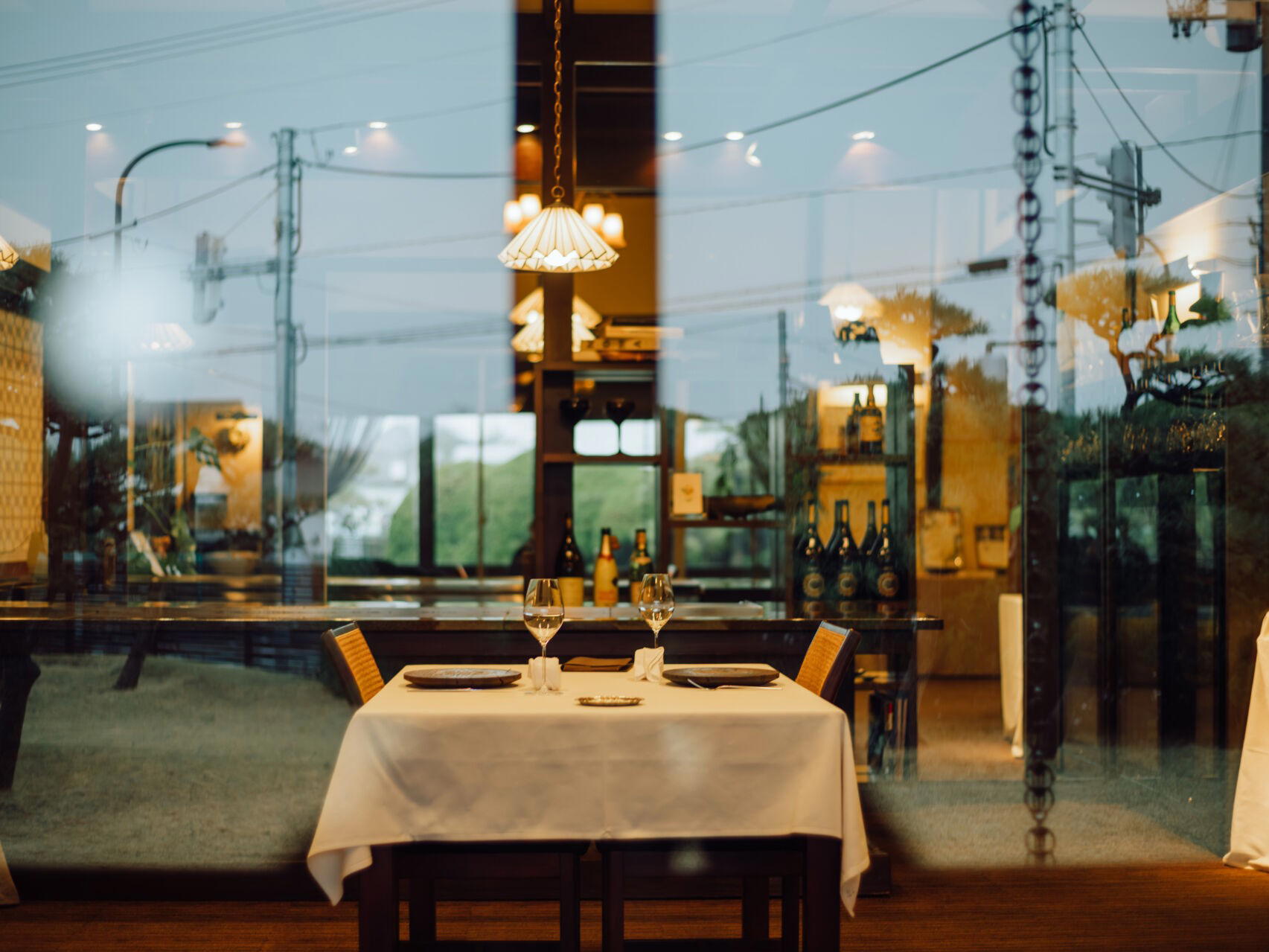
The format is intimate, with counter seating among the room signals and a small seat count that changes the meal’s rhythm. This is not an Italian restaurant where the table builds dinner by impulse through antipasti, pasta and a second bottle. The course structure and reservation-only policy place it in Japan’s serious small-restaurant category, where pacing, arrival time and dietary communication affect the whole room.
Pricing also separates it from casual regional Italian. Published figures put dinner at JPY 15,000 to JPY 19,999, with lunch lower, and restaurant notes set course meals alongside a cover charge. The value question is therefore sharper. Yurihonjo is not a cheaper substitute for Tokyo; the spend is for a regional expression with a narrower footprint and specific ingredient argument. For travellers already in Akita for sake breweries, hot springs or rural food traditions, this table gives the itinerary another register.
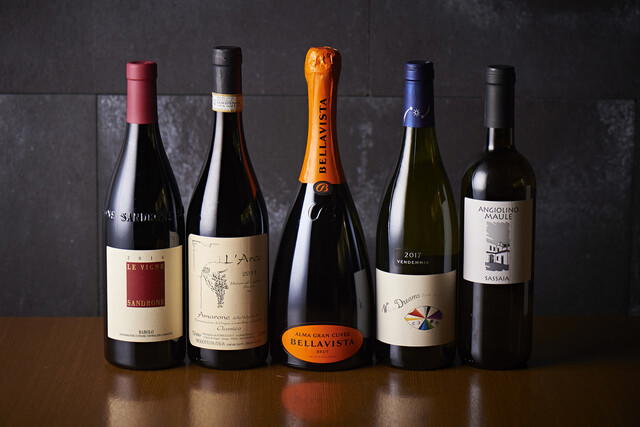
The wine emphasis is worth reading correctly. Akita is sake country, so an Italian restaurant here must make wine relevant without pretending the prefecture’s drinking culture does not exist. A wine-focused program alongside fish and seasonal local produce bridges Italian structure and northern Japanese ingredients. The cooking is Italian by framework, but its competitive strength comes from the place supplying the raw materials.
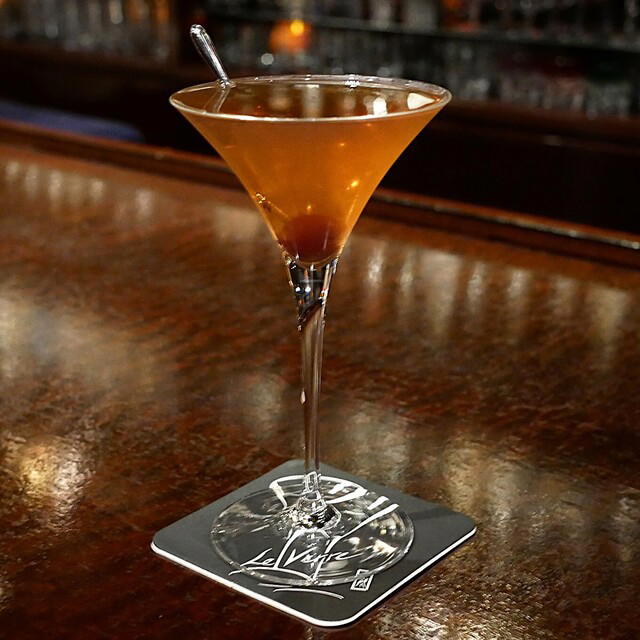
For a broader Akita trip, the contrast is useful. Akita Kurasu points to the city’s everyday and regional dining current, while BAR Le Vert gives the drinking side a separate address. Readers mapping the prefecture beyond dinner can use Our full Akita restaurants guide, Our full Akita hotels guide, Our full Akita bars guide, Our full Akita wineries guide and Our full Akita experiences guide to build the route around it.
Where it fits in Japan's regional Italian conversation
Japan’s Italian dining has moved beyond red-sauce nostalgia and luxury hotel formality. In regional cities, its strongest version often uses Italian technique as grammar for local products: seafood from nearby waters, vegetables from short supply chains, and wines chosen for dishes with Japanese salinity and sweetness. affetto akita fits that pattern, and recognition in an eastern Japan Italian list gives the comparison a useful frame.
The restaurant also sits apart from lower-priced regional dining. A comparison venue such as Don Quixote is listed in a much lower spending band, underlining the gap between everyday Italian-leaning meals and a course-driven restaurant built around seasonal sourcing. Other comparison names in and around the region, including Sushikoma, affetto, é®¨é§ and Remède nikaho, show the range of small specialist restaurants outside the metropolitan dining map, but category discipline is the point: awards, course format, reservation requirement and ingredient focus put this table in a more selective tier.
Travellers looking across Japan at how local ingredients adapt to different formats can read this alongside unrelated but useful contrasts: beef-led dining at -Grilled beef Sukiyaki- KAMAKURA TANUKIAN 鎌倉 たぬき庵 in Kamakura, charcoal and tuna at. 鮪と炭火焼き うお炭 秋葉原店 in Tokyo, café culture at.cafe in Osaka, contemporary dining at.know in Kumamoto, Vietnamese cooking at (Shoku) Vietnam in Kawasaki, curry specialization at [Curry Senmon Ten] Maruyama Kyoju. in Sapporo, sake-bar culture at Jōdo Saké Bar in Los Angeles and Japanese convenience-food craft at Onigiri Time in Pasadena. Those links show the wider EP Club question: not which cuisine label wins, but how tightly a restaurant’s format serves its place.
The editorial case for affetto akita is clear. It is a small, reservation-led Italian restaurant in Yurihonjo with credible third-party recognition and a stated commitment to Akita ingredients. Plan around it not for novelty, but to see a northern Japanese prefecture expressed through a European structure without losing the local pantry.
Frequently asked questions
When can I go to affetto akita?
Hours at affetto akita: Mon, Tue, Wed, Thu, Fri, Sat 12:00 - 13:00 18:00 - 20:00.
Where exactly is affetto akita?
affetto akita is located in Akita.
What do critics highlight about affetto akita?
Critics and awards panels point to its use of Akita ingredients, especially Yurihonjo produce, and its placement in Tabelog’s Italian EAST 100 for 2025. The restaurant also received the Tabelog Award Bronze in 2025 and 2026, which places it in a narrow band of regional Italian addresses with consistent recognition.
Do they accommodate allergies at affetto akita?
Those details are not published. affetto akita is reservation-only with bookings due by the day before, and its course format, lunch at 7 courses and dinner at 11 courses, gives the kitchen a clear framework to assess requests. Check the venue's official channels for the latest details.
Is affetto akita child-friendly?
Yes, children are welcome, with school-age children explicitly accepted. The room is small, with 10 seats and counter seating, so it suits older children better than a loose walk-in meal, especially for the lunch or dinner course formats in Akita.
Fast Comparison
Nearby venues at a similar price tier for orientation.
| Venue | Cuisine | Price | Awards | Notes |
|---|---|---|---|---|
| affetto akitaThis venue — the venue you are viewing | Akita Italian with Local Seasonal Ingredients | $100–150 | Tabelog Bronze #6 | Not listed |
| giueme | Akita Italian | $50–100 | Tabelog Bronze #85 | Daisen |
| f | Modern Italian Counter Dining | $150–200 | Tabelog Bronze #68 | Akita |
| FRUTTO | Seasonal Italian with Akita ingredients | Not listed | Not listed | Akita |
| Essence | Seasonal French fine dining in Akita | Not listed | Not listed | Akita |
| Sushisho | Akita Edomae Omakase | $500+ | Tabelog Bronze #433 | Akita |
Recognition history
Dated appearances from independent guides and award organizations, with the underlying list record or original source where available.
Tabelog Bronze #6
Tabelog
Full recognition history (3 entries)
Tabelog 100 #55 · No. 55
Tabelog · Tabelog 100 - Italian - EAST - 2025
Tabelog Bronze
Tabelog
Continue exploring
More in Yurihonjo
Restaurants in Yurihonjo
Browse all →
Details
- Intimate
- Elegant
- Cozy
- Date Night
- Special Occasion
- Standalone
- Sake Program
- Local Sourcing
- Set Menu
Current opening hours
- Monday
- 11:30 AM–1:30 PM, 6–9 PM
- Tuesday
- 11:30 AM–1:30 PM, 6–9 PM
- Wednesday
- 11:30 AM–1:30 PM, 6–9 PM
- Thursday
- 11:30 AM–1:30 PM, 6–9 PM
- Friday
- 11:30 AM–1:30 PM, 6–9 PM
- Saturday
- 11:30 AM–1:30 PM, 6–9 PM
- Sunday
- Closed
Hours can change for holidays and private events. Last verified .
Intimate 12-seat setting with a focus on sophisticated, ingredient-driven dishes resembling works of art.