
Tabelog Bronze #410
Our verdict
Shuhai has held a Tabelog Bronze Award every year from 2017 through 2026, placing it among the most consistently rated izakaya in eastern Japan. Set in a converted house in Akita's Sanno district, it draws on the prefecture's fishing tradition through a fish-focused menu paired with a carefully curated sake selection. Reservations are essential; the kitchen runs evenings only, Monday through Saturday.

Pearl is the En Primeur Club membership app — saves, bookings, and concierge access live there. Same editors, same standards.
- Address
- 1-6-9 Sanno, Akita 010-0951
- Phone
- +81 18-839-1519
- Hours
- Daily 11 AM–9 PM
- Website
- syuhai.com
- Directions
- Get directions
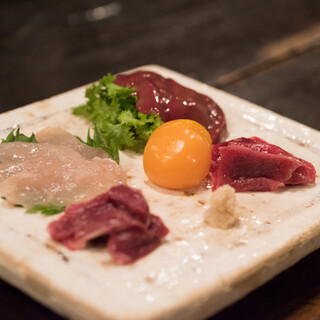
The menu
What to order
- Simmered wild vegetables
- Hinai chicken sashimi
- White sesame dressing with smoked daikon
- Shime saba
Akita's Izakaya Tradition at the Counter
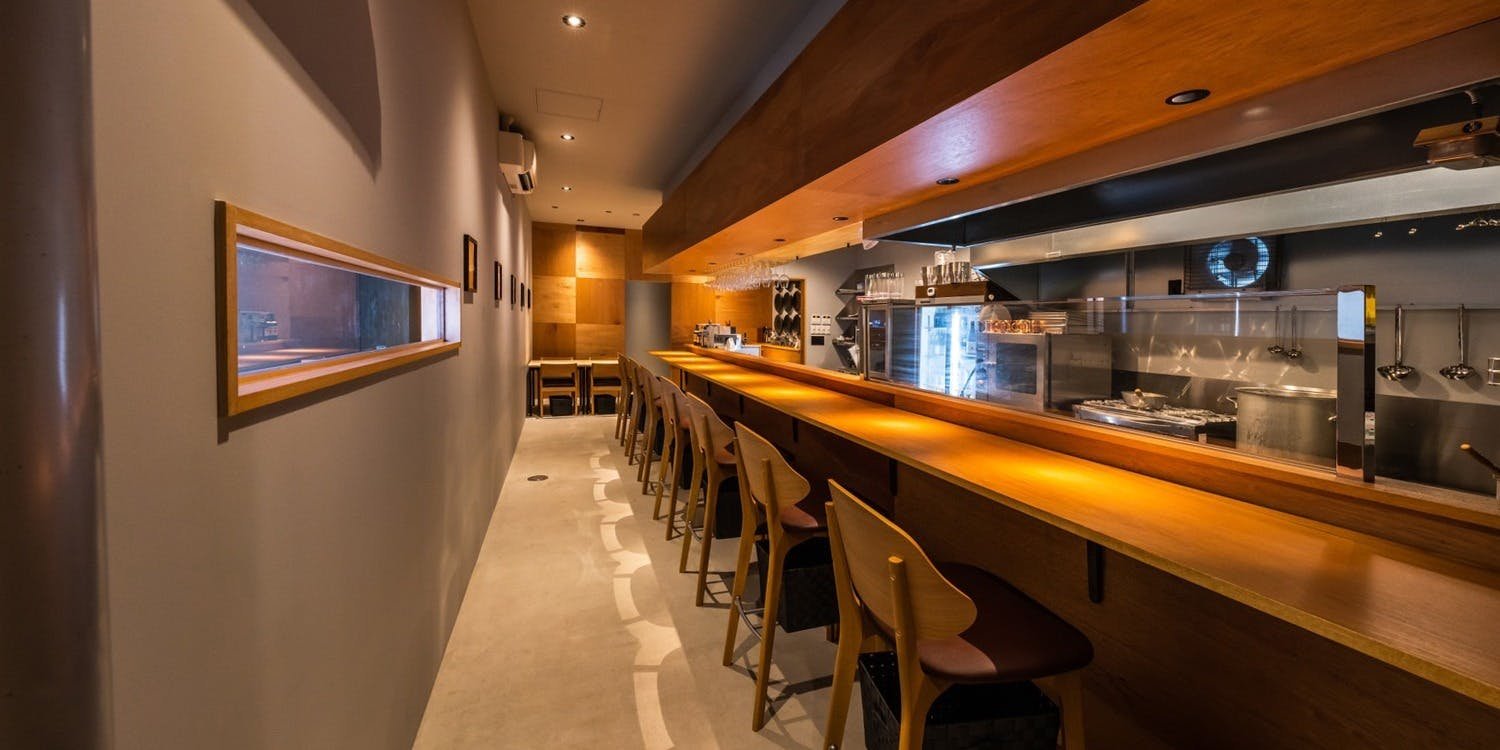
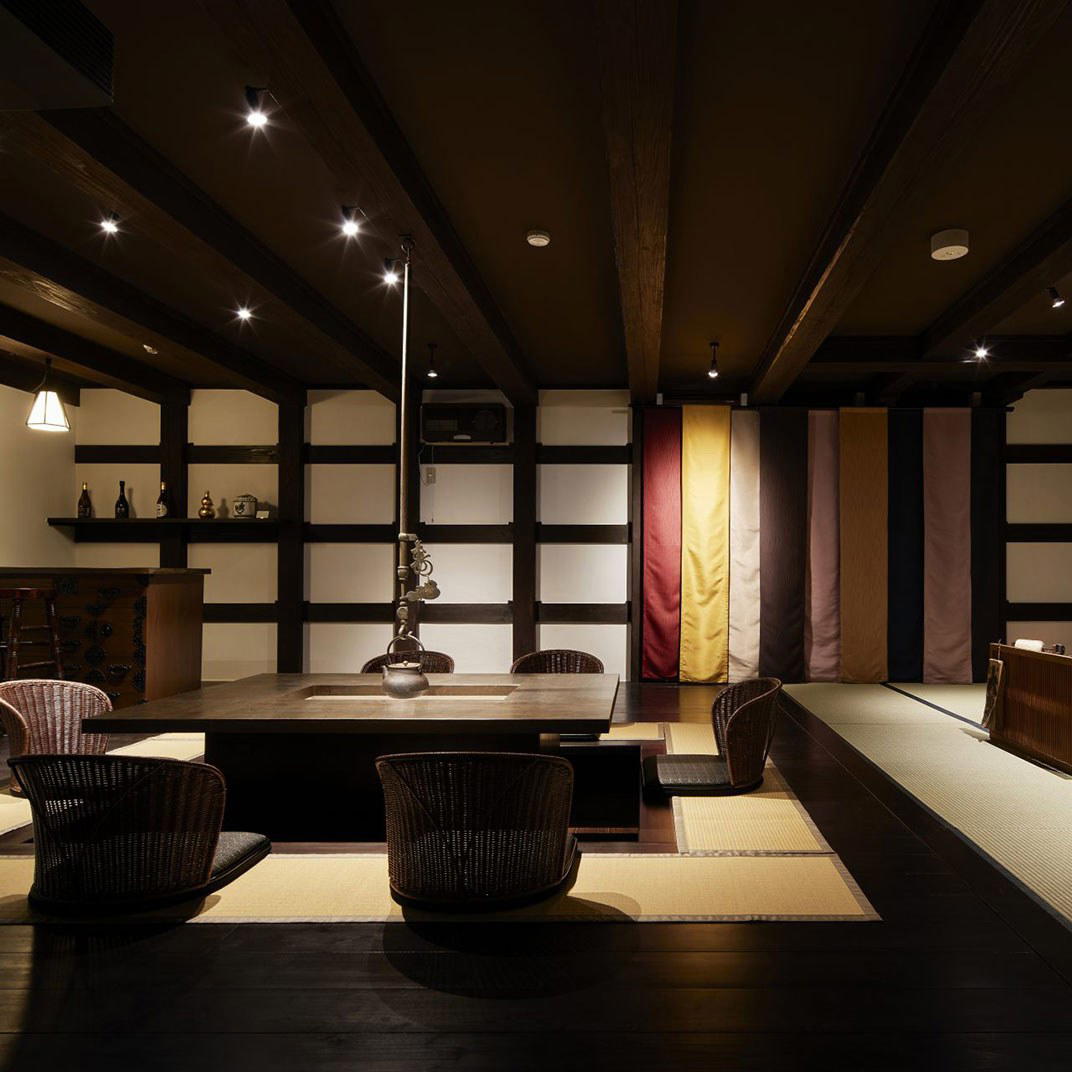
The izakaya format divides roughly into two tiers across Japan's regional cities: the casual, high-volume chain house that functions as a drinking stop, and the smaller, considered operation where the food programme carries real weight. Akita has its share of the former, particularly around the station's east exit. Shuhai, on a quiet residential stretch of Sanno, belongs firmly to the second category. The building reads as a converted house rather than a purpose-built restaurant, and the interior — bare bulbs, counter seating, a pace set by the kitchen rather than a clock — signals that the evening will be measured in courses and rounds of nihonshu rather than a quick turnaround. This is the kind of address that takes years to surface in a city's consciousness, which explains why Tabelog reviewers, who skew local and repeat-visit, have awarded it a Bronze distinction every year from 2017 through 2026: a ten-year run that few izakaya anywhere in eastern Japan can match at a 4.08 score.
The Counter as Performance Space
The editorial angle assigned to teppanyaki stages, live preparation, counter-side theatrics, the intimacy of watching technique unfold at arm's length, maps onto the izakaya counter format more naturally than it might first appear. Where a teppanyaki grill operates on spectacle and heat, the traditional izakaya counter operates on proximity and sequence: the movement of plates, the temperature of a sake cup, the moment a grilled skewer arrives slightly ahead of the next pour. Counter seating at Shuhai puts that sequence in full view. Izakaya in Japan at this calibre tend to treat the counter not as overflow seating but as the primary editorial statement of the kitchen, a place where the pacing of dishes communicates as much as the dishes themselves. For venues like Harutaka in Tokyo or Gion Sasaki in Kyoto, the counter is the whole point; the same principle applies here, at a different register of formality.
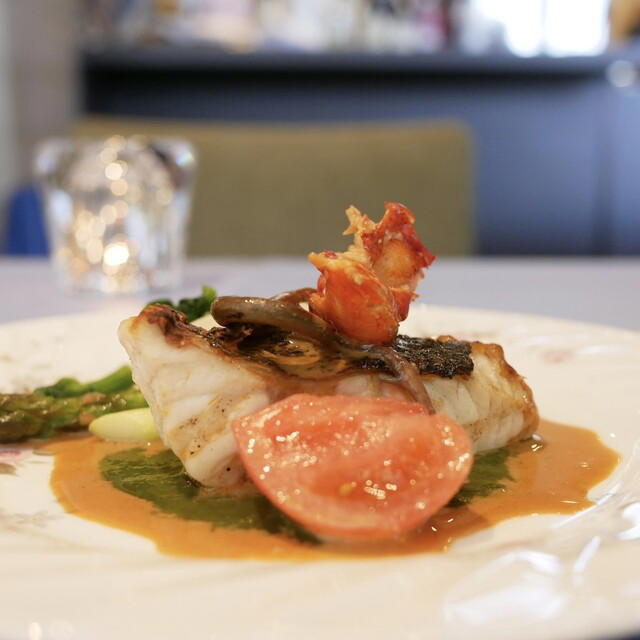
Programme at Shuhai runs on fish, which is the correct starting point for Akita prefecture. The Sea of Japan coastline delivers a cold-water catch that differs markedly from Pacific-side supply: winter brings buri (yellowtail) and kanburi at peak fat content, autumn shifts toward ikura and salmon, and the warmer months open up a broader range of white fish and shellfish. An izakaya that signals it is "particular about fish" in a prefecture with this coastline is making a specific claim about sourcing relationships, one that positions it differently from the broader Akita dining scene, which trends heavily toward regional staples like kiritanpo (grilled rice skewers) and hinai-jidori (local chicken). Shuhai's fish focus is a deliberate narrowing that aligns it with the northern izakaya tradition rather than tourist-facing regional cuisine.
Sake as the Programme's Spine
Akita is one of Japan's serious sake prefectures. The combination of abundant soft water, cold winters suitable for extended fermentation, and rice cultivation at quality gives the prefecture a brewing tradition that competes directly with Niigata and Yamagata in the northern circuit. Local breweries including Kariho, Taiheizan, and Takashimizu have built reputations beyond the prefecture over the past two decades, and a good izakaya in Akita is expected to reflect that geography in its pour list. Shuhai lists nihonshu as a particular focus, alongside shochu and wine, which places the sake programme at the centre of the drinks offering rather than as an afterthought. For visitors arriving from metropolitan Japan, the opportunity to drink Akita sake alongside Akita fish in a house setting in Sanno is the argument for the address. Comparable depth in fish-sake pairing at the izakaya format can be found at venues in Fukuoka, Goh in Fukuoka operates in a different register entirely, but the regional-sourcing logic is consistent, and in more formal kaiseki contexts like Nihon Ryori Takamura in Akita itself, which brings a kaiseki frame to similar regional ingredients.
Positioning Within Akita's Dining Tier
At JPY 8,000 to JPY 9,999 per person at dinner, Shuhai occupies the middle-upper tier of Akita's restaurant market, sitting above the casual izakaya bracket (typically JPY 3,000 to JPY 5,000) and below the premium kaiseki format. The izakaya format at this price point carries different expectations than a tasting menu: the value logic depends on quantity and range across multiple plates and pours over two to three hours, rather than a fixed sequence of courses. Shuhai's Tabelog 100 selection across 2021, 2022, 2024, and 2025 in the izakaya EAST category confirms that its standing is not locally specific, it competes in a national ranking of eastern Japan's izakaya that includes much larger markets.
That standing matters particularly for visitors who approach Akita as an off-circuit destination. Unlike the kaiseki and sushi omakase formats that attract international attention to cities like Kyoto or Tokyo, venues such as HAJIME in Osaka, akordu in Nara, or Atomix in New York City working in that same high-formality register, a highly rated regional izakaya functions as the most direct entry point into how a city's residents actually eat and drink. The ten consecutive Tabelog Bronze wins are not a Michelin endorsement, but they represent a sustained signal from a review community that is predominantly local and repeat-visitor, which carries its own credibility for a format that depends on regulars.
Planning Your Evening at Shuhai
The kitchen opens at 18:00 and runs until 23:00, Monday through Saturday; it is closed on Sundays except the day before public holidays and on the last day of extended national holidays. Phone reservations are accepted from 13:00, the number on record is +81-18-863-1547, and booking ahead is advisable given the venue's consistent award recognition and the intimacy of the house setting, which limits capacity. The address at 1-6-9 Sanno is approximately ten minutes by taxi from Akita Station, 35 minutes on foot, or accessible by bus; parking is available for those arriving by car. Private rooms for up to four guests are available alongside counter seating and main-floor tables. Credit cards are accepted including VISA, JCB, AMEX, and Diners. A designated smoking area operates separately from the non-smoking counter.
For visitors building a broader Akita itinerary, the city's dining scene extends across cuisine types and price points; see our full Akita restaurants guide for coverage across the city. Those extending their stay can find accommodation context in our full Akita hotels guide, while our full Akita bars guide, our full Akita wineries guide, and our full Akita experiences guide cover the surrounding programme. Internationally, the izakaya-counter tradition that Shuhai represents connects to a broader precision-fish ethos visible at addresses like Le Bernardin in New York City, though the registers are entirely different, one is a French temple to fish in white tablecloth formality, the other is a Japanese house where the same rigour about sourcing plays out in a completely different key. The comparison is useful precisely because it illustrates how seriousness about ingredient quality does not belong to any single format or price tier.
Frequently asked questions
What awards or recognition does Shuhai have?
Shuhai has received recognition including: {"Year":"2026","Award Source":"Tabelog","Award Type":"The Tabelog Award","Award Group":"bronze","Award Group Rank":"410","Restaurant Name":"Shuhai","Score":"4.08","Budget":"Dinner: JPY 8,000 - JPY 9,999; Lunch: -","Budget Dinner":"JPY 8,000….
What's the must-try dish at Shuhai?
The kitchen signals a clear focus on fish, which in a prefecture fronting the Sea of Japan means the selection shifts with the season. Shuhai holds seven consecutive Tabelog Bronze Awards and Tabelog 100 izakaya status across four years, recognition that reflects both the food programme and the sake selection — the venue lists nihonshu as a particular focus alongside shochu and wine. Any visit built around the counter and a sake pairing anchored to the fish of the day reflects exactly what that award record is responding to.
Is Shuhai expensive?
Pricing at Shuhai is listed as JPY 8,000 - JPY 9,999 View spending breakdown.
Same-City Peers
Comparable venues nearby, for context on price, style, and recognition.
| Venue | Cuisine | Price | Awards | Notes |
|---|---|---|---|---|
| ShuhaiThis venue — the venue you are viewing | Akita Izakaya | $50–100 | Tabelog Bronze #410 | Not listed |
| Tobu | Traditional Japanese chicken hot pot (mizutaki) | $20–30 | Tabelog 100 #86 | .null |
| Shuan Tanaka | Traditional Japanese Izakaya | Not listed | Tabelog 100 #27 | Akita |
| Sushi Cho | Japanese Sushi Omakase | $100–150 | Tabelog 100 #52 | Akita |
| Ichigen | Chinese restaurant | Not listed | Tabelog 100 #100 | Akita |
| 中華ダイニング 金龍酒家 | Authentic Sichuan Chinese | $20–30 | Not listed | 秋田駅前 |
Recognition history
Dated appearances from independent guides and award organizations, with the underlying list record or original source where available.
Tabelog Bronze #410
Tabelog
Full recognition history (2 entries)
Tabelog 100 #73 · No. 73
Tabelog · Tabelog 100 - Izakaya - EAST - 2025
Details
- Cozy
- Classic
- Intimate
- Sophisticated
- Date Night
- Business Dinner
- Celebration
- After Work
- Standalone
- Sake Program
- Local Sourcing
- A La Carte
- Counter Dining
- Small Plates
- Sake
- Pescatarian Friendly
Current opening hours
- Monday
- 11 AM–9 PM
- Tuesday
- 11 AM–9 PM
- Wednesday
- 11 AM–9 PM
- Thursday
- 11 AM–9 PM
- Friday
- 11 AM–9 PM
- Saturday
- 11 AM–9 PM
- Sunday
- 11 AM–9 PM
Hours can change for holidays and private events. Last verified .
Warm, traditional Japanese tavern atmosphere in a converted house, with old-Japanese-style decor and a relaxed but polished feel.