
Tabelog Silver #130
Our verdict
Sushikoma places Akita sushi in a rural northern frame rather than the Ginza counter narrative. The eight-seat counter, omakase format, Tabelog Award Silver recognition in 2026, and repeated Tabelog Sushi EAST 100 selections make it a serious regional address for diners tracking Japan’s sushi culture beyond the capital.

Pearl is the En Primeur Club membership app — saves, bookings, and concierge access live there. Same editors, same standards.
- Address
- 120 Okeyamachi, Yurihonjo, Akita 015-0811, Japan
- Phone
- +81 184-23-5511
- Hours
- Mon ClosedTue 6–10 PMWed–Sat 12–2 PM, 6–10 PMSun Closed
- Website
- tabelog.com
- Directions
- Get directions
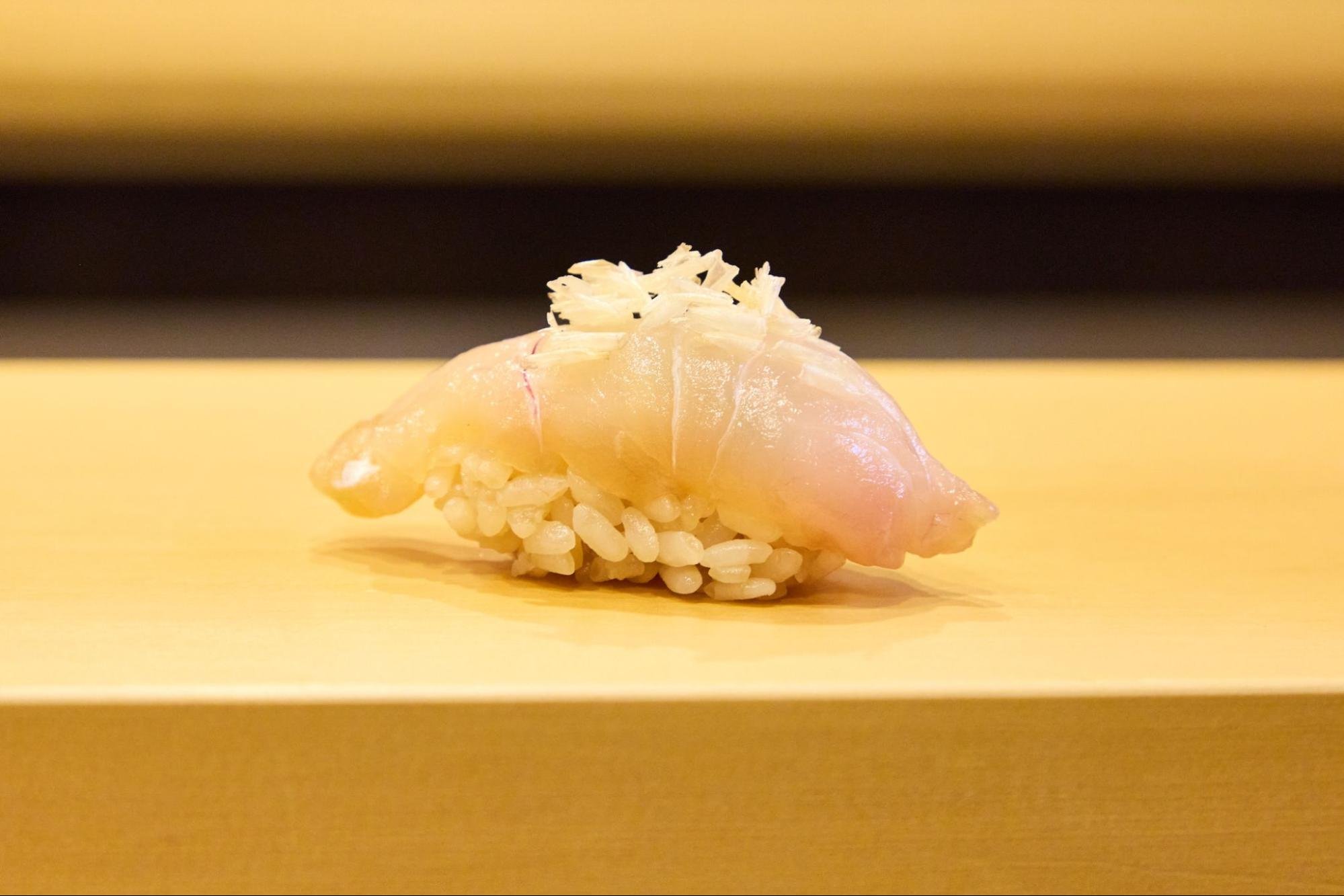
Approaching a house restaurant in Yurihonjo changes the register before the first piece of sushi appears. This is not the polished theatre of a metropolitan hotel counter or a backstreet Tokyo room designed for international pilgrimage; the mood is smaller, quieter, and more local. In Akita, serious dining often keeps a practical face: sake, seafood, rice, and seasonal restraint carry more weight than spectacle. Sushikoma belongs to that northern Japanese grammar, where the counter is not merely seating but the whole argument.
Akita’s food identity is often flattened into shorthand: kiritanpo, Hinai-jidori chicken, rice, sake. Sushi complicates that picture. The prefecture faces the Sea of Japan, sits within reach of fishing routes that reward cold-water species, and has a rice culture that matters to the way sushi is understood locally. A counter here does not need to imitate Tokyo to be serious. Its interest lies in how regional sourcing, rice discipline, and a smaller dining culture translate into an omakase experience outside the usual national spotlight.
Akita sushi seen through a northern counter
The restaurant’s public recognition gives that regional argument weight. Tabelog named Sushi Koma a Silver winner in 2026, following Silver recognition in 2025 and 2024, Bronze in 2023, and selection for Tabelog Sushi EAST 100 in 2025, 2022, and 2021. Those are useful signals because they place the counter within Japan’s broader sushi conversation without forcing it into the same category as luxury Tokyo omakase rooms. The achievement is not scale; it is consistency inside a smaller market.
The format is also telling. An eight-seat counter leaves little room for diffusion: timing, rice temperature, fish condition, and pacing are exposed. Omakase in this setting works less as a parade of luxury ingredients and more as a compact reading of supply. The restaurant notes fish sourced directly by the owner from Akita and Miyagi, which points to a regional axis rather than a capital-city procurement story. That matters. Sushi in Japan is often discussed through technique, but geography decides what technique has to solve.
For visitors building a wider Akita itinerary, this is the point of contrast. The prefecture’s dining range runs from Italian cooking at affetto akita to beef-focused meals at Akita Gyugentei Ekimae honten and Akita Gyugentei Sannou bekkan. Poultry culture has its own anchor at Akita Hinaiya Oodate honten, while Akita Kurasu speaks to the region’s drinking and everyday food habits. Against that spread, sushi becomes a sharper lens: less about variety across the table, more about concentration at the counter.
Why the omakase format suits Yurihonjo
Japan’s premium sushi culture is often measured by scarcity: small rooms, limited seats, narrow service windows, and a chef-controlled sequence. In a regional city, those same signals read differently. They do not only create demand; they protect rhythm. A counter with few seats can respond to what arrives that day, and the course format gives the kitchen permission to avoid a fixed catalogue. The restaurant’s own reservation notes acknowledge that supply may affect which fish can be served, a plain statement that says more about serious sushi than any decorative language could.
That supply-led approach is culturally coherent in Akita. Northern Honshu has long depended on preservation, fermentation, rice, and seasonal adaptation. Sushi, at its highest craft level, may appear minimalist, but it is also a cuisine of control: vinegar, temperature, cutting, curing, ageing when appropriate, and the decision not to overwork an ingredient. A regional counter can show that control without turning the meal into a luxury performance. The useful question is not whether it resembles Tokyo, but whether it makes sense where it is.
The drink context reinforces the same point. Sake and shochu are listed, which fits Akita’s wider reputation for rice and brewing culture. Diners looking at the prefecture through food alone miss part of the structure; drinking rooms, breweries, and restaurant counters often overlap in how locals understand seasonality. For a broader map, Our full Akita restaurants guide gives the dining frame, while Our full Akita bars guide and Our full Akita wineries guide help place the meal within the region’s larger drinking culture.
How to read it within a Japan food trip
Sushikoma is a strong case for leaving the main circuit. Many Japan itineraries still run a familiar line through Tokyo, Kyoto, Osaka, and a few resort extensions. Akita asks for a different tempo. The reward is not convenience; it is context. A sushi counter in Yurihonjo shows how the craft behaves when the city around it is not built around international dining demand.
That does not make it an easy substitute for the capital’s counters. It makes it a different editorial choice. Diners who want maximal polish, English-forward hospitality, or a dense cluster of comparable restaurants will find stronger infrastructure elsewhere. Diners who care about regional food systems, local sourcing, and the way Japan’s sushi tradition changes outside major urban centers have a clearer reason to pay attention here.
Travel planning around Akita benefits from thinking beyond the meal. Our full Akita hotels guide is useful for anchoring nights in the prefecture, and Our full Akita experiences guide gives cultural context around the table. For readers comparing how Japanese food changes by city and diaspora, the contrast can stretch from -Grilled beef Sukiyaki- KAMAKURA TANUKIAN 鎌倉 たぬき庵 in Kamakura and. 鮪と炭火焼き うお炭 秋葉原店 in Tokyo to.cafe in Osaka.know in Kumamoto, and (Shoku) Vietnam in Kawasaki. Casual formats tell their own story too, from [Curry Senmon Ten] Maruyama Kyoju. in Sapporo to Los Angeles and Pasadena addresses such as Jōdo Saké Bar in Los Angeles and Onigiri Time in Pasadena.
The critical read is simple: this is not sushi as urban status symbol. It is sushi as a regional craft, compressed into a counter small enough to make every decision visible. In Akita, that is the more interesting story.
Frequently asked questions
What are the operating hours at Sushikoma?
Hours at Sushikoma: Wed, Fri 18:00 - 22:00.
What's Sushikoma's location?
Sushikoma is located in Akita.
What's the signature at Sushikoma?
The listed draw is the omakase sushi course, with fish sourced directly by the owner from Akita and Miyagi. Sushikoma also has an 8-seat counter in Yurihonjo and a run of Tabelog recognition, including Silver awards in 2023, 2024, 2025, and 2026.
What is Sushikoma known for?
Sushikoma is primarily known for its core concept and execution in Akita.
Price and Recognition
Nearby venues at a similar price tier for orientation.
| Venue | Cuisine | Price | Awards | Notes |
|---|---|---|---|---|
| SushikomaThis venue — the venue you are viewing | Traditional Omakase Sushi | $500+ | Tabelog Silver #130 | Not listed |
| Takarazushibunten | Omakase Sushi | $50–100 | Tabelog Bronze #448 | Akita, Omakase Sushi |
| Sushi Arata | Sushi | Not listed | Tabelog 100 #50 | Akita, Sushi |
| Tonkatsu Ishikawa | Japanese Tonkatsu | Not listed | Tabelog 100 #76 | Akita, Japanese Tonkatsu |
| Tempura Shoshin An | Tempura and Inaniwa Udon | $50–100 | Tabelog Bronze #408 | Inaniwa Town, Tempura and Inaniwa Udon |
| Sushi Kojima | Traditional Omakase Sushi | $50–100 | Tabelog 100 #7 | Akita, Traditional Omakase Sushi |
Recognition history
Dated appearances from independent guides and award organizations, with the underlying list record or original source where available.
Tabelog Silver #130
Tabelog
Full recognition history (3 entries)
Tabelog 100 #28 · No. 28
Tabelog · Tabelog 100 - Sushi - EAST - 2025
Tabelog Silver
Tabelog
Continue exploring
More in Akita
Details
- Intimate
- Elegant
- Relaxed
- Solo
- Chefs Counter
- Sake Program
- Local Sourcing
- Sustainable Seafood
- Omakase
- Counter Dining
Current opening hours
- Monday
- Closed
- Tuesday
- 6–10 PM
- Wednesday
- 12–2 PM, 6–10 PM
- Thursday
- 12–2 PM, 6–10 PM
- Friday
- 12–2 PM, 6–10 PM
- Saturday
- 12–2 PM, 6–10 PM
- Sunday
- Closed
Hours can change for holidays and private events. Last verified .
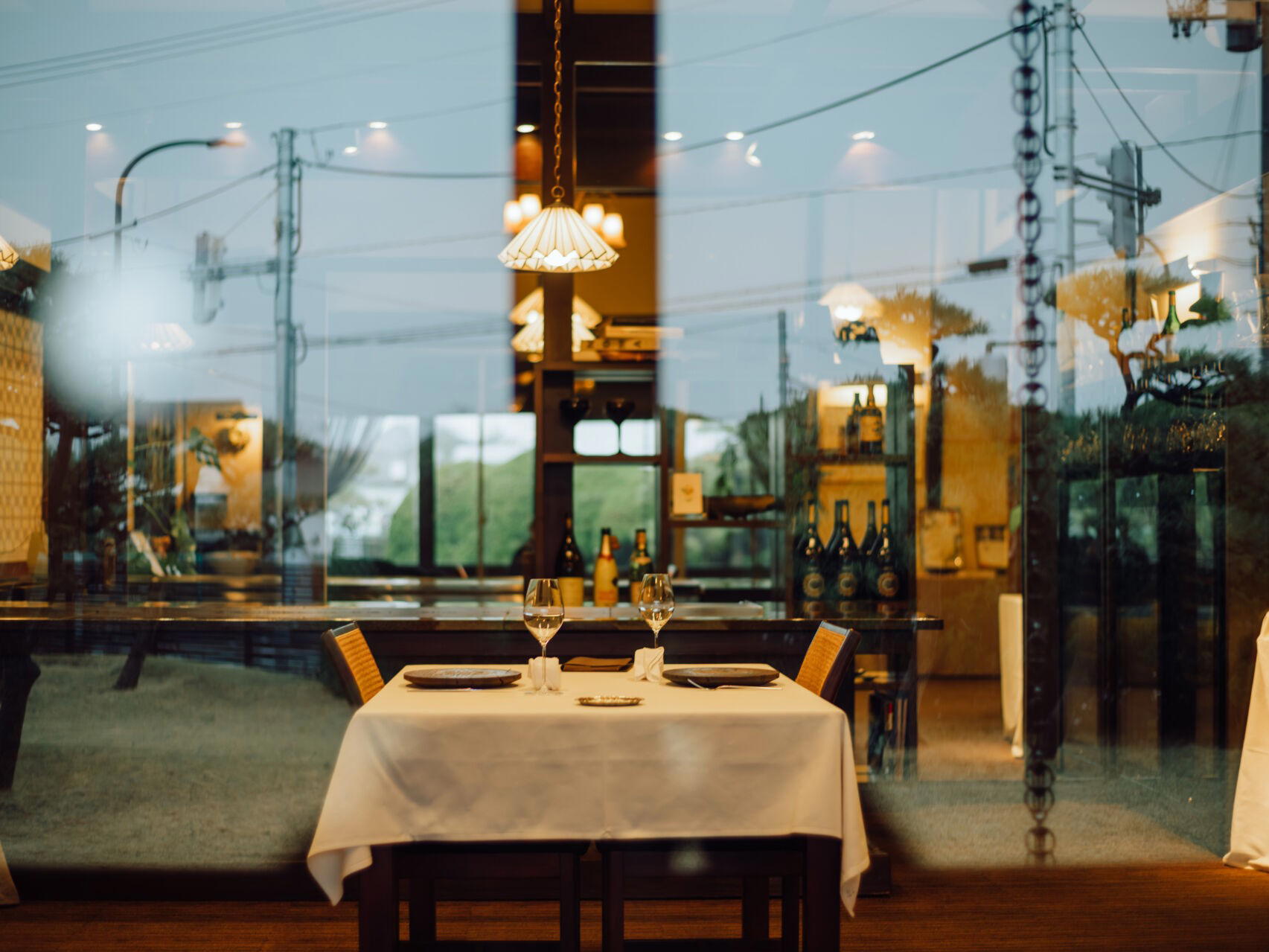
Relaxing stylish space with counter seating focused on the chef's craft.