
Tabelog Bronze #356
Our verdict
Remède nikaho gives Akita’s coastal produce a French framework, placing Nikaho inside Japan’s serious regional dining conversation rather than treating it as a detour from Tokyo or Kyoto. Its Tabelog Award Bronze recognition in 2025 and 2026, plus selection for Tabelog French EAST 100 in 2025, makes the case with evidence rather than noise.

Pearl is the En Primeur Club membership app — saves, bookings, and concierge access live there. Same editors, same standards.
- Address
- Ienoushiro-49-1 平沢字 Nikaho, Akita 018-0402, Japan
- Phone
- +81 184-74-7065
- Hours
- Mon 12–2:30 PM, 6:30–10 PMTue–Wed ClosedThu–Sun 12–2:30 PM, 6:30–10 PM
- Website
- remede.jp
- Directions
- Get directions
- Booking
- Book on TableCheck
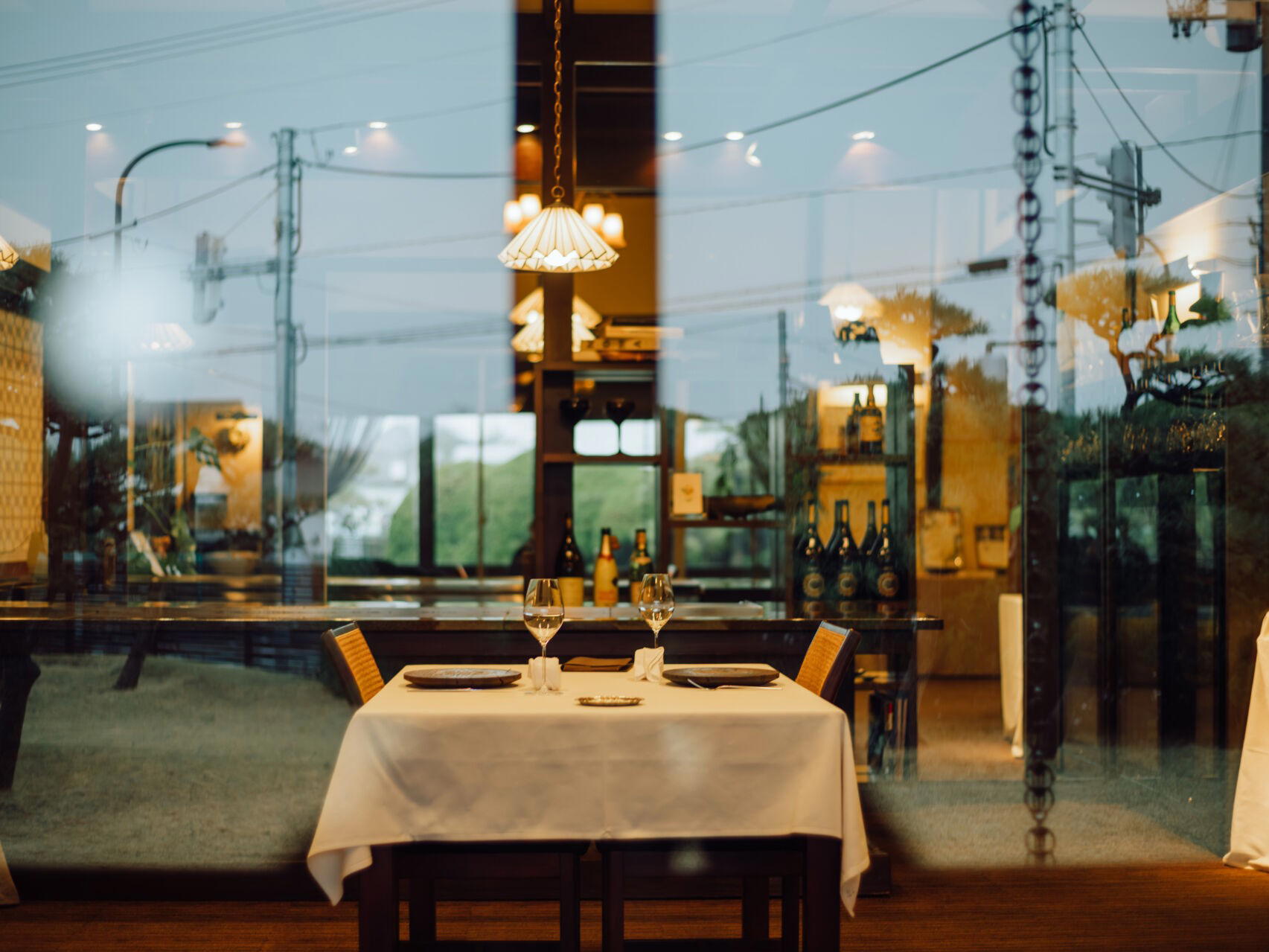
Approaching a house restaurant in Nikaho changes the dining equation before the first course. This is not the dense, counter-driven theatre of Ginza, nor the hotel-dining polish of a prefectural capital. The setting is quieter and more local in its rhythm, which matters because Akita’s coastal and mountain pantry needs space to register. In this part of northern Honshu, French technique works less as decoration than as a method for organizing fish, sake-country acidity, seasonal vegetables, and the colder-climate discipline that shapes the region’s food culture.
That regional argument is the reason Remède nikaho matters. The restaurant is categorized as French, but its reputation is tied to Nikaho gastronomy and the produce of the surrounding area, especially fish. In Japan’s regional fine-dining scene, that is a different proposition from importing a metropolitan template into a smaller city. The stronger version of the genre lets place dictate the menu’s center of gravity, then uses French structure to give it sequence, tension, and pacing.
Akita ingredients, French grammar
Japan’s serious French restaurants have spent years moving away from old luxury codes toward a more exacting localism. In Tokyo, that often means rare vegetables, named producers, and tasting-menu minimalism. In Akita, the conversation begins with harsher winters, coastal access, rice culture, and a drinking tradition that gives sake equal footing with wine. Remède nikaho sits in that regional camp: French in category, but not French as mimicry.
The useful comparison is not with casual local dining, even when nearby names such as affetto akita, Don Quixote, Sushikoma, affetto, and é®¨é§ help sketch the broader Akita table. Don Quixote occupies a far lower price tier, while Remède nikaho belongs to the reservation-led, occasion-driven category where sourcing, pacing, and beverage service carry the experience. The distinction is important for travelers deciding whether Nikaho is a stop for a simple meal or for a planned dinner around the region’s ingredients.
Recognition supports that positioning. The restaurant received Tabelog Award Bronze in 2025 and 2026 and was selected for Tabelog French EAST 100 in 2025. Those signals place it within a national conversation about French dining beyond the usual urban centers. They also help explain why a 16-seat room in a small Akita city can compete for attention with restaurants in denser dining markets: scale is limited, but the editorial premise is clear.
The room favors concentration over spectacle
Small-room dining in Japan can drift into ceremony for its own sake. Here, the format reads more practical: 16 seats, private-room options, non-smoking throughout, and a service structure built for guests who have planned in advance. That creates a quieter kind of luxury, where the point is not to overwhelm the table but to keep attention on the meal’s progression and the region behind it.
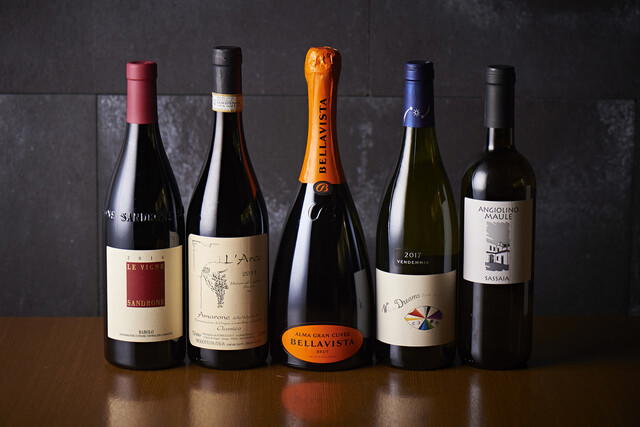
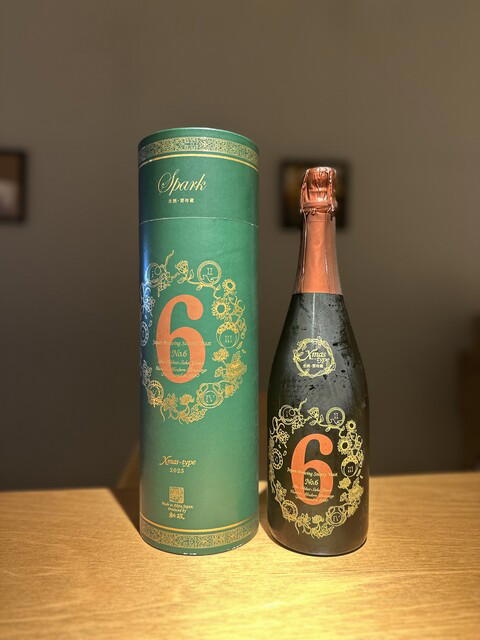
The beverage side reinforces the same idea. Wine is part of the program, but sake and shochu are also listed, which suits Akita better than a rigid Bordeaux-and-Burgundy script. A sommelier is available, and BYO is possible with a corkage fee. For a northern Japanese French restaurant, that flexibility is not incidental. It allows the meal to sit between two traditions rather than forcing one to erase the other.
Family accessibility is another point of difference from many tasting-menu rooms. Children are welcomed, a children’s menu is listed, strollers are accepted, and private-room use is tied in part to families with younger diners. That does not turn the restaurant into a casual family venue; it simply means the house has made room for multi-generational dining, which is a more accurate reflection of regional Japanese hospitality than the adults-only severity often associated with destination restaurants.
How to place it in a Nikaho itinerary
Nikaho is not a city that asks travelers to chase density. Its appeal sits in a slower coastal itinerary, where one serious meal can anchor the day rather than compete with a dozen reservations. Readers building that kind of trip should start with Our full Nikaho restaurants guide, then use Our full Nikaho hotels guide, Our full Nikaho bars guide, Our full Nikaho wineries guide, and Our full Nikaho experiences guide to decide whether the stop is a single-night detour or part of a wider Akita route.
For travelers comparing regional Japanese dining across the country, the contrast is instructive. A sukiyaki-focused meal at -Grilled beef Sukiyaki- KAMAKURA TANUKIAN 鎌倉 たぬき庵 in Kamakura, seafood and charcoal at . 鮪と炭火焼き うお炭 秋葉原店 in Tokyo, and city cafe culture at .cafe in Osaka each show a different relationship between place and format. The same broader map includes .know in Kumamoto, (Shoku) Vietnam in Kawasaki, [Curry Senmon Ten] Maruyama Kyoju. in Sapporo, [ki:] in Kyoto, #肉といえば松田 奈良本店 in Kashihara, 1/3 HAMBURGER FACTORY in Kanazawa, 1000 in Yokohama, and 1000mヒュッテ 1000m Hut in Kutchan. Outside Japan, Jōdo Saké Bar in Los Angeles and Onigiri Time in Pasadena show how Japanese categories travel and change abroad.
The editorial case is strongest for diners who care about provenance more than spectacle. Remède nikaho is not a drop-in meal, and it is not priced like everyday Akita dining. It is a planned regional French table whose awards, small scale, fish focus, and beverage range make Nikaho feel less peripheral than it looks on a map.
Frequently asked questions
Is Remède nikaho child-friendly?
Yes. The restaurant lists children, babies, school-age children, strollers, and a kids menu, plus private rooms for 8 people. It also specifies a children’s menu and a short course option for older children.
Is Remède nikaho better for a quiet night or a lively one?
It suits a quieter meal. Remède nikaho has 16 seats, no smoking, and a reservation-only format, which keeps service controlled rather than noisy. The room is also set up with sunken seating and private-room options.
What time does Remède nikaho open and close?
Hours at Remède nikaho: Mon, Thu, Fri, Sat, Sun, Public Holiday, Day before public holiday 12:00 - 14:30 18:30 - 22:00.
What part of town is Remède nikaho in?
Remède nikaho is located in Nikaho.
What has Remède nikaho built its reputation on?
Tabelog recognition is the clearest signal: Bronze awards in 2025 and 2026, plus selection for Tabelog French EAST "Tabelog 100" 2025. The kitchen is listed as French, with a stated focus on fish, and the average spend sits at JPY 10,000–14,999 at lunch and JPY 20,000–29,999 at dinner.
How does Remède nikaho handle allergies?
The restaurant does not publish a formal allergy policy, so the practical step is to raise restrictions at booking. That matters here because reservations must be made in advance, up to the day before, and the dining room operates with a 10% service charge and a 16-seat setup.
Comparable venues nearby, for context on price, style, and recognition.
| Venue | Cuisine | Price | Awards | Notes |
|---|---|---|---|---|
| Remède nikahoThis venue — the venue you are viewing | French with Local Akita Ingredients | Not listed | Tabelog Bronze #356 | Not listed |
| Molière Montagne | French fine dining in the Hokkaido mountains | $200–300 | Tabelog 100 #5 | Hanazono |
| Asperges (アスペルジュ) | Biei Vegetable French | Not listed | Not listed | 美瑛町 |
| レストラン パ・マル | Authentic French with Yamagata Ingredients | $100–150 | Tabelog 100 #29 | 七日町 |
| 塞尚 | Modern French Fine Dining | $300–500 | World's 50 Best #16 · La Liste Top Restaurants | Marunouchi |
| The Barn by Odin | French Bistro with Hokkaido Ingredients | $100–150 | Not listed | Hirafu |
Recognition history
Dated appearances from independent guides and award organizations, with the underlying list record or original source where available.
Tabelog Bronze #356
Tabelog
Full recognition history (3 entries)
Tabelog 100 #19 · No. 19
Tabelog · Tabelog 100 - French - EAST - 2025
Tabelog Bronze
Tabelog
Continue exploring
More in Nikaho
Details
- Elegant
- Intimate
- Cozy
- Sophisticated
- Scenic
- Special Occasion
- Celebration
- Private Dining
- Hotel Restaurant
- Extensive Wine List
- Sake Program
- Local Sourcing
Current opening hours
- Monday
- 12–2:30 PM, 6:30–10 PM
- Tuesday
- Closed
- Wednesday
- Closed
- Thursday
- 12–2:30 PM, 6:30–10 PM
- Friday
- 12–2:30 PM, 6:30–10 PM
- Saturday
- 12–2:30 PM, 6:30–10 PM
- Sunday
- 12–2:30 PM, 6:30–10 PM
Hours can change for holidays and private events. Last verified .
Tranquil and elegant atmosphere in a historic building with relaxing, stylish spaces and beautiful views.