Adrak brings Indian cuisine to Salamanca, one of Madrid's most considered residential dining districts, at a moment when the capital's appetite for subcontinental cooking is expanding beyond the obvious. The address on Calle del Pilar de Zaragoza places it within a neighbourhood that rewards specificity over spectacle — a fitting setting for a kitchen working in a register that Spanish diners are only beginning to explore seriously.
Pearl is the En Primeur Club membership app — saves, bookings, and concierge access live there. Same editors, same standards.
- Address
- C. del Pilar de Zaragoza, 68, Salamanca, 28028 Madrid, Spain
- Phone
- +34912779371
- Website
- adrakindian.com
- Directions
- Get directions
 Saves & bookings on Pearl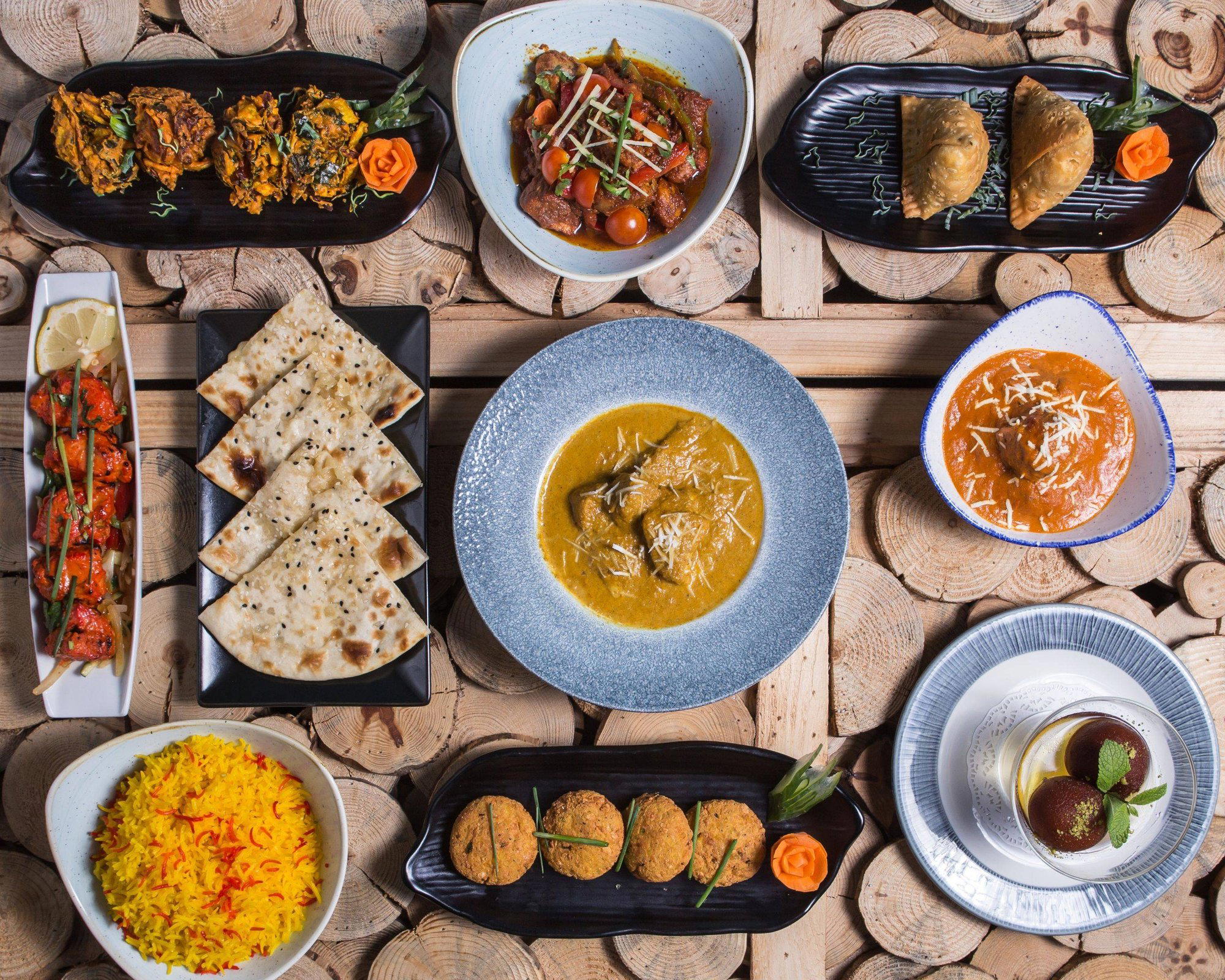
Indian Cuisine in a City Still Learning to Read It
Madrid's relationship with Indian cooking has historically been cautious. Where London or Amsterdam built deep subcontinental dining cultures across decades, Madrid's scene has moved more slowly, shaped by a restaurant-going public whose frame of reference for spice, fermentation, and aromatic complexity leans Iberian. That is changing. The past several years have seen a sharper cohort of Indian restaurants open in the capital — kitchens less interested in translating dishes for a nervous palate and more willing to work with the actual grammar of the cuisine. Adrak Indian Cuisine, on Calle del Pilar de Zaragoza in the Salamanca district, sits inside this shift.
Salamanca is not Madrid's most obvious address for this kind of cooking. The barrio is well-heeled and traditional, its streets lined with independent boutiques and neighbourhood restaurants that serve a local clientele rather than a tourist circuit. That positioning matters: a restaurant here is not banking on foot traffic from visitors looking for the familiar. It is writing to residents who eat out regularly and have opinions about what they are served. The pressure is different, and so is the expectation of consistency.
What the District Signals About Format and Register
The residential character of this part of Salamanca — east of Príncipe de Vergara, away from the more commercially dense western stretch of the barrio, tends to self-select for formats where the room itself does quiet work. The kind of theatrics that read well in central Malasaña or the Gran Vía corridor feel out of register here. What works is a dining room that earns its place through the food rather than through design noise. Indian kitchens operating in this register tend to prioritise the spice logic on the plate: the sequencing of heat, the relationship between fat and acid, the way a dish finishes differently from how it opens.
For context on what Madrid's premium dining tier looks like in parallel, the city's Michelin-starred Spanish and creative restaurants, DiverXO, Coque, Deessa, DSTAgE, and Paco Roncero, operate in a different category, one defined by tasting menus, large wine programs, and an infrastructure of formal service. Indian cooking in Madrid does not yet compete in that tier on institutional terms, but the leading practitioners are building the kind of consistency that eventually attracts critical attention. Spain's broader fine dining geography, from El Celler de Can Roca in Girona to Mugaritz in Errenteria and Arzak in San Sebastián, shows what sustained focus on a culinary tradition can produce over time. The question for Indian restaurants in Madrid is whether any will commit to that arc.
Wine and Indian Food: The Question Madrid Has Not Fully Asked
The editorial angle that matters most for a restaurant like Adrak, operating in a wine-serious city, is how the kitchen thinks about what goes in the glass. Madrid's dining culture is deeply connected to Spanish wine, Rioja, Ribera del Duero, and an increasingly sophisticated representation of Galician whites. Pairing any of these with the structural complexity of Indian food requires a considered approach. The spice weight in a properly made lamb rogan josh, or the acidity in a good tamarind-based preparation, does not interact neutrally with a tannic Tempranillo.
Indian restaurants across Europe have handled this in a few different ways. Some build short wine lists anchored by off-dry Alsatian whites and light-bodied reds, categories that have the aromatic bandwidth to track with spice without being overwhelmed. Others lean into German Riesling, Spätlese and Auslese styles, whose residual sugar provides a counterweight to heat. A smaller group works with natural and low-intervention wines, whose oxidative notes can bridge the fermented and pickled elements common in Indian cooking. What marks a serious operator is not the length of the list but the evidence that someone has actually thought about the problem. A cellar stocked with generic Spanish table wine, offered without guidance, reads as an afterthought. A short, curated selection with a rationale is a more credible signal.
Spain's own wine geography offers some underused pairings for Indian food: a coastal Galician Albariño, with its saline finish and citrus structure, can handle spice more gracefully than most visitors would expect. The lighter-bodied Garnacha-based wines from Gredos or Campo de Borja offer a fruit-forward, lower-tannin profile that works with richly spiced meat dishes. Whether Adrak's list engages with this kind of thinking is worth asking when you book.
The Broader Context: Indian Cooking Across Spain
Indian cuisine's position in Spain sits at an interesting inflection point. Compared to France or the UK, Spain's subcontinental restaurant culture is younger and less institutionalised. There are no equivalents here to the curry mile traditions of Birmingham or the long-established Parisian Indian quarters. What exists instead is a newer wave of operators, many of them working with more regional Indian specificity than the generic North Indian template that dominated earlier decades. Dishes from Kerala, Chettinad, and the Goan coast are appearing on menus where a decade ago the offer would have been flat bread, butter chicken, and a predictable tikka. That shift is meaningful. It suggests a kitchen taking the cuisine seriously as a regional tradition rather than as a stable of internationally recognisable dishes.
For diners planning a broader Spanish trip, the country's fine dining scene extends well beyond Madrid. Quique Dacosta in Dénia, Azurmendi in Larrabetzu, Aponiente in El Puerto de Santa María, Cocina Hermanos Torres in Barcelona, Ricard Camarena in València, Martin Berasategui in Lasarte-Oria, and Atrio in Cáceres each represent a distinct regional tradition. Internationally, Le Bernardin in New York City and Lazy Bear in San Francisco offer useful reference points for how serious operators in other markets think about room, format, and menu coherence. See our full Madrid restaurants guide for the wider picture across the capital's dining tiers.
Planning a Visit
Adrak's address, Calle del Pilar de Zaragoza 68, in the eastern Salamanca district, is accessible from central Madrid in around fifteen to twenty minutes, depending on your starting point; the closest metro stations on the Line 9 corridor serve the area without requiring a taxi. Given the neighbourhood's residential rhythm, the restaurant likely operates a lunch and dinner service aligned with Madrid's later-than-average mealtimes: lunch from 2pm, dinner from 9pm would be consistent with the local pattern, though confirming directly before visiting is sensible. Salamanca's dining culture skews toward midweek availability and fuller houses on Friday and Saturday evenings, so booking a few days ahead for weekend dinners is the prudent approach.
Continue exploring
More in Madrid
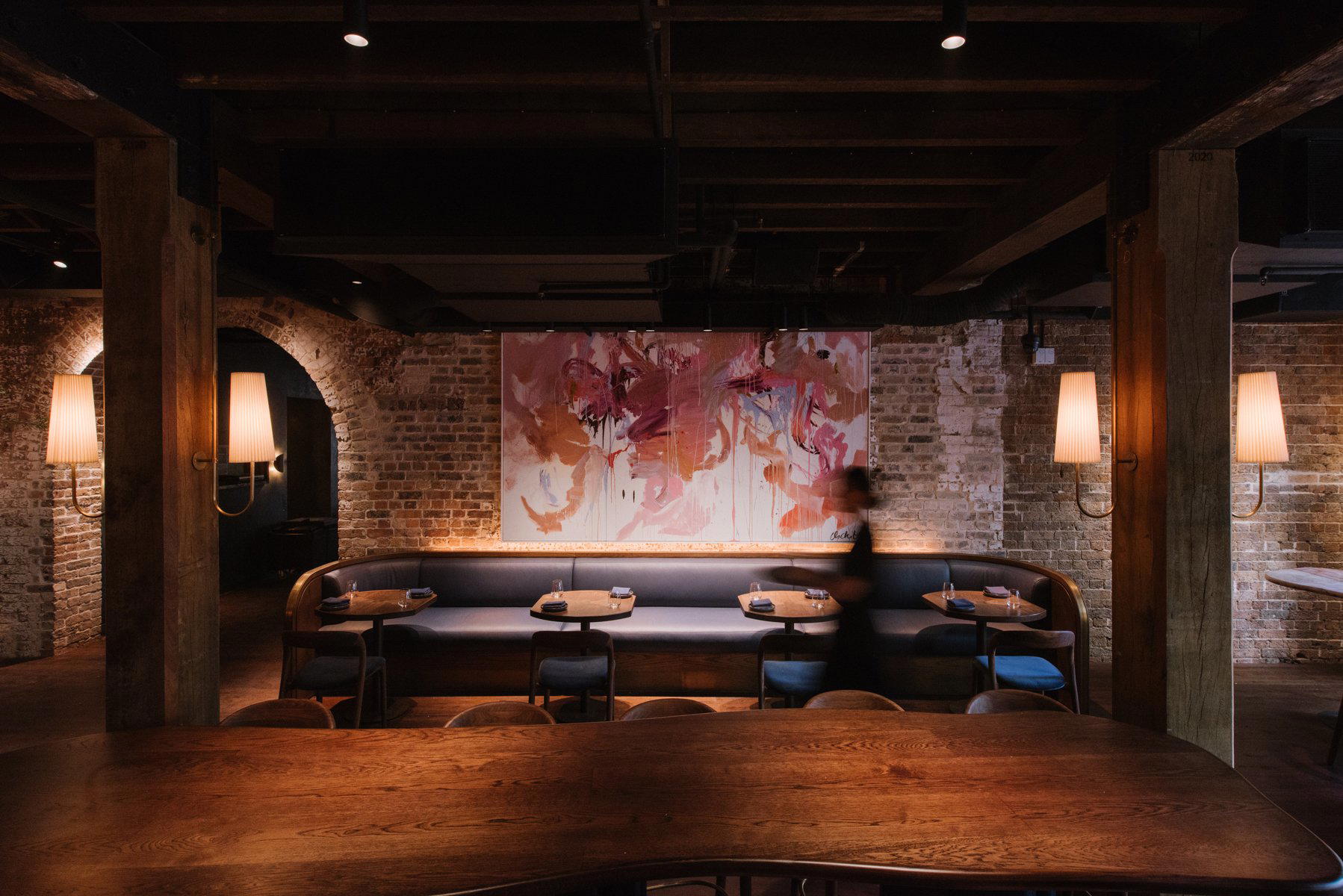
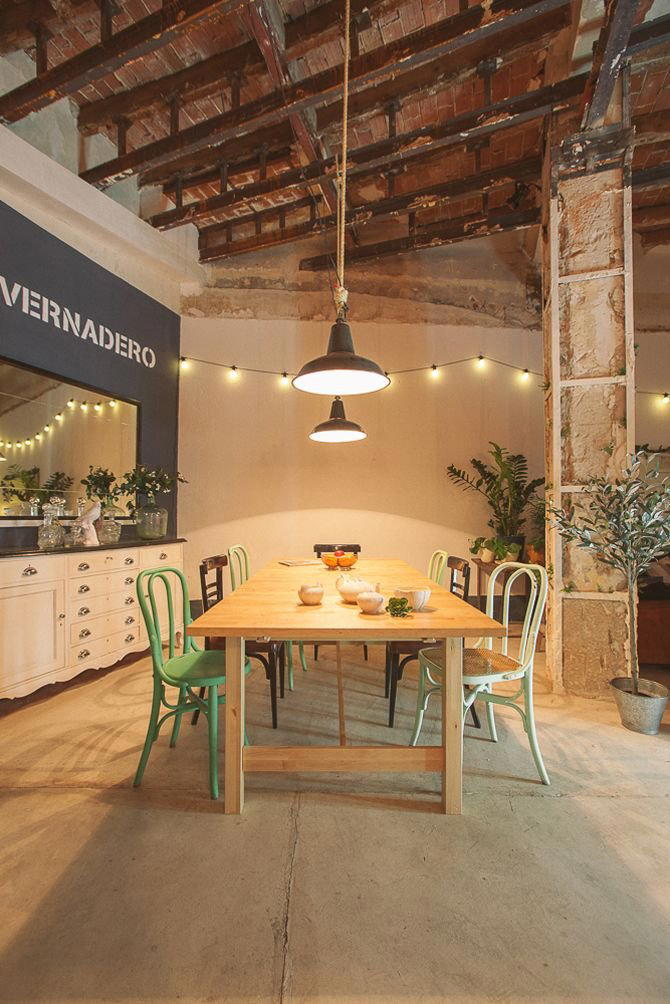
Restaurants in Madrid
Browse all →
Bars in Madrid
Browse all →
Hotels in Madrid
Browse all →


At a Glance
- Cozy
- Trendy
- Casual Hangout
- Group Dining
- Standalone
Current opening hours
- Monday
- 1–4:30 PM, 8–11:30 PM
- Tuesday
- 1–4:30 PM, 8–11:30 PM
- Wednesday
- 1–4:30 PM, 8–11:30 PM
- Thursday
- 1–4:30 PM, 8–11:30 PM
- Friday
- 1–4:30 PM, 8–11:30 PM
- Saturday
- 1–4:30 PM, 8–11:30 PM
- Sunday
- 1–4:30 PM, 8–11:30 PM
Hours can change for holidays and private events. Last verified .
Relaxed and lively dining space with a funky street vibe.
Know Before You Go
- Getting there
- C. del Pilar de Zaragoza, 68, Salamanca, 28028 Madrid, Spain