Our verdict
On a quiet Retiro street, Lima Limón represents the quieter end of Madrid's Latin-inflected dining scene: a neighbourhood address rather than a destination restaurant, positioned well below the city's tasting-menu tier but drawing a local following through a menu that reads less like a catalogue and more like a point of view. The name alone signals a citrus-bright culinary sensibility rooted in Peruvian or broader Latin American tradition.

Pearl is the En Primeur Club membership app — saves, bookings, and concierge access live there. Same editors, same standards.
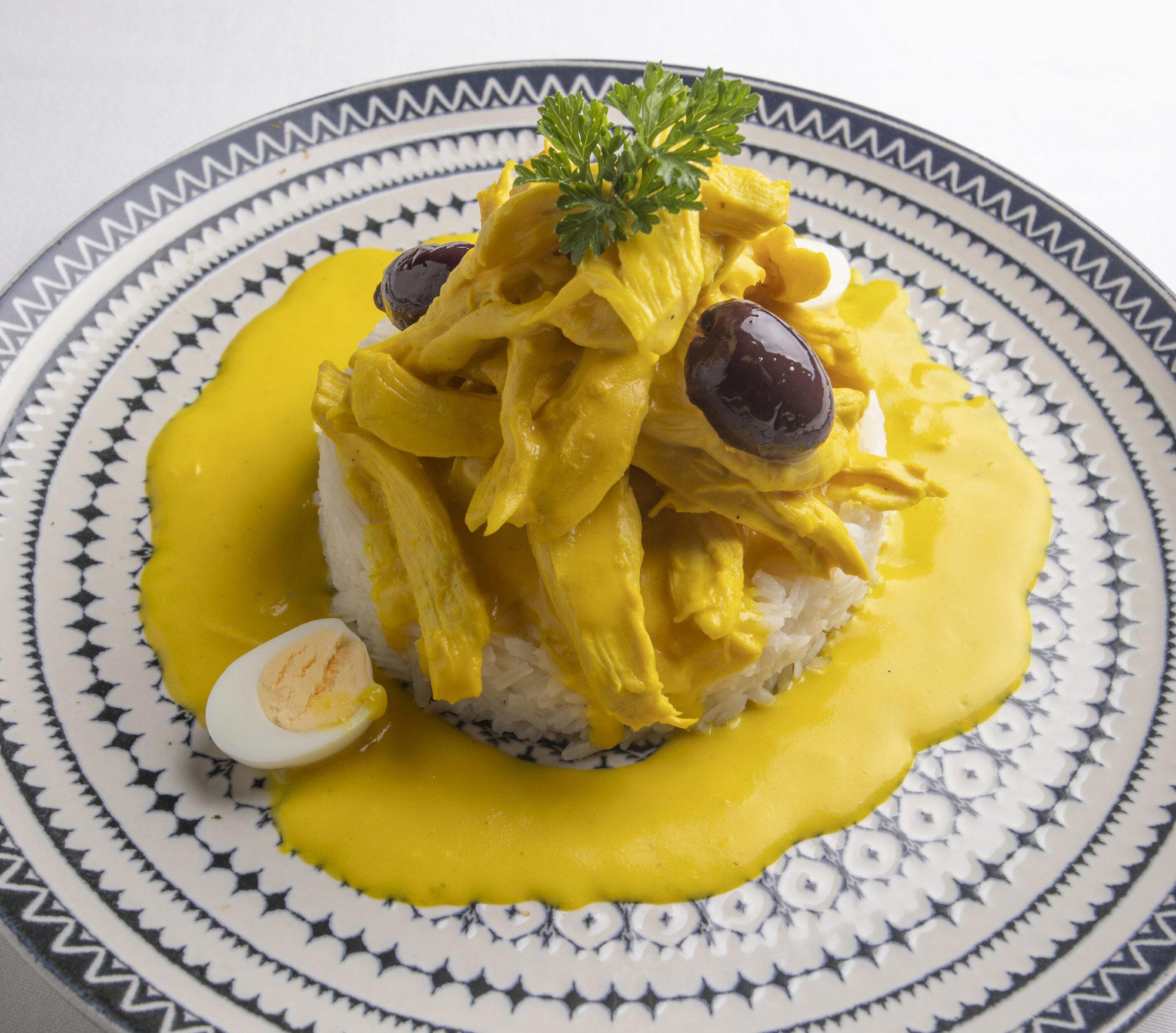
The menu
What to order
- Ceviche Clásico
- Lomo Saltado
- Causa Limeña
A Street in Retiro, and What the Menu Tells You
Madrid's dining geography tends to divide along a familiar axis: the high-concept tasting rooms clustered around Chueca and Chamberí, and the neighbourhood restaurants that serve actual residents rather than expense-account visitors. The Retiro district sits closer to the latter tradition, a residential area where restaurants are expected to earn repeat custom rather than one-time pilgrimage. Lima Limón, at C. de Pío Baroja 7, operates squarely in that register. The address is not a destination in the way that DiverXO or Coque are destinations, and that is the point. The restaurant's proposition is calibrated to a different kind of reader.
The name carries its own shorthand. Lima Limón pairs a Peruvian capital with a citrus fruit, and that pairing is not incidental. It signals an identity rooted in the Latin American tradition that has been reshaping European urban dining for the better part of two decades: ceviches built on leche de tigre, the sharp acidity of ají amarillo, preparations that use citrus not as garnish but as structural element.
What the Menu Architecture Reveals
In any restaurant operating below the tasting-menu tier, the structure of the menu is the clearest statement of intent available. A long menu with wide geographic reach usually signals a kitchen trying to please everyone; a shorter, more focused list usually signals conviction. Latin American-inflected menus in Madrid have matured enough that the better addresses tend toward the latter: a legible core of ceviches and tiraditos, a section of cooked dishes that might reference both Andean and coastal Peruvian traditions, and a dessert list that leans on tropical fruit and chocolate rather than the dairy-heavy conventions of Spanish repostería.
Lima Limón's positioning in Retiro, a district without a strong concentration of Latin American restaurants, means it likely functions as a local reference point rather than a competitor within a dense cluster. That has menu implications: the kitchen probably maintains enough breadth to serve as a full-dinner destination rather than specialising in a single format like a cevichería would. The distinction matters because it changes how you read the visit. This is not a place to assess one technique in isolation; it is a place to read a coherent Latin American-inflected kitchen working across a full service arc.
For comparison, the highest tier of creative cooking in Madrid, places like Deessa, DSTAgE, and Paco Roncero, operates with multi-course tasting structures where each dish is a discrete argument. Lima Limón's model is more conversational: dishes that share a table and invite comparison rather than demanding sequential attention. The two formats ask different things of the kitchen and of the diner.
Retiro as Context
The Retiro district is primarily known to visitors as the home of the Parque del Retiro and the Prado Museum corridor, but its residential streets operate on a different rhythm from the tourist-facing blocks around the museum. C. de Pío Baroja sits a short walk from the park's southern edge, in a stretch of the neighbourhood that functions as a genuine local commercial strip. Restaurants here face a pragmatic test: the competition is other neighbourhood restaurants, and loyalty is earned through consistency and value rather than novelty.
This is a different competitive environment from the one faced by Madrid's internationally recognised addresses. Spain's broader fine-dining geography, which includes El Celler de Can Roca in Girona, Arzak in San Sebastián, Azurmendi in Larrabetzu, and Martín Berasategui in Lasarte-Oria, operates at a level of ambition and resource that neighbourhood restaurants neither match nor need to. Lima Limón's relevance is local in the leading sense: rooted, consistent, and answerable to a community rather than to a critical apparatus.
That said, Latin American cooking in Europe has its own standards of reference. Peruvian cuisine in particular has demonstrated enough depth and technical rigour to support serious kitchens at multiple price points, from the haute-Nikkei register through to the fast-casual ceviche bar. A kitchen working in this tradition in a residential European setting is drawing on a culinary vocabulary with real intellectual weight behind it, even if the room and the price point signal something more relaxed.
Spain's Broader Frame
Madrid sits within a Spanish dining culture that has spent decades producing some of the most technically ambitious cooking in the world. Addresses like Aponiente, Mugaritz, Quique Dacosta, Ricard Camarena, Cocina Hermanos Torres, and Atrio represent a tradition of cooking that is both deeply Spanish and internationally oriented. Within Madrid specifically, the restaurant culture spans a wide range from that high-concept tier down to the tapas bars that anchor neighbourhood social life.
Latin American restaurants occupy a particular niche within this structure: they bring a culinary tradition that is distinct from the Spanish canon but not foreign to it, given the historical and linguistic connections between Spain and Latin America. A Peruvian restaurant in Madrid is not an exotic outlier in the way it might be in a northern European city; it is a recognised category with established expectations and a critical audience that knows the difference between a technically sound leche de tigre and a rough approximation of one.
Planning Your Visit
Lima Limón is located at C. de Pío Baroja 7, Retiro, 28009 Madrid. The Retiro metro station provides the most direct access, placing the restaurant within a short walk of the park's eastern edge. Reservations: Contact details are not currently listed in public directories; visiting in person or checking local aggregator platforms is advisable for current booking options. Dress: The Retiro neighbourhood context suggests a relaxed standard appropriate to a local restaurant rather than a formal dining room. Budget: Timing: Madrid's dinner service typically runs later than northern European norms, with most neighbourhood restaurants reaching full capacity between 9pm and 10:30pm. For the full picture of where Lima Limón sits within Madrid's wider dining options, see our full Madrid restaurants guide. For reference points at the international fine-dining level, Le Bernardin in New York City and Atomix in New York City illustrate how other cities handle the upper tier of non-European culinary traditions at premium price points.
Frequently asked questions
What part of town is Lima Limón in?
Lima Limón is located at C. de Pío Baroja, 7, Retiro, 28009 Madrid, Spain, Madrid.
Is Lima Limón a good option for dining near Parque del Retiro?
Lima Limón at C. de Pío Baroja 7 sits within the Retiro district, making it one of the few sit-down options on the residential streets that run alongside the park corridor, away from the tourist-facing bars near the park's main gates. For visitors coming from the Prado Museum or the park itself, the Retiro metro station provides the most direct access. The address fills a gap between the park's casual kiosks and the high-end rooms further north in the city.
What do people recommend at Lima Limón?
Specific dish-level data for Lima Limón is not published in detail, but the menu architecture at a Retiro neighbourhood address like C. de Pío Baroja 7 tends to favour a focused selection over a sprawling list. The clearest guide is to follow what the kitchen repeats across seasons — dishes that stay on a short menu in Madrid's competitive dining scene do so because they work. Check recent diner reports on local Spanish platforms for the current consensus.
Can I walk in to Lima Limón?
Walk-in availability at Lima Limón depends on the day and time, and no public booking policy is documented for this address. Retiro's residential streets draw a local crowd rather than heavy tourist footfall, which can mean more flexibility on weekday lunches than weekend evenings. Arriving early or calling ahead is the practical approach; no phone number is currently listed publicly.
What's Lima Limón best at?
Lima Limón operates in Retiro, a district whose restaurant offer is shaped by the neighbourhood rather than the high-concept tasting-room circuit centred on Chueca and Chamberí. That positioning points toward a kitchen focused on consistent, accessible cooking for a local audience rather than on technical showmanship. Without published awards or a documented chef profile, the case for Lima Limón rests on what its Retiro address and street-level format signal.
Fast Comparison
Comparable venues nearby, for context on price, style, and recognition.
| Venue | Cuisine | Price | Notes |
|---|---|---|---|
| Lima LimónThis venue — the venue you are viewing | Authentic Peruvian | $20–30 | Not listed |
| La Esquina Peruana | Peruvian-Japanese Nikkei Fusion | $20–30 | Palacio |
| Humo Goya | Peruvian Pollo a la Brasa | $20–30 | Goya |
| CEVICHERIA SAN JOAQUIN | Authentic Peruvian Cevicheria | $30–50 | Chueca |
| Raimunda | Ibero-American Fusion | $30–50 | Recoletos |
| La Tía Juana Madrid | Authentic Mexican Taqueria | $20–30 | Barrio de las Letras |