Our verdict
Kundan occupies a quieter corner of Madrid's Fuencarral-El Pardo district, sitting at a noticeable remove from the city's densely mapped restaurant centre. The address alone signals something about its positioning: a neighbourhood restaurant operating in a part of Madrid where visitors rarely venture without a specific reason to do so. That specificity is worth examining.

Pearl is the En Primeur Club membership app, where members save venues, book tables and use the concierge.
The menu
What to order
- Chicken Tandoori
- Butter Naan
- Tangri Kebab
- Jhinga Tandoori
- Gajar ka Halwa
A Neighbourhood Address in a City That Rewards Detours
Madrid's dining geography has always been more dispersed than its Michelin-starred headlines suggest. The city's most-discussed tables DiverXO, Coque, Deessa, cluster in recognisable postcode territory, but the residential periphery tells a different story. Fuencarral-El Pardo, where Kundan sits on Calle de Hospital de Órbigo, is the kind of district where restaurants exist primarily for the people who live nearby. There is no ambient tourist traffic, no parade of diners working through a curated itinerary. Arriving here requires a decision, and that decision reshapes what you expect before you walk through the door.
That spatial remove is not incidental. In cities like Madrid, where the premium dining conversation is dominated by tasting menus and creative DSTAgE-style formats, a neighbourhood address communicates something about purpose: this is a place that answers to a local clientele first, and to the wider dining conversation second. Whether Kundan leans into that identity or quietly resists it is the more interesting question.
What the Menu Structure Tells You
Madrid has a complicated relationship with cuisine categories. The city hosts some of Spain's most technically demanding restaurants, Paco Roncero among them, but it also sustains a strong parallel track of neighbourhood cooking that operates with no interest in that conversation. The menu architecture at any given restaurant is often the clearest indicator of which track it occupies.
A menu that is structured around à la carte choice, with shared plates or family-style portions signalled by the category headings, speaks to a different hospitality logic than a linear tasting sequence. The former allows the table to govern the pace and volume of the meal; it distributes decision-making to the guest rather than concentrating it in the kitchen. This format tends to favour cuisines where the individual dish carries more cultural weight than the progression between courses, South Asian and Indian restaurant traditions being a strong example of this, where the table's collective order constitutes the meal rather than a chef-directed sequence.
The name Kundan itself carries reference points worth noting. In South Asian jewellery tradition, kundan refers to a refined technique of setting gemstones in refined gold, associated with precision and layered craft. As a restaurant name, it suggests an orientation toward something considered rather than casual, though a name alone cannot confirm what a menu delivers. What it does do is set an expectation of care, one that the address and neighbourhood context will either confirm or complicate for the diner who makes the journey.
Spain's engagement with Indian cuisine has deepened considerably over the past decade. Madrid, more than Barcelona, has seen a steady expansion of South Asian restaurants that move beyond the generic subcontinental template, a shift mirrored in other European capitals where a second generation of diaspora-led restaurants has raised the baseline for what the category can deliver. The question for any Indian restaurant operating in Madrid's residential north is whether its menu architecture reflects that broader maturation: are spice profiles treated as adjustable variables for a local palate, or does the kitchen hold to regional specificity?
Reading the Competitive Context
Madrid's premium dining tier is almost entirely Spanish or Spanish-inflected in its creative identity. DiverXO represents the most globally referenced end of that spectrum, while restaurants like Coque and Deessa work firmly within a Spanish creative tradition. This concentration means that non-Spanish cuisines in Madrid operate largely outside the formal recognition infrastructure, they do not typically attract Michelin commentary, and the press cycle that follows starred restaurants does not extend to them with any regularity.
That absence of formal recognition does not reflect quality. It reflects category bias in how European fine-dining institutions have historically evaluated non-European culinary traditions. Internationally, that bias has begun to shift: venues like Atomix in New York City have demonstrated that Korean fine dining can occupy the same critical tier as French or Japanese counterparts. Closer to Spain's geography, the broader Iberian dining conversation increasingly references restaurants from Aponiente to El Celler de Can Roca as part of a European dining circuit that has also, gradually, begun acknowledging non-European formats. Madrid's Indian restaurants operate in that evolving space, where category perception is slowly catching up with what serious kitchens in the genre are actually producing.
For a restaurant at Kundan's address, residential Fuencarral, away from the circuits that generate press and footfall, the practical competitive set is local. Its peers are the restaurants that the neighbourhood actually uses: places that earn their custom through consistency, pricing logic, and the kind of reliability that turns first visits into habits.
Planning the Visit
Reaching Fuencarral-El Pardo from central Madrid requires intent. The district sits north of the M-30 ring, and public transport connections, while functional, place Kundan at a distance from the hotel corridors of Salamanca or the central Retiro area where most visitors anchor. For a traveller already navigating a Madrid itinerary that might include DSTAgE or a longer trip that extends to Arzak in San Sebastián, Azurmendi in Larrabetzu, or Martin Berasategui, Kundan represents a different register entirely: a local address rather than a destination on any existing critical circuit.
As with any restaurant operating outside the main booking platforms, it is worth verifying service times directly before making the trip north. A taxi or rideshare from Alonso Martínez or Chamberí will keep the journey under twenty minutes from most central points, and that practical ease changes the calculus considerably. For those whose Madrid itinerary is already weighted toward the city's Spanish creative table, Coque, Paco Roncero, and their peers, an evening at a neighbourhood Indian restaurant in Fuencarral offers a register shift that some visitors will find more refreshing than any lateral move within the same culinary tradition. Our full Madrid restaurants guide maps both ends of that spectrum.
Frequently asked questions
What kind of setting is Kundan?
Is Kundan suitable for children?
at Kundan?
Does Kundan serve a style of Indian cuisine specific to a particular region of the subcontinent?
Cuisine and Credentials
Comparable venues nearby, for context on price, style, and recognition.
| Venue | Cuisine | Price | Notes |
|---|---|---|---|
| KundanThis venue (the venue you are viewing) | Authentic Indian Tandoori | $20–30 | Not listed |
| Adrak Indian Cuisine l Restaurante indio Madrid | Authentic Indian Cuisine | $20–30 | Guindalera |
| Aboca Restobar | Italian Pizza & Crepes | $20–30 | Salvador |
| Perla del Pacífico | Authentic Ecuadorian | $10–20 | Pueblo Nuevo |
| Swagat | North Indian Tandoori | $20–30 | Recoletos |
| Nonetta | Modern Italian Trattoria | $20–30 | Almagro |
Continue exploring
More in Madrid
Restaurants in Madrid
All restaurants in Madrid →
Bars in Madrid
All bars in Madrid →


Details
- Intimate
- Cozy
- Elegant
- Classic
- Date Night
- Group Dining
- Family
- Casual Hangout
- Private Dining
- Standalone
- Beer Program
- A La Carte
- Family Style
- Wine
- Beer
- Vegetarian Friendly
- Vegan Options
- Gluten Free Options
- Halal
- Allergy Accommodating
Current opening hours
- Monday
- 1–4 PM, 8–11:30 PM
- Tuesday
- 1–4 PM, 8–11:30 PM
- Wednesday
- 1–4 PM, 8–11:30 PM
- Thursday
- 1–4 PM, 8–11:30 PM
- Friday
- 1–4 PM, 8–11:30 PM
- Saturday
- 1–4 PM, 8–11:30 PM
- Sunday
- 1–4 PM, 8–11:30 PM
Hours can change for holidays and private events. Hours as of .
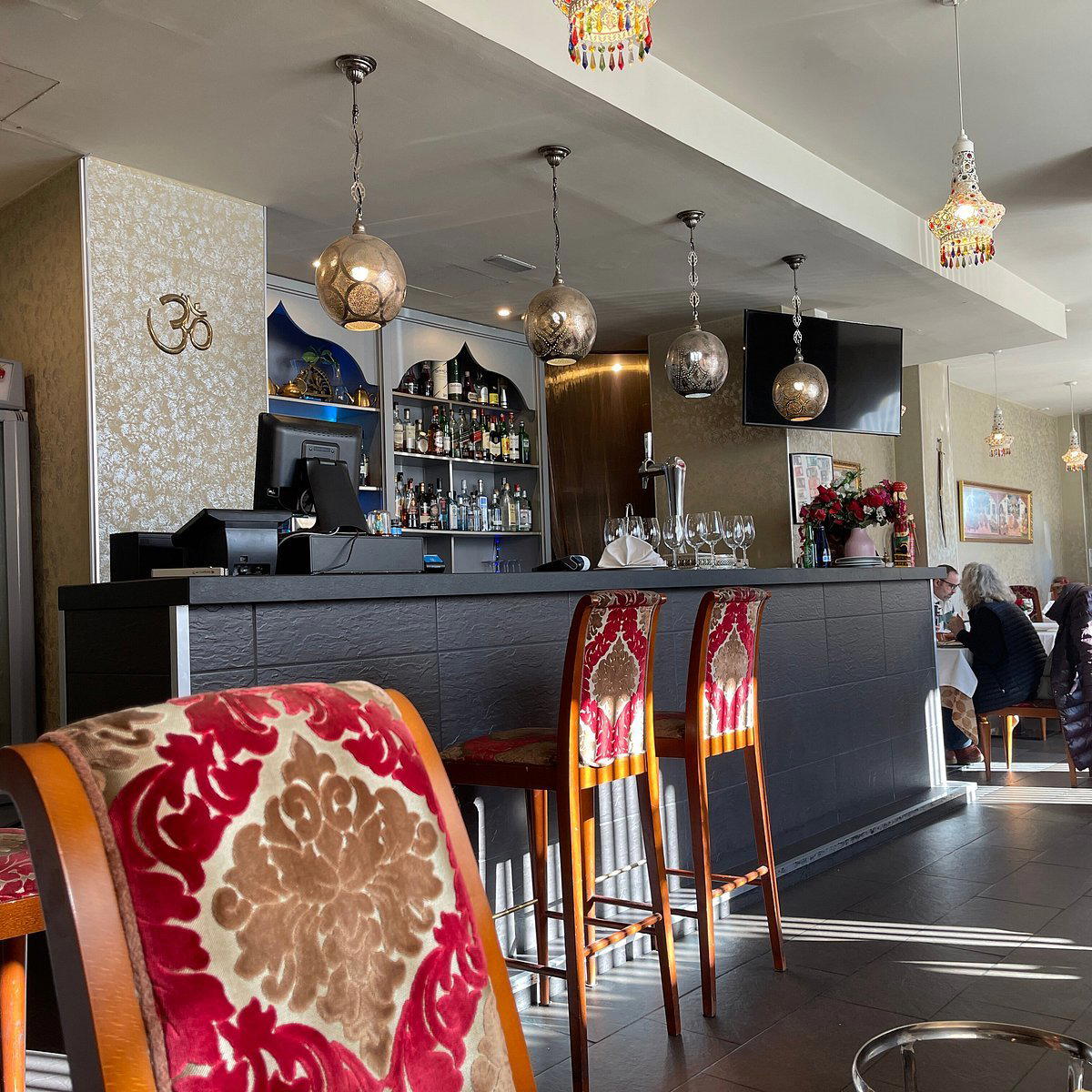
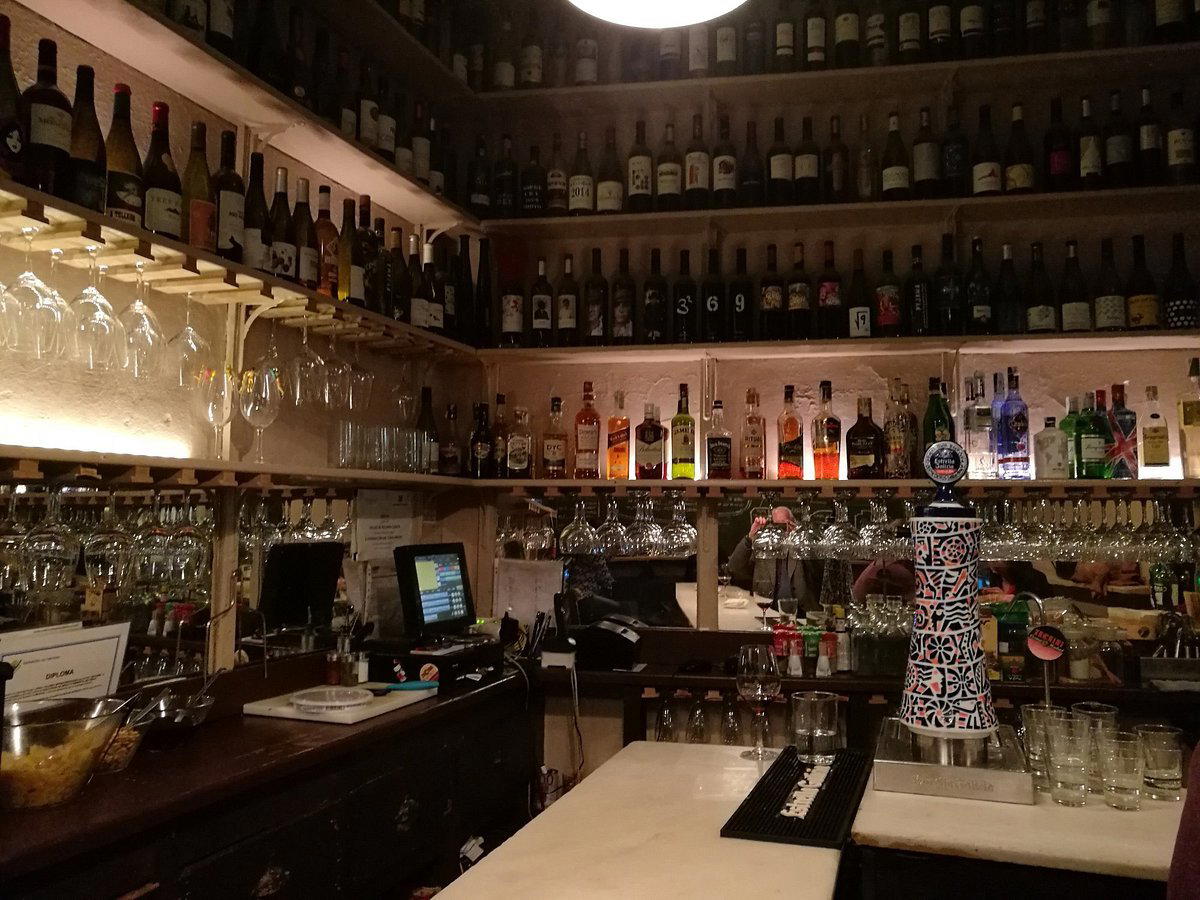
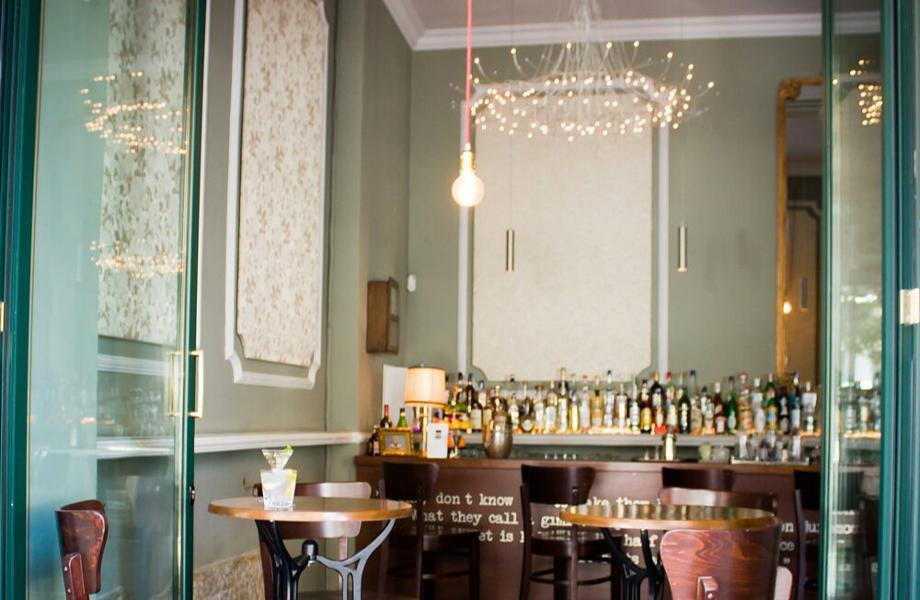
Warm and welcoming with soothing Indian classical music in the background, decorated with Indian souvenirs throughout, intimate upstairs seating with attentive service creating a cozy yet sophisticated atmosphere.