Wine Retail in São Paulo's Premium Mall Corridor Cidade Jardim Shopping sits at the upper end of São Paulo's retail hierarchy, anchored along Avenida Magalhães de Castro in a precinct that has quietly accumulated some of the city's most...
 Discover on Pearl
Pearl is the En Primeur Club membership app — saves, bookings, and concierge access live there. Same editors, same standards.
- Address
- Av. Magalhães de Castro, 12000 - Cidade Jardim, São Paulo - SP, 05676-120, Brazil
- Phone
- +551137584446
- Website
- adegasantiago.com.br
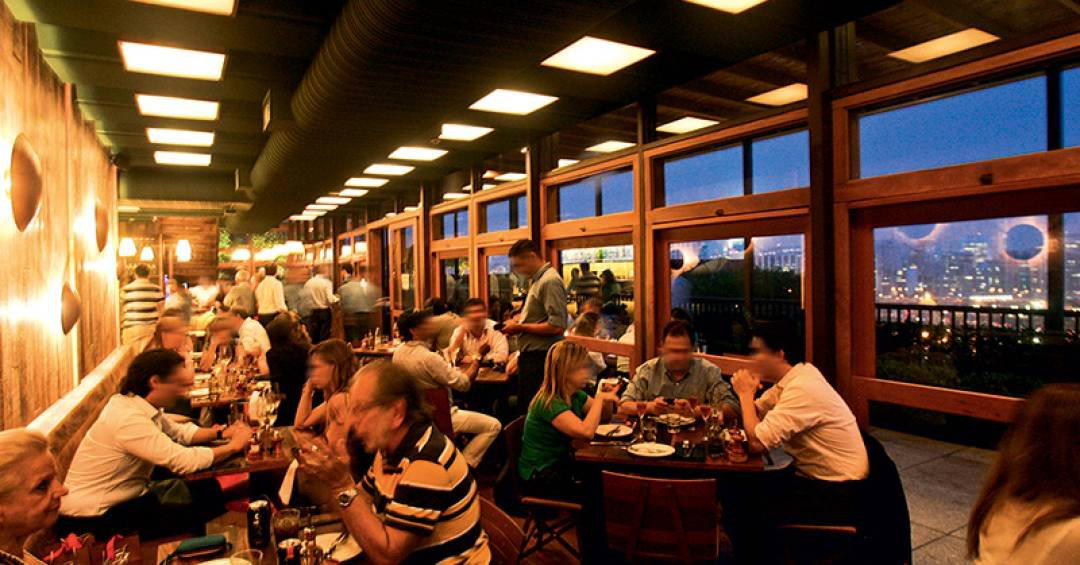
Adega Santiago - Cidade Jardim Shopping is a Portuguese-Spanish Mediterranean tapas restaurant in São Paulo, Brazil. Wine Retail in São Paulo's Premium Mall Corridor
Cidade Jardim Shopping sits at the upper end of São Paulo's retail hierarchy, anchored along Avenida Magalhães de Castro in a precinct that has quietly accumulated some of the city's most concentrated high-income commerce. The mall format here is not the suburban big-box variety; it operates closer to the European arcade model, where specialty food and beverage concepts occupy the same floor space as international luxury labels. Adega Santiago fits that pattern. As a wine shop with retail ambitions inside a premium shopping environment, it occupies a category that São Paulo has been developing steadily over the past decade: the curated adega, where selection depth and staff knowledge matter as much as square footage.
The Adega Tradition and What It Means in Brazil
The word adega carries specific weight in Brazilian Portuguese. Literally a wine cellar or storehouse, it has evolved in urban contexts to describe a specialist wine retailer, often with tasting infrastructure and a buying philosophy that distinguishes it from the generic wine aisle of a supermarket chain. In São Paulo, the adega category has split along recognisable lines: volume retailers competing on price and convenience, and curation-led shops that position around provenance, producer relationships, and the kind of staff literacy that can support a conversation about regional typicity rather than just a price point.
Brazil's wine consumption has grown steadily through the 2010s and into the 2020s, with São Paulo as the primary market for imported premium bottles. The city's affluent districts, Jardins, Itaim Bibi, and the Cidade Jardim corridor, have absorbed most of the specialist wine retail activity, partly because the consumer base in those neighbourhoods has international travel experience and exposure to wine culture in Europe and North America. An adega inside Cidade Jardim Shopping is therefore not an anomaly; it is a logical address for a format that requires a customer willing to spend time, engage with recommendations, and pay above commodity pricing for considered selection.
Context Within São Paulo's Broader Dining and Drinking Scene
Understanding what an adega like this one offers requires some familiarity with where wine sits inside São Paulo's eating and drinking culture. The city's restaurant scene at the upper end, represented by venues like D.O.M. with its modern Brazilian approach, Evvai for contemporary Italian, and Tuju with its creative format, has driven serious wine list development over the past fifteen years. As restaurant programmes have grown more sophisticated, the retail side of the market has followed. Customers who encounter a specific producer or region on a restaurant list often want to find those bottles for home consumption, which is where specialist retailers operating in affluent catchments step in.
The Cidade Jardim location also places Adega Santiago in proximity to the kind of consumer who treats wine purchasing as part of a broader lifestyle spend rather than a purely functional errand. That distinguishes it from adega formats in more mixed commercial precincts, where price sensitivity shapes the buying conversation more heavily. For context, the broader Brazilian wine retail market has seen increasing interest in Portuguese wines, Italian regionals, and South American bottles from Argentina's Mendoza and Chile's premium valleys alongside the more established French and Spanish categories.
Brazilian Wine Culture and the Regional Production Question
No discussion of wine in Brazil is complete without noting the country's own production, centred on Serra Gaúcha in Rio Grande do Sul and, increasingly, the Vale do São Francisco in the northeast. Brazilian wine has undergone significant quality development since the early 2000s, with producers in the Serra Gaúcha achieving credibility for sparkling wines made by the traditional method, as well as still reds from Merlot, Cabernet Franc, and Tannat. A specialist adega in São Paulo with any seriousness about its selection will typically carry domestic bottles alongside imports, because the conversation about Brazilian terroir has become a meaningful part of the broader wine discussion in the country's major cities.
For visitors or travellers exploring Brazil's food and drink culture more widely, the wine dimension connects to a broader pattern visible at restaurants like Maní, which has built a reputation for integrating Brazilian ingredients and producers into an internationally-minded framework, or at Fame Osteria, where Italian wine logic meets São Paulo's dining pace. The adega as a retail format is, in a sense, the connective tissue between restaurant wine discovery and home consumption.
Placing Adega Santiago in a National Picture
São Paulo sits at the centre of Brazil's premium food and drink economy, but specialist wine retail and dining culture extend across the country. Oteque in Rio de Janeiro represents the kind of serious restaurant programme that has helped build consumer appetite for premium wine pairings. Further afield, venues like Manga in Salvador and Orixás North Restaurant in Itacaré show how regional Brazilian dining culture is developing outside the major urban centres. Within São Paulo's state, Mina in Campos do Jordão and Olivetto Restaurante e Enoteca in Campinas illustrate the spread of wine-engaged dining formats beyond the capital itself. Internationally, the adega model has analogues in cities like New York, where venues such as Le Bernardin have set standards for wine programme depth, and in San Francisco, where Lazy Bear demonstrates how curated beverage thinking integrates with tasting format dining.
For travellers building itineraries across Brazil's south, venues like Manu in Curitiba, Primrose in Gramado, Castelo Saint Andrews in Gramado's Vale do Bosque, and Birosca S2 in Belo Horizonte show that wine and food culture in Brazil now has geographic breadth, not just a São Paulo concentration. State of Espírito Santo in Rio Bananal adds another data point for how Brazilian regional identity is finding expression in food and drink formats across the country.
Planning a Visit
Adega Santiago occupies space within Cidade Jardim Shopping at Avenida Magalhães de Castro 12000, Cidade Jardim, São Paulo. The mall's location in the western zone of the city places it accessible via Marginal Pinheiros for drivers and within reach of upper-income residential zones including Alto de Pinheiros and Morumbi.
Cost and Credentials
Comparable venues nearby, for context on price, style, and recognition.
| Venue | Cuisine | Price | Awards | Notes |
|---|---|---|---|---|
| Adega Santiago - Cidade Jardim ShoppingThis venue — the venue you are viewing | $$$ | , | ||
| Exímia | $$$ | , | Pinheiros, Contemporary Brazilian Cocktail Bar | |
| Aguzzo | Pinheiros, Traditional Italian Cucina | $$$ | , | |
| Restaurant Sushi Isao | Se, Traditional Japanese Buffet | $$$ | , | |
| Loup | $$$$ | Michelin Plate | Pinheiros, Mediterranean Fusion Fine Dining | |
| Ohka | Pinheiros, Modern Japanese Cuisine | $$$$ | , |
Continue exploring
More in São Paulo
Restaurants in São Paulo
Browse all →
Bars in São Paulo
Browse all →
At a Glance
- Cozy
- Rustic
- Elegant
- Date Night
- Business Dinner
- Casual Hangout
- Wine Cellar
- Extensive Wine List
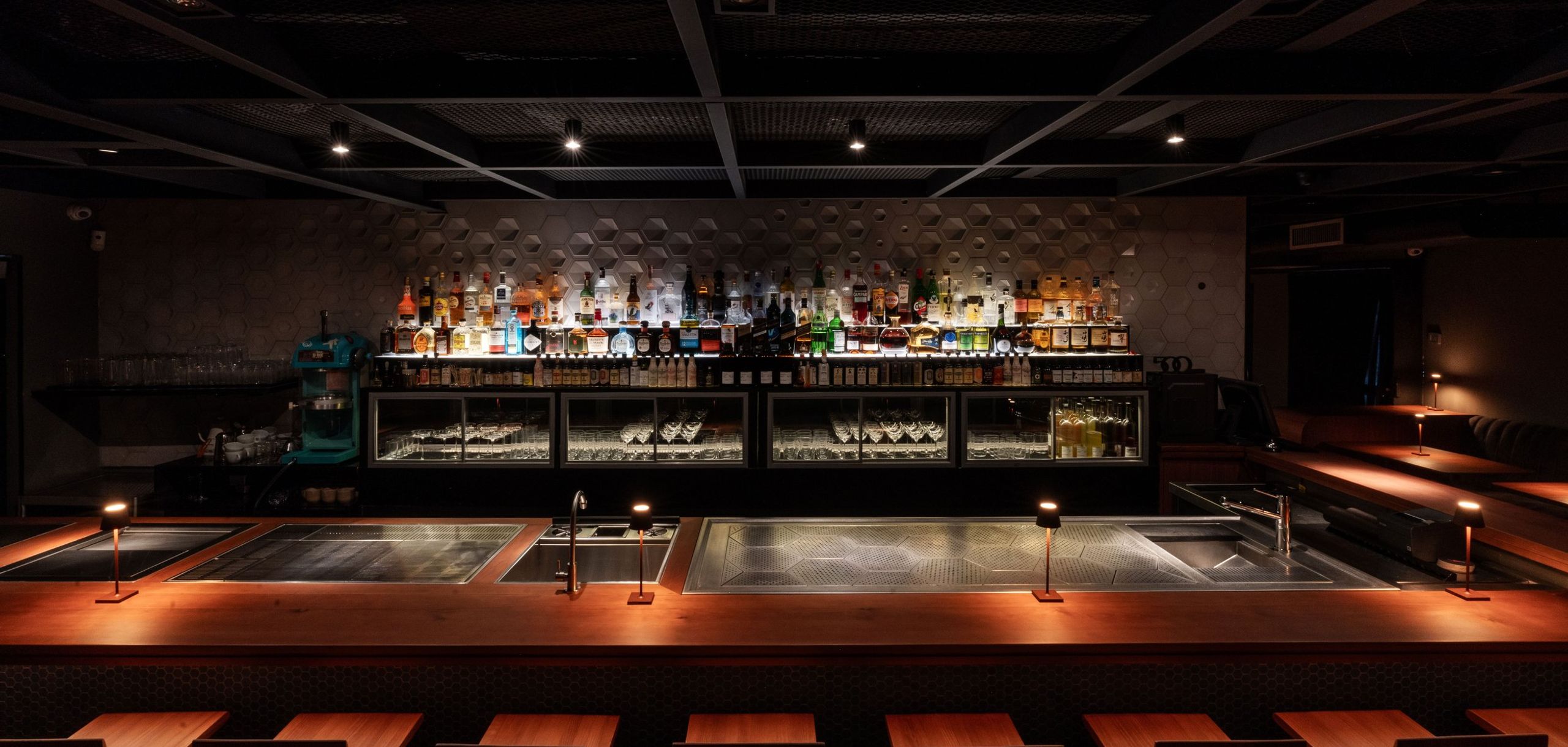
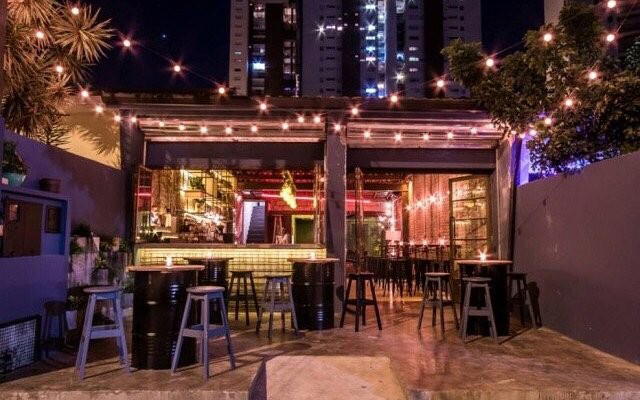
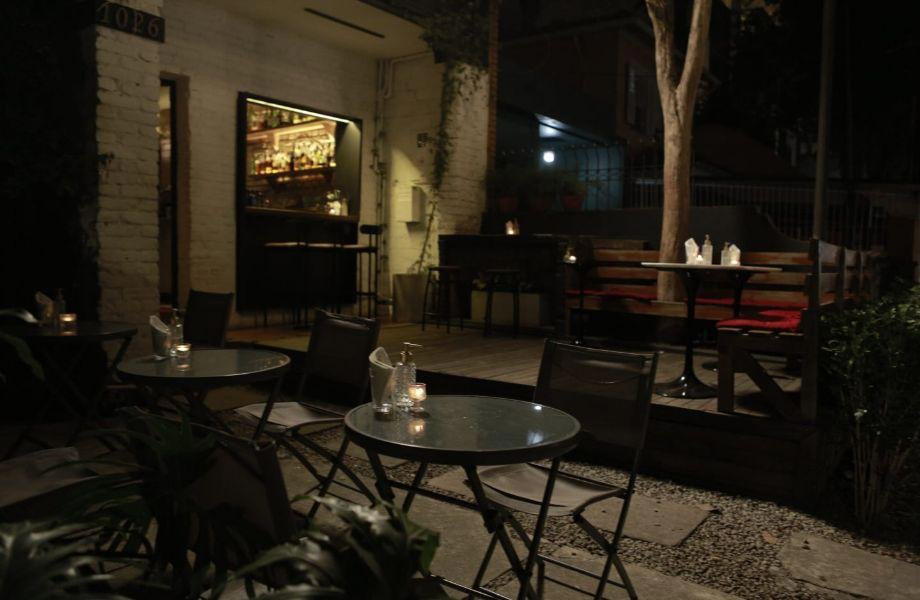
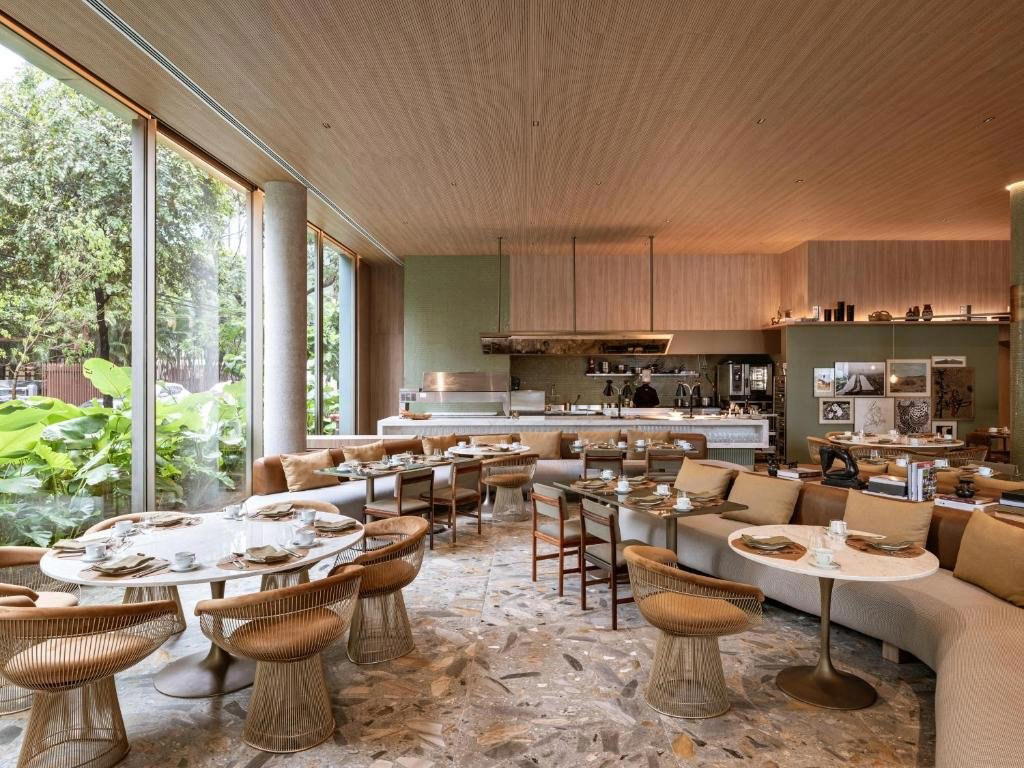
Aconchegante atmosphere replicating small Iberian houses with relaxed burburinho and descontraído vibe.